Is CBD Legal in Missouri? 2026 Guide to Missouri CBD Laws
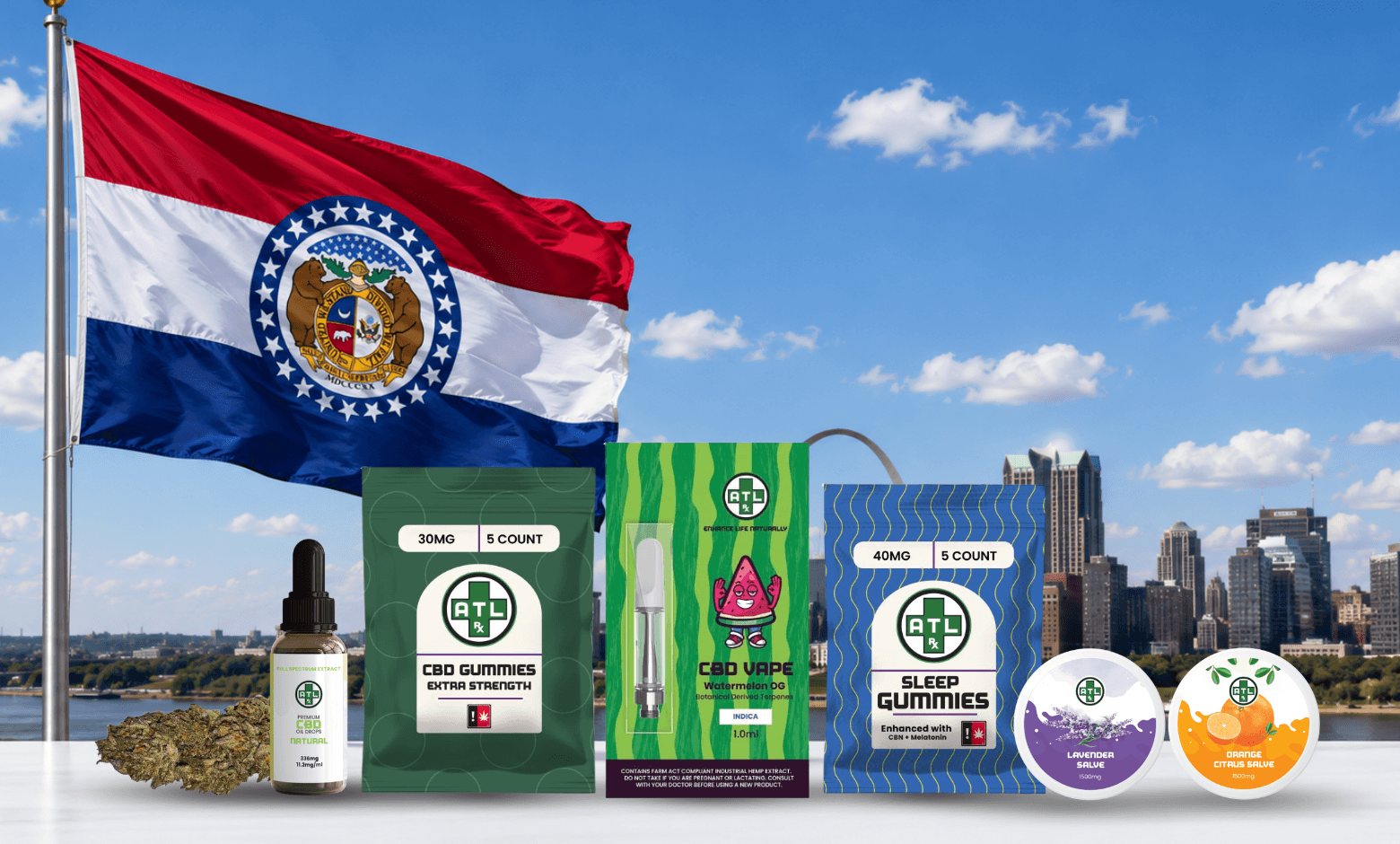
CBD Legal Status in Missouri:
Yes, currently, hemp-derived CBD with less than 0.3% delta-9 THC is legal to buy, possess, and sell in Missouri without a prescription or medical marijuana card required.
A significant change is scheduled for November 12, 2026, when a new federal definition of hemp takes effect alongside Missouri’s Intoxicating Cannabinoid Control Act. As a result of the federal change, finished products are capped at 0.4 mg of total THC per container, which will affect a broad portion of the current market. Industrial-hemp products and CBD isolate or broad-spectrum products that test under the new limit are expected to remain legal; full-spectrum products may need to be reformulated.
If you live in the Show-Me State and want a straight answer to the question “Is CBD legal in Missouri?” the short version is yes, with conditions. CBD derived from hemp that contains less than 0.3% delta-9 THC by dry weight is legal under both federal and Missouri state law. The longer version is more interesting since Missouri’s rules will change in 2026, and a major federal change will occur on November 12, 2026.
This guide walks through every layer of the law as it stands today, what shifts later this year, and how to tell a compliant product from one that is not.
Keep Browsing
Explore Our CBD Categories
Shop real CBD products and collections.
Key Takeaways
- 01CBD derived from hemp is legal in Missouri. All products containing less than 0.3% delta-9 THC on a dry-weight basis are legal in the state. No prescription or medical card is required.
- 02A major regulatory shift takes effect on November 12, 2026. The Intoxicating Cannabinoid Control Act, signed by Governor Mike Kehoe in April 2026, removes intoxicating hemp products from general retail. Non-intoxicating CBD is not affected.
- 03Federal and state laws are aligned. The 2018 Farm Bill defines compliant hemp, and Missouri HB 2034 mirrors that definition. Both have a delta-9 THC threshold of 0.3%.
- 04CBD derived from hemp and CBD derived from marijuana are not the same. Hemp-derived CBD is sold by general retailers and online. Marijuana-derived CBD is sold only through licensed Missouri dispensaries and requires the buyer to be 21+ or a registered medical cardholder.
- 05Always verify the Certificate of Analysis. A current, batch-matched COA from an ISO 17025 accredited lab is the single best way to confirm a CBD product is legal in Missouri.
- 06Buying online is allowed. Compliant hemp-derived CBD ships nationwide via USPS, UPS, and FedEx. Marijuana-derived products cannot legally cross state lines.
- 07Most retailers enforce a minimum age of 21. Missouri does not set a statewide minimum age for hemp-derived CBD, but most stores follow tobacco rules and require buyers to be 21 or older.
Federal CBD Law: The 2018 Farm Bill in 60 Seconds
As part of the 2018 Farm Bill, hemp was removed from the Controlled Substances Act. In the bill, hemp is defined as any part of the cannabis plant containing 0.3% or less delta-9 THC on a dry-weight basis. Anything above that line is still classified as marijuana under federal law.
That federal definition has been the backbone of every state CBD law, including Missouri’s. If a CBD product is derived from compliant hemp and stays below the 0.3% threshold, it is federally lawful today to produce, ship across state lines, and sell. That definition is set to tighten on November 12, 2026, as explained later in this guide.
CBD Law in Missouri: Timeline 2014 to 2026
Missouri’s relationship with CBD has evolved through several distinct stages. Understanding the timeline helps explain why some retailers are still confused about what they can and cannot stock.
- 2014 — HB 2238: Signed into law in July 2014 by Governor Jay Nixon, this bill created a narrow registration program permitting access to hemp extract containing at least 5% CBD and no more than 0.3% THC for Missouri residents with intractable epilepsy that has not responded to at least three treatment options.
- 2018 — HB 2034: Industrial hemp was removed from the state’s controlled-substance list, aligning Missouri with the federal Farm Bill that passed the same year.
- 2018 — Amendment 2: Missouri voters approved medical marijuana on November 6, 2018, with roughly 66% support, creating the state’s licensed dispensary system. Medical sales began in October 2020.
- 2022 — Amendment 3: During the November 8, 2022, general election in Missouri, recreational marijuana was legalized for adults 21 and over by a 53–47 margin. The amendment took effect on December 8, 2022, and the first licensed adult-use sales began on February 3, 2023. DHSS’s existing cannabis regulatory body, which had administered the medical program since 2018, was renamed and expanded into the Division of Cannabis Regulation to oversee both medical and adult-use markets.
- 2024 — Executive Order 24-10: Then-Governor Mike Parson signed an executive order on August 1, 2024, directing state agencies to remove unregulated intoxicating hemp products from Missouri shelves starting September 1, citing child safety. The Missouri Hemp Trade Association filed suit, the Secretary of State rejected the proposed emergency rules, and by mid-September, DHSS had substantially scaled back enforcement, agreeing to release embargoed products and refer only misbranded items to the Attorney General. Hemp retail largely resumed pending legislative action.
- 2026 — The Intoxicating Cannabinoid Control Act: Governor Mike Kehoe signed the act on April 23, 2026. It pulls intoxicating hemp products from Missouri retail shelves starting November 12, 2026, aligning state enforcement with the federal hemp redefinition taking effect the same day.
The 2026 Update: What Changes on November 12, 2026
This is the part most older articles on the internet get wrong. Here is the current state of play, based on the federal law President Trump signed on November 12, 2025, the Missouri bill Governor Kehoe signed in April 2026, and reporting from the Missouri Independent.
What stays legal in Missouri: Non-intoxicating hemp products that comply with the new federal definition. The strongest candidates are CBD isolate and broad-spectrum formulations that test under the new 0.4 mg total-THC-per-container cap, plus CBG and CBN products that meet the same threshold. Industrial hemp grown for fiber, grain, and non-cannabinoid uses is unaffected.
What changes: Two things happen on the same day. In the first place, hemp’s federal definition is tightened under Section 781 of the Continuing Appropriations Act, 2026 (P.L. 119-37), which President Trump signed on November 12, 2025. It moves from a delta-9-only standard to a total-THC standard, caps final hemp-derived products at 0.4 mg total THC per container, and excludes synthetic or lab-converted cannabinoids. Second, Missouri’s Intoxicating Cannabinoid Control Act takes effect, pulling intoxicating hemp products from retail shelves statewide.
Why “effectively a ban” is the right phrase: The Missouri law technically routes intoxicating hemp into the licensed marijuana dispensary system, but because Missouri requires dispensary products to be grown and processed in state-licensed facilities and nearly all intoxicating hemp products on the market are made from out-of-state hemp, the practical result is a near-total ban on those products in Missouri retail.
Why it matters for buyers: Industry analyses from groups like the U.S. Hemp Roundtable estimate the new federal limits will affect roughly 95% of current hemp-derived cannabinoid products, including a meaningful share of full-spectrum CBD formulations that exceed the 0.4 mg per-container cap. Compliant CBD will still be available, but expect product lines to be reformulated, repackaged, or discontinued through late 2026. Buying from brands that publish current Certificates of Analysis and update labeling to the new standard is the safest path.
Hemp-Derived CBD vs. Marijuana-Derived CBD
These two categories sit under different laws, are sold in different stores, and have very different rules. The table below makes the contrast clear.
| Factor | Hemp-Derived CBD | Marijuana-Derived CBD |
|---|---|---|
| Source plant | Cannabis sativa with <0.3% delta-9 THC | Cannabis sativa with >0.3% delta-9 THC |
| Federal status | Legal under 2018 Farm Bill (definition tightens Nov. 12, 2026) | Federally controlled substance |
| Where sold in MO | Smoke shops, specialty CBD shops, online retailers, and some grocery stores | Licensed Missouri dispensaries only |
| Card required | No | Medical card or adult-use ID (21+) |
| Online shipping | Allowed nationwide if compliant | Not allowed across state lines |
Is CBD Oil Legal in Missouri?
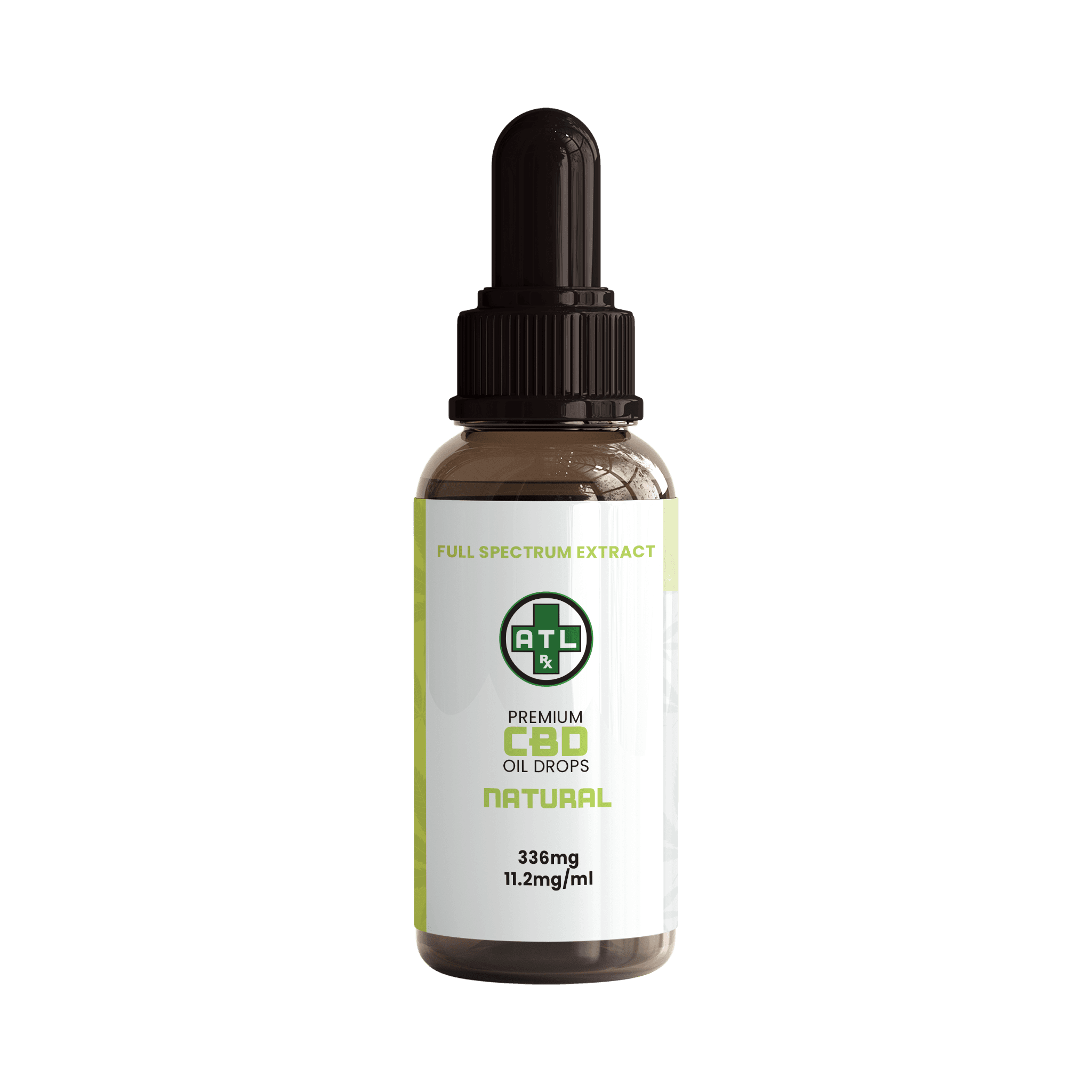
Yes. CBD oil derived from hemp and tested below 0.3 percent delta-9 THC is legal in Missouri today. You do not need a doctor’s recommendation, a medical card, or any state-issued permit to buy or possess it. CBD oil is widely available in smoke shops, vape stores, dedicated CBD retailers, some pharmacies, and online from licensed hemp companies.
The only oils that are not legal are those that exceed the 0.3% delta-9 limit or contain banned synthetic cannabinoids. Check the Certificate of Analysis (COA) before purchasing. Beginning November 12, 2026, oils will also need to meet the new federal 0.4 mg total-THC-per-container cap to remain compliant.
Are CBD Gummies, Vapes, and Topicals Legal in Missouri?
Hemp-derived CBD gummies, CBD vape cartridges, CBD topicals, and CBD pre-rolls are all legal in Missouri today as long as they remain under the limit of 0.3% delta-9 THC on a dry-weight basis. Each product category is subject to the same federal definition and the same Missouri rules.
After November 12, 2026, gummies and beverages that exceed the new federal total-THC limits or rely on synthetic conversions of CBD into delta-8 or delta-9 will be restricted from general retail.
Non-intoxicating CBD gummies and topicals that meet the 0.4 mg total-THC-per-container threshold are expected to remain available.
Delta-8, Delta-9, and Other Cannabinoids in Missouri
The minor cannabinoid market has been the focus of nearly all Missouri legislative debate over the past three years. Here is where each currently stands.
- CBD (cannabidiol): Legal when derived from hemp and under 0.3% delta-9 THC today. Subject to the new THC cap of 0.4 mg per container starting November 12, 2026.
- CBG, CBN, CBC: Legal as hemp-derived cannabinoids under the same threshold, subject to the same November 2026 changes.
- Delta-8 THC: Currently available in Missouri retail, but scheduled to be removed on November 12, 2026, under the Intoxicating Cannabinoid Control Act, with the federal redefinition reinforcing the change.
- Hemp-derived delta-9 THC: Treated the same as delta-8 under the new state and federal frameworks.
- THCa, THCP, HHC: Fall under the new act’s definition of intoxicating cannabinoids and the new federal exclusions for synthetic or lab-converted compounds, following the same retail timeline.
Age Requirements and ID Rules
Missouri does not set a single statewide minimum age for buying CBD, but practical rules apply. Most physical retailers require buyers to be 21 or older, in line with tobacco and vape regulations. Many online CBD stores will sell to adults 18 and older, and some require 21+ at checkout. Always carry a valid government ID when buying in person, since stores routinely scan IDs.
Licensed marijuana dispensaries, which sell marijuana-derived CBD, require buyers to be 21 or older for recreational purchases. Registered Missouri medical card holders may be younger with a qualified caregiver listed on the account.
Mentioned In This Article
Where to Buy Compliant CBD in Missouri
Missouri buyers have three main channels. Each one has tradeoffs.
- Online from a licensed hemp brand. This is the most reliable path. Reputable brands publish batch-level lab reports, source from licensed U.S. hemp farms, and ship to Missouri addresses with tracking. ATLRx, for example, posts third-party Certificates of Analysis for every batch and ships hemp-derived CBD oils, gummies, topicals, and flower nationwide.
- Local CBD or vape shops. Quality varies. Ask to see the COA for the specific batch before buying. If the staff cannot produce one, that is your signal to move on.
- Licensed Missouri dispensaries. Required if you want marijuana-derived CBD or higher-THC formulations. You must be 21+ for adult-use or hold a valid medical card.
City notes for buyers
- St. Louis: Dense network of CBD specialty shops in the Central West End, Soulard, and the Loop. Online delivery is straightforward citywide.
- Kansas City: CBD retailers cluster around Westport and the Plaza. Many neighborhood pharmacies also stock topicals.
- Springfield: College-town demand keeps a strong vape and CBD retail scene near Missouri State University.
- Columbia: Several long-standing hemp shops downtown serve both students and the broader region.
- Independence and the suburbs: Coverage is thinner, so most buyers default to online ordering with home delivery.
Shipping CBD Into Missouri
USPS, UPS, and FedEx all accept hemp-derived CBD shipments under federal rules, provided the sender complies with the Farm Bill definition. USPS requires hemp shippers to maintain compliance documentation, including a copy of the grower’s license and laboratory test results showing under 0.3% delta-9 THC, and to self-certify compliance under Publication 52. Reputable brands handle this on the back end, so buyers don’t need to do anything special to receive a CBD order in Missouri other than be at the delivery address to sign when required.
Marijuana-derived products, including high-THC CBD formulations sold inside Missouri dispensaries, cannot legally cross state lines. Even if a friend in Colorado offers to mail you something from a dispensary, that shipment violates federal law.
How to Verify a CBD Product Is Legal: 5 Quick Checks
- Find the QR code or batch number. Every reputable hemp brand includes one on the label.
- Open the Certificate of Analysis. Scan or click through to the third-party lab document for that exact batch.
- Confirm the lab is independent and ISO 17025 accredited. The accreditation should be printed on the COA header.
- Check the delta-9 THC line and total THC. Delta-9 must read under 0.3% on a dry-weight basis. Beginning November 12, 2026, total THC per container must also be at or below 0.4 mg to meet the new federal definition of hemp.
- Make sure the COA batch number matches the product label. The COA does not belong to that product if the numbers do not align.
Doing all five takes under two minutes and is the single most useful habit a Missouri CBD buyer can build.
Driving, Drug Tests, and the Workplace
Standard workplace drug tests look for THC metabolites, not CBD. Pure CBD isolate carries a very low risk on a drug screen. With daily or high-volume use of full-spectrum CBD products, trace amounts of THC can accumulate enough to register a positive.
If you hold a DOT-regulated job, a federal safety-sensitive position, or work in a setting with zero-tolerance drug policies, the safest path is to either avoid CBD entirely or choose a THC-free broad-spectrum or isolate formulation, and to keep the COA on file in case you ever need to document what you took.
Driving while impaired by any substance, including hemp-derived products, remains illegal in Missouri.
Penalties for Non-Compliant Products
Possession of a CBD product that tests over the 0.3% delta-9 limit can be treated the same as marijuana possession under Missouri law if obtained outside a licensed dispensary. Selling intoxicating hemp products after the November 12, 2026, cutoff will expose retailers to enforcement action by Missouri Attorney General Catherine Hanaway’s office, which has been cracking down on intoxicating hemp retailers under state consumer-protection statutes since taking office in September 2025.
For everyday buyers of compliant hemp-derived CBD, there is no legal exposure as long as the product is verified through a current COA and meets the applicable THC thresholds.
What to Watch in 2026 and 2027
The federal hemp framework and Missouri’s implementation will both continue to evolve. Four flashpoints to track:
- Whether Congress passes a delay or carve-out before the November 12, 2026, effective date, bills like the Hemp Planting Predictability Act (delay) and Rep. Morgan Griffith’s regulatory framework have been introduced; the 2026 Farm Bill markup left the ban untouched.
- Whether FDA’s promised guidance — including its lists of “naturally occurring,” “THC-class,” and “similar-effects” cannabinoids, plus a regulatory definition of “container” broadens or narrows what counts as compliant hemp.
- How CMS’s Substance Access Beneficiary Engagement Incentive pilot evolves. Launched April 1, 2026, it currently lets providers in the ACO REACH and Enhancing Oncology Models offer up to $500 per beneficiary per year in qualifying hemp-derived CBD products, with the LEAD Model joining January 1, 2027. It is a narrow demonstration, not broad Medicare coverage.
- Whether litigation from hemp-industry groups, in Missouri and at the federal level, alters or delays the November 12, 2026, cutoff.
Frequently Asked Questions
Do I Need a Prescription for CBD in Missouri?
+
No. There are hemp-derived CBD products available over the counter, online, and in retail stores. You do not need a doctor’s recommendation, a medical card, or any state-issued permit.
Can I Bring CBD into Missouri from Another State?
+
Yes, if the product meets the federal hemp definition of less than 0.3% delta-9 THC today, and the new total-THC and 0.4 mg per container limits starting November 12, 2026. Marijuana-derived products from a dispensary in another state cannot legally cross state lines.
Are CBD Gummies Legal in Missouri?
+
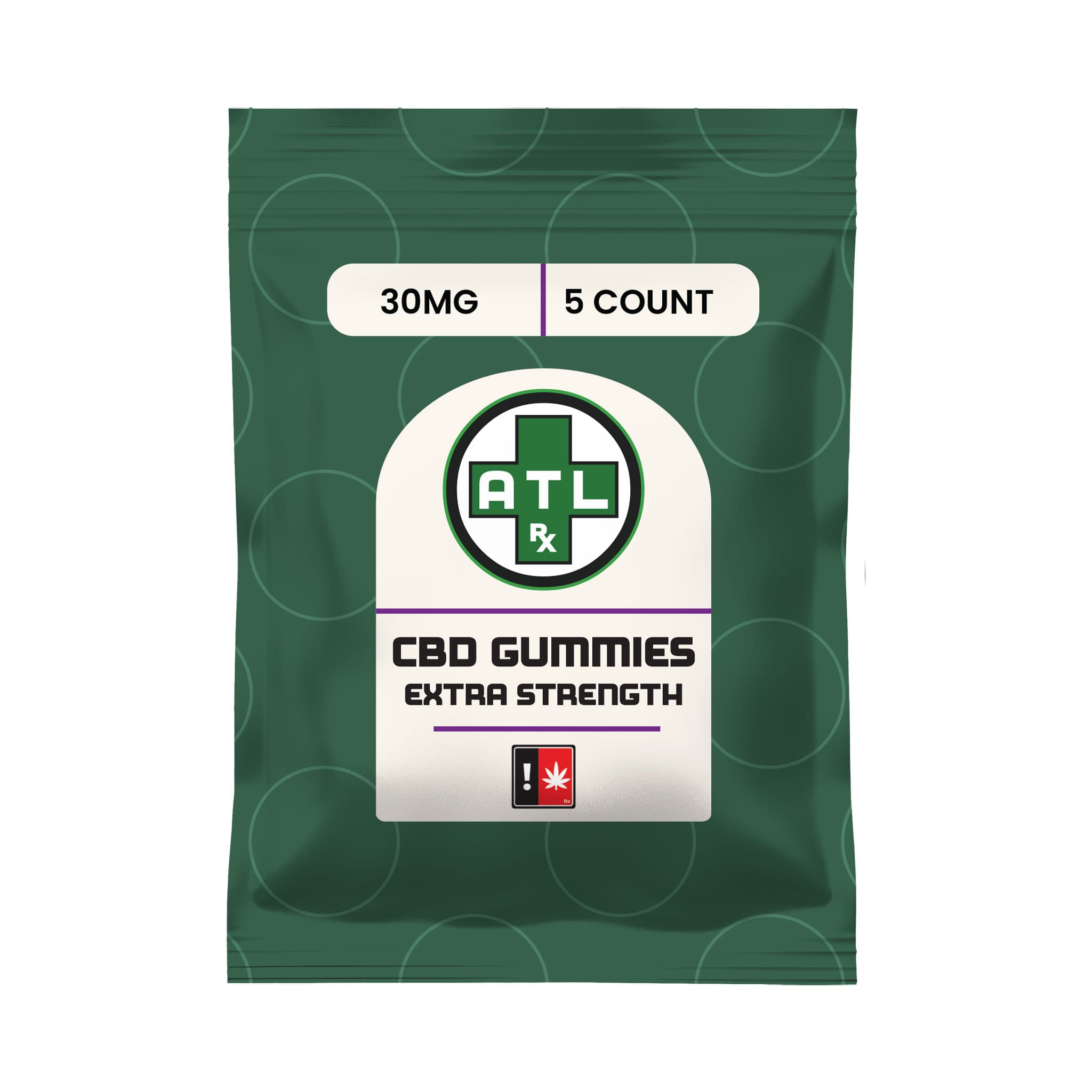
Hemp-derived CBD gummies under the 0.3% delta-9 THC threshold are legal today. Beginning November 12, 2026, gummies must also meet the new federal total-THC limits to remain in general retail.
Is CBD Flower Legal in Missouri?
+
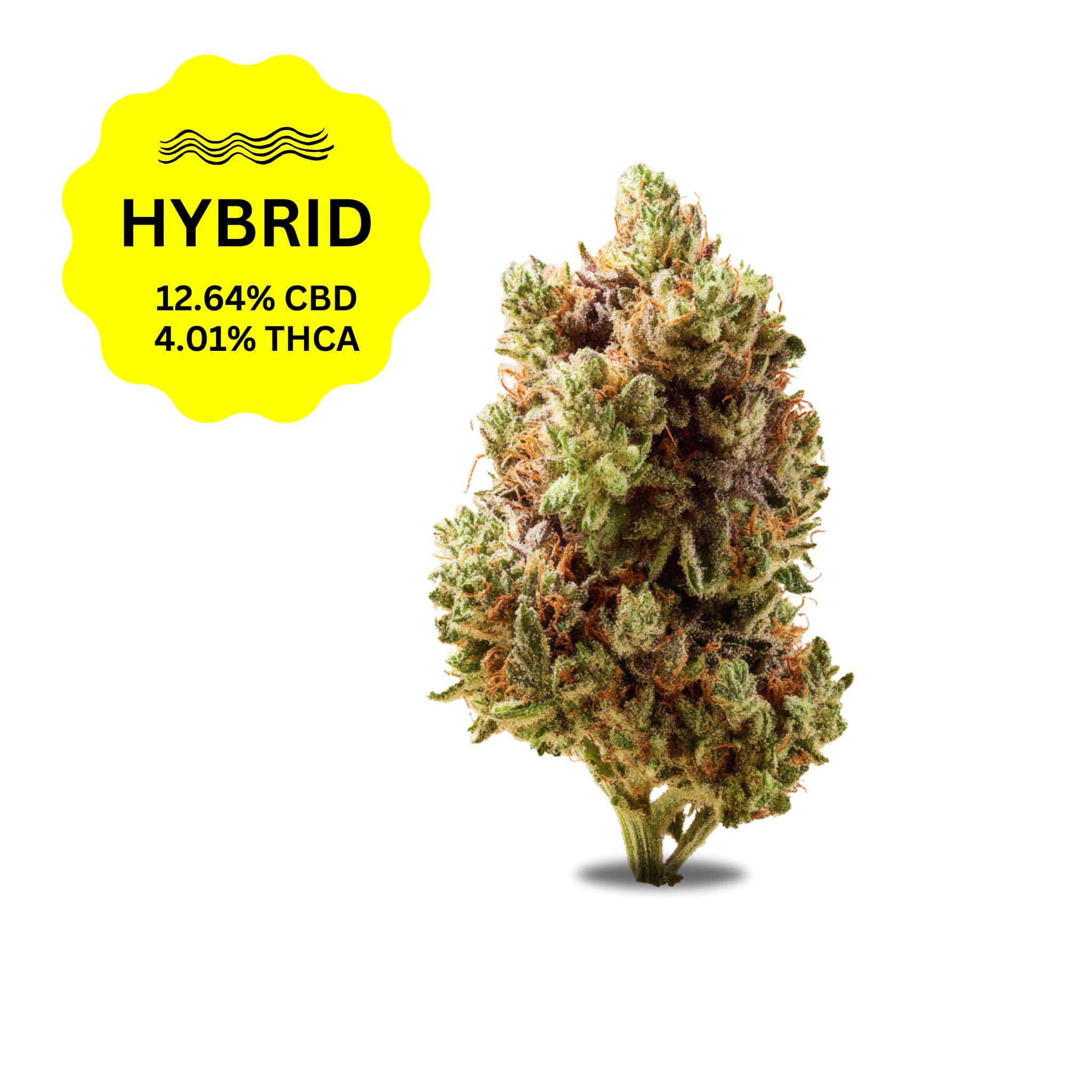
Yes. Hemp flower that tests below 0.3% delta-9 THC is legal to purchase and possess today. Some local jurisdictions place restrictions on smokable hemp, so check city ordinances if you plan to use it in public. After November 12, 2026, CBD flower will need to meet the new total-THC standard, which excludes THCa flower under the federal redefinition.
How Old Do I Have to Be to Buy CBD in Missouri?
+
Missouri has no statewide minimum age for CBD, but most retailers require buyers to be 18+, and many require 21+ in line with tobacco rules. Licensed dispensaries selling marijuana-derived CBD require 21+ for adult-use or a valid medical card.
Will CBD show up on a drug test?
+
It is not possible to test for CBD itself. Drug screens look for THC metabolites. Pure CBD isolate is the lowest-risk option for drug-tested workplaces. It is possible for full-spectrum products to accumulate trace amounts of THC with regular use.
Can I Ship CBD to a Missouri Address?
+
Yes. Hemp-derived CBD ships nationwide under federal rules. Several major carriers accept hemp shipments, including USPS, UPS, and FedEx.
Does the November 12, 2026, Law Ban CBD Oil?
+
Not outright, but it changes the rules. Missouri’s Intoxicating Cannabinoid Control Act targets intoxicating hemp products, and the federal redefinition of hemp that takes effect the same day shifts to a total-THC standard with a 0.4 mg per-container cap. Non-intoxicating CBD oil, gummies, topicals, and flower that meet the new limits are expected to remain legal; many full-spectrum products will need to be reformulated.
Where Can I Find Lab-tested CBD in Missouri?
+
Be sure to buy from brands that publish a Certificate of Analysis for every batch. ATLRx, for example, links a COA on every product page. Local retailers should be willing to show the COA on request.
Is Delta-8 Still Legal in Missouri?
+
Delta-8 products remain available through the November 12, 2026, cutoff. After that date, intoxicating delta-8 products are scheduled to be restricted from general retail under both Missouri and federal law.
Disclaimer
This article is for general informational purposes only and does not constitute legal, medical, or professional advice. The Food and Drug Administration has not evaluated the statements on this blog. Products discussed are not intended to diagnose, treat, cure, or prevent any disease. Cannabis and hemp laws change frequently; verify current regulations with the Missouri Division of Cannabis Regulation or a licensed Missouri attorney before making purchasing or business decisions.
Why Trust This Guide
- ATLRx has sold third-party lab-tested hemp products out of Georgia since 2019.
- Every real batch we sell is tested by an accredited outside lab, with the Certificate of Analysis published before you buy.
- We operate 3 real physical stores in Georgia — this isn't a drop-shipped storefront.
- Legal information is rechecked and updated as rules change, not published once and forgotten.
This guide is for general information only and is not legal advice. While we update it as rules change, state laws can shift quickly. Please confirm current laws with your state’s official sources.
Don't Trust the Label. Check the Lab.
ATLRx publishes third-party Certificates of Analysis for real batches so you can verify cannabinoid content before you buy — not just take the package's word for it.
View Lab Results →Have Questions?
Visit an ATLRx store in Georgia and talk to our team.
Real Customers, Real Reviews
What Customers Are Saying

Jen Hight
Cannabis Industry Expert & Compliance Specialist Jen Hight is a cannabis industry professional with extensive experience in hemp compliance, product development, and consumer education. With a background in regulatory affairs and a passion for helping consumers navigate the complex world of cannabinoids, Jen provides accurate, up-to-date information on hemp legality and best practices. Her work focuses on making cannabis knowledge accessible while ensuring readers understand both the opportunities and responsibilities that come with legal hemp products.
View all articles →Keep Learning
Is CBD Legal in Delaware? 2026 Law Updates & Guide
CBD Legal Status in Delaware: Yes, CBD is legal in Delaware. Under the federal 2018 Farm Bill and Delaware’s hemp program, hemp-derived CBD containing less than 0.3% delta-9 THC is legal to buy, possess, and use. Marijuana-derived (higher-THC) products are legal only through Delaware’s state-licensed dispensaries. ATLRx ships only hemp-derived Delta-9 (≤0.3% THC) and THCV […]
Jul 7, 2026 · 12 min read
Is CBD Legal in New Mexico? 2026 Legal Guide
CBD Legal Status in New Mexico: Yes. Hemp-derived CBD containing no more than 0.3% delta-9 THC on a dry-weight basis is legal in New Mexico for adults. Cannabis-derived CBD is also legal, but it can only be purchased from licensed dispensaries. New Mexico finalized a permanent hemp rule in January 2026, and a federal ban […]
Jul 3, 2026 · 14 min read
Is CBD Legal in New Jersey? The Complete 2026 Guide
CBD Legal Status in New Jersey: Yes. CBD derived from hemp that contains no more than 0.3% total THC is legal in New Jersey. The controlling development in 2026 is S4509 (P.L.2025, c.215), signed January 12, 2026. Key changes effective January 13, 2026, include a ban on online sales of any hemp-derived product and a […]
Jul 1, 2026 · 12 min read
Is CBD Legal in Montana? Complete 2026 Legal Guide
CBD Legal Status in Montana: Yes. CBD derived from hemp is legal in Montana. It is legal to purchase and possess hemp-derived CBD products in Montana, and they are sold widely across the state, provided they comply with both federal law and Montana’s hemp rules. Under Senate Bill 375 (effective May 2025), however, any consumable […]
Jun 30, 2026 · 16 min read
Stay Informed
New product releases, hemp law updates, and useful cannabinoid guides.