Is CBD Legal in Delaware? 2026 Law Updates & Guide
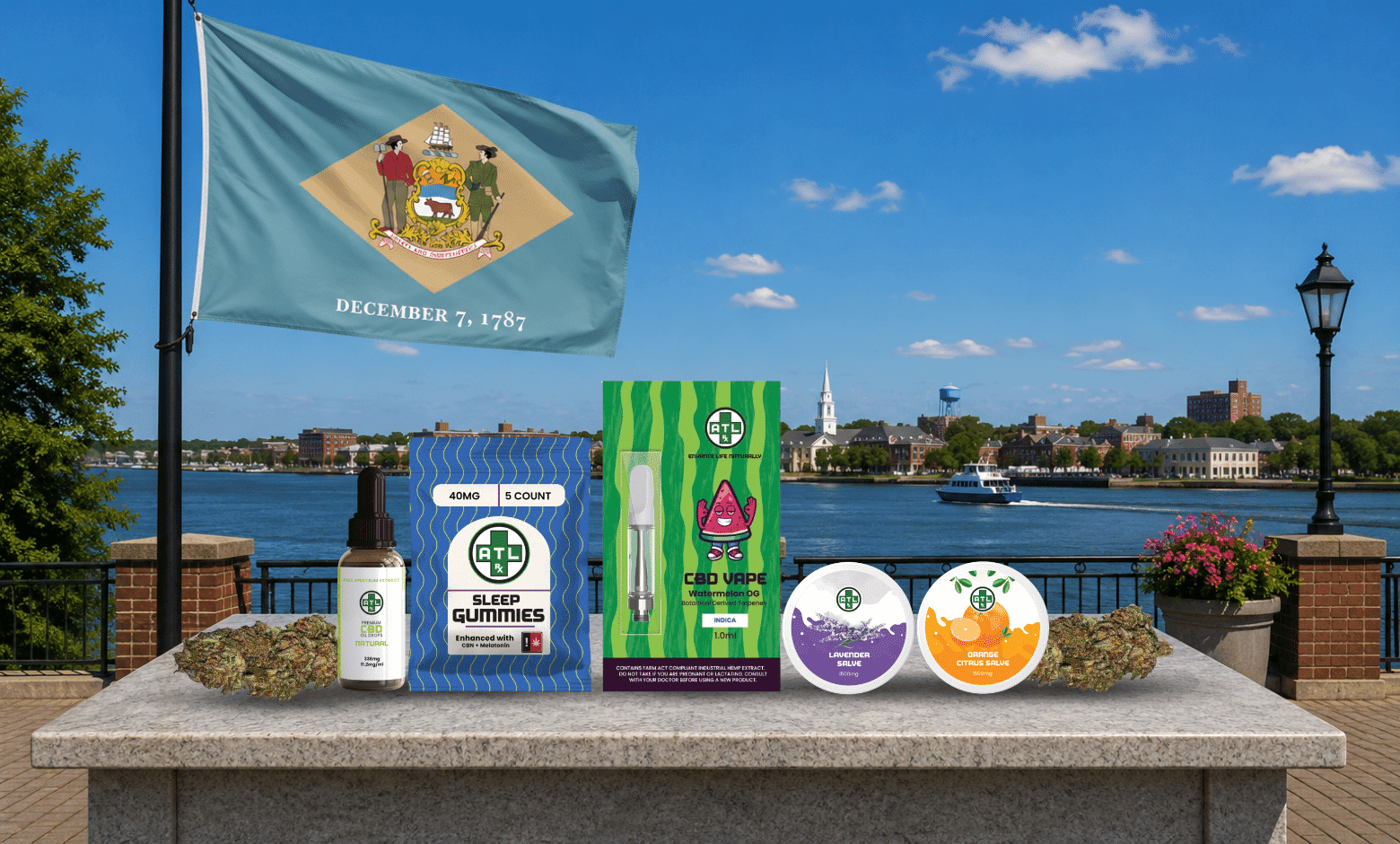
CBD Legal Status in Delaware:
Yes, CBD is legal in Delaware. Under the federal 2018 Farm Bill and Delaware’s hemp program, hemp-derived CBD containing less than 0.3% delta-9 THC is legal to buy, possess, and use. Marijuana-derived (higher-THC) products are legal only through Delaware’s state-licensed dispensaries. ATLRx ships only hemp-derived Delta-9 (≤0.3% THC) and THCV products to Delaware addresses; Delta-8, Delta-10, HHC, and THCP products are not available for shipment to Delaware.
If you live in the First State or are planning a visit, one of the first questions worth answering is “Is CBD legal in Delaware?” The short answer is yes, hemp-derived CBD that meets federal and state requirements is legal to buy, possess, and use in Delaware. That said, the rules around CBD and the broader cannabis category have shifted meaningfully heading into 2026, so understanding where the lines fall is important before you shop. This guide breaks down current Delaware law in plain language, explains the difference between hemp-derived and marijuana-derived products, and covers what shoppers should check on a label.
There is no legal advice contained in this article; it is only for informational purposes. Cannabis and hemp laws change frequently. Always confirm the current rules with official Delaware state sources before buying or traveling.
Keep Browsing
Explore Our CBD Categories
Shop real CBD products and collections.
Key Takeaways
- 01CBD derived from hemp that contains less than 0.3% delta-9 THC by dry weight is legal in Delaware.
- 02Hemp and CBD are regulated by the Delaware Department of Agriculture under the state’s Domestic Hemp Production Program.
- 03Marijuana-derived CBD (higher-THC cannabis) is sold only through state-licensed channels.
- 04Cannabis for adult use (recreational use) is now legal in Delaware for adults 21 and older, with retail sales beginning August 1, 2025.
- 05Delta-8 THC is banned in Delaware — not merely restricted. This prohibition extends to Delta-10, HHC, and THCP. ATLRx does not ship these products to Delaware.
- 06Delaware lawmakers are actively debating new hemp regulations during the 2026 legislative session, so the framework may continue to evolve.
Federal Law: The Foundation for CBD Legality
To understand Delaware’s approach, it helps to start with federal law. The 2018 Farm Bill (the Agriculture Improvement Act of 2018) removed hemp from the federal list of controlled substances. In accordance with this law, hemp is defined as cannabis plants and their derivatives containing less than 0.3% delta-9 THC by dry weight. Federally, marijuana is classified as a Schedule I controlled substance above that threshold.
Federal definitions serve as a baseline. It legalized hemp-derived CBD nationwide in principle, but it also left each state free to add its own rules, restrictions, or licensing requirements. That is exactly what Delaware has done, and it is why a state-by-state look matters so much for CBD shoppers.
Is CBD Legal in Delaware? The State-Level
Delaware aligns with the federal hemp definition while adding its own regulatory structure. Here is how the state handles it.
Delaware’s Industrial Hemp Program
Delaware’s path to legal hemp began with Senate Bill 266, signed into law in August 2018, which authorized hemp cultivation in the state. Following the passage of the federal 2018 Farm Bill, the U.S. Department of Agriculture approved Delaware’s state hemp production plan in January 2020. Since then, the Delaware Department of Agriculture has held primary regulatory responsibility for hemp grown and processed within the state.
Under this framework, businesses that cultivate, process, or handle hemp must register with the Department of Agriculture and follow its hemp rules and regulations. Licensed processors are permitted to convert raw hemp into hemp-derived CBD, which Delaware residents may legally purchase. In the state, hemp-derived products with a THC content less than 0.3% are legal.
Hemp-Derived CBD vs. Marijuana-Derived CBD
Delaware shoppers should understand this distinction. In order to produce hemp-derived CBD, hemp plants must not contain more than 0.3% delta-9 THC. These non-intoxicating products are widely available to the general public through retail stores and online shops.
Cannabis plants derived from marijuana have a higher THC content. In Delaware, these products move through state-licensed channels, meaning the medical marijuana program and the adult-use (recreational) market, rather than general retail.
The plant of origin and the THC level, not the word “CBD” on the label, determine which legal lane a product falls into.
Delaware’s Medical Marijuana Program
Delaware’s medical marijuana program traces back to the Delaware Medical Marijuana Act, signed into law in 2011, though the state’s first medical dispensary did not open until 2015 after licensing and regulatory infrastructure were established. The program allows registered patients, certified by a qualified medical practitioner, to obtain cannabis products, including marijuana-derived CBD, from licensed dispensaries known as compassion centers. Patients must register with the state and meet eligibility criteria. This program is separate from the hemp-derived CBD market and from the adult-use market.
Delaware’s Adult-Use (Recreational) Cannabis Market
Delaware legalized adult-use marijuana through the Delaware Marijuana Control Act, a pair of companion bills (House Bill 1 and House Bill 2) that became law in April 2023 after Governor John Carney allowed them to take effect without his signature. Adult-use retail sales began on August 1, 2025, initially through existing medical dispensaries that obtained conversion licenses. Additional retail-only and social equity licensed stores have been moving through the state’s licensing process since then.
State-licensed dispensaries sell cannabis to adults 21 and older, subject to state restrictions, generally one ounce of flower, 12 grams of concentrate, or 750 milligrams of delta-9 THC in edible form. Marijuana sold through this market is grown and tested within Delaware because cannabis remains federally illegal and cannot cross state lines. This adult-use market is the legal route for higher-THC cannabis products in the state.
What About Delta-8, Delta-10, and Other Hemp-Derived THC?
This is where Delaware differs sharply from some other states, and it is essential context for the question “Is CBD legal in Delaware?”
Non-intoxicating, hemp-derived CBD is one thing. Intoxicating cannabinoids that are chemically derived from hemp, such as Delta-8 THC, Delta-10 THC, and HHC, are treated very differently. Delaware has banned Delta-8 THC, and this prohibition extends to Delta-10 THC, HHC, and associated distillate cannabinoids. These products are not permitted for general retail or online sale to Delaware addresses. ATLRx does not ship Delta-8, Delta-10, HHC, or THCP products to Delaware.
Enforcement has been active. State regulators have issued cease-and-desist letters to numerous businesses selling intoxicating THC products outside of licensed cannabis channels. During the 2026 legislative session, Delaware lawmakers introduced multiple competing bills aimed at clarifying how hemp-derived THC products should be regulated, tested, labeled, age-restricted, and taxed. Because this area is still in flux, anyone selling or buying intoxicating hemp products in Delaware should monitor official updates closely.
The takeaway: non-intoxicating CBD is legal, but not every product marketed under a “hemp” label is treated equally under Delaware law.
Rules and Considerations for CBD Shoppers in Delaware
Even though hemp-derived CBD is legal, a few practical points are worth keeping in mind.
Age considerations. Retailers commonly set minimum age requirements for hemp and CBD purchases, and anything sold through Delaware’s licensed cannabis market is restricted to adults 21 and older. All ATLRx products are intended for adults 21 and older. Always check the age policy of the specific retailer or platform.
Labeling and lab testing. Reputable CBD products should clearly state cannabinoid content, including CBD and THC amounts, and should be backed by a current third-party Certificate of Analysis (COA). The COA confirms the product’s cannabinoid profile and screens for contaminants. Every ATLRx product comes with a QR code linking directly to third-party, full-panel lab reports.
Public consumption. Delaware places restrictions on consuming cannabis products in public spaces, and smoking hemp or cannabis while driving is not permitted. Use products responsibly and in private settings.
Traveling across state lines. Hemp-derived products that meet the federal 0.3% THC limit can generally be transported between states, but marijuana products from Delaware’s licensed market cannot legally cross state lines. Laws differ from state to state, so verify the rules of your destination.
Buy from transparent sources. Whether shopping in a store or online, choose brands that publish lab results, provide clear product information, and operate within the law.
Types of Hemp-Derived CBD Products Available
Due to Delaware state law, ATLRx’s Delaware-eligible lineup is limited to hemp-derived Delta-9 (≤0.3% THC) and THCV products. Delta-8, Delta-10, HHC, and THCP products are not available for shipment to Delaware. For shoppers in other states, ATLRx carries a wider range of hemp-derived CBD formats, including:
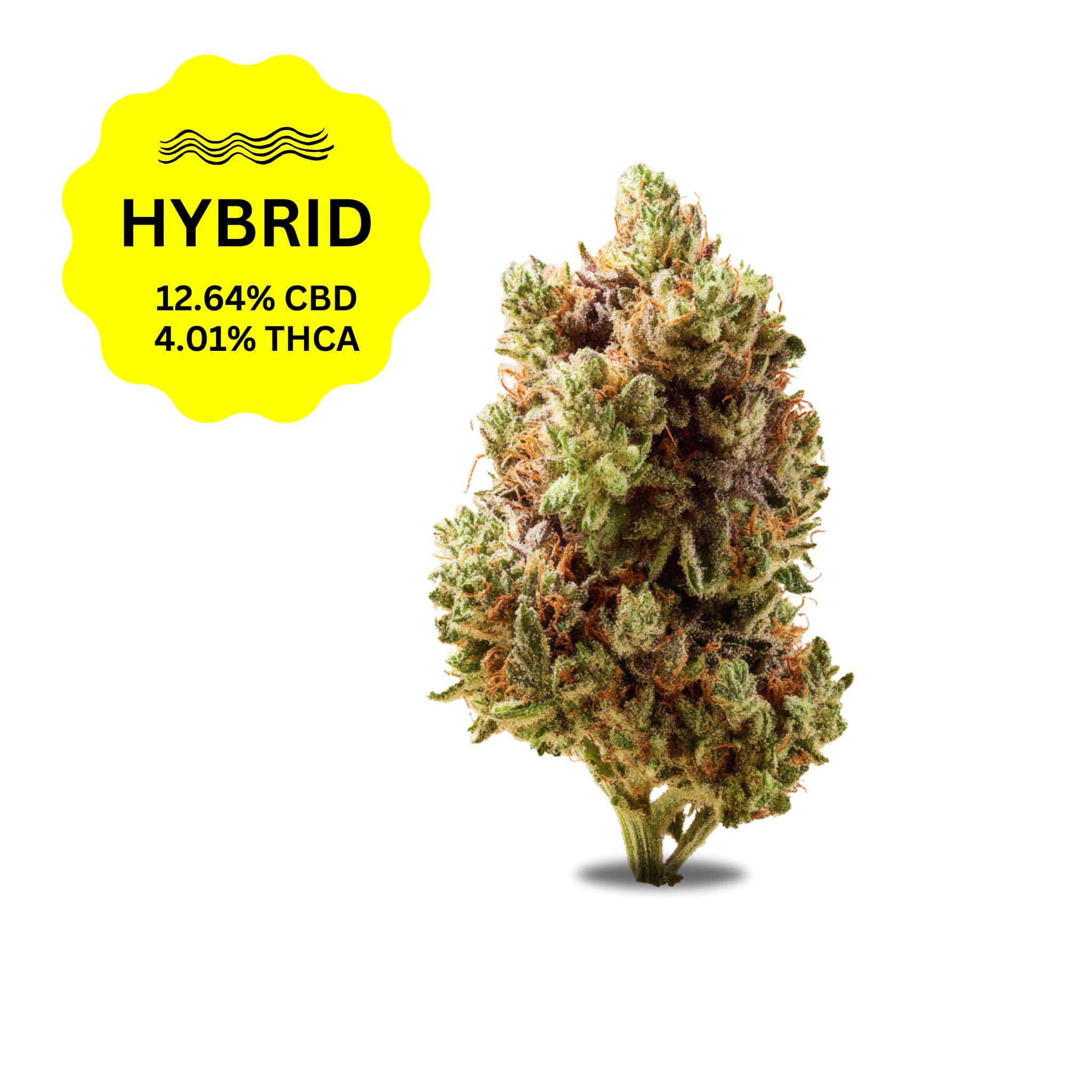
- CBD Flower and other smokable hemp formats for those who prefer the traditional plant experience.
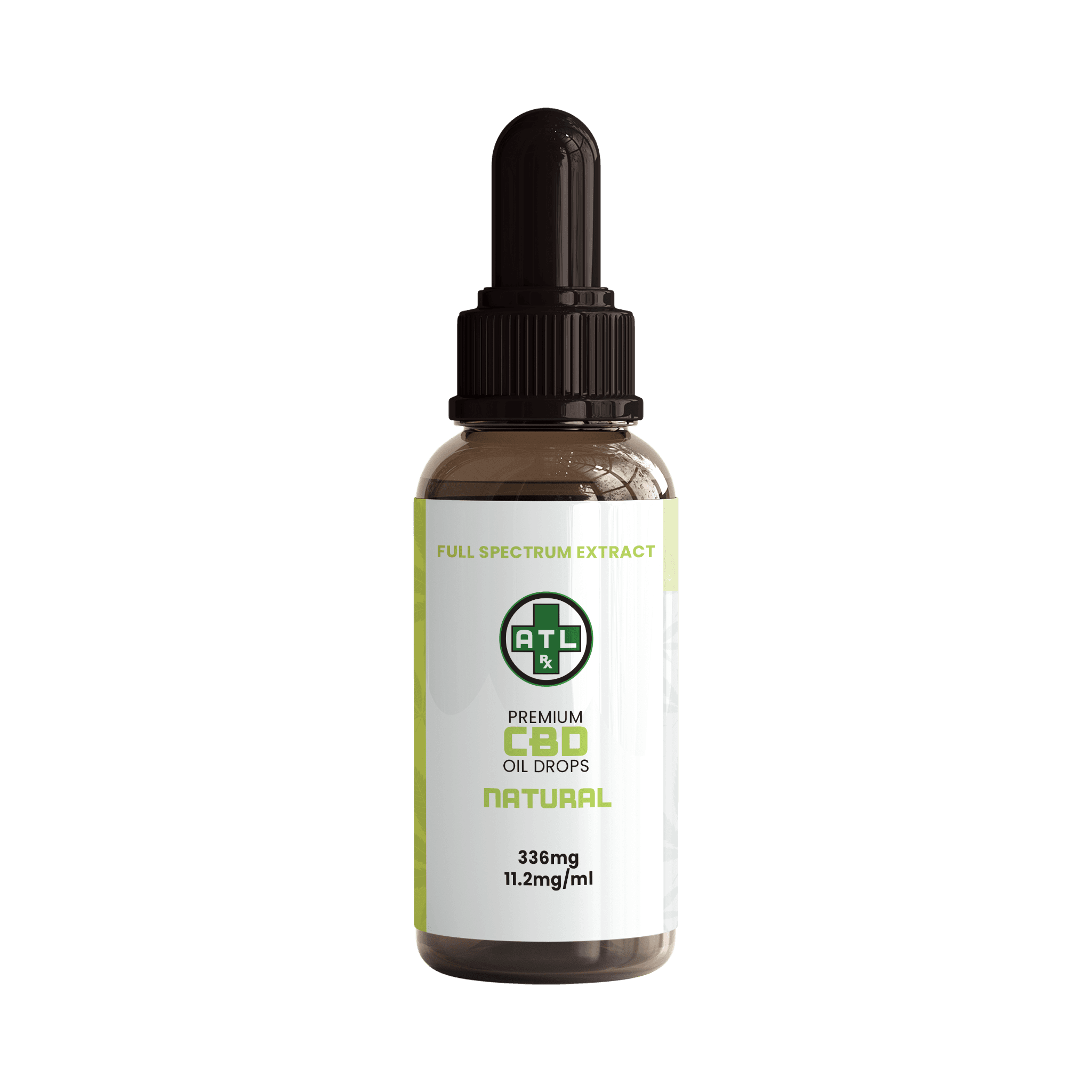
- CBD Hemp Oil, including tinctures designed for flexible serving sizes.
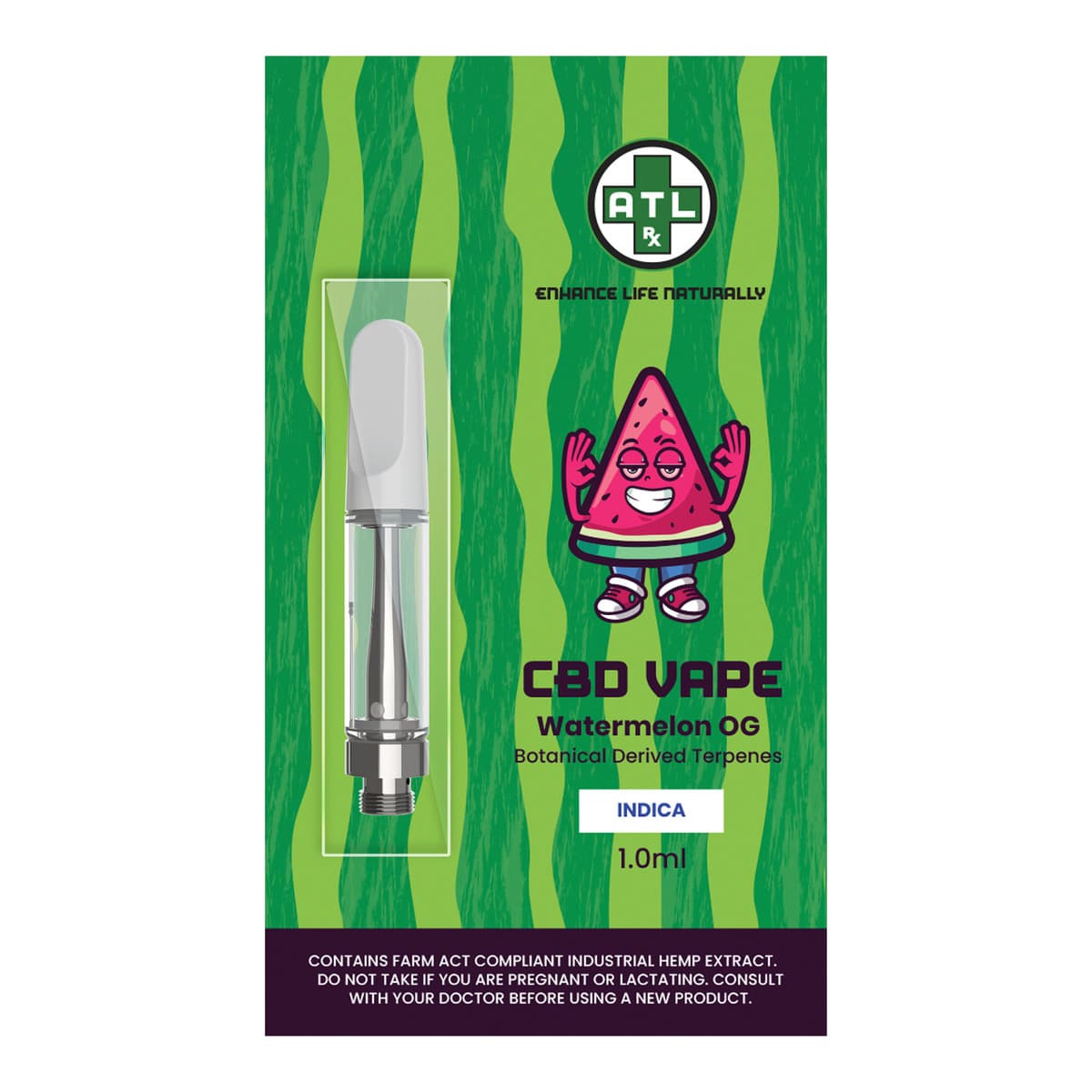
- CBD Vape Cartridges for a portable, pre-filled option.
- CBD Pre Rolls, which offer hemp flower in a ready-to-use format.
- CBD Gummies and other edibles — a simple, measured, and convenient option.
- CBD Topicals, such as creams, balms, and lotions, are formulated for external use.
- CBD Concentrates for experienced users who prefer a more potent hemp extract.
When comparing formats, check the Certificate of Analysis, confirm the product is hemp-derived and compliant with the 0.3% THC limit, and review serving information on the label.
A Note on Cannabis-Derived Products in Delaware
Beyond hemp-derived CBD, Delaware’s licensed adult-use and medical markets carry cannabis-derived products for qualifying adults. These include Cannabis Flower and Pre-Rolls, along with THC Edibles and THC Gummies, THC Carts, THC Tincture, THC Concentrates, THC Drinks, and THC Topicals.
The key compliance point is the channel: higher-THC cannabis products belong in Delaware’s state-licensed dispensary system, while non-intoxicating, hemp-derived CBD products are available through general retail and online hemp shops. ATLRx operates within the hemp channel and ships only Farm Bill-compliant, lab-tested products to Delaware. Knowing which category a product belongs to helps you stay on the right side of Delaware law.
Final Thoughts
So, is CBD legal in Delaware? Yes, hemp-derived CBD that meets the 0.3% THC standard is legal, and Delaware has built a clear regulatory structure around hemp, medical marijuana, and a now-active adult-use cannabis market. The most important things to remember are the difference between hemp-derived and marijuana-derived products, the banned status of Delta-8, Delta-10, HHC, and THCP in Delaware, and the value of buying from transparent brands that provide lab testing. ATLRx ships only Farm Bill-compliant Delta-9 and THCV products to Delaware addresses, backed by full-panel third-party lab results. Because Delaware lawmakers continue to refine hemp and cannabis rules in 2026, it is always smart to verify the latest guidance from official state sources before you shop.
Frequently Asked Questions
Is CBD Legal in Delaware in 2026?
+
Yes. Hemp-derived CBD containing no more than 0.3% delta-9 THC by dry weight is legal in Delaware, consistent with the federal 2018 Farm Bill and the state’s hemp program administered by the Delaware Department of Agriculture.
Do I Need a Medical Card to Buy Hemp-derived CBD in Delaware?
+
No. CBD derived from hemp is non-intoxicating and does not require a medical marijuana card. A card and state registration apply to marijuana-derived products obtained through Delaware’s medical program.
Is Delta-8 THC Legal in Delaware?
+
No. Delta-8 THC is banned in Delaware and is not legal to purchase. This prohibition applies to Delta-10, HHC, and other intoxicating hemp-derived cannabinoids as well. ATLRx does not ship Delta-8, Delta-10, HHC, or THCP products to Delaware.
Can Adults Buy Recreational Marijuana in Delaware?
+
Yes. Adult-use marijuana sales for adults 21 and older launched on August 1, 2025, through state-licensed dispensaries, subject to state purchase limits.
Where Can I Check the Official Rules?
+
The Delaware Department of Agriculture oversees the hemp program, and the Office of the Marijuana Commissioner — housed within the Department of Safety and Homeland Security — oversees the adult-use and medical cannabis markets. These official sources are the best places to confirm current law.
Disclaimer: This content is provided for informational purposes only and does not constitute legal advice. Laws regarding hemp and cannabis change frequently and may vary by jurisdiction. Verify current regulations with official Delaware state authorities. ATLRx products are intended for adult use only. These statements have not been evaluated by the U.S. Food and Drug Administration. This product is not intended to diagnose, treat, cure, or prevent any disease.
Why Trust This Guide
- ATLRx has sold third-party lab-tested hemp products out of Georgia since 2019.
- Every real batch we sell is tested by an accredited outside lab, with the Certificate of Analysis published before you buy.
- We operate 3 real physical stores in Georgia — this isn't a drop-shipped storefront.
- Legal information is rechecked and updated as rules change, not published once and forgotten.
Don't Trust the Label. Check the Lab.
ATLRx publishes third-party Certificates of Analysis for real batches so you can verify cannabinoid content before you buy — not just take the package's word for it.
View Lab Results →Have Questions?
Visit an ATLRx store in Georgia and talk to our team.
Real Customers, Real Reviews
What Customers Are Saying
“After long day, or night, this helps to relax and relieve!”
“Just what is needed after a long day to relax and unwind.”
“Product was smooth and mellow. Quite nice!”

Jen Hight
Cannabis Industry Expert & Compliance Specialist Jen Hight is a cannabis industry professional with extensive experience in hemp compliance, product development, and consumer education. With a background in regulatory affairs and a passion for helping consumers navigate the complex world of cannabinoids, Jen provides accurate, up-to-date information on hemp legality and best practices. Her work focuses on making cannabis knowledge accessible while ensuring readers understand both the opportunities and responsibilities that come with legal hemp products.
View all articles →Keep Learning
Is CBD Legal in New Mexico? 2026 Legal Guide
CBD Legal Status in New Mexico: Yes. Hemp-derived CBD containing no more than 0.3% delta-9 THC on a dry-weight basis is legal in New Mexico for adults. Cannabis-derived CBD is also legal, but it can only be purchased from licensed dispensaries. New Mexico finalized a permanent hemp rule in January 2026, and a federal ban […]
Jul 3, 2026 · 14 min read
Is CBD Legal in New Jersey? The Complete 2026 Guide
CBD Legal Status in New Jersey: Yes. CBD derived from hemp that contains no more than 0.3% total THC is legal in New Jersey. The controlling development in 2026 is S4509 (P.L.2025, c.215), signed January 12, 2026. Key changes effective January 13, 2026, include a ban on online sales of any hemp-derived product and a […]
Jul 1, 2026 · 12 min read
Is CBD Legal in Montana? Complete 2026 Legal Guide
CBD Legal Status in Montana: Yes. CBD derived from hemp is legal in Montana. It is legal to purchase and possess hemp-derived CBD products in Montana, and they are sold widely across the state, provided they comply with both federal law and Montana’s hemp rules. Under Senate Bill 375 (effective May 2025), however, any consumable […]
Jun 30, 2026 · 16 min read
Is CBD Legal in Illinois? 2026 Legal Guide
CBD Legal Status in Illinois: Yes, CBD is legal in Illinois in 2026 for adults, provided the product is derived from hemp and meets both state and federal requirements. That said, the rules governing hemp and CBD are in the middle of the biggest shift since 2018, and what is compliant today may look different […]
Jun 25, 2026 · 17 min read
Stay Informed
New product releases, hemp law updates, and useful cannabinoid guides.