

$39.99
ARE YOU 21 YEARS OF AGE OR OLDER?
REMEMBER ME
Seriously, by using this site you are confirming that you are of legal age (21+) to view and purchase these products. If you are you are not over 21. you are not authorized by us to use or view any of the pages of this site. Please review our terms and conditions at checkout for further stipulations.
 >
Blogs
>
THCA >
Is THCA Flower Legal?
>
Blogs
>
THCA >
Is THCA Flower Legal?
THE STATEMENTS ON THIS BLOG ARE NOT INTENDED TO DIAGNOSE, TREAT, CURE, OR PREVENT ANY DISEASE. THE FOOD AND DRUG ADMINISTRATION HAS NOT EVALUATED ANY STATEMENTS CONTAINED WITHIN THE BLOG. ATLRX DOES NOT IN ANY WAY GUARANTEE OR WARRANT THE ACCURACY, COMPLETENESS, OR USEFULNESS OF ANY MESSAGE. THE INFORMATION CONTAINED WITHIN THIS BLOG IS FOR GENERAL INFORMATIONAL PURPOSES ONLY.
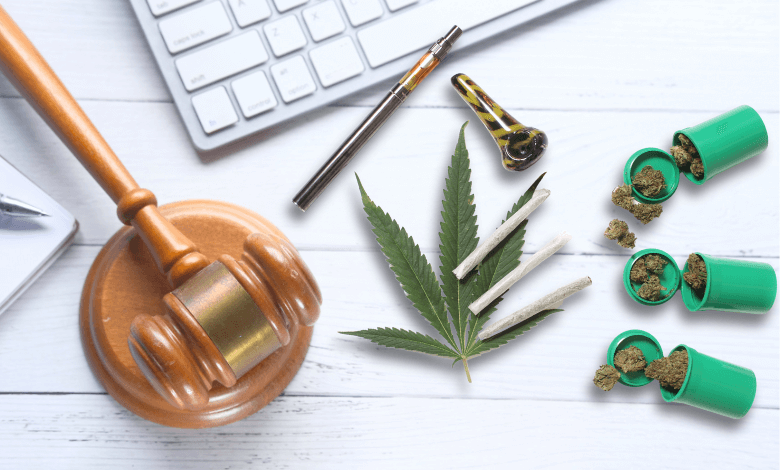
Is THCA Flower Legal? This is a question many users and industry insiders are asking as the cannabis market continues to evolve. Given the ongoing changes in cannabis laws, it’s crucial to clarify the status of various cannabis products, including THCA flowers. This article aims to answer this pressing question and provide insights into the legality of THCA in the United States.
Table of Contents:
So, what exactly is hemp flower THCA? We can talk about the THCA flower in the same way that we regularly talk about the CBD flower. There is a lot of THCA in this hemp flower. The law allows the sale of THCA flower if the delta 9 THC level is less than the established limit.
Because of the heat, some THCA is changed into THC when the THCA flower is smoked or vaped. In essence, the high from the THCA flower is comparable to that from traditional cannabis. Actually, THCA concentrations in regular cannabis are frequently higher than THC concentrations.
In this respect, there is little difference between the THCA flower and the marijuana flower that is now sold in medical cannabis dispensaries in states where small amounts of marijuana are no longer prohibited. The THCA flower offered by ATLRx adheres to the 2018 Farm Bill’s legal restrictions.
Related Article: What Is THCA Flower?
No, the THCA flower is not universally illegal. However, its legal status depends on various factors, such as jurisdiction, the form it’s in, and how it’s used. The classification of THCA as a controlled substance varies from state to state due to different legal regimes.
Yes and no, the Farm Bill, which was passed into law in 2018, has a big effect on the legitimacy of THCA flower.
Any hemp-derived products with THC levels less than or equal to 0.3% on a dry weight basis are permitted for sale and usage at the federal level, according to the 2018 Farm Bill.
The proposed law defines hemp as Cannabis sativa L., including its seeds and all derivatives, extracts, cannabinoids, isomers, acids, salts, and salts of isomers, regardless of whether it is growing or not, with a delta-9 THC concentration no higher than 0.3%.
State laws that govern THC and CBD also frequently apply to THCA products despite the fact that their legality varies greatly from state to state. THCA is typically regarded as being legal in states where cannabis for medical or recreational use is allowed. However, in states where THC is illegal, THCA may also be considered illegal due to its potential to convert into THC.
Note that we place the states that were considered in the gray area in the illegal column. Be cautious at all times. However, we suggest you still look into the state laws in which you reside.
| Legal | Illegal/ Gray Area |
| Alabama, Alaska, Arizona, California, Colorado, Connecticut, Delaware, Florida, Georgia, Illinois, Indiana, Iowa, Kentucky, Maine, Maryland, Massachusetts, Missouri, Nevada, New Hampshire, New Jersey, New Mexico, New York, North Carolina, North Dakota, Ohio, Pennsylvania, South Carolina, South Dakota, Tennessee, Texas, Virginia, Washington, West Virginia, Wisconsin, and Wyoming | Arkansas, Hawaii (gray area), Idaho, Louisiana (gray area), Minnesota, Mississippi (gray area), Oklahoma (gray area), Oregon, Rhode Island, Utah (gray area), Vermont (gray area) |
Delta 9 THC and THCA cannabinoids are both compounds found in cannabis plants, but their effects and legal status differ significantly. THC’s precursor, THCA, has extremely comparable chemical properties to THC itself. These aren’t the same, though. THCA is a non-psychoactive substance, whereas delta 9 THC is a psychoactive substance that results in a “high.” Legal restrictions are more severe for Delta 9 THC because of its psychoactive properties.
Delta 9 THC flower is generally subject to more stringent regulations due to its psychoactive properties. Delta 9 THC, or marijuana, is still considered federally illegal. Although THCA that comes from marijuana is prohibited, the 2018 Farm Bill makes THCA that comes from hemp legal.
In contrast, THCA hemp flower might be regulated less strictly in certain jurisdictions because it does not produce a “high.” However, both are usually subject to state laws, and their legality can differ substantially depending on where you are.
Yes, in states where cannabis cultivation for personal or medicinal use is legal, growing THCA flowers is generally permitted. However, it’s crucial to adhere to all state-specific regulations and acquire the necessary permits. But why go through the trouble? When can you just buy THCA flower from reputable companies like ATLRx that have tested their products for purity and potency?
Yes and no. The legality of smoking THCA flowers depends on your jurisdiction and the local laws concerning cannabis use. In states where cannabis is legal, smoking THCA is usually permissible.
You can find legal THCA flowers online with ATLRx. At ATLRx, we take pride in having the most premium THCA flower and THCA product on the market. In order to guarantee that you receive the best product possible, we have each of our products tested by independent laboratories and give you COAs. We cannot guarantee the quality of other companies, but you can buy high-quality and lab-tested THCA products, including THCA Diamonds, from us to ensure you’re getting a product that meets all legal requirements. Save yourself the time and hassle of shopping around and order from us today.
State laws differ on the subject of whether THCA flower is legal, which is a complicated matter. While it is not universally illegal, its legal status depends on various factors, such as jurisdiction and form. As long as the delta-9 THC threshold of 0.3% is met, THCA is considered acceptable under federal law. Different state laws may, however, treat this cannabinoid differently.
Make sure you are aware of local laws and have access to approved third-party lab tests or COAs before making an online purchase of THCA.
Although a lot of people like to use raw THCA flower as a superfood and for its health advantages without getting high, THCA flower and concentrates may also be utilized for their uplifting effects by heating THCA to turn it into THC (decarboxylation).
Before purchasing or using THCA products, it’s essential to familiarize yourself with the laws of your state to ensure you’re in compliance. If the laws permit it in your state, feel free to order from ATLRx today.

August 15, 2026
August 12, 2026
August 7, 2026
August 5, 2026
August 4, 2026
$39.99
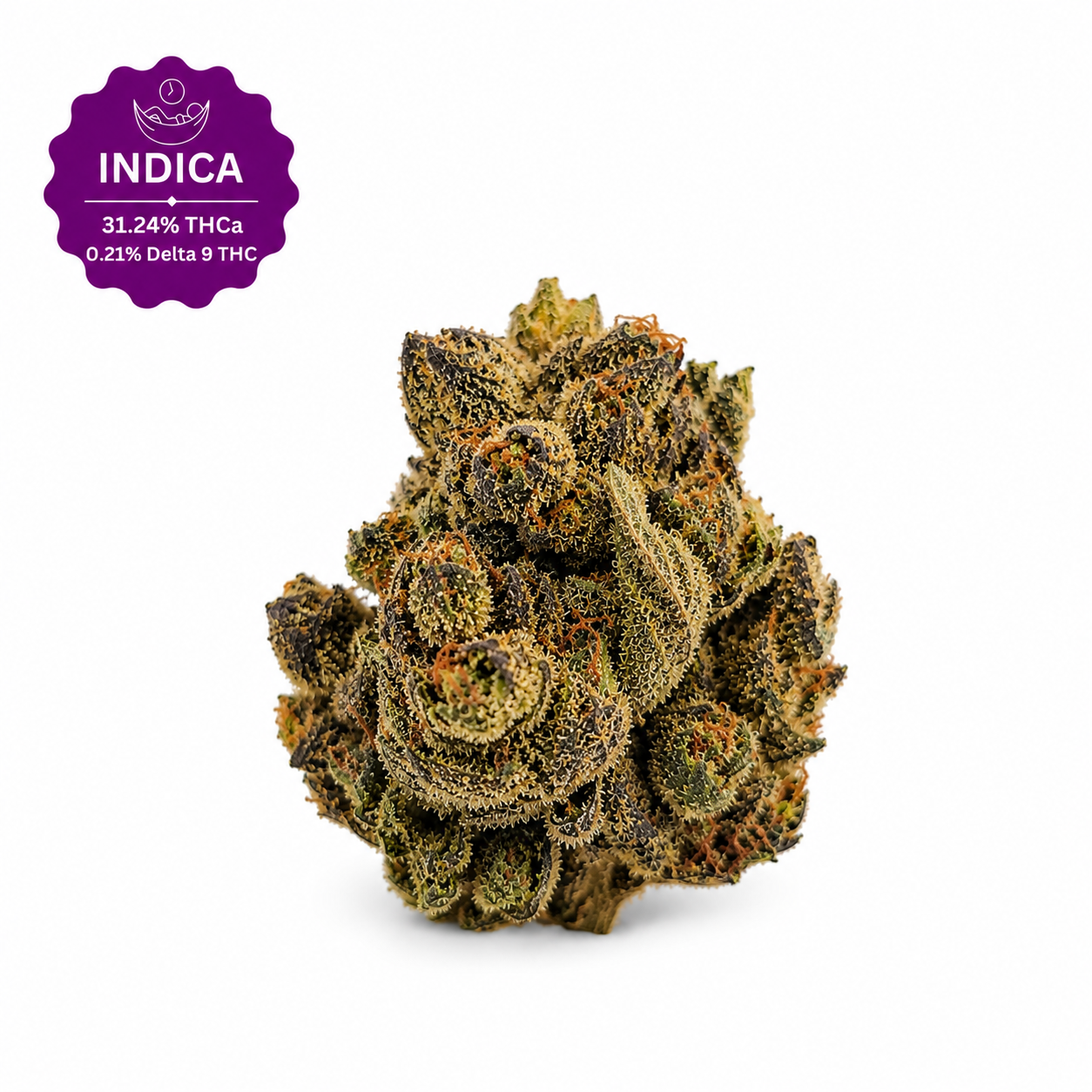
$39.99
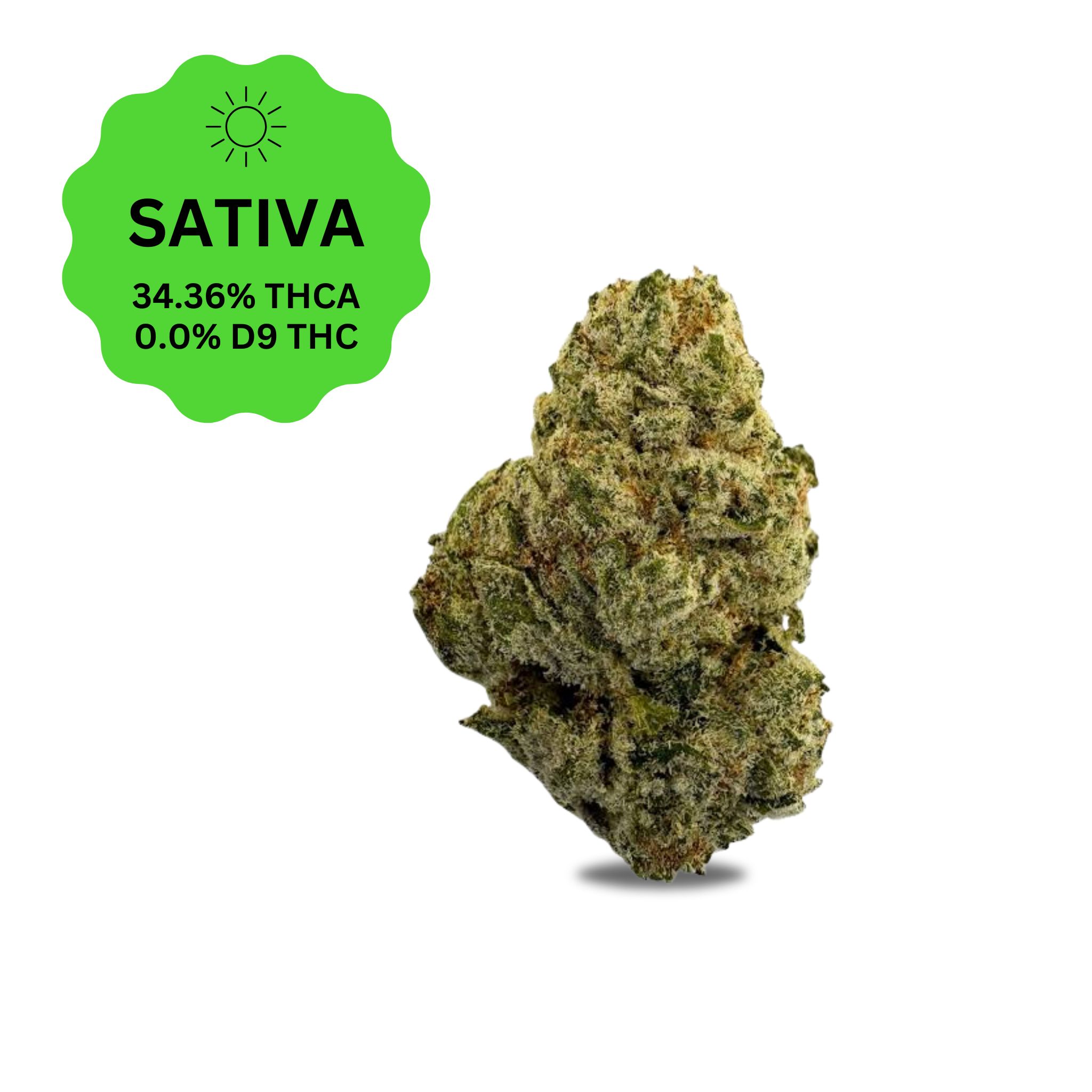
$39.99
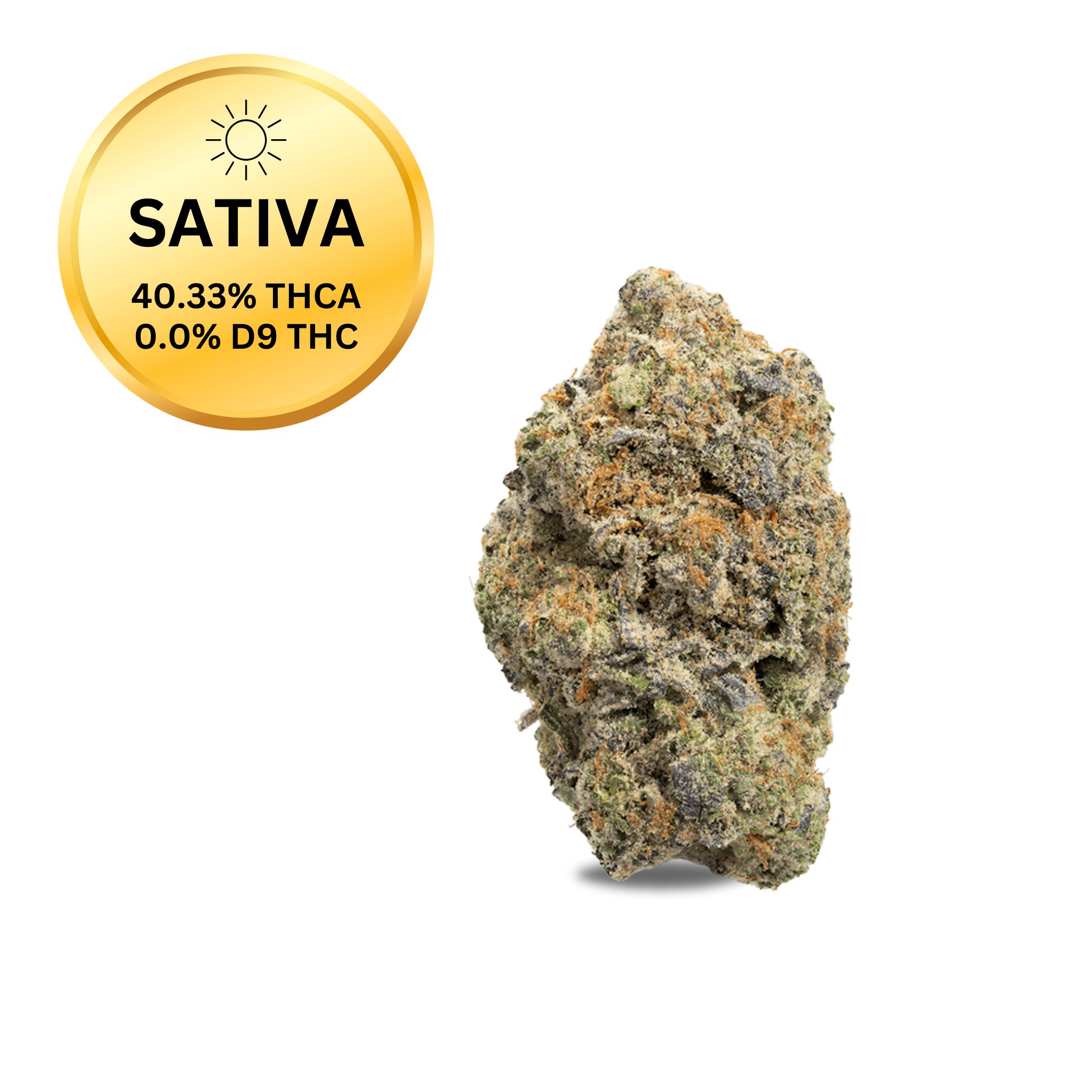
$49.99
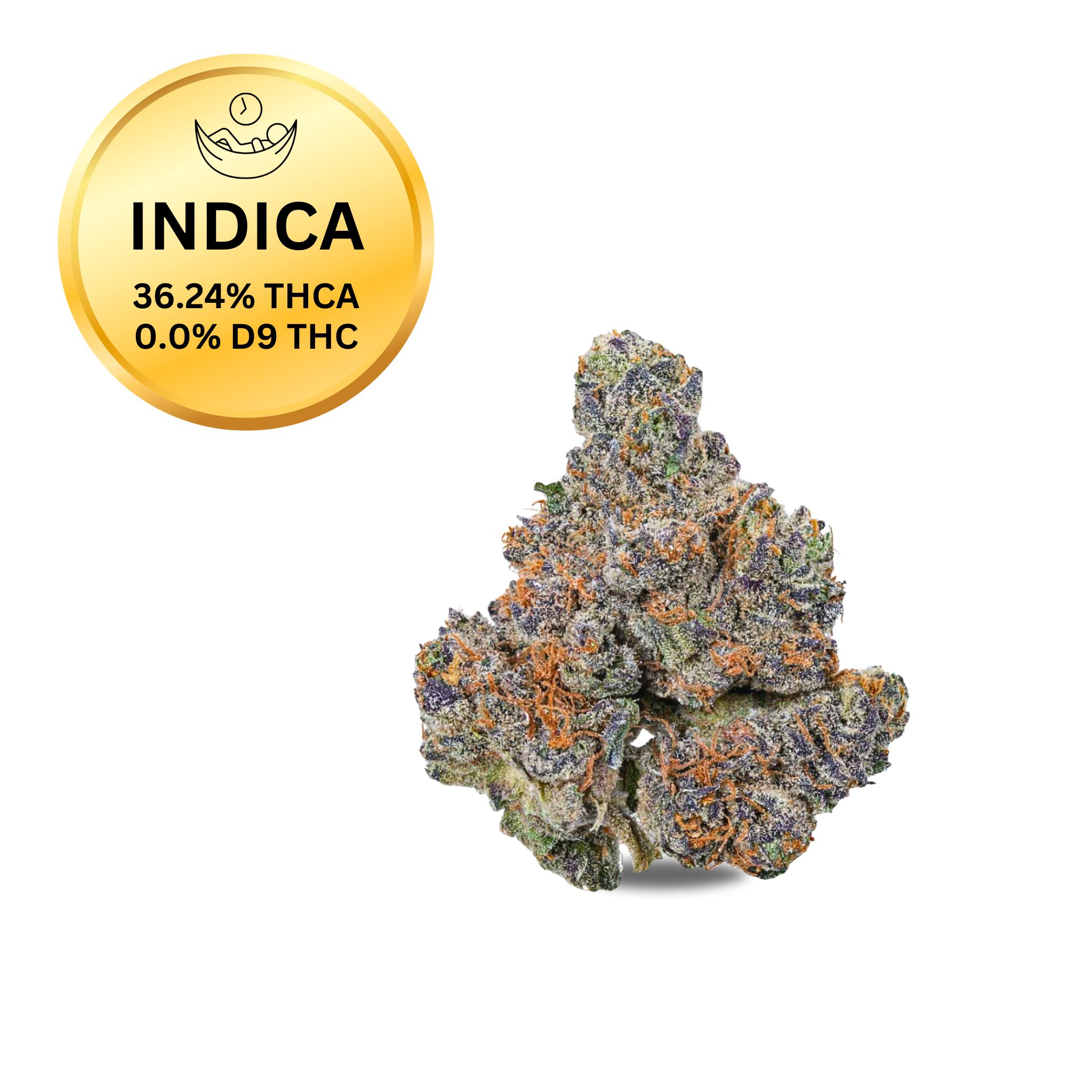
$49.99
$49.99
$39.99