Is THCA Legal in Connecticut? Complete 2026 Legal Guide
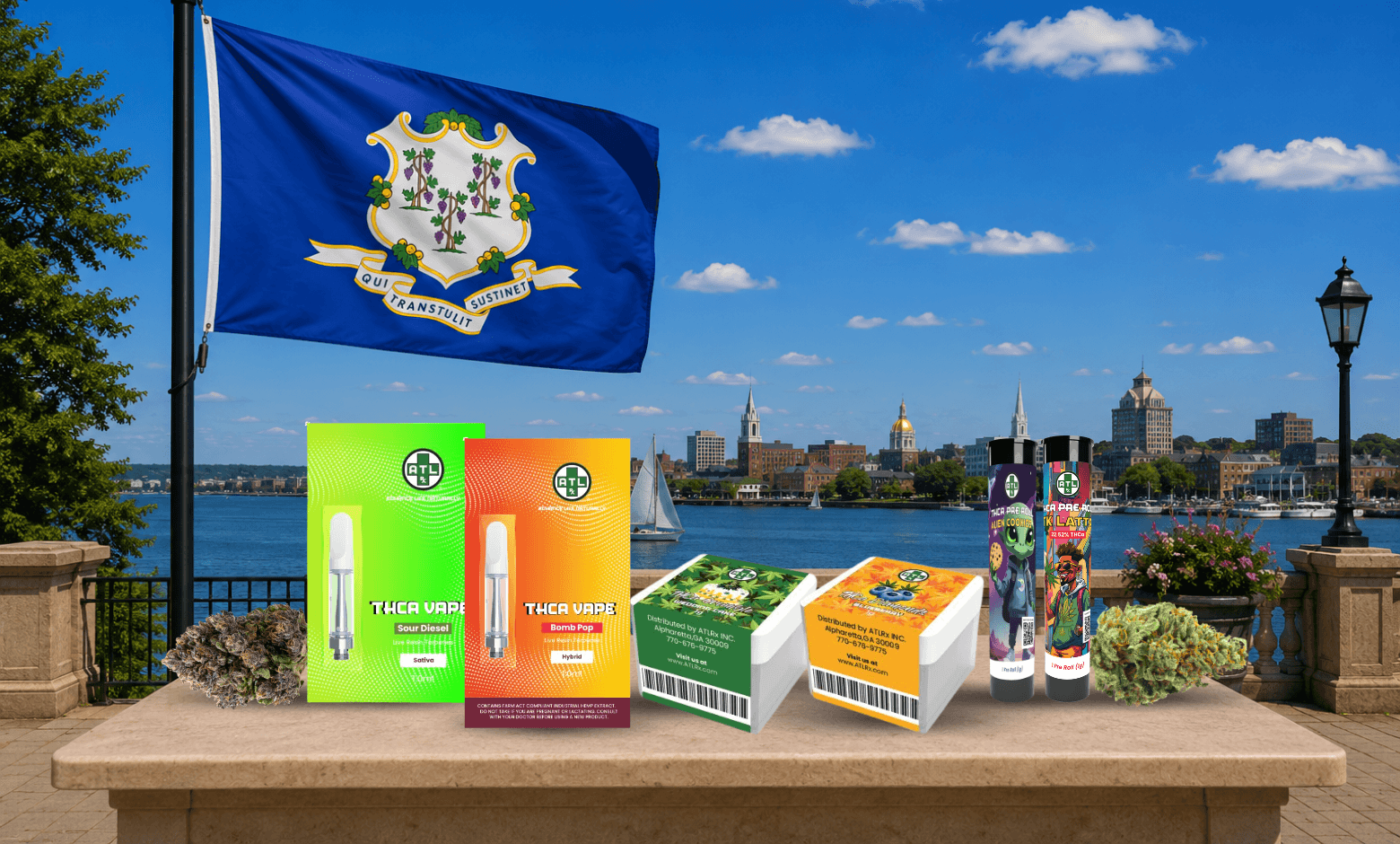
THCA Legal Status in Connecticut:
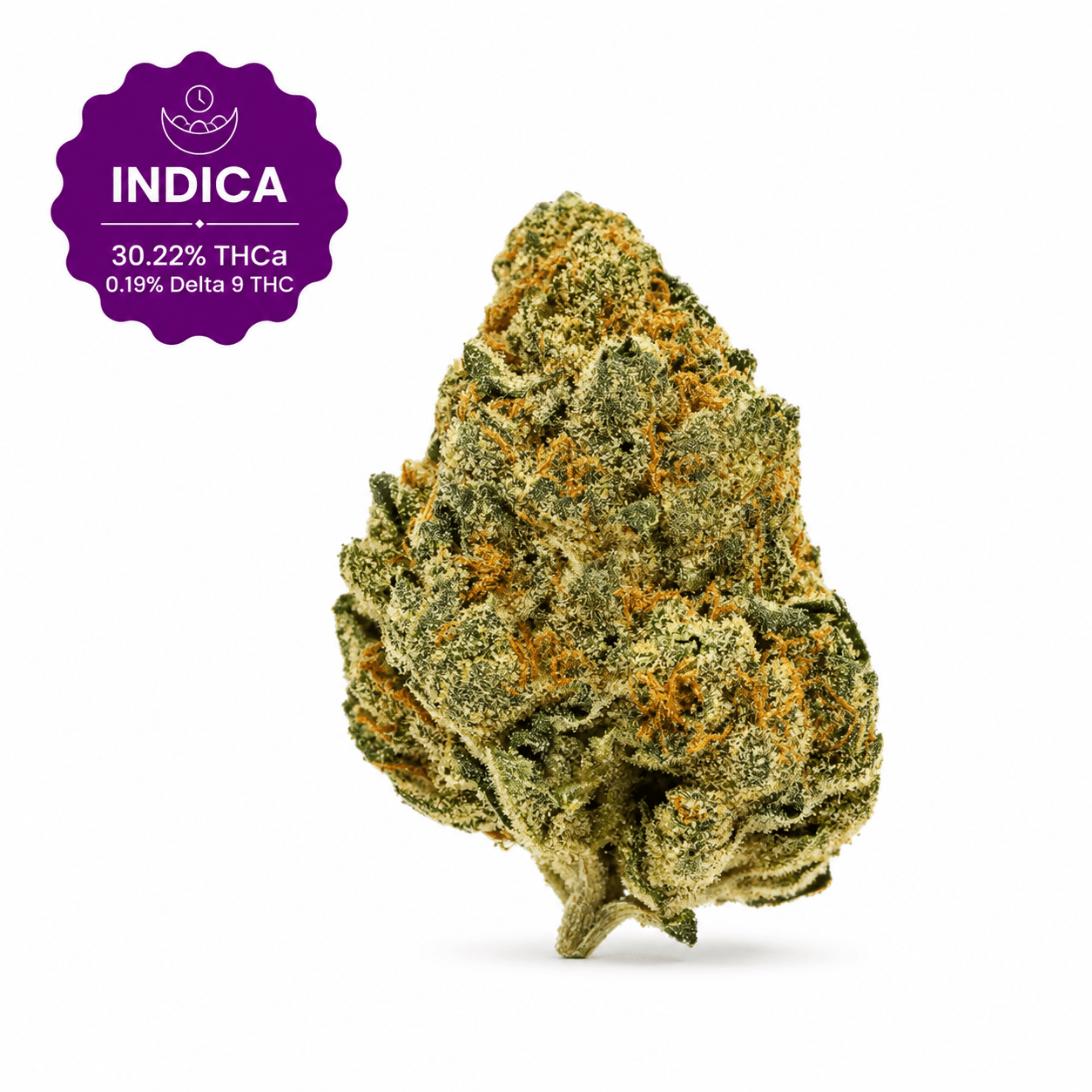
Yes, but with major limits, THCA is not banned as a substance in Connecticut, but it is tightly regulated. Because the state measures hemp by total THC (0.3% or less on a dry-weight basis, with THCA counted in), most high-THCA products such as ATLRx THCA Flower exceed the hemp limit and are treated as cannabis. That means they can only be sold through licensed dispensaries and approved retailers to adults 21 and older, not in general hemp shops. A federal total-THC standard with a 0.4 mg per-container cap is also set to take effect on November 12, 2026.
If you have been shopping for hemp products and keep asking, “Is THCA legal in Connecticut?” you are not alone, and the honest answer is that it depends on how the product tests and where it is sold. Connecticut measures hemp by total THC rather than delta-9 THC alone, and that single rule shapes nearly everything about what you can legally buy in the state today. This guide breaks down the current law, the federal change scheduled for late 2026, and the compliant product categories Connecticut shoppers actually have access to.
Quick note: Cannabis and hemp laws in Connecticut are changing quickly in 2026. This article is for general information only and is not legal advice. Always confirm the current status with the Connecticut Department of Consumer Protection before buying or traveling with any product.
Keep Browsing
Explore Our THCa Categories
Shop real THCa products and collections.

Key Takeaways
- 01THCA flower and other high-THCA products are generally not sold as hemp in Connecticut, because the state counts THCA toward total THC and caps lawful hemp flower at 0.3% total THC on a dry-weight basis.
- 02Connecticut sorts hemp into tiers. Flower and trim are measured by dry-weight percentage, while edibles, beverages, and similar products are measured in milligrams of total THC per serving and per container. Products above the limits are treated as cannabis (high-THC hemp).
- 03High-THC hemp is regulated exactly like marijuana, so those products are limited to licensed cannabis dispensaries and retailers, not general hemp shops.
- 04THCA itself is not separately listed as a controlled substance in Connecticut; what matters is how the finished product tests for total THC.
- 05A federal change under Section 781 of P.L. 119-37 takes effect on November 12, 2026, moving the national hemp definition to a total-THC standard and adding a 0.4 mg total-THC per-container cap on finished consumable hemp products, subject to forthcoming FDA definitions.
- 06Connecticut continues to revise its cannabis and hemp rules, so re-verify specific milligram caps before you purchase.
What Is THCA?
THCA (tetrahydrocannabinolic acid) is a compound found in raw and live cannabis and hemp plants. In its raw state, it has a different structure than delta-9 THC. When THCA is exposed to heat through a process called decarboxylation, for example, when the flower is smoked or vaped, it converts into delta-9 THC. That chemistry is exactly why regulators pay close attention to it: a product can look low in delta-9 on paper while carrying a high THCA load.
Because of this, the key question for Connecticut shoppers is not “is THCA banned?” but rather “how does the finished product test for total THC?” That distinction is the heart of the state’s approach.
How Connecticut Defines Legal Hemp
Under Connecticut law, codified at Conn. Gen. Stat. § 22-61l and amended by Public Act 24-76 (2024) and Public Act 25-166 (2025), lawful hemp must contain no more than 0.3% total THC on a dry-weight basis for flower and trim, and must not be a “high-THC hemp product.” For consumable formats like edibles and beverages, the state measures total THC in milligrams per serving and per container rather than by dry weight.
Total THC is calculated using the state’s standard conversion formula:
Total THC = (THCA × 0.877) + THC
Connecticut measures total tetrahydrocannabinols, so the calculation captures more than delta-9 alone; it counts THCA after conversion and other THC isomers (such as delta-8) that contribute to a product’s intoxicating potential.
Any product that exceeds the applicable total-THC limit is classified as cannabis (marijuana) rather than hemp. In practice, that means most THCA flower on the national market would not qualify as legal hemp in Connecticut, because the THCA content alone pushes total THC well past the limit.
So, Is THCA Legal in Connecticut?
THCA is not separately banned as a substance in Connecticut, but high-THCA products generally cannot be sold as hemp because they exceed the total-THC threshold. When a product crosses that line, the state regulates it as cannabis. Cannabis is legal for adults 21 and older in Connecticut, but it can only be sold through licensed dispensaries and approved retailers, not through general hemp stores, gas stations, or unlicensed online sellers.
In short, the compound is legal, but the most popular high-THC formats are funneled into the regulated cannabis market rather than the open hemp market. This is the same total-THC approach used by a handful of other states, and it is the single most important thing to understand before buying.
THCA and Hemp Product Categories: What the Rules Mean
Here is how Connecticut’s total-THC framework tends to treat common product formats:
| Product format | How Connecticut measures it | Typical classification |
| Hemp flower/trim | 0.3% total THC, dry-weight | High-THCA flower almost always exceeds this → cannabis (dispensary-only) |
| Edibles, gummies, topicals | Milligrams of total THC per serving/container | Above 1 mg/serving or 5 mg/container → high-THC hemp (cannabis) |
| Infused beverages | Milligrams per container (separate caps) | Above the state cap → cannabis; caps under active revision |
| Standard-THC hemp | Under 0.5 mg total THC per container | May qualify for general retail as standard hemp; always verify current DCP guidance before purchasing |
| Moderate-THC hemp | 0.5–5 mg total THC per container | Restricted channel; not gas stations or out-of-state direct shipping |
Always confirm a product’s lab report (COA) and the seller’s license status before purchasing, because the tier, not the marketing label, determines where it can legally be sold.
What Connecticut Shoppers Can Legally Access
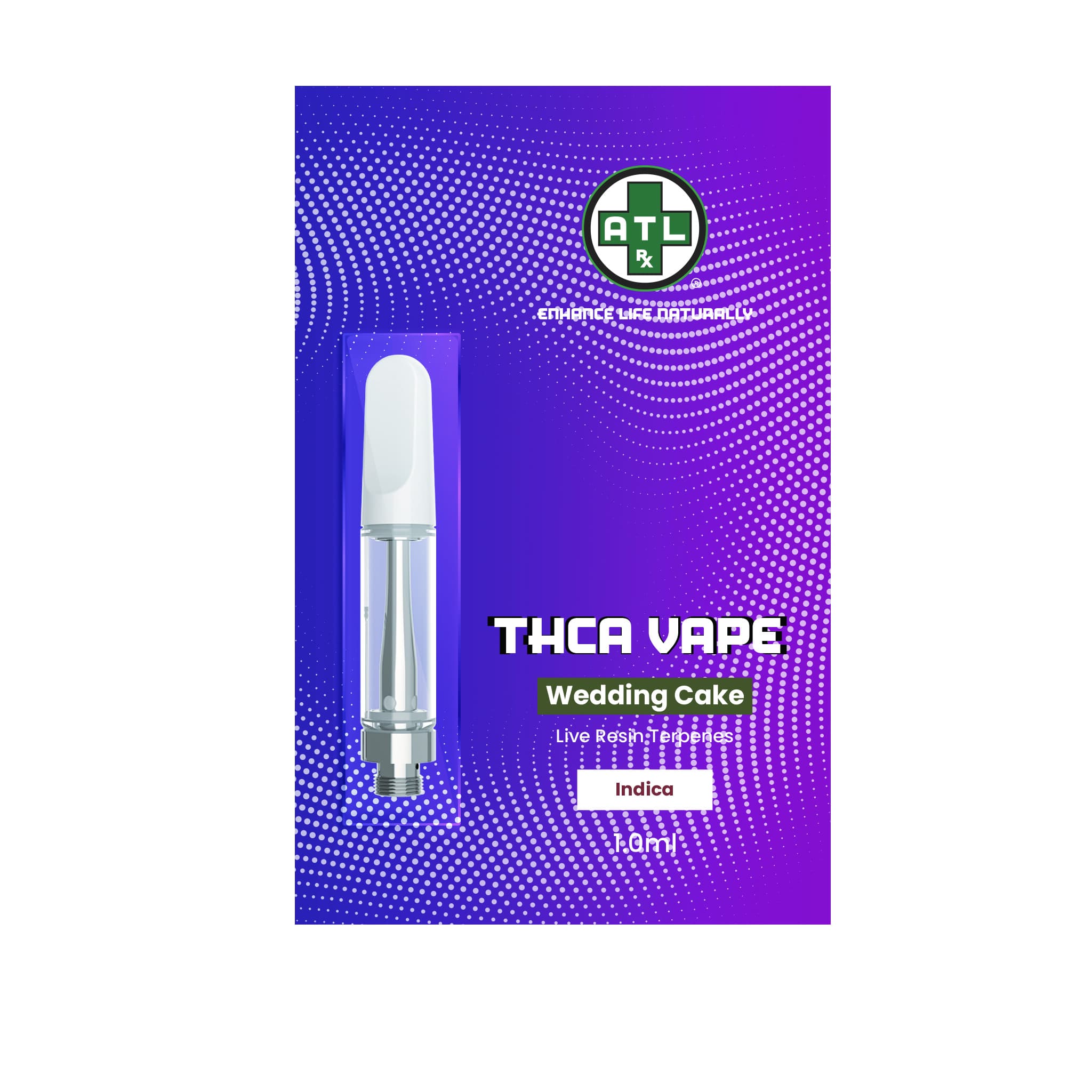
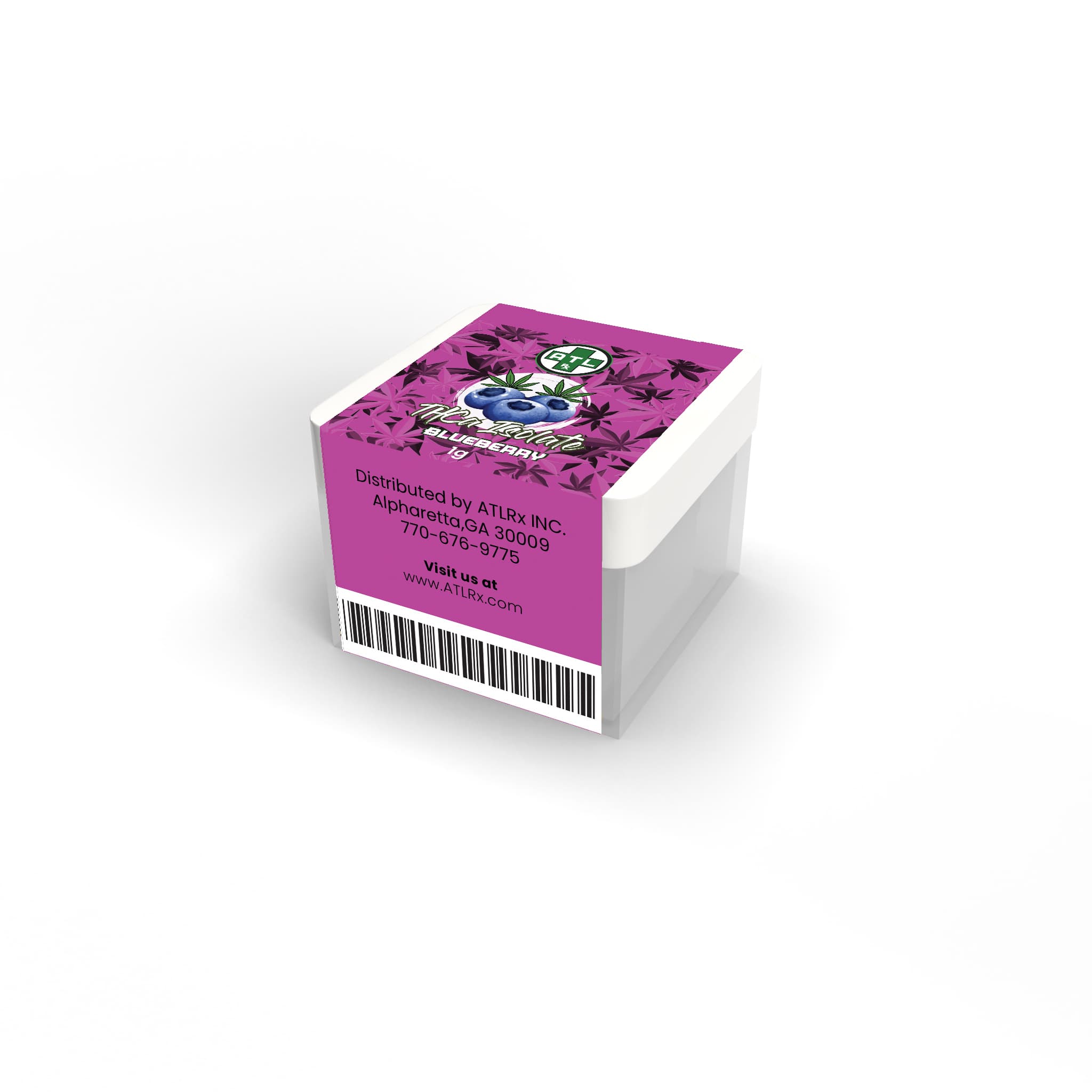
Because Connecticut runs a legal adult-use cannabis market, residents 21 and older still have a wide range of compliant options through licensed channels. For hemp-derived products, ATLRx carries a broad lineup including THCA flower, THCA pre-rolls, THCA concentrates, Delta-8, Delta-9, CBD, CBG, and more, all third-party lab tested with Certificates of Analysis available. For any product classified as High-THC Hemp under Connecticut law, purchase must occur through a licensed cannabis retailer or dispensary.
Connecticut also recognizes a moderate-THC hemp category (roughly 0.5–5 mg total THC per container) that sits between general-retail hemp and dispensary-only cannabis, plus separate per-serving and per-container limits on infused beverages. Recent legislative activity has proposed adjusting several of these caps, so treat any specific milligram figure you see online as something to re-verify against current state guidance. Adult-use cannabis itself was legalized for those 21 and older under the Responsible and Equitable Regulation of Adult-Use Cannabis Act (S.B. 1201, 2021).
The Federal Change Coming November 2026
On November 12, 2025, the Continuing Appropriations, Agriculture, Legislative Branch, Military Construction and Veterans Affairs, and Extensions Act, 2026 (Public Law 119-37) was signed into law. Section 781 of the Act rewrites the national definition of hemp, and the new definition takes effect on November 12, 2026.
Two practical points stand out for hemp shoppers nationwide:
- The total-THC standard counts THCA toward the limit, which means most high-THCA hemp products would no longer meet the federal hemp definition.
- Finished consumable hemp products face a new cap of 0.4 mg total THC per container — far below many products sold today. The statute directs the FDA to define key terms, including “container,” within 90 days of enactment, so the precise application of this cap depends on forthcoming federal rulemaking.
Several bills in Congress have been introduced to repeal, delay, or replace these rules with a regulated framework, but as of this writing, none have passed. For Connecticut, the federal shift largely aligns with the total-THC approach the state already uses, so the change reinforces rather than reverses the local picture.
How to Shop Smart and Stay Compliant
- Buy from licensed sources. For any high-THC product, purchase through Connecticut’s licensed dispensaries and approved retailers.
- Read the COA. A current, full-panel certificate of analysis from an accredited third-party lab should show total THC, not just delta-9.
- Keep original packaging. Labeled, sealed packaging helps demonstrate what a product is and where it came from.
- Confirm age requirements. Adult-use cannabis purchases require you to be 21 or older.
- Re-check before you travel. Rules differ sharply across state lines, and the federal definition changes on November 12, 2026.
The Bottom Line
So, is THCA legal in Connecticut? The compound is not banned, but the state’s total-THC rule pushes most high-THCA products like THCA flower, THCA pre-rolls, and THCA concentrates into the regulated cannabis market rather than the open hemp market. With a major federal change arriving on November 12, 2026, the smartest move is to buy from licensed sources, read the full-panel COA, and check current Connecticut guidance before every purchase.
Frequently Asked Questions
Is THCA Flower Legal to Buy in Connecticut Hemp Shops?
+
Generally no. Because Connecticut counts THCA toward total THC, high-THCA flower exceeds the 0.3% hemp limit and is treated as cannabis, which is sold only through licensed channels.
Is THCA a Controlled Substance in Connecticut?
+
THCA is not separately listed as a controlled substance in the state. The legal issue is the finished product’s total-THC level, which determines whether it is hemp or cannabis.
Can Adults Legally Buy THC Products in Connecticut?
+
Yes. Adults 21 and older can purchase a range of regulated hemp-derived products through licensed retailers. ATLRx offers third-party lab-tested options, including THCA flower, THCA pre-rolls, THCA concentrates, Delta-8, Delta-9, CBD, CBG, and more.
What Changes in November 2026?
+
A federal total-THC definition of hemp takes effect on November 12, 2026, along with a 0.4 mg total-THC per-container cap on finished consumable hemp products, unless Congress acts to change or delay it. The exact mechanics depend on FDA rulemaking required by the statute.
Disclaimer: These statements have not been evaluated by the Food and Drug Administration. ATLRx products are not intended to diagnose, treat, cure, or prevent any disease. Hemp-derived products are for adult use only. Always consult a licensed healthcare professional before use.
Why Trust This Guide
- ATLRx has sold third-party lab-tested hemp products out of Georgia since 2019.
- Every real batch we sell is tested by an accredited outside lab, with the Certificate of Analysis published before you buy.
- We operate 3 real physical stores in Georgia — this isn't a drop-shipped storefront.
- Legal information is rechecked and updated as rules change, not published once and forgotten.
Don't Trust the Label. Check the Lab.
ATLRx publishes third-party Certificates of Analysis for real batches so you can verify cannabinoid content before you buy — not just take the package's word for it.
View Lab Results →Have Questions?
Visit an ATLRx store in Georgia and talk to our team.
Real Customers, Real Reviews
What Customers Are Saying
“Product was smooth and mellow. Quite nice!”
“Exactly what was promised excellent product”
“Really nice high”

Jen Hight
Cannabis Industry Expert & Compliance Specialist Jen Hight is a cannabis industry professional with extensive experience in hemp compliance, product development, and consumer education. With a background in regulatory affairs and a passion for helping consumers navigate the complex world of cannabinoids, Jen provides accurate, up-to-date information on hemp legality and best practices. Her work focuses on making cannabis knowledge accessible while ensuring readers understand both the opportunities and responsibilities that come with legal hemp products.
View all articles →Keep Learning
Best THCA Flower 2026
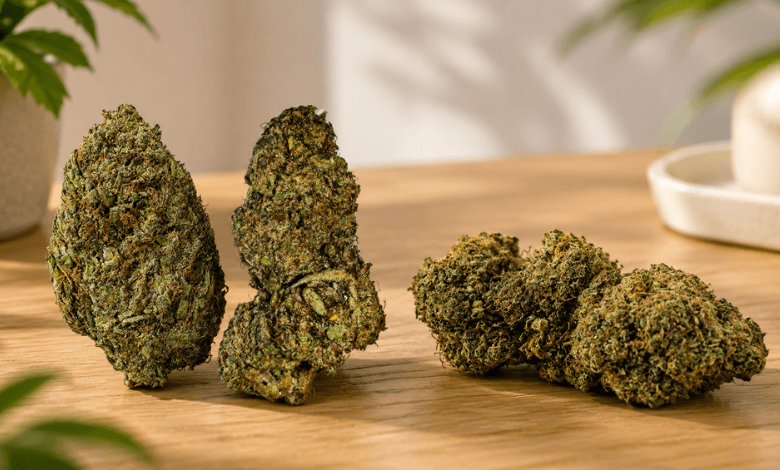
The best THCA flower is indoor-grown, slow-cured, and backed by a full-panel certificate of analysis from a third-party lab. Look for lab-verified THCA content above 20 percent, a published terpene percentage, dense, uneven trichome coverage, and a batch number that matches the jar you receive. Table of contents: How a Batch Earns a Spot Here […]
Aug 23, 2026 · 14 min read
Is THCA Flower Legal? Current Law Explained 2026
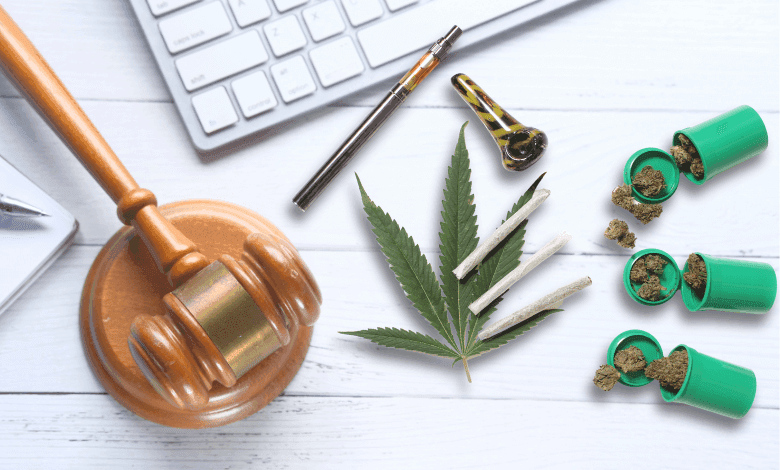
Yes, under federal law today, if it comes from hemp and tests at or below 0.3% delta-9 THC by dry weight. On November 12, 2026, that test is replaced, and THCA gets folded into the THC figure that regulators measure against. State law is a separate question, and only seven states still use the delta-9 […]
Aug 20, 2026 · 14 min read
Is THCA Legal? Complete State-by-State Guide 2026
Federally, yes, for now. The 2018 Farm Bill treats hemp-derived THCA as legal hemp so long as the delta-9 THC reading stays at or below 0.3% of dry weight. That flips on November 12, 2026, when Section 781 switches the federal test to total THC, and total THC counts THCA. Your state may already be […]
Aug 20, 2026 · 18 min read
Is THCA Legal in Montana? 2026 Law Updates & Guide
THCA Legal Status in Montana: Montana enacted major hemp restrictions in 2025 that go beyond the federal framework. Senate Bill 375 (effective May 2025) bans the retail sale of consumable hemp products containing detectable delta-9 THC unless FDA-authorized. House Bill 49 (effective April 2025) further caps hemp products at 0.5 mg THC per serving and […]
Jun 29, 2026 · 15 min read
Stay Informed
New product releases, hemp law updates, and useful cannabinoid guides.