Is CBD Legal in Kansas? 2026 Law Updates & Guide
Updated November 10, 2026
CBD Legal Status in Kansas:
Yes. Hemp-derived CBD is legal to buy, possess, and use in Kansas, as long as the finished product contains no more than 0.3% total THC and is not a product type Kansas bans.
- THC limit: Since 2021, Kansas counts every form of THC (delta-9, delta-8, and other isomers) toward the 0.3% limit, which is stricter than today’s delta-9-only federal standard.
- Banned in Kansas: Hemp vape products, hemp cigarettes and cigars, hemp teas, and chew or dip made with hemp cannot be made, marketed, sold, or distributed in the state.
- Hemp flower: Hemp buds and ground hemp flower cannot be sold to consumers in Kansas.
- Federal change: Beginning December 11, 2026, a new federal rule adds another layer, capping every finished CBD product at no more than 0.4 mg of total THC in each container.
- Pending state bill: SB 292, which would have set a 21+ purchase age, died in committee and is not law.
If you live in Kansas and want to use CBD, the short answer is yes, but the rules are more specific than in most states. Kansas once required CBD to contain zero THC. That changed in 2021, when lawmakers allowed final hemp products with up to 0.3% total THC. Kansas still bans hemp vapes, smokable hemp, and hemp teas, and flower cannot be sold to consumers.
Federal law is changing too. A law signed in November 2025 rewrites the federal definition of hemp, and a September 2026 law moved most of that change to December 11, 2026. This guide explains what is legal in Kansas right now, which laws matter, what is only proposed, and how to choose a compliant CBD product.
Keep Browsing
Explore Our CBD Categories
Shop real CBD products and collections.
Key Takeaways
- CBD is legal in Kansas when the finished product contains no more than 0.3% total THC, counting all forms of THC, not just delta-9.
- The old zero-THC rule from 2018 (SB 282) was replaced in 2021 by HB 2244, and the Kansas Attorney General confirmed the 0.3% total-THC standard in Opinion 2021-4.
- Hemp vapes, hemp cigarettes and cigars, hemp teas, and smokeless hemp products are illegal to make, market, sell, or distribute in Kansas.
- Hemp buds and ground hemp flower cannot be sold to consumers in Kansas. Selling or distributing an unlawful hemp product is a class A misdemeanor on a first conviction and a felony on a repeat conviction.
- Online orders from out-of-state retailers are possible, but the product must still meet Kansas law once it arrives.
- On December 11, 2026, the federal hemp definition in Pub. L. No. 119-37 (pushed back by Pub. L. No. 119-103) brings in a total-THC measurement and limits each container to a maximum of 0.4 mg of total THC.
- Kansas SB 292 (2025-2026), which would have set a 21+ age limit and packaging and labeling rules, died in committee and is not law.
- Before buying any CBD product you plan to use in Kansas, review an up-to-date Certificate of Analysis (COA) from an independent lab and confirm the total THC result.
How Kansas Separates Hemp-Derived CBD From Marijuana
In Kansas, THC content is the dividing line between lawful hemp and unlawful marijuana. Hemp and marijuana share the same Cannabis sativa species, yet the state permits only hemp and hemp products that meet its legal standards.
What Is CBD?
Cannabidiol, better known as CBD, is a compound that hemp plants produce on their own, and it does not cause a high. Federal law, as it stands today, defines hemp as any Cannabis sativa plant whose delta-9 THC level stays at or below 0.3% when measured by dry weight. Hemp-based CBD products that stay within this limit fall outside the federal list of controlled substances.
Kansas defines industrial hemp the same way, but it adds a stricter rule for finished products. A final hemp product sold in Kansas may contain no more than 0.3% total THC, which counts delta-9, delta-8, and every other THC isomer together.
What Is THC?
THC, short for delta-9 tetrahydrocannabinol, is the cannabinoid most responsible for the high that cannabis produces. Marijuana is illegal in Kansas for both recreational and medical use, and Kansas has no medical marijuana dispensary program. At the federal level, marijuana remains a Schedule I controlled substance, except for FDA-approved drug products and state-licensed medical marijuana, which the U.S. Department of Justice moved to Schedule III in April 2026.
The Key Distinction in Kansas Law
For now, the federal hemp test looks at delta-9 THC alone. Kansas measures total THC in finished hemp products. A product can meet the current federal standard and still be illegal in Kansas if its combined THC is above 0.3%, or if it is a banned product type such as a vape.
Current Kansas CBD Laws Explained (2018 to 2026)
Kansas has built its CBD rules through several laws and one key Attorney General opinion. Below, we walk through each law in the order it passed and explain what it means for you now.
SB 263 (2018): The Alternative Crop Research Act
In April 2018, months before the federal 2018 Farm Bill, Kansas passed SB 263. It created an industrial hemp research program run by the Kansas Department of Agriculture under the 2014 Farm Bill. Later laws replaced this research framework with a commercial hemp program.
SB 282 (2018): CBD Removed From the Definition of Marijuana
SB 282 excluded CBD from the Kansas definition of marijuana, but only for products containing zero THC. This zero-THC rule governed Kansas CBD until 2021. It is no longer the current standard.
SB 28: Claire and Lola’s Law (2019)
Claire and Lola’s Law created an affirmative defense, not a legal sales program. It covers possession of a “cannabidiol treatment preparation,” which the law defines as an oil whose THC concentration is no more than 5% relative to its CBD concentration, verified by a third-party, independent lab.
The defense applies only when the person has a qualifying debilitating medical condition, or is the parent or guardian of a minor child who has one, and carries a letter at all times. The letter must be dated within the preceding 15 months, signed by the Kansas-licensed physician who diagnosed the condition, printed on that physician’s letterhead, and must identify the patient and the condition. The law does not create any legal source for buying these oils in Kansas. See K.S.A. 65-6235 and K.S.A. 21-5706(d).
HB 2167: Commercial Industrial Hemp Act (2019)
HB 2167 created the commercial hemp program, with hemp producers licensed through the Kansas Department of Agriculture. That law also set out the list of prohibited hemp products that now sits in K.S.A. 2-3908, making it unlawful to make or sell hemp cigarettes and cigars, hemp chew, dip, or other smokeless products, hemp teas, and any vape liquids, solids, or gases that contain industrial hemp. These restrictions also cover smokable hemp flower products such as hemp cigarettes and pre-rolls.
HB 2244 (2021): The 0.3% Total-THC Standard
HB 2244 is the most important change for Kansas CBD buyers. It added a sentence to K.S.A. 2-3901 stating that final hemp products may contain a THC concentration of no more than 0.3% (conference committee report). That replaced the zero-THC rule for finished hemp products. HB 2244, signed on April 21, 2021, also required hemp processors to register with the State Fire Marshal.
Under K.S.A. 2-3908 as amended, hemp buds, ground hemp flower, and ground hemp leaf may be sold only to registered hemp processors and Kansas Department of Agriculture hemp licensees, never to consumers.
Attorney General Opinion 2021-4 (December 2, 2021)
The Kansas Attorney General confirmed how the 2021 change works in Opinion 2021-4. It concluded that selling or possessing hemp-derived products with no more than 0.3% total THC is not prohibited by the Kansas Uniform Controlled Substances Act, as long as the product is not an unlawful hemp product. It also concluded that the 0.3% limit applies to all THC forms combined, including delta-8 and delta-9.
Penalties for Unlawful Hemp Products
Under K.S.A. 2-3908(c), a first conviction for making, marketing, selling, or distributing an unlawful hemp product is a class A nonperson misdemeanor. If the person is convicted again, each repeat conviction after the first is treated as a nonperson felony at severity level 9.
Shop CBD
View all →
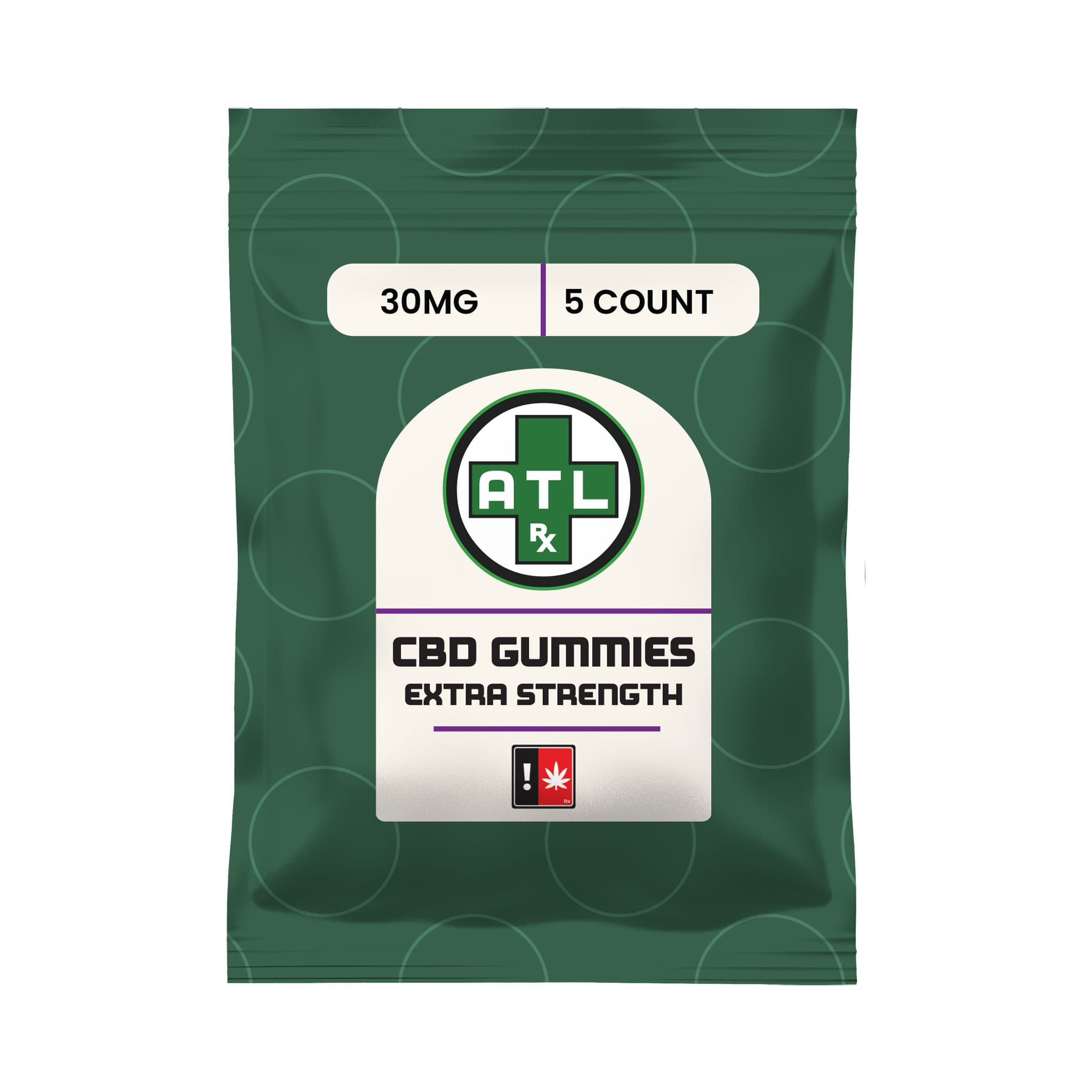
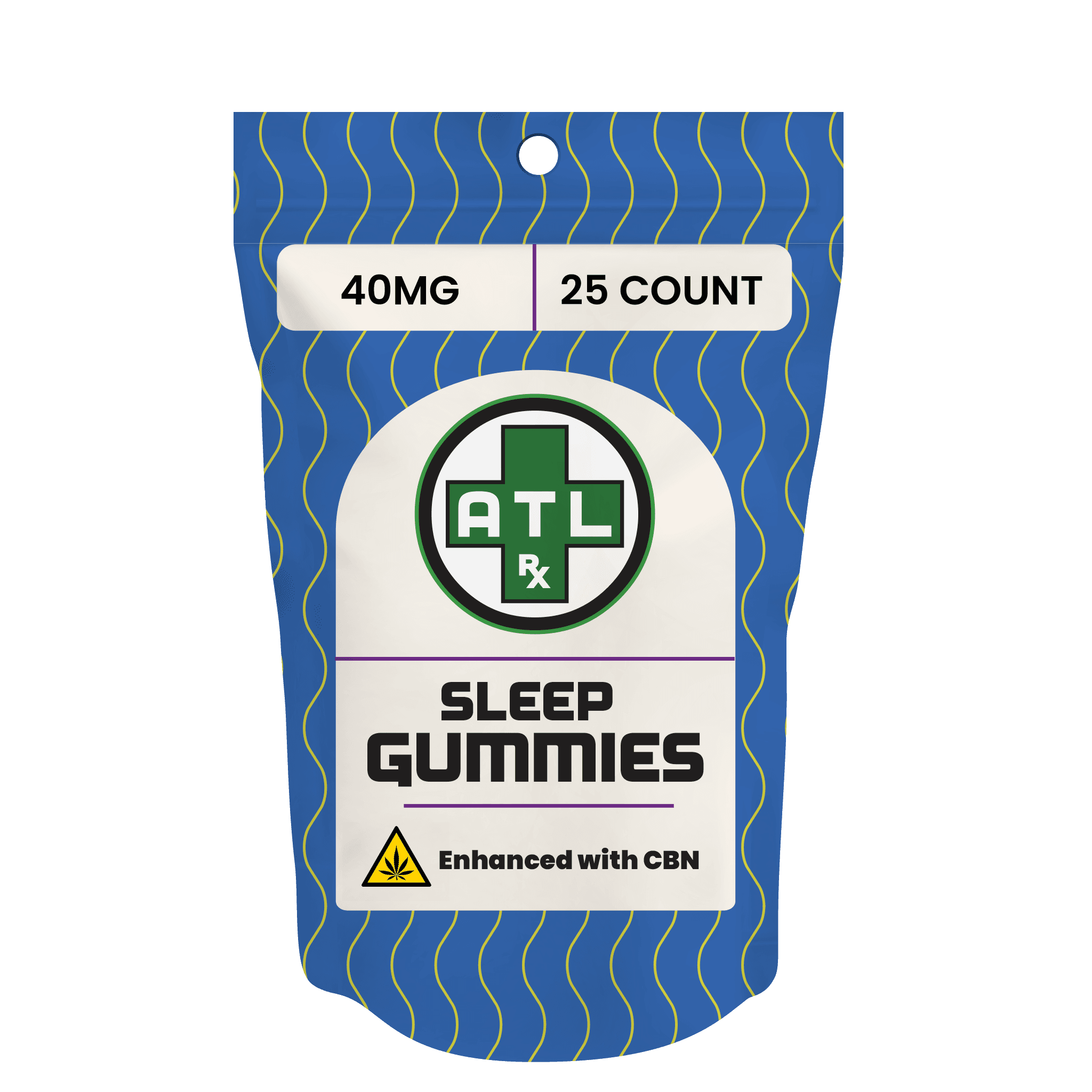
CBD Sleep Gummies (40mg)
Best Value: 987.5mg (25 Count 40mg) · Save 10%
Current Law vs. Proposed Legislation
No bill amending Kansas’s hemp laws passed in the 2025-2026 legislative session. The rules in this guide come from laws already in force, plus a federal change with a fixed effective date.
| Measure | Status (as of October 29, 2026) | What it means for CBD buyers |
|---|---|---|
| K.S.A. 2-3901 and 2-3908 (Kansas hemp law) | In force | 0.3% total-THC limit; vapes, teas, and smokable hemp banned; no flower sales to consumers |
| Claire and Lola’s Law (K.S.A. 65-6235) | In force | Affirmative defense only, for qualifying patients with a physician letter |
| Kansas SB 292 | Died in committee | Would have set a 21+ age limit and packaging and labeling rules; none of this is law |
| Pub. L. No. 119-37, as delayed by Pub. L. No. 119-103 (federal) | Enacted; most provisions take effect December 11, 2026 | New total-THC test plus a limit of 0.4 mg of total THC in each container |
| H.R. 7024, H.R. 7010, S. 3686 (federal) | Introduced only | Would delay the federal hemp change by two more years |
| H.R. 6209 (federal) | Introduced only | Would repeal the federal hemp definition change |
Kansas SB 292: Introduced, Then Died
The Senate Committee on Federal and State Affairs was the body that brought SB 292 forward. In its original form, the bill would have made it illegal to provide hemp-derived cannabinoid products to people younger than 21, created new rules for how those products are packaged and labeled, and rewritten how Kansas defines industrial hemp and hemp products. SB 292 then died in committee, so Kansas still has no state minimum age for buying CBD.
New Federal Hemp Rules: December 11, 2026
On December 11, 2026, a revised federal hemp definition takes effect, and Kansas residents will need to follow it in addition to the state’s own rules.
In November 2025, the President signed the 2026 continuing appropriations and extensions package that also funded agriculture, the legislative branch, military construction, and veterans affairs (Pub. L. No. 119-37). It rewrites the federal hemp definition in three main ways:
- Total THC: Hemp will be measured by total THC concentration (no more than 0.3%), not delta-9 THC alone, so THCA, delta-8, and other THC forms count.
- 0.4 mg per container: Once a finished hemp-derived cannabinoid product goes above 0.4 mg of total THC and similar cannabinoids combined in a single container, it loses its status as hemp.
- Manufactured cannabinoids: The hemp definition leaves out any product made with cannabinoids the cannabis plant is unable to create on its own, as well as products using natural cannabinoids that were synthesized or produced outside the plant.
Lawmakers first scheduled the new rules to begin on November 12, 2026. In September 2026,
Congress passed the Continuing Appropriations and Extensions Act, 2027 (Pub. L. No. 119-103), which moved most of it to December 11, 2026 (Congressional Research Service, October 28, 2026).
| Date | What takes effect federally |
|---|---|
| December 11, 2026 | The switch to measuring total THC, the 0.4 mg limit for each container, and the rule that leaves out natural cannabinoids produced outside the plant. This is the date that affects CBD products. |
| November 12, 2026 | Exclusion of products containing cannabinoids the cannabis plant cannot naturally produce |
The law also directed the FDA to publish lists of cannabinoids and more detail on what counts as a “container.” As of October 28, 2026, the FDA had not published any of them.
What This Means for Kansas CBD Buyers
CBD products with non-detectable THC, such as CBD isolate and most broad-spectrum products, are the most likely to stay within the federal 0.4 mg per container cap. Full-spectrum products can contain more than 0.4 mg of total THC per container, even when they meet Kansas’s 0.3% limit. Once December 11, 2026 arrives, look at the COA for the total THC amount per container in milligrams, rather than relying on the percentage alone.
Kansas CBD Laws at a Glance (2026)
| Subject | What Kansas law says (as of October 29, 2026) |
|---|---|
| CBD legal status | Legal when the final hemp product stays at or below 0.3% total THC |
| THC measurement | Total THC: delta-9, delta-8, and all other THC isomers combined |
| CBD oils, gummies, capsules, topicals | Legal if within the 0.3% total-THC limit and not a banned product type |
| CBD vapes (liquids, solids, or gases for vaporizing devices) | Illegal to make, market, sell, or distribute |
| Hemp cigarettes, cigars, chew, dip, and teas | Illegal to make, market, sell, or distribute |
| Hemp flower (buds, ground flower, or leaf) | Cannot be sold to consumers; sales only to registered hemp processors and Kansas Department of Agriculture hemp licensees |
| Penalties for unlawful hemp products | First conviction: class A nonperson misdemeanor; repeat: severity level 9 nonperson felony |
| Online purchase and shipping | Interstate shipment of hemp is federally protected, but products must meet Kansas law once in the state |
| Minimum age to buy CBD | No state minimum age (SB 292 would have set 21, but died); ATLRx requires customers to be 21+ |
| Claire and Lola’s Law | Affirmative defense for qualifying patients; oil with THC no more than 5% relative to CBD; physician letter required |
| Marijuana (recreational or medical) | Illegal; no medical program |
| Hemp farming and processing | Producer license through the Kansas Department of Agriculture; processor registration with the State Fire Marshal |
| Delta-8 THC | Allowed only as part of a compliant hemp product at or under 0.3% total THC; vape formats are not permitted |
| Federal 0.4 mg total THC limit for each container | Begins December 11, 2026 |
Timeline of Kansas CBD Laws
| Date | Event |
|---|---|
| December 11, 2026 | Federal total-THC standard and 0.4 mg per container cap take effect |
| November 12, 2026 | Federal exclusion of non-naturally occurring cannabinoids takes effect |
| September 2026 | Pub. L. No. 119-103 delays most federal hemp changes to December 11, 2026 |
| 2026 session | Kansas SB 292 (21+ age limit, packaging, and labeling) dies in committee |
| November 2025 | Pub. L. No. 119-37 rewrites the federal hemp definition |
| December 2, 2021 | Kansas Attorney General Opinion 2021-4 confirms the 0.3% total-THC standard |
| April 21, 2021 | HB 2244 signed: final hemp products may contain up to 0.3% THC, and hemp processors must register with the State Fire Marshal |
| 2019 | HB 2167 creates the commercial hemp program and bans hemp vapes, teas, and smokables |
| 2019 | SB 28 (Claire and Lola’s Law) creates a limited affirmative defense |
| 2018 | SB 282 removes CBD with zero THC from the state’s marijuana definition |
| April 2018 | SB 263 establishes Kansas’s Alternative Crop Research Act |
What Products Are Legal to Buy in Kansas?
CBD Oils
In Kansas, you can legally buy CBD oils and tinctures as long as the final product stays at or below 0.3% total THC. CBD isolate and broad-spectrum oils, which are processed to remove THC, meet this rule most easily. Full-spectrum oils can also meet the Kansas limit, but check the COA for total THC, and remember that full-spectrum products can exceed the federal 0.4 mg per container cap after December 11, 2026.
CBD Gummies and Edibles
CBD gummies, capsules, and other CBD edibles are sold in Kansas and must stay within the 0.3% total-THC limit. K.S.A. 2-3908 bans hemp products for human consumption that contain an ingredient prohibited under the Kansas Food, Drug and Cosmetic Act, but the same section states that it does not otherwise prohibit using cannabidiol oil as an ingredient. Kansas has no state minimum age for buying CBD edibles.
CBD Topicals
CBD topicals such as creams, balms, and roll-ons are allowed in Kansas as long as they stay within the 0.3% total-THC limit. Because K.S.A. 2-3908 defines consumption to include products applied so that a hemp ingredient enters the body, topicals follow the same ingredient rule as edibles.
CBD Vapes and Hemp Teas
CBD vape products are illegal to make, market, sell, or distribute in Kansas. Under K.S.A. 2-3908, any vape product made with industrial hemp is off-limits, whether it comes as a liquid, a solid, or a gas, and hemp-infused teas fall under the same prohibition. This applies regardless of THC content, so a zero-THC CBD vape cartridge is still a banned product in Kansas.
CBD Flower (Smokable Hemp)
Hemp flower cannot be sold to consumers in Kansas. Under K.S.A. 2-3908(b), hemp buds and ground hemp flower or leaf may be sold only to registered hemp processors and Kansas Department of Agriculture hemp licensees, and hemp cigarettes and cigars are banned outright. At ATLRx, we advise against buying CBD flower or carrying it with you while you’re in Kansas.
Shop CBD
View all →
Delta-8 and Other Intoxicating Hemp Products in Kansas
Under Attorney General Opinion 2021-4, delta-8 THC is legal in Kansas only when it is made from industrial hemp and is part of a lawful hemp product with no more than 0.3% total THC. Delta-8 vapes are banned, like all hemp vape products. At the federal level, naturally occurring cannabinoids synthesized or manufactured outside the plant, which likely includes most commercial delta-8, lose hemp status on December 11, 2026.
Where Can You Buy CBD in Kansas?
Online: The Widest Selection
Ordering online from a reputable out-of-state retailer gives Kansas residents the widest choice of lab-tested CBD products. The 2018 Farm Bill bars states from prohibiting the transportation of lawfully produced hemp and hemp products through their borders, and Kansas law allows the sale and possession of compliant CBD products. Once a product is in Kansas, though, it must meet Kansas law: no more than 0.3% total THC, and no vapes, teas, smokable hemp, or hemp flower.
Each ATLRx product is backed by an independent lab Certificate of Analysis (COA) that lists its full cannabinoid profile, THC included. Kansas customers should choose CBD oils, gummies, capsules, or topicals and confirm the total THC on the COA before ordering.
Physical Retail in Kansas
CBD shops, natural food stores, and wellness retailers in Kansas can sell CBD products that meet the 0.3% total-THC limit. In-store selection varies, and Kansas retailers cannot legally sell hemp vapes, hemp teas, smokable hemp, or hemp flower.
Kansas has no licensed adult-use or medical cannabis dispensaries. Claire and Lola’s Law provides a legal defense for qualifying patients, but it does not create any legal place to buy cannabidiol treatment preparations in Kansas.
Can I Travel to Kansas With CBD?
Yes. Federal law protects the interstate transportation of hemp products, and Kansas has not banned bringing CBD into the state. To possess it lawfully in Kansas, the product must contain no more than 0.3% total THC and must not be a banned type, such as a vape or hemp flower. Keep products in their original packaging and carry a copy of the COA in case you are asked about them.
How to Choose a Compliant CBD Product for Kansas
Use this checklist before you buy CBD for use in Kansas:
- Check total THC, not just delta-9. Kansas counts all THC forms toward its 0.3% limit, so look for the total THC figure on the lab report.
- Review the Certificate of Analysis (COA) every time. Trustworthy brands make lab reports from accredited, independent testing labs available to shoppers. Look for a non-detect (ND) or clearly listed total THC result that covers delta-9, delta-8, and other THC isomers.
- Plan for December 11, 2026. After that date, federal law also caps finished products at 0.4 mg of total THC per container, so check the milligrams per container on the COA.
- Pick isolate or broad-spectrum CBD for the easiest path to compliance. Both types go through extra processing that strips out THC. Full-spectrum products can meet the Kansas limit but can exceed the coming federal cap.
- Skip banned product types. Do not buy hemp vapes, hemp teas, hemp cigarettes or pre-rolls, or hemp flower for use in Kansas.
- Check that the COA is current. Make sure the batch number on the COA matches the batch number on your product.
- Buy from established brands. Choose brands with transparent sourcing, published lab results, and genuine customer reviews.
The Bottom Line: Buying CBD in Kansas in 2026
CBD is legal in Kansas in 2026 when the product contains no more than 0.3% total THC and is not a banned type. Kansas still bans hemp vapes, hemp teas, and smokable hemp, and hemp flower cannot be sold to consumers. When the federal rules change on December 11, 2026, each container will be limited to no more than 0.4 mg of total THC.
ATLRx offers CBD oils, gummies, and CBD topicals backed by third-party lab testing, so you can check total THC before you order.
The federal deadline is close, and Congress is considering bills that would delay or repeal it. Bookmark this guide, and we will update it as Kansas and federal rules change.
Frequently Asked Questions
Is CBD Legal in Kansas in 2026?
+
Yes. Hemp-derived CBD is legal in Kansas when the finished product contains no more than 0.3% total THC and is not a banned product type, such as a vape, tea, or smokable hemp product. Kansas counts all THC forms toward that limit, not just delta-9.
Can I Buy CBD Online and Get It Delivered to Kansas?
+
Yes. Kansas residents can buy CBD from retailers based in other states, including ATLRx, and receive it at their Kansas address. The product must meet Kansas law once it arrives, so choose oils, gummies, capsules, or topicals with no more than 0.3% total THC, and avoid vapes and hemp flower.
Does Kansas Still Require CBD to Contain 0% THC?
+
No. The zero-THC rule came from SB 282 in 2018. In 2021, HB 2244 changed Kansas law to allow final hemp products with up to 0.3% total THC, and Attorney General Opinion 2021-4 confirmed that standard.
Are CBD Vapes Legal in Kansas?
+
No. State law makes it unlawful to manufacture, promote, sell, or distribute any vape product containing industrial hemp, whether that product is a liquid, a solid, or a gas. The ban applies even to CBD vapes with no THC.
Is Full-Spectrum CBD Legal in Kansas?
+
Yes, if the finished product contains no more than 0.3% total THC and is not a banned type. Keep in mind that full-spectrum products can contain more than 0.4 mg of total THC per container, which would exceed the federal cap that takes effect on December 11, 2026.
Can I Buy CBD Flower in Kansas?
+
No. Kansas law bans selling hemp buds and ground hemp flower to consumers, and hemp cigarettes and cigars are banned outright. Kansas excludes industrial hemp from its definition of marijuana only when it is possessed or used for activities authorized under the Commercial Industrial Hemp Act, so carrying hemp flower in Kansas carries real legal risk.
Is a Prescription Required to Buy CBD in Kansas?
+
No. CBD products with no more than 0.3% total THC can be bought without a prescription. A physician letter matters only under Claire and Lola’s Law, which gives qualifying patients an affirmative defense for possessing an oil with THC no more than 5% relative to its CBD content.
Could the December 2026 Federal THC Rule Change Which CBD Products I Can Buy?
+
Yes, it could. As of December 11, 2026, any finished hemp product carrying over 0.4 mg of total THC in one container will lose its federal hemp classification. CBD isolate and broad-spectrum products with non-detectable THC are the most likely to stay compliant; check the COA for milligrams of total THC per container.
Is CBN Legal in Kansas?
+
Yes. Kansas hemp law does not single out CBN, CBG, or CBC, so hemp-derived products containing them are legal when the product meets the 0.3% total-THC limit and is not a banned type. Under the federal change, cannabinoids with THC-like effects will count toward the 0.4 mg cap, and the FDA has not yet published its list of those cannabinoids.
Is There a Minimum Age to Buy CBD in Kansas?
+
No. Kansas state law does not set a minimum age for buying CBD. SB 292 would have set a minimum age of 21, but it died in committee. Every ATLRx shopper must be at least 21 years old to place an order.
Why Trust This Guide
- ATLRx has sold third-party lab-tested hemp products out of Georgia since 2019.
- Every real batch we sell is tested by an accredited outside lab, with the Certificate of Analysis published before you buy.
- We operate 3 real physical stores in Georgia — this isn't a drop-shipped storefront.
- Legal information is rechecked and updated as rules change, not published once and forgotten.
This guide is for general information only and is not legal advice. While we update it as rules change, state laws can shift quickly. Please confirm current laws with your state’s official sources.
Don't Trust the Label. Check the Lab.
ATLRx publishes third-party Certificates of Analysis for real batches so you can verify cannabinoid content before you buy — not just take the package's word for it.
View Lab Results →Have Questions?
Visit an ATLRx store in Georgia and talk to our team.
Real Customers, Real Reviews
What Customers Are Saying

Jen Hight
Cannabis Industry Expert & Compliance Specialist Jen Hight is a cannabis industry professional with extensive experience in hemp compliance, product development, and consumer education. With a background in regulatory affairs and a passion for helping consumers navigate the complex world of cannabinoids, Jen provides accurate, up-to-date information on hemp legality and best practices. Her work focuses on making cannabis knowledge accessible while ensuring readers understand both the opportunities and responsibilities that come with legal hemp products.
View all articles →Keep Learning
Is CBD Legal in California? CBD Laws & Regulations 2026
Updated November 6, 2026 CBD Legal Status in California: Yes. Hemp-derived CBD is legal in California in 2026, but state law now controls which CBD products can be sold. Under Assembly Bill 8 (AB 8), CBD foods, beverages, and dietary supplements may contain only CBD isolate above 99% purity with no THC, and buyers must […]
Nov 6, 2026 · 24 min read
Is CBD Legal in Tennessee? Expert Guide 2026
Updated November 5, 2026 CBD Legal Status in Tennessee: Yes. CBD is legal in Tennessee when it comes from hemp, and the product contains no more than 0.3% total THC on a dry-weight basis. Tennessee calculates total THC as delta-9 THC plus 0.877 times THCA. Since January 1, 2026, Tennessee treats CBD differently based on […]
Nov 5, 2026 · 22 min read
Is CBD Legal in Delaware? 2026 Law Updates & Guide
CBD Legal Status in Delaware: Yes, CBD is legal in Delaware. Under the federal 2018 Farm Bill and Delaware’s hemp program, hemp-derived CBD containing less than 0.3% delta-9 THC is legal to buy, possess, and use. Marijuana-derived (higher-THC) products are legal only through Delaware’s state-licensed dispensaries. ATLRx ships only hemp-derived Delta-9 (≤0.3% THC) and THCV […]
Jul 7, 2026 · 12 min read
Is CBD Legal in New Mexico? 2026 Legal Guide
CBD Legal Status in New Mexico: Yes. Hemp-derived CBD containing no more than 0.3% delta-9 THC on a dry-weight basis is legal in New Mexico for adults. Cannabis-derived CBD is also legal, but it can only be purchased from licensed dispensaries. New Mexico finalized a permanent hemp rule in January 2026, and a federal ban […]
Jul 3, 2026 · 14 min read
Stay Informed
New product releases, hemp law updates, and useful cannabinoid guides.