Is Delta 9 Legal in South Carolina? Complete 2026 Legal Guide
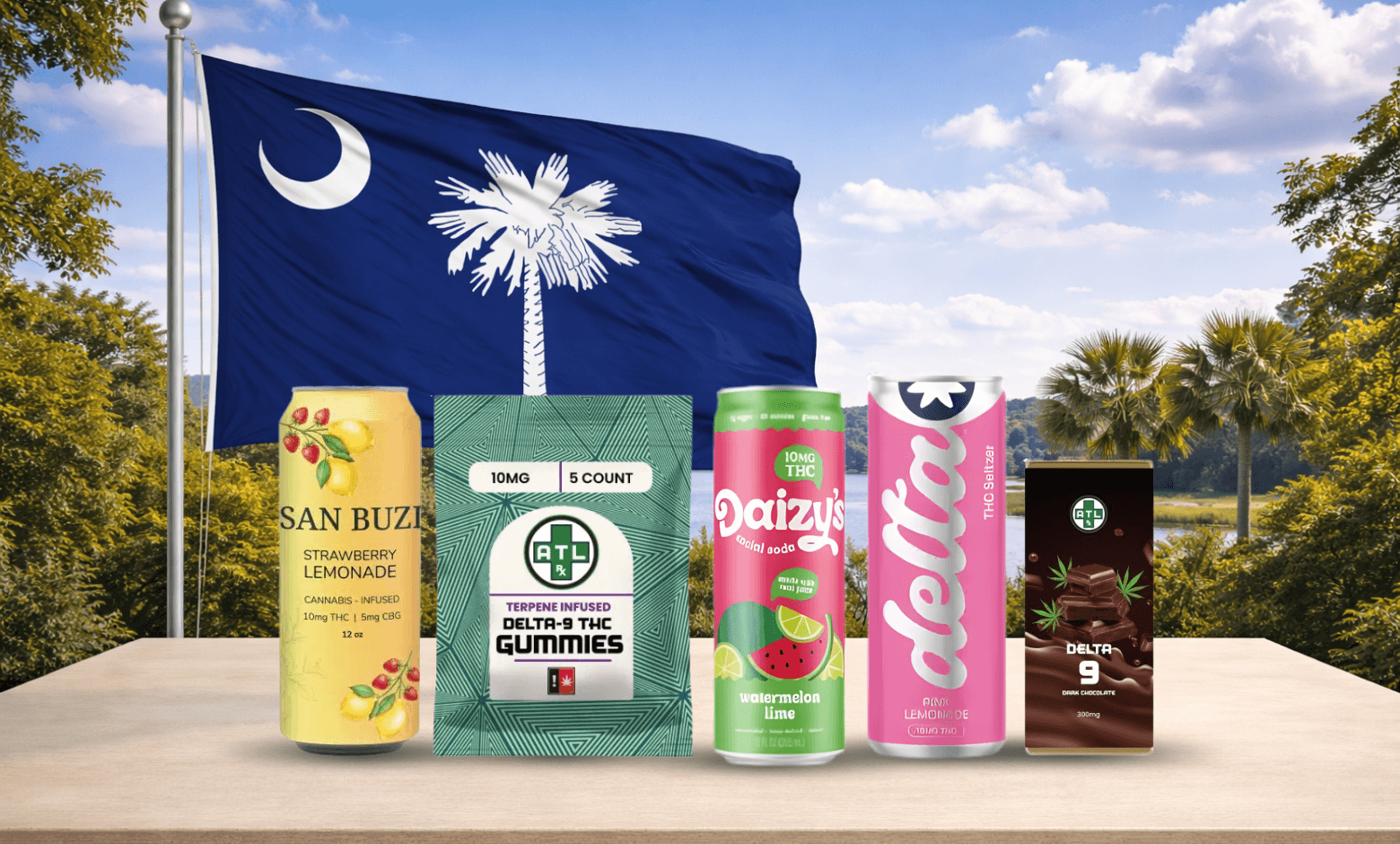
Delta 9 Legal Status in South Carolina:
Yes. Products derived from hemp that contain less than 0.3% Delta 9 THC are legal in South Carolina under both federal and state law (SC Code Section 46-55-10).
- Age Requirement: Retailers are expected to enforce a 21+ age requirement for all hemp-derived cannabinoid products.
- 2026 Update: The South Carolina Senate passed legislation (35-4 vote, March 20, 2026) to keep hemp-derived THC products legal for adults 21+ while adding new safeguards. The bill is now awaiting final reconciliation and the Governor’s signature.
- The Delta 9 THC in hemp can cause a positive drug test result. Since most employer drug screenings detect THC metabolites, they are unable to differentiate between THC from hemp and that from marijuana.
If you have been asking yourself, “Is Delta 9 legal in South Carolina?”, you are far from alone. With the hemp industry growing rapidly across the country and new legislation moving through the South Carolina General Assembly in 2026, it is one of the most searched cannabis law questions in the Palmetto State.
The short answer is yes. Products containing 0.3% or less of THC derived from hemp in South Carolina are legal. But the full picture involves multiple layers of federal and state law, recent legislative changes in 2026, compliance requirements that apply to retailers and consumers alike, and a federal update on the horizon that could reshape the industry again by November 2026. See the 2018 Farm Bill and SC Code Section 46-55-10 for the full statutory text.
Whether you are a first-time buyer, a regular consumer, or simply staying informed, we have got you covered with the most current, accurate, and complete information available as of April 2026.
Keep Browsing
Explore Our Delta 9 THC Categories
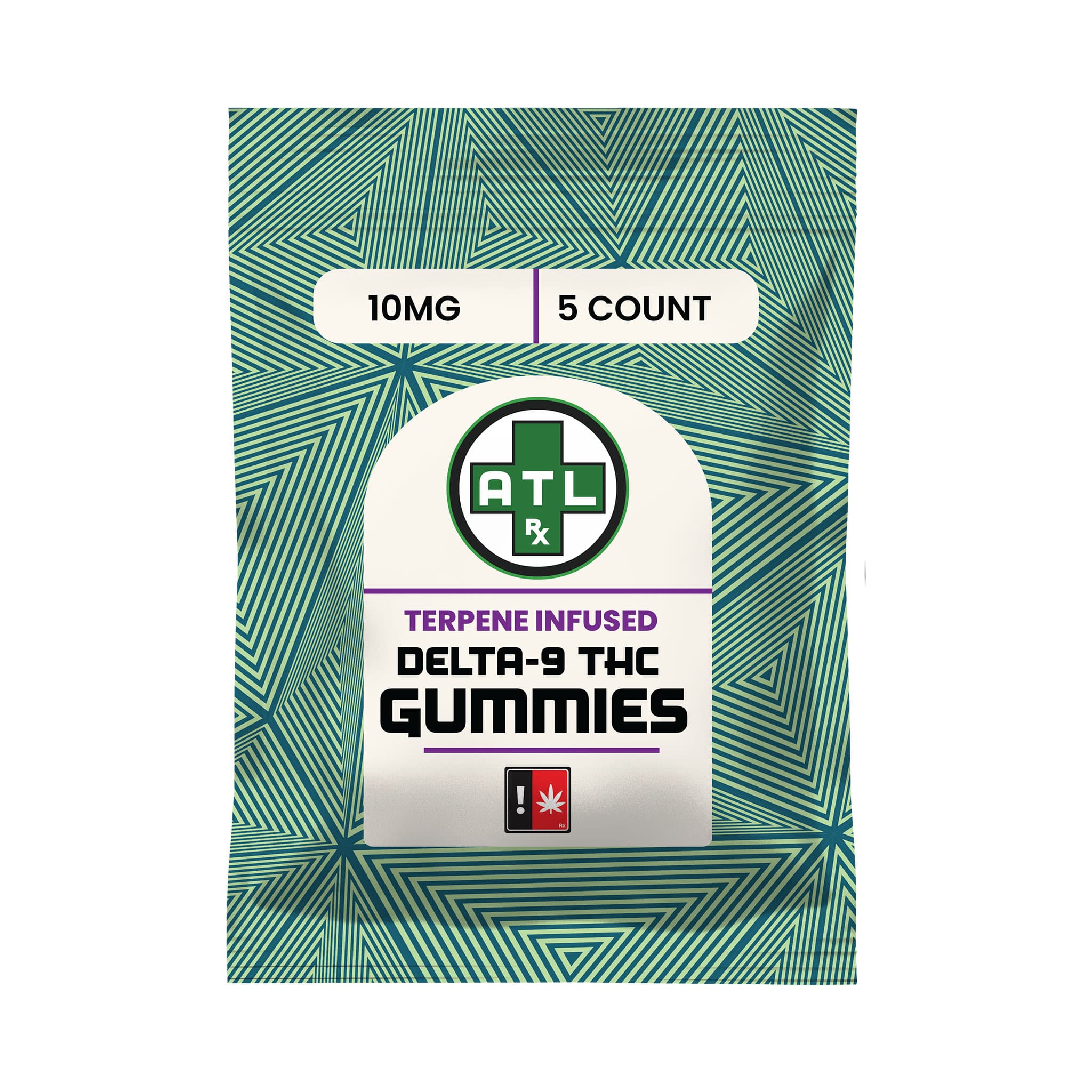
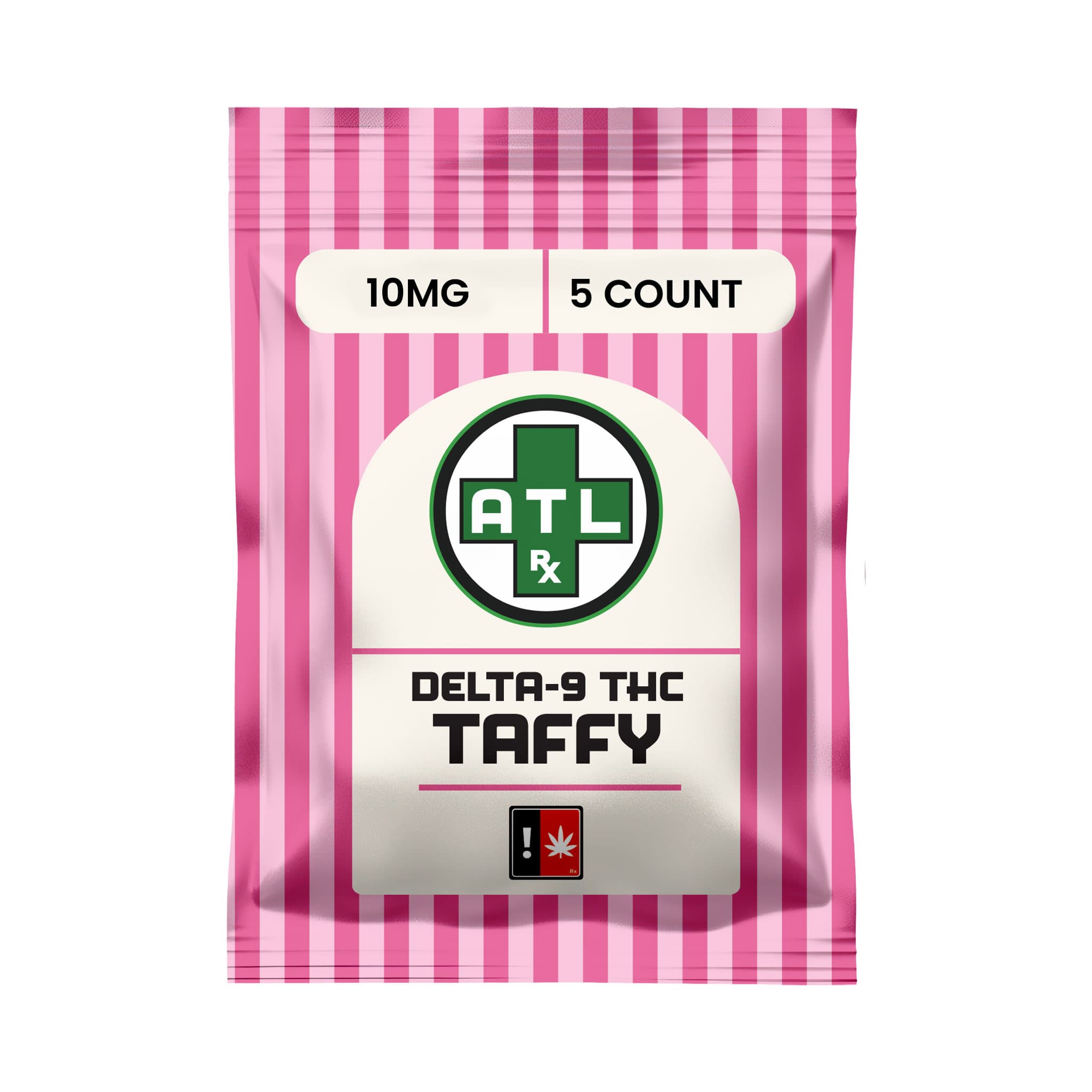
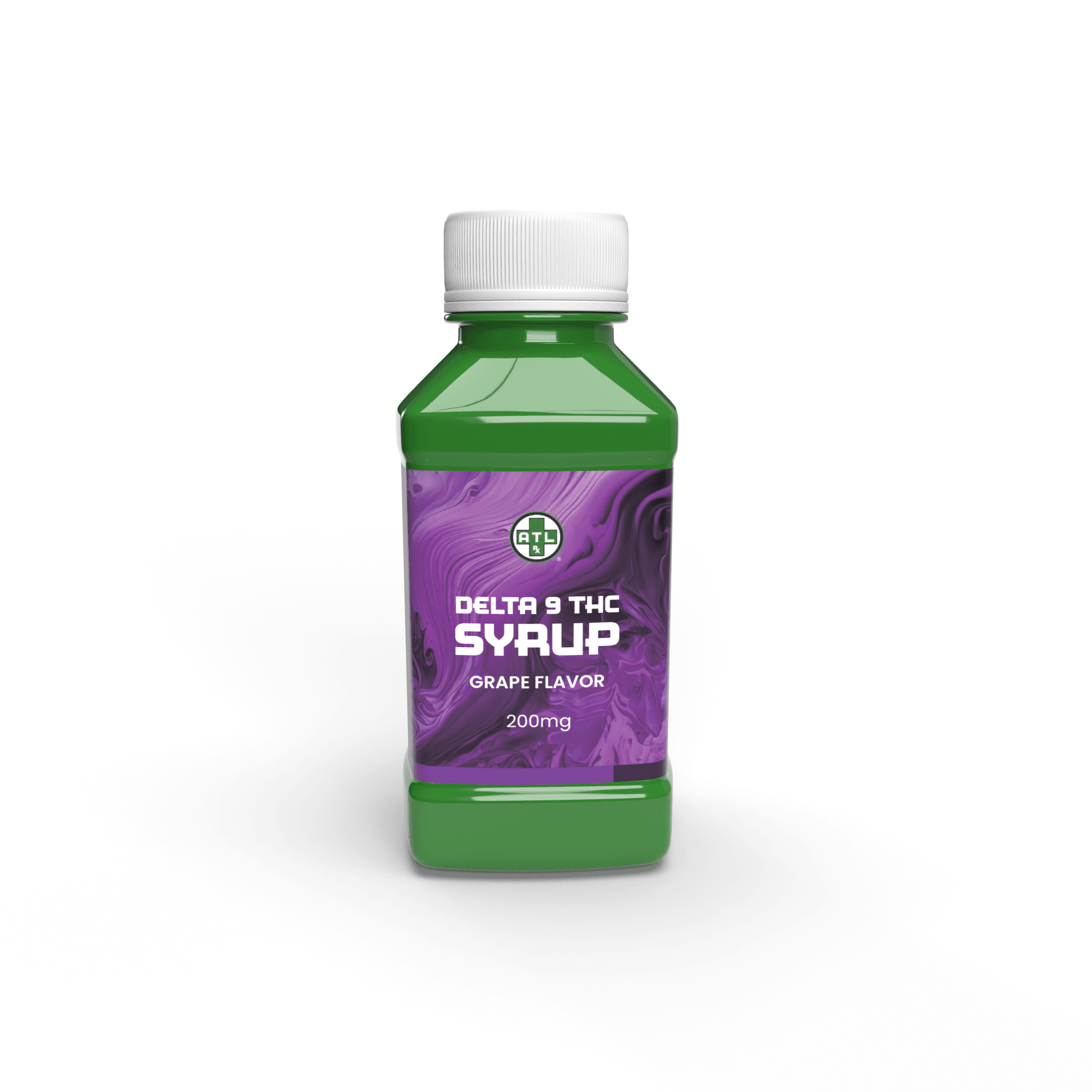
Shop real Delta 9 THC products and collections.
Key Takeaways
- 01South Carolina will legalize hemp-derived Delta 9 THC by 2026, provided it has a Delta 9 THC content of 0.3% or less on a dry weight basis.
- 02The 2018 Farm Bill is the federal law that made hemp-derived Delta 9 products legally available nationwide, including in South Carolina.
- 03South Carolina House Bill 3449 and SC Code Section 46-55-10 establish the state-level legal framework for hemp and hemp-derived products.
- 04The South Carolina Senate passed hemp regulation legislation by a 35-4 vote on March 20, 2026, keeping hemp THC products legal for adults 21+ with new potency and distribution safeguards. Final Governor’s signature is pending.
- 05All legal Delta 9 products must have a third-party Certificate of Analysis (COA) confirming the THC concentration is within the legal limit.
- 06Marijuana-derived THC (above 0.3%) remains illegal in South Carolina for recreational use and should not be confused with compliant hemp-derived Delta 9.
- 07Federal law (HR 5371, enacted November 12, 2025) will take effect on November 12, 2026 and would effectively ban most current Delta 9 consumer products by shifting to a “total THC” standard and capping finished products at just 0.4 milligrams of total THC per container — far below the milligram levels in virtually all hemp THC gummies, beverages, and tinctures currently sold. Legislative efforts to delay this are underway but unresolved as of April 2026.
- 08Always purchase Delta 9 products from licensed, reputable retailers who publish lab results. ATLRx provides Certificates of Analysis for every product in its lineup.
What Is Delta 9 THC?
The delta-9 THC component of cannabis (Cannabis sativa L.) is the main psychoactive component, and is typically the form of THC most people refer to. When consumed, it binds to cannabinoid receptors in the brain and body, triggering the typical effects associated with cannabis. According to the Controlled Substances Act (CSA), cannabis containing high THC levels (marijuana) is still classified as a Schedule I substance at the federal level.
Legally, however, not all Delta 9 THC is treated equally. It can be extracted from either hemp or marijuana plants, and this distinction is crucial in determining its legality under both federal law and South Carolina state law.
- Delta 9 THC derived from hemp is no more than 0.3% by dry weight. It is legal at the federal level under the 2018 Farm Bill and is also permitted under South Carolina state law.
- Marijuana-derived Delta 9 THC: Extracted from cannabis plants exceeding 0.3% Delta 9 THC. Federal law (DEA CSA) classifies it as a Schedule I controlled substance and prohibits its recreational use in South Carolina.
Most Delta 9 products you find at licensed hemp retailers, including the products available at ATLRx, are hemp-derived and fully compliant with the legal threshold.
Is Delta 9 Legal in South Carolina? The Direct Answer
Yes, as of 2026, hemp-derived Delta 9 THC is legal in South Carolina, as long as the product meets these requirements:
- The Delta 9 THC content must not exceed 0.3% by dry weight.
- The product must be sourced from legally grown hemp, not marijuana.
- The product must be tested by a third-party lab and provide a Certificate of Analysis (COA).
- The product is sold through a licensed retailer and purchased by an adult (21+).
It is worth noting that South Carolina does not have a separate recreational or medical marijuana program that legalizes high-THC Delta 9. Cannabis remains a controlled substance under South Carolina law. The legality of Delta 9 here is specifically and only because it is derived from compliant hemp under the framework established by the 2018 federal Farm Bill and mirrored in South Carolina’s own hemp farming laws (SC Code § 46-55-10).
Federal Law: How the 2018 Farm Bill Made Hemp-Derived Delta 9 Legal
The Agriculture Improvement Act of 2018, commonly referred to as the 2018 Farm Bill, was signed into law on December 20, 2018, bringing major changes to the legal status of hemp in the United States. Before the Farm Bill, hemp was grouped with marijuana as a Schedule I controlled substance under the Controlled Substances Act (CSA). However, the passing of the Farm Bill shifted this classification.
The 2018 Farm Bill introduced:
- Marijuana is no longer defined as marijuana under the CSA.
- A hemp plant is defined as Cannabis sativa L. with a Delta 9 THC content of less than 0.3%.
- All hemp-derived derivatives, extracts, cannabinoids, isomers, acids, salts, and salts of isomers are legal, as long as they fall under the 0.3% THC threshold.
- Gave individual states the authority to create their own hemp farming programs, in alignment with USDA guidelines.
The practical effect of this legislation was to create a federally legal pathway for hemp-derived products, including Delta 9 THC gummies, tinctures, and beverages, as long as they stayed below the 0.3% threshold. You can review the full text of P.L. 115-334.
In April 2026, the 2018 Farm Bill framework will remain the governing federal law. However, a provision added in November 2025 (HR 5371) is scheduled to take effect in November 2026 and could tighten limits further.
South Carolina State Law Explained
South Carolina aligned its own laws with the federal Farm Bill through its Hemp Farming Act. Codified under South Carolina Code Section 46-55-10 et seq., South Carolina’s hemp law aligns with the federal definition of hemp and sets up a licensing system for the cultivation, processing, and sale of hemp, overseen by the South Carolina Department of Agriculture (SCDA).
South Carolina House Bill 3449 formalized the state’s hemp program, defining hemp as cannabis with a Delta 9 THC concentration of 0.3% or less on a dry weight basis. The SCDA administers the state hemp program and oversees compliance for hemp producers and retailers operating in South Carolina.
What the Current South Carolina Law Means for Delta 9 Products:
- Hemp-derived Delta 9 products meeting the 0.3% threshold are legal to produce, sell, and possess in South Carolina per SC Code § 46-55-10.
- Marijuana-derived products with higher THC concentrations remain illegal for recreational use.
- Products must comply with state testing and labeling requirements to be considered compliant.
- Interstate transportation of compliant hemp is allowed through South Carolina under SC Code § 46-55-80.
The 2026 Legislative Update: What Changed and What It Means for You
This is the biggest development in South Carolina hemp law since the Hemp Farming Act. If you are buying or selling Delta 9 products in South Carolina, this update is essential reading.
March 2026: South Carolina Senate Passes Hemp Regulation Bill
On March 20, 2026, the South Carolina Senate passed legislation to regulate hemp-derived THC products by a 35-4 vote. This was a significant moment: it marked the legislature’s decision to regulate, rather than ban, the hemp-derived THC market. The full text of Senate Bill H.3924 is available on the SC Legislature’s website.
Some key provisions of the Senate-approved bill include:
- Adults 21+ requirement: All hemp-derived THC products must be sold exclusively to adults 21 years of age or older.
- THC limits: No more than 10 milligrams of THC may be contained in products (gummies and beverages).
- Distribution framework: The bill establishes a tiered retail system. Lower-potency hemp beverages (up to 5mg THC per 12-ounce serving) may be sold at beer and wine licensed retailers — including gas stations, grocery stores, and vape shops — but must remain behind the counter. Higher-potency beverages (5–10mg per serving) and all infused gummies are restricted to licensed liquor stores. Stand-alone hemp stores may continue operating if they obtain a license equivalent to a liquor store license. Restaurants are banned from selling any hemp THC products.
- Synthetic and manufactured cannabinoid ban: The bill excludes from the legal hemp definition a broad range of compounds, including cannabinoids not capable of being naturally produced by the cannabis plant, as well as cannabinoids that can occur naturally but were synthesized or manufactured outside the plant. This includes various hexahydrocannabiphorol compounds, delta-8 and delta-9 tetrahydrocannabiphorol acetates, and any other substance containing THC that produces an intoxicating or psychoactive reaction when consumed. Because most commercially available Delta 8 and Delta 10 THC on the market is chemically synthesized from CBD rather than directly extracted from hemp, this ban would effectively prohibit the vast majority of those products.
- Impaired driving provisions: A new blood-test standard for THC-impaired driving was included (5 or more nanograms per milliliter triggers arrest).
As of April 2026, the bill has passed the Senate and is awaiting final reconciliation between the Senate and House versions before going to the Governor for signature. ATLRx will update this guide when the law is formally signed.
November 2026: Federal THC Limit Changes on the Horizon
A provision added to HR 5371 (the November 2025 federal continuing appropriations act) redefines hemp to include “total THC” concentration, meaning THCA now counts toward the 0.3% limit. If the federal rule takes full effect in November 2026, it would also set a limit of approximately 0.4 milligrams of THC per container, a limit far stricter than what is currently available in most Delta 9 products.
Legislative efforts to delay or revise HR 5371 are underway but remain uncertain. The Hemp Planting Predictability Act (HR 7024), introduced in January 2026, would push the effective date back to November 2028, and a Senate companion bill has been introduced. As of April 2026, the House bill has only 15 co-sponsors, and no vote has been scheduled. Separately, the Cannabinoid Safety and Regulation Act introduced by Senate Democrats would replace the ban with a regulatory framework. None of these measures has passed. Consumers and businesses should plan as though the November 2026 effective date will stand unless Congress acts. ATLRx will monitor this closely and update this guide as developments unfold.
Shop Delta 9
View all →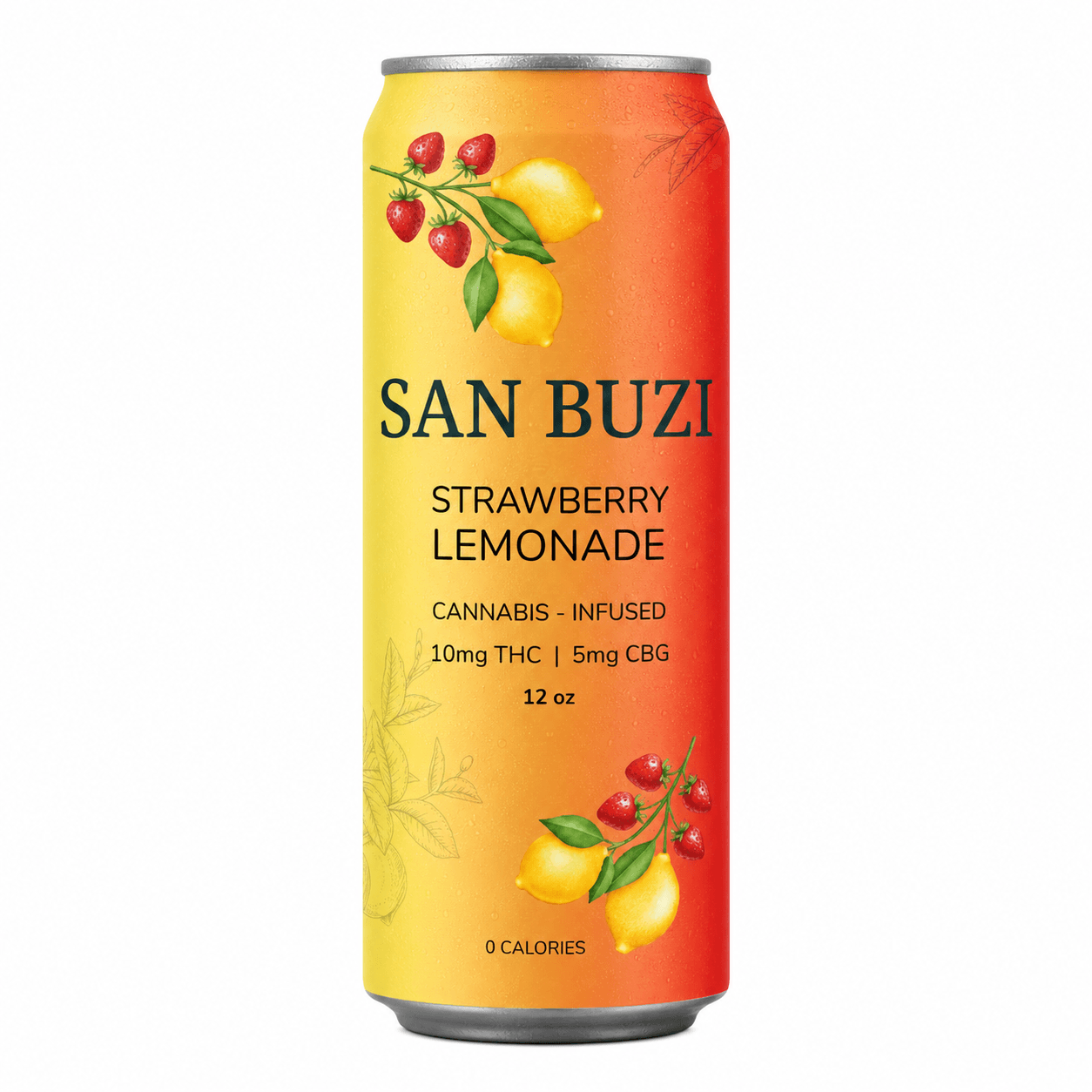


Hemp-Derived Delta 9 vs. Marijuana-Derived THC: Key Differences
| Hemp-Derived Delta 9 THC | Marijuana-Derived THC |
| Derived from cannabis plants with 0.3% or less THC (per the 2018 Farm Bill) | Derived from cannabis plants with more than 0.3% THC |
| Federally legal under the 2018 Farm Bill | Federally illegal (Schedule I – CSA) |
| Legal in South Carolina under SC Code § 46-55-10 | Illegal in South Carolina for recreational use |
| Available at licensed hemp retailers and online at ATLRx | Not legally available in South Carolina |
| Must have Certificate of Analysis (COA) | No legal retail market in SC |
| Subject to SC 21+ age restrictions (per H.3924) | Possession may result in criminal penalties in SC |
The chemical structure of Delta 9 THC is identical whether it comes from hemp or marijuana. The legal distinction is entirely based on the source plant’s THC concentration and the compliance of the final product.
What Delta 9 Products Are Legal to Buy in South Carolina?
Under current South Carolina law, the following hemp-derived Delta 9 products are legal for adults to purchase from licensed retailers such as ATLRx:
- Delta 9 THC gummies and edibles (containing 0.3% or less Delta 9 THC on a dry weight basis)
- Delta 9 THC tinctures and oils (compliant with the 0.3% threshold)
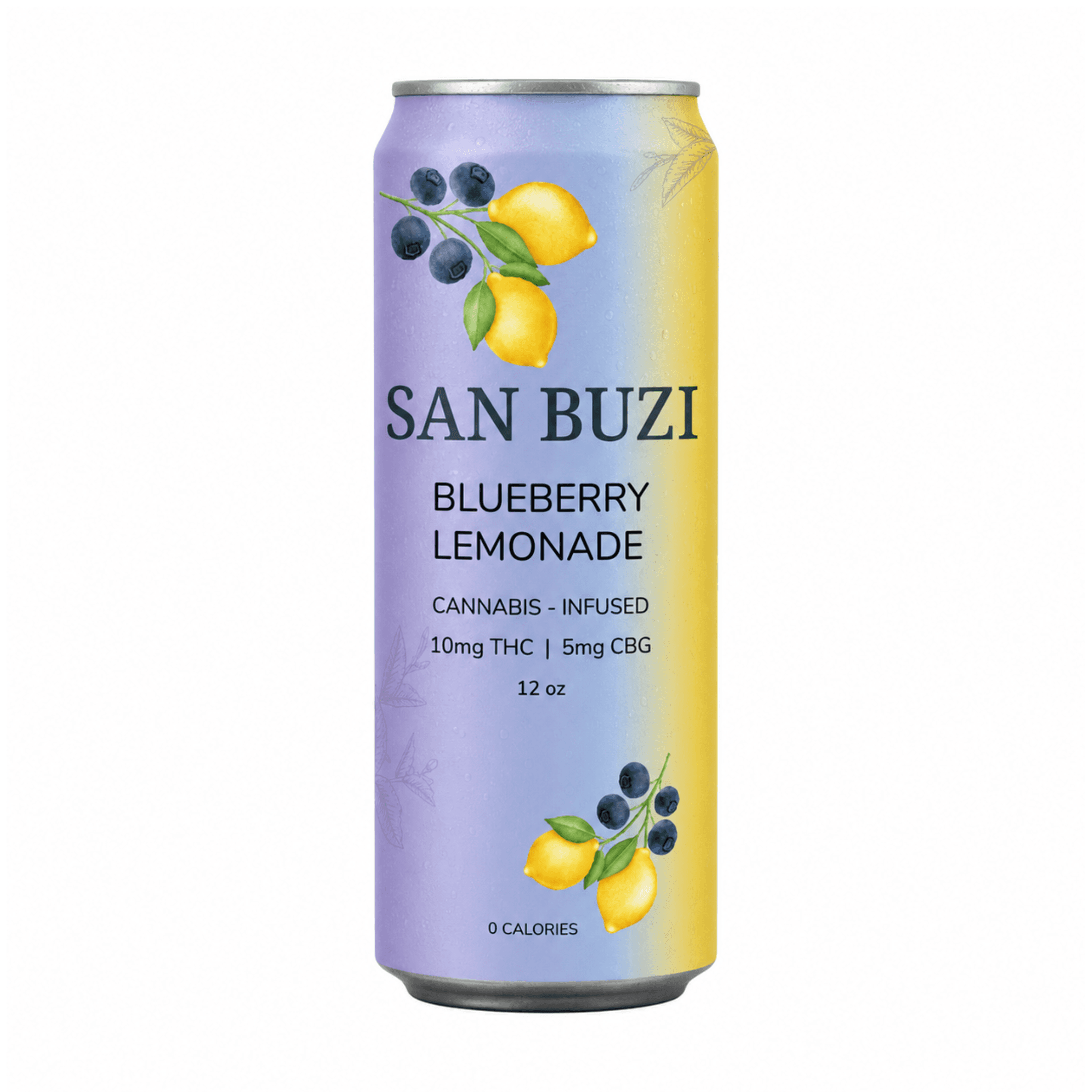
- Delta 9 THC beverages and drinks (compliant hemp-derived beverages with legal THC concentrations)
- Delta 9 THC capsules and softgels
- Delta 9 THC vape products derived from legal hemp (subject to additional state regulations)
Products that exceed the 0.3% Delta 9 THC threshold on a dry weight basis are not legal under current South Carolina hemp law or federal law, regardless of how they are labeled or marketed. Always verify the COA before purchasing.
How to Identify a Legal, Compliant Delta 9 Product
With a growing retail market and varying levels of compliance across sellers, knowing how to verify a product’s legality is essential. Here is what to look for:
- A third-party Certificate of Analysis (COA) should accompany legal Delta 9 products from an accredited lab. The COA confirms the exact THC concentration and verifies the product meets the 0.3% threshold. ATLRx publishes COAs for all products here.
- Accurate labeling: The product label should clearly state the Delta 9 THC concentration per serving and per container, the net weight or volume, and the manufacturer’s information.
- Hemp-derived source: The label or product description should specify that the Delta 9 THC is derived from legally cultivated hemp compliant with the USDA hemp regulations, not marijuana.
- Reputable seller: Purchase from established retailers who are transparent about their lab results and sourcing. ATLRx publishes Certificates of Analysis for all products, making it easy for customers to verify compliance independently.
- No exaggerated claims: Be cautious of products that make medical claims or promise to “treat” or “cure” specific conditions. The FDA does not permit such claims and may indicate a less trustworthy vendor.
Where to Buy Delta 9 THC in South Carolina
There are currently two primary ways to purchase compliant hemp-derived Delta 9 THC products in South Carolina:
Option 1: Licensed Local Retailers
Hemp retailers, CBD stores, and specialty wellness shops across South Carolina carry a variety of Delta 9 THC products. When shopping locally, always ask to see the product’s COA and confirm the Delta 9 THC concentration before purchasing. The SCDA maintains an up-to-date overview of the state hemp program and licensed operators.
Option 2: Purchase Online (Highly Recommended)
Purchasing hemp-derived Delta 9 products from a trusted online retailer offers several advantages: access to a wider product selection, the ability to easily review COAs before buying, and the convenience of home delivery. ATLRx offers a curated selection of hemp-derived Delta 9 THC gummies, tinctures, and other products, all tested by third-party labs and compliant with federal and South Carolina hemp law. Each product listing links directly to its Certificate of Analysis, so you can verify compliance with confidence before you add anything to your cart.
Traveling with Delta 9 in South Carolina
Traveling within South Carolina with legal, compliant hemp-derived Delta 9 products is generally permissible, but there are important caveats to keep in mind:
- Keep products in their original, labeled packaging at all times when traveling.
- Make sure you print out or save a copy of the COA in case you are stopped by law enforcement.
- Public consumption of Delta 9 THC products is not permitted.
- Do not drive after consuming Delta 9 THC products. Under the 2026 Senate bill’s proposed impaired driving provisions, a blood THC level of 5 or more nanograms per milliliter could result in a DUI charge.
- Interstate travel: Cannabis laws differ widely from state to state. Products derived from hemp that are legal in South Carolina may not be permitted in neighboring states. Make sure you check state-by-state regulations before traveling with hemp-derived products. For further guidance, consult the federal hemp transport rules under the USDA.
- Do not travel with these products internationally. Cannabis laws differ greatly between countries, and even hemp products that are compliant domestically can lead to significant legal issues at international borders.
Final Thoughts: What You Need to Know Before You Buy
The question “Is Delta 9 legal in South Carolina?” has a clear answer in 2026: hemp-derived Delta 9 THC products at or below the 0.3% federal threshold are legal to purchase, possess, and use in the Palmetto State. The March 2026 Senate vote confirms that South Carolina legislators have chosen to regulate rather than ban these products, signaling a stable near-term legal environment for compliant hemp consumers.
That said, the regulatory landscape is evolving rapidly. The pending state bill H.3924, the November 2026 federal rule update (HR 5371), and ongoing legislative debate mean that consumers and businesses alike should stay informed throughout 2026. The legal framework that exists today may look meaningfully different by year’s end.
At ATLRx, we are committed to providing only compliant, third-party tested hemp-derived Delta 9 products and keeping our community informed about the laws that affect them. All of our products include a complete Certificate of Analysis, which you can review before making a purchase. If you have any questions about a product or its compliance, our team is ready to assist you.
Related Articles:
Why Trust This Guide
- ATLRx has sold third-party lab-tested hemp products out of Georgia since 2019.
- Every real batch we sell is tested by an accredited outside lab, with the Certificate of Analysis published before you buy.
- We operate 3 real physical stores in Georgia — this isn't a drop-shipped storefront.
- Legal information is rechecked and updated as rules change, not published once and forgotten.
This guide is for general information only and is not legal advice. While we update it as rules change, state laws can shift quickly. Please confirm current laws with your state’s official sources.
Don't Trust the Label. Check the Lab.
ATLRx publishes third-party Certificates of Analysis for real batches so you can verify cannabinoid content before you buy — not just take the package's word for it.
View Lab Results →Have Questions?
Visit an ATLRx store in Georgia and talk to our team.
Real Customers, Real Reviews
What Customers Are Saying

Jen Hight
Cannabis Industry Expert & Compliance Specialist Jen Hight is a cannabis industry professional with extensive experience in hemp compliance, product development, and consumer education. With a background in regulatory affairs and a passion for helping consumers navigate the complex world of cannabinoids, Jen provides accurate, up-to-date information on hemp legality and best practices. Her work focuses on making cannabis knowledge accessible while ensuring readers understand both the opportunities and responsibilities that come with legal hemp products.
View all articles →Keep Learning

Where To Buy Delta 9 Gummies Near Me?
You can buy Delta 9 gummies near you at five types of retailers: a licensed cannabis dispensary, a hemp or CBD store, a vape or smoke shop, a convenience store, or online, directly from a hemp brand. In many states, these sit on ordinary retail shelves and can be mailed to a home address. The […]
Oct 21, 2026 · 10 min read

Where to Buy Delta 9 in Texas?
Delta 9 Availability in Texas: Yes. Hemp-derived Delta 9 is legal to buy in Texas in August 2026. To qualify, a product has to come from hemp and test at 0.3% or less total THC on a dry weight basis. Texas has computed that figure as (0.877 x THCA) + Delta 9 since March 31, […]
Aug 7, 2026 · 26 min read

Where to Buy Delta 9 in Oklahoma?
Delta 9 Availability in Oklahoma: Yes. Delta 9 THC derived from hemp is legal in Oklahoma starting in 2026 for adults 21 and older. It must be made from hemp, not marijuana, and contain less than 0.3% Delta-9 THC by dry weight. Medical marijuana does not require a card. You can buy it online or […]
Aug 5, 2026 · 23 min read

Where to Buy Delta 9 in Iowa?
Delta 9 Availability in Iowa: Yes, hemp-derived Delta 9 is legal in Iowa in 2026, but only if it follows the state’s rules. Consumable hemp products cannot contain more than 4 mg of total THC per serving and 10 mg of total THC per container. The product also has to come from legal hemp, be […]
Aug 4, 2026 · 25 min read
Stay Informed
New product releases, hemp law updates, and useful cannabinoid guides.