Is Delta 9 Legal in Texas? 2026 Law Updates & Guide
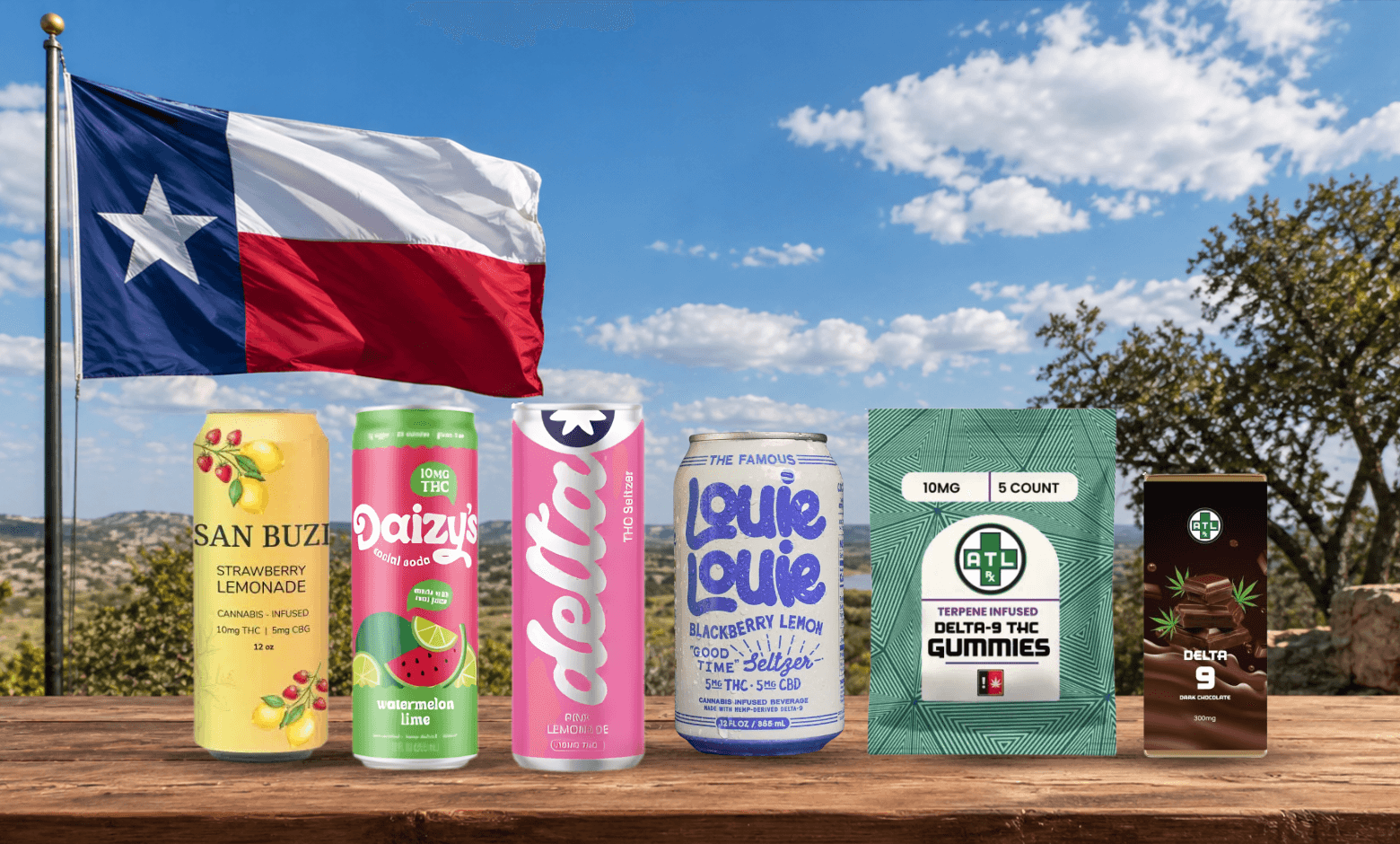
Delta 9 Legal Status in Texas:
Yes. Hemp-derived Delta 9 THC will be legal to buy, own, and ship in Texas in 2026 if it contains 0.3% or less Delta 9 THC by dry weight and complies with the federal 2018 Farm Bill and Texas House Bill 1325.
However, three major developments have reshaped the Texas market:
- SB 3, which would have banned most hemp THC products, was vetoed by Governor Greg Abbott in June 2025 and never became law.
- Senate Bill 2024 (SB 2024), which prohibits the retail sale of hemp-derived vape and e-cigarette products containing any cannabinoid, took effect on September 1, 2025.
- A new DSHS rule, effective March 31, 2026, redefines the 0.3% limit as a “total THC” calculation that includes THCA, effectively restricting the sale of smokable hemp flower and hemp concentrates in Texas.
Delta 9 gummies, tinctures, taffy, caramels, capsules, and THC beverages that are formulated within the 0.3% Delta 9 THC by dry weight limit remain available to adults 21 and older.
If you have been searching “is Delta 9 legal in Texas” in 2026, you are not alone. Between a high-profile veto, a statewide vape ban, and a new Texas Department of State Health Services (DSHS) rule that took effect on March 31, 2026, the rules for hemp-derived Delta 9 THC have changed more in the last twelve months than in the previous five years combined. This guide breaks down exactly what is legal, what is not, and what Texas shoppers need to know before they purchase a Delta 9 product in 2026.
Keep Browsing
Explore Our Delta 9 THC Categories
Shop real Delta 9 THC products and collections.

Key Takeaways
- 01The federal 2018 Farm Bill and Texas House Bill 1325 make hemp-derived Delta 9 THC legal in Texas in 2026 when it contains 0.3% or less Delta 9 THC by dry weight.
- 02Senate Bill 3, the proposed statewide THC ban, was vetoed by Governor Greg Abbott in June 2025 and never became law.
- 03Senate Bill 2024 banned the retail sale of hemp-derived vape and e-cigarette products in Texas on September 1, 2025.
- 04A new DSHS rule, effective March 31, 2026, applies a “total THC” calculation that effectively restricts smokable hemp flower, THCA flower, and most hemp concentrates from the Texas retail market.
- 05Hemp-derived Delta 9 gummies, tinctures, taffy, caramels, capsules, and THC beverages formulated within the 0.3% Delta 9 THC by dry weight limit remain legal for adults 21 and older.
- 06Federal H.R. 5371, scheduled to take effect on November 12, 2026, would limit finished hemp products to 0.4 milligrams of total THC per container and is subject to legal and legislative challenges.
- 07Marijuana-derived Delta 9 remains illegal in Texas outside the state-run Texas Compassionate Use Program, which is administered by Texas DPS and is separate from the hemp retail market.
- 08Shoppers should verify a current third-party Certificate of Analysis (COA) for any Delta 9 product before purchase to confirm compliance with the 0.3% standard.
At-a-Glance: What Is Legal in Texas Right Now
| Product Type | Legal Status in Texas (April 2026) |
| Hemp-derived Delta 9 gummies (≤0.3% by dry weight) | Legal |
| Hemp-derived Delta 9 tinctures | Legal |
| Hemp-derived Delta 9 taffy and caramels | Legal |
| Hemp-derived Delta 9 THC beverages and seltzers | Legal |
| Hemp-derived Delta 9 capsules | Legal |
| THCA hemp flower and pre-rolls | Restricted (DSHS Rule effective March 31, 2026) |
| Smokable hemp flower | Restricted |
| Hemp vape pens and e-cigarettes (any cannabinoid) | Banned (SB 2024, September 1, 2025) |
| Hemp concentrates and dabs | Restricted |
| Marijuana-derived Delta 9 THC | Illegal (outside of the Texas Compassionate Use Program) |
What Delta 9 THC Actually Is
Delta 9 tetrahydrocannabinol (Delta 9 THC) is one of more than 100 naturally occurring cannabinoids in the cannabis plant. It is found in both hemp and marijuana. Both hemp and marijuana contain it. Under federal law, the distinction between the two is a legal definition, not a botanical one. Delta 9 THC concentration in hemp plants is less than 0.3% by dry weight. When marijuana exceeds that threshold, it is classified as a Schedule I controlled substance.
Hemp-derived Delta 9 is chemically identical to marijuana-derived Delta 9. The difference is that hemp plants are cultivated to naturally stay below the 0.3% threshold, and finished hemp products must be lab-tested to confirm compliance.
The Federal Foundation: The 2018 Farm Bill
Known as the 2018 Farm Bill, the Agriculture Improvement Act of 2018 legalized hemp, its derivatives, extracts, cannabinoids, isomers, acids, salts, and salts of isomers, provided that the final product contains a maximum of 0.3% Delta 9 THC by dry weight. This removed hemp from the Controlled Substances Act at the federal level.
Additionally, the Farm Bill prohibits states from interfering with the interstate transportation of hemp that complies with federal law. This protection has been cited repeatedly in Texas litigation over the past five years.
Texas State Law: House Bill 1325
Texas fell in line with the federal framework in June 2019, when Governor Greg Abbott signed House Bill 1325. The Texas hemp program was created by HB 1325 under Chapter 443 of the Texas Health and Safety Code. It permits the cultivation, manufacture, distribution, retail sale, and possession of consumable hemp products that meet the 0.3% Delta 9 THC standard. Retailers must register with DSHS before selling ingestible hemp products in Texas.
That core statutory framework is still in effect in 2026. What has changed is how DSHS measures compliance and which product categories are allowed to remain on retail shelves.
Timeline: How Texas Hemp Law Evolved (2021 to 2026)
Understanding the current legal environment is easier when you see the recent developments in order.
2021 — DSHS quietly added Delta 8 THC to the state’s Schedule I list in January but did not publicly announce the change until a Texas Consumable Hemp Program website notice on October 15. Austin-based Sky Marketing Corp. (doing business as Hometown Hero) filed suit. A temporary injunction was granted by the Travis County district court on November 7, 2021, preventing enforcement. The Third Court of Appeals upheld the injunction on November 18, and the Texas Supreme Court left it in place on December 10. The case (Texas Department of State Health Services v. Sky Marketing Corp.) reached the Texas Supreme Court, which heard oral arguments in January 2026, with a ruling still pending.
2023 and 2024 — Hemp-derived Delta 9, Delta 8, and THCA products continued to be sold openly across Texas under the HB 1325 framework.
Spring 2025 — The Texas Legislature passed Senate Bill 3, which would have banned most consumable hemp products in the state.
June 22, 2025 — Governor Abbott vetoed SB 3 shortly before the midnight deadline. His veto proclamation warned that the bill would face “valid constitutional challenges,” pointed to a similar Arkansas law that had been halted by a federal court, and cited the economic impact on the roughly 8,000 Texas hemp businesses operating under the post-2019 framework. SB 3 never became law.
July–August 2025 — Governor Abbott convened two special legislative sessions to address hemp regulation after vetoing SB 3. Neither session produced hemp legislation, leaving the matter to the executive branch and regulatory agencies.
September 1, 2025 — Senate Bill 2024 took effect, making it a Class A misdemeanor to market, advertise, offer for sale, or sell any e-cigarette or vape product containing cannabinoids in Texas. This covers hemp-derived Delta 8, Delta 9, Delta 10, THCA, HHC, and even CBD vapes. Possession by consumers was not independently criminalized under SB 2024, but retail sale was.
September 10, 2025 — As a result of Governor Abbott’s Executive Order GA-56, the Texas Alcoholic Beverage Commission (TABC), Department of State Health Services (DSHS), and Department of Public Safety (DPS) must create rules that restrict youth access to hemp products, tighten retail oversight, and protect public safety within existing statutory frameworks. GA-56 — not HB 1325 — is the direct source of the current 21-and-older purchasing requirement and the 2026 DSHS rulemaking.
October 2, 2025 — DSHS adopted emergency rules (§300.701 and §300.702) prohibiting the sale of consumable hemp products to anyone under 21 and requiring verification with a government-issued ID. TABC adopted parallel emergency rules for licensees the following day. These rules, issued under GA-56, created the first statewide minimum age for consumable hemp purchases in Texas — a rule that did not exist under HB 1325.
November 2025 – Congress passed H.R. 5371, which amends the federal definition of hemp to use a “total THC” standard and caps finished hemp products at 0.4 milligrams of total THC per container. The law is scheduled to take effect on November 12, 2026.
March 2, 2026 — DSHS adopted a new rule (25 Texas Administrative Code Rule 300.101) that redefines the 0.3% hemp threshold as a total THC calculation, including THCA. The formula is: Total Delta 9 THC = (0.877 × THCA) + Delta 9 THC.
March 31, 2026 — The new DSHS rule took effect. Because natural hemp flower typically contains 20% to 30% THCA, the total THC calculation places nearly all smokable hemp flower above the 0.3% limit, effectively removing it from the Texas retail market.
April 7, 2026 — The Texas Hemp Business Council, Hemp Industry & Farmers of America, and several Texas dispensaries and manufacturers filed suit in Travis County District Court challenging the DSHS rules, the sharp fee increases, and the agencies’ statutory authority.
April 8, 2026 — Travis County District Judge Maya Guerra Gamble issued a temporary restraining order blocking enforcement of the total-THC calculation, license fee increases, and related provisions. Smokable hemp, THCA flower, and concentrates returned to Texas retail shelves under the TRO. There will be a hearing on a longer-term temporary injunction on April 23, 2026.
What the March 31, 2026 DSHS Rule Actually Does
The DSHS rule does two things that matter for shoppers.
First, it moves Texas from a “Delta 9 THC only” compliance standard to a “total THC” standard. Under the previous standard, labs measured only the amount of Delta 9 THC in a finished product. Under the new standard, labs must add the Delta 9 THC content to 87.7% of the THCA content to calculate total THC. That combined number must stay at or below 0.3% by dry weight.
Second, it prohibits the retail sale of consumable hemp products that exceed the 0.3% total THC threshold. Because THCA flower often contains 20% or more THCA by weight, the calculation pushes most flower well above the legal limit.
What this rule does not do: It does not change the legal status of properly formulated hemp-derived Delta 9 edibles, tinctures, and beverages. Gummies, taffy, caramels, capsules, and seltzers from reputable manufacturers do not contain meaningful levels of THCA. They are formulated using isolated or broad-spectrum Delta 9 THC and already tested under a finished-product standard. A 10 milligram Delta 9 gummy that weighs 4 grams, for example, still contains well under 0.3% Delta 9 THC by dry weight and has no THCA to trigger the new calculation.
If you have been purchasing hemp-derived Delta 9 gummies from a compliant retailer, nothing about your ability to buy those products in Texas has changed.
Mentioned In This Article
The Federal Wildcard: H.R. 5371
H.R. 5371 is the federal companion development that every Texas hemp shopper should be aware of. Congress passed it in November 2025, and it will take effect on November 12, 2026. The law:
- Adopts a total THC definition of hemp at the federal level, similar to the new Texas DSHS rule.
- The amount of THC in finished hemp products is limited to 0.4 milligrams per container.
The 0.4 milligram per container cap, if enforced as written, would be significantly more restrictive than Texas state law. A standard 10 milligram Delta 9 gummy is 25 times that limit. Industry groups and several state attorneys general have signaled that legal challenges, legislative amendments, or delayed enforcement are all possible between now and November 2026. ATLRx will monitor the law closely and update this guide as it develops.
Hemp-Derived vs. Marijuana-Derived Delta 9 in Texas
Texas treats the two sources very differently.
Hemp-derived Delta 9 (from plants containing 0.3% or less Delta 9 THC by dry weight) is legal for adults 21 and older in Texas under HB 1325, provided the finished product complies with the 0.3% threshold.
Delta-9 derived from marijuana is still illegal for recreational use. The only legal pathway for marijuana-derived products in Texas is the state-run Texas Compassionate Use Program (TCUP), which is administered by the Texas Department of Public Safety (DPS) under Chapter 487 of the Texas Health and Safety Code. TCUP products are dispensed only through state-licensed Texas dispensing organizations and are not sold by hemp retailers.
ATLRx only sells hemp-derived consumables under the 2018 Farm Bill and HB 1325 framework. ATLRx is not a TCUP dispensary and does not sell marijuana-derived products.
Chemically, Delta 9 THC is the same whether it comes from hemp or marijuana. What determines its legality in Texas is the source plant’s Delta 9 concentration and compliance with HB 1325.
Age Requirements and Purchase Rules in Texas
Under DSHS emergency rules §300.701 and §300.702, adopted October 2, 2025, you must be 21 or older to purchase consumable hemp products containing Delta 9 THC in Texas. An individual’s age must be verified with a valid government-issued ID at the point of sale. Online retailers like ATLRx use age verification at checkout and may request ID confirmation for larger orders. These rules were issued in response to Governor Abbott’s Executive Order GA-56 and added a statewide minimum age that had not existed under HB 1325 alone.
Retailers that sell ingestible hemp products in Texas must also register with DSHS and obtain a Consumable Hemp Product retail registration. Under the DSHS rules adopted in March 2026 (currently partially blocked by the April 2026 temporary restraining order), retailer registration fees were raised from $150 to $5,000 per location and manufacturing license fees from $250 to $10,000 per facility — increases that are among the specific provisions being litigated. Shoppers can verify a retailer’s registration status through the DSHS Consumable Hemp Product Retailer registry.
Possession, Transport, and Law Enforcement in Texas
Texas law permits adults 21 and older to possess compliant hemp-derived Delta 9 products. Possession limits are not specifically defined for hemp products as they are for marijuana.
However, field testing remains a practical concern. Law enforcement officers in the field cannot visually distinguish hemp from marijuana, and roadside presumptive tests cannot measure the exact Delta 9 concentration. Texas police generally rely on product packaging, batch numbers, and Certificates of Analysis (COAs) to confirm hemp compliance.
Practical steps for Texans:
- Keep products in their original packaging with batch numbers visible.
- Save a copy of the COA on your phone or save the QR code linked on the label.
- Keep receipts for recent Texas hemp purchases.
- Be aware that transporting any cannabis product across state lines may fall under different rules depending on the destination state.
This is not legal advice. Consult a Texas-licensed attorney if you have specific legal questions.
What Delta 9 Products Are Legal in Texas in 2026
Here is a more detailed look at the Delta 9 product categories currently available to Texas adults 21 and older.
Delta 9 Gummies
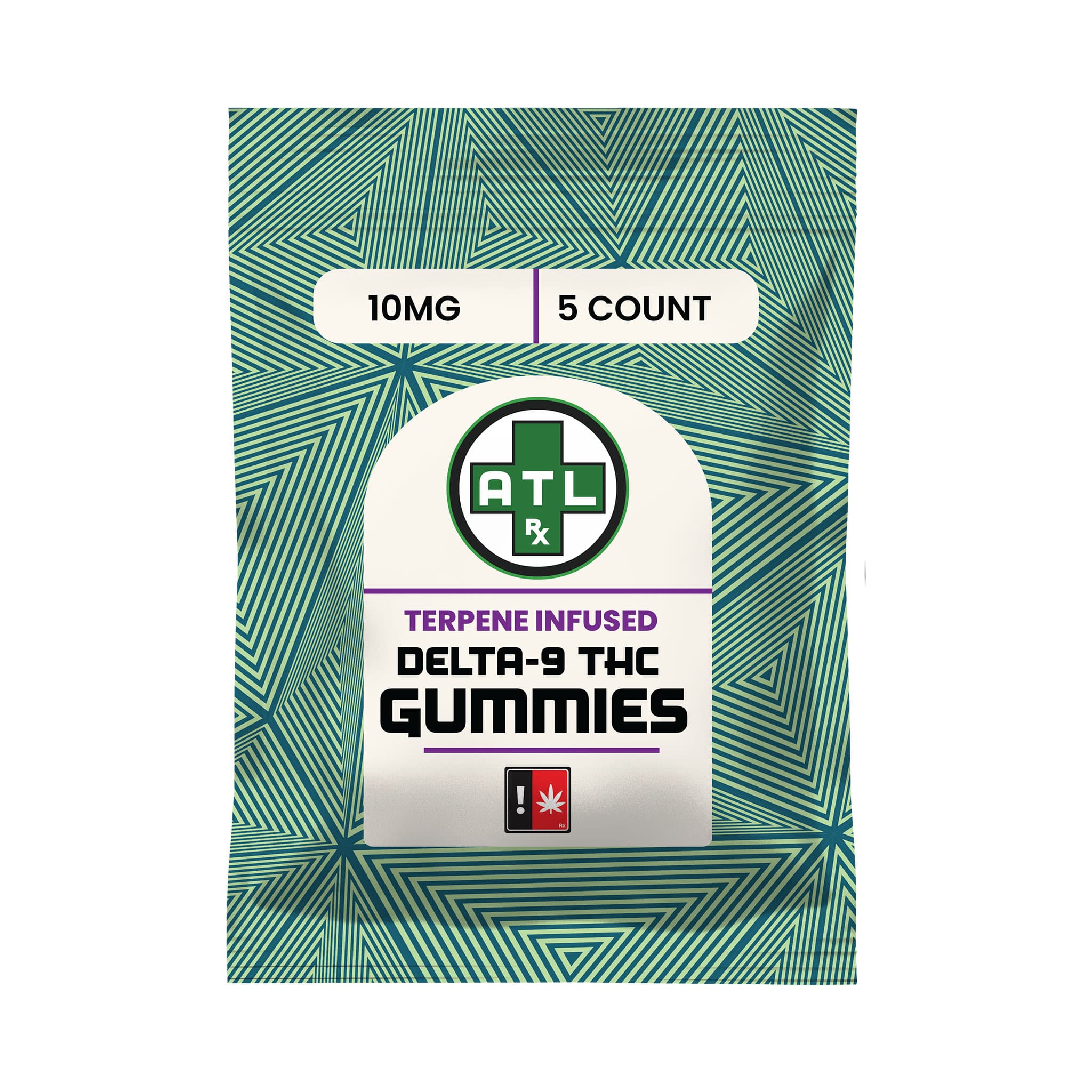
In Texas, Delta 9 gummies are the most widely available hemp-derived Delta 9 product. ATLRx Delta 9 Terpene-Infused Gummies, for example, contain 10 milligrams of hemp-derived Delta 9 THC per gummy and come in strain-inspired profiles like Mango, Pineapple Express, Blue Raspberry, and Watermelon. Each batch is lab tested and accompanied by a COA confirming compliance with the 0.3% Delta 9 THC by dry weight standard.
Delta 9 Taffy and Caramels
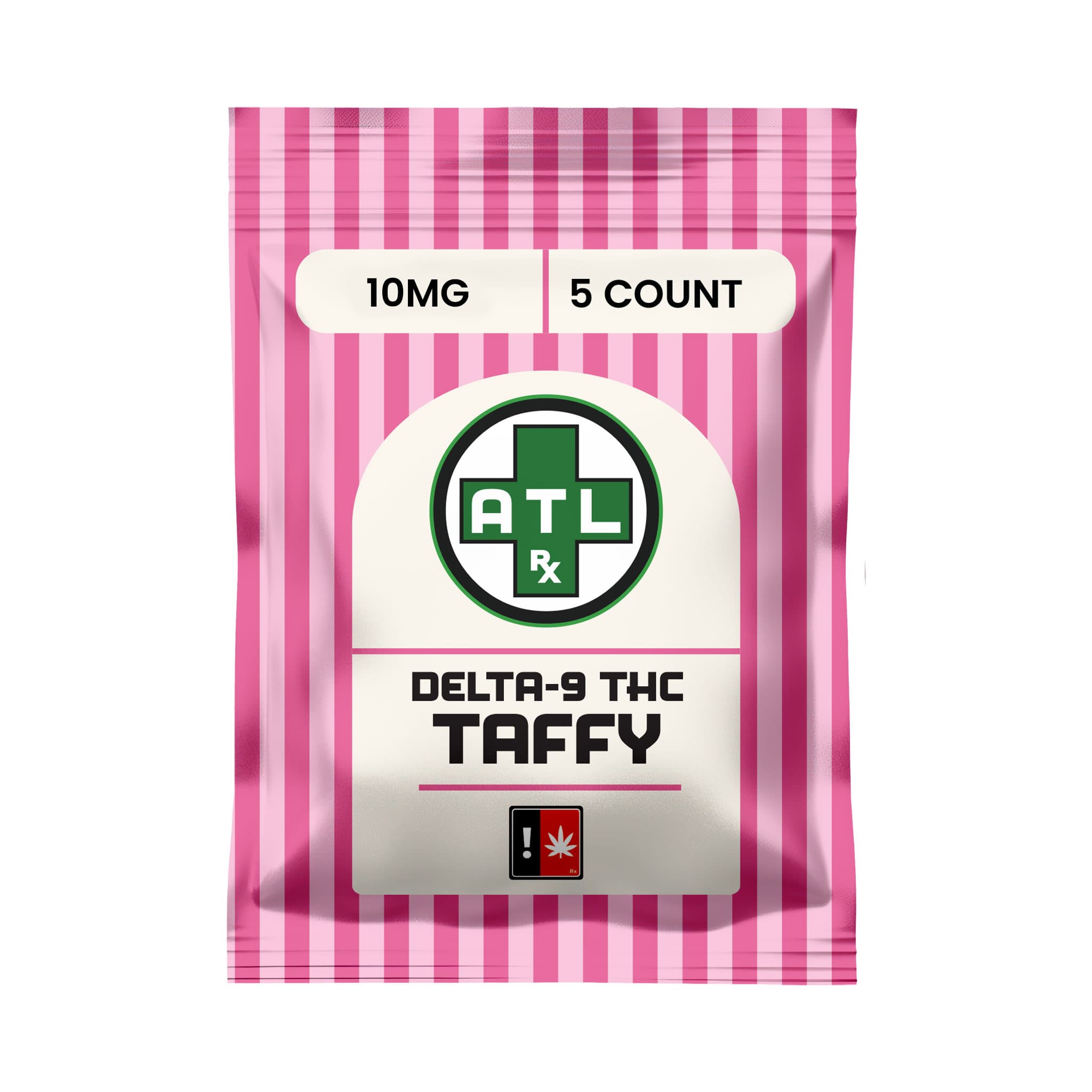
Soft-chew formats like Delta 9 taffy and Delta 9 caramels are also legal in Texas. ATLRx offers taffy in Strawberry and Lemon (10 milligrams per piece) and caramels at 10 milligrams each, sold in 1, 5, or 20-count options.
Delta 9 THC Beverages and Seltzers
Hemp-derived Delta 9 seltzers are a fast-growing category in Texas. ATLRx’s live resin seltzer line includes 10 milligram Delta 9 THC beverages in flavors like Blueberry Acai and Pink Lemonade. These products are formulated within the 0.3% by dry weight limit.
Delta 9 Tinctures and Capsules
Tinctures and capsules provide a measured, discreet format. Both categories remain fully compliant with Texas law when formulated to the hemp standard.
What Is No Longer Widely Available in Texas Retail
As of March 31, 2026, DSHS rule, the following hemp products face significant restrictions on Texas retail shelves:
- THCA flower and pre-rolls — The total THC calculation typically places these products above the 0.3% threshold.
- Smokable hemp flower — Same reason.
- Hemp concentrates, dabs, and rosin — Most exceed the new total THC limit.
- Hemp-derived vapes and disposables (any cannabinoid) — Banned under SB 2024 as of September 1, 2025.
- Hemp-derived e-cigarettes and cartridges — Same ban.
Enforcement of the total-THC calculation and the new licensing fees was temporarily paused by a Travis County temporary restraining order issued April 8, 2026, and smokable hemp and THCA flower returned to Texas shelves pending further hearings scheduled for April 23, 2026. Even so, the overall trajectory of Texas law is clear: the state is moving away from smokable and inhalable hemp products and toward edibles and beverages.
How to Verify a Delta 9 Product Is Legal in Texas
Before you buy, confirm each of the following.
- You should obtain a third-party Certificate of Analysis (COA). The COA should come from an accredited independent lab and confirm Delta 9 THC content below 0.3% by dry weight, along with screening for pesticides, heavy metals, residual solvents, and microbials.
- Batch matching. You should match the batch number on your COA with the batch number on your product.
- U.S.-grown hemp. Domestic hemp is subject to USDA oversight, which adds a layer of regulatory review.
- Clear labeling. The package should list all cannabinoids, ingredients, potency per serving, and total servings per container.
- Age verification at checkout. Any Texas-compliant retailer will confirm you are 21 or older before completing the sale.
- Registered Texas retailer. Retailers selling ingestible hemp in Texas should be DSHS-registered.
- No vape products in the store. A retailer still offering hemp THC vapes after September 1, 2025, is a compliance red flag.
ATLRx Delta 9 products are third-party lab tested, and COAs are available on the ATLRx Lab Results page.
Buying Delta 9 Online in Texas
Online purchasing is the most common and reliable way to buy hemp-derived Delta 9 products in Texas in 2026. Reasons include:
- Broader product selection than most brick-and-mortar stores.
- Direct access to lab reports and batch documentation.
- Age verification and adult-signature delivery options.
- Shipment in discreet, tamper-evident packaging.
- Consistent pricing across the state.
ATLRx hemp-derived Delta 9 products are available in all Texas zip codes, including Houston, Dallas, Austin, San Antonio, Fort Worth, El Paso, Arlington, Corpus Christi, Plano, and Lubbock. Standard orders typically arrive within 2 to 5 business days via USPS or other federal carriers.
What This All Means for Texas Shoppers
The short version: hemp-derived Delta 9 edibles, tinctures, and beverages remain a fully legal option for adult Texans in 2026, as long as each product meets the 0.3% Delta 9 THC by dry weight standard and comes from a compliant, transparent retailer. Smokable hemp, THCA flower, and hemp vapes have been restricted or banned under recent Texas legislation and regulations.
The federal H.R. 5371 deadline of November 12, 2026, introduces the biggest remaining uncertainty. Industry groups, state officials, and consumer advocates are actively working on legal challenges and legislative fixes. For now, Delta 9 gummies and other edibles remain legal, compliant, and available in Texas.
Shop Compliant Delta 9 Products at ATLRx
ATLRx carries a full selection of hemp-derived Delta 9 products that meet the 0.3% Delta 9 THC by dry weight standard required under Texas law. All batches are third-party lab tested, and all COAs are available on our website.
Explore our Delta 9 lineup:
- Delta 9 Gummies
- Delta 9 Taffy
- Delta 9 Caramels
- Delta 9 THC Beverages
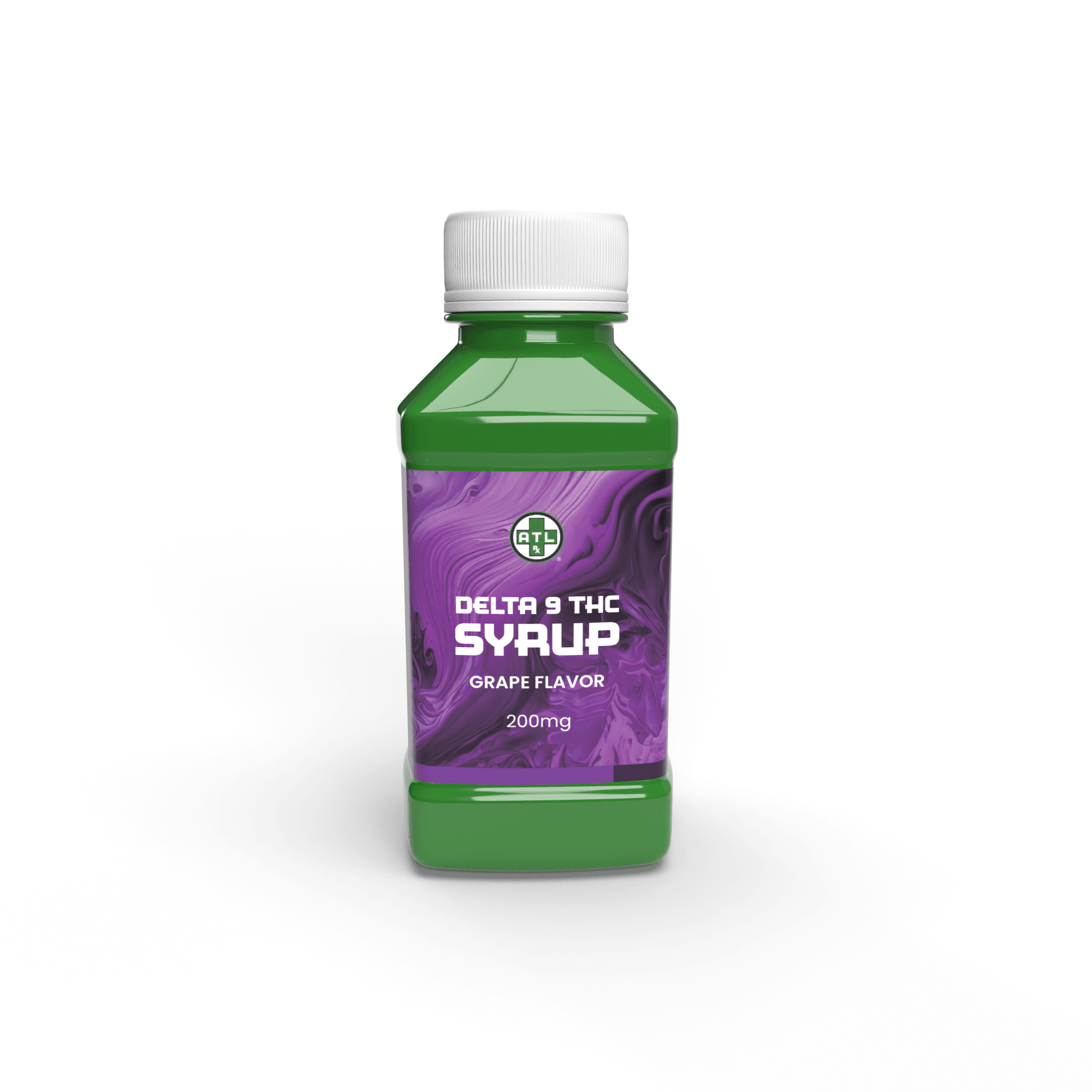
- Delta 9 Syrup
Free shipping on qualifying orders. Fast Texas delivery from a fully compliant, U.S.-based operation.
Frequently Asked Questions
Is Delta 9 Legal in Texas Without a Medical Card?
+
Yes. For adults 21 and older, hemp-derived Delta 9 THC is legal in Texas as long as the product contains 0.3% or less Delta 9 THC by dry weight and complies with HB 1325. Only marijuana-derived products purchased through the Texas Compassionate Use Program require a medical card.
Did Texas Ban Delta 9 in 2025?
+
No. Senate Bill 3, which would have banned most consumable hemp products, was vetoed by Governor Greg Abbott in June 2025 and did not become law. Delta 9 edibles remain legal in Texas.
Did the March 31, 2026, DSHS Rule Ban Delta 9 Gummies?
+
No. The DSHS rule targets smokable hemp and THCA flower by introducing a “total THC” calculation that includes THCA. Properly formulated Delta 9 gummies do not contain significant THCA and are unaffected by the calculation.
How Much Delta 9 THC Can a Legal Gummy Contain in Texas?
+
Texas requires gummies to contain less than 0.3% Delta 9 THC by dry weight. Because the limit is percentage-based, a typical 4-gram gummy can legally contain up to about 10 milligrams of Delta 9 THC and still stay compliant.
Is It Legal to Ship Delta 9 to Texas?
+
Yes. Delta 9 products derived from hemp can be shipped to Texas addresses. The 2018 Farm Bill prohibits states from interfering with the interstate transportation of hemp that meets federal standards.
Are Delta 9 Vapes Legal in Texas?
+
No. As of September 1, 2025, Senate Bill 2024 prohibits the retail sale of e-cigarettes or vape products containing cannabinoids, including hemp-derived Delta 9 THC.
What Is the Difference Between Hemp-derived and Marijuana-derived Delta 9?
+
Molecules are the same. The difference is in the source plant’s Delta 9 THC concentration. Hemp contains less than 0.3% Delta 9 THC by dry weight and is federally legal. Marijuana contains more than 0.3% and remains federally illegal and illegal in Texas outside of TCUP.
What Happens on November 12, 2026?
+
That is the scheduled effective date for federal H.R. 5371, which would cap finished hemp products at 0.4 milligrams of total THC per container and move federal law to a total THC standard. The law is subject to potential amendment, delayed enforcement, and legal challenge between now and that date.
Where Can I Buy Delta 9 in Texas?
+
You can buy compliant hemp-derived Delta 9 edibles, tinctures, caramels, and beverages from DSHS-registered Texas retailers and from reputable online retailers like ATLRx. Always verify a current third-party COA before purchase.
Do I Need to Be 21 to Buy Delta 9 in Texas?
+
Yes. Retailers in Texas require age verification of 21 or older for consumable hemp products containing Delta 9 THC.
Related Articles:
- Is Delta 9 Legal in Texas?
- Is Delta 9 Legal in Alabama?
- Is Delta 9 Legal in Florida?
- Is Delta 9 Legal in Missouri?
- Is Delta 9 Legal in Nebraska?
Legal Disclaimer: This article is provided for general informational purposes only and does not constitute legal advice. Hemp laws are evolving in Texas and at the federal level. For questions about your specific situation, consult a Texas-licensed attorney. ATLRx products are not intended to diagnose, treat, cure, or prevent any disease. The Food and Drug Administration has not evaluated these statements. Use only as directed. Must be 21 or older to purchase.
Why Trust This Guide
- ATLRx has sold third-party lab-tested hemp products out of Georgia since 2019.
- Every real batch we sell is tested by an accredited outside lab, with the Certificate of Analysis published before you buy.
- We operate 3 real physical stores in Georgia — this isn't a drop-shipped storefront.
- Legal information is rechecked and updated as rules change, not published once and forgotten.
Don't Trust the Label. Check the Lab.
ATLRx publishes third-party Certificates of Analysis for real batches so you can verify cannabinoid content before you buy — not just take the package's word for it.
View Lab Results →Have Questions?
Visit an ATLRx store in Georgia and talk to our team.
Real Customers, Real Reviews
What Customers Are Saying
“Product was smooth and mellow. Quite nice!”
“Exactly what was promised excellent product”
“Really nice high”

Jen Hight
Cannabis Industry Expert & Compliance Specialist Jen Hight is a cannabis industry professional with extensive experience in hemp compliance, product development, and consumer education. With a background in regulatory affairs and a passion for helping consumers navigate the complex world of cannabinoids, Jen provides accurate, up-to-date information on hemp legality and best practices. Her work focuses on making cannabis knowledge accessible while ensuring readers understand both the opportunities and responsibilities that come with legal hemp products.
View all articles →Keep Learning

Where to Buy Delta 9 in Texas?
Delta 9 Availability in Texas: Yes. Hemp-derived Delta 9 is legal to buy in Texas in August 2026. To qualify, a product has to come from hemp and test at 0.3% or less total THC on a dry weight basis. Texas has computed that figure as (0.877 x THCA) + Delta 9 since March 31, […]
Aug 7, 2026 · 26 min read

Where to Buy Delta 9 in Oklahoma?
Delta 9 Availability in Oklahoma: Yes. Delta 9 THC derived from hemp is legal in Oklahoma starting in 2026 for adults 21 and older. It must be made from hemp, not marijuana, and contain less than 0.3% Delta-9 THC by dry weight. Medical marijuana does not require a card. You can buy it online or […]
Aug 5, 2026 · 23 min read

Where to Buy Delta 9 in Iowa?
Delta 9 Availability in Iowa: Yes, hemp-derived Delta 9 is legal in Iowa in 2026, but only if it follows the state’s rules. Consumable hemp products cannot contain more than 4 mg of total THC per serving and 10 mg of total THC per container. The product also has to come from legal hemp, be […]
Aug 4, 2026 · 25 min read

Where to Buy Delta 9 in South Carolina?
Delta 9 Availability in South Carolina: A hemp-derived Delta 9 THC product that contains no more than 0.3% Delta 9 THC by dry weight is currently legal for sale in South Carolina under the 2018 Farm Bill and South Carolina’s Hemp Farming Act (Chapter 55, Title 46 of the SC Code). Marijuana-derived Delta 9 remains […]
Jul 30, 2026 · 18 min read
Stay Informed
New product releases, hemp law updates, and useful cannabinoid guides.