Is Delta 9 Legal in South Dakota? 2026 State Law Explained
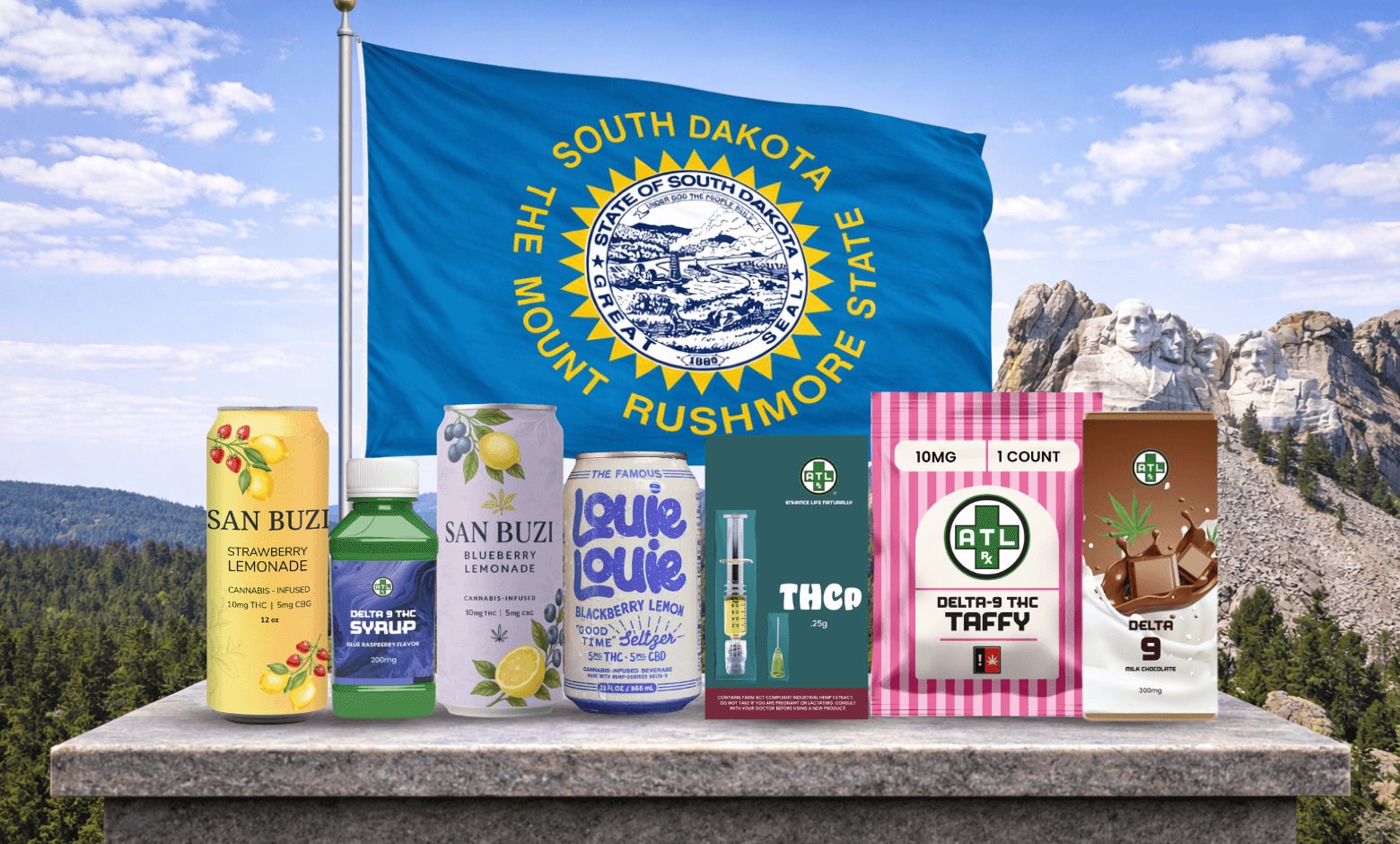
Delta 9 Legal Status in South Dakota:
Yes, hemp-derived Delta 9 THC is legal in South Dakota in 2026 when the product is made from naturally grown industrial hemp, contains no more than 0.3% Delta 9 THC by dry weight, is produced without chemical conversion, and is sold in a non-inhalable format such as gummies, tinctures, caramels, or beverages. Marijuana-derived Delta 9 is limited to cardholders registered in the state medical cannabis program (Initiative Measure 26). Smokable and inhalable hemp, along with chemically converted cannabinoids like Delta 8 and HHC, remain prohibited under HB 1125.
If you are researching hemp-derived cannabinoids in the Mount Rushmore State, the first question most buyers ask is, “Is Delta 9 legal in South Dakota?” The short answer for 2026 is yes, hemp-derived Delta 9 THC remains legal in South Dakota when it comes from naturally grown industrial hemp, stays within the federal 0.3% dry-weight threshold, and is sold in a non-inhalable format. Since 2024, state laws have tightened significantly, and a major federal change will take effect on November 12, 2026, so understanding the current rules is more important than ever.
This guide breaks down the state statutes, the 2018 Farm Bill framework, the upcoming federal rewrite, and the practical buying considerations for South Dakota residents.
Keep Browsing
Explore Our Delta 9 THC Categories
Shop real Delta 9 THC products and collections.

Key Takeaways
- 01Hemp-derived Delta 9 is legal in South Dakota at or below 0.3% Delta 9 THC by dry weight under HB 1008 (2020) and the 2018 Farm Bill.
- 02HB 1125 (effective July 1, 2024) bans chemically converted cannabinoids such as Delta 8, Delta 10, THC-O, HHC, and THCP, but does not outlaw naturally derived Delta 9.
- 03Smokable and inhalable hemp is prohibited, including hemp flower, pre-rolls, and vape cartridges, even if they meet the 0.3% threshold.
- 04Active enforcement began July 14, 2025, with Class 2 misdemeanor charges, fines up to $500 per product, and possible jail time for non-compliant sales or possession.
- 05Marijuana-derived Delta 9 is available only to cardholders registered in the state medical cannabis program under Initiative Measure 26.
- 06Federal rules change on November 12, 2026, shifting to a “total THC” standard with a 0.4 mg per container cap under Public Law 119-37.
- 07Compliant product formats include gummies, caramels, taffy, tinctures, capsules, topicals, syrups, and beverages.
- 08Always verify compliance with a third-party Certificate of Analysis (COA) that confirms natural hemp sourcing and shows no chemically converted cannabinoids.
Delta 9 Legal Status at a Glance
| Question | 2026 Status |
| Is hemp-derived Delta 9 legal in South Dakota? | Yes, when naturally derived and under 0.3% by dry weight |
| Is marijuana-derived Delta 9 legal? | Only for cardholders registered in the state medical cannabis program |
| Are Delta 9 edibles, tinctures, and drinks allowed? | Yes, if they meet the federal hemp definition |
| Are smokable or inhalable hemp products allowed? | No, smoking or inhaling hemp is prohibited |
| Are chemically converted cannabinoids allowed? | No, prohibited under HB 1125 |
| Is a federal law changing the rules soon? | Yes, the new definition takes effect on November 12, 2026 |
The Federal Foundation: The 2018 Farm Bill
Legality of Delta 9 starts with the Agriculture Improvement Act of 2018, commonly known as the 2018 Farm Bill. This law removed hemp from the Controlled Substances Act and created a federal definition that separates hemp from marijuana based on a single number.
The 2018 Farm Bill defines hemp as the cannabis plant and its derivatives containing not more than 0.3% Delta 9 THC on a dry-weight basis. Above that threshold, marijuana is classified as a controlled substance and remains federally controlled.
That single line of legal text is what makes a hemp-derived Delta 9 THC gummy, tincture, or drink federally lawful today. A compliant product is large enough in mass that 10 mg of Delta 9 can fit inside it without crossing the 0.3% ceiling.
Federal Change Coming November 12, 2026
On November 12, 2025, President Trump signed the Continuing Appropriations, Agriculture, Legislative Branch, Military Construction and Veterans Affairs, and Extensions Act, 2026 (Public Law No. 119-37) into law. A new definition of hemp takes effect on November 12, 2026, one year after Section 781 of Division B is enacted. Three provisions matter most for buyers and brands.
- In the new threshold calculation, the 0.3% limit is measured as ‘total THC’ — including both Delta 9 THC and THCA using the post-decarboxylation formula [Delta 9 THC + (0.877 × THCA)] established in federal regulations.
- Hemp-derived cannabinoid products are limited to 0.4 milligrams of total THC per container.
- Synthetically or laboratory-manufactured cannabinoids no longer qualify as hemp.
Until November 12, 2026, the existing Delta 9-only framework remains in force. After that date, much of the current hemp-derived Delta 9 edible market will need to be reformulated to stay within the new federal definition. Any brand or retailer serving South Dakota should be tracking this timeline closely.
South Dakota State Laws: A Timeline
South Dakota’s state framework has evolved quickly, and each piece of legislation changes what consumers can legally purchase.
House Bill 1008 (2020): State Hemp Program
In March 2020, Governor Kristi Noem signed HB 1008 into law, and the state’s hemp program subsequently received USDA approval in October 2020. This bill authorizes the South Dakota Department of Agriculture to administer a hemp program, allowing the cultivation, processing, and commercial sale of industrial hemp and hemp derivatives meeting the 0.3% Delta 9 THC limit. This is the statute that brought hemp-derived Delta 9 products into the state market.
Initiated Measure 26 (2020): Medical Cannabis Program
Measure 26 was approved by voters in November 2020, establishing the state’s regulated medical cannabis program. Under this measure, registered cardholders may possess up to three ounces of cannabis and may purchase Delta 9 THC products only from licensed in-state dispensaries. Marijuana-derived Delta 9, which exceeds the 0.3% hemp limit, is available only through this state-regulated framework.
Senate Bill 201 (2022): Refining the Hemp Definition
SB 201 revised South Dakota’s industrial hemp statutes and updated the definition of hemp to align with a ‘total delta-9 tetrahydrocannabinol concentration’ of not more than 0.3% on a dry-weight basis, bringing the state’s framework closer to federal testing standards.
House Bill 1125 2024): The Chemical ( Conversion Ban )
HB 1125 is the most impactful change in recent years. As of July 1, 2024, it prohibits the manufacture, sale, and distribution of hemp cannabinoids derived from chemical modification or conversion. The bill specifically targets products made by chemically converting CBD or other compounds into cannabinoids such as Delta 8 THC, Delta 10 THC, THC-O, HHC, THCP, and any other “chemically derived” THC isomer or analog.
In accordance with the law, Delta 9 THC is not prohibited in hemp. A hemp-derived Delta 9 gummy made from a full-spectrum extract of federally compliant hemp remains lawful. A “Delta 9” product created by chemically converting CBD isolate does not.
Starting July 14, 2025, South Dakota law enforcement began actively seizing non-compliant products from retail shelves. Violations are charged as Class 2 misdemeanors, with fines up to $500 per product and possible jail time.
What Delta 9 Products Are Legal in South Dakota in 2026
South Dakota permits the sale and use of hemp-derived Delta 9 THC products that meet all of the following requirements.
- Derived from industrial hemp grown under a licensed hemp program.
- Contains no more than 0.3% Delta 9 THC by dry weight.
- Produced without chemical conversion or synthetic manipulation.
- Sold in a non-inhalable format such as gummies, caramels, taffy, tinctures, capsules, topicals, or beverages.
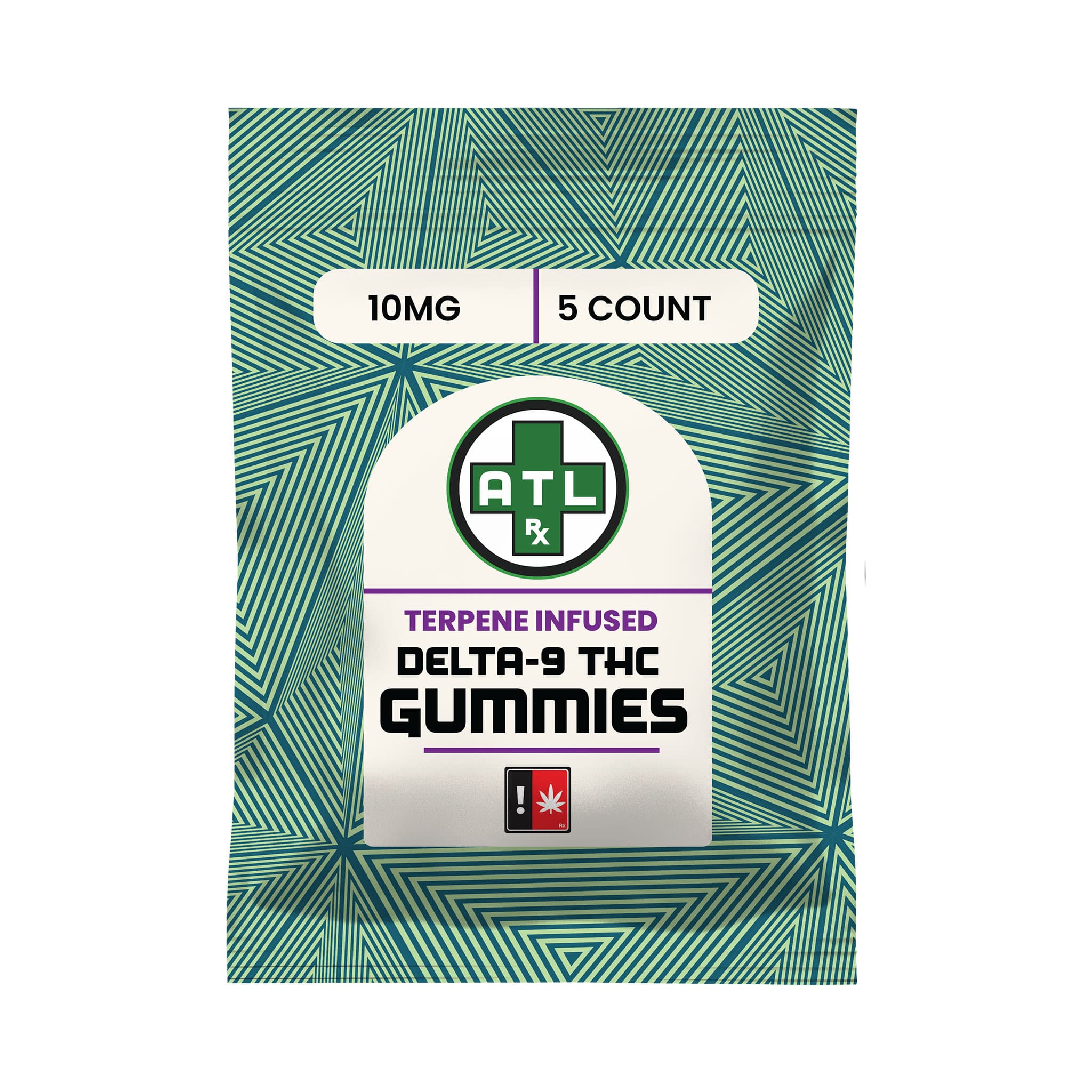
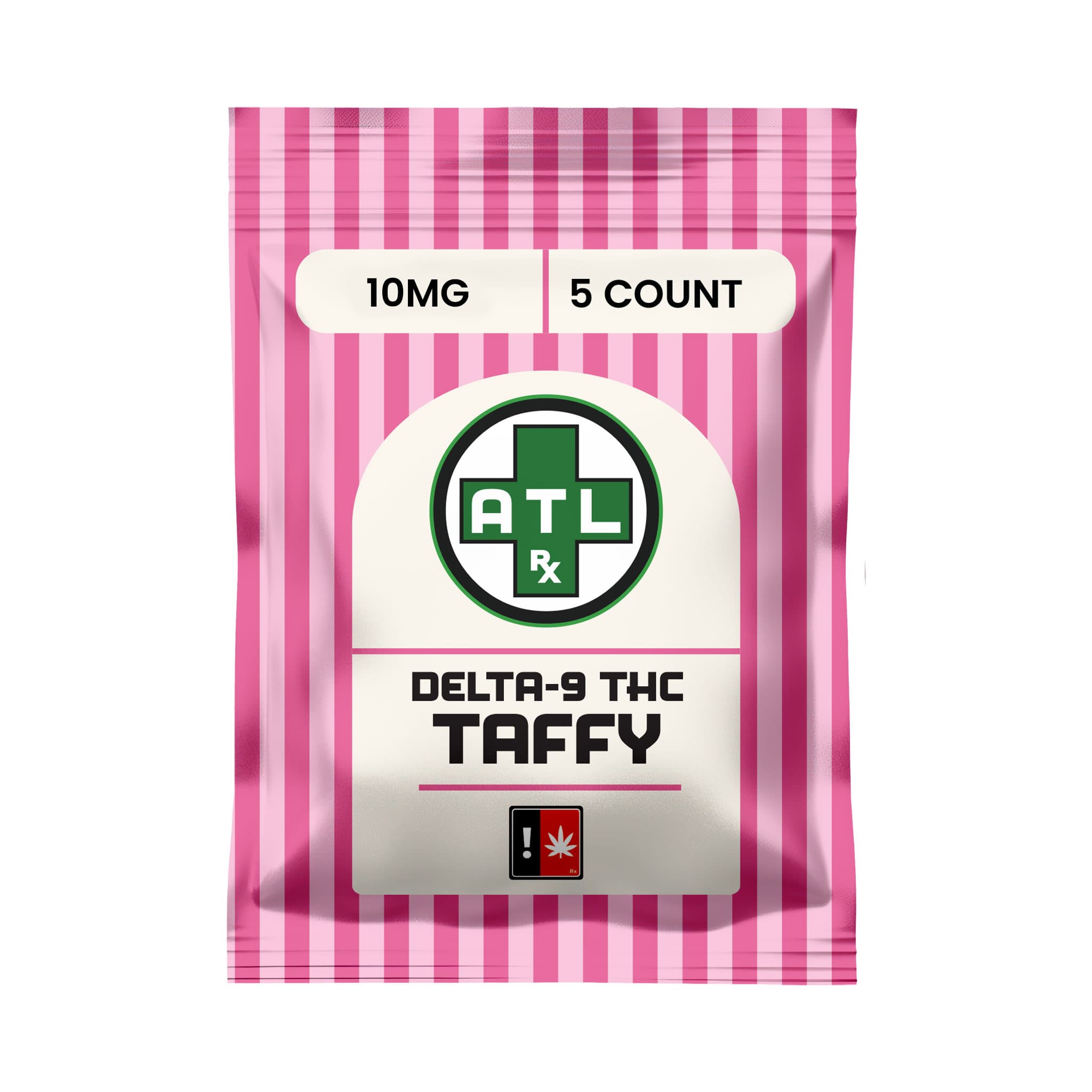
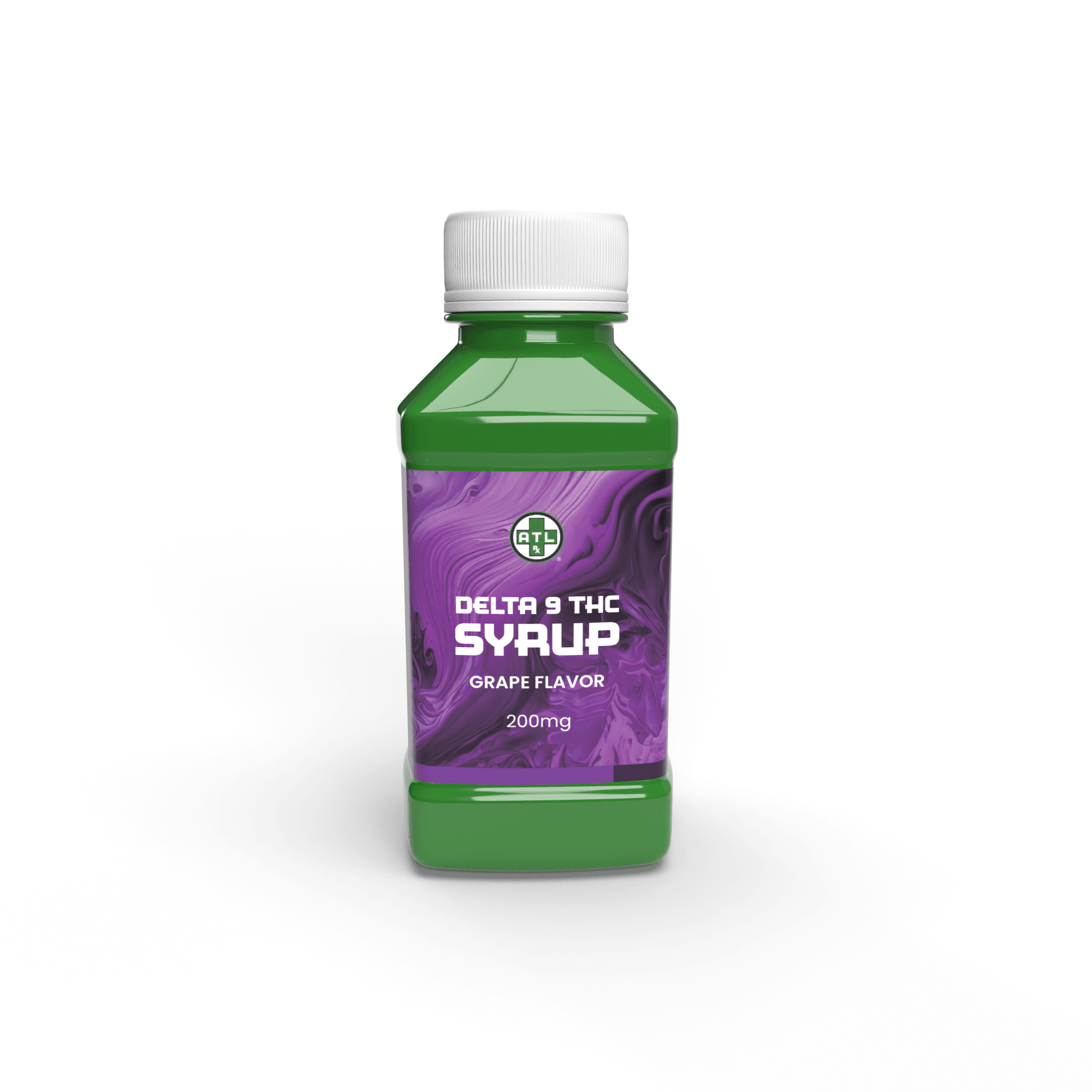
ATLRx Popular compliant categories include Delta 9 gummies, Delta 9 caramels, Delta 9 taffy, Delta 9 THC syrups, terpene-infused edibles, and full-spectrum tinctures.
What Is Banned in South Dakota
The state takes a stricter position than the federal baseline on two key fronts.
- Smokable or inhalable hemp is prohibited. This includes hemp flower, pre-rolls, vape cartridges, and any product designed for combustion or vaporization, even if it meets the 0.3% Delta 9 rule.
- Chemically converted cannabinoids are prohibited. Delta 8 THC, Delta 10 THC, THC-O, HHC, THCP, and any “chemically modified” hemp cannabinoid fall under HB 1125, regardless of marketing claims.
Retailers cannot sell converted-hemp products, and consumers cannot legally purchase them in South Dakota.
Hemp-Derived Delta 9 vs Marijuana-Derived Delta 9
Although they come from the same family of plants, the law treats them very differently.
Hemp-derived Delta 9 is produced from cannabis plants bred to stay under the 0.3% threshold. Because compliant products are engineered to fit within federal hemp rules, a standard 10 mg gummy can contain the same amount of Delta 9 as a dispensary edible, as long as the finished product’s total weight keeps the percentage at or below 0.3%. Adults can purchase these products without a medical card, and they can be shipped to most South Dakota addresses.
Marijuana-derived Delta 9 comes from plants that exceed the 0.3% limit. Under Initiative Measure 26, only cardholders registered in the state medical cannabis program may purchase these products, and only through licensed in-state dispensaries.
Age, Purchase, and Possession Rules
South Dakota does not set a statewide statutory age minimum for hemp-derived product purchases in every retail channel, but responsible sellers (including most online brands) restrict sales to adults 21 and older. Many hemp retailers also require age verification at checkout.
To access products through the Initiated Measure 26 program, applicants must be at least 18 (or have a designated caregiver), carry a state-issued medical cannabis card, and purchase only from licensed dispensaries.
Always keep original packaging, receipts, and any accompanying lab documentation when carrying hemp-derived Delta 9 products in the state.
How to Verify That a Delta 9 Product Is Legal in South Dakota
Given the state’s strict enforcement environment, smart buyers vet every product before purchase. Use this checklist when shopping.
- Confirm the source: The label and brand page should state that Delta 9 is derived from industrial hemp grown in the United States under a licensed hemp program.
- Check the Certificate of Analysis (COA): Every compliant batch should have a third-party, ISO-accredited lab report. The COA should list Delta 9 THC at or below 0.3% by dry weight and should confirm that no synthetic or chemically converted cannabinoids are present.
- Look for batch numbers: Reputable brands match COA batch numbers to the product lot printed on the package.
- Read the cannabinoid profile: For South Dakota compliance, the COA should not show Delta 8 THC, Delta 10 THC, THC-O, or HHC as added ingredients.
- Check product format: Stay with edibles, tinctures, beverages, capsules, or topicals. Avoid flower, vapes, and pre-rolls when shopping for the South Dakota market.
- Confirm shipping policies: The Responsible Brands list states where specific SKUs cannot be shipped. A seller that ignores state-by-state restrictions is a red flag.
Shop Delta 9
View all →

Traveling With Delta 9 in South Dakota
Crossing state lines with hemp-derived Delta 9 products is generally allowed when the items meet the federal hemp definition, but individual states may have their own restrictions. Inside South Dakota, carry products in original, labeled packaging, keep a printed or digital copy of the COA, and avoid consuming any hemp product while driving.
Hemp-derived Delta 9 is not the same as marijuana, and law enforcement agencies are becoming more familiar with compliant packaging. Still, documentation is the fastest way to resolve any confusion at a checkpoint or traffic stop.
Penalties for Non-Compliant Products
Since July 14, 2025, South Dakota has actively enforced HB 1125. Retailers caught selling chemically converted cannabinoids or intoxicating hemp products that fall outside the Delta 9 hemp framework can face:
- Class 2 misdemeanor charges.
- Fines up to $500 per non-compliant product.
- Up to 30 days in jail per violation.
- Seizure of the product inventory.
Individuals in possession of converted-hemp products may face similar misdemeanor exposure. These penalties are one reason buyers should stick with brands that publish transparent lab results and clearly identify their Delta 9 as naturally derived.
Delta 9 in South Dakota vs Neighboring States
For readers comparing regional options in 2026, here is a snapshot.
- North Dakota: Hemp-derived Delta 9 is legal under the 0.3% rule. No adult-use market. Stricter limits on certain cannabinoid conversions.
- Minnesota: Hemp-derived THC beverages and edibles are regulated under a dedicated state program with per-serving caps.
- Iowa: Legal for hemp-derived Delta 9 edibles with state-imposed potency caps per serving and per container.
- Nebraska: Hemp-derived Delta 9 is legal under the 0.3% rule, though the state continues to debate additional restrictions.
- Wyoming: Hemp-derived Delta 9 is legal under the federal hemp definition.
- Montana: Hemp-derived Delta 9 is legal, and adult-use cannabis is also permitted.
Rules evolve quickly, so always confirm the current regulations for the state you are traveling through.
What South Dakota Consumers Should Watch in 2026
Several factors are worth monitoring through the remainder of the year.
- The November 12, 2026, federal rewrite of “hemp.” This is the biggest regulatory shift on the horizon. Compliant hemp-derived Delta 9 products will need to be reformulated to meet the new total-THC definition and the 0.4 mg per container cap.
- New state legislation. South Dakota lawmakers have introduced follow-up bills in recent sessions, including proposals to further restrict hemp extraction and retail practices. Track the South Dakota Legislature’s session summaries for updates.
- Enforcement activity. With active seizures now underway, local attorney general announcements and compliance bulletins are a useful signal of what retailers are being scrutinized.
- Lab testing standards. As analytical methods improve, state labs can better differentiate naturally occurring cannabinoids from chemically converted ones. Expect COA requirements to grow more rigorous.
How to Buy Delta 9 Products Safely in South Dakota
If you want to purchase Delta 9 products for delivery to a South Dakota address, look for brands that do the following.
- Publish third-party COAs for every batch.
- Clearly label the milligram count of Delta 9 per serving and per container.
- Sell in compliant formats such as edibles, gummies, caramels, taffy, syrups, tinctures, and topicals.
- Openly state that their Delta 9 is hemp-derived and naturally occurring.
- Maintain a clear shipping policy that lists restricted states and product types.
- Accessible customer support and verifiable contact details.
Shopping from established hemp retailers that follow these practices gives you the strongest legal footing while South Dakota’s rules continue to evolve.
Final Word
Delta 9 THC sits inside a layered set of federal and state rules, and South Dakota’s framework has sharpened considerably since HB 1125 took effect. For 2026, the rule of thumb is simple. Choose hemp-derived Delta 9 products that are naturally extracted, independently lab tested, packaged with transparent cannabinoid information, and sold in a non-inhalable format. Keep an eye on the November 12, 2026, federal update, and always consult current statutes or a qualified attorney before making purchasing, distribution, or travel decisions.
Frequently Asked Questions
Is Delta 9 Legal in South Dakota in 2026?
+
Yes. Hemp-derived Delta 9 THC is legal when it comes from industrial hemp, stays at or below 0.3% Delta 9 THC by dry weight, is non-inhalable, and is not produced through chemical conversion.
Can I Buy Delta 9 Gummies in South Dakota?
+
Yes, hemp-derived Delta 9 gummies that meet 0.3% dry weight requirements are legal in South Dakota.
Is Delta 9 the Same as Marijuana?
+
Cannabis and hemp both contain delta-9 THC, a cannabinoid. Under the 2018 Farm Bill, hemp-derived Delta 9 at or below 0.3% by dry weight is classified as hemp, not marijuana.
Are Delta 9 Vape Pens or Pre-rolls Legal in South Dakota?
+
No. South Dakota prohibits smoking or inhaling hemp, which rules out hemp flower, pre-rolls, and vape products, even if they otherwise meet the 0.3% threshold.
What Does HB 1125 Mean for Delta 9 Buyers?
+
The hemp cannabinoids produced through chemical conversion are banned by HB 1125. It does not outlaw naturally derived Delta 9 that meets the federal hemp definition. Always verify with a COA that your Delta 9 product is sourced from whole-plant hemp extract rather than from a chemical conversion process.
Can Delta 9 Products Be Shipped to South Dakota?
+
Yes. Many reputable online hemp retailers ship Delta 9 edibles, tinctures, and topicals to South Dakota addresses. Confirm the seller’s shipping policy and product compliance before ordering.
Do I Need a Medical Card to Buy Hemp-derived Delta 9 in South Dakota?
+
No. A medical cannabis card is required only for marijuana-derived products purchased from licensed dispensaries under Initiative Measure 26. Hemp-derived Delta 9 that meets the 0.3% rule can be purchased without a card.
Will Delta 9 Still Be Legal after November 12, 2026?
+
As of November 12, 2026, the federal definition of hemp will change. Many hemp-derived Delta 9 products will need to be reformulated to meet the new “total THC” standard and the 0.4 mg per container limit. Purchasing from brands that are already preparing for the update is the safest route.
How Do I Know If a Delta 9 Product Is Compliant?
+
Look for a third-party Certificate of Analysis that lists Delta 9 THC at or below 0.3% by dry weight, confirms a natural hemp source, and shows no chemically converted cannabinoids.
Can I Travel with Delta 9 Products Inside South Dakota?
+
Yes, within the state, provided the product is hemp-derived and compliant. Keep items in the original packaging with a printed or digital copy of the COA for reference.
Related Articles:
- Is Delta 9 Legal in Georgia?
- Is Delta 9 Legal in Hawaii?
- Is Delta 9 Legal in Illinois?
- Is Delta 9 Legal in Missouri?
- Is Delta 9 Legal in Nebraska?
This article is for informational purposes only and does not constitute legal advice. Cannabis and hemp laws change frequently at the federal, state, and local levels. Verify the current status of any law with the South Dakota Legislature, the South Dakota Department of Agriculture, or a licensed attorney before acting on any information provided here.
These statements have not been evaluated by the Food and Drug Administration. This product is not intended to diagnose, treat, cure, or prevent any disease.
Disclaimer
Why Trust This Guide
- ATLRx has sold third-party lab-tested hemp products out of Georgia since 2019.
- Every real batch we sell is tested by an accredited outside lab, with the Certificate of Analysis published before you buy.
- We operate 3 real physical stores in Georgia — this isn't a drop-shipped storefront.
- Legal information is rechecked and updated as rules change, not published once and forgotten.
Don't Trust the Label. Check the Lab.
ATLRx publishes third-party Certificates of Analysis for real batches so you can verify cannabinoid content before you buy — not just take the package's word for it.
View Lab Results →Have Questions?
Visit an ATLRx store in Georgia and talk to our team.
Real Customers, Real Reviews
What Customers Are Saying
“Product was smooth and mellow. Quite nice!”
“Exactly what was promised excellent product”
“Really nice high”

Jen Hight
Cannabis Industry Expert & Compliance Specialist Jen Hight is a cannabis industry professional with extensive experience in hemp compliance, product development, and consumer education. With a background in regulatory affairs and a passion for helping consumers navigate the complex world of cannabinoids, Jen provides accurate, up-to-date information on hemp legality and best practices. Her work focuses on making cannabis knowledge accessible while ensuring readers understand both the opportunities and responsibilities that come with legal hemp products.
View all articles →Keep Learning

Where to Buy Delta 9 in Texas?
Delta 9 Availability in Texas: Yes. Hemp-derived Delta 9 is legal to buy in Texas in August 2026. To qualify, a product has to come from hemp and test at 0.3% or less total THC on a dry weight basis. Texas has computed that figure as (0.877 x THCA) + Delta 9 since March 31, […]
Aug 7, 2026 · 26 min read

Where to Buy Delta 9 in Oklahoma?
Delta 9 Availability in Oklahoma: Yes. Delta 9 THC derived from hemp is legal in Oklahoma starting in 2026 for adults 21 and older. It must be made from hemp, not marijuana, and contain less than 0.3% Delta-9 THC by dry weight. Medical marijuana does not require a card. You can buy it online or […]
Aug 5, 2026 · 23 min read

Where to Buy Delta 9 in Iowa?
Delta 9 Availability in Iowa: Yes, hemp-derived Delta 9 is legal in Iowa in 2026, but only if it follows the state’s rules. Consumable hemp products cannot contain more than 4 mg of total THC per serving and 10 mg of total THC per container. The product also has to come from legal hemp, be […]
Aug 4, 2026 · 25 min read

Where to Buy Delta 9 in South Carolina?
Delta 9 Availability in South Carolina: A hemp-derived Delta 9 THC product that contains no more than 0.3% Delta 9 THC by dry weight is currently legal for sale in South Carolina under the 2018 Farm Bill and South Carolina’s Hemp Farming Act (Chapter 55, Title 46 of the SC Code). Marijuana-derived Delta 9 remains […]
Jul 30, 2026 · 18 min read
Stay Informed
New product releases, hemp law updates, and useful cannabinoid guides.