Is Delta 9 Legal in Mississippi? 2026 Law Updates & Guide
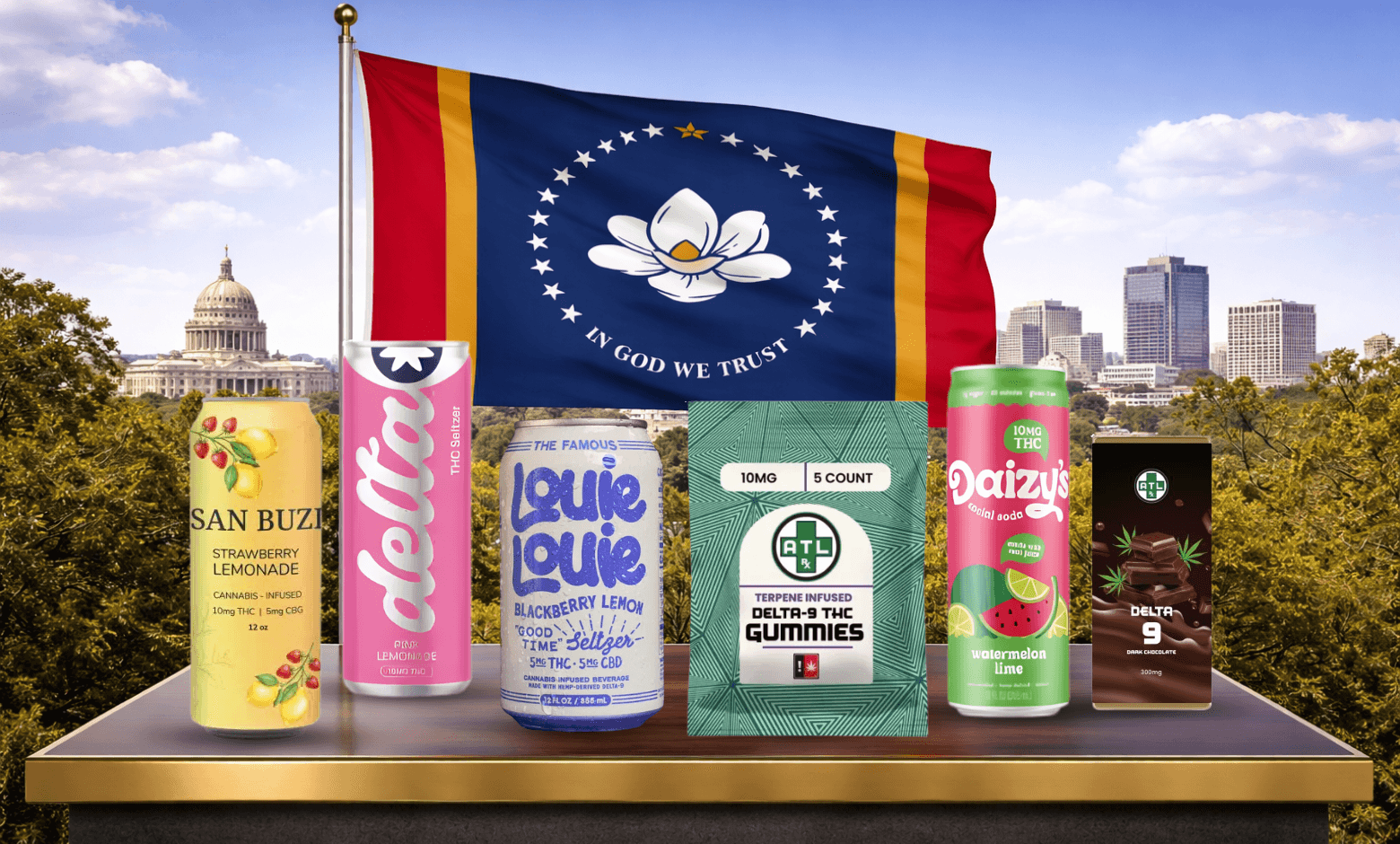
Delta 9 Legal Status in Mississippi:
2026 Update:
1. Federal hemp law has fundamentally changed (most important).
On November 12, 2025, Congress enacted H.R. 5371 (P.L. 119-37), the Continuing Appropriations and Extensions Act. The law:
Redefines “hemp” from a Delta-9 THC standard to a total THC standard (0.3% by dry weight)
Imposes a 0.4 mg total THC per-container cap on any finished consumer product intended for ingestion, inhalation, or topical use
Takes effect November 12, 2026 — after which most currently marketed hemp-derived Delta 9 products (gummies, beverages, tinctures, chocolates) will no longer qualify as federally legal hemp and will revert to Schedule I status under the Controlled Substances Act
The 2018 Farm Bill itself was extended — not allowed to lapse — through September 30, 2026 (via P.L. 119-37).
2. Mississippi AG opinion
The Mississippi AG opinion referenced below was issued June 11, 2025 (not “late June”), in response to a request from State Representative Lee Yancey (R-Rankin) — author of the failed HB 1502 — rather than from the state legislature as a body.
3. HB 1502 (2025): HB 1502, authored by Rep. Lee Yancey, passed the Mississippi House 82-27 and the Senate (as amended) 35-16 before dying in conference committee by a single vote when the Legislature adjourned on April 3, 2025.
4. Bottom line for 2026.
Hemp-derived Delta 9 THC products meeting the 0.3% Delta-9 dry-weight.
Yes, hemp-derived Delta 9 THC is legal in Mississippi if it is used in the following manner:
• Does not contain more than 0.3% Delta 9 THC by dry weight (per the 2018 Farm Bill and SB 2725)
• Derived from industrial hemp, not marijuana
• Is purchased by an adult of legal age — no statewide 21+ minimum is currently enacted into law, though many retailers enforce it voluntarily, and proposed legislation has repeatedly targeted this threshold
• Comes with a Certificate of Analysis (COA) from a reputable third-party lab — currently a best practice, not yet a statutory requirement under enacted Mississippi law
Delta 9 THC derived from cannabis remains illegal for recreational use in Mississippi. The June 2025 AG opinion has also introduced enforcement uncertainty for some compliant hemp products in certain counties.
If you’re wondering whether Delta 9 THC is legal in Mississippi, the simple answer is yes, but under certain conditions. Delta 9 THC products derived from hemp containing no more than 0.3% THC by dry weight are legal under Mississippi law. However, the legal landscape has evolved significantly in recent years, and as of 2026, several regulatory developments have created real uncertainty that every consumer and retailer should understand before purchasing or shipping any Delta 9 product.
This guide breaks down Mississippi hemp law in plain language, covering the key legislation, who can buy, where to buy, what product types are available, and the important regulatory developments you should know heading into 2026.
Keep Browsing
Explore Our Delta 9 THC Categories
Shop real Delta 9 THC products and collections.

Key Takeaways
Delta 9 THC derived from hemp is not allowed to contain more than 0.3% THC by dry weight.
Hemp-derived Delta 9 THC sales are regulated by the 2018 Farm Bill (federal) and Mississippi SB 2725 (state, signed June 29, 2020).
HB 1676 (2024) proposed raising the purchase age to 21+, capping products at 0.5 mg THC per serving, and requiring DEA-certified COAs. The bill DIED IN CONFERENCE and was never signed into law. Its provisions are NOT currently enforceable.
Medical cannabis patients can only access Delta 9 THC through licensed dispensaries.
Delta 8 THC is a contested legal issue in Mississippi. HB 1547 lists all THC isomers as Schedule I substances; SB 2725 exempts hemp-derived cannabinoids — creating an unresolved conflict. In practice, Delta 8 is treated as illegal by most law enforcement.
In June 2025, Mississippi Attorney General Lynn Fitch issued an opinion suggesting that consumable hemp products not FDA-approved or sold outside licensed dispensaries may conflict with state law. This triggered active enforcement actions in multiple counties.
SB 2725, Mississippi’s hemp program, was never fully funded or implemented. Hemp producers must obtain licenses through the USDA federal program.
Always purchase from brands that provide current third-party lab results (COAs) and comply with state and federal hemp regulations.
Understanding the Federal Foundation: The 2018 Farm Bill
Hemp was removed from the federal Controlled Substances list by the 2018 Farm Bill, commonly known as the 2018 Ag Improvement Act. Cannabis sativa L. was defined as industrial hemp containing less than 0.3% Delta 9 THC. Cannabis plants below this threshold are legally classified as hemp, not marijuana.
This single distinction opened the door for hemp-derived cannabinoids — including Delta 9 THC, CBD, and other hemp compounds — to be manufactured, sold, and transported across state lines. The key phrase is ‘by dry weight.’ This means a product can contain a meaningful milligram amount of Delta 9 THC as long as that concentration does not exceed 0.3% of the total product weight.
Important Note:
The 2018 Farm Bill expired in 2023 and has been subject to ongoing Congressional negotiations. As of 2026, hemp policy at the federal level continues to evolve, and consumers and businesses should monitor any new federal farm legislation for potential changes to hemp-derived cannabinoid rules.
Mississippi State Law: SB 2725, the Mississippi Hemp Cultivation Act
Following the 2018 Farm Bill, Mississippi enacted its own state-level hemp law. Governor Tate Reeves signed Senate Bill 2725, the Mississippi Hemp Cultivation Act, into law on June 29, 2020.
This legislation aligned Mississippi’s hemp program with federal law and established key rules for hemp cultivation, production, and sale within the state. Key provisions for consumers:
- Hemp Definition: SB 2725 defines hemp as Cannabis sativa L. not exceeding 0.3% Delta 9 THC.
- Legal Derivatives: Hemp-derived cannabinoids, isomers, extracts, salts, and their derivatives are legal in Mississippi, as long as the THC concentration threshold is met.
- Cultivation Program: Mississippi’s Department of Agriculture and Commerce is authorized to implement a state hemp cultivation program.
Important Limitation: SB 2725’s Hemp Program Was Never Funded
SB 2725 authorized the state to cultivate hemp, but the Mississippi Legislature never appropriated funds to implement it. As a result, the state program was never fully operational. The only legal route for hemp producers in Mississippi is to obtain a cultivation license directly from the USDA under the federal Domestic Hemp Production Program. The June 2025 AG opinion specifically noted that this unfunded program may weaken the statutory hemp exemption that sellers rely upon.
HB 1676 Died in Conference — It Is NOT Law
HB 1676 is frequently cited online as though it is in effect. It is not. The bill passed the Mississippi House but died in conference during the 2024 legislative session and was never signed into law. None of its provisions carries legal force. Any source presenting HB 1676 requirements as current law is factually incorrect.
In February 2024, Mississippi’s House introduced House Bill 1676, which would have significantly restructured the state’s hemp product regulations under a renamed ‘Mississippi Intoxicating Hemp Regulation Act.’ Despite passing the House, the bill failed in conference and never became law.
Had HB 1676 passed, it would have introduced the following changes:
- Age Requirement of 21+: The minimum purchase age for consumable hemp products would have been raised from 18 to 21.
- 0.5 mg THC Per-Serving Cap and 2.5 mg Per-Package Cap: Products would have been capped at 0.5 mg of total THC per serving and 2.5 mg per package.
- 20:1 CBD-to-THC Ratio Requirement: Products would have been required to maintain a minimum CBD-to-THC ratio of 20:1.
- Mandatory DEA-Certified COA: All hemp products sold in Mississippi would require a Certificate of Analysis from a DEA-certified third-party laboratory.
- Good Manufacturing Practices: License holders must adhere to GMP standards.
- Transferred Administration: The State Department of Health would have taken over the oversight of the Department of Agriculture and Commerce.
Because the bill failed, none of these provisions carries legal force. The existing Mississippi hemp framework under SB 2725 remains the operative state law. Retailers and consumers should monitor the 2026 legislative session closely.
What This Means for You as a Buyer
| Topic | Current Status (2026) |
| Age requirement | No enacted statewide 21+ minimum for hemp products. HB 1676 proposed this but failed. Many reputable retailers voluntarily enforce 21+. |
| COA requirement | Not currently required by enacted Mississippi law. Strongly recommended as a consumer safety best practice. Always request COAs from third-party labs. |
| Per-serving THC cap | No enacted statutory cap. HB 1676 proposed 0.5 mg/serving and 2.5 mg/package. Products aligned with these levels are better positioned if similar legislation passes in 2026. |
| GMP compliance | Not yet mandated by enacted law. A best practice for any reputable retailer. |
Important 2025-2026 Regulatory Developments in Mississippi
The regulatory environment for hemp products in Mississippi has seen significant activity in 2025 and into 2026. Understanding these developments is critical for consumers and retailers alike.
The June 2025 Attorney General Opinion
Following a request from the state legislature, Mississippi Attorney General Lynn Fitch issued a formal legal opinion in June 2025. Mississippi’s Uniform Controlled Substances Law (MSCSL) prohibits the sale of hemp products not approved by the FDA or outside of the state’s licensed medical cannabis program.
It is not a statutory law, but a legal opinion. However, its real-world impact has been significant:
- A formal warning was sent to businesses in Jackson County, Harrison County, Lafayette County, and others that sold hemp products.
- Some retailers were given as little as 48 hours to remove products from shelves or face potential criminal charges.
- The AG opinion specifically noted that SB 2725’s hemp program was never fully funded by the Legislature, potentially weakening the statutory exemption that hemp sellers rely upon.
For hemp-derived Delta 9 THC products that are compliant with SB 2725 and the 0.3% THC limit, the legal basis for their sale remains grounded in existing state and federal hemp law. However, enforcement activity has materially shifted in parts of Mississippi. Consumers and retailers should consult a qualified attorney and monitor developments closely.
Failed Legislation in 2025
House Bill 1502, introduced during the 2025 legislative session, sought to establish a formal regulatory framework for intoxicating hemp products in Mississippi. The bill did not pass during the 2025 session, leaving the existing legal landscape unchanged through statute.
What to Watch in 2026
Mississippi legislators are expected to revisit hemp product regulation in the 2026 legislative session. Discussions have focused on clearer distinctions between natural hemp derivatives and synthetic cannabinoids, a product registration process, and stronger consumer safeguards. Consumers and retailers should monitor developments closely.
Delta 9 THC in Mississippi: Legal Status at a Glance
| Type of Delta 9 THC | Legal Status | Who Can Buy | Where to Buy |
| Hemp-Derived Delta 9 THC (max 0.3% by dry weight) | Legal (SB 2725 + 2018 Farm Bill), subject to ongoing AG opinion enforcement activity in some counties | Adults of legal age with a valid ID (21+ voluntarily enforced by many retailers) | Licensed hemp retailers, online stores |
| Cannabis-Derived Delta 9 THC | Legal only for registered medical patients | Registered medical cannabis patients | Licensed dispensaries only |
| Recreational Cannabis (Delta 9 THC) | Illegal | Not available | Not available |
Shop Delta 9
View all →

What Is Delta 9 THC? A Clear Explanation
There are over 100 naturally occurring cannabinoids in the cannabis plant, including delta-9-tetrahydrocannabinol. This is the most common form of THC and the most psychoactive compound in cannabis.
Industrial hemp-derived Delta 9 THC (plants containing less than 0.3% THC by dry weight) is legally distinct from cannabis-derived Delta 9 THC. The molecule itself is identical, but the source and concentration thresholds determine whether the product is federally and state-legal.
How Is Hemp-Derived Delta 9 THC Different From Marijuana-Derived Delta 9 THC?
| Factor | Detail |
| Source | Hemp-derived Delta 9 THC comes from industrial hemp plants legally grown under USDA-licensed programs. Marijuana-derived Delta 9 THC comes from cannabis plants grown for high THC content. |
| Concentration | Hemp-derived Delta 9 THC products contain 0.3% THC or less by dry weight. Marijuana products contain significantly higher concentrations. |
| Legal Status | Hemp-derived Delta 9 THC is federally legal and legal in Mississippi for adults under SB 2725. Marijuana-derived Delta 9 THC is only legal in Mississippi for registered medical cannabis patients. |
Delta 9 THC vs. Delta 8 THC in Mississippi
Delta 8 THC and Delta 9 THC have similar molecular structures, but differ in where they place their double bond. The double bond in Delta 8 is on its eighth carbon chain, while the double bond in Delta 9 is on its ninth carbon chain. This structural difference results in different effects and a different — and legally contested — standing in Mississippi.
Delta 8 THC in Mississippi: A Contested Legal Gray Area
Under the Mississippi Controlled Substances Act, it is a Schedule I controlled substance that includes all tetrahydrocannabinols, including their isomers, derivatives, and synthetic analogs. However, SB 2725 separately exempts hemp and hemp-derived products from that same list. These two statutes create an unresolved legal conflict that courts and the Legislature have not definitively settled. In practice, Delta 8 is treated as illegal by most Mississippi law enforcement, and the June 2025 AG opinion reinforced a restrictive interpretation. Consumers should treat Delta 8 as a high-risk purchase in Mississippi. Hemp-compliant Delta 9 THC remains the far safer legal choice.
Types of Legal Hemp-Derived Delta 9 THC Products
Because of the 0.3% dry weight rule, the most practical and widely available hemp-derived Delta 9 THC products tend to be edibles. Edibles are heavier by weight than lighter products like flower or oil, which means a meaningful milligram dose of Delta 9 THC can exist within the product while still meeting the concentration threshold.
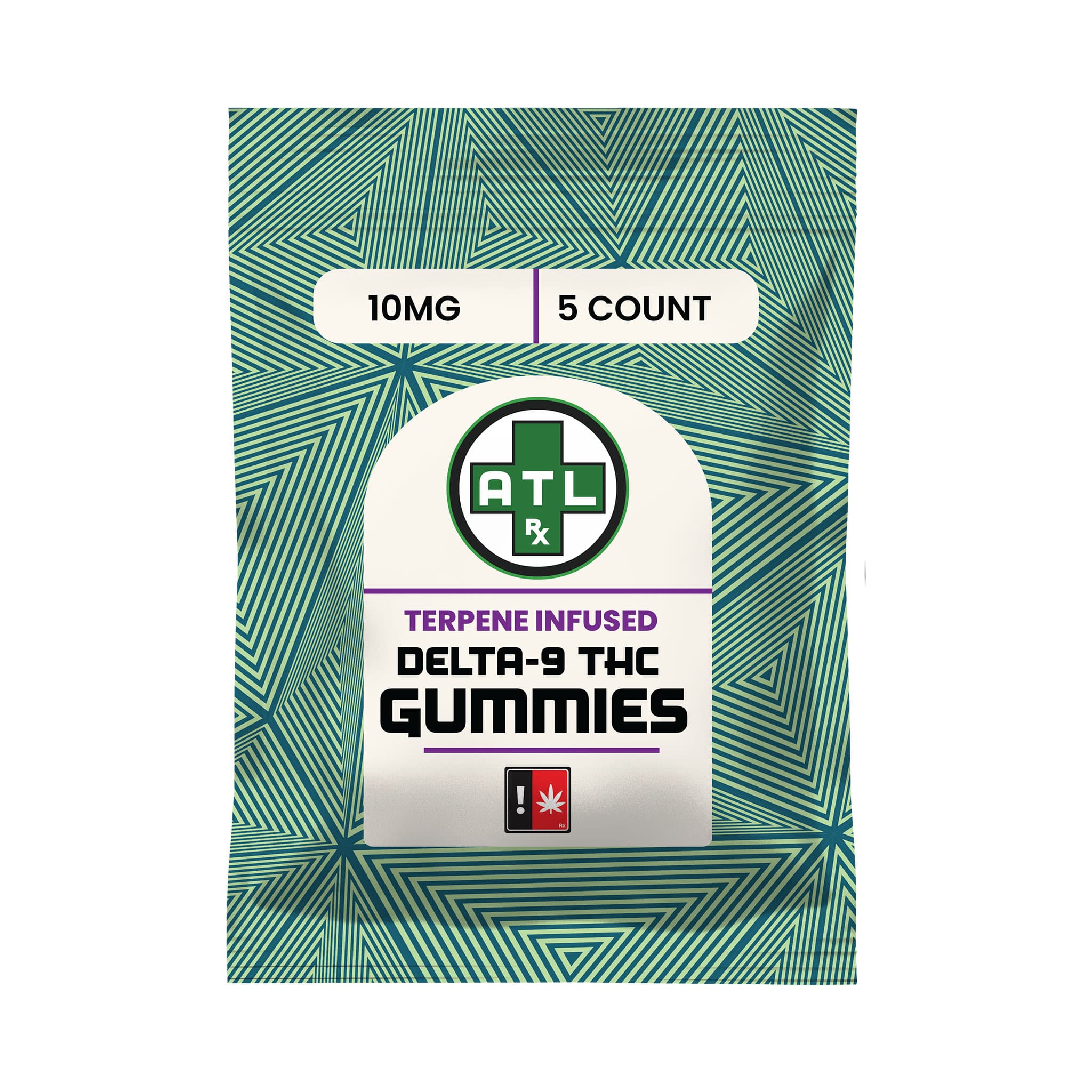
- Delta 9 THC Gummies: The most popular format, available in a range of milligram strengths, flavors, and terpene profiles.
- Delta 9 THC Chocolate Bars: Divided into precisely dosed individual pieces, another edible option that meets the dry weight concentration standard.
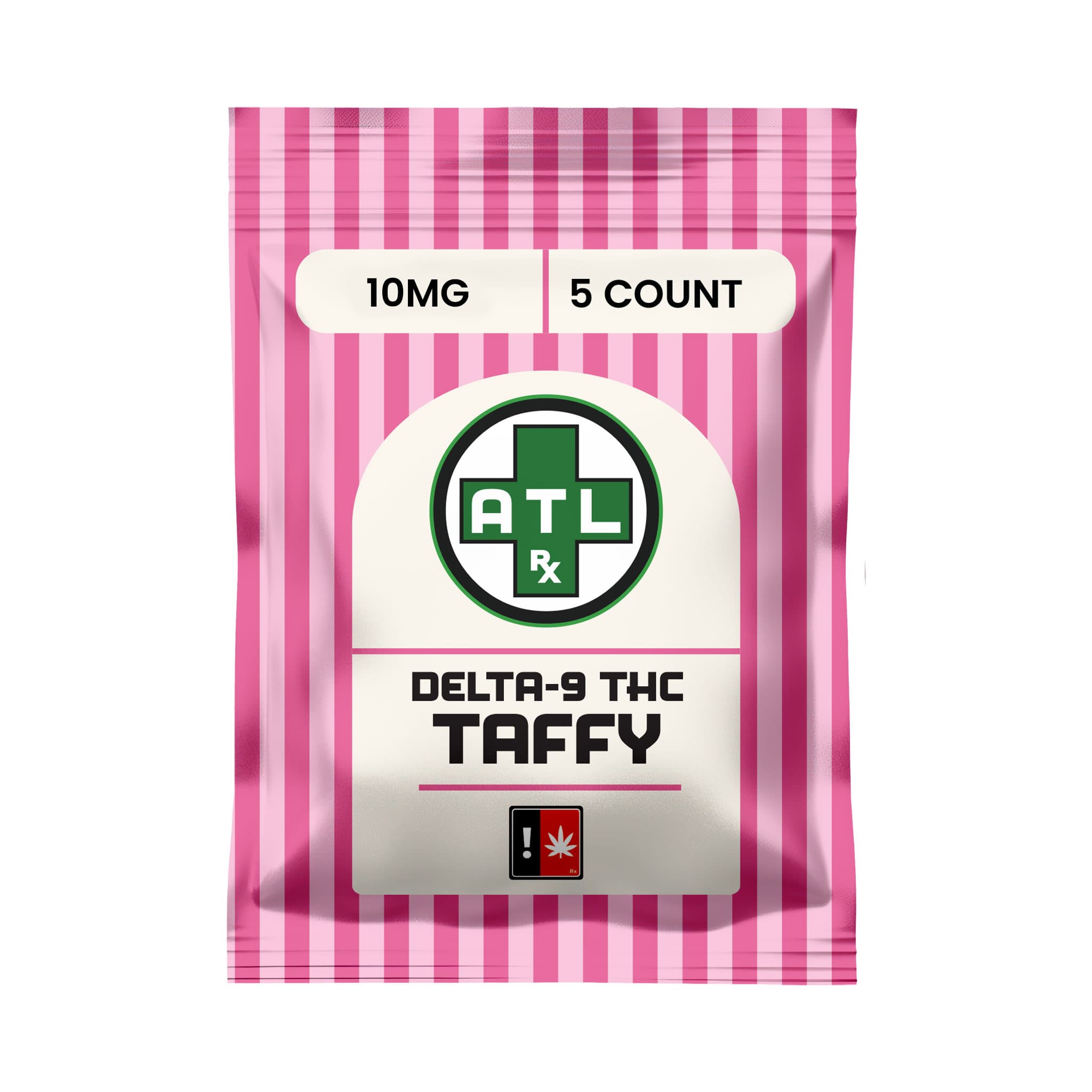
- Delta 9 THC Taffy and Caramels: Chewy candy-style edibles with a unique texture and longer shelf life.
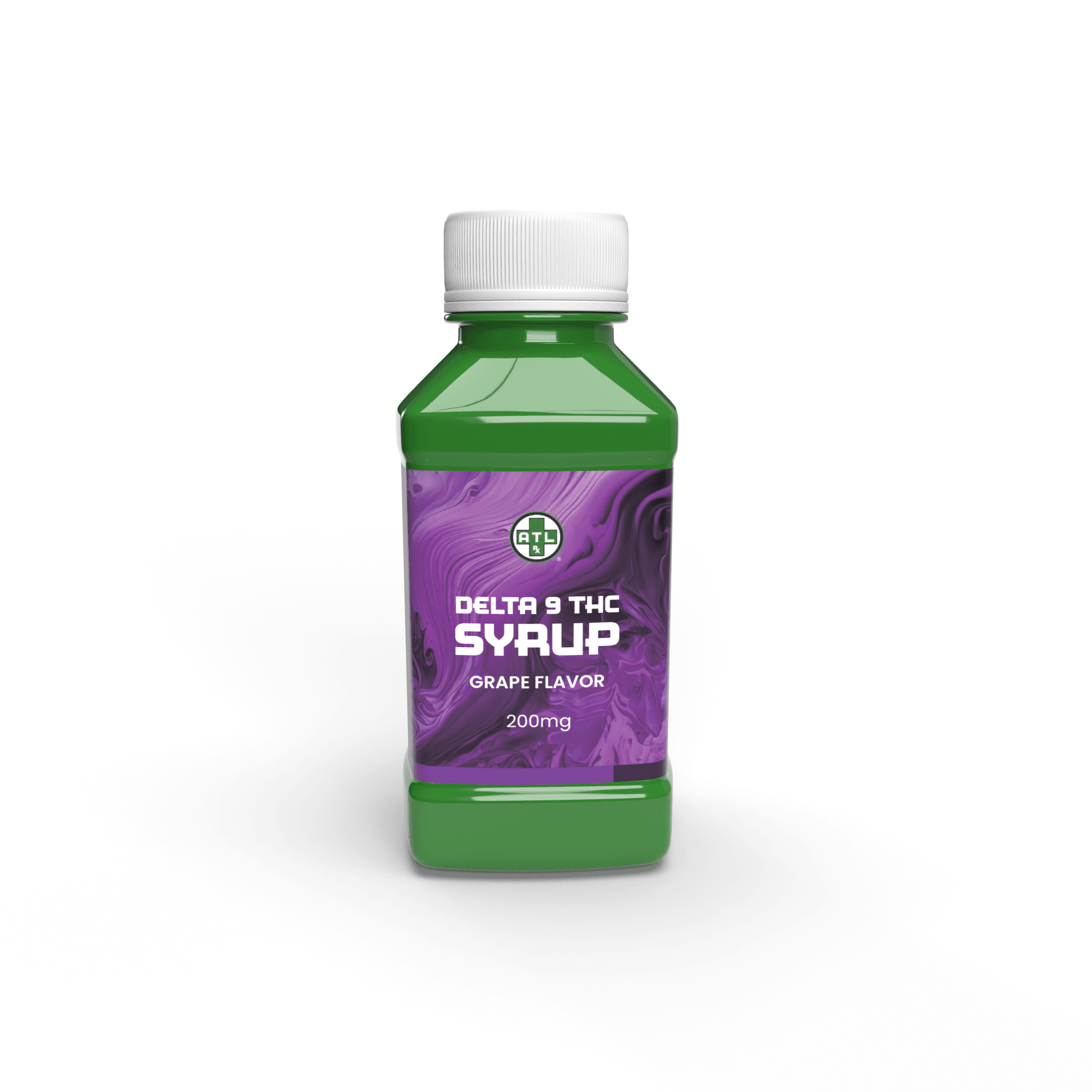
- Delta 9 THC Tinctures and Syrups: Liquids that can be taken directly or added to beverages.
- Full-Spectrum CBD Products with Delta 9: Full-spectrum CBD oil and products naturally contain trace amounts of Delta 9 THC within the legal 0.3% threshold.
How to Buy Delta 9 THC Legally in Mississippi
If you want to purchase legal, hemp-derived Delta 9 THC in Mississippi, here is what to look for:
1. Confirm the THC Percentage
Any compliant Delta 9 product must contain 0.3% or less of Delta 9 THC by dry weight. This information should appear clearly on the product label.
2. Request a Certificate of Analysis (COA)
While Mississippi has not yet enacted a statutory COA requirement (HB 1676, which proposed this, failed to pass), requesting a COA from a reputable third-party laboratory remains an essential consumer safety step. The COA should confirm the Delta 9 THC concentration, total cannabinoid content, and that the product is free of heavy metals, pesticides, and other contaminants.
3. Check That the Source Is Hemp, Not Marijuana
The product description, COA, or brand documentation should confirm that the Delta 9 THC is derived from industrial hemp grown under a USDA or state-licensed hemp program.
4. Purchase from a Trusted Retailer
You can buy the Delta 9 products from the most reputable brand, like ATLRx. Choose a brand or retailer that is transparent about its manufacturing practices, publishes current COAs, and complies with state and federal hemp regulations. Many reputable retailers voluntarily enforce a 21+ age standard.
5. Be Aware of Local Regulations and the 2025 AG Opinion
While state hemp law permits the sale of compliant Delta 9 THC products, the June 2025 AG opinion has prompted active enforcement in some Mississippi counties. Check local conditions in your specific city or county before purchasing, and consult a qualified attorney if you are operating as a retailer.
Can You Buy Delta 9 THC Online and Ship to Mississippi?
Yes. Hemp-derived Delta 9 THC products that meet the federal 0.3% THC by dry weight standard can be legally shipped across state lines, including to Mississippi. When ordering online, confirm:
- COAs are published by the retailer for every product.
- The product label confirms compliance with the 0.3% Delta 9 THC dry weight standard.
- The retailer verifies customer age at checkout (21+ voluntarily enforced by many reputable sellers).
- The brand sources its hemp from USDA or state-licensed growers.
Note on Local Enforcement:
Given the enforcement activity following the 2025 AG opinion, consumers in Mississippi should be aware that some local jurisdictions have taken an aggressive stance toward hemp product sales. The federal shipping right does not fully insulate retailers or consumers from potential state-level enforcement actions in counties where sheriffs are actively applying the AG opinion.
Final Takeaway: Is Delta 9 Legal in Mississippi?
Yes, hemp-derived Delta 9 THC is legal in Mississippi as long as it contains less than 0.3% Delta 9 THC by dry weight, is purchased by an adult of legal age, and comes with a COA from a reputable laboratory.
The legal framework built by the 2018 Farm Bill and Mississippi’s SB 2725 provides the foundation for hemp-derived Delta 9 THC purchases in the state. However, consumers should be aware that the regulatory picture is unsettled:
- HB 1676 failed in 2024 without becoming law — its age, COA, and potency provisions are not currently enforceable.
- The June 2025 AG opinion has prompted active enforcement actions in several Mississippi counties.
- The state hemp program under SB 2725 was never fully funded, which may affect the strength of the statutory hemp exemption.
- Federal farm bill reauthorization continues to evolve, with potential implications for hemp-derived cannabinoid rules.
Purchasing from compliant, transparent retailers and consulting a qualified attorney for business decisions remains essential for navigating the current legal environment in Mississippi.
Frequently Asked Questions
Is Delta 9 Legal in Mississippi?
+
Yes. Delta 9 THC products containing 0.3% or less THC by dry weight are legal for adults in Mississippi under SB 2725 and the 2018 Farm Bill. The June 2025 AG opinion has introduced enforcement uncertainty in some counties.
What is the Legal Age to Buy Delta 9 in Mississippi?
+
No enacted Mississippi statute currently sets a statewide 21+ minimum for hemp products. HB 1676, which proposed this change, died in conference in 2024 without becoming law. Many retailers apply a 21+ standard voluntarily. Always bring a valid photo ID.
Can I Buy Delta 9 Products Online and Ship Them to Mississippi?
+
Yes. Compliant hemp-derived Delta 9 THC products can be shipped to Mississippi. Confirm the product meets the 0.3% THC dry weight standard and comes with a valid COA. Be aware of the 2025 AG opinion and its local enforcement implications.
Is Recreational Cannabis Legal in Mississippi?
+
No. Recreational cannabis (marijuana-derived Delta 9 THC) is not legal in Mississippi. Cannabis-derived products can only be purchased by medical cannabis patients from licensed dispensaries.
Is Delta 8 THC Legal in Mississippi?
+
Delta 8 occupies a contested legal position. HB 1547 lists all THC isomers as controlled substances, but SB 2725 exempts hemp-derived products — creating an unresolved conflict. In practice, most law enforcement treat Delta 8 as illegal. Treat it as high-risk until the Legislature resolves the conflict.
What Is the THC Per-serving Limit in Mississippi?
+
Mississippi does not have a statutory per-serving THC cap. HB 1676 proposed a 0.5 mg/serving and 2.5 mg/package limit with a 20:1 CBD: THC ratio, but the bill failed. No replacement law has been passed as of 2026.
What Is the 2025 Mississippi AG Opinion about Hemp?
+
In June 2025, AG Lynn Fitch issued an opinion suggesting that consumable hemp products not FDA-approved or sold outside licensed dispensaries may conflict with state law. It is not a statute, but it triggered enforcement actions — including removal orders from sheriffs in several counties. Seek legal advice if operating as a retailer.
Do Delta 9 Products Need a COA in Mississippi?
+
Mississippi has not enacted a statutory COA requirement. HB 1676 proposed this but failed. Obtaining and reviewing a COA from a reputable third-party lab remains strongly recommended best practice for any hemp purchase.
What Types of Delta 9 Products Can I Buy in Mississippi?
+
Hemp-derived Delta 9 THC gummies, chocolate bars, taffy, tinctures, syrups, and full-spectrum CBD products are commonly available formats that can meet Mississippi’s legal requirements under SB 2725.
Related Articles:
Why Trust This Guide
- ATLRx has sold third-party lab-tested hemp products out of Georgia since 2019.
- Every real batch we sell is tested by an accredited outside lab, with the Certificate of Analysis published before you buy.
- We operate 3 real physical stores in Georgia — this isn't a drop-shipped storefront.
- Legal information is rechecked and updated as rules change, not published once and forgotten.
Don't Trust the Label. Check the Lab.
ATLRx publishes third-party Certificates of Analysis for real batches so you can verify cannabinoid content before you buy — not just take the package's word for it.
View Lab Results →Have Questions?
Visit an ATLRx store in Georgia and talk to our team.
Real Customers, Real Reviews
What Customers Are Saying
“Product was smooth and mellow. Quite nice!”
“Exactly what was promised excellent product”
“Really nice high”

Jen Hight
Cannabis Industry Expert & Compliance Specialist Jen Hight is a cannabis industry professional with extensive experience in hemp compliance, product development, and consumer education. With a background in regulatory affairs and a passion for helping consumers navigate the complex world of cannabinoids, Jen provides accurate, up-to-date information on hemp legality and best practices. Her work focuses on making cannabis knowledge accessible while ensuring readers understand both the opportunities and responsibilities that come with legal hemp products.
View all articles →Keep Learning

Where to Buy Delta 9 in Texas?
Delta 9 Availability in Texas: Yes. Hemp-derived Delta 9 is legal to buy in Texas in August 2026. To qualify, a product has to come from hemp and test at 0.3% or less total THC on a dry weight basis. Texas has computed that figure as (0.877 x THCA) + Delta 9 since March 31, […]
Aug 7, 2026 · 26 min read

Where to Buy Delta 9 in Oklahoma?
Delta 9 Availability in Oklahoma: Yes. Delta 9 THC derived from hemp is legal in Oklahoma starting in 2026 for adults 21 and older. It must be made from hemp, not marijuana, and contain less than 0.3% Delta-9 THC by dry weight. Medical marijuana does not require a card. You can buy it online or […]
Aug 5, 2026 · 23 min read

Where to Buy Delta 9 in Iowa?
Delta 9 Availability in Iowa: Yes, hemp-derived Delta 9 is legal in Iowa in 2026, but only if it follows the state’s rules. Consumable hemp products cannot contain more than 4 mg of total THC per serving and 10 mg of total THC per container. The product also has to come from legal hemp, be […]
Aug 4, 2026 · 25 min read

Where to Buy Delta 9 in South Carolina?
Delta 9 Availability in South Carolina: A hemp-derived Delta 9 THC product that contains no more than 0.3% Delta 9 THC by dry weight is currently legal for sale in South Carolina under the 2018 Farm Bill and South Carolina’s Hemp Farming Act (Chapter 55, Title 46 of the SC Code). Marijuana-derived Delta 9 remains […]
Jul 30, 2026 · 18 min read
Stay Informed
New product releases, hemp law updates, and useful cannabinoid guides.