Is Delta 9 Legal in Tennessee? The Complete 2026 Guide
Updated November 4, 2026
Delta 9 Legal Status in Tennessee:
Yes, hemp-derived Delta-9 THC can be legal in Tennessee in 2026, provided the product meets the applicable state and federal requirements. Tennessee regulates hemp-derived cannabinoid products under Public Chapter 526 of 2025, which established a new regulatory framework overseen by the Tennessee Alcoholic Beverage Commission (TABC).
The legality of a product depends on more than its Delta-9 THC concentration. Applicable requirements include total THC or total theoretical THC limits, product-specific potency restrictions, licensing, testing, labeling, packaging, and distribution rules.
Here are the key Tennessee Delta-9 rules to understand:
- THC limits: Qualifying products must meet the applicable Delta-9 THC and total THC or total theoretical THC requirements.
- Minimum age: Anyone buying, holding, or accepting delivery of a regulated hemp-derived cannabinoid product in Tennessee has to be 21 years of age or older.
- Retail licensing: Regulated products may be sold only through businesses and establishments authorized under Tennessee law.
- Shipping restrictions: TABC-licensed retailers cannot ship or deliver regulated hemp-derived cannabinoid products directly to consumers.
- Product testing: Regulated products must satisfy applicable testing, labeling, packaging, and documentation requirements.
- Cannabinoid restrictions: Delta-8 THC is included in Tennessee’s regulated framework, while THCp and synthetic cannabinoids do not meet the statute’s definition of a qualifying hemp-derived cannabinoid.
- Upcoming federal changes: Congress has set two effective dates for its next round of hemp restrictions, November 12, 2026, and December 11, 2026.
Tennessee’s regulatory framework changed significantly on January 1, 2026, when TABC assumed oversight of regulated hemp-derived cannabinoid products, subject to transitional provisions for existing licenses. The transition for legacy Tennessee Department of Agriculture (TDA) licensees ended on June 30, 2026.
This guide explains Tennessee’s current Delta-9 laws, the difference between hemp-derived products and marijuana, product compliance requirements, how to review a Certificate of Analysis (COA), and the federal changes scheduled for late 2026.
Keep Browsing
Explore Our Delta 9 THC Categories
Shop real Delta 9 THC products and collections.
Key Takeaways
- Hemp-derived Delta-9 THC products can be legal in Tennessee when they meet applicable state and federal requirements.
- Tennessee’s framework includes a 0.3% total THC or total theoretical THC threshold by dry weight, as applicable under the statutory definition.
- The TABC supervises how regulated hemp-derived cannabinoid products are produced, moved through the supply chain, and sold at retail.
- Tennessee sets the legal age at 21 for anyone who wants to buy, carry, or be handed a regulated hemp-derived cannabinoid product.
- TABC-licensed retailers cannot ship or deliver regulated products directly to consumers.
- Delta-8 THC is regulated rather than categorically banned under Public Chapter 526.
- Tennessee’s statute leaves THCp and all synthetic cannabinoids out of its definition of qualifying hemp-derived cannabinoids.
- Product legality depends on cannabinoid composition, applicable potency and packaging limits, licensing, testing, and labeling.
- Holding a retail license, or having a brand registered with the state, is not the same as Tennessee signing off on any single product.
- Revisions to the way federal law defines hemp are set to phase in on two dates, one in November 2026 and another in December 2026.
What Exactly Is Delta-9 THC?
Delta-9 THC is the short name people use for delta-9-tetrahydrocannabinol, one of the many naturally occurring cannabinoids the cannabis plant produces. It is associated with the intoxicating effects of cannabis.
Delta-9 THC can be extracted from either a hemp plant or a marijuana plant. Although the compound itself is the same, the legal classification of a finished product depends on its source, cannabinoid composition, concentration, and the laws governing its production and sale.
Under the 2018 federal Farm Bill, a cannabis plant qualified as hemp only if its Delta-9 THC level stayed at or below 0.3% when measured by dry weight. Tennessee’s 2026 regulatory framework also addresses total THC and total theoretical THC, which can account for THCA.
Consequently, a product that meets the Delta-9 THC concentration threshold may still fail other applicable legal requirements.
Is Delta-9 Legal in Tennessee Today? The 2026 Answer
Yes. Hemp-derived Delta-9 THC products can be legal in Tennessee when they meet the requirements of Tennessee Code Annotated, Title 57, Chapter 7, and other applicable state and federal laws.
Tennessee’s law does not rely exclusively on whether a product contains less than 0.3% Delta-9 THC. Depending on the product and applicable statutory provision, its total THC or total theoretical THC concentration, ingredients, potency, packaging, testing, labeling, and distribution arrangements must also comply.
That is why shoppers are better served by looking closely at the product itself and the lab paperwork behind it, instead of trusting a “hemp-derived” claim on the package alone.
How the 2018 Farm Bill Fits With Tennessee Law
When Congress passed the Agriculture Improvement Act of 2018, it built the federal hemp framework around one cutoff: a Delta-9 THC concentration that could not exceed 0.3% by dry weight.
Tennessee adopted its own laws governing hemp and hemp-derived cannabinoid products. Public Chapter 526 of 2025 created a new regulatory framework under Tennessee Code Annotated, Title 57, Chapter 7, and transferred oversight of regulated hemp-derived cannabinoid products to TABC beginning January 1, 2026, subject to transitional provisions.
Tennessee’s framework includes a total theoretical THC calculation:
Total theoretical THC = Delta-9 THC + (THCA × 0.877)
This formula factors in the THCA that can turn into Delta-9 THC once it is exposed to heat. The applicable statutory threshold and other product requirements must be considered when determining whether a finished product qualifies as lawful hemp-derived cannabinoid merchandise.
Official sources:
Tennessee’s 2026 Hemp Law Changes
Public Chapter 526 was enacted in 2025 and established a new regulatory framework for hemp-derived cannabinoid products.
TABC’s oversight began on January 1, 2026, subject to transitional provisions for existing TDA licenses. The transition for legacy licensees ended on June 30, 2026.
Under this framework, suppliers, wholesalers, and retailers each need their own category of license before they can operate. It also addresses product testing, labeling, retail locations, age verification, sales methods, and distribution.
Tennessee law names several specific cannabinoids in its definition, including Delta-8 THC, Delta-10 THC, THCv, and hexahydrocannabinol (HHC), and each one still has to meet the rules that apply to it. THCp, along with any synthetic cannabinoid, falls outside what the state counts as a qualifying hemp-derived cannabinoid.
Beginning July 1, 2026, TABC-licensed retailers generally must obtain regulated products from TABC-licensed wholesalers. The law provides specific treatment for compliant inventory that retailers already possessed before that date.
Upcoming Federal Hemp Law Changes in November and December 2026
Federal legislation enacted in 2025 changed the statutory definition of hemp. Subsequent federal legislation delayed the effective date of certain provisions until December 11, 2026.
As of October 26, 2026, the following changes are scheduled:
- November 12, 2026: Federal provisions that remove cannabinoids made through synthesis, or produced anywhere other than inside the cannabis plant, from the hemp definition are set to become effective.
- December 11, 2026: Additional federal restrictions are scheduled to take effect, including a revised total THC definition and a limit of 0.4 milligrams combined total per retail container for specified THC and other cannabinoids with similar effects.
These are enacted federal changes with future effective dates, not merely proposed legislation.
The changes could affect products that currently qualify under Tennessee law. Tennessee compliance alone will not establish that a product qualifies under the revised federal definition after the new provisions take effect.
Consumers and businesses should review the applicable federal law and subsequent official guidance before relying on a product’s current classification after December 11, 2026.
Official source: Congressional Research Service report on the revised federal hemp definition
Meet the TABC, the Agency That Regulates Hemp in Tennessee
The Tennessee Alcoholic Beverage Commission regulates the manufacture, distribution, and retail sale of regulated hemp-derived cannabinoid products under Public Chapter 526.
Tennessee’s framework includes three general license categories:
- Suppliers: Businesses that manufacture or supply regulated hemp-derived cannabinoid products within the statutory framework.
- Wholesalers: Businesses licensed to distribute regulated products to authorized retailers.
- Retailers: Businesses licensed to sell regulated products to consumers at permitted retail premises.
Growing hemp and the farming side of production still fall under the authority of the Tennessee Department of Agriculture. TABC licensing requirements apply to regulated downstream activities as provided by law.
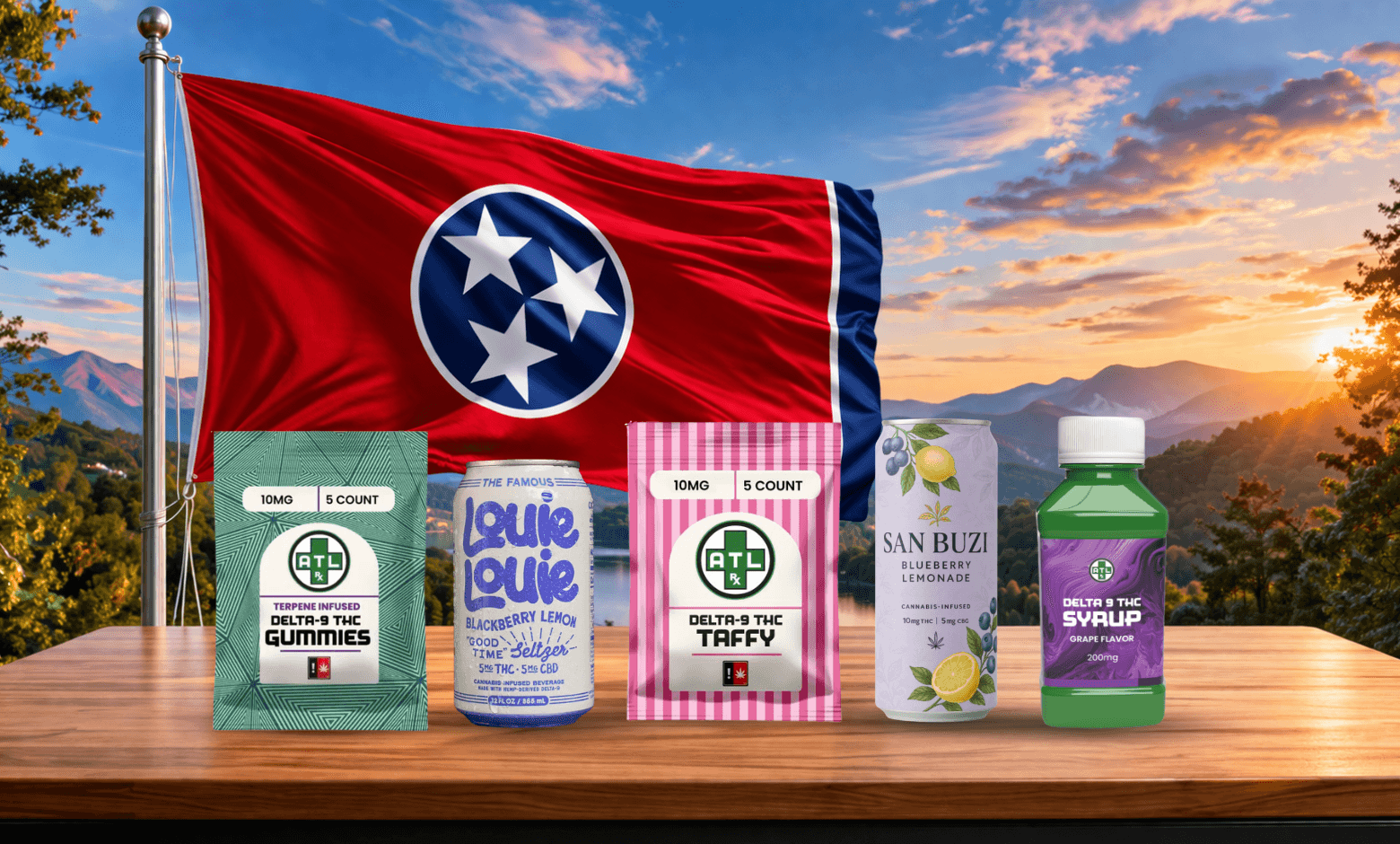
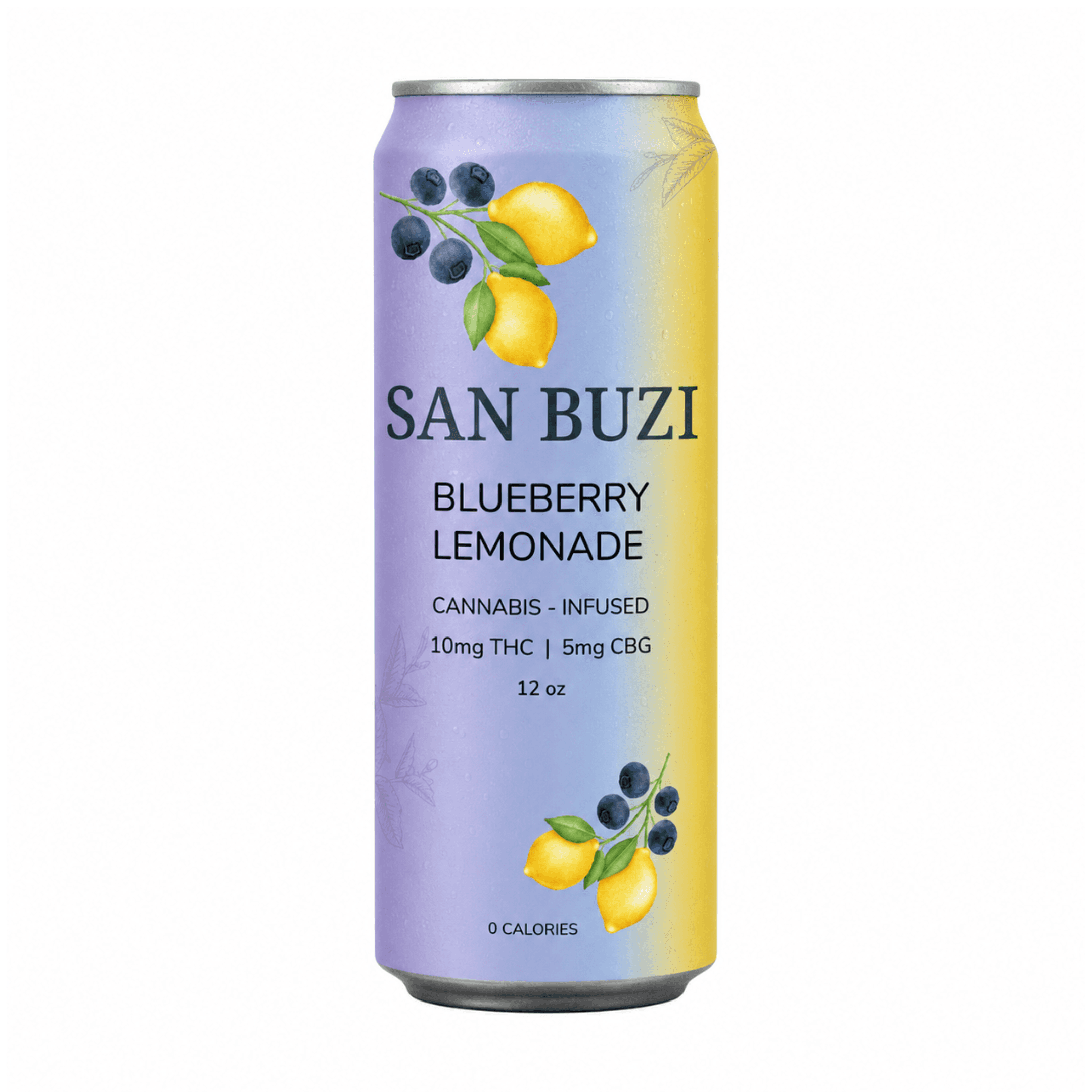
Shop Delta 9
View all →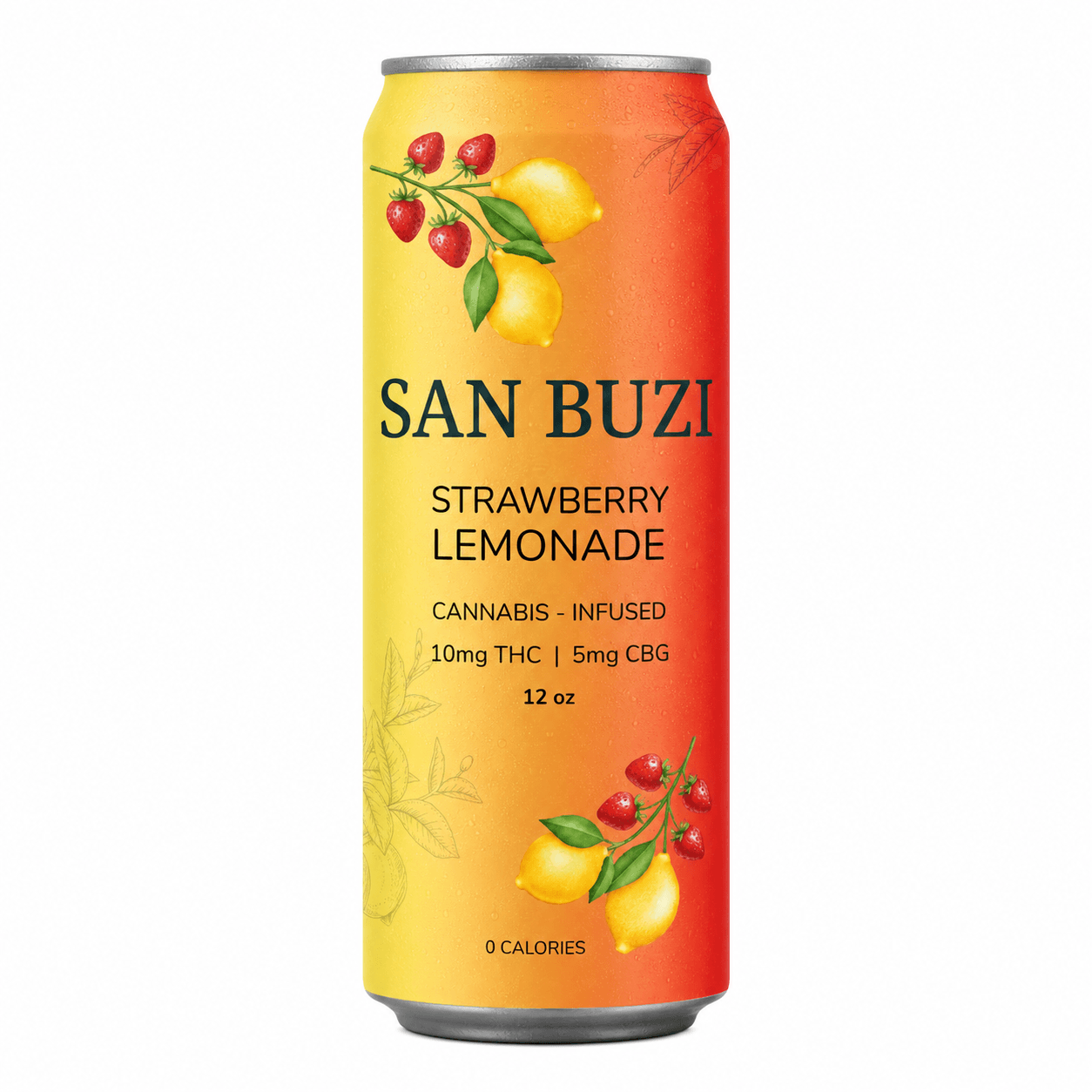

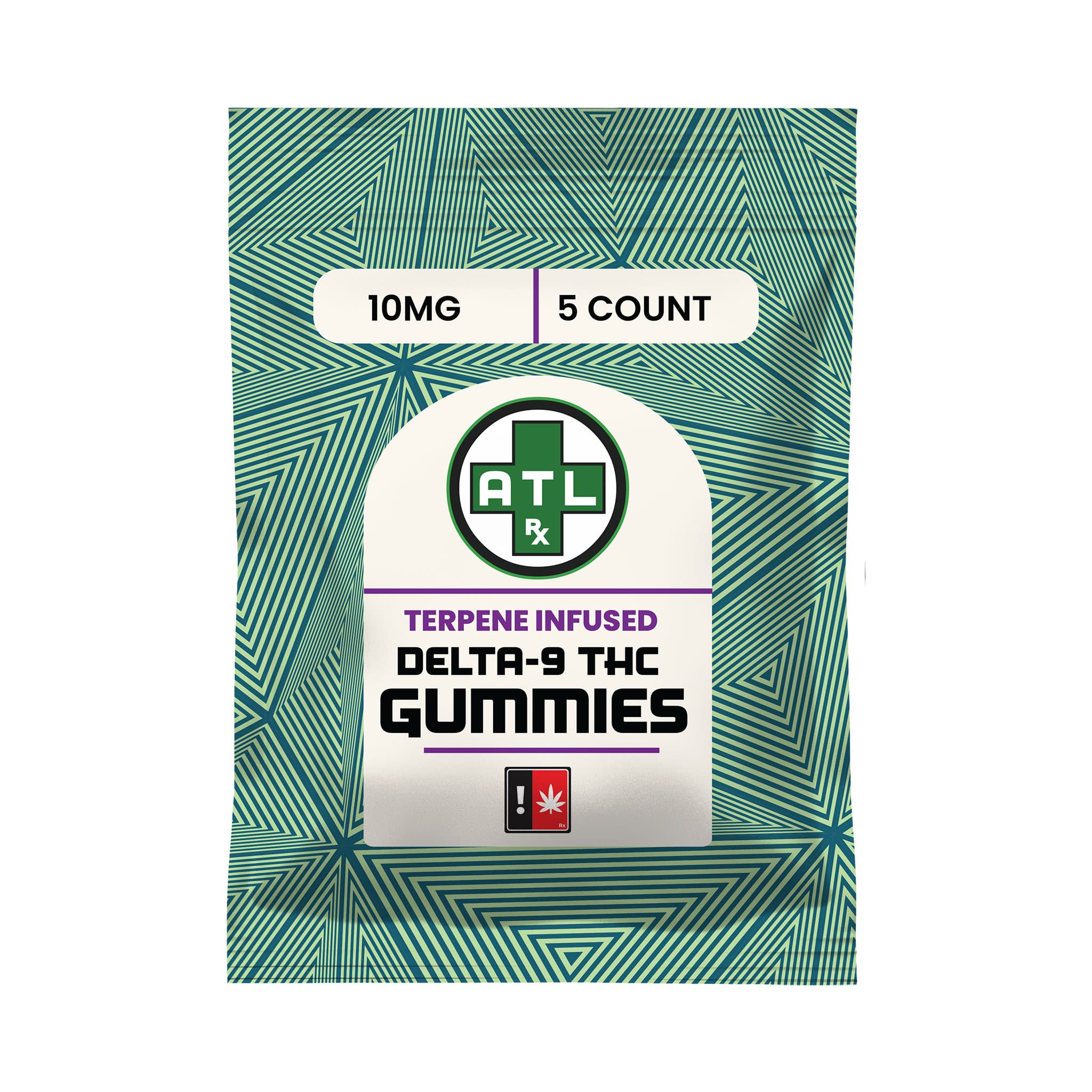
Delta 9 Terpene Infused Gummies 10 MG
Best Value: 20 Count · Save 17%
TABC-licensed retailers generally must obtain new regulated inventory from TABC-licensed wholesalers under the requirements that took effect July 1, 2026. The law provides specific treatment for compliant inventory already held before that date.
Retailers must also follow the rules governing permitted establishments, age verification, product display, packaging, and sales methods. Regulated products cannot be sold through vending machines or self-checkout systems under the applicable TABC framework.
Does a TABC License Mean a Product Is Approved?
No. TABC has clarified that a business license or brand registration does not constitute state pre-approval of an individual hemp-derived cannabinoid product.
When a store holds a license, it shows the state has cleared that business to carry out certain regulated activities. That license alone does not prove each item the store stocks meets Tennessee’s legal requirements.
Consumers should review product labeling, cannabinoid composition, applicable testing documentation, and other compliance information. Businesses must independently ensure that their products meet all applicable requirements.
Comparing the Legal Status of Delta-9, THCA, and Marijuana in Tennessee
| Product or cannabinoid | Tennessee classification | Important distinction |
| Hemp-derived Delta-9 THC | May be legal | Must meet applicable THC thresholds and product, licensing, testing, and labeling requirements |
| Marijuana-derived Delta-9 THC | Not legal for general recreational sale | Tennessee does not authorize a general adult-use marijuana market |
| THCA-containing products | Depends on composition and applicable requirements | THCA contributes to the total theoretical THC calculation |
| Delta-8 THC | Regulated | Covered by Tennessee law, but only when the product meets every applicable restriction |
| Delta-10 THC | Regulated | Part of the state’s regulated list and allowed only within its product limits |
| HHC | Regulated | Named in the state’s definition; legal to sell only within its set limits |
| THCv | Regulated | Listed under Tennessee’s statute and permitted only when its rules are followed |
| THCp | Excluded from qualifying hemp-derived cannabinoid products | Excluded under the statutory definition |
| Synthetic cannabinoids | Not permitted; falls outside what counts as a qualifying hemp-derived cannabinoid product | Subject to the statutory exclusion |
| CBD | Not an HDCP solely because it is CBD | Other applicable laws and the composition of the finished product still matter |
A cannabinoid’s name or hemp origin alone does not establish that a finished product is legal. The applicable statutory definition and the product’s actual composition must be considered.
What Delta-9 Products Can Be Sold Legally in Tennessee?
The legality of a product depends on its cannabinoid composition, concentration, product format, applicable potency and packaging restrictions, and compliance with Tennessee’s licensing and testing framework.
Potential product formats include gummies, other edibles, tinctures, capsules, beverages, inhalable products, and topical products. However, no format is automatically legal merely because it contains hemp-derived ingredients or is sold elsewhere.
Delta-9 Gummies and Edibles
Hemp-derived Delta-9 gummies, chocolates, and other edible products may qualify for sale when they meet the applicable THC thresholds, serving and package restrictions, labeling requirements, testing requirements, and other Tennessee rules.
A product’s Delta-9 THC percentage alone does not establish compliance. Its total THC or total theoretical THC, serving size, package configuration, and other applicable restrictions must also be considered.
Delta-9 Tinctures and Oils
Tinctures and oils containing hemp-derived Delta-9 THC must meet the requirements that apply to their composition and intended use. Review the product’s concentration, cannabinoid profile, packaging, labeling, and testing documentation before making a compliance determination.
Delta-9 Capsules and Softgels
Capsules and softgels are not automatically exempt from Tennessee’s hemp-derived cannabinoid rules. Their classification and legality depend on their ingredients, THC concentration, applicable potency restrictions, and other product requirements.
Delta-9 Beverages
Hemp-derived cannabinoid beverages are subject to applicable Tennessee requirements governing THC content, serving sizes, container limits, packaging, labeling, and licensed distribution.
A beverage’s volume or cannabinoid concentration alone does not establish compliance with every requirement. Product-specific rules and statutory exceptions should be reviewed before describing a beverage as legal in Tennessee.
CBD and Other Hemp Products
A product does not become a hemp-derived cannabinoid product under Tennessee’s statute merely because it contains CBD. That said, leaving CBD out of this category is not the same as giving every CBD product an automatic green light.
Other applicable laws and the composition of a finished product still matter, particularly when it contains THC or additional cannabinoids.
Products That Are Prohibited or Restricted
Products may be prohibited or restricted when they:
- Exceed the applicable THC or total theoretical THC threshold.
- Contain THCp or prohibited synthetic cannabinoids.
- Fail to meet applicable product-specific potency or packaging requirements.
- Do not satisfy testing, labeling, or other legal requirements.
- Are manufactured, distributed, or sold without required licenses.
- Are sold or delivered through a prohibited method.
Delta-8 THC should not be described as categorically banned under Public Chapter 526. It is included in Tennessee’s regulated hemp-derived cannabinoid framework, although products containing Delta-8 must still meet the applicable requirements.
ATLRx’s existing product links and collection modules should remain in place where relevant. Before publication, verify each featured product’s composition, testing, labeling, Tennessee eligibility, and fulfillment method. Seeing a product listed for sale online is no proof that it can legally be sold or sent to someone living in Tennessee.
Checking a COA to Confirm a Product Meets Tennessee Rules
A Certificate of Analysis, or COA, is the document an independent lab issues to show what it found when testing one particular product or production batch. It can help consumers review cannabinoid content and other information relevant to product compliance.
Use the following checklist when reviewing a COA for a hemp-derived Delta-9 product.
- Check Delta-9 THC: Review the reported Delta-9 THC concentration and confirm that it meets the applicable legal threshold.
- Review total THC: Check the total THC or total theoretical THC information required for the product. Tennessee’s total theoretical THC calculation includes THCA multiplied by 0.877.
- Match the batch: Confirm that the batch or lot information corresponds to the product being sold.
- Check the laboratory: Verify that testing meets the applicable Tennessee requirements and that the laboratory satisfies the relevant TABC criteria.
- Review required test results: Check the applicable cannabinoid and contaminant testing results required for the product.
- Inspect the product label: Confirm that the package provides the required information and QR-code access to the COA, where applicable.
- Check product-specific requirements: Review serving amount, package amount, and other product-specific restrictions instead of assuming the concentration result alone establishes compliance.
Do not assume that a COA remains legally valid for a fixed 90-day period unless the applicable rule expressly establishes that requirement.
A COA provides laboratory test results but does not constitute state approval of a product or guarantee legal compliance. Product legality also depends on formulation, applicable THC limits, licensing, labeling, packaging, and other requirements.
Retain the existing ATLRx COA link and other relevant internal links in this section.
Where to Buy Delta-9 in Tennessee
Regulated hemp-derived cannabinoid products may be sold only through establishment types and businesses authorized under Tennessee law.
The framework distinguishes between qualifying age-restricted retail establishments, certain appropriately licensed alcohol retailers, and specified businesses that manufacture and sell products at the same licensed premises. The applicable authorization depends on the establishment’s licenses and the statutory conditions that apply.
When evaluating a retailer:
- Confirm that it holds the required license for the relevant activity and premises.
- Check that the purchase complies with Tennessee’s minimum-age requirements.
- Review product labeling and the applicable COA.
- Confirm that the product meets applicable THC and product-specific requirements.
- Do not assume that a TABC license or brand registration means every product sold there has been approved by the state.
Retailers holding a TABC license are not allowed to ship or deliver regulated hemp-derived cannabinoid products to customers, whether they handle it themselves or use a third party. Consumers should not assume that an out-of-state website can lawfully ship a regulated product to a Tennessee address simply because the product is sold online elsewhere.
Buying Delta-9 in Tennessee: City Guide
The same state-level hemp-derived cannabinoid rules apply throughout Tennessee. Confirm the license of the specific store and the compliance of the specific product you plan to buy, instead of assuming both are fine based on the city or neighborhood you are in.
| City | What consumers should check |
| Nashville | Verify the retailer’s current authorization, product labeling, and COA |
| Memphis | Confirm that the seller is authorized under the current TABC framework |
| Knoxville | Check the product’s cannabinoid composition and compliance documentation |
| Chattanooga | Verify the retailer’s authorization and the product’s eligibility for sale |
| Clarksville | Confirm the seller’s authorization and review product-specific testing information |
Shop Delta 9
View all →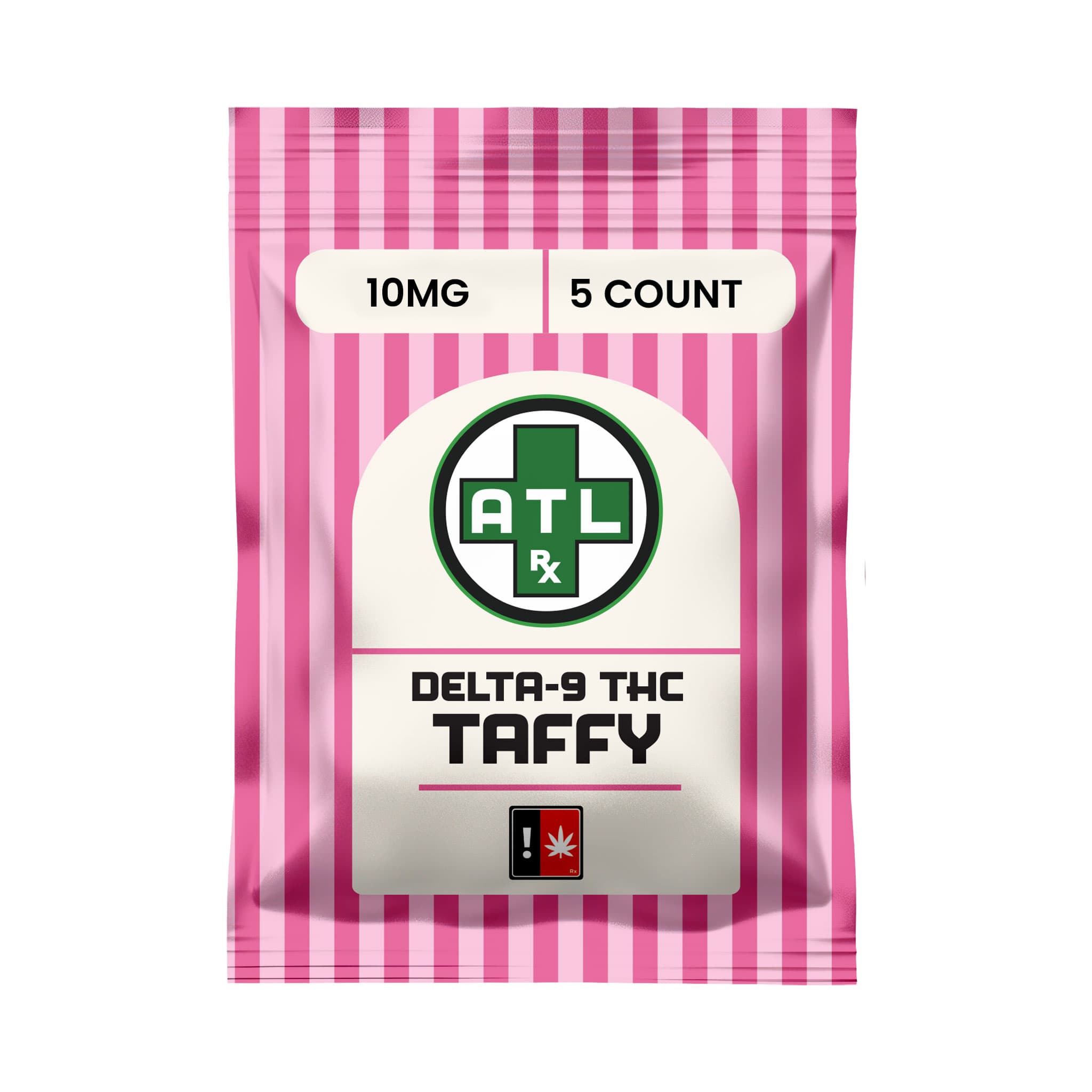
Retailer eligibility depends on the establishment’s current authorization and compliance with Tennessee law. Claims about the number or concentration of licensed retailers in a particular city should be supported by current official license records.
Traveling in Tennessee with Delta-9 Products
Possession and transportation rules depend on the product’s legal status and the circumstances. A product purchased from a retailer is not automatically compliant merely because it was sold in a store.
Before traveling with a hemp-derived cannabinoid product:
- Keep the product’s original label and batch information available.
- Retain access to the relevant COA.
- Do not drive while impaired.
- Follow applicable restrictions on use in public places, workplaces, and private property.
- Check the applicable rules before taking a product across state lines or onto an aircraft.
A COA does not guarantee that a product is permitted on an aircraft or across state lines. Federal law and the laws of other states may differ from Tennessee law, and the scheduled federal changes in November and December 2026 may affect product classification.
Drug Testing and Delta-9 in Tennessee
Some drug tests detect THC metabolites without identifying whether the THC originated from a hemp-derived or marijuana-derived product. Results depend on the testing method, the analyte being measured, and the applicable testing policy.
A product’s legal status does not guarantee a negative drug-test result. Anyone subject to workplace or other testing requirements should review the relevant policy and consult the testing provider for information about its procedures.
Employment and drug-testing rules may depend on applicable statutes, contracts, and employer policies. Keep in mind that a hemp-derived product being legal does not decide how your employer chooses to test for THC or respond to a positive result.
A Timeline of Hemp Legislation in Tennessee
| Milestone Date | What Happened |
| 2018 | The federal Agriculture Improvement Act establishes the federal hemp definition using a Delta-9 THC threshold of no more than 0.3% by dry weight |
| 2023 | Tennessee establishes an earlier regulatory framework for hemp-derived cannabinoid products |
| 2025 | Public Chapter 526 is enacted, creating a new TABC regulatory framework |
| January 1, 2026 | TABC’s regulatory framework begins, subject to transitional provisions |
| June 30, 2026 | The legacy TDA licensing transition ends |
| July 1, 2026 | TABC-licensed retailers generally must obtain new regulated inventory from TABC-licensed wholesalers |
| October 16, 2026 | TABC clarifies that licensing and brand registration do not constitute individual product pre-approval |
| November 12, 2026 | Certain federal cannabinoid exclusions are scheduled to take effect |
| December 11, 2026 | Additional federal hemp-definition restrictions are scheduled to take effect |
The November and December federal dates are future effective dates as of October 26, 2026. They should not be described as restrictions that have already taken effect.
Conclusion
Is Delta-9 legal in Tennessee? Yes, qualifying hemp-derived Delta-9 THC products can be legal in Tennessee in 2026, provided they meet the applicable state and federal requirements.
Tennessee’s Public Chapter 526 established a regulatory framework overseen by TABC, with rules for licensing, distribution, retail sales, age verification, product testing, and labeling. Its total THC and total theoretical THC provisions also make it important to review a product’s complete cannabinoid profile rather than relying solely on its Delta-9 THC percentage.
Delta-8 THC is regulated under Tennessee’s framework rather than categorically banned, while THCp and synthetic cannabinoids are excluded from qualifying hemp-derived cannabinoid products. A retailer’s license or a brand’s registration does not guarantee that every product it offers is compliant.
Federal changes scheduled for November 12 and December 11, 2026, may further alter the legal status of hemp-derived cannabinoid products. Consumers and businesses should verify the applicable law and product documentation before relying on a product’s current classification.
For current requirements, consult the Tennessee Alcoholic Beverage Commission, the enacted text of Public Chapter 526, and the Congressional Research Service’s federal hemp-law analysis.
The information in this article is meant for general educational purposes and should not be treated as legal advice. Laws and regulatory guidance may change, so readers should consult the applicable official sources for current requirements.
Frequently Asked Questions
Is Delta-9 THC Still Legal to Buy in Tennessee as of 2026?
+
Yes. Hemp-derived Delta-9 THC products can be legal when they comply with Tennessee’s applicable THC limits, product requirements, licensing rules, testing, labeling, and other relevant laws.
How Much THC Can a Delta-9 Product Legally Contain in Tennessee?
+
Tennessee’s framework generally requires qualifying products to meet the applicable 0.3% total THC or total theoretical THC threshold by dry weight. The total theoretical THC calculation accounts for Delta-9 THC and THCA multiplied by 0.877. Additional product-specific restrictions may apply.
Can I Buy Delta-9 Online and Have It Shipped to Tennessee?
+
No. Stores licensed by the TABC are barred from shipping or delivering regulated hemp-derived cannabinoid products straight to consumers. Never take it for granted that an online store is allowed to mail a regulated product to a home in Tennessee.
Which Agency Is in Charge of Regulating Delta-9 Sales in Tennessee?
+
The Tennessee Alcoholic Beverage Commission regulates the manufacture, distribution, and retail sale of regulated hemp-derived cannabinoid products under Public Chapter 526. On the farm side, the Tennessee Department of Agriculture continues to supervise hemp growing and other agricultural production activities.
What Is the Minimum Age to Purchase Delta-9 in Tennessee?
+
You must be at least 21 years old to purchase, possess, or receive a regulated hemp-derived cannabinoid product under Tennessee’s applicable law.
Is THCA Legal in Tennessee in 2026?
+
The answer depends on the product’s composition and applicable statutory requirements. Tennessee’s total theoretical THC calculation accounts for THCA, so a product may fail the applicable THC threshold even if its Delta-9 THC concentration alone appears low.
Is Delta-8 THC Banned in Tennessee?
+
No. Public Chapter 526 explicitly includes Delta-8 THC within the statutory definition of hemp-derived cannabinoids. Delta-8 products are regulated and must comply with the applicable requirements. THCp and synthetic cannabinoids are treated differently under the statute.
Is CBD Legal in Tennessee?
+
Tennessee’s statute does not treat a product as a hemp-derived cannabinoid product simply because it contains CBD. However, other applicable laws and the composition of a finished product still matter, particularly when a product also contains THC or other cannabinoids.
Is It Legal to Carry Delta-9 Products While Traveling Inside Tennessee?
+
Traveling with a product depends on its legal status and the circumstances. Keep its labeling and relevant compliance documentation available, do not drive while impaired, and follow applicable restrictions on use and transportation.
Where Can Nashville and Memphis Residents Legally Purchase Delta-9?
+
Look for businesses authorized to sell regulated hemp-derived cannabinoid products under Tennessee law. Verify the retailer’s authorization and the product’s labeling and testing documentation. Do not assume that every shop or product is compliant solely because it is available for sale.
Can Delta-9 Cause a Positive Result on a Drug Test?
+
Yes, it can. Some drug screens look for THC metabolites, and they may not be able to tell whether that THC came from hemp or from marijuana. Results and workplace consequences depend on the testing method and the applicable policy.
What Changes to Federal Hemp Law Are Coming in December 2026?
+
Federal legislation has scheduled additional restrictions to take effect on December 11, 2026, including a revised total THC definition and a 0.4 milligram threshold for specified cannabinoids per finished retail container. Certain other cannabinoid exclusions are scheduled for November 12, 2026. These dates are future effective dates as of October 26, 2026.
Why Trust This Guide
- ATLRx has sold third-party lab-tested hemp products out of Georgia since 2019.
- Every real batch we sell is tested by an accredited outside lab, with the Certificate of Analysis published before you buy.
- We operate 3 real physical stores in Georgia — this isn't a drop-shipped storefront.
- Legal information is rechecked and updated as rules change, not published once and forgotten.
This guide is for general information only and is not legal advice. While we update it as rules change, state laws can shift quickly. Please confirm current laws with your state’s official sources.
Don't Trust the Label. Check the Lab.
ATLRx publishes third-party Certificates of Analysis for real batches so you can verify cannabinoid content before you buy — not just take the package's word for it.
View Lab Results →Have Questions?
Visit an ATLRx store in Georgia and talk to our team.
Real Customers, Real Reviews
What Customers Are Saying

Jen Hight
Cannabis Industry Expert & Compliance Specialist Jen Hight is a cannabis industry professional with extensive experience in hemp compliance, product development, and consumer education. With a background in regulatory affairs and a passion for helping consumers navigate the complex world of cannabinoids, Jen provides accurate, up-to-date information on hemp legality and best practices. Her work focuses on making cannabis knowledge accessible while ensuring readers understand both the opportunities and responsibilities that come with legal hemp products.
View all articles →Keep Learning
Delta 8 vs. Delta 9 vs. Delta 10: Comparing Different THC Variants
Delta 8, Delta 9, and Delta 10 are different forms of THC based on the position of a double bond. Delta 9 is the most common and the strongest. It is stronger than Delta 8. Delta 8 is about half as strong. Delta 10 is the mildest and least studied. All three can get you […]
Nov 16, 2026 · 20 min read

Where To Buy Delta 9 Gummies Near Me?
You can buy Delta 9 gummies near you at five types of retailers: a licensed cannabis dispensary, a hemp or CBD store, a vape or smoke shop, a convenience store, or online, directly from a hemp brand. In many states, these sit on ordinary retail shelves and can be mailed to a home address. The […]
Oct 21, 2026 · 10 min read

Where to Buy Delta 9 in Texas?
Delta 9 Availability in Texas: Yes. Hemp-derived Delta 9 is legal to buy in Texas in August 2026. To qualify, a product has to come from hemp and test at 0.3% or less total THC on a dry weight basis. Texas has computed that figure as (0.877 x THCA) + Delta 9 since March 31, […]
Aug 7, 2026 · 26 min read

Where to Buy Delta 9 in Oklahoma?
Delta 9 Availability in Oklahoma: Yes. Delta 9 THC derived from hemp is legal in Oklahoma starting in 2026 for adults 21 and older. It must be made from hemp, not marijuana, and contain less than 0.3% Delta-9 THC by dry weight. Medical marijuana does not require a card. You can buy it online or […]
Aug 5, 2026 · 23 min read
Stay Informed
New product releases, hemp law updates, and useful cannabinoid guides.