Where to Buy Delta 9 in Texas?
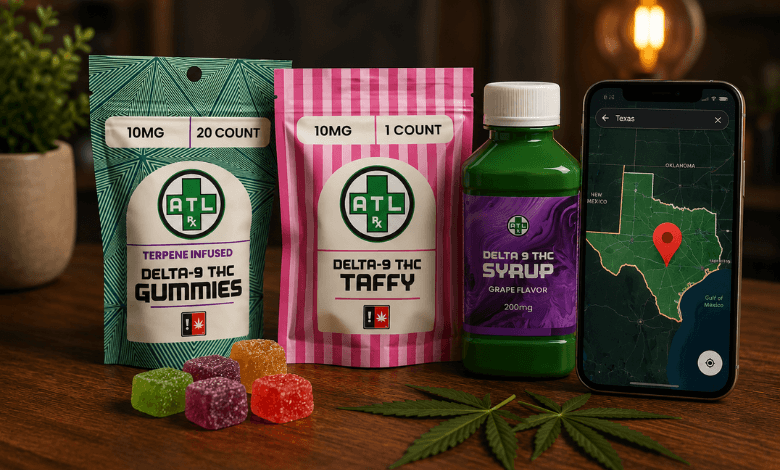
Delta 9 Availability in Texas:
Yes. Hemp-derived Delta 9 is legal to buy in Texas in August 2026. To qualify, a product has to come from hemp and test at 0.3% or less total THC on a dry weight basis. Texas has computed that figure as (0.877 x THCA) + Delta 9 since March 31, 2026, which is why the familiar “0.3% Delta 9” shorthand no longer describes the whole test. Gummies, edibles, beverages, and syrups all remain on the market. Buyers have to be 21 or older and show a government-issued ID. Four other cannabinoids, delta-8, delta-10, and THCP, lost their legal status when a DSHS scheduling change landed on July 31, 2026. Hemp vape products were removed earlier, under Senate Bill 2024, in September 2025. Recreational marijuana remains illegal.
If you have been searching for where to buy Delta 9 in Texas, you probably noticed the shelves look different from what they did last year. Stores that used to carry a wall of delta-8 carts now stock a much shorter list. That is not your imagination. Texas rewrote the rules twice in eighteen months, and most published guides never caught up.
We wrote this guide to fix that. Below you will find what is actually legal in Texas right now, where you can buy it, how to check a product before you pay, and what changes on the federal side later this year. We sell hemp-derived Delta 9 and ship to Texas, so we have a stake in this. We also have a strong reason to get the details right, because getting them wrong costs our customers money and puts them at risk.
Looking for the full legal breakdown instead? This page covers where and how to buy. Our companion guide, Is Delta 9 Legal in Texas?, walks through the statutes, the case history, and the enforcement details in depth.
Keep Browsing
Explore Our Delta 9 THC Categories
Shop real Delta 9 THC products and collections.

Key Takeaways
- 01Hemp-derived Delta 9 at 0.3% or less total THC by dry weight is still legal to buy, own, and ship in Texas.
- 02Four other cannabinoids, delta-8, delta-10, and THCP, moved onto the Texas controlled substances schedule at the end of July 2026.
- 03Vape products of every cannabinoid type came off Texas shelves a year earlier, under Senate Bill 2024.
- 04You have to be 21 or older, and sellers must check a government-issued ID.
- 05Edibles and beverages are the categories that remain legal in Texas right now, and online ordering gives you the clearest paper trail.
- 06A federal change under H.R. 5371 is scheduled for November 12, 2026, though a Senate stopgap advanced on August 3, 2026, would push most of it to December 11, 2026. Either way, it will reshape what ships nationwide.
Texas Delta 9 Status at a Glance
Here is the current picture in one place. Use this before you shop, not after.
| Product type | Status in Texas (August 2026) | The rule that controls it | Effective |
|---|---|---|---|
| Hemp Delta 9 gummies and edibles | Legal at 0.3% or less total THC by dry weight | Texas HB 1325, DSHS total THC rule | 2019, revised March 31, 2026 |
| Hemp Delta 9 syrups and liquids | Legal at 0.3% or less total THC by dry weight | Texas HB 1325, DSHS total THC rule | 2019, revised March 31, 2026 |
| Hemp Delta 9 beverages | Legal at 0.3% or less total THC by dry weight | Texas HB 1325, DSHS total THC rule | 2019, revised March 31, 2026 |
| CBD, CBG, and CBN | Unaffected, still sold | Health and Safety Code Ch. 443 | 2019 |
| Delta-8 THC | Scheduled, no longer sellable | DSHS schedule update | July 31, 2026 |
| Delta-10 THC | Scheduled, no longer sellable | DSHS schedule update | July 31, 2026 |
| THCP | Scheduled, no longer sellable | DSHS schedule update | July 31, 2026 |
| Hemp vapes, carts, disposables | Banned, Class A misdemeanor to sell | Senate Bill 2024 (89R) | Sept. 1, 2025 |
| THCA flower and smokable hemp | Restricted, contested in court | DSHS total THC rule | March 31, 2026 |
| Marijuana-derived Delta 9 | No recreational market exists | Health and Safety Code Ch. 481 | Ongoing |
The short version: if you want Delta 9 in Texas, you want an edible or a liquid, and you want a lab report showing it tested at or below 0.3% total THC.
How Texas Got Here: A Two-Year Timeline
Shopping safely does not require a law degree, but it helps to understand why the shelves changed. Every milestone below is sourced at the foot of this page.
| Date | What happened |
|---|---|
| June 2019 | Texas passes HB 1325, legalizing hemp and consumable hemp products at 0.3% Delta 9 or less. |
| June 2025 | Governor Abbott vetoes Senate Bill 3, which would have banned nearly all hemp THC in Texas. |
| Sept. 1, 2025 | Senate Bill 2024 kicks in, turning the retail sale of cannabinoid vapes into a Class A misdemeanor. |
| Sept. 10, 2025 | Governor Abbott issues Executive Order GA-56, directing state agencies to restrict hemp sales to adults 21 and older. |
| Sept. 23, 2025 | TABC adopts emergency rules for licensed retailers, with enforcement beginning October 1, 2025. |
| Early Oct. 2025 | DSHS emergency rules require 21+ ID verification at the point of sale. |
| March 31, 2026 | DSHS begins measuring compliance on a “total THC” basis, folding THCA into the 0.3% ceiling. |
| May 1, 2026 | In DSHS v. Sky Marketing Corp., the Texas Supreme Court dissolved the 2021 injunction that had blocked DSHS from classifying delta-8 as a controlled substance. |
| June 5, 2026 | The Fifteenth Court of Appeals turns down the hemp industry’s bid to reinstate its injunction. |
| July 31, 2026 | Delta-8, delta-10, and THCP officially become controlled substances in Texas. |
| Nov. 12, 2026 | Federal changes under H.R. 5371 are scheduled to take effect, narrowing the definition of hemp nationwide. A Senate stopgap advanced on August 3, 2026, would delay most of this to December 11, 2026. |
Notice what survived all of that. Hemp-derived Delta 9 at or below 0.3% total THC by dry weight is still standing. It is the one lane that stayed open through every round.
What “Legal Delta 9” Actually Means in Texas
This is where most people go wrong, so it is worth taking it slowly. Two separate questions matter here: which cannabinoids count, and what the percentage is measured against.
Which cannabinoids count: total THC, not Delta 9 by itself. Texas rules adopted on March 31, 2026, set the compliance figure at total THC = (0.877 x THCA) + Delta 9, with a 0.3% dry weight ceiling. Because heat turns THCA into Delta 9, roughly 88 percent of any THCA present is folded into the calculation. Any guide still telling you to check the Delta 9 line alone was written before this rule existed.
What it is measured against: total weight, not a milligram ceiling. The percentage is a ratio between the THC present and the entire dry weight of the product.
This is the reason a 10 mg gummy passes. Take a gummy of roughly 4 grams: 12 mg puts it exactly on the 0.3% line, and a heavier item can carry more while staying under the percentage. One caveat worth knowing: the standard is measured on a dry weight basis, and a gummy is typically 15% to 20% moisture, so the real allowance on a 4-gram gummy is closer to 10 mg than 12 mg. This is also why the federal change later this year matters so much. It adds an absolute milligram cap per container, and at that point, extra product weight stops buying headroom.
Two things follow from that:
- Milligrams alone tell you nothing about legality. A 10 mg gummy is not automatically legal, and a 5 mg gummy is not automatically compliant. Total product weight is what determines the percentage.
- Only the lab report settles it. A Certificate of Analysis carries the tested concentration. Packaging copy carries whatever the brand wants it to.
The total THC math bites hardest on raw flower and concentrates, where THCA runs high. Finished edibles rarely carry meaningful THCA, which is why gummies came through the rule change intact and smokable hemp did not.
Where to Buy Delta 9 in Texas: Your Four Real Options
You have four practical paths, and after July 31, they are no longer equal. ATLRx is an online seller, so the fourth one is ours. The other three are still real options, and below we say plainly where each of them works and where it does not.
1. Licensed Hemp Shops and Smoke Shops
Texas still has thousands of registered consumable hemp retailers. Many are still open and still stocking edibles.
What you should know: registration fees jumped sharply in 2026, from $155 per location to $5,000 per year for retailers, plus the state’s online processing fee. A number of smaller shops closed or narrowed their inventory. Some are still selling through old stock that is no longer compliant.
How to shop these safely: ask to see the DSHS registration, then ask for the COA on the specific batch you are holding. If the shop cannot produce either one, walk out. If you see delta-8 or THCP still on the shelf, treat that store as a red flag, because it tells you they have not updated since July.
2. Grocery, Liquor, and Convenience Stores
Hemp beverages and some lower-milligram edibles show up at gas stations, grocery chains, and liquor stores across Texas. TABC-licensed locations now have to verify that you are 21 or older.
What you should know: selection is thin, turnover is slow, and batch documentation is rarely posted. You are usually paying convenience-store markup for a product you cannot verify on the spot.
Use this when: you want one drink tonight, and you are comfortable with limited information. If you want a beverage with a published lab report behind it, order online instead.
3. Local Delivery Services
A handful of Texas operators run same-day or next-day delivery in Austin, Dallas, and Houston. They check ID at the door.
What you should know: coverage is patchy outside the big metros, minimums are common, and quality control varies widely between operators. Delivery is a distribution method, not a quality signal.
4. Buying Online and Shipping to Texas
This is where most Texans are landing in 2026, and it is what we would recommend for the majority of buyers.
Hemp-derived Delta 9 that meets the compliance standard can be shipped to Texas addresses through USPS and through UPS under its hemp enrollment program. You order, you verify your age, and it arrives at your door.
Why this works better right now:
- You can read the lab report before you spend a dollar. Every batch, every cannabinoid, every contaminant panel.
- Inventory moves faster. Online sellers turn stock, so you are less likely to get a product manufactured under the old rules.
- Pricing is often better. You are not paying a storefront’s margin on top of the distributor’s.
- You end up with a paper trail. An order confirmation, a batch number, and a lab report you can open on your phone.
Mentioned In This Article
What to Check Before You Buy Anything
We would rather you buy from a competitor who does this correctly than from anyone who does not. Here is the checklist we use ourselves.
Read the Certificate of Analysis
A COA is an independent lab’s report on one specific production batch, and no other document in this category tells you as much. Reading one is simpler than it looks.
- Start with the batch number. It should be identical on the package and on the report. A mismatch means you are looking at paperwork for something else.
- Check the date. Reports older than about a year are stale. Look for something recent.
- Find the total THC line, not just Delta 9. Texas compliance is (0.877 x THCA) + Delta 9, capped at 0.3% by dry weight. A report that shows a low Delta 9 number but a high THCA number is not compliant here. If the lab reports both separately, do the math.
- Scan the full cannabinoid panel. If you see delta-8, delta-10, or THCP listed at meaningful levels, that product is a problem in Texas as of July 31, 2026.
- Look for the safety panels. A complete report covers pesticides, heavy metals, residual solvents, microbials, and mycotoxins. Some panels are conditional, such as residual solvents on solvent-extracted products, but missing panels are missing information.
- Confirm the lab is independent. The report should carry an outside lab’s name, license, and contact details, not just the brand’s logo.
Read the Label
The package should tell you the serving size in milligrams, the number of servings, the total contents, the batch or lot number, the manufacturer, and a scannable QR code that resolves to the lab report. Texas labeling rules also apply to registered consumable hemp goods. Anything vague or hand-applied is worth skipping.
Delta 9 Options That Still Work in Texas
Since edibles and liquids are the surviving categories, here is how the formats compare. Each of these is sold as a compliant hemp product with a published lab report you can read before you order, and none of them belong in the vape category that Texas banned.
Our own catalog of hemp-derived Delta 9 THC Products is built around exactly these formats, because they are the ones that hold up under the current rules.
Gummies
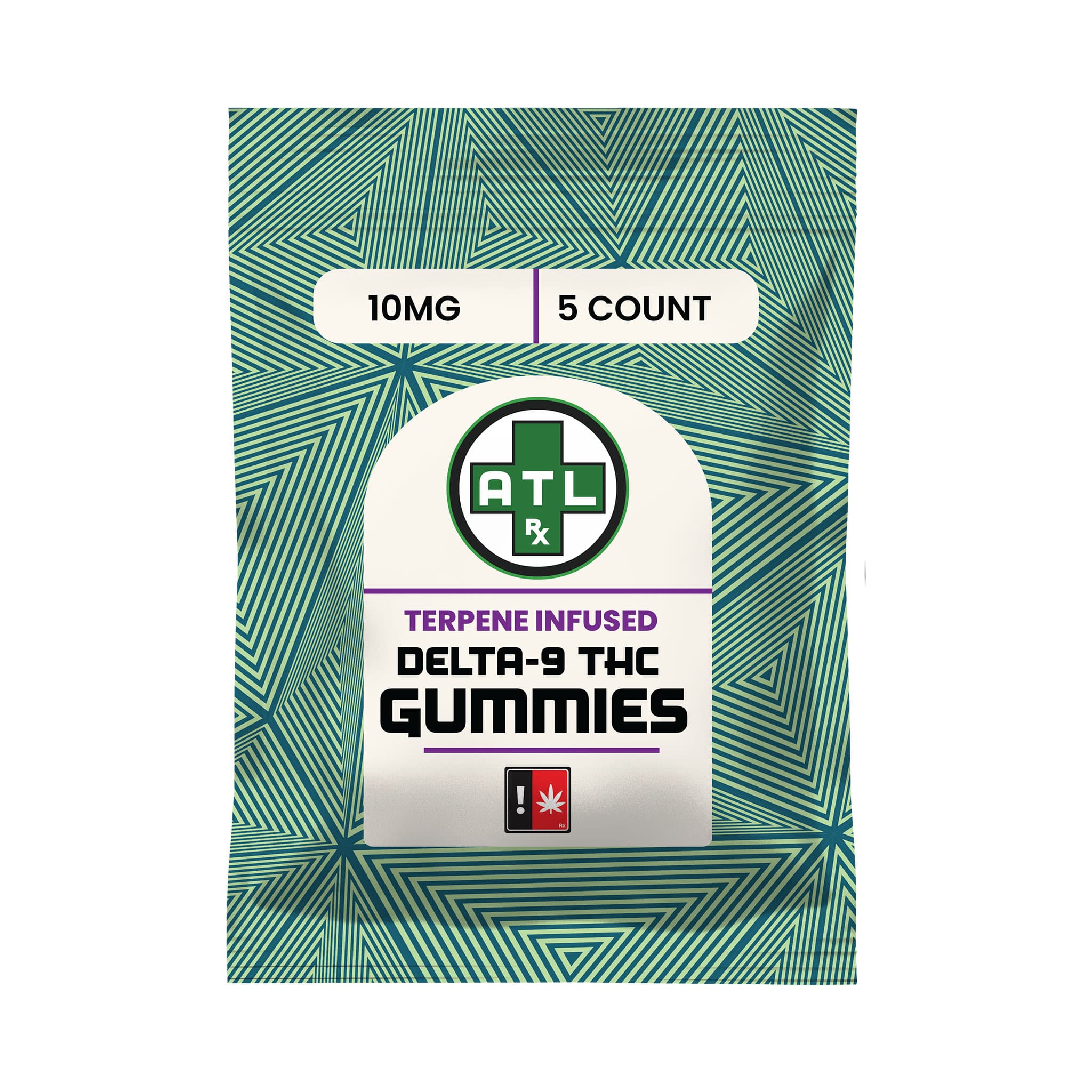
Gummies are the default choice for a reason. Portioning is simple, flavor is consistent, and the milligram count is printed on the package.
Our Delta 9 THC Gummies come in 10 mg pieces across three terpene profiles: Mango, Pineapple Express, and Watermelon. Terpene profiles describe aroma and flavor, not effect. Pack sizes run from 5 to 20 count, with pricing from $14.99 to $49.99. Each piece is 10 mg and can be split if you want a smaller serving.
Best for: anyone buying for the first time, anyone who wants a portion that never varies, and travel within the state.
Caramels
Caramels are softer than gummies and easier to break into halves or quarters, which gives you finer control over serving size.
Our Delta 9 THC Caramels come in 10 mg pieces and sell from single caramels at $4.99 up to bulk bags at $69.99. Buying one piece to try before committing to a bag is a genuinely useful option, and not many brands offer it.
Best for: people who want to fine-tune portions, and anyone testing a format before buying volume.
Taffy
Taffy sits between a gummy and a caramel in texture. It chews longer, and the pieces are easy to divide.
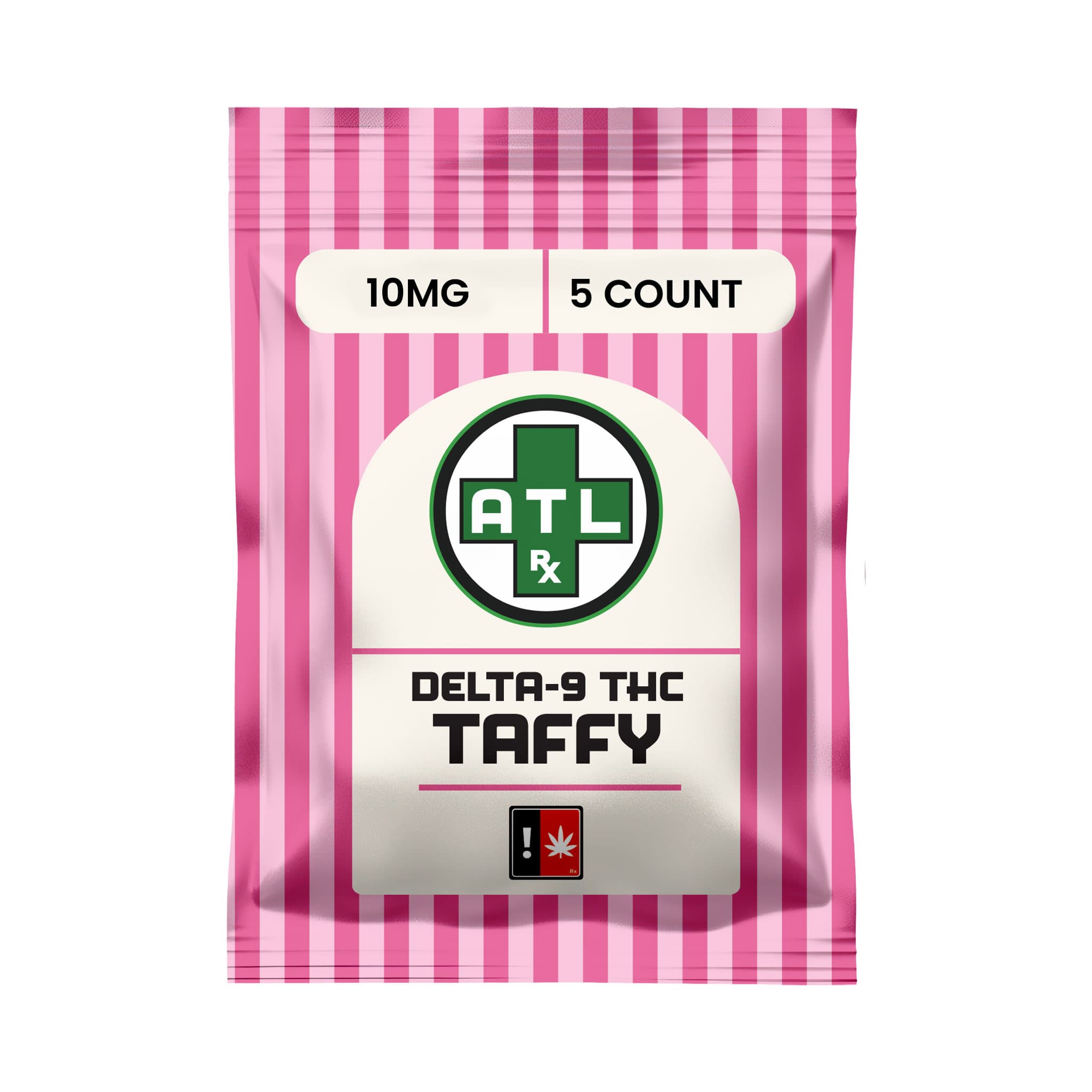
Our Delta 9 Taffagummy runs 10 mg per piece with the same $4.99 to $69.99 range, so you can buy a single piece before committing to a bulk bag.
Best for: buyers who find gummies too firm or caramels too soft.
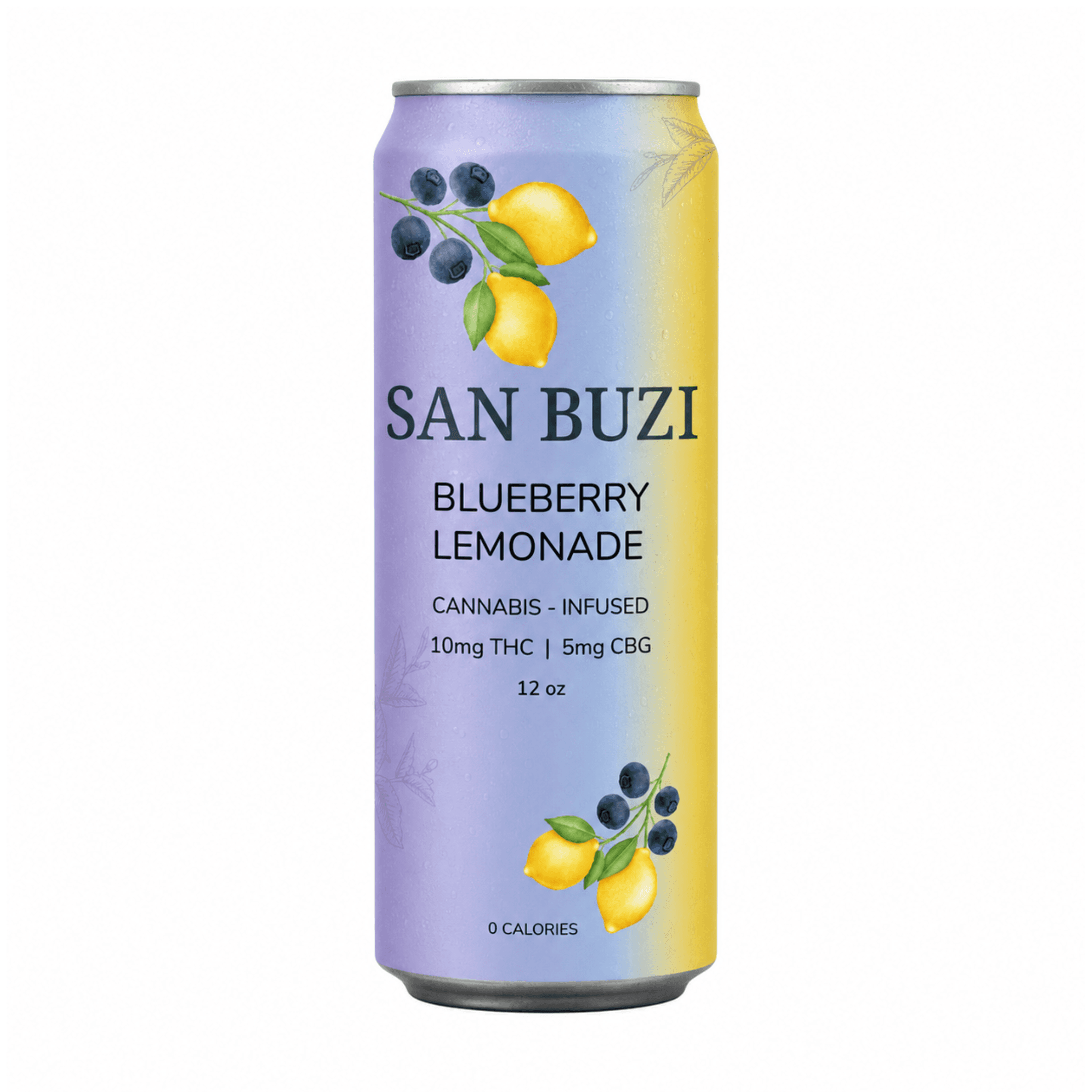
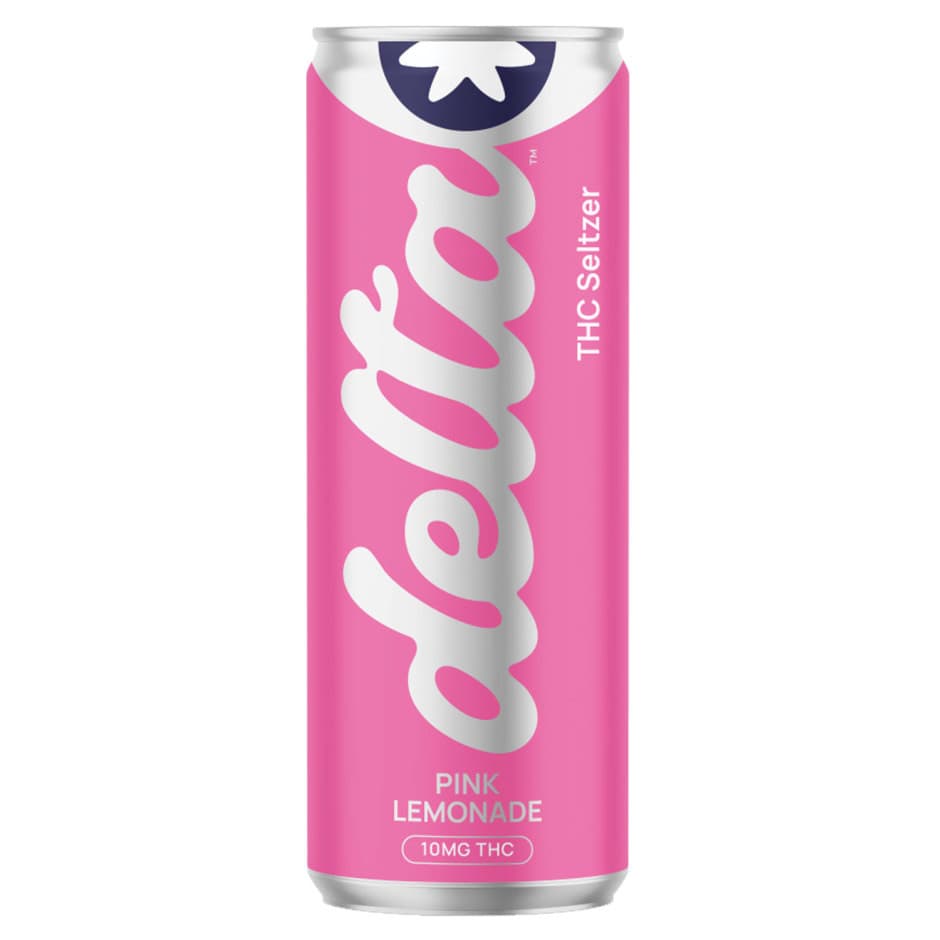
Beverages
Seltzers and sodas are the fastest-growing hemp format in Texas, and they are already portioned by the can.
We ship compliant Delta 9 beverages to Texas with age verification at checkout. The lineup runs from single cans around $5.99 up to cases, and includes seltzers, a live resin seltzer, and lemonade and soda options. Our Texas THC drinks page lists what ships to the state.
Best for: buyers who want a single-serving format, and anyone who prefers a drink to an edible.
Syrup
Liquids let you pour your own serving instead of accepting a fixed piece count. That is the main advantage.
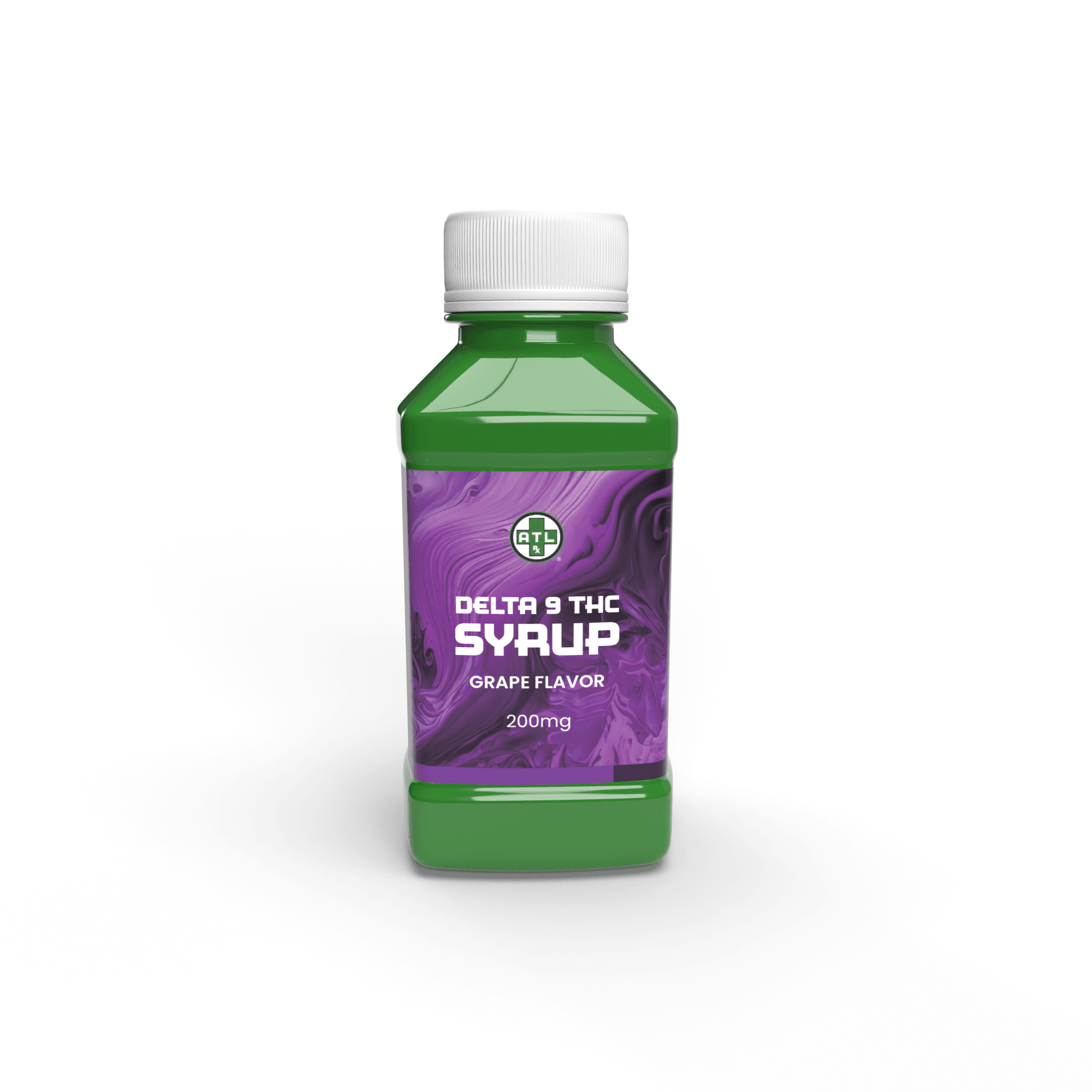
Our Delta 9 THC Syrup comes in 2 oz, 4 oz, and 8 oz bottles, priced from $29.99 to $94.99. Milligram totals differ by bottle size, so check the label and the lab report for the size you are buying. You measure your own serving, which means you are not locked to 10 mg increments.
Best for: buyers who want to measure their own serving size, and anyone who prefers a longer-lasting bottle to a fixed piece count.
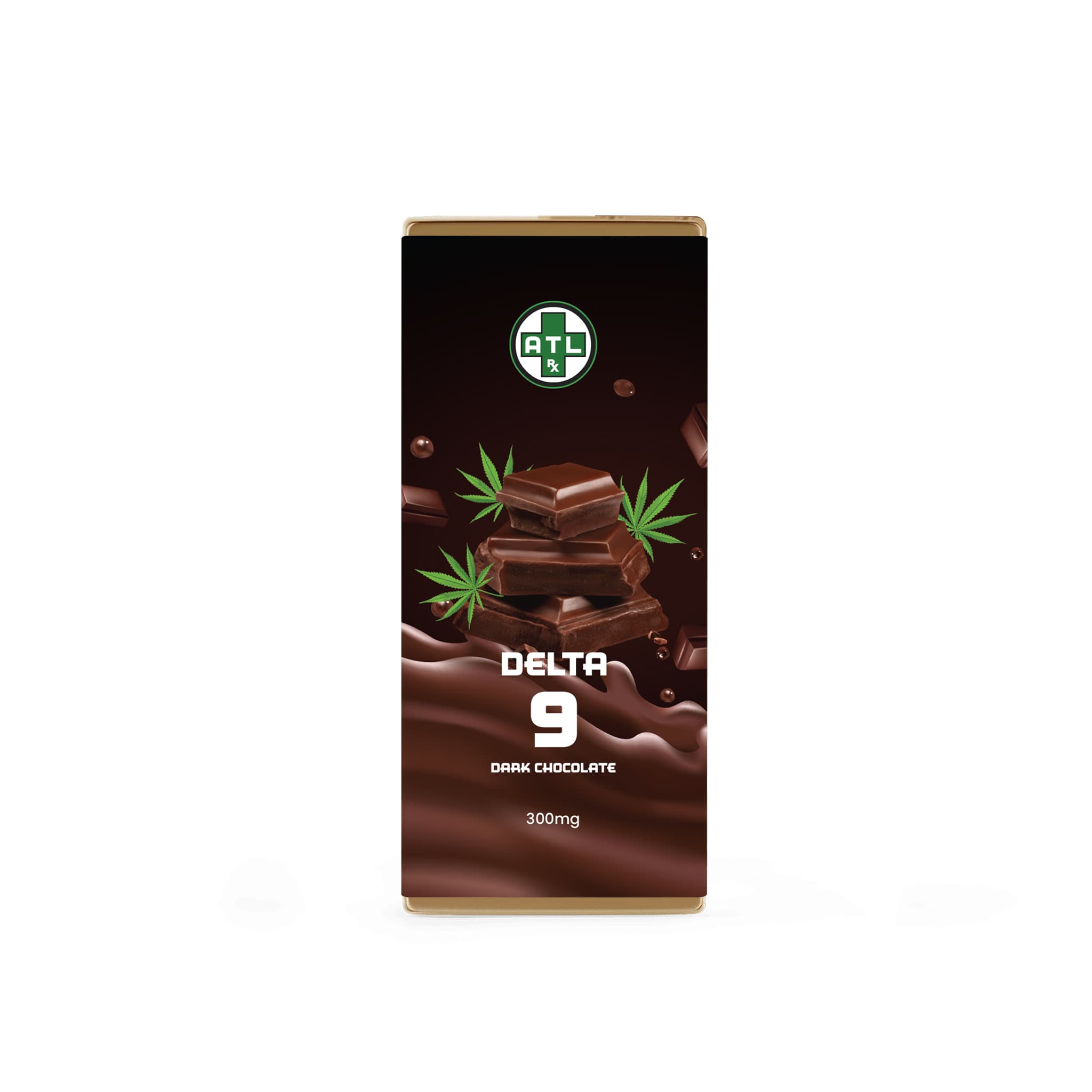
Chocolate Bars
A bar gives you one item instead of a bag of pieces, and the segments are already portioned for you.
Our Delta 9 bars are 300 mg per bar at $54.99, scored into 16 pieces, in Milk, Dark, and Cookies and Cream.
Best for: buyers who want a single item rather than a multi-piece pack.
Sampler Packs
If you are not sure which format suits you, a sampler is cheaper than buying three full packs.
Our Edible Explorer Pack is a five-count sampler at $84.99.
Best for: first-time buyers deciding between formats.
Serving Sizes and How Products Are Portioned
A compliant product states its contents on the package, so the label is worth reading at the point of purchase rather than at home. The table below compares how each format divides up, which really comes down to how much say you want over portion size.
| Format | How is it portioned | Milligrams stated on the label |
|---|---|---|
| Gummies | Fixed pieces can be split | 10 mg per piece |
| Caramels | Soft pieces, easy to divide | 10 mg per piece |
| Taffy | Soft pieces, easy to divide | 10 mg per piece |
| Syrup | Measured by the user | Varies by bottle size; check the label |
| Chocolate bars | Scored into 16 pieces | 300 mg per bar |
Follow the serving size printed on the label of the specific product you bought, and do not exceed it. Serving preferences differ from person to person, so buy a small pack or a single piece before you commit to a bulk size.
Follow the serving size printed on the label of the specific product you bought, and do not exceed it. Serving preferences differ from person to person, so buy a small pack or a single piece before you commit to a bulk size.
Please read before use. These are intoxicating products for adults 21 and older. Do not exceed the serving size on the label. Do not combine with alcohol. Do not drive or operate machinery after use. Keep out of reach of children and pets. If you have a medical condition, are pregnant or nursing, or take prescription medication, talk to your doctor before using any hemp product.
Age Rules, ID Checks, and Where You Can Use Them
Executive Order GA-56 and the DSHS emergency rules that followed set a clear floor. Anyone under 21 cannot buy consumable hemp products in Texas, and sellers must verify a valid government-issued ID showing the buyer is 21 or older. DSHS and TABC both enforce this, and penalties for retailers include license revocation.
A few other practical points:
- There is no statewide right to consume hemp THC in public. TABC rules bar consumption at licensed retailers, and since June 22, 2026, licensees cannot allow hemp consumption anywhere alcohol consumption is prohibited. Local ordinances and smoking laws apply on top of that. Keep using private.
- Driving under the influence of Delta 9 is impaired driving under Texas law, the same as alcohol.
- Keep products in their original, labeled packaging when you transport them.
- Delta 9 registers on routine THC screening. The molecule is identical whether it started in hemp or in marijuana, and no urine test can tell the two apart. If you are subject to testing at work, this is the single most important thing on this page for you. Our guide on whether Delta 9 shows up on a drug test covers detection windows in detail.
- Employers in Texas may set their own policies regardless of state legality.
Shop Delta 9
View all →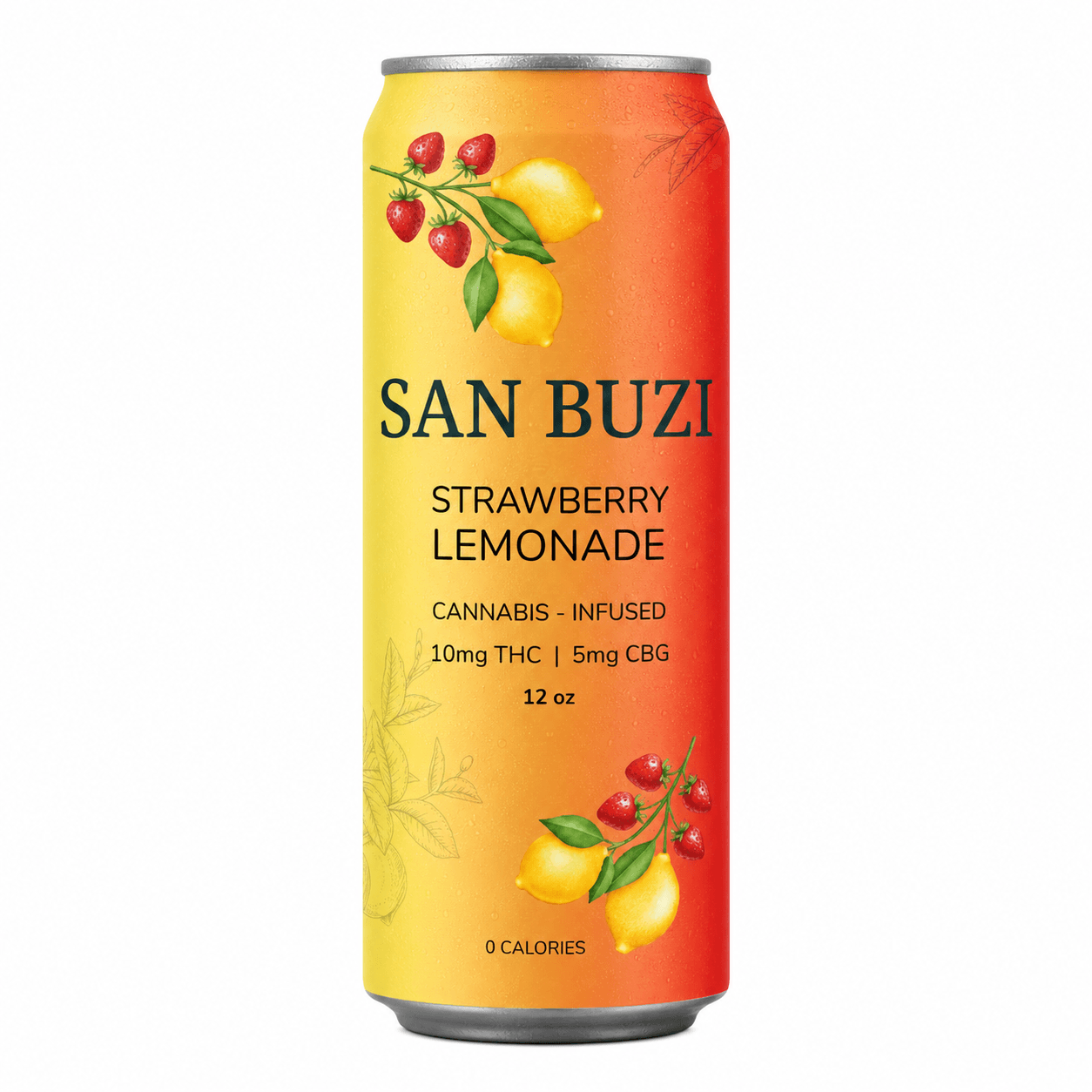

What Changes Under the New Federal Hemp Law
This is the part almost no other guide covers properly, and it matters more than anything happening at the state level.
Public Law 119-37, better known as H.R. 5371, was signed on November 12, 2025. Its hemp language sits at Section 781 and was drafted to take effect twelve months afterward. Three changes to the federal hemp definition matter here.
- The measurement moves to total THC. Rather than reading Delta 9 in isolation, the revised definition tallies total tetrahydrocannabinols, THCA included, against the same 0.3% dry weight threshold.
- It adds a per-container cap. Finished products are limited to 0.4 milligrams per container, counting total THC plus other cannabinoids that have similar effects, combined. A container means the innermost package enclosing the product as sold.
- It excludes synthetics. Cannabinoids that are synthetically manufactured, or that cannabis cannot produce naturally, fall outside the hemp definition entirely.
That 0.4 mg per container figure is the headline. Most 10 mg edibles sold today would not meet it. The FDA is responsible for implementation, including publishing lists of covered cannabinoids and defining what counts as a container. Those lists were due by February 10, 2026, and had not been published as of this writing, which the Congressional Research Service publicly noted in May 2026.
That date is not locked in. A stopgap measure circulated in the Senate on August 2, 2026, would push most of these restrictions back to December 11, and senators moved it forward on an 89 to 4 vote the following day. Synthetics would lose hemp status in November regardless. The House has not taken it up, and no signature has happened, so treat none of it as settled. Separate bills in play would delay the provision further or strike it altogether.
What we would do with that information: treat the current market as a defined window rather than a permanent state. Note that the active court challenges are against state-level bans, including a federal suit filed against Texas officials in early August 2026. We have not seen a challenge to the federal provision itself. If there is a product you rely on, it is reasonable to plan ahead rather than assume nothing will change. We will update this guide by October 1, 2026, with whatever the picture looks like then.
Where to Buy Delta 9 in Texas: The Bottom Line
You still have good options in Texas, but the list is shorter and more specific than it was a year ago.
Buy edibles and liquids, not vapes. Buy Delta 9, not Delta-8 or THCP. Buy from a seller who publishes batch-level lab reports you can read before you check out. Verify the batch number, confirm the total THC reading is 0.3% or less, and keep the product in its original packaging.
A good shop is still a good option, provided you ask the right questions at the counter. For most buyers, though, ordering online wins on inventory age, range, documentation you can actually check, and price.
If you want to start there, our Delta 9 collection ships to Texas with third-party lab results published for every batch.
Frequently Asked Questions
Is Delta 9 Still Being Sold in Texas?
+
Yes. Hemp-derived Delta 9 at 0.3% or less total THC by dry weight is still sold in Texas stores and shipped to Texas addresses. The July 31, 2026, rule change removed delta-8, delta-10, and THCP from the market. It did not touch compliant hemp Delta 9.
Is Delta 9 Still Legal in Texas after July 31, 2026?
+
Yes, if it is hemp-derived and tests at 0.3% or less total THC by dry weight, calculated as (0.877 x THCA) + Delta 9. The rule change targeted other THC isomers, not Delta 9.
Where Is Delta 9 Legal to Buy in Texas?
+
Registered consumable hemp retailers, TABC-licensed stores carrying hemp beverages, licensed delivery services in the major metros, and online sellers that ship compliant hemp products to Texas addresses. All of them must verify you are 21 or older.
Can I Buy Just Delta 9 Without Other Cannabinoids?
+
Yes. Many products are formulated with Delta 9 as the only cannabinoid. Check the cannabinoid panel on the COA to confirm what is actually in the batch.
Can I Still Buy Delta-8 in Texas?
+
No. Delta-8 became a controlled substance in Texas on July 31, 2026, after the Texas Supreme Court dissolved the 2021 injunction that had blocked DSHS from scheduling it. Stores still selling it are out of compliance.
Can I Buy Delta 9 Online and Have It Shipped to My Texas Address?
+
Yes. USPS carries compliant hemp Delta 9, and UPS will too under its hemp enrollment program. FedEx bars THC products outright, so rule it out. Expect an age gate before you can pay.
How Old Do I Have to Be?
+
You must be 21 years or older. Sellers must check a valid government-issued ID under Executive Order GA-56 and the DSHS and TABC rules that follow.
Do I Need a Medical Card?
+
No. Hemp-derived Delta 9 is sold to adults 21 and older as a consumer product. Texas separately operates a Compassionate Use Program, which is an unrelated medical program with different products and its own eligibility rules.
Will Delta 9 Show up on a Drug Test?
+
Yes. Routine screening picks up Delta 9 metabolites, and the assay has no way to identify which plant they came from. Anyone tested at work should plan around that.
How Do I Know a Product Is Actually Compliant?
+
Three checks. The batch number on the package has to match the one on the Certificate of Analysis. The total THC figure has to read 0.3% or lower on a dry weight basis. And nothing on the cannabinoid panel should be a scheduled substance in Texas.
What Happens on November 12, 2026?
+
That is the scheduled switch-on date for the H.R. 5371 hemp language: a total THC measurement plus a hard ceiling of 0.4 milligrams per container on finished goods. Very little of what sits on shelves today would clear it. A Senate stopgap moved forward on August 3, 2026, that would push most of the change to December 11, though it has not become law, so this is worth rechecking.
Can I Drive with Delta 9 in My Car in Texas?
+
You can transport it, and we suggest keeping it sealed and labeled with the COA accessible. Driving while impaired is a separate offense, and Texas treats it seriously.
Disclaimer: These statements have not been evaluated by the Food and Drug Administration. These products are not intended to diagnose, treat, cure, or prevent any disease for adults 21 and older only. Delta 9 THC is intoxicating and will show up on a standard THC drug test.
Why Trust This Guide
- ATLRx has sold third-party lab-tested hemp products out of Georgia since 2019.
- Every real batch we sell is tested by an accredited outside lab, with the Certificate of Analysis published before you buy.
- We operate 3 real physical stores in Georgia — this isn't a drop-shipped storefront.
- Legal information is rechecked and updated as rules change, not published once and forgotten.
Don't Trust the Label. Check the Lab.
ATLRx publishes third-party Certificates of Analysis for real batches so you can verify cannabinoid content before you buy — not just take the package's word for it.
View Lab Results →Have Questions?
Visit an ATLRx store in Georgia and talk to our team.
Real Customers, Real Reviews
What Customers Are Saying
“Product was smooth and mellow. Quite nice!”
“Exactly what was promised excellent product”
“Really nice high”

Jen Hight
Cannabis Industry Expert & Compliance Specialist Jen Hight is a cannabis industry professional with extensive experience in hemp compliance, product development, and consumer education. With a background in regulatory affairs and a passion for helping consumers navigate the complex world of cannabinoids, Jen provides accurate, up-to-date information on hemp legality and best practices. Her work focuses on making cannabis knowledge accessible while ensuring readers understand both the opportunities and responsibilities that come with legal hemp products.
View all articles →Keep Learning

Where to Buy Delta 9 in Oklahoma?
Delta 9 Availability in Oklahoma: Yes. Delta 9 THC derived from hemp is legal in Oklahoma starting in 2026 for adults 21 and older. It must be made from hemp, not marijuana, and contain less than 0.3% Delta-9 THC by dry weight. Medical marijuana does not require a card. You can buy it online or […]
Aug 5, 2026 · 23 min read

Where to Buy Delta 9 in Iowa?
Delta 9 Availability in Iowa: Yes, hemp-derived Delta 9 is legal in Iowa in 2026, but only if it follows the state’s rules. Consumable hemp products cannot contain more than 4 mg of total THC per serving and 10 mg of total THC per container. The product also has to come from legal hemp, be […]
Aug 4, 2026 · 25 min read

Where to Buy Delta 9 in South Carolina?
Delta 9 Availability in South Carolina: A hemp-derived Delta 9 THC product that contains no more than 0.3% Delta 9 THC by dry weight is currently legal for sale in South Carolina under the 2018 Farm Bill and South Carolina’s Hemp Farming Act (Chapter 55, Title 46 of the SC Code). Marijuana-derived Delta 9 remains […]
Jul 30, 2026 · 18 min read
Is Delta 9 Legal in Massachusetts? Complete 2026 Legal Guide
Delta 9 Legal Status in Massachusetts : Yes. In 2026, Delta 9 THC is legal in Massachusetts, but the rules depend on where you shop. If you are asking, “Is Delta 9 legal in Massachusetts?” the short answer is yes, with important limits you need to understand before you buy in 2026. Both hemp-derived and […]
Jul 29, 2026 · 23 min read
Stay Informed
New product releases, hemp law updates, and useful cannabinoid guides.