Is Delta 9 Legal in Alabama? 2026 State Law Explained
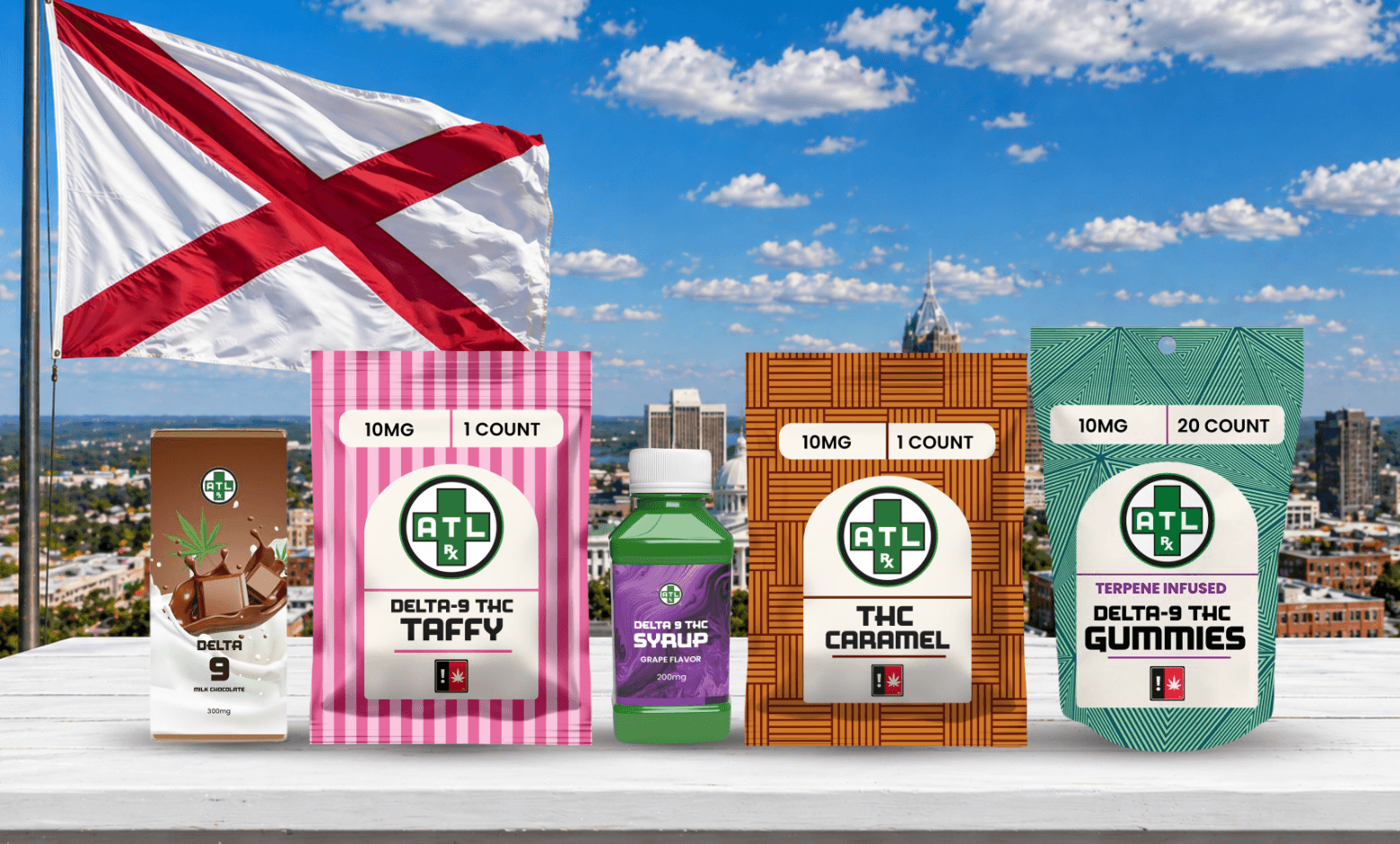
Delta 9 Legal Status in Alabama:
Yes, Delta-9 THC derived from Hemp will be legal in Alabama in 2026 for adults 21 and older if the product contains 0.3% or less Delta-9 THC by dry weight, is sold in a non-smokable format (edibles, tinctures, beverages, topicals, or capsules), and is purchased in person from a retailer licensed by the Alabama Alcoholic Beverage Control (ABC) Board. Delta 9 derived from marijuana is still a controlled substance under Alabama Code Section 20-2-2(14).
The question “Is Delta 9 legal in Alabama?” has a layered answer in 2026, and that answer has changed meaningfully since Governor Kay Ivey signed House Bill 445 into law in May 2025. Delta 9 THC derived from Hemp remains legal for adults 21 and older when it meets the 0.3% dry-weight limit, but how, where, and in what form it can be sold in Alabama is now strictly regulated by the Alabama Alcoholic Beverage Control (ABC) Board.
This ATLRx guide walks through everything Alabama consumers need to know about Delta 9 in 2026: the federal baseline under the 2018 Farm Bill, the full history of Alabama’s hemp laws from SB 225 (2019) through HB 445 (2025), plus the failed Senate Bill 1 and SB 321 from the 2026 Regular Session, the product categories that remain legally available, the serving caps and retail rules under HB 445, the penalties for non-compliant products, and the already-enacted federal HR 5371, whose hemp provisions take effect November 12, 2026, and could reshape the market again later that year.
The ATLRx Compliance & Education Team reviews every Alabama state law resource against primary statutory sources, Alabama ABC Board guidance, and the most recent legislative session results.
Keep Browsing
Explore Our Delta 9 THC Categories
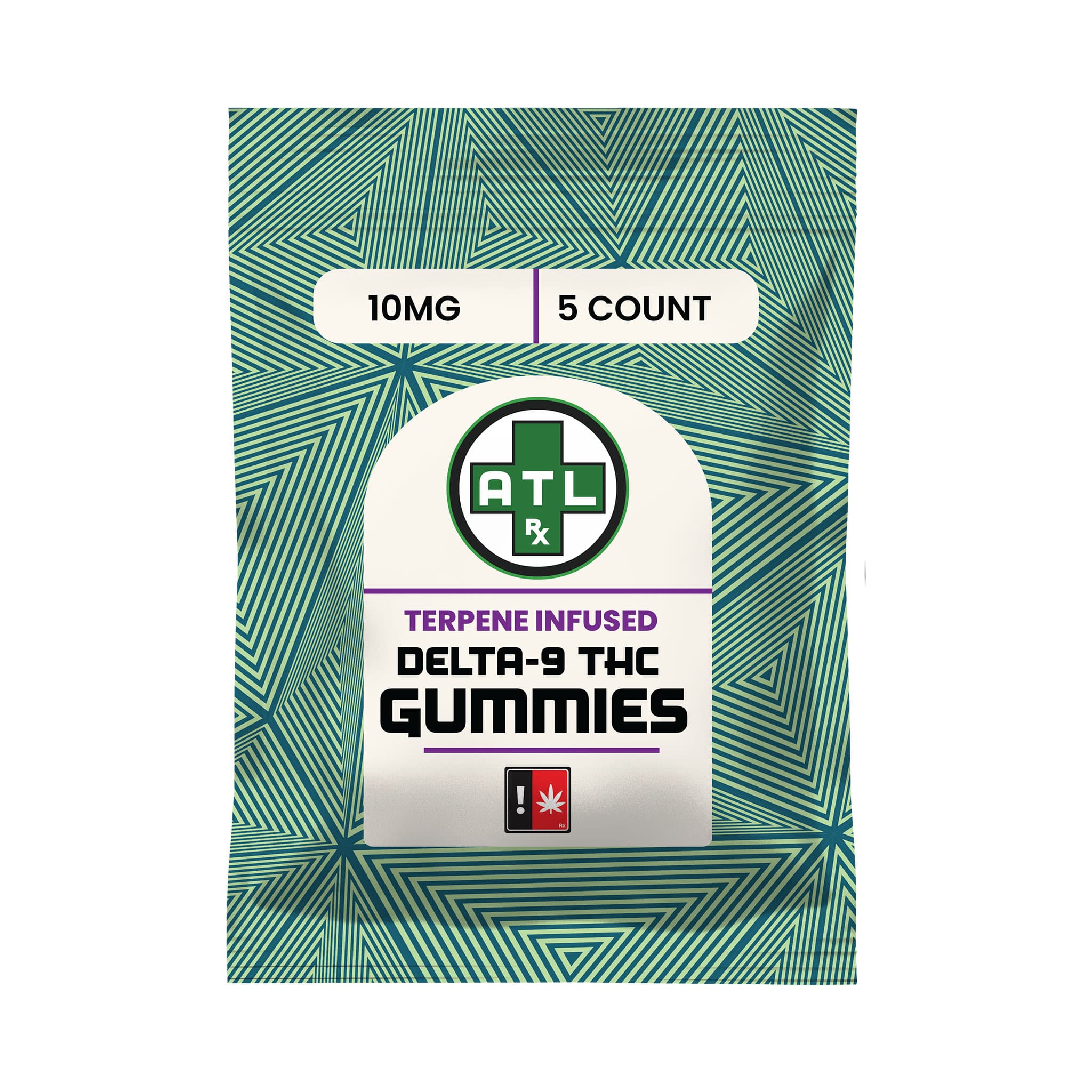
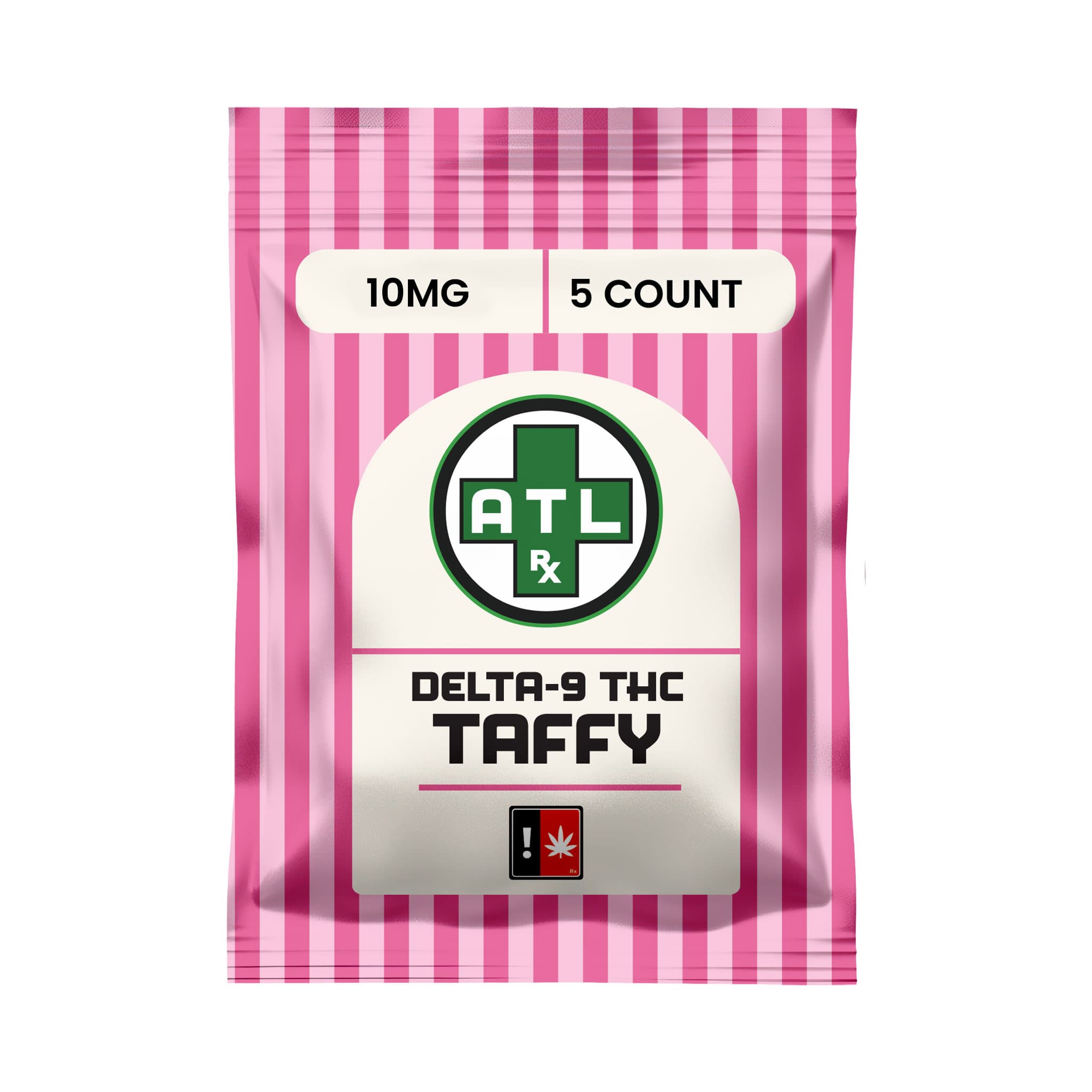
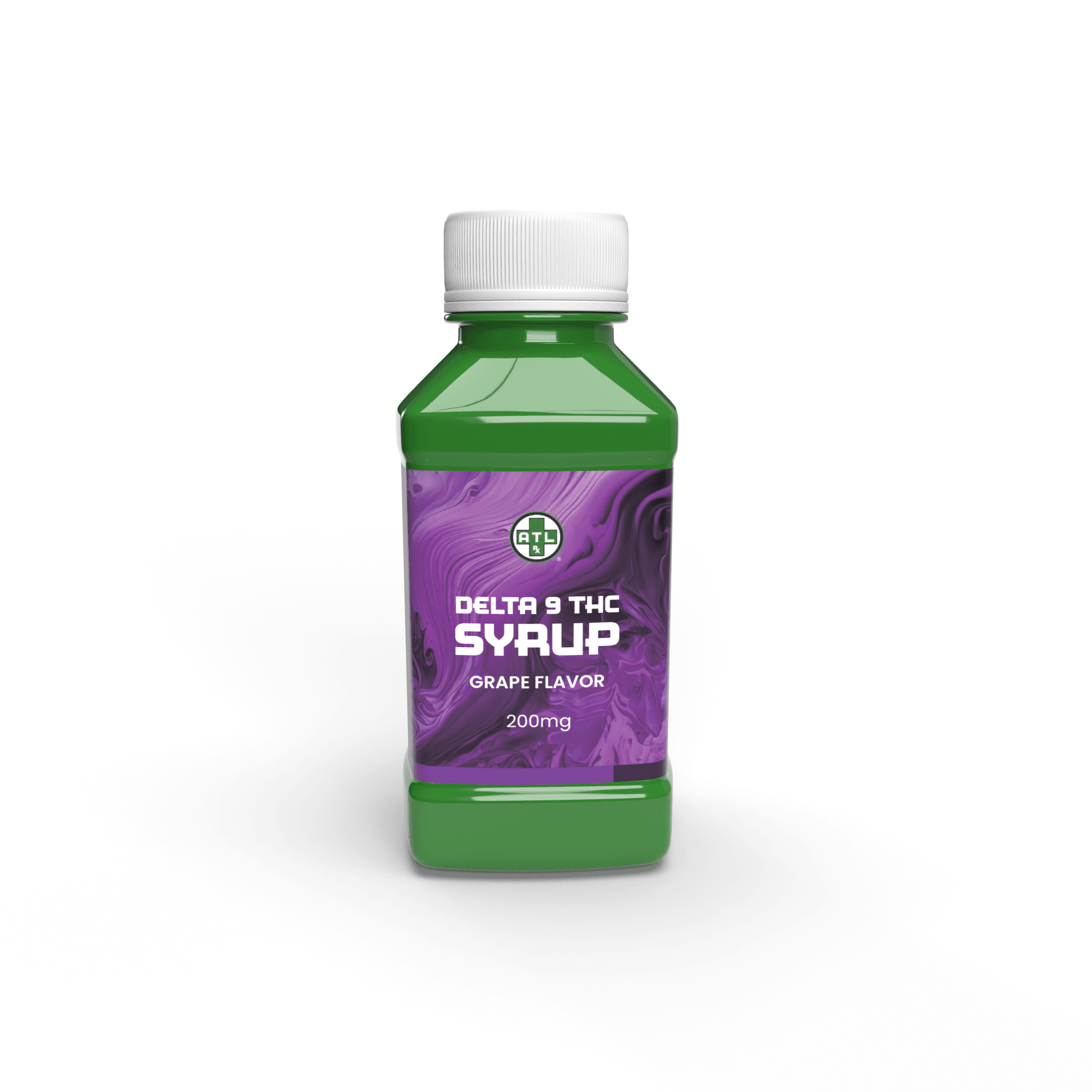
Shop real Delta 9 THC products and collections.

Key Takeaways
- 01Delta-9 THC derived from Hemp that contains 0.3 percent or less Delta-9 THC by dry weight is legal in Alabama for adults 21 and older in non-smokable formats.
- 02Delta 9 derived from marijuana is still a controlled substance under Alabama Code Section 20-2-2(14); recreational marijuana is not legal in Alabama.
- 03HB 445 banned all smokable hemp products statewide, effective July 1, 2025, with full licensing, labeling, and potency rules taking effect January 1, 2026.
- 04Consumable hemp edibles are capped at 10 mg total THC per serving and 40 mg per container; beverages are capped at 10 mg total THC per 12-fluid-ounce serving, with only one serving permitted per container under the Alabama ABC Board’s adopted rules (Chapter 20-X-32).
- 05Consumable hemp products may only be sold by retailers licensed by the Alabama Alcoholic Beverage Control Board; online sales, delivery, drive-thrus, and vending machines to Alabama addresses are prohibited.
- 06Retailers pay an annual $1,000 licensing fee; Alabama collects a 10% excise tax on consumable hemp sales; civil fines for noncompliance can reach $20,000.
- 07Smokable hemp violations can be prosecuted as a Class C felony, carrying 1 to 10 years imprisonment and fines up to $15,000.
- 08Alabama SB 1, introduced in January 2026, would have reclassified certain hemp-derived cannabinoids as Schedule I, but it did not pass the 2026 Regular Session.
- 09Federal HR 5371, enacted November 12, 2025, imposes a 0.4 mg total THC per-container cap on finished hemp-derived cannabinoid products. The hemp provisions take effect on November 12, 2026, and if implemented as written, would effectively displace Alabama’s current 10 mg per-serving framework for most products.
Is Delta 9 THC Legal in Alabama?
Yes. Delta 9 THC is legal in Alabama if it meets all of the following conditions:
- The product is derived from Hemp, not marijuana.
- The amount of Delta-9 THC in it cannot exceed 0.3% by dry weight.
- It is sold in a non-smokable form (edible, tincture, beverage, topical, capsule).
- It is purchased in person from an ABC Board-licensed retailer in Alabama.
- The purchaser must be 21 years of age or older.
Any Delta 9 THC product that falls outside those conditions, such as hemp flower, a pre-roll, a vape cartridge, or a purchase from an unlicensed online seller shipping to an Alabama address, is not legal in the state as of 2026.
What Is Delta 9 THC?
It is commonly referred to as Delta-9 THC, one of the primary cannabinoids in the Cannabis sativa plant. The concentration of Delta-9 THC is the measure federal and Alabama law use to distinguish legal Hemp from controlled marijuana. Because Delta-9 THC occurs in both hemp and marijuana varieties of cannabis, the source of the compound is what controls its legal status. Hemp-derived Delta 9 that meets the 0.3% dry-weight limit is treated very differently under Alabama law than marijuana-derived Delta 9.
Federal Baseline: The 2018 Farm Bill
The Agricultural Improvement Act of 2018, commonly known as the 2018 Farm Bill, excluded Hemp from the federal Controlled Substances Act’s definition of marijuana, removing federally compliant Hemp from Schedule I status. Hemp is defined as Cannabis sativa L. derivatives with no more than 0.3% Delta-9 THC by dry weight. Under this federal definition, hemp-derived Delta 9 THC became federally legal when it meets the 0.3% threshold.
Importantly, the Farm Bill did not establish national rules for finished consumer products. That left states free to create their own frameworks for labeling, potency, sales channels, and age restrictions, which is exactly what Alabama has done.
Alabama’s Hemp Law Timeline
2019: Senate Bill 225
Governor Kay Ivey signed Alabama SB 225 (sponsored by Sen. Tim Melson, R-Florence) in July 2019, aligning state law with the 2018 Farm Bill. The law removed Hemp and hemp-derived cannabinoids meeting the 0.3% Delta-9 THC threshold from Alabama’s controlled substances list and authorized the Alabama Department of Agriculture and Industries (ADAI) to oversee the state hemp program.
2023: Age-Gating of Psychoactive Hemp Cannabinoids (Act No. 2023-169)
Alabama enacted Act No. 2023-169 (SB 66), sponsored by Senator Tim Melson (R-Florence) and Representative Russell Bedsole (R-Alabaster), effective August 1, 2023. The law prohibited the sale, distribution, marketing, and possession of psychoactive hemp-derived cannabinoids (including Delta 8 and Delta 10) to anyone under 21, and required those products to be kept behind the counter in child-resistant packaging—signaling the legislature’s interest in closing perceived gray areas around Delta 8, Delta 9, and similar cannabinoids.
2025: House Bill 445 Signed Into Law
On May 14, 2025, Governor Kay Ivey signed HB 445, sponsored by State Representative Andy Whitt (R-Harvest). As a result of HB 445, consumable hemp products are now regulated by the Alabama Alcoholic Beverage Control (ABC) Board, which is the biggest overhaul of Alabama’s hemp industry since 2019. HB 445 took effect in two phases:
- July 1, 2025: Smokable hemp ban became enforceable statewide.
- January 1, 2026: Full licensing, testing, labeling, THC per-serving caps, and retail channel rules became enforceable.
2026: Senate Bill 1 Introduced, Then Stalled
On January 13, 2026, Senator April Weaver (R-Brierfield) introduced Alabama SB 1. The bill would have removed the Schedule I exemption for psychoactive hemp-derived cannabinoids (including hemp-derived Delta 8, Delta 9, and Delta 10 products), reclassifying them as Schedule I controlled substances, and would have limited non-psychoactive cannabinoid consumables (such as CBD products) to pharmacy-only sales. A companion bill, SB 321, was filed on February 24, 2026, by Senator Tom Butler (R-Huntsville) with a similar approach. According to the Alabama Cannabis Coalition’s April 16, 2026, legislative recap, SB 1 died in the Senate without ever reaching committee, and SB 321 also failed to advance. Similar legislation is expected to return in future sessions.
What HB 445 Changed for Delta 9 in Alabama
HB 445 is the single most important piece of legislation for understanding whether Delta 9 is legal in Alabama in 2026. Here are the five changes that matter most for consumers.
Smokable Hemp Banned
Inhalable and smokable hemp products, such as hemp flower, pre-rolls, hemp cigarettes, hemp cigars, and hemp joints, are prohibited. Violations can be prosecuted as a Class C felony.
Serving Size and Potency Caps
For consumable hemp products that contain Delta 9 THC:
- Edibles: Capped at 10 mg total THC per serving and 40 mg total THC per container.
- Beverages: Capped at 10 mg total THC per serving, with a serving size not exceeding 12 fluid ounces. Under the Alabama ABC Board’s adopted rules (Chapter 20-X-32-. 04, effective January 1, 2026), hemp beverages cannot contain more than one serving per container, and cartons cannot contain more than four 12-ounce containers.
Licensing and Sale Channels
The Alabama Alcoholic Beverage Control Board (ABC Board) licenses only retailers to sell consumable hemp products. Alabama collects a 10% excise tax on consumable hemp sales, and retailers must pay an annual licensing fee of $1,000. In the event of noncompliance, civil fines of up to $20,000 can be imposed, as well as permanent revocation of licenses.
Online Sales, Delivery, and Vending Prohibited
HB 445 bans online ordering, direct-to-consumer shipping, delivery, drive-thru sales, and vending machine sales of consumable hemp products to Alabama addresses. All purchases must be made in person at a brick-and-mortar retailer.
Age Restriction, Labeling, and Testing
Consumable hemp products are restricted to adults 21 and older. Manufacturers must secure a certificate of analysis (COA) from an ISO/IEC 17025-accredited third-party laboratory and must meet Alabama ABC Board labeling standards (set out in Chapter 20-X-34) covering total THC content, ingredients, warnings, batch information, and child-appeal restrictions. Before a product can be sold or distributed in Alabama, it must be approved by the ABC Board, which charges a $50 fee.
Hemp-Derived vs. Marijuana-Derived Delta 9
The source of the Delta 9 THC determines its legal status in Alabama.
- Hemp-derived Delta 9: Legal if it meets the 0.3% dry-weight limit, is sold in a non-smokable format, and is purchased in person from a licensed retailer.
- Marijuana-derived Delta 9: It remains a controlled substance under Alabama Code Section 20-2-2(14). Marijuana for recreational use is not legal in Alabama.
Alabama’s medical cannabis program, authorized by the Darren Wesley ‘Ato’ Hall Compassion Act (SB 46, signed May 17, 2021), operates separately from the hemp framework. After years of litigation, the Alabama Medical Cannabis Commission approved four dispensary licenses on December 11, 2025. Three of those licenses were issued on January 8, 2026 (the fourth was stayed pending judicial review). Commission Chair Rex Vaughn said dispensary sales were expected to begin in late April or early May 2026. Access is limited to registered patients with qualifying conditions certified by a state-approved physician.
Which Delta 9 Products Are Still Available in Alabama
Under HB 445, Alabama consumers can legally purchase these non-smokable, hemp-derived Delta 9 product categories from an ABC Board-licensed retailer:
- Delta 9 THC gummies and other edibles (10 mg/serving, 40 mg/container cap)
- Delta 9 THC tinctures and oils
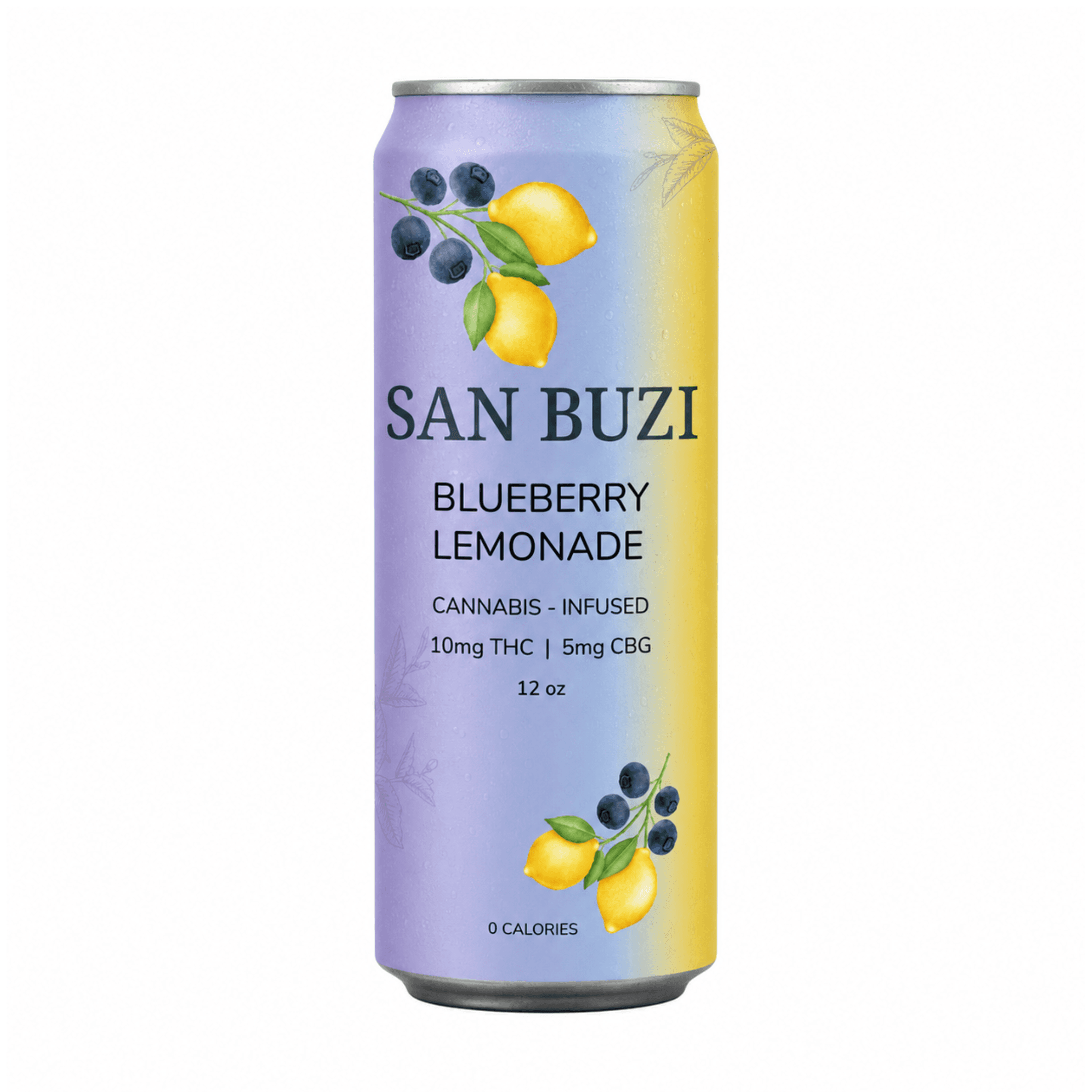
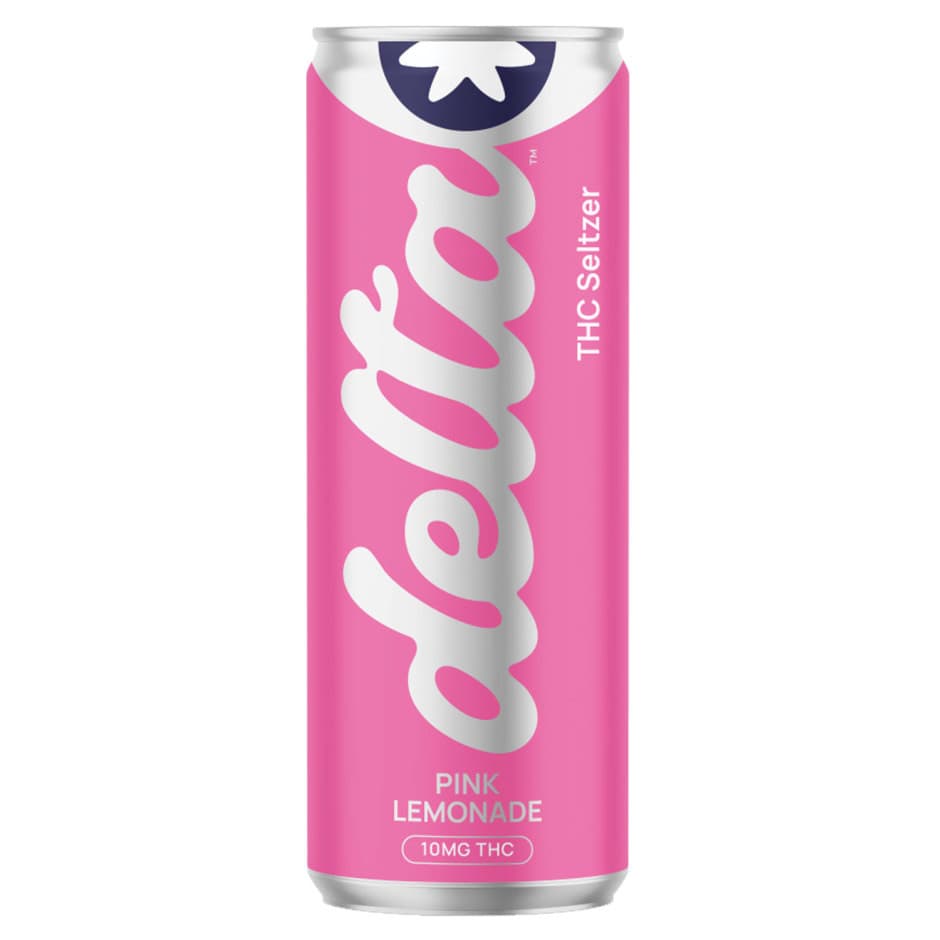
- Delta 9 THC beverages (10 mg/serving; one serving per container)
- Topicals such as creams, balms, and lotions with hemp-derived cannabinoids
- Capsules and soft gels
- Non-smokable concentrates produced through natural extraction (note: most commercial concentrates involve chemical conversion or synthesis, which HB 445 prohibits; consumers should verify the COA reflects natural extraction only)
Smokable flower, hemp pre-rolls, vape cartridges, and disposable vape devices are not available for legal sale in Alabama under current enforcement.
Penalties for Non-Compliant Delta 9 Products
| Violation | Classification | Possible Penalty |
|---|---|---|
| Smokable hemp (flower, pre-roll, vape) sale or possession | Class C Felony | 1 to 10 years imprisonment; fines up to $15,000 |
| Retailer sells to anyone under 21 | Civil | Fines of $5,000–$20,000; license suspension or revocation |
| Other retailer violations (unlicensed sale, mislabeling, over-limit THC, recordkeeping failures) | Civil | Graduated fines and possible license revocation; repeat offenses may escalate to felony charges |
| Marijuana-derived Delta 9 possession | Misdemeanor or Felony (depending on facts) | Prosecuted under Alabama’s marijuana statutes, separate from HB 445 |
Shop Delta 9
View all →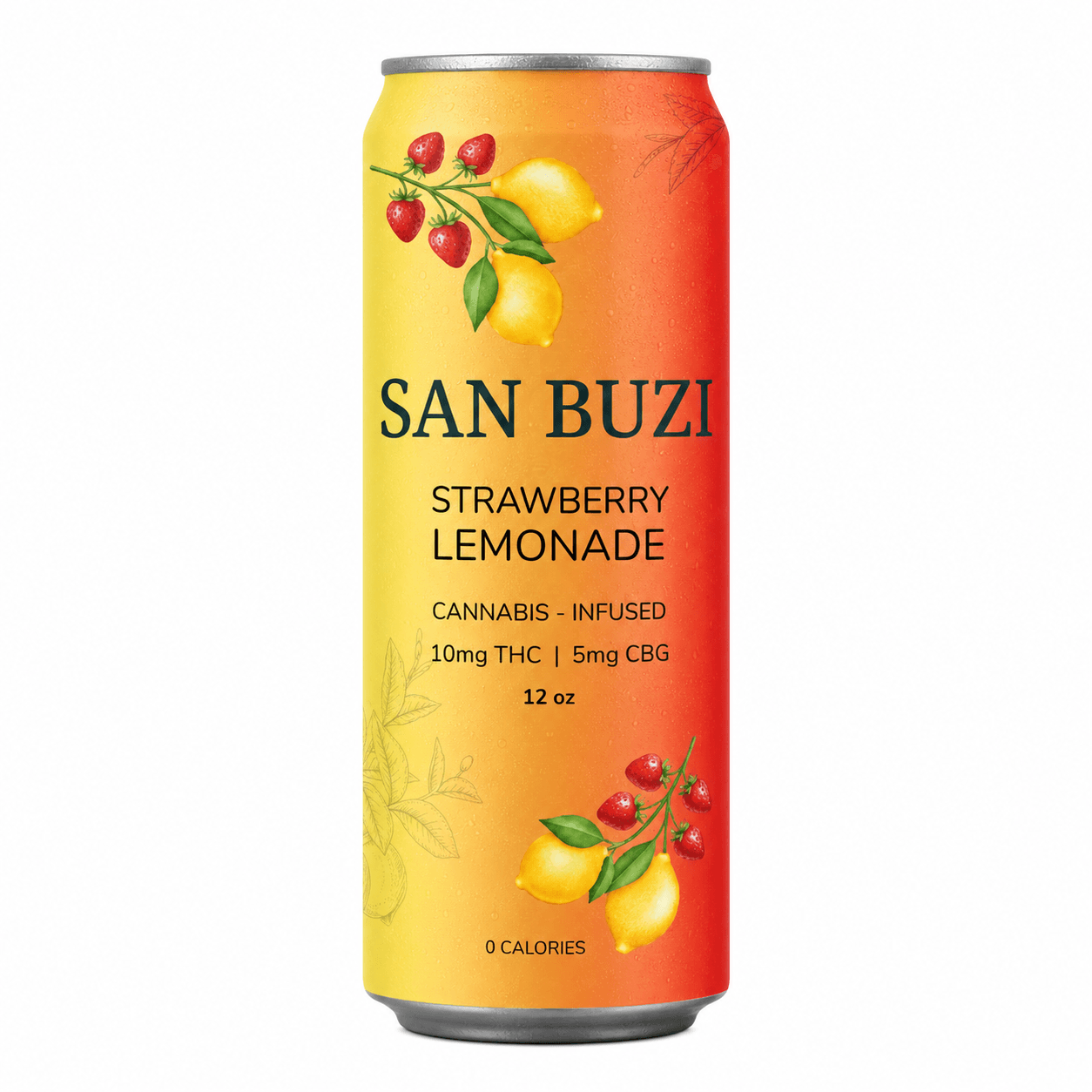

Consumers should verify the product category, licensing of the retailer, and the certificate of analysis before purchase to avoid inadvertently possessing a non-compliant item.
Federal HR 5371: What to Watch in 2026
On November 12, 2025, Congress passed HR 5371 (the Continuing Appropriations, Agriculture, Legislative Branch, Military Construction and Veterans Affairs, and Extensions Act, 2026). Section 781 of the law amends the federal definition of Hemp in the Agricultural Marketing Act and imposes a cap of 0.4 mg total THC per container—defined as the innermost retail packaging (bottle, can, bag, cartridge, etc.)—on finished hemp-derived cannabinoid products. The measure also excludes synthesized or chemically converted cannabinoids from the federal hemp definition.
The hemp provisions will go into effect on November 12, 2026, exactly one year after their enactment. If implemented as written, the federal per-container cap is substantially stricter than Alabama’s 10 mg per-serving / 40 mg per-container framework, and would render most currently legal Delta 9 edibles and beverages federally non-compliant. The FDA is directed to publish clarifying lists of naturally-occurring cannabinoids, THC-class cannabinoids, cannabinoids with ‘similar effects’ to THC, and additional ‘container’ guidance within 90 days of enactment (i.e., on or before February 10, 2026). ATLRx will update this guide as FDA guidance and any congressional amendments take shape throughout 2026.
How to Buy Compliant Delta 9 Products in Alabama
Before buying a Delta 9 product in Alabama in 2026, confirm the following checklist:
- Retailer license: The seller holds an active ABC Board consumable hemp license.
- Product format: The product is non-smokable (edible, tincture, beverage, topical, capsule).
- Dry-weight THC: The Delta-9 THC concentration is 0.3% or less by dry weigh Delta-9 THC concentration is less than 0.3% by dry weight.
- Serving cap: No more than 10 mg of THC per serving and 40 mg per container.
- COA available: Each batch-matched certificate of analysis is provided by an ISO/IEC 17025-accredited third-party laboratory.
- Label compliance: The label meets Alabama ABC Board requirements for THC content, ingredients, warnings, and batch information.
- Valid ID: The purchaser is 21 or older with government-issued photo identification.
ATLRx’s Compliance Approach for Alabama Customers
At ATLRx, we monitor Alabama’s hemp regulations closely so our customers have current, accurate information about product compliance. Because HB 445 prohibits direct shipping of consumable hemp products to Alabama addresses, Alabama residents should purchase Delta 9 products in person from licensed Alabama retailers until state law changes. Our team continues to publish state-specific guides, including our companion resources on Is THCA Legal in Alabama, Is Delta 8 Legal in Alabama, and Is CBD Legal in Alabama.
Frequently Asked Questions
Is Delta 9 Legal in Alabama in 2026?
+
Yes. Delta-9 THC derived from Hemp is legal in Alabama for adults 21 and older if it contains 0.3% or less Delta-9 THC by dry weight, is sold in a non-smokable format, and is purchased in person from a retailer licensed by the Alabama ABC Board.
Can I Order Delta 9 Online in Alabama?
+
No. HB 445 prohibits online sales, direct-to-consumer shipping, delivery, drive-thru, and vending machine sales of consumable hemp products to Alabama addresses. The purchase must be made in person at a licensed Alabama retailer.
How Strong Can a Delta 9 Edible Be in Alabama?
+
Edibles are capped at 10 mg total THC per serving and 40 mg total THC per container. Beverages are capped at 10 mg total THC per serving, with a serving size not exceeding 12 fluid ounces. Under the Alabama ABC Board’s adopted rules (effective January 1, 2026), a single beverage container may contain only one serving, and a carton may not contain more than four 12-ounce containers.
Is Delta 9 Flower or Vape Legal in Alabama?
+
No. Smokable and inhalable hemp products, including flower, pre-rolls, and vapes, are banned statewide. Possession or sale can be prosecuted as a Class C felony.
Who Can Sell Delta 9 Products in Alabama?
+
The only retailers that are licensed by the Alabama Alcoholic Beverage Control (ABC) Board. Retailers must pay a $1,000 license fee and collect a 10% excise tax on consumable hemp product sales.
Is Marijuana-derived Delta 9 Legal in Alabama?
+
No. Marijuana for recreational use is not legal in Alabama. Marijuana-derived Delta 9 remains a controlled substance under Alabama Code Section 20-2-2(14), outside of the state’s limited medical cannabis program.
Did Alabama SB 1 Pass in 2026?
+
No. SB 1, sponsored by Senator April Weaver (R-Brierfield), would have reclassified psychoactive hemp-derived cannabinoids (including hemp-derived Delta 8, Delta 9, and Delta 10) as Schedule I and limited non-psychoactive hemp products to pharmacy-only sales. Per the Alabama Cannabis Coalition’s April 16, 2026, legislative recap, SB 1 died in the Senate without reaching committee. A similar measure, SB 321 (Sen. Tom Butler, R-Huntsville), filed later in the same session, also failed to advance. Similar proposals are expected in future sessions.
What Is the Difference Between Delta 8 and Delta 9 in Alabama?
+
Delta 8 THC and Delta 9 THC are both hemp-derived cannabinoids regulated under HB 445 when sold as consumable products. Both must meet the 10 mg per serving and 40 mg per container cap, be sold in non-smokable form, be purchased from an ABC Board-licensed retailer, and be restricted to adults 21 and older.
What Happens If Federal Hr 5371 Takes Effect?
+
HR 5371 was signed into law on November 12, 2025. Its Section 781 hemp provisions take effect November 12, 2026, and cap finished hemp-derived cannabinoid products at 0.4 mg total THC per container (the innermost retail package), not per serving. That federal container-level cap is substantially stricter than Alabama’s 10 mg per-serving framework and would render most currently legal Delta 9 edibles and beverages federally non-compliant. Forthcoming FDA guidance on “container” definitions and “similar-effect” cannabinoids is expected to shape enforcement. ATLRx will update this page as federal implementation details are released.
This article is provided for informational purposes only and does not constitute legal advice. Alabama hemp law is evolving. Always verify the current status with the Alabama ABC Board, the Alabama Legislature, or a qualified Alabama attorney before making a purchasing or business decision.
Related Articles:
Disclaimer
Why Trust This Guide
- ATLRx has sold third-party lab-tested hemp products out of Georgia since 2019.
- Every real batch we sell is tested by an accredited outside lab, with the Certificate of Analysis published before you buy.
- We operate 3 real physical stores in Georgia — this isn't a drop-shipped storefront.
- Legal information is rechecked and updated as rules change, not published once and forgotten.
Don't Trust the Label. Check the Lab.
ATLRx publishes third-party Certificates of Analysis for real batches so you can verify cannabinoid content before you buy — not just take the package's word for it.
View Lab Results →Have Questions?
Visit an ATLRx store in Georgia and talk to our team.
Real Customers, Real Reviews
What Customers Are Saying
“Product was smooth and mellow. Quite nice!”
“Exactly what was promised excellent product”
“Really nice high”

Jen Hight
Cannabis Industry Expert & Compliance Specialist Jen Hight is a cannabis industry professional with extensive experience in hemp compliance, product development, and consumer education. With a background in regulatory affairs and a passion for helping consumers navigate the complex world of cannabinoids, Jen provides accurate, up-to-date information on hemp legality and best practices. Her work focuses on making cannabis knowledge accessible while ensuring readers understand both the opportunities and responsibilities that come with legal hemp products.
View all articles →Keep Learning

Where to Buy Delta 9 in Texas?
Delta 9 Availability in Texas: Yes. Hemp-derived Delta 9 is legal to buy in Texas in August 2026. To qualify, a product has to come from hemp and test at 0.3% or less total THC on a dry weight basis. Texas has computed that figure as (0.877 x THCA) + Delta 9 since March 31, […]
Aug 7, 2026 · 26 min read

Where to Buy Delta 9 in Oklahoma?
Delta 9 Availability in Oklahoma: Yes. Delta 9 THC derived from hemp is legal in Oklahoma starting in 2026 for adults 21 and older. It must be made from hemp, not marijuana, and contain less than 0.3% Delta-9 THC by dry weight. Medical marijuana does not require a card. You can buy it online or […]
Aug 5, 2026 · 23 min read

Where to Buy Delta 9 in Iowa?
Delta 9 Availability in Iowa: Yes, hemp-derived Delta 9 is legal in Iowa in 2026, but only if it follows the state’s rules. Consumable hemp products cannot contain more than 4 mg of total THC per serving and 10 mg of total THC per container. The product also has to come from legal hemp, be […]
Aug 4, 2026 · 25 min read

Where to Buy Delta 9 in South Carolina?
Delta 9 Availability in South Carolina: A hemp-derived Delta 9 THC product that contains no more than 0.3% Delta 9 THC by dry weight is currently legal for sale in South Carolina under the 2018 Farm Bill and South Carolina’s Hemp Farming Act (Chapter 55, Title 46 of the SC Code). Marijuana-derived Delta 9 remains […]
Jul 30, 2026 · 18 min read
Stay Informed
New product releases, hemp law updates, and useful cannabinoid guides.