Is Delta 9 Legal in Utah? 2026 State Law Explained
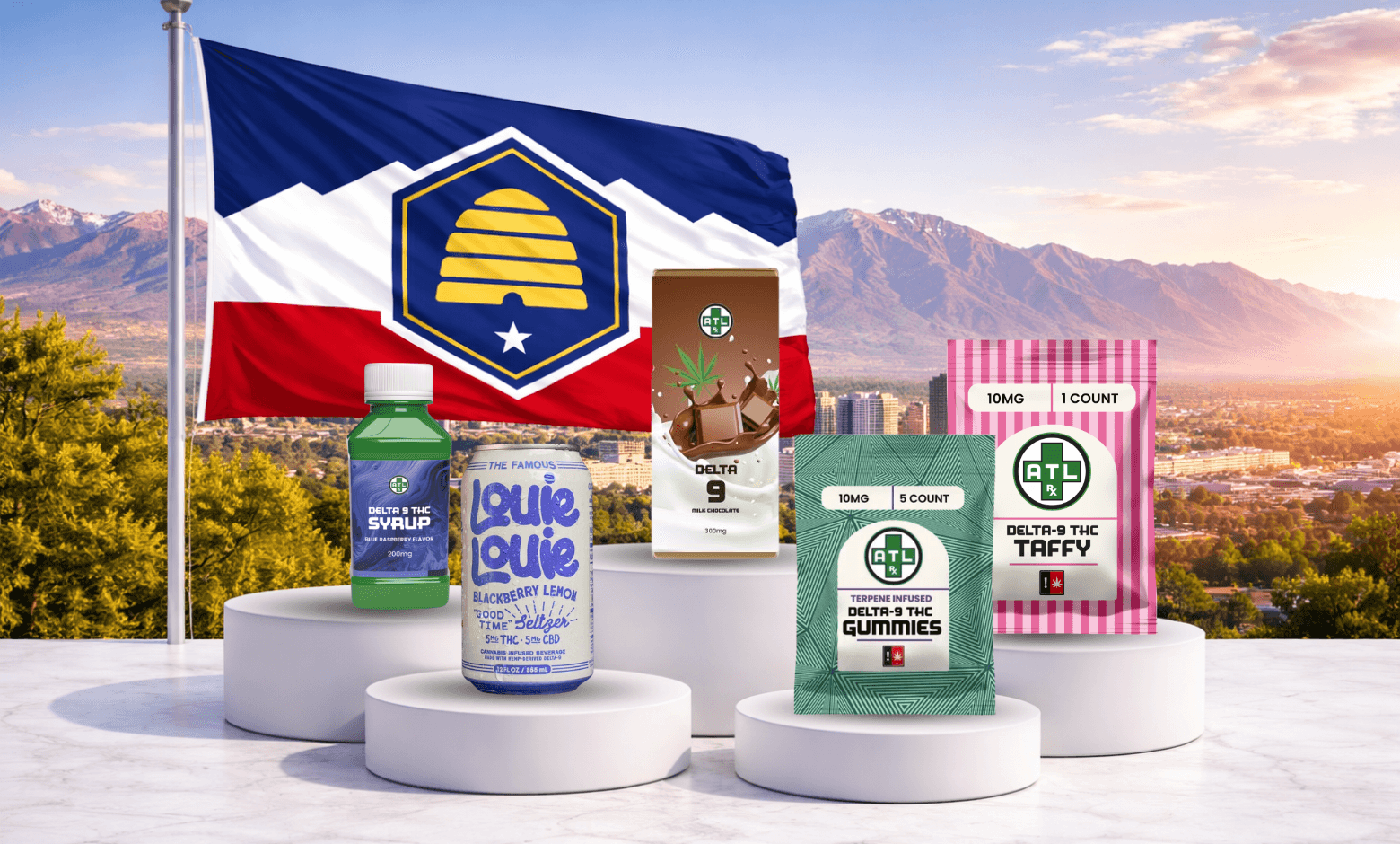
Delta 9 Legal Status in Utah:
Yes, products derived from hemp containing Delta 9 THC are legal for adults 21 and older in Utah if they contain less than 0.3% by dry weight, are registered with the Utah Department of Agriculture and Food (UDAF), and are purchased from a UDAF-permitted retailer. Delta 9 THC derived from marijuana remains illegal for recreational use. Chemically converted cannabinoids, such as Delta 8 THC, HHC, and THCO, are explicitly prohibited by HB 227 (2023) and HB 54 (2025). A major federal change, Section 781, takes effect November 12, 2026, capping finished hemp products at 0.4 mg total THC per container.
If you have been asking yourself, “Is Delta 9 legal in Utah?” you are not alone. It ranks among the most searched hemp questions from Utah residents, and the answer requires more than a simple yes or no. Hemp-derived Delta 9 THC products with 0.3% or less THC by dry weight are legal in Utah for adults 21 and over, as long as they are sold by a retailer registered with the Utah Department of Agriculture and Food (UDAF). However, marijuana-derived Delta 9 THC remains prohibited for recreational use in the state.
The full picture involves the federal 2018 Farm Bill, two significant Utah legislative updates in 2023 and 2025, a sweeping federal change arriving in November 2026, and a series of product-specific rules that catch many shoppers off guard.
Utah residents researching hemp-derived Delta 9 products, travelers passing through Utah, and ATLRx customers who want to understand exactly what they can legally buy and ship to a Utah address.
Keep Browsing
Explore Our Delta 9 THC Categories
Shop real Delta 9 THC products and collections.
Key Takeaways
- 01Hemp-derived Delta 9 THC is legal in Utah for adults 21 and older when the product contains no more than 0.3% Delta 9 THC by dry weight, is UDAF-registered, and is sold by a licensed retailer.
- 02Recreational marijuana is illegal in Utah. Marijuana-derived Delta 9 THC is only accessible through Utah’s medical cannabis program with a valid state-issued medical marijuana card.
- 03Delta 8 THC, HHC, THCO, THCP, and Delta 10 are all banned in Utah. HB 227 (2023) and HB 54 (2025) explicitly prohibit all chemically converted or synthesized cannabinoids, regardless of their hemp origin.
- 04All hemp products sold in Utah must be UDAF-registered. This applies to every product sold within the state, including those manufactured outside Utah. Always buy from retailers displaying a valid UDAF Industrial Hemp Retailer Permit.
- 05Always verify a product’s Certificate of Analysis (COA). The COA must come from an ISO/IEC 17025-accredited third-party lab, confirm Delta 9 THC at or below 0.3% by dry weight, and show non-detected results for all banned analogs, including Delta 8 and HHC.
- You can order compliant Delta 9 products online and ship to Utah. Federal interstate commerce protections allow out-of-state retailers to ship compliant hemp-derived Delta 9 products directly to Utah addresses. Confirm compliance before ordering using the 7-step checklist in Section 7.
- A major federal change takes effect on November 12, 2026. Section 781 will cap all finished hemp products at 0.4 mg total THC per container, effectively requiring full reformulation of most current Delta 9 products on the market. Shop from brands actively tracking this deadline.
- Utah laws change. The hemp regulatory framework has been updated three times since 2018 and will shift again in November 2026. Always verify current rules with official UDAF and Utah Legislature sources before purchasing.
AT A GLANCE
| Question | Quick Answer |
| Is hemp-derived Delta 9 legal? | Yes — for adults 21+, if under 0.3% THC by dry weight and UDAF-registered |
| Minimum buyer age | 21+ for any product containing any amount of THC (HB 227, 2023) |
| Is recreational marijuana legal? | No. Medical program only, with a valid Utah medical marijuana card |
| Delta 8, HHC, THCO legal? | No — explicitly banned under HB 227 (2023) and HB 54 (2025) |
| Key 2025 law: HB 54 | Effective May 7, 2025 — expanded analog bans, tighter labeling, stricter COA requirements |
| Federal Section 781 change | Takes effect November 12, 2026 — caps hemp products at 0.4 mg total THC per container |
| Must products be registered? | Yes — all hemp products sold in Utah must be UDAF-registered before sale |
| Can I order online? | Yes — compliant products can be shipped to Utah addresses under interstate commerce rules |
| Per-serving/package THC limits | 5 mg THC per serving maximum; 150 mg THC per package maximum (HB 227, 2023) |
What Is Delta 9 THC?
Tetrahydrocannabinol (Delta 9 THC) is the main psychoactive component of cannabis plants. It is the compound most commonly referred to simply as “THC.” Delta 9 THC occurs in both hemp and marijuana, though in vastly different concentrations: marijuana plants are cultivated specifically for high Delta 9 content, often ranging from 15% to over 30%, while hemp plants must, by legal definition, contain Delta 9 THC concentrations of 0.3% or less.
How Delta 9 THC Is Different From Other Cannabinoids
Understanding what makes Delta 9 unique clarifies why Utah law treats it differently from other hemp compounds.
| Cannabinoid | Psychoactive? | Utah Legal Status (2026) |
| Delta 9 THC (hemp) | Yes | Legal — UDAF-registered products, adults 21+ |
| Delta 9 THC (marijuana) | Yes (high potency) | Medical card only; recreational illegal |
| CBD | No | Legal — if non-intoxicating and compliant |
| Delta 8 THC | Yes | Banned — HB 227 (2023) and HB 54 (2025) |
| HHC, THCO, THCP | Yes | Banned — HB 227 (2023) and HB 54 (2025) |
| CBG, CBN | No | Generally legal if non-intoxicating and compliant |
Federal Law and the 2018 Farm Bill Foundation
Federal law is the starting point for understanding Delta 9 legality in every state, including Utah. The Agriculture Improvement Act of 2018, or the 2018 Farm Bill, established a legal distinction between hemp and marijuana by setting a threshold of 0.3% Delta 9 THC. Under this law, hemp is defined as the Cannabis sativa L. plant and its derivatives, as long as they contain no more than 0.3% Delta 9 THC by dry weight. This was a major step in legalizing hemp-derived products across the United States, paving the way for a wide range of hemp-based goods to be sold legally. It’s important to note that while hemp products with 0.3% THC or less are allowed, marijuana-derived Delta 9 THC remains illegal for recreational use in many states.
If you’re looking for high-quality, legal hemp-derived products, some brands specialize in offering safe, compliant options, making it easier to access these benefits legally and responsibly. Hemp was removed from the Controlled Substances Act, which means hemp-derived products meeting that threshold are no longer classified as federally controlled substances. The DEA confirmed in its 2020 interim final rule that any material containing less than 0.3% Delta 9 THC is not a controlled substance.
The Dry Weight Calculation: Why It Matters
The 0.3% threshold is measured by dry weight, not milligrams per serving. A 10-gram gummy at 0.3% THC by dry weight contains approximately 30 milligrams of Delta 9 THC. That product is federally legal because it meets the percentage threshold, even though 30 mg is a substantial psychoactive dose for most adults. This mathematical reality is precisely what prompted Congress to pass new restrictions in November 2025.
Key Federal Takeaway: Products derived from hemp containing no more than 0.3% Delta 9 THC are legal. States, including Utah, may layer additional restrictions on top of this federal baseline — and Utah has done so extensively.
Utah Hemp Law Timeline (2018 to 2026)
Utah has progressively built one of the most regulated hemp frameworks in the country. The following timeline explains how the rules arrived at where they are today.
| Year | Key Development |
| 2018 | The 2018 Farm Bill was signed. Hemp removed from Controlled Substances Act. Utah voters pass Proposition 2, legalizing medical marijuana. |
| 2019 | Utah Governor signs Senate Bill 105 (Hemp and Cannabinoid Act Amendments), establishing the definition of “cannabinoid product” and allowing UDAF-registered hemp products for sale, provided they are in medicinal dosage form and contain less than 0.3% THC. In 2020, Utah enacted House Bill 18 (the Hemp and Cannabinoid Act) to align state law with the 2018 Farm Bill and authorize UDAF to administer the state hemp program. Administrative Rule R68-28 was established for hemp cannabinoid product requirements. |
| 2023 | HB 227 enacted: (1) Any product containing any amount of THC becomes 21+ age-restricted. (2) Synthetic and chemically converted cannabinoids, including Delta 8, HHC, THCO, and THCP, are explicitly banned. (3) All hemp cannabinoid products sold in Utah must be UDAF-registered. (4) Per-serving THC cap of 5 mg and per-package cap of 150 mg established. |
| May 2025 | HB 54 (effective May 7, 2025): Expanded the synthetic cannabinoid ban to all THC analogs and homologs. Required COAs to screen for a broader analog panel. Tightened labeling to show total cannabinoids per serving and per package. Established civil penalties up to $5,000 per violation. |
| Nov 2025 | Federal Section 781 signed into law (P.L. 119-37). Takes effect November 12, 2026. Redefines hemp using the total THC standard and caps finished hemp products at 0.4 mg total THC per container. |
| 2026 (now) | Current legal environment: Hemp-derived Delta 9 is legal under the conditions in this guide. Section 781 takes effect on November 12, 2026, reshaping the product formulations industry-wide. |
HB 54 (2025) in Detail — What Changed
House Bill 54 is the most consequential Utah hemp law since 2019. Understanding its specific provisions is essential for any Utah consumer or retailer operating in the hemp space in 2026:
- The ban on synthetic cannabinoids was broadened to cover all THC analogs, isomers, and homologs, not just the specific compounds named in HB 227.
- By dry weight, products cannot contain more than 0.3% combined THC and THC analogs, closing the loophole where individual analog concentrations stayed under the single-compound limit.
- Stricter controls apply to “transportable hemp concentrates” and any product derived through chemical conversion from another cannabinoid.
- The label must clearly identify the total amount of cannabinoids, including all THC variants and analogs, both per serving and per package.
- In COAs, THC analogs must now be screened for and conform to both per-serving and per-package thresholds.
- Tamper-evident packaging is essential. It is prohibited to suggest psychoactive effects on packaging or marketing materials.
- Retailers must hold a valid UDAF Industrial Hemp Retailer Permit. Permits must be visibly displayed in the store.
- Civil penalties for selling banned or non-compliant cannabinoid products reach up to $5,000 per violation, with repeat offenders subject to permit suspension or revocation.
Bottom Line from HB 54: Any cannabinoid created through chemical synthesis or conversion from another hemp compound, regardless of whether the original hemp source met the 0.3% rule, is not permitted for legal sale in Utah.
Is Delta 9 Legal in Utah Right Now? (2026 Direct Answer)
Yes, under specific conditions. Hemp-derived Delta 9 THC products are legal in Utah in 2026 when all of the following requirements are satisfied simultaneously:
Shop Delta 9
View all →


| Requirement | What It Means in Practice |
| THC concentration | No more than 0.3% Delta 9 THC by dry weight in the finished product |
| Hemp source only | Must be derived from federally compliant industrial hemp, not marijuana |
| UDAF product registration | The specific product must be registered with the Utah Department of Agriculture and Food |
| Licensed retailer | Purchased from a business holding a valid UDAF Industrial Hemp Retailer Permit |
| Buyer age 21+ | Any product containing any amount of THC is restricted to adults 21 and older |
| No banned analogs | Product must not contain Delta 8, HHC, THCO, THCP, Delta 10, or any chemically converted cannabinoid |
| Compliant labeling | Label must disclose total cannabinoids per serving and per package; COA must be available |
| Per-serving and per-package THC limits | Product must not exceed 5 mg THC per serving or 150 mg THC per package, in addition to the 0.3% dry weight threshold |
What About Recreational Marijuana in Utah?
As of 2026, recreational marijuana remains illegal in Utah. No ballot initiative or legislative action has authorized adult-use recreational cannabis. Marijuana-derived Delta 9 THC is accessible only through Utah’s medical cannabis program, exclusively for patients holding a valid Utah medical marijuana card, purchased only at UDAF-licensed medical cannabis pharmacies.
Utah Compared to Neighboring States
Utah residents who travel frequently should be aware of how neighboring states compare. This context matters when traveling with Delta 9 products across state lines.
| State | Hemp Delta 9 Status | Recreational Marijuana | Key Difference vs. Utah |
| Utah | Legal (UDAF-registered, 21+) | Illegal | Benchmark state for this guide |
| Colorado | Legal under the state framework | Legal since 2012 | More permissive; the recreational market is active |
| Nevada | Legal under the state framework | Legal since 2016 | More permissive; recreational dispensaries statewide |
| Idaho | Very restricted / near-ban | Illegal | Far stricter than Utah; do not cross with products |
| Arizona | Legal under the state framework | Legal since 2020 | More permissive; check product registration requirements |
| Wyoming | Limited; intoxicating products restricted | Illegal | Similar restrictions to Utah; confirm before traveling |
What Products Are and Are Not Legal in Utah?
Legal Hemp-Derived Delta 9 Products
- Delta 9 THC products in approved medicinal dosage forms — including gelatinous cubes (gummies in plain, unflavored, or standard flavor profiles), capsules, softgels, tinctures, and oils. Note: Utah restricts permissible product forms to those on the UDAF Registered Product List. Standard food-style edibles such as baked goods, chocolates, beverages, and candy are prohibited. Compliant gummy formats exist, but must meet all UDAF registration, labeling, and THC cap requirements.
- Delta 9 THC tinctures and oils
- Delta 9 THC capsules and softgels
- Delta 9 THC beverages (within THC concentration limits)
- Full-spectrum hemp products with naturally occurring Delta 9 THC within the 0.3% threshold
Banned Products in Utah (2026)
- Delta 8 THC products of any kind (explicitly banned, HB 227 and HB 54)
- Delta 10 THC products
- HHC (hexahydrocannabinol) products
- THCO (THC-O acetate) products
- THCP (tetrahydrocannabiphorol) products
- Any cannabinoid produced through chemical conversion or synthesis from another hemp compound
- THC-infused edibles resembling candy, desserts, cookies, or other child-appealing novelty food shapes
- High-potency hemp concentrates that do not meet labeling, testing, or packaging requirements
- Products without a current, accessible COA from an accredited third-party lab
In addition to the age restriction and synthetic cannabinoid ban, HB 227 also imposed strict potency limits that apply to all hemp-derived cannabinoid products sold in Utah. Products may not contain more than 5 mg of THC per serving or more than 150 mg of THC per package. These milligram caps apply on top of the 0.3% dry weight threshold and are enforced independently of the percentage calculation.
Note for Online Shoppers: When ordering from out-of-state retailers, the product’s compliance status is determined by both federal law and Utah’s UDAF registration requirements. Retailers shipping to Utah must sell products that meet Utah’s specific labeling and testing standards, even if those products are manufactured elsewhere.
The Major Federal Change Coming November 12, 2026
A landmark piece of federal legislation signed on November 12, 2025, will significantly reshape the hemp market starting exactly one year later on November 12, 2026. Section 781 was enacted as part of the Agriculture, Rural Development, Food and Drug Administration, and Related Agency Appropriations Act of 2026 (H.R. 5371, P.L. 119-37), a full-year appropriations package that also funded agriculture, military construction, and veterans affairs programs.
| Provision | Current Rule (Pre-Nov 2026) | Effective November 12, 2026 |
| THC measurement standard | 0.3% Delta 9 THC by dry weight only | 0.3% total THC — includes THCA, Delta 8, and other THC forms combined |
| Per-container THC cap | No milligram cap on finished products | Maximum 0.4 mg total THC per container |
| Practical impact on gummies | A 10-gram gummy can contain up to 30 mg of Delta 9 THC legally | The same container may contain no more than 0.4 mg total THC |
| Effect on the current market | Broad range of potencies available | Most current Delta 9 products will require complete reformulation |
The November 2026 change means that products currently containing 5 mg, 10 mg, 25 mg, or more of Delta 9 THC per gummy will not comply with federal law after November 12, 2026. Utah residents and brands selling into Utah should monitor both the implementation of Section 781 and any potential congressional rollbacks, as proposals to revise or delay the per-container cap have already been introduced at the federal level.
ATLRx Commitment: ATLRx actively monitors all federal and Utah state regulatory changes. Every ATLRx product is formulated for full compliance and ships with a current Certificate of Analysis. We will reformulate and update our product lineup in advance of the November 2026 federal deadline.
Congressional Challenges to Section 781: As of early 2026, multiple legislative proposals are actively contesting the law. Representative Nancy Mace introduced the American Hemp Protection Act of 2025 (H.R. 6209), which would repeal Section 781 entirely and restore the 2018 Farm Bill definition. Representative Baird introduced the Hemp Planting Predictability Act (H.R. 7024), which would delay the effective date from November 2026 to November 2028. A Senate companion to that delay bill was introduced by Senators Klobuchar, Paul, and Merkley. Separately, Senators Wyden and Merkley introduced the Cannabinoid Safety and Regulation Act, which would replace the Section 781 prohibition with a federal regulatory framework. None of these proposals has passed as of the date of this article. Utah consumers and brands should monitor developments closely, as the November 12, 2026, deadline remains in effect unless Congress acts.
Where to Buy Delta 9 in Utah
In-Store Options
Utah residents can purchase compliant hemp-derived Delta 9 products at physical retail locations, provided those retailers hold a valid UDAF Industrial Hemp Retailer Permit. The permit must be visibly displayed in the store. Permitted retail channels include licensed hemp specialty stores, select health and wellness retailers, and some pharmacies carrying UDAF-registered hemp product lines.
Before buying in-store, ask the retailer to confirm their permit status and request a COA for any product you are considering.
Buying Delta 9 Online and Shipping to Utah
Online shopping is the most practical and often most transparent option for Utah residents. Under federal interstate commerce protections, hemp-derived Delta 9 products can be shipped directly to Utah addresses from out-of-state retailers, provided the products meet all applicable federal and state requirements.
Use this step-by-step checklist before completing any online Delta 9 purchase for delivery to Utah:
- Confirm the brand publishes third-party COAs for every product batch
- Verify the COA confirms Delta 9 THC at or below 0.3% by dry weight
- Check the COA screens for Delta 8, HHC, THCO, and other banned analogs, all returning non-detected results
- Confirm the label lists total cannabinoids, THC per serving, and THC per package
- Verify that hemp is US-grown, and the brand can confirm federal compliance
- Check that the brand has a verifiable address, customer service contact, and a track record of compliance
- Confirm the product packaging is tamper-evident and does not resemble candy or novelty food items
Shop ATLRx: ATLRx publishes current COAs for every product and ships compliant hemp-derived Delta 9 gummies, tinctures, and capsules to Utah addresses. All products are sourced from US-grown hemp and formulated within federal compliance standards.
Medical Cannabis Dispensaries
For marijuana-derived THC products, Utah residents with qualifying medical conditions may apply for a state medical marijuana card. Approved patients can visit one of Utah’s UDAF-licensed medical cannabis pharmacies. Products at these dispensaries include oils, capsules, tinctures, and vaporizer cartridges. Access is restricted strictly to cardholders, and all products must be consumed off-premises in private.
Shop Delta 9
View all →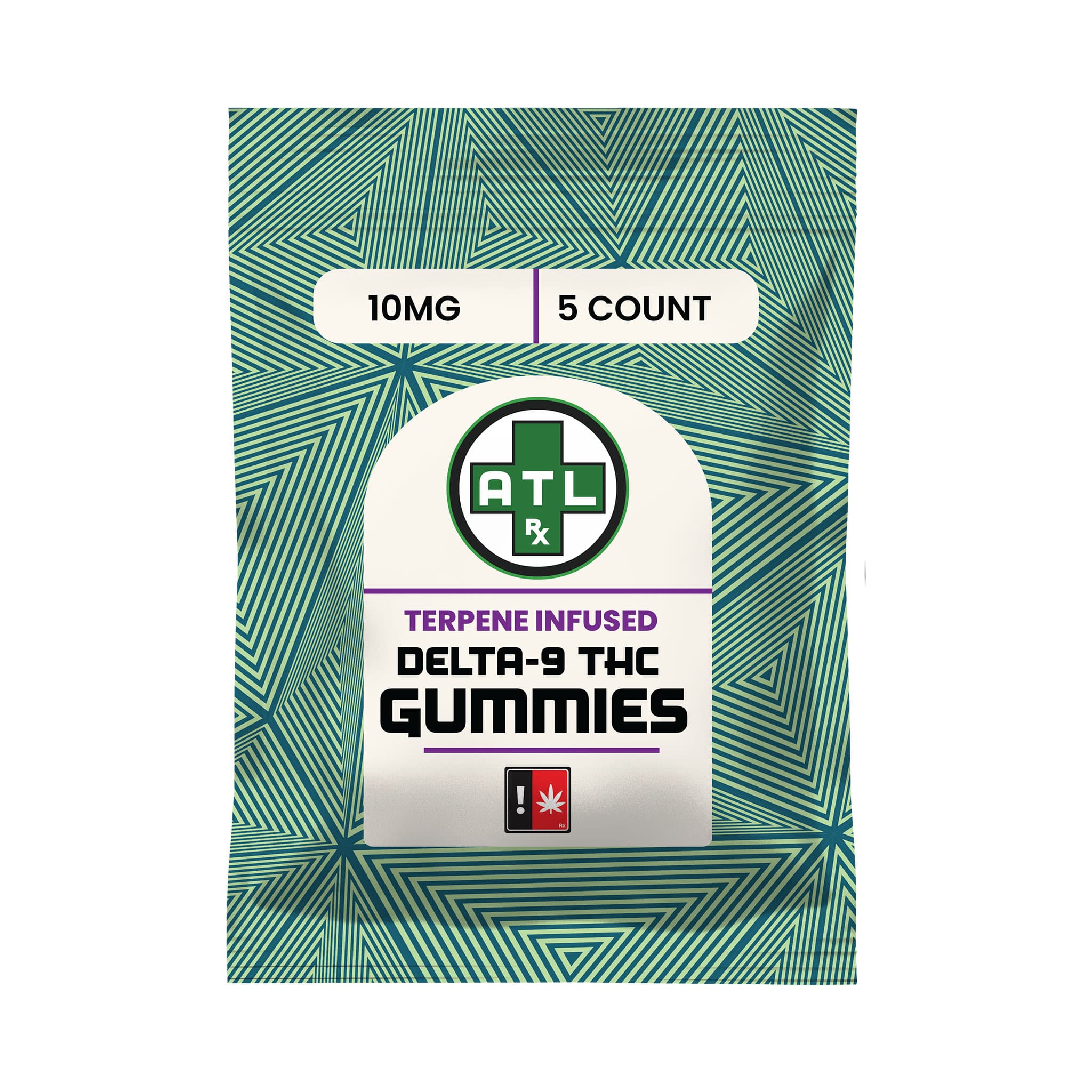
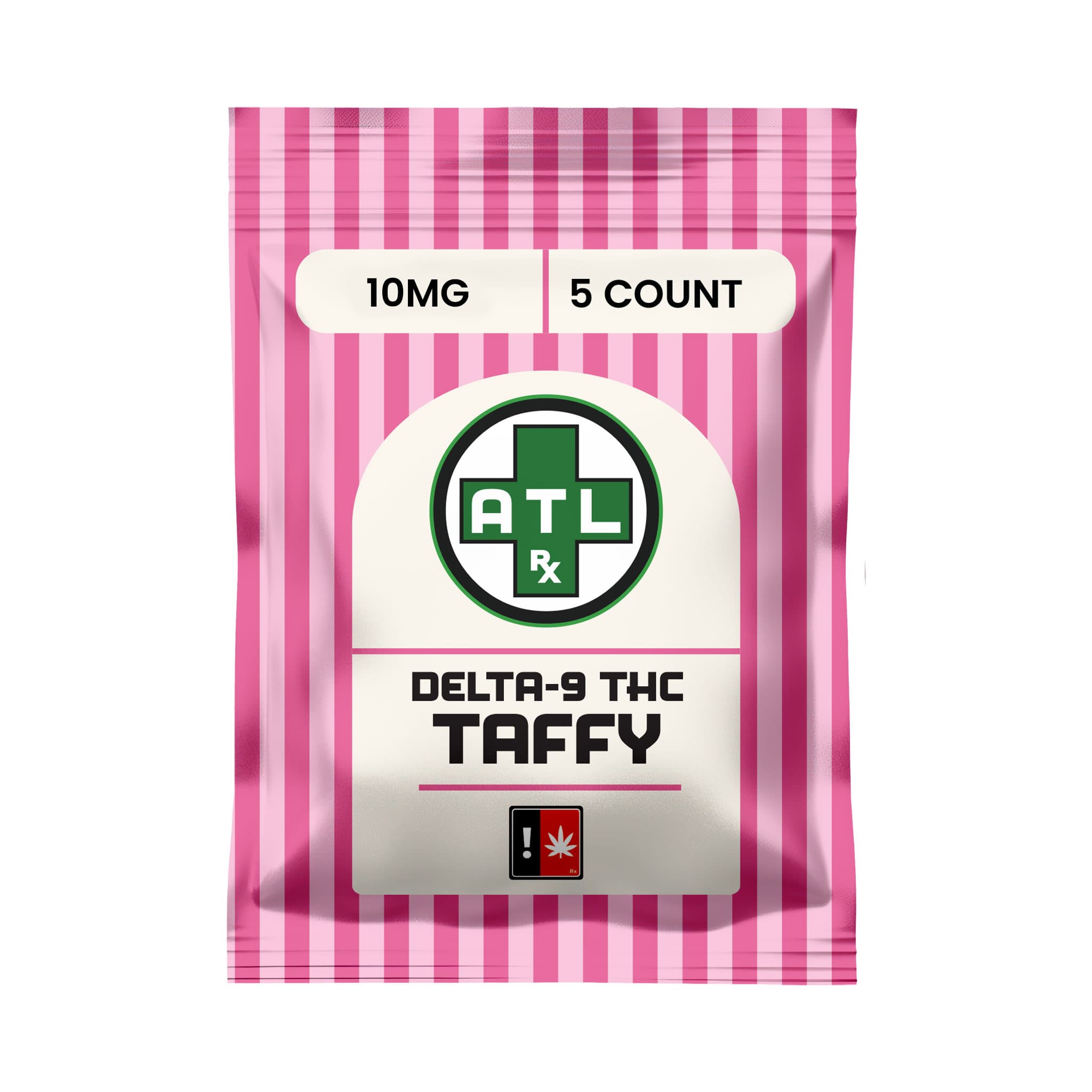
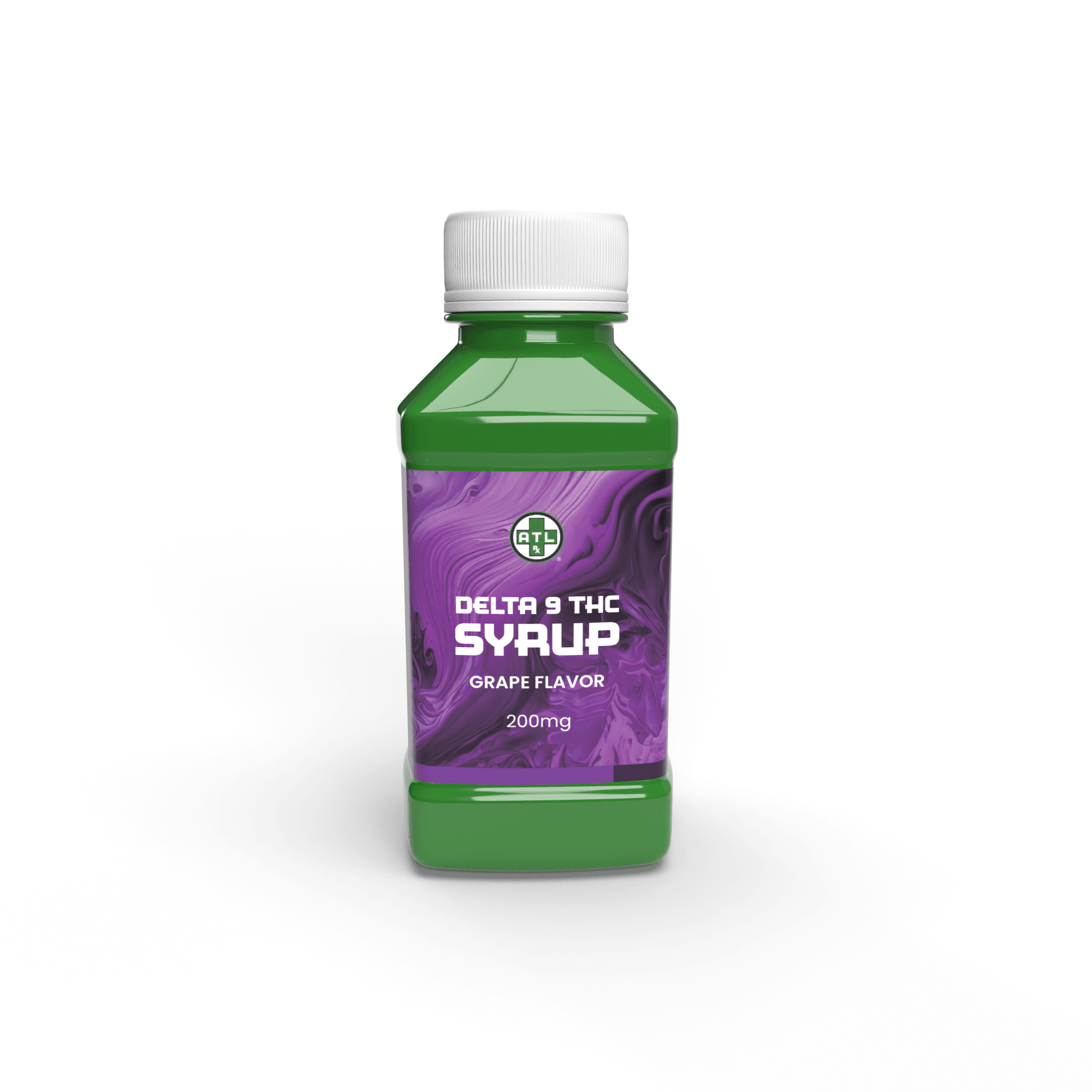
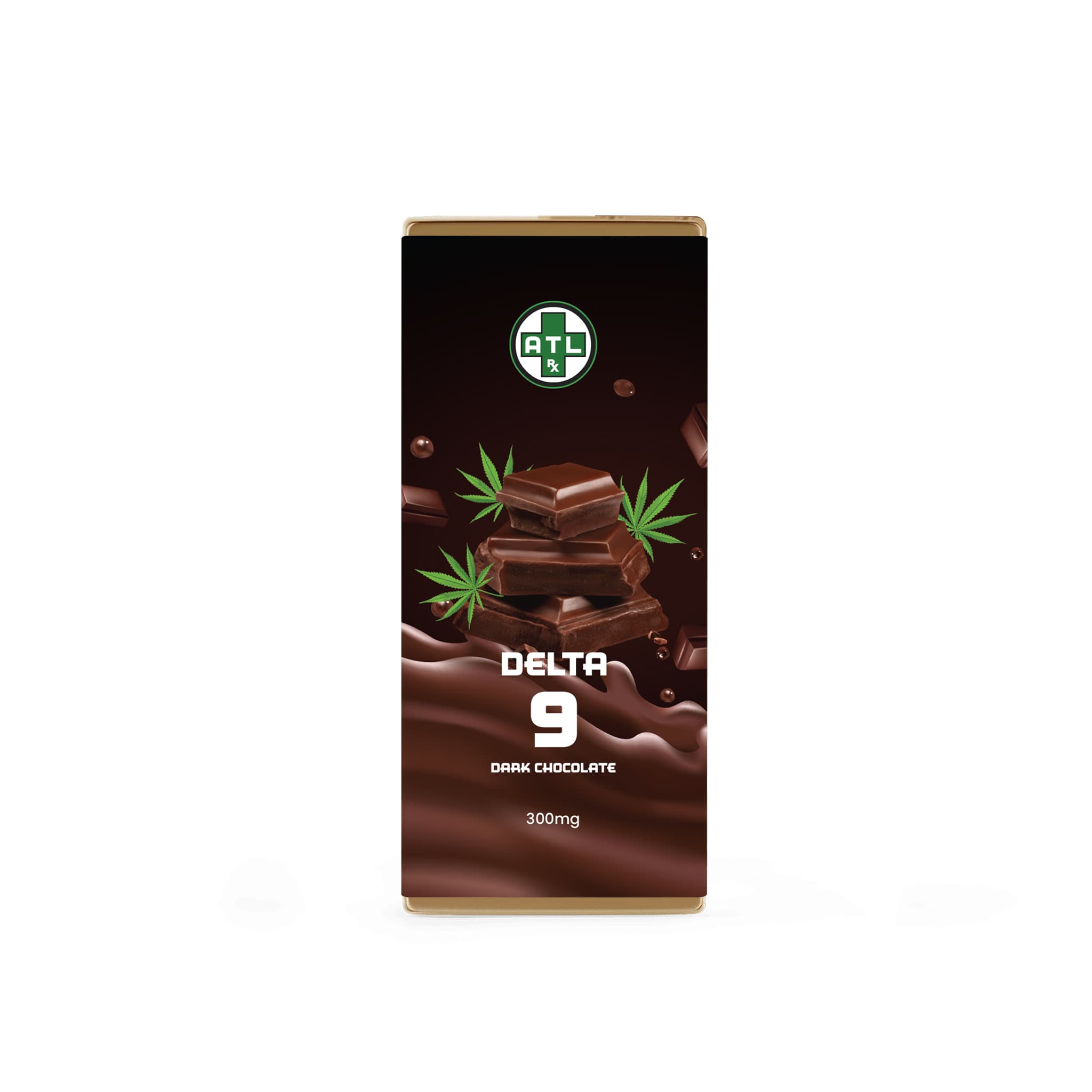
Delta 9 Terpene Infused Gummies 10 MG
Best Value: 20 Count · Save 17%
Possession, Travel, and Public Use Rules
Possession of Hemp-Derived Delta 9 in Utah
Utah does not publish a specific possession cap for legally purchased hemp-derived Delta 9 THC products that is separate from product compliance requirements. Products must have been purchased legally and should remain in their original, labeled, tamper-evident packaging to demonstrate legal compliance if questioned. Medical cannabis cardholders are subject to a 30-day supply limit, with unprocessed cannabis capped at 113 grams per 30-day period.
No Public Consumption
Utah prohibits public consumption of any hemp or cannabis product, including CBD and hemp-derived Delta 9 THC. Consuming these products in any public area carries legal risk regardless of the product’s compliance status. Consumption is permitted only in private residences.
Traveling Within Utah
When traveling within the state, keep hemp-derived Delta 9 products in their original, sealed, labeled packaging. Having the product’s COA accessible on your phone or as a printed copy provides a clear compliance record if you are questioned.
Traveling Out of State With Delta 9 Products
Be aware that neighboring states have very different laws regarding hemp-derived THC products. Idaho, for example, maintains far stricter restrictions and treats most intoxicating hemp products as controlled substances. Wyoming has similar limitations. Before crossing any state line with Delta 9 products, look up the destination state’s current hemp laws.
Flying From a Utah Airport
There is a focus on security threats at TSA screening, not drug enforcement. However, TSA agents are required by policy to refer any apparent violations of federal or state law to law enforcement. Compliant hemp-derived Delta 9 products are federally legal under the current Farm Bill standards. When flying, carry the product in its original labeled packaging and have the COA accessible. Note that the 0.4 mg federal cap takes effect on November 12, 2026, which may affect what products are considered federally compliant for air travel after that date.
How to Verify a Compliant Delta 9 Product — COA Checklist
A Certificate of Analysis (COA) is the single most important document to review before buying any Delta 9 product in Utah. None of the top-ranking Utah Delta 9 competitor articles include a COA verification guide. Use this checklist every time:
| # | What to Verify |
| 1 | Lab accreditation: COA is from an ISO/IEC 17025-accredited third-party laboratory, not an in-house lab |
| 2 | Batch/lot number match: The batch number on the COA matches the batch number printed on the product packaging |
| 3 | COA date: The document is dated within the last 12 months. A COA more than a year old may not reflect the current product formulation |
| 4 | Delta 9 THC concentration: Listed at or below 0.3% by dry weight for a compliant hemp product |
| 5 | Analog panel: COA screens for Delta 8 THC, Delta 10 THC, HHC, THCO, THCP, and reports non-detected (ND) for all |
| 6 | Full cannabinoid panel: COA lists all detected cannabinoids with concentrations per serving and per package |
| 7 | Contaminant screening: COA includes results for heavy metals, pesticides, residual solvents, and microbial contaminants |
| 8 | Product/label match: The product name and formulation on the COA match the product and label you are purchasing |
| ATLRx COA Access: Every ATLRx product has a QR code on its label linking directly to the current batch COA. You can also access all COAs on the ATLRx website by product name and batch number. Look for the ‘Lab Results’ tab on any product page. |
Conclusion
So, is Delta 9 legal in Utah? The direct answer is yes for hemp-derived Delta 9 THC, with conditions that matter. Adults 21 and older can legally purchase and possess hemp-derived Delta 9 products in Utah when those products contain no more than 0.3% THC by dry weight, are UDAF-registered, are sold by a permitted retailer, and contain no banned analogs such as Delta 8 or HHC.
Utah’s hemp laws are among the most layered in the country, shaped by the 2019 Hemp and Cannabinoid Act, the 2023 HB 227 amendments, and the significant 2025 HB 54 update. The November 2026 federal Section 781 change will reshape the market again, capping finished hemp products at 0.4 mg total THC per container.
Staying compliant in Utah means buying from brands that are transparent about their testing, labeling, and sourcing. ATLRx publishes current COAs for every product, sources from federally compliant US-grown hemp, and monitors legislative developments at both the state and federal levels to keep its product lineup fully current.
Frequently Asked Questions
Can I Buy Delta 9 Gummies in Utah?
+
Yes. Delta 9 gummies derived from hemp that contain no more than 0.3% THC by dry weight, are UDAF-registered, and are purchased from a permitted retailer are legal in Utah for adults 21 and older. The gummies must not be designed to resemble novelty candy shapes, cartoon characters, or child-appealing food items.
Is Delta 9 the Same as Marijuana?
+
Cannabis contains Delta 9 THC, which is responsible for its psychoactive properties, as well as hemp. The legal distinction is based entirely on the plant source and THC concentration. Hemp-derived Delta 9 THC at 0.3% or below by dry weight is federally legal and legal in Utah under the conditions in this guide. Marijuana-derived Delta 9 THC at higher concentrations is a controlled substance under Utah law and requires a medical card.
Is Delta 8 Legal in Utah?
+
No. Delta 8 THC is explicitly banned in Utah under HB 227 (2023) and HB 54 (2025). Because Delta 8 is produced by chemically converting CBD through a synthetic process, it falls within Utah’s prohibition on converted intoxicating cannabinoids. The same ban applies to Delta 10, HHC, THCO, and THCP.
Can I Order Delta 9 Online and Have It Shipped to Utah?
+
Yes. Compliant hemp-derived Delta 9 products can be shipped to Utah addresses from out-of-state retailers under federal interstate commerce protections, provided the products meet all federal and Utah-specific requirements, including labeling, THC limits, and testing standards. Use the seven-step online purchase checklist in Section 7 of this guide to verify compliance before ordering.
What Is the Age Requirement for Buying Delta 9 in Utah?
+
You must be 21 years of age or older to purchase any hemp-derived product containing any amount of THC in Utah. This applies even to full-spectrum CBD products with trace THC levels, under HB 227 (2023).
What Happens If I Possess Non-compliant Products in Utah?
+
Possessing marijuana-derived THC without a medical card, or possessing banned cannabinoids such as Delta 8, can result in criminal penalties under Utah law. For businesses, selling non-compliant hemp products can result in civil fines up to $5,000 per violation, along with permit suspension or revocation for repeat offenses.
How Will the November 2026 Federal Change Affect Delta 9 Products?
+
Section 781, effective November 12, 2026, will cap hemp-derived finished products at 0.4 mg total THC per container. Most current Delta 9 gummies on the market well exceed this cap. Brands are expected to reformulate before the deadline. ATLRx will update its product lineup to remain fully compliant. Products purchased before November 12, 2026, were formulated under current standards.
Does ATLRx Ship Delta 9 Products to Utah?
+
Yes. ATLRx ships compliant hemp-derived Delta 9 products to Utah addresses. All products carry current third-party COAs confirming compliance with federal hemp requirements, and all are formulated from US-grown industrial hemp. Visit the ATLRx product catalog for the current Delta 9 lineup and direct COA access.
Is Recreational Marijuana Legal in Utah?
+
No. As of 2026, recreational marijuana remains illegal in Utah. No ballot initiative or scheduled legislation would change this in 2026 or any confirmed future date. Utah operates a medical cannabis program for qualified patients with state-issued medical marijuana cards, but no legislation has authorized adult recreational use.
What Is the UDAF, and Why Does It Matter?
+
The Utah Department of Agriculture and Food (UDAF) is the state agency that administers Utah’s hemp program. All hemp-derived cannabinoid products sold in Utah must be registered with the UDAF before they can be offered for sale, and all hemp retailers must hold a valid UDAF Industrial Hemp Retailer Permit. The UDAF also enforces testing, labeling, and packaging requirements.
Legal Disclaimer: This article is for general informational purposes only and does not constitute legal advice. Hemp and cannabis laws are subject to change at the state and federal levels. Always confirm current regulations before purchasing, possessing, or using any THC-containing product in Utah or any other jurisdiction. Consult a licensed attorney for guidance specific to your situation.
Ready to Shop? Browse ATLRx’s complete lineup of hemp-derived Delta 9 products. Every product ships with a current COA. All formulations are designed for full federal compliance. Free shipping available on qualifying orders.
Related Articles:
Why Trust This Guide
- ATLRx has sold third-party lab-tested hemp products out of Georgia since 2019.
- Every real batch we sell is tested by an accredited outside lab, with the Certificate of Analysis published before you buy.
- We operate 3 real physical stores in Georgia — this isn't a drop-shipped storefront.
- Legal information is rechecked and updated as rules change, not published once and forgotten.
This guide is for general information only and is not legal advice. While we update it as rules change, state laws can shift quickly. Please confirm current laws with your state’s official sources.
Don't Trust the Label. Check the Lab.
ATLRx publishes third-party Certificates of Analysis for real batches so you can verify cannabinoid content before you buy — not just take the package's word for it.
View Lab Results →Have Questions?
Visit an ATLRx store in Georgia and talk to our team.
Real Customers, Real Reviews
What Customers Are Saying

Jen Hight
Cannabis Industry Expert & Compliance Specialist Jen Hight is a cannabis industry professional with extensive experience in hemp compliance, product development, and consumer education. With a background in regulatory affairs and a passion for helping consumers navigate the complex world of cannabinoids, Jen provides accurate, up-to-date information on hemp legality and best practices. Her work focuses on making cannabis knowledge accessible while ensuring readers understand both the opportunities and responsibilities that come with legal hemp products.
View all articles →Keep Learning

Where To Buy Delta 9 Gummies Near Me?
You can buy Delta 9 gummies near you at five types of retailers: a licensed cannabis dispensary, a hemp or CBD store, a vape or smoke shop, a convenience store, or online, directly from a hemp brand. In many states, these sit on ordinary retail shelves and can be mailed to a home address. The […]
Oct 21, 2026 · 10 min read

Where to Buy Delta 9 in Texas?
Delta 9 Availability in Texas: Yes. Hemp-derived Delta 9 is legal to buy in Texas in August 2026. To qualify, a product has to come from hemp and test at 0.3% or less total THC on a dry weight basis. Texas has computed that figure as (0.877 x THCA) + Delta 9 since March 31, […]
Aug 7, 2026 · 26 min read

Where to Buy Delta 9 in Oklahoma?
Delta 9 Availability in Oklahoma: Yes. Delta 9 THC derived from hemp is legal in Oklahoma starting in 2026 for adults 21 and older. It must be made from hemp, not marijuana, and contain less than 0.3% Delta-9 THC by dry weight. Medical marijuana does not require a card. You can buy it online or […]
Aug 5, 2026 · 23 min read

Where to Buy Delta 9 in Iowa?
Delta 9 Availability in Iowa: Yes, hemp-derived Delta 9 is legal in Iowa in 2026, but only if it follows the state’s rules. Consumable hemp products cannot contain more than 4 mg of total THC per serving and 10 mg of total THC per container. The product also has to come from legal hemp, be […]
Aug 4, 2026 · 25 min read
Stay Informed
New product releases, hemp law updates, and useful cannabinoid guides.