Is Delta 9 Legal in Wisconsin? 2026 Law Updates & Guide
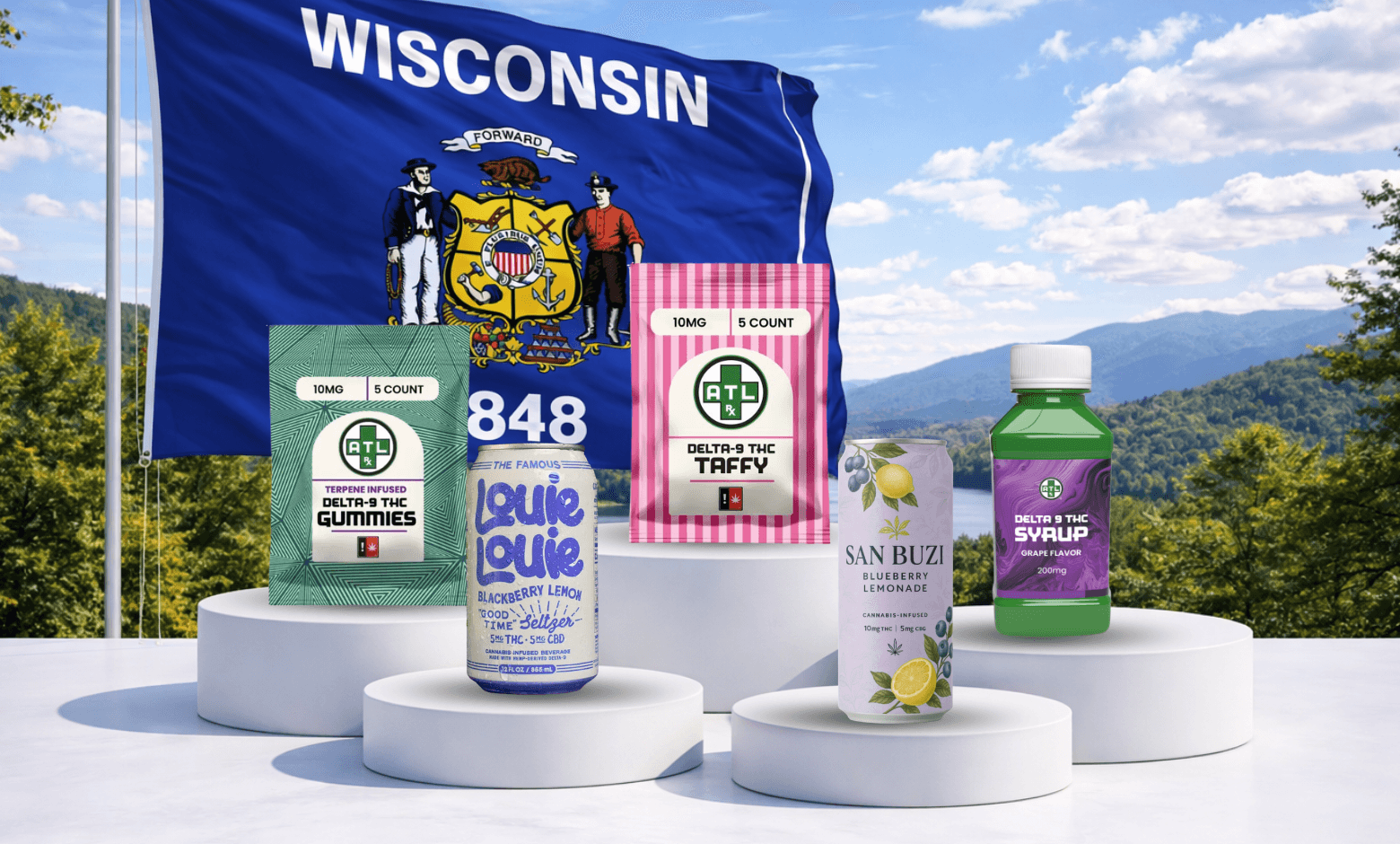
Delta 9 Legal Status in Wisconsin:
Hemp-derived Delta 9 THC is legal in Wisconsin as long as it contains 0.3% or less Delta 9 THC by dry weight. This is permitted under both the federal 2018 Farm Bill and Wisconsin Statutes § 94.55 (Wisconsin Act 68, 2019).
Marijuana-derived Delta 9 THC remains illegal in Wisconsin. The state has no recreational or medical marijuana program as of 2026.
If you have been asking, “Is Delta 9 legal in Wisconsin?” you are not alone. Thousands of Wisconsin residIn Wisconsin, hemp-derived Delta 9 THC is legal as long as it contains no more than 0.3% Delta 9 THC by dry weightents ask this question every month, and the 2026 answer is more important than ever. In Wisconsin, hemp-derived Delta 9 THC must contain less than 0.3% Delta 9 THC by dry weight. However, a major federal rule change taking effect in November 2026 is about to reshape the entire hemp-derived THC market. Whether you are a first-time buyer, a long-time hemp user, or a business navigating compliance, this guide gives you everything you need to know, clearly and accurately.
This article covers current Wisconsin hemp law, Wisconsin Senate Bill 188 (Act 68), the 0.3% dry weight rule, local city regulations in Milwaukee and Madison, available product types, Delta 8 vs. Delta 9 comparisons, Delta 9 effects, drug testing considerations, and the coming federal changes. All information is sourced from verified statutes and current regulatory guidance.
Keep Browsing
Explore Our Delta 9 THC Categories
Shop real Delta 9 THC products and collections.
Key Takeaways
- 01Under the 2018 Farm Bill and Wisconsin Statute 94.55, hemp-derived Delta 9 THC containing 0.3% or less by dry weight is legal in Wisconsin.
- 02While Delta 9 THC is legal for recreational use, it remains illegal for medical use. Wisconsin has no recreational or medical marijuana program as of 2026.
- 03Wisconsin Act 68 (Senate Bill 188), signed in 2019, aligned Wisconsin state law with the federal Farm Bill and formally removed compliant hemp from the state Controlled Substances Act.
- 04The cities of Milwaukee and Madison have enacted local ordinances requiring 21-year-olds to buy hemp-derived THC products. Always verify local rules in your municipality.
- 05A major federal rule change takes effect on November 12, 2026. Under P.L. 119-37, ingestible hemp products will be capped at 0.4 mg of total THC per container — far below current product levels. Almost all Delta 9 gummies and edibles on the market today will be affected.
- 06Verify compliance with a current, batch-specific Certificate of Analysis (COA) from an ISO-accredited third-party laboratory before purchasing.
- 07Delta 9 THC derived from hemp can cause a positive drug test. THC derived from hemp and marijuana cannot be distinguished by tests.
- 08OWI law in Wisconsin prohibits driving with detectable THC in your system, regardless of the source.
What Is Delta 9 THC?
The tetrahydrocannabinol Delta-9 (Delta 9 THC or Delta-9-THC) compound occurs naturally in hemp and marijuana. Tetrahydrocannabinols are among the 113 cannabinoids recognized in cannabis plants.
There is a delta-9 THC content in both hemp and marijuana. Hemp plants have very low levels of delta-9 THC. In the past, hemp has historically been associated with marijuana due to its close relationship with marijuana plants – a misunderstanding that sparked years of legal debate. Federal and state legislation has defined industrial hemp as a distinct, legal category separate from marijuana.
When THC is administered in sufficient amounts, it is psychoactive. Delta 9 THC delivers the strongest effects of the common THC isomers. Hemp-derived Delta 9 products are formulated with compliant, lower concentrations so that consumers receive an experience within legal and practical limits.
How Is Delta 9 THC Legal in Wisconsin?
Delta 9 THC derived from hemp is legal in Wisconsin when it meets two straightforward conditions under both federal and state law:
- Hemp-based products cannot be derived from marijuana.
- The amount of Delta 9 THC must not exceed 0.3% by dry weight.
The 2018 Farm Bill — The Federal Foundation
As a result of the 2018 Farm Bill, hemp-derived products can now be widely produced and commercialized at the federal level. Due to this, hemp was removed from the DEA’s controlled substance list and distinguished from marijuana, which has a high THC content.
For products to be federally legal, they must contain less than 0.3% Delta 9 THC and be made from industrial hemp. Additionally, the Farm Bill allows states to submit plans for primary regulatory control over hemp production within their borders.
Wisconsin Senate Bill 188 — Wisconsin Act 68 (2019)
Governor Tony Evers signed Senate Bill 188 into law in November 2019, following the federal legalization of hemp. According to the 2019 Wisconsin Act 68, also known as the 2018 Farm Bill, industrial hemp can now be cultivated, produced, and transported in Wisconsin.
By virtue of Wisconsin Act 68, hemp is no longer considered marijuana and is not listed as an illegal drug under the Wisconsin Controlled Substances Act. It allows cultivating, producing, and selling hemp and related products in Wisconsin.
In particular, Wisconsin Act 68 provided:
- The Wisconsin Department of Agriculture, Trade, and Consumer Protection (DATCP) issues licenses for growing, cultivating, harvesting, producing, sampling, testing, processing, transporting, transferring, possessing, selling, importing, and exporting hemp.
- In addition to setting licensing requirements, DATCP approves or denies licenses, suspends or revokes licenses, and sets fees associated with licensing.
- The DATCP approves persons to sample and test hemp.
Wisconsin Statute: Section 94.55 (Hemp) — Exact Legal Definition
The cannabis plant includes seeds, extracts, cannabinoids, isomers, acids, salts, salts of isomers, and derivatives, whether or not they are growing. It is recommended that Delta-9-tetrahydrocannabinol concentrations not exceed 0.3% by dry weight, or the federal maximum of 1%. The cultivation, harvest, production, sampling, testing, processing, transport, transfer, possession, sale, import, and export of hemp are all permitted in Wisconsin under federal law.
Wisconsin Statutes § 961.01(14) further excludes hemp from the state’s definition of marijuana, and § 961.14(4)(t) confirms that tetrahydrocannabinols found within hemp are not a Schedule I controlled substance in Wisconsin.
Wisconsin no longer requires a state hemp license from DATCP as of 2022, as the state program has shifted to federal oversight under the U.S. Department of Agriculture (USDA).
Medical Marijuana in Wisconsin
As of 2026, both recreational and medical marijuana are illegal in Wisconsin. Medical marijuana is not legal in Wisconsin. According to Lydia’s Law (Wisconsin Act 267), only low-THC cannabis oil (CBD oil) may be used for a narrow medical purpose as of 2013. Those with qualifying medical conditions are allowed to possess CBD in non-psychoactive form with a physician’s certification.
Wisconsin is one of approximately 10 states in the U.S. with no recreational or medical marijuana program.
The 0.3% Delta 9 THC Rule: What It Means in Practice
The term “dry weight basis” standardizes THC measurement by removing water content from the calculation. This ensures consistent legal compliance across all product types.
Here is how the math works in practice:
- 3.3 grams of gummies can contain approximately 10 mg of Delta 9 THC while adhering to the 0.3% threshold.
- Up to 15 mg of Delta 9 THC can be contained in 5 grams of gummies while remaining legally compliant.
- Manufacturers use this calculation to produce gummies and edibles with noticeable Delta 9 THC levels that are still federally compliant.
- Products with higher concentrations in smaller package sizes may exceed the threshold and become non-compliant.
It is for this reason that reviewing the Certificate of Analysis (COA) before purchasing is important.
| Product Weight | Max Legal Delta 9 THC (0.3%) | Example |
|---|---|---|
| 1 gram (1,000 mg) | 3 mg | Small gummy |
| 3.3 grams (3,300 mg) | ~10 mg | Standard serving of gummy |
| 5 grams (5,000 mg) | 15 mg | Larger gummy format |
| 10 grams (10,000 mg) | 30 mg | Multi-serving edible |
Hemp-Derived vs. Marijuana-Derived Delta 9 THC
The molecular structure of Delta 9 THC derived from hemp and marijuana is the same. Both come from the Cannabis sativa species. The legal distinction is entirely based on the plant’s THC content and how the product is sourced and manufactured.
The Cannabis sativa family includes both hemp and marijuana, but they have very different legal personalities:
- Hemp contains no more than 0.3% Delta 9 THC by dry weight. It is typically taller, contains more fiber in its stalks, and is used for textiles, paper, and industrial products in addition to consumer cannabinoid products.
- Marijuana has a Delta 9 THC content above 0.3% by dry weight, ranging up to 30% or more. It is shorter, bushier, and cultivated specifically for its high THC content. As a Schedule I controlled substance, it remains illegal under federal law.
How Is Hemp-Derived Delta 9 THC Manufactured?
Delta 9 THC derived from hemp can be produced in two ways:
- Isomerization: As a result of chemical processes, hemp-derived CBD is converted into Delta 9 THC. This process is also used to produce Delta 8, Delta 10, and other THC isomers.
- Extraction: This method extracts Delta 9 THC from hemp by distilling other cannabinoids, such as CBD.
Both methods remain legal ways to produce compliant hemp Delta 9 THC under current federal and Wisconsin law.
| Feature | Hemp-Derived Delta 9 THC | Marijuana-Derived Delta 9 THC |
|---|---|---|
| Source Plant | Cannabis sativa (hemp) | Cannabis sativa (marijuana) |
| Delta 9 THC Level | 0.3% or less by dry weight | Above 0.3% (often 15-30%+) |
| Federal Legal Status | Legal under the 2018 Farm Bill | Schedule I controlled substance |
| Wisconsin Status (2026) | Legal when compliant | Illegal; no dispensary program |
| Molecular Difference | None | None (same compound, different source) |
| Typical Products | Gummies, edibles, tinctures, distillate | Flower, concentrates, and dispensary items |
Delta 9 THC Products Available in Wisconsin
As of early 2026, the following hemp-derived Delta 9 THC product types are available for purchase in Wisconsin from compliant retailers and online hemp brands:
Edibles
- Delta 9 Gummies: It is one of the most popular formats. The product is easily dosed, discreet, and available in a variety of potencies and flavors. A standard serving of gummy typically contains 5 to 15 mg of Delta 9 THC.
- Delta 9 Caramels and Taffy: Candy-style edibles infused with compliant Delta 9 THC.
- Delta 9 THC Syrup: Liquid form that can be added to beverages. Flexible dosing makes it popular.
Tinctures and Oils
- Delta 9 Tinctures: Sublingual liquid extracts taken with food or drinks. Tinctures allow for more precise dosing than edibles.
Concentrates
- Delta 9 THC Distillate: A highly concentrated oil form of Delta 9 THC used in vape cartridges, edibles, and other product formats.
Capsules
- Delta 9 Capsules: Pre-measured, ingestible capsules for consistent dosing without the taste of edibles.
ATLRx ships compliant Delta 9 products directly to Wisconsin, including Delta 9 Gummies, Delta 9 Caramels, Delta 9 THC Taffy, Delta 9 THC Syrup, and Delta 9 THC Distillate — all manufactured from premium American hemp and third-party lab tested for compliance and quality.
Where to Buy Delta 9 THC in Wisconsin
Wisconsin consumers can find Delta 9 THC products derived from hemp online and in stores.
Shop Delta 9
View all →


Online
- Many reputable vendors ship legal hemp-derived Delta 9 products with Certificates of Analysis (COAs) directly to Wisconsin consumers. Online shopping gives you the ability to review full product information, third-party lab results, and brand transparency before purchasing.
- ATLRx offers fast, secure shipping to Wisconsin with full COA documentation available on every product page.
Local Stores
- Head shops and vape shops across Wisconsin carry Delta 9 gummies, tinctures, and other edibles.
- Hemp specialty stores and CBD stores typically offer higher-quality, better-documented products than gas stations or convenience stores.
- Gas stations and smoke shops in Wisconsin increasingly stock Delta 9 products, but product quality, testing documentation, and labeling accuracy vary significantly. Always request and review the COA.
What to Look for When Buying
- Check the Certificate of Analysis (COA): Delta 9 THC should be less than 0.3% by dry weight. A COA should be issued by an ISO-accredited, independent third-party lab and be batch-specific.
- Verify hemp origin: Confirm the product is derived from compliant industrial hemp, not marijuana.
- Check labeling: Wisconsin’s truth-in-labeling laws require accurate ingredient lists, net weight, Delta 9 THC content per serving and per package, and manufacturer contact information.
- Confirm age requirements: Reputable retailers require buyers to be 21 or older for Delta 9 THC products, consistent with Milwaukee and Madison’s local ordinances.
- Buy from transparent brands: Quality brands provide accessible COAs, list their sourcing and manufacturing practices, and offer responsive customer support.
ATLRx Tip: Every ATLRx product is manufactured from premium American hemp, produced in a DEA-certified lab under the supervision of an accredited chemist, and rigorously third-party tested. We provide COAs directly on our product pages.
Delta 8 vs. Delta 9 THC: Key Differences
Wisconsin consumers frequently encounter both Delta 8 and Delta 9 THC products on store shelves.
The cannabis plant naturally contains Delta 8 THC and Delta 9 THC. Although they share the same molecular formula, their chemical structures are different. Double bonds can be divided into two types:
- Unlike delta 9 THC, delta 9 THC has a double bond in its ninth carbon chain.
- A double bond is present in delta 8 THC’s eighth carbon chain.
Each compound interacts differently with the body’s endocannabinoid receptors (CB1 and CB2) due to its structural differences, leading to distinct effects.
Important 2026 update: Unlike Delta-9 THC, which can remain on the market in reformulated micro-dose products after November 2026, Delta-8 THC faces an outright federal ban. P.L. 119-37 explicitly prohibits synthetically derived cannabinoids and cannabinoids that cannot be naturally produced by the cannabis plant at any level. Because commercially available Delta-8 is produced through chemical conversion of CBD rather than direct extraction, it falls into this banned category. Wisconsin consumers who currently use Delta-8 products should be aware that these products will have no legal path forward under federal law after November 12, 2026.
| Feature | Delta 9 THC | Delta 8 THC |
|---|---|---|
| Potency | Stronger psychoactive effects | Milder effects; sometimes described as Delta 9’s younger sibling |
| Source | Hemp or marijuana | Typically derived from hemp via chemical conversion from CBD |
| Wisconsin Legal Status | Legal (hemp-derived, 0.3% limit) | Legal gray area currently; however, Delta-8 will be explicitly banned under P.L. 119-37 effective November 12, 2026, as a synthetically derived cannabinoid |
| Federal Status | Legal when hemp-derived and compliant | Federally legal when hemp-derived and compliant |
| Common Products | Gummies, edibles, tinctures, distillate | Gummies, vapes, tinctures, and flower |
| Best For | Consumers familiar with THC | Newer consumers or those seeking a milder experience |
Generally, Delta 9 THC is stronger than Delta 8 THC. Delta 8 is commonly described as producing milder effects, making it a popular option for newer consumers, while Delta 9 is favored by those with more experience.
Delta 9 THC Effects: What to Expect
The effects of Delta 9 vary from person to person. Previous experience with THC and dosage are the primary factors that determine how Delta 9 affects you. Typical effects reported by users vary in intensity depending on dosage:
- Euphoria and a sense of uplift
- A sense of relaxation
- Talkativeness and increased sociability
- Altered perception of time
- Changes in appetite perception
- Altered sensory perception and changed thought patterns at lower doses
Additional factors that influence how Delta 9 affects you include:
- Consumption method: Inhalation (vaping or smoking) delivers effects more quickly because the compound travels through the lungs. Edibles, gummies, oils, and capsules must be digested first, which means the onset is slower (typically 30 to 90 minutes), but the duration of effects is longer.
- Product quality and purity: Pure, well-tested Delta 9 products deliver more consistent experiences than low-quality products that may contain impurities.
- Frequency of use: With long-term Delta 9 THC use, tolerance builds, which means higher doses may be required to achieve the same effects.
- Individual factors: Body weight, metabolism, genetics, and overall tolerance all play a role.
If you are new to Delta 9 THC, start with the smallest serving size available and wait to observe the effects before consuming more.
Important: The delta 9 THC in Delta 9 is a psychoactive substance. Driving or operating machinery is not recommended after consuming Delta 9 THC products. A driver who has a detectable amount of THC in their system is prohibited from driving under Wisconsin’s OWI law.
Does Delta 9 THC Show Up on a Drug Test?
Yes. Hemp-derived Delta 9 THC can trigger a positive result on standard drug tests. Most employer drug screenings test for THC metabolites, and these tests cannot differentiate between hemp-derived and marijuana-derived THC.
If you consume Delta 9 THC once, your urine will likely clear within four days or less. It may take up to a month for it to clear your system for a urine test.
| Test Type | Typical Detection Window | Notes |
|---|---|---|
| Urine (Urinalysis) | 4 days (occasional) to 30+ days (regular use) | Most common employer screening method |
| Blood Test | Hours to a few days | Used in medical and legal contexts |
| Saliva Test | Hours to a few days | Roadside and some workplace testing |
| Hair Follicle Test | Up to 90 days | Detailed screening; less common |
Even legal hemp-derived Delta 9 products can cause you to fail a drug test. If you have an upcoming drug test, plan accordingly and refrain from taking any Delta 9 or THC products for the appropriate window. Standard drug tests screen specifically for Delta 9 because it is the primary THC metabolite, regardless of whether the source was hemp or marijuana.
Local Wisconsin City Rules for Delta 9 THC
According to Wisconsin state law, there is no statewide minimum age requirement for purchasing hemp-derived THC products. However, several major Wisconsin municipalities have enacted their own ordinances:
Milwaukee
- Milwaukee enacted a local ordinance in 2025 requiring all purchasers of hemp-derived THC products to be at least 21 years old.
- A first marijuana possession offense in Milwaukee is treated as a ticketable ordinance violation, without criminal penalties, under city rules.
Madison
- Madison passed a similar 21+ age restriction ordinance in November 2025.
- Madison also prohibits hemp-derived THC retailers from locating within a quarter-mile of schools and child care centers.
- Madison local enforcement has historically chosen not to prosecute simple marijuana possession cases when no aggravating circumstances are present.
Important: City-level rules vary across Wisconsin. Always verify local ordinances in your municipality before purchasing or selling hemp-derived Delta 9 THC products. The 21+ standard that is common in Milwaukee and Madison is also the voluntary industry standard followed by reputable hemp brands nationwide.
Wisconsin vs. Neighboring States: Cannabis Legality at a Glance
Wisconsin residents frequently look to neighboring states for comparison, particularly given the economic impact of cannabis tourism to states like Illinois and Michigan. Here is a current reference:
| State | Recreational Cannabis | Medical Cannabis | Hemp-Derived Delta 9 |
|---|---|---|---|
| Wisconsin | Illegal | No program (limited CBD via Lydia’s Law only) | Legal (0.3% limit) |
| Illinois | Legal (adult use 21+) | Legal | Legal |
| Michigan | Legal (adult use 21+) | Legal | Legal |
| Minnesota | Legal (adult use 21+) | Legal | Legal |
| Iowa | Illegal | Limited medical program | Legal (compliant hemp) |
Wisconsin is one of approximately 10 states with no recreational or medical marijuana program. Neighboring states with full adult-use programs generate significant cannabis tourism revenue that Wisconsin’s economy currently misses. Tim Frey of Ignite Dispensary has described this as “Wisconsin’s half a billion dollar loss,” referring to the estimated hundreds of millions that cross state lines to Illinois and Michigan annually.
Shop Delta 9
View all →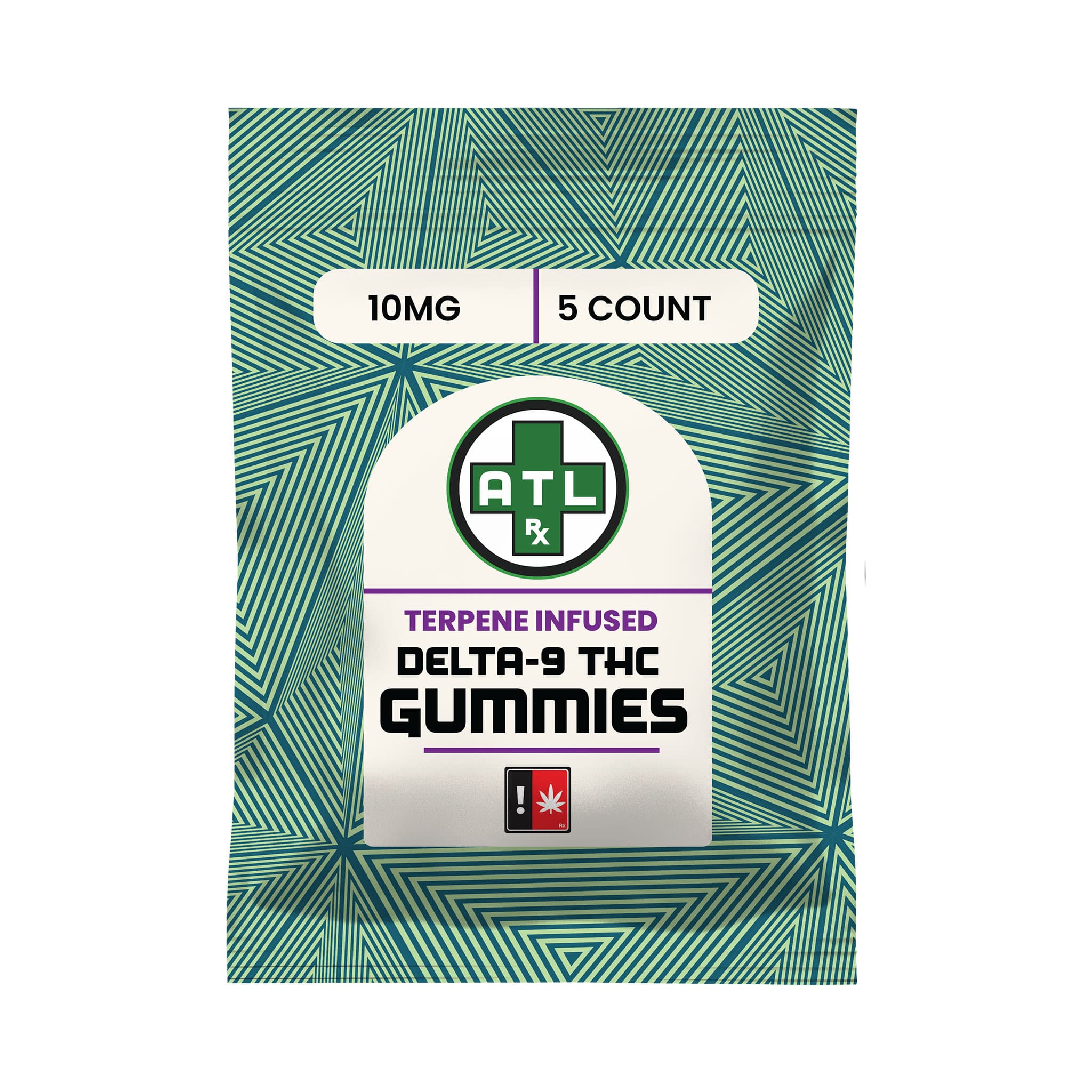
Delta 9 Terpene Infused Gummies 10 MG
Best Value: 20 Count · Save 17%
Purchasing marijuana-derived THC products in another state and bringing them back into Wisconsin is still illegal under Wisconsin law, regardless of where the purchase was made.
The 2026 Federal Hemp Rule Changes: What Wisconsin Buyers Must Know
A major federal change is coming that will reshape the legal hemp market nationwide, including in Wisconsin.
What Changed Federally?
Congress passed a sweeping amendment to the federal definition of hemp through the Continuing Appropriations, Agriculture, Legislative Branch, Military Construction and Veterans Affairs, and Extensions Act, 2026 (P.L. 119-37), signed by President Trump on November 12, 2025. The hemp provision was included in Division B of this full-year FY2026 agriculture appropriations package.
The New Total THC Formula
Total THC = Delta 9 THC + (THCA x 0.877). This formula accounts for the chemical conversion (decarboxylation) that occurs when THCA is heated, converting it into psychoactive Delta 9 THC.
Per-Container THC Cap for Finished Products
Under P.L. 119-37, finished ingestible hemp products — including edibles, gummies, tinctures, beverages, and capsules — will be limited to no more than 0.4 milligrams of total THC per container. This cap is far below the amount found in most currently sold Delta 9 gummies and edibles.
| Rule Change | Before Nov. 12, 2026 | After Nov. 12, 2026 |
|---|---|---|
| THC Measurement Method | Delta 9 THC only, by dry weight | Total THC = Delta 9 + (THCA x 0.877) |
| Ingestible Product Limit | No per-container cap | 0.4 mg total THC per container maximum |
| Impact on Current Products | 15 mg Delta 9 gummies legal | Most current gummies exceed the container limit |
| Synthetic Cannabinoids | Regulated inconsistently | Broad ban on synthetically derived cannabinoids |
| Market Impact | Broad hemp THC product availability | Most ingestible hemp THC products have been removed from the legal market |
Wisconsin’s hemp industry is estimated to be valued at approximately $700 million and supports at least 3,500 jobs, according to the Wisconsin State Journal. The coming federal changes are expected to eliminate most ingestible hemp THC products from the legal market unless manufacturers reformulate or Congress takes additional action before November 2026.
Consumers who rely on these products should be aware that the market will change significantly after November 12, 2026. Many current products will disappear from legal channels or require reformulation.
Conclusion
So, is Delta 9 legal in Wisconsin? Yes. Delta 9 THC derived from hemp is legal in Wisconsin if it meets the 0.3% Delta 9 THC by dry weight standard established under the 2018 Farm Bill and Wisconsin Statutes § 94.55. Products are widely available both online and in local Wisconsin stores.
That said, the legal landscape is changing significantly. The November 2026 federal hemp rule changes introduce a total THC container limit that will eliminate most current ingestible Delta 9 products from the legal market. Wisconsin continues to have no recreational or medical marijuana program, and several municipalities have added local age restrictions for hemp-derived THC purchases.
For Wisconsin buyers, the best approach is to purchase from reputable brands that provide transparent, current COAs; clearly document hemp origin; comply with state and federal labeling laws; and stay on top of regulatory changes. ATLRx meets all of these standards, offering premium American hemp-derived Delta 9 products with rigorous third-party testing, knowledgeable customer support, and fast shipping directly to Wisconsin.
Frequently Asked Questions
Is Delta 9 Legal in Wisconsin in 2026?
+
Yes. Hemp-derived Delta 9 THC will be legal in Wisconsin in 2026 if the product contains less than 0.3% Delta 9 THC by dry weight. This is authorized under both the federal 2018 Farm Bill and Wisconsin Statutes § 94.55, as enacted through Wisconsin Act 68.
Are Delta 9 Edibles Legal in Wisconsin?
+
Yes, Delta 9 edibles, such as gummies and caramels, are legal in Wisconsin as long as they meet certain conditions: the THC must be derived from hemp, not marijuana, and the THC concentration must not exceed 0.3%. Gummies and edibles from Delta 9 can be purchased online or in Wisconsin stores without any restrictions beyond the applicable age requirement.
Can I Buy Delta 9 Gummies Online and Have Them Shipped to Wisconsin?
+
Yes. Hemp-derived Delta 9 THC products can be ordered online and shipped to Wisconsin. ATLRx offers free shipping on Delta 9 gummies and other compliant Delta 9 products directly to Wisconsin, including Milwaukee, Madison, Green Bay, Appleton, Kenosha, and Wausau.
Is Marijuana-derived Delta 9 THC Legal in Wisconsin?
+
No. Delta 9 THC derived from marijuana is prohibited for recreational and medical use in Wisconsin as of 2026. Wisconsin has no recreational or standard medical marijuana program. Possession, cultivation, distribution, and consumption of marijuana-derived Delta 9 THC are subject to fines, jail time, and criminal records under Wisconsin law.
Is Delta 9 Stronger than Delta 8?
+
Generally, yes. Delta 9 THC is stronger than Delta 8 THC. Delta 8 is commonly described as producing milder effects, making it a popular option for newer consumers, while Delta 9 is favored by those with more experience.
How Old Do You Have to Be to Buy Delta 9 in Wisconsin?
+
A minimum age of 21 is generally required to purchase Delta 9 THC products in Wisconsin. While there is no statewide age requirement, Milwaukee and Madison have both enacted local ordinances requiring buyers to be 21 or older. Reputable online and in-store retailers voluntarily enforce the 21+ standard.
Does Delta 9 Show up on a Drug Test?
+
Yes. THC derived from hemp can trigger a positive result on standard drug tests. Hemp-derived THC cannot be distinguished from marijuana-derived THC in tests that screen for THC metabolites. If you take Delta 9 only once, it will likely clear your urine within four days. Regular use can keep it detectable for a month or longer.
Can I Fly with Delta 9 Gummies from Wisconsin?
+
Hemp-derived Delta 9 gummies containing 0.3% THC or less are federally legal, and you can generally fly with them to and from most U.S. states. However, the legal status of hemp products varies by destination, especially internationally. A number of countries consider hemp to be a controlled substance, and it is illegal in some. Check the laws of your destination before traveling with Delta 9 products.
Is Hemp-derived Delta 9 Legal in Wisconsin for Medical Use?
+
Wisconsin has no formal medical marijuana program beyond Lydia’s Law, which permits very specific CBD use for qualifying seizure conditions only. Hemp-derived Delta 9 THC products are available for general consumer purchase under hemp law, not as a medical treatment. No medical card or prescription is required to purchase compliant hemp-derived Delta 9 products in Wisconsin.
What Is Lydia’s Law in Wisconsin?
+
Wisconsin Act 267, known as Lydia’s Law, permits the use of certain low-THC CBD products specifically for qualifying patients with severe seizure disorders. It does not create a broader medical marijuana program and does not apply to general consumer use of Delta 9 THC products.
How Does the November 2026 Federal Change Affect Wisconsin Delta 9 Buyers?
+
After November 12, 2026, most currently available Delta 9 gummies, edibles, and tinctures will not comply with the new federal total THC container limit of 0.4 milligrams per container. This means most ingestible hemp THC products will effectively be removed from the legal hemp market unless manufacturers reformulate. Consumers should stock up on current compliant products, stay informed about market changes, and monitor for news on whether Congress takes additional legislative action before the deadline.
Disclaimer: This article is for general informational purposes only and does not constitute legal advice. All statements in this blog have not been evaluated by the Food and Drug Administration. ATLRx products are not intended to diagnose, treat, cure, or prevent any disease. Laws change frequently; consult a qualified legal professional for advice specific to your situation.
Related Articles:
Why Trust This Guide
- ATLRx has sold third-party lab-tested hemp products out of Georgia since 2019.
- Every real batch we sell is tested by an accredited outside lab, with the Certificate of Analysis published before you buy.
- We operate 3 real physical stores in Georgia — this isn't a drop-shipped storefront.
- Legal information is rechecked and updated as rules change, not published once and forgotten.
This guide is for general information only and is not legal advice. While we update it as rules change, state laws can shift quickly. Please confirm current laws with your state’s official sources.
Don't Trust the Label. Check the Lab.
ATLRx publishes third-party Certificates of Analysis for real batches so you can verify cannabinoid content before you buy — not just take the package's word for it.
View Lab Results →Have Questions?
Visit an ATLRx store in Georgia and talk to our team.
Real Customers, Real Reviews
What Customers Are Saying

Jen Hight
Cannabis Industry Expert & Compliance Specialist Jen Hight is a cannabis industry professional with extensive experience in hemp compliance, product development, and consumer education. With a background in regulatory affairs and a passion for helping consumers navigate the complex world of cannabinoids, Jen provides accurate, up-to-date information on hemp legality and best practices. Her work focuses on making cannabis knowledge accessible while ensuring readers understand both the opportunities and responsibilities that come with legal hemp products.
View all articles →Keep Learning

Where To Buy Delta 9 Gummies Near Me?
You can buy Delta 9 gummies near you at five types of retailers: a licensed cannabis dispensary, a hemp or CBD store, a vape or smoke shop, a convenience store, or online, directly from a hemp brand. In many states, these sit on ordinary retail shelves and can be mailed to a home address. The […]
Oct 21, 2026 · 10 min read

Where to Buy Delta 9 in Texas?
Delta 9 Availability in Texas: Yes. Hemp-derived Delta 9 is legal to buy in Texas in August 2026. To qualify, a product has to come from hemp and test at 0.3% or less total THC on a dry weight basis. Texas has computed that figure as (0.877 x THCA) + Delta 9 since March 31, […]
Aug 7, 2026 · 26 min read

Where to Buy Delta 9 in Oklahoma?
Delta 9 Availability in Oklahoma: Yes. Delta 9 THC derived from hemp is legal in Oklahoma starting in 2026 for adults 21 and older. It must be made from hemp, not marijuana, and contain less than 0.3% Delta-9 THC by dry weight. Medical marijuana does not require a card. You can buy it online or […]
Aug 5, 2026 · 23 min read

Where to Buy Delta 9 in Iowa?
Delta 9 Availability in Iowa: Yes, hemp-derived Delta 9 is legal in Iowa in 2026, but only if it follows the state’s rules. Consumable hemp products cannot contain more than 4 mg of total THC per serving and 10 mg of total THC per container. The product also has to come from legal hemp, be […]
Aug 4, 2026 · 25 min read
Stay Informed
New product releases, hemp law updates, and useful cannabinoid guides.