


$39.99
ARE YOU 21 YEARS OF AGE OR OLDER?
REMEMBER ME
Seriously, by using this site you are confirming that you are of legal age (21+) to view and purchase these products. If you are you are not over 21. you are not authorized by us to use or view any of the pages of this site. Please review our terms and conditions at checkout for further stipulations.
 >
Blogs
>
CBD >
Is CBD Legal in Alabama? 2026 State Law Explained
>
Blogs
>
CBD >
Is CBD Legal in Alabama? 2026 State Law Explained
THE STATEMENTS ON THIS BLOG ARE NOT INTENDED TO DIAGNOSE, TREAT, CURE, OR PREVENT ANY DISEASE. THE FOOD AND DRUG ADMINISTRATION HAS NOT EVALUATED ANY STATEMENTS CONTAINED WITHIN THE BLOG. ATLRX DOES NOT IN ANY WAY GUARANTEE OR WARRANT THE ACCURACY, COMPLETENESS, OR USEFULNESS OF ANY MESSAGE. THE INFORMATION CONTAINED WITHIN THIS BLOG IS FOR GENERAL INFORMATIONAL PURPOSES ONLY.
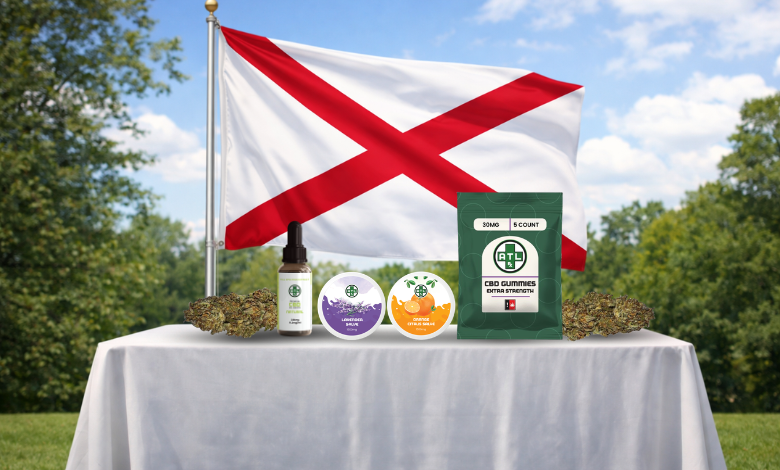
CBD Legal Status in Alabama:
Yes, Hemp-derived CBD containing no more than 0.3% THC is legal in Alabama under both federal and state Law. However, Alabama’s landmark HB 445, signed into Law in May 2025, fundamentally reshaped the state’s hemp landscape. As of July 1, 2025, smokable and vapable hemp products — including CBD flower, pre-rolls, and vape cartridges — are banned and classified as a Class C Felony. Online delivery to Alabama is explicitly prohibited. Non-smokable CBD products (oils, tinctures, gummies, topicals, capsules) remain legal but may only be purchased in person from licensed Alabama retailers regulated by the Alabama Alcoholic Beverage Control (ABC) Board.
If you have been searching for a straight answer to “Is CBD legal in Alabama,” you are not alone — and the answer has never carried more weight. Alabama was already a conservative state on cannabis policy, but 2025 brought changes so sweeping that even longtime hemp retailers and consumers were caught off guard. This guide breaks down everything you need to know: the federal foundation, Alabama’s specific legislative history, what HB 445 actually says in plain language, which products are now legal or illegal, and what the real-world consequences are for consumers and businesses.
At ATLRx, we have operated in the hemp space for over eight years. We have built our reputation on transparency — every product we sell carries third-party lab results you can view on our website. Part of that transparency means giving you accurate legal information, even when the news is not what you hoped to hear. This article was researched against official Alabama legislative sources, primary government references, and verified by our compliance team before publication.
Table of contents:
CBD is a naturally occurring compound found in the cannabis plant. It is one of over 100 known cannabinoids. Unlike THC (tetrahydrocannabinol), CBD does not produce psychoactive effects, meaning it does not create the intoxicating “high” associated with marijuana use.
CBD is available in a wide range of product formats. Non-smokable options include CBD oils and tinctures, gummy edibles, capsules and softgels, and topical creams and salves. Smokable formats — CBD flower, pre-rolls, and vape cartridges — were widely sold in Alabama until HB 445 banned them in 2025.
CBD can be derived from both marijuana and industrial hemp. Only hemp-derived CBD is federally legal. Under the 2018 Farm Bill, hemp is legally defined as cannabis plants containing no more than 0.3% delta-9 THC by dry weight. All products in the ATLRx lineup are derived from U.S.-grown industrial hemp and meet this federal threshold, verified by third-party laboratory testing.
The 2018 Agriculture Improvement Act — commonly called the Farm Bill — is the legal foundation for CBD’s federal status. By removing hemp and hemp-derived compounds from the Controlled Substances Act, Congress federally legalized hemp cultivation, processing, and the interstate commerce of hemp-derived products. This legislation opened the consumer CBD market and allowed retailers like ATLRx to operate lawfully across state lines.
The Farm Bill granted states considerable flexibility to regulate hemp within their own borders, provided state regulations are at least as strict as the federal minimum. Alabama has exercised that flexibility vigorously — particularly with HB 445, which in many respects goes significantly further than federal law requires.
One ongoing federal ambiguity worth noting: the FDA has not established a finalized regulatory pathway for CBD as a food ingredient or dietary supplement. This uncertainty has contributed to varying and sometimes contradictory state approaches, including Alabama’s increasingly restrictive stance on where and how CBD can be sold.
Alabama’s current CBD laws did not emerge overnight. The state’s relationship with hemp and CBD has evolved through a decade of incremental and sometimes dramatic legislative shifts. Understanding this history explains both why HB 445 happened and what it changed.
Alabama’s first legislative step toward CBD access. Named after a young girl living with treatment-resistant epilepsy, Carly’s Law provided a legal defense for minors diagnosed with epilepsy who used low-THC CBD oil, and authorized the University of Alabama at Birmingham (UAB) to conduct research into CBD. Access was extremely narrow — patients required a direct UAB physician recommendation. This was a defense mechanism, not a commercial legalization.
Leni’s Law expanded on Carly’s Law in two meaningful ways: it removed the requirement that recommendations come exclusively from UAB physicians, and it broadened the qualifying conditions beyond epilepsy to include other debilitating medical conditions with a low-THC CBD oil component. Still not commercial legalization, but a significant step toward broader patient access.
Congress passed the 2018 Agriculture Improvement Act, federally legalizing hemp and all cannabinoids derived from it — including CBD — as long as the plant contained no more than 0.3% delta-9 THC. This was the watershed moment for the consumer CBD industry.
Alabama enacted SB 225, formally aligning state law with the 2018 Farm Bill. The legislation authorized hemp cultivation, processing, and the sale of hemp-derived products within Alabama, establishing the commercial framework that would power a booming retail CBD market over the following five years.
Governor Kay Ivey signed SB 46, establishing Alabama’s medical marijuana program under the Alabama Medical Cannabis Commission (AMCC) [amcc.alabama.gov]. This is a separate program from consumer CBD — it created a pathway for qualifying patients aged 19 and older with specific debilitating conditions to access medical marijuana products containing higher THC levels. As of early 2026, the medical cannabis retail program has not yet fully launched in Alabama; the AMCC is still in the process of licensing dispensaries.
See the detailed breakdown in the next section. This legislation fundamentally changed what is and is not legal in Alabama’s hemp market.
Licensing requirements for retailers and all remaining HB 445 provisions came into full effect. Hemp products sold outside of ABC Board-licensed retailers are now subject to active criminal enforcement.
IMPORTANT: This section contains the most critical and recently updated information on CBD law in Alabama. Many articles published before mid-2025 are now significantly out of date. ATLRx has reviewed HB 445 directly against its enrolled bill text and updated this guide to reflect the legal reality as of February 2026.
House Bill 445 was signed into Law by Governor Kay Ivey in May 2025 after passing both chambers of the Alabama Legislature. It represents the most sweeping change to hemp product regulation in the state’s history, placing the Alabama Alcoholic Beverage Control (ABC) Board [abc.alabama.gov] in charge of licensing and enforcement.
Use this reference table to quickly assess the legal status of specific CBD product types under current Alabama law. Always verify with a licensed Alabama retailer or qualified attorney for your specific circumstances.
| CBD Product Type | Legal Status | Key Conditions / Notes |
|---|---|---|
| CBD Oil / Tinctures | ✓ LEGAL | Licensed retailer only; in-person purchase; not available for online delivery |
| CBD Gummies / Edibles | ✓ LEGAL | Licensed retailer only; max 5mg THC per serving; 21+ only |
| CBD Topicals (Salve, Cream, Lotion) | ✓ LEGAL | Licensed retailers and pharmacies; in-person only |
| CBD Capsules / Softgels | ✓ LEGAL | Licensed retailer only; 21+ only |
| CBD Flower (Smokable) | ✗ ILLEGAL | BANNED July 1, 2025 — Class C Felony; 1–10 yrs prison, up to $15,000 fine |
| CBD Pre-Rolls (Smokable) | ✗ ILLEGAL | BANNED July 1, 2025 — Class C Felony |
| CBD Vape Cartridges / Disposables | ✗ ILLEGAL | BANNED July 1, 2025 — Class C Felony |
| Delta-8 / Delta-10 / THC-A Products | ✗ ILLEGAL | Banned under HB 445 as psychoactive hemp derivatives |
| Online CBD Orders Shipped to AL | ✗ ILLEGAL | Direct-to-consumer online delivery is explicitly prohibited under HB 445 |
| CBD at Gas Stations / Convenience Stores | ✗ ILLEGAL | These retail channels are no longer permitted to sell hemp products |
CBD purchases in Alabama must now be made:
When shopping at any Alabama retailer, you have the legal right to request the Certificate of Analysis (COA) for any product. HB 445 requires licensed retailers to keep this documentation on-site and to make it available to customers and law enforcement on demand. If a retailer cannot produce a COA for a product they are selling, that is a serious red flag.
ATLRx is a Georgia-based hemp retailer with physical locations in Atlanta, Alpharetta, and Dawsonville, GA. Alabama residents are welcome to visit us in person. All ATLRx products are third-party lab tested, and COAs are available for every product on our website. Due to HB 445, we cannot fulfill consumable hemp delivery orders to Alabama.
One of the most important and underreported aspects of HB 445 is the severity of its penalties — and a counterintuitive legal reality that has surprised many Alabama residents.
A striking legal irony: Possessing smokable hemp (a now-illegal CBD vape or flower) in Alabama can result in a Class C Felony charge, 1–10 years in prison. Meanwhile, possessing a small amount of recreational marijuana is typically charged as a Class A Misdemeanor for a first offense, carrying up to one year in jail. Hemp product violations can carry harsher consequences than marijuana possession under current Alabama law.
If you live outside Alabama and legally possess CBD flower, pre-rolls, or vape cartridges in your home state, bringing those products into Alabama makes them illegal the moment you cross the state line. Alabama law does not provide a safe-harbor provision for out-of-state legal hemp products in smokable form.
Yes, Full-spectrum CBD contains the full range of hemp plant compounds — including trace amounts of THC (up to 0.3% by dry weight), other minor cannabinoids, terpenes, and plant flavonoids. This profile is what distinguishes full-spectrum products from CBD isolate (pure CBD only) or broad-spectrum (CBD plus other cannabinoids but with THC removed).
Full-spectrum CBD oil, tinctures, and topicals remain legal in Alabama as long as they meet the 0.3% THC threshold and are purchased from a licensed retailer in person.
Full-spectrum gummies and edibles present a more nuanced picture under HB 445. The Law’s 5mg per serving THC cap means that some higher-potency full-spectrum edibles may no longer be compliant for sale in Alabama, even if they were previously available. Consumers and retailers should verify that any full-spectrum edible product does not exceed 5mg total THC per serving. Full-spectrum tinctures and topicals are not subject to the per-serving THC cap.
Always request the COA when purchasing any full-spectrum product to confirm it meets Alabama’s current THC limits. A reputable licensed retailer will have this documentation readily available.
Yes, CBD gummies are still legal in Alabama, but with tighter restrictions than before HB 445.
Here is precisely what the current Law requires:
If you previously ordered CBD gummies online and had them shipped to your Alabama address, that option is no longer legally available to you under HB 445.
No. Online sales and direct-to-consumer delivery of consumable hemp products to Alabama addresses are explicitly prohibited under HB 445. This is not a gray area — it is a clear statutory prohibition. Ordering CBD products online and having them shipped to an Alabama address is a violation of state law, regardless of the product type.
This restriction affects both buyers and sellers. Alabama residents who previously ordered CBD products online from ATLRx or any other retailer should be aware that we cannot fulfill consumable hemp deliveries to Alabama addresses in order to comply with HB 445.
If you are an Alabama resident looking for legal CBD options, locate a licensed Alabama hemp retailer in your area, or consider visiting one of our ATLRx Georgia store locations in person.
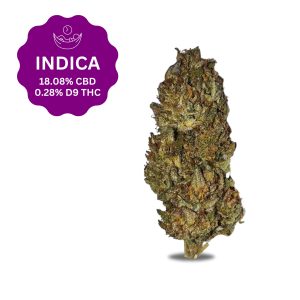
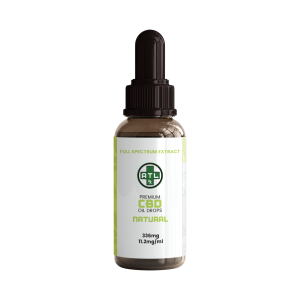

Hemp-derived CBD is still legal in Alabama — but the Alabama of 2026 is a fundamentally different legal environment from the Alabama of 2024. The passage of HB 445 was a dramatic shift that banned smokable products outright with felony penalties, ended online delivery entirely, restricted legal retail to ABC Board-licensed brick-and-mortar locations, and raised the age restriction to 21.
The most important things to know right now:
Yes, hemp-derived CBD with no more than 0.3% THC is legal in Alabama, but with significant new restrictions imposed by HB 445 in 2025. Non-smokable products — CBD oil, tinctures, gummies, topicals, and capsules — can be purchased from licensed in-person retailers. Smokable CBD (flower, pre-rolls, and vape cartridges) is illegal and classified as a Class C Felony.
HB 445 is a 2025 Alabama law that enacted the most sweeping hemp product regulation changes in the state’s history. Key provisions include: banning all smokable hemp as of July 1, 2025 (Class C Felony); prohibiting online delivery; restricting retail to licensed ABC Board-authorized locations only; capping edible THC at 5mg per serving; requiring licensed retailers to maintain COAs on-site; and imposing a 21+ age restriction on all consumable hemp purchases.
No. CBD flower and all other smokable hemp products became illegal to possess or sell in Alabama on July 1, 2025. Possession or sale is classified as a Class C Felony under HB 445, punishable by 1–10 years in prison and fines up to $15,000. There are no exceptions for personal use quantities.
No. All hemp vape cartridges and disposable vapes are banned under the same July 1, 2025, provision that covers all smokable and vapable hemp products. Possession carries Class C Felony charges — the same felony classification as CBD flower and pre-rolls.
Yes, if you possess smokable or vapable hemp products (CBD flower, pre-rolls, vape cartridges) or products from an unlicensed source. The risk level is significantly higher under HB 445 than it was before 2025. Non-smokable CBD purchased from a licensed retailer in compliance with all HB 445 provisions should not result in arrest, but always retain your purchase receipt and verify that the retailer is licensed.
From licensed Alabama hemp retailers operating under ABC Board authorization. This includes standalone hemp stores, licensed liquor stores with a hemp license, and other adult-only licensed locations. Gas stations, convenience stores, and any online retailer that ships to Alabama are no longer legal sources of CBD products.
Federal Law requires hemp-derived products to contain no more than 0.3% delta-9 THC by dry weight. Alabama’s HB 445 adds a state-level restriction: edible CBD products cannot exceed 5mg of total THC per serving. Smokable products are banned regardless of their THC content.
Yes. CBD oil and tinctures remain legal in Alabama and can be purchased from licensed in-person retailers and pharmacies. They are not available for online delivery to Alabama addresses.
No. Hemp-derived CBD products do not require a prescription or medical marijuana card. They are available to any adult 21 or older at a licensed Alabama hemp retailer. A medical marijuana card is a separate program under the AMCC and applies to products with higher THC concentrations.
Yes, in non-smokable form. Full-spectrum CBD oil and topicals are legal at licensed retailers and must meet the 0.3% THC threshold. Full-spectrum gummies and edibles are legal if they do not exceed 5mg of total THC per serving. Always check the COA to confirm compliance.
For non-smokable CBD products that comply with HB 445’s limits (not smokable, under 0.3% THC, under 5mg per serving for edibles), the interstate transport picture is less clear-cut — federal Law protects interstate hemp commerce, but Alabama’s enforcement posture is strict. For smokable hemp, the answer is unambiguous: bringing CBD flower, pre-rolls, or vape carts into Alabama from a state where they are legal still makes them illegal in Alabama. Consult a qualified Alabama attorney for advice specific to your situation.
HB 445 effectively banned Delta-8 THC and similar psychoactive hemp derivatives in Alabama. These products fall outside the legal definition of consumable hemp products under the new Law, and their possession or sale is subject to criminal penalties.
Ask the retailer for their ABC Board license number. They are required by Law to hold a license and to have it available for inspection. You can also ask to see the COA for any product before purchasing — licensed retailers are required by Law to have these on file.
At ATLRx, we have spent over eight years building a business on transparency, quality, and compliance. Every product we carry comes with full third-party lab results. We are committed to keeping you informed about the legal landscape, even when the news is complicated. If you have questions about our products, our Georgia store locations, or Alabama’s current regulations, our team is available at 1-855-420-8278 or through our website.
Legal Disclaimer
The information in this article is provided for general informational purposes only and does not constitute legal advice. While ATLRx strives to maintain accuracy, Alabama hemp regulations — including those established under House Bill 445 (2025) — are subject to change, ongoing litigation, and evolving regulatory interpretation. Specific figures cited, including THC potency limits and excise tax rates, should be independently verified against the enrolled bill text available at alison.legislature.state.al.us. ATLRx disclaims liability for any decisions made in reliance on this content. Consult a licensed Alabama attorney for advice specific to your circumstances.

August 25, 2026
August 23, 2026
August 20, 2026
August 20, 2026
August 18, 2026
$39.99
$49.99
$39.99
$39.99
$39.99
$39.99
$49.99