Is THCA Legal in South Carolina? – 2026 Legal Guide
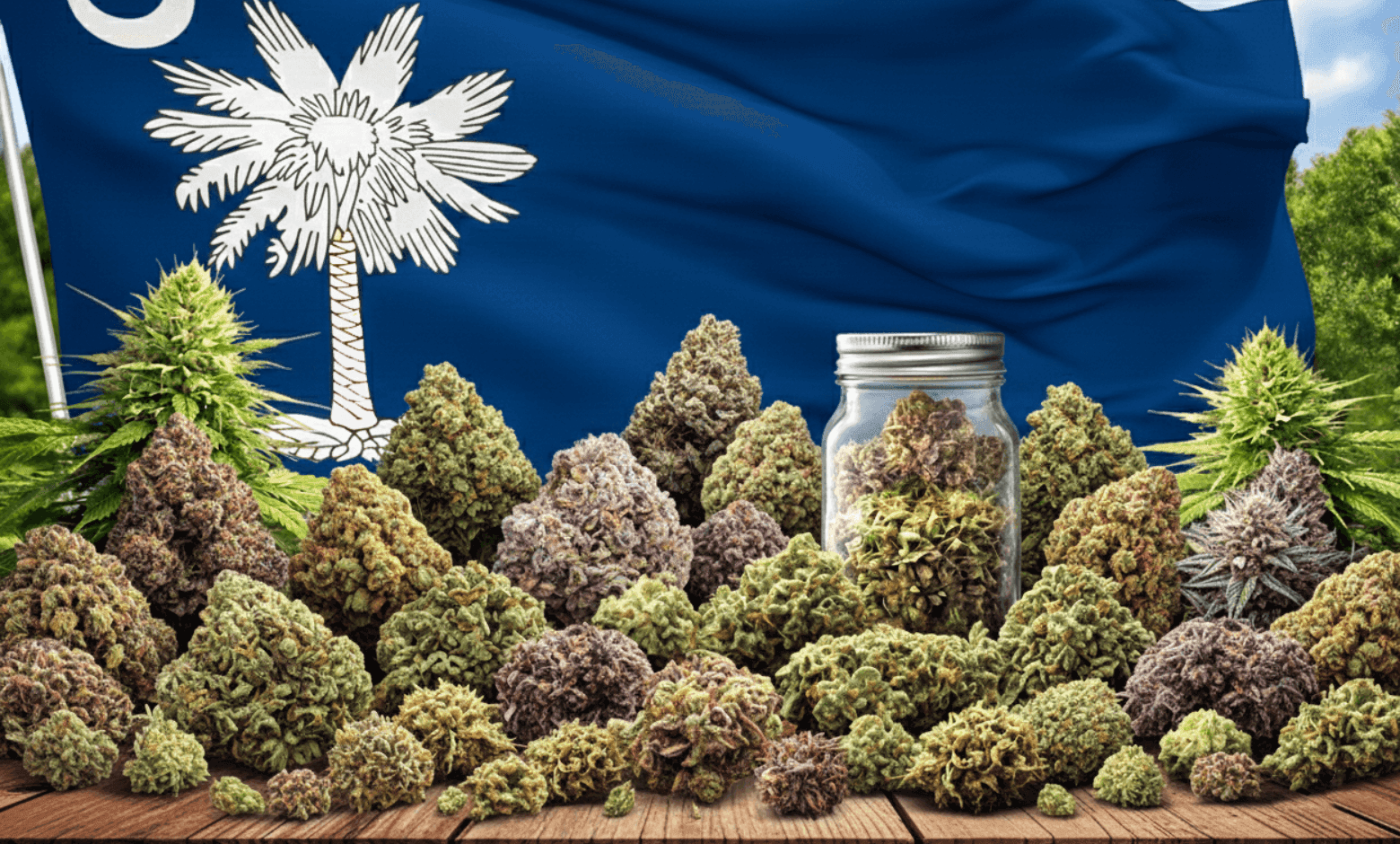
THCA Legal Status in South Carolina
Yes, THCA is legal in South Carolina when it’s hemp-derived and contains 0.3% or less delta-9 THC by dry weight under the 2018 Farm Bill framework. However, significant federal changes are coming in November 2026 that will redefine hemp to include “total THC” (including THCA), and The primary active bill is H.3924, which passed the SC Senate 35–4 on March 19, 2026. A competing prohibition bill, H.4758, remains active in the House. S.137, H.3601, and H.3935 are earlier, lower-priority proposals that have been superseded in the 2026 session.
Important: While THCA remains legal today, the regulatory landscape is actively changing. This guide provides current information as of February 2026, but we recommend checking for updates as federal and state legislation evolves.
If you’ve spotted THCA products online or at a local shop in South Carolina and found yourself wondering whether it’s actually legal to buy, use, or possess in the Palmetto State, you’re asking the right question. With South Carolina’s strict stance on marijuana and the confusing patchwork of federal and state hemp laws, figuring out where THCA fits can feel like trying to solve a puzzle with pieces that keep changing shape.
THCA (tetrahydrocannabinolic acid) has exploded in popularity across South Carolina—from Charleston to Columbia, Greenville to Myrtle Beach—as consumers discover this legal hemp-derived cannabinoid that produces cannabis-like effects when heated. But “legal” doesn’t mean “simple,” especially when federal regulations are changing in November 2026, and South Carolina lawmakers are actively debating new state rules through Bills S.137, H.3601, and H.3935.
Whether you’re curious about trying THCA for the first time, concerned about drug testing at work, wondering if you can travel with it, or just trying to understand what’s actually allowed under South Carolina law, this comprehensive guide breaks down everything you need to know—in plain English, without the legal jargon.
Keep Browsing
Explore Our THCa Categories
Shop real THCa products and collections.
Key Takeaways
- 01THCA is legal in South Carolina in 2026 when derived from hemp and containing ≤0.3% delta-9 THC by dry weight
- 02Federal changes are coming: November 2025 legislation (H.R. 5371) redefines hemp to include “total THC” (including THCA), taking effect November 12, 2026
- 03SC legislature deadline: ~May 7, 2026 (House must concur before sine die on May 14).
- 04DEA clarification (2024): The Drug Enforcement Administration considers THCA when calculating “total THC” for pre-harvest testing
- 05Third-party lab testing is essential: Always verify products have current Certificates of Analysis (COAs) showing compliance
- 06Drug testing warning: THCA converts to THC when consumed and will appear on standard drug tests
- 07ATLRx commitment: Our THCA products are sourced from compliant hemp with third-party testing to ensure you can shop with confidence
What Is THCA and Why Is It Popular in South Carolina?
THCA (tetrahydrocannabinolic acid) is a non-psychoactive cannabinoid found naturally in raw cannabis and hemp plants. Unlike THC, THCA doesn’t produce intoxicating effects in its natural state. However, when exposed to heat through smoking, vaping, or cooking—a process called decarboxylation—THCA converts into delta-9 THC, the compound known for producing psychoactive effects.
Why South Carolina Consumers Choose THCA
THCA has gained popularity in South Carolina for several reasons:
Legal Access in a Restricted State: South Carolina prohibits recreational marijuana and has limited medical cannabis access. THCA provides a legal alternative for consumers seeking cannabis-like experiences while remaining within state and federal hemp laws.
Versatility: THCA can be consumed raw (non-psychoactive) or heated (converts to THC), offering flexibility for different user preferences.
Full Spectrum Experience: When heated, high-THCA hemp flower produces effects nearly identical to traditional cannabis, making it attractive to consumers who want the “entourage effect” from multiple cannabinoids and terpenes.
Compliance Framework: Unlike marijuana, THCA products can be legally shipped across state lines when compliant with federal hemp standards, improving product access for South Carolina residents.
The Science Behind THCA
THCA is the acidic precursor to THC. In living hemp plants, cannabinoids exist primarily in their acidic forms (THCA, CBDA, etc.). The decarboxylation process removes a carboxyl group (COOH) from the molecule, converting THCA into THC. This transformation occurs through:
- Heat application (smoking, vaping, cooking above 220°F)
- Extended exposure to light
- Time and aging (slow conversion over months)
This chemical property is central to THCA’s legal status—in its raw form, it’s non-psychoactive and technically compliant with hemp definitions based on delta-9 THC content alone.
Current Legal Status in South Carolina (2026)
As of February 2026, THCA remains legal in South Carolina under both federal and state hemp laws, provided products meet specific compliance requirements:
Legal Requirements for THCA in South Carolina
✅ Must be hemp-derived: Products must come from Cannabis sativa L. plants grown under licensed hemp programs
✅ Delta-9 THC limit: Cannot exceed 0.3% delta-9 THC concentration by dry weight (current standard)
✅ Third-party testing: Reputable retailers provide Certificates of Analysis (COAs) from independent laboratories
✅ Proper labeling: Products should clearly display cannabinoid content, harvest dates, and compliance information
✅ Licensed sourcing: Hemp should be cultivated and processed under state or USDA hemp programs
Important Legal Distinctions
What’s Legal:
- Hemp-derived THCA flower with ≤0.3% delta-9 THC
- THCA concentrates, diamonds, and isolates meeting the threshold
- THCA-infused products (vapes, pre-rolls) below the delta-9 limit
- Online purchases shipped to South Carolina addresses
What Remains Illegal:
- Marijuana (cannabis exceeding 0.3% delta-9 THC)
- Recreational cannabis use
- Products exceeding the 0.3% delta-9 THC threshold
- Unlicensed cannabis cultivation
The Gray Area: Why Legal Status Is Evolving
While THCA is currently legal, several factors create ongoing uncertainty:
- Conversion upon use: When consumers heat THCA products, they convert to THC, which law enforcement may view differently than raw THCA
- Federal redefinition coming: November 2026 changes will shift from delta-9-only to total THC measurements
- State regulatory gap: South Carolina hasn’t specifically addressed THCA in state statutes, creating interpretation flexibility
- Pending state legislation: Multiple bills could add restrictions before federal changes take effect
Federal Framework: 2018 Farm Bill & November 2025 Updates
The 2018 Farm Bill Foundation
The Agriculture Improvement Act of 2018 (2018 Farm Bill) created the legal foundation for THCA by:
- Defining hemp as Cannabis sativa L. containing ≤0.3% delta-9 THC by dry weight
- Removing hemp from the Controlled Substances Act, distinguishing it from marijuana
- Legalizing the cultivation, processing, and sale of hemp and hemp-derived products
- Delegating oversight to the USDA and state agriculture departments
- Focusing exclusively on delta-9 THC, not mentioning THCA specifically
This delta-9-only focus created what many call the “THCA loophole”—products could contain substantial THCA while maintaining minimal delta-9 THC, remaining technically compliant.
Critical Update: November 2025 Federal Hemp Law Changes
On November 12, 2025, President Trump signed H.R. 5371 into law (Public Law 119-37), the Continuing Appropriations, Agriculture, Legislative Branch, Military Construction and Veterans Affairs, and Extensions Act, 2026(H.R. 5371), which includes the most significant changes to hemp law since 2018.
Key Changes in H.R. 5371(Effective November 12, 2026)
1. Redefined Hemp to Include Total THC
Hemp is now defined as Cannabis sativa L. with a “total tetrahydrocannabinol concentration (including tetrahydrocannabinolic acid [THCA]) of not more than 0.3% on a dry weight basis.”
Impact: THCA now counts toward the 0.3% limit, not just delta-9 THC.
2. Exclusion of Synthetic Cannabinoids
The new law explicitly excludes from the hemp definition:
- Cannabinoids are not naturally produced by Cannabis sativa L.
- Cannabinoids that are synthesized or manufactured outside the plant
- This affects Delta-8, Delta-10, HHC, and similar compounds when synthetically derived
3. Container Limits for Final Products
Final hemp-derived cannabinoid products are excluded from the hemp definition if they contain:
- More than 0.4 milligrams per container of combined total THC (including THCA)
- Any other cannabinoid with similar effects to THC or marketed as having similar effects
4. FDA Mandated Lists (Due by February 10, 2026)
The FDA must publish within 90 days:
- List of all cannabinoids naturally produced by Cannabis sativa L.
- List of all naturally occurring THC-class cannabinoids
- List of cannabinoids with effects similar to THC
- Clarification on what constitutes a “container.”
Timeline of Implementation
| Date | Event |
| Date | Event |
| November 12, 2025 | H.R. 5371 signed into law |
| February 10, 2026 | FDA must publish cannabinoid lists |
What This Means for South Carolina THCA Products
Before November 12, 2026: Current framework remains (delta-9 only measurement)
After November 12, 2026: Products must meet total THC limit (THCA + delta-9 ≤ 0.3%)
Practical Impact: High-THCA flower products currently legal will exceed the 0.3% total THC threshold and will be federally illegal after November 12, 2026.
Example:
- A product with 15% THCA and 0.2% delta-9 THC:
- Legal today: Federally illegal after November 12, 2026 (total THC ≈ 15.4%, far above 0.3% limit).”
- Potentially illegal after November 2026 (total THC = 15.2%)
South Carolina State Law (S.C. Code Ann. § 46-55-10)
South Carolina’s hemp framework is codified in Title 46, Chapter 55 of the South Carolina Code of Laws, which established the state’s hemp cultivation and processing program following the 2018 Farm Bill.
Key Provisions of South Carolina Hemp Law
Definition of Hemp (S.C. Code § 46-55-10): South Carolina adopts the federal definition: Cannabis sativa L. and derivatives containing ≤0.3% delta-9 THC by dry weight.
State Hemp Program:
- Managed by the South Carolina Department of Agriculture (SCDA)
- Licensing for hemp cultivation and processing
- Compliance monitoring and enforcement
- Testing requirements using post-decarboxylation methods
Commercial Sales Authorization: The law permits commercial sales of hemp products, including retail, wholesale, and online transactions, provided products meet federal and state compliance standards.
Testing Requirements (S.C. Code § 46-55-30): Hemp must be tested within 30 days before harvest using post-decarboxylation or similarly reliable methods to determine delta-9 THC concentration.
What South Carolina Law Doesn’t Address
Notably, current South Carolina hemp statutes do not specifically mention:
- THCA as a distinct cannabinoid
- Finished hemp-derived cannabinoid products for consumption
- Age restrictions for hemp product purchases
- Potency limits beyond the 0.3% delta-9 THC threshold
- Licensing requirements for retailers (only cultivators/processors)
This regulatory gap is what pending legislation (Bills S.137, H.3601, H.3935) aims to address.
South Carolina Attorney General Position
In previous opinions, the South Carolina Attorney General’s office has taken a strict stance on THC variants:
- Delta-8 THC and similar compounds are considered controlled substances under state law unless specifically excepted
- Products marketed for intoxication receive heightened scrutiny
- Law enforcement is authorized to enforce cannabis laws even when federal hemp compliance is claimed
This creates additional caution for THCA products, especially those in flower or vape form that could be interpreted as intended for intoxication.
Pending South Carolina Legislation (2025-2026 Session)
South Carolina lawmakers are actively considering comprehensive regulation of hemp-derived cannabinoid products through multiple bills introduced in the 2025-2026 legislative session.
Bill S.137: Hemp-Derived Cannabinoids
Status: Introduced January 14, 2025 | Currently in Senate Committee on Agriculture and Natural Resources
Sponsors: Senators Tedder and Sutton
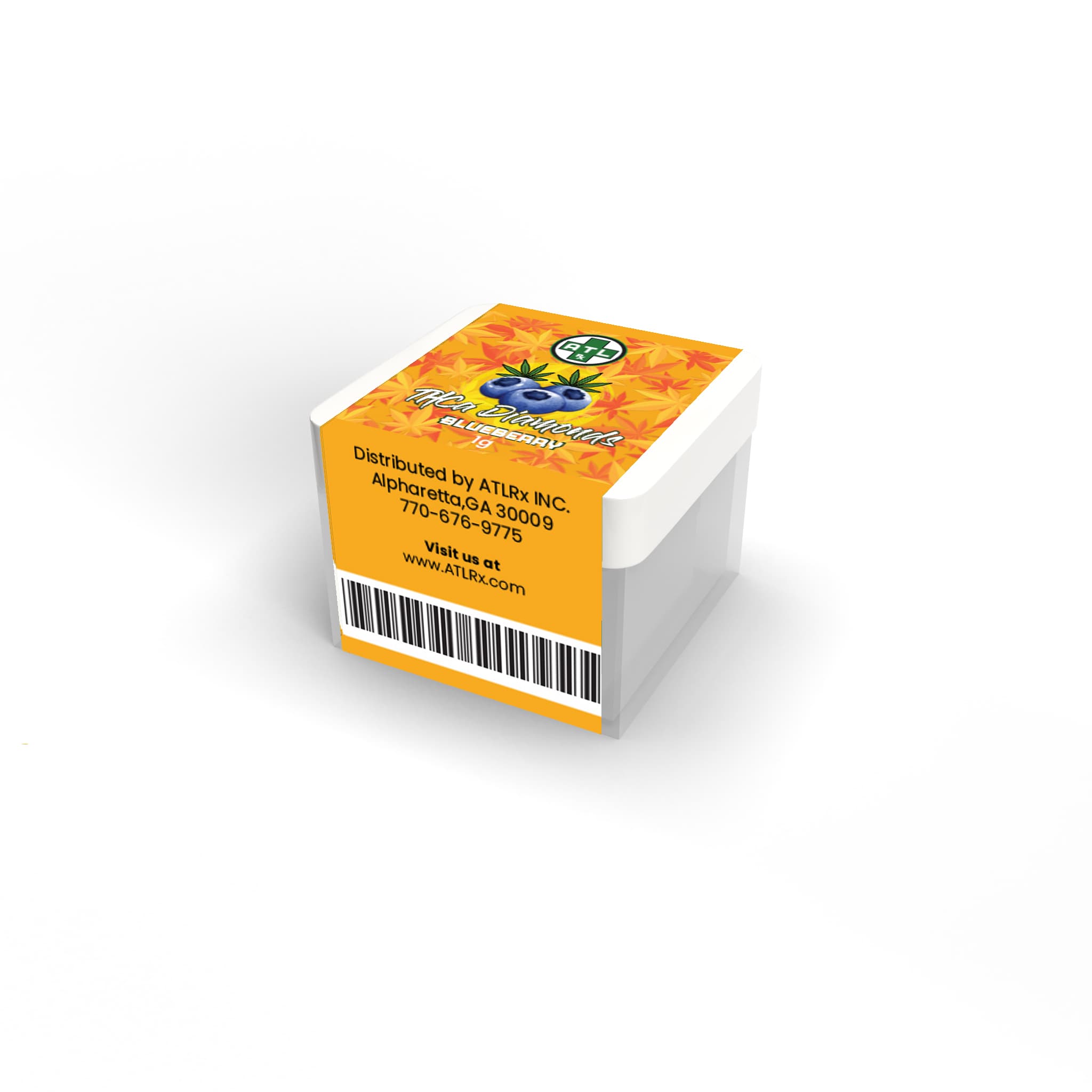
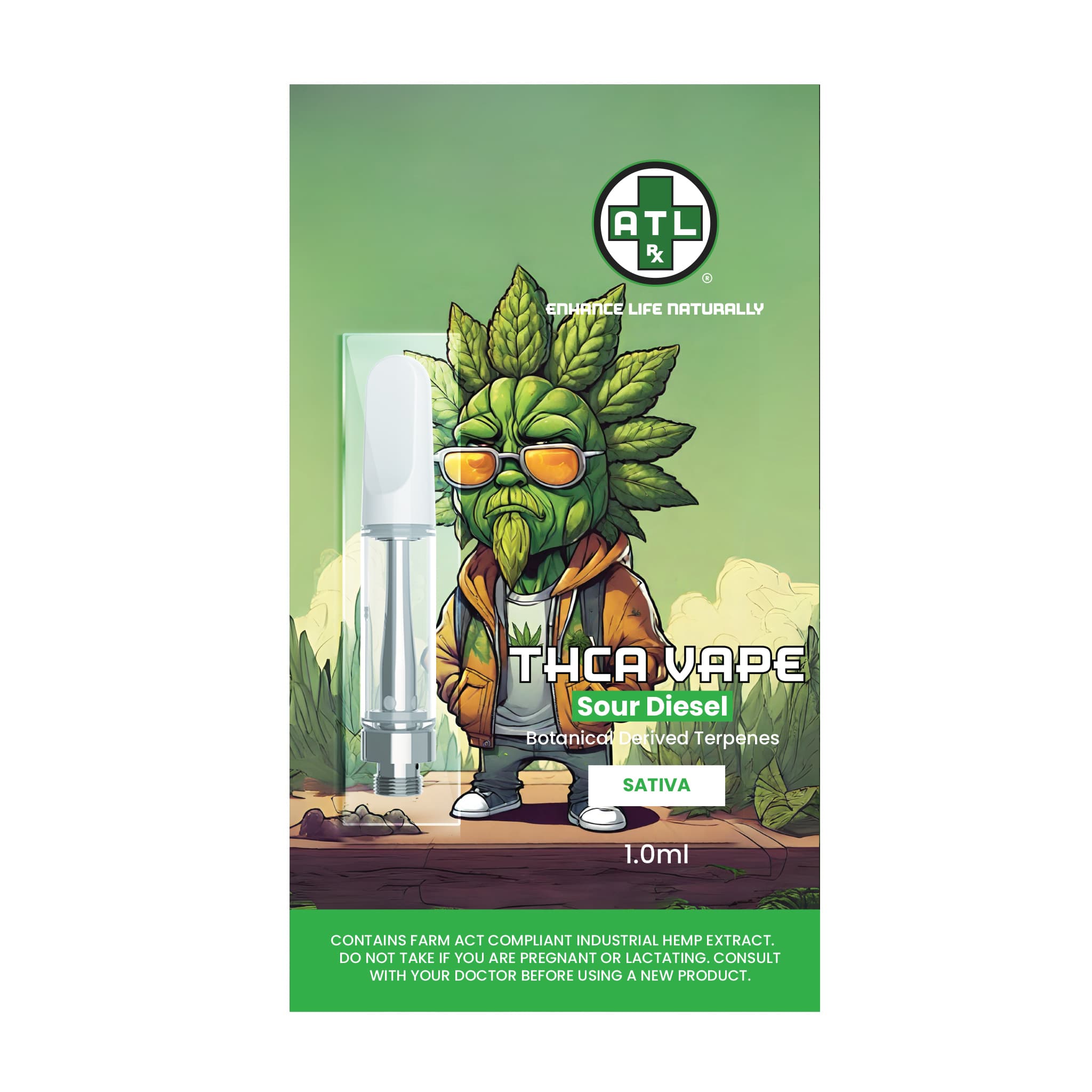
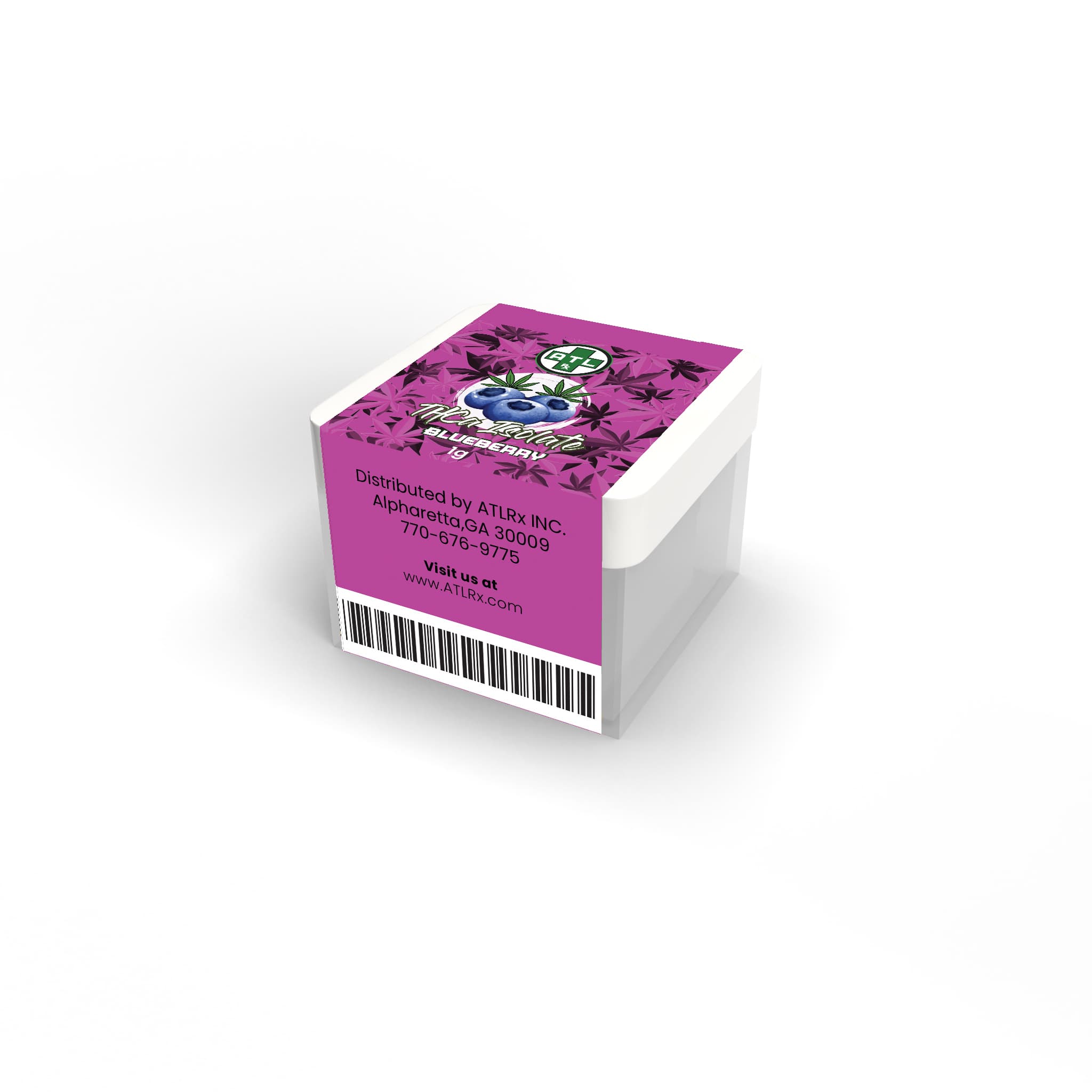
Mentioned In This Article
Key Provisions:
1. Licensing Requirements
- Mandatory licensing for manufacturers and retailers from SCDA
- Producers: $500 annual fee
- Retailers: $250 annual fee per location
- Businesses must obtain licenses by January 1, 2026 (or before commencing business)
2. Age Restrictions
- Minimum age: 18 years to purchase hemp-derived cannabinoid products
- Retailers must verify age with government-issued photo ID
- Prohibits sales to minors and purchasing on behalf of minors
3. Product Requirements
- Behind-the-counter placement (not accessible to customers without assistance)
- Clear labeling requirements
- Batch-specific testing by DEA-registered laboratories
4. Testing Standards
- Independent, third-party laboratory testing
- DEA registration required for testing facilities
- Cannabinoid content verification
- Heavy metal, pesticide, and microbial screening
5. Enforcement
- SCDA inspection authority
- Reasonable sampling of inventory
- Penalties for non-compliance
Bill H.3601: Hemp-Derived Cannabis (Companion Bill)
Status: Introduced January 14, 2025 | House Judiciary Committee
Sponsor: Rep. Henderson-Myers
Key Differences from S.137:
Age Requirement: Proposes 21 years minimum (vs. 18 in S.137)
Tax Provision: Levies a 5% sales tax on hemp-derived cannabinoid products sold at retail
Definition Scope: Explicitly lists covered cannabinoids, including:
- Delta-9 THC
- THCA (tetrahydrocannabinolic acid)
- Delta-8 THC
- Delta-10 THC
- HHC (hexahydrocannabinol)
- CBD, CBN, CBG, and other cannabinoids
Bill H.3935: Hemp-Derived Consumables
Status: Introduced February 6, 2025 | House Committee
Official Title: “Consumable Hemp Licensing and Regulation Act”
Additional Provisions:
1. Potency Limits
- Final products limited to ≤0.3% delta-9 THC
- May contain other hemp-derived cannabinoids in varying concentrations
2. Container Restrictions
- Specific quantity limits per container (details pending in final text)
- Serving size definitions
3. Licensing Tiers
- Distributors
- Manufacturers
- Producers
- Retailers
- Each tier with specific requirements and oversight
4. Enhanced Labeling
- Batch numbers required
- Cannabinoid content per serving
- Total cannabinoid content per container
- Manufacturing and expiration dates
- Warning labels
What These Bills Mean for THCA Consumers
If S.137 or similar legislation passes:
✅ Age verification required (18+ or 21+ depending on final version)
✅ Products must come from licensed retailers
✅ All products will have verified lab testing
✅ Behind-counter access (no self-service)
✅ Stricter quality control and safety standards
⚠️ Potential price increases due to licensing and testing costs
⚠️ Some smaller retailers may exit the market
⚠️ Product selection may initially decrease during transition
Legislative Timeline to Watch
February 2026: Committee hearings and amendments
March-May 2026: H.3924 passed the SC Senate 35–4 on March 19, 2026. It includes: 21+ age requirement, liquor-store sale restrictions, 5mg/10mg potency caps per serving, licensing for all retailers, DUI threshold of 5ng/mL, and a ban on restaurant sales. It now awaits House concurrence by ~May 7, 2026.
June 2026: Possible reconciliation if different versions pass
Summer 2026: Governor’s signature and implementation planning
Late 2026-Early 2027: Enforcement begins (if passed)
Note: South Carolina’s legislative session runs January through June, so final action on these bills is expected by mid-2026.
DEA Position on THCA (2024-2025)
The Drug Enforcement Administration has clarified its interpretation of THCA in relation to federal hemp law, creating important context for compliance.
May 2024 DEA Clarification Letter
On May 13, 2024, Dr. Terrence L. Boos, Chief of the DEA’s Drug and Chemical Evaluation Section, issued a formal letter addressing THCA’s legal status:
Key Points from the DEA Letter:
1. THCA Counts Toward Total THC for Pre-Harvest Testing
“In regard to THCA, Congress has directed that, when determining whether a substance constitutes hemp, the delta-9 THC concentration is to be tested ‘using post-decarboxylation or other similarly reliable methods.'”
What this means: When hemp is tested before harvest (as required by USDA regulations), laboratories must use methods that convert THCA to THC, effectively measuring “total THC.”
2. Post-Decarboxylation Testing Methodology
The USDA requires hemp to be tested within a 30-day window before harvest. Common testing methods include:
- Gas chromatography: Heat is applied during testing, converting THCA to delta-9 THC
- Liquid chromatography with calculation: Measures THCA separately, then calculates total potential THC
- Formula: Total THC = (THCA × 0.877) + delta-9 THC
The 0.877 conversion factor accounts for the molecular weight difference when THCA loses its carboxyl group.
3. The Ongoing Legal Debate
Hemp law experts, including Rod Kight (prominent cannabis attorney), note that the DEA’s interpretation is partially correct but limited in scope:
DEA is correct for: Pre-harvest hemp testing (cultivation compliance)
DEA interpretation is disputed for: Post-harvest finished products, where federal law only specifies delta-9 THC limits
This creates a legal gray area:
- Pre-harvest: Total THC (including THCA) must be ≤0.3%
- Post-harvest/finished products: Only delta-9 THC measured (under 2018 Farm Bill; changes November 2026)
Practical Implications for South Carolina Consumers
For Hemp Farmers:
- Must ensure crops test below 0.3% total THC before harvest
- Crops exceeding this limit must be destroyed
- Difficult to cultivate high-THCA hemp legally for flower sales
For THCA Product Manufacturers:
- Source material must come from compliant pre-harvest hemp
- Finished products currently judged on delta-9 THC content only (until November 2026)
- Must maintain chain-of-custody documentation
For Consumers:
- Verify products have proper COAs showing both THCA and delta-9 THC levels
- Understand that DEA views THCA as part of the “total THC” calculation
- Federal changes in November 2026 will codify total THC measurement for all products
How ATLRx Ensures DEA Compliance
At ATLRx, we work exclusively with hemp cultivators who:
- Follow USDA-approved state hemp plans
- Conduct pre-harvest testing using approved methodologies
- Destroy non-compliant crops as required by law
- Provide complete compliance documentation
Our finished THCA products are tested post-production to verify:
- Current delta-9 THC levels remain ≤0.3%
- THCA content is accurately labeled
- No contamination or prohibited substances
- Compliance with both current and upcoming regulations
THCA vs. Other Cannabinoids in South Carolina
Understanding how THCA compares to other hemp-derived cannabinoids helps clarify its legal position within South Carolina’s broader cannabis landscape.
Cannabinoid Comparison Table
| Cannabinoid | Legal Status in SC (2026) | Psychoactive? | Current Requirements | November 2026 Impact |
| THCA | ✅ Legal | No (until heated) | Hemp-derived, ≤0.3% delta-9 THC | Will count toward total THC limit |
| Delta-9 THC | ✅ Legal (low doses) | Yes | ≤0.3% concentration in hemp products | Same (already measured) |
| Delta-8 THC | ⚠️ Legal (gray area) | Yes | Hemp-derived, ≤0.3% delta-9 THC | May face synthetic exclusion |
| Delta-10 THC | ⚠️ Legal (gray area) | Yes | Hemp-derived, ≤0.3% delta-9 THC | May face synthetic exclusion |
| HHC | ⚠️ Legal (gray area) | Yes | Hemp-derived, ≤0.3% delta-9 THC | Likely excluded as synthetic |
| CBD | ✅ Fully Legal | No | Hemp-derived | No change expected |
| CBN | ✅ Legal | Mildly | Hemp-derived | Minimal impact |
| CBG | ✅ Legal | No | Hemp-derived | No change expected |
Detailed Cannabinoid Profiles
THCA (Tetrahydrocannabinolic Acid)
Current Status: Legal when hemp-derived with ≤0.3% delta-9 THC
Key Characteristics:
- Non-psychoactive in raw form
- Converts to THC when heated (decarboxylation)
- Found naturally in hemp and cannabis plants
- Popular in flower, concentrate, and diamond forms
Why it’s popular: Offers THC-like effects when heated, while remaining technically compliant with hemp laws
Future outlook: The November 2026 total THC rule will significantly impact high-THCA products
Shop ATLRx THCA Products – THCA Flower, Concentrates, Diamonds, Powder
Delta-9 THC (In Hemp Products)
Current Status: Legal in concentrations ≤0.3% by dry weight
Key Characteristics:
- The primary psychoactive compound in cannabis
- Legal only in very low concentrations in hemp products
- Common in gummies, tinctures, and edibles at compliant doses
Why it’s popular: Provides mild, legal psychoactive effects in controlled doses
Future outlook: Remains legal at ≤0.3% concentration; measurement includes THCA after November 2026
Explore ATLRx Delta-9 Products
Delta-8 THC
Current Status: Legal under federal hemp law; South Carolina AG has questioned legality
Key Characteristics:
- Psychoactive, similar to delta-9 THC but typically milder
- Often synthesized from CBD (not naturally occurring in high concentrations)
- Available in gummies, vapes, flower (sprayed), tinctures
Legal concerns:
- SC Attorney General considers it a controlled substance
- November 2025 federal law may exclude synthetic cannabinoids
- Pending state legislation would explicitly regulate or prohibit
Why it’s popular: More accessible than marijuana in restrictive states
Future outlook: Uncertain; likely to face stricter regulation or prohibition
View ATLRx Delta-8 Selection
CBD (Cannabidiol)
Current Status: Fully legal, well-established market
Key Characteristics:
- Non-psychoactive
- Widely available in oils, gummies, topicals, and capsules
- Minimal regulatory concerns
Why it’s popular: Widely used by consumers seeking non-psychoactive cannabinoid products
Shop THCa
View all →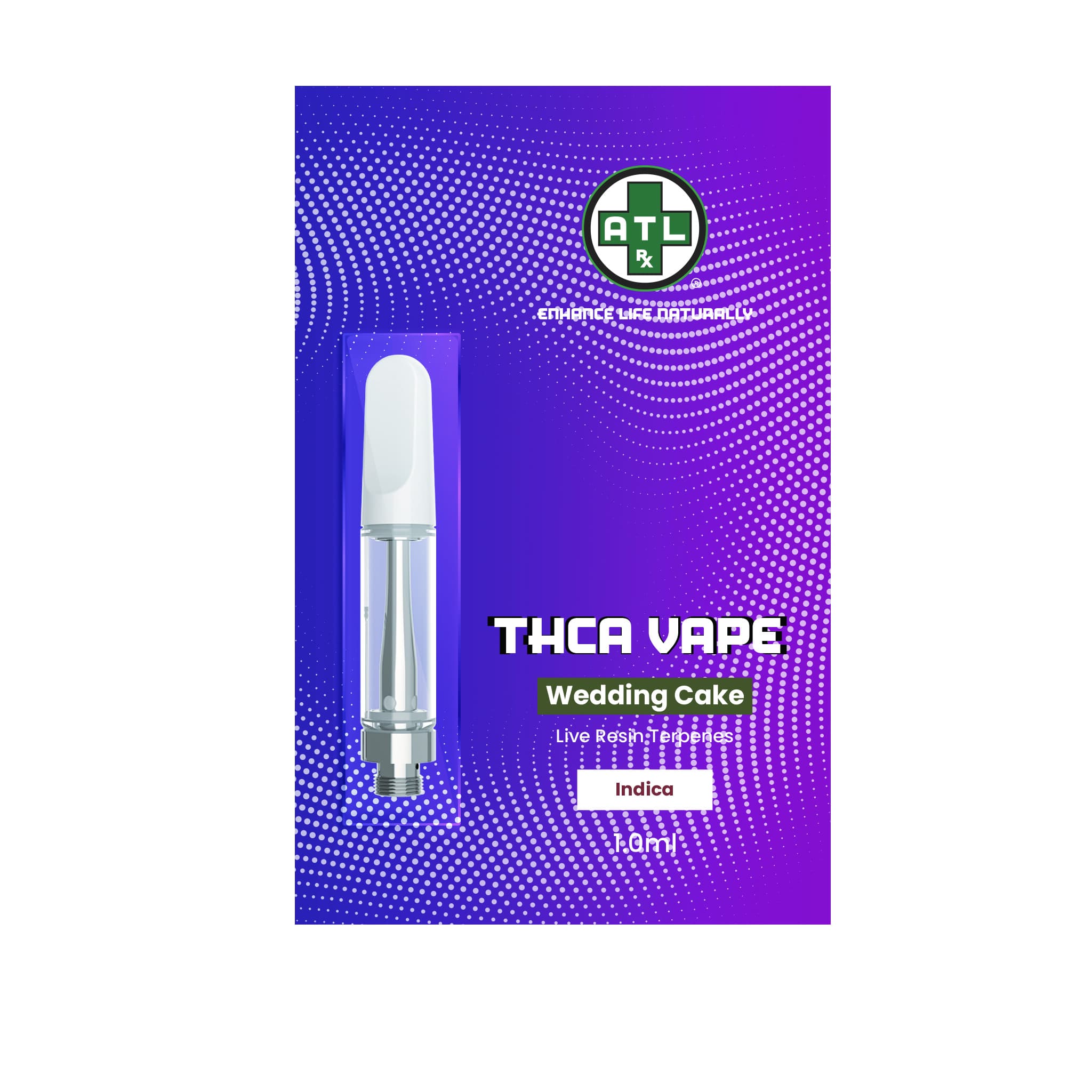
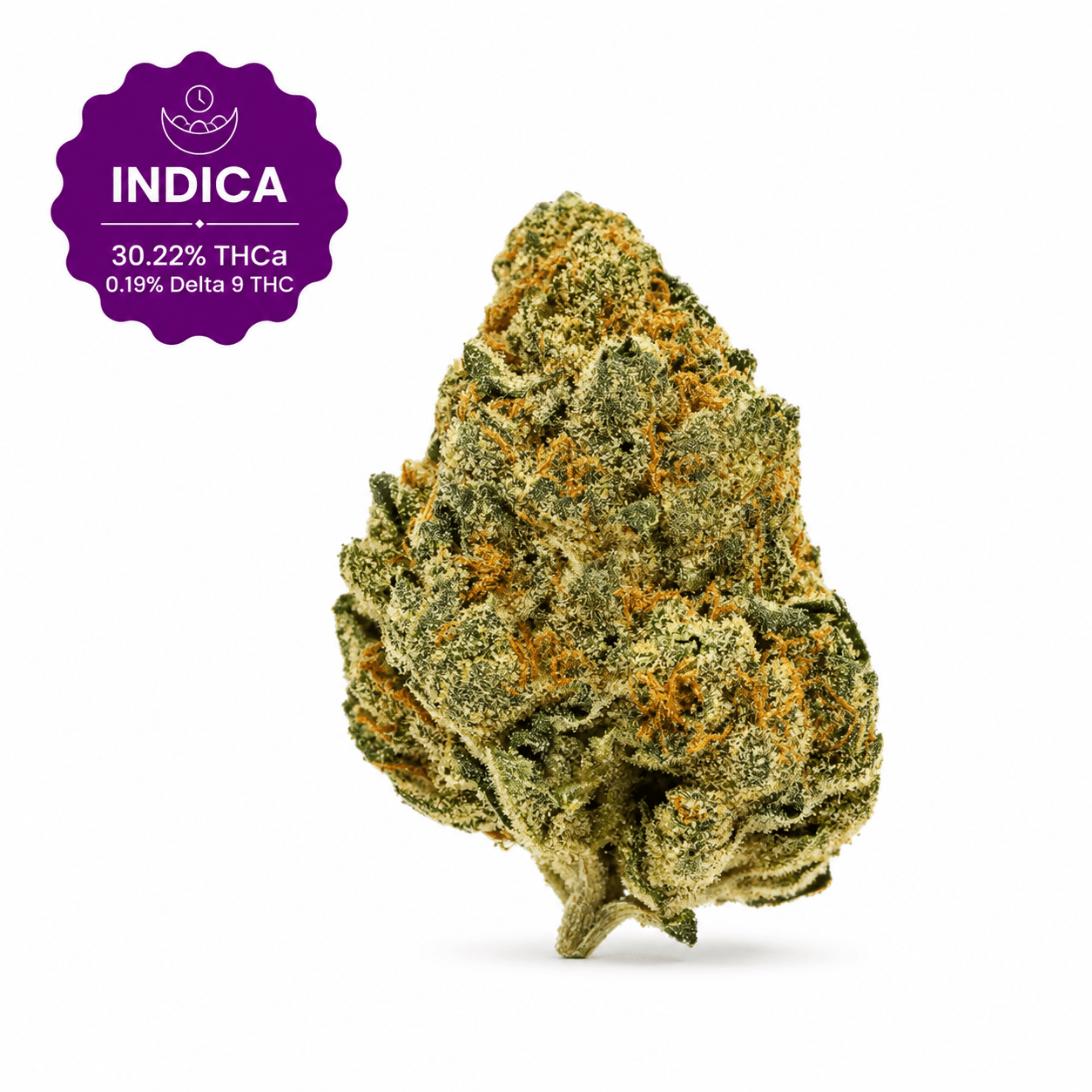
Future outlook: Stable; no anticipated restrictions
Browse ATLRx CBD Products
Which Cannabinoid Is Right for You?
Choose THCA if:
- You want THC-like effects when heated
- You prefer flower or concentrate forms
- You want naturally occurring cannabinoids
- You’re comfortable with evolving regulations
Choose Delta-9 (hemp-derived) if:
- You want mild, predictable psychoactive effects
- You prefer measured doses (gummies, tinctures)
- You want the most legally established option
Choose CBD if:
- You want zero psychoactive effects
- You prefer the most legally stable option
- You’re new to cannabinoids
Choose Delta-8 with caution if:
- You accept legal uncertainty
- You want moderate psychoactive effects
- You understand it may face future restrictions
How to Buy Legal, Compliant THCA Products in South Carolina
Purchasing THCA products that meet legal standards requires careful attention to sourcing, testing, and retailer credibility. Here’s your comprehensive guide.
Step 1: Verify Third-Party Lab Testing (Most Critical)
Every legitimate THCA product should include a Certificate of Analysis (COA) from an independent, third-party laboratory.
What to Look for in a COA:
✅ Testing date: Should be recent (within 6 months for flower, 1 year for processed products)
✅ Batch-specific: COA should match the exact batch number on your product
✅ Cannabinoid panel showing:
- THCA percentage
- Delta-9 THC percentage (must be ≤0.3%)
- Total THC calculation (THCA × 0.877 + delta-9 THC)
- CBD, CBG, CBN, and other cannabinoids
✅ Contaminant screening for:
- Heavy metals (lead, arsenic, mercury, cadmium)
- Pesticides
- Residual solvents (for concentrates)
- Microbials (mold, E. coli, Salmonella)
✅ Laboratory accreditation:
- ISO 17025 certification (gold standard)
- DEA registration (for THC testing)
- State-licensed laboratory
✅ Clear results: “PASS” or “ND” (non-detect) for contaminants
Red Flags to Avoid:
❌ No COA provided or “available upon request” only
❌ Generic or stock COAs (not batch-specific)
❌ Outdated testing (more than 12 months old)
❌ Incomplete testing (missing contaminant screening)
❌ Unrealistic results (100% THCA with 0% delta-9 is scientifically unlikely)
❌ Unknown or unaccredited laboratories
How ATLRx Handles Testing: Every ATLRx THCA product includes QR code access to batch-specific COAs from ISO 17025-accredited laboratories. We test for full cannabinoid profiles plus complete contaminant panels, and we make results publicly accessible before you purchase.
Step 2: Choose Reputable, Transparent Retailers
Not all THCA retailers maintain the same compliance and quality standards.
Signs of a Reputable Retailer:
✅ Transparent about sourcing: Provides information about hemp origins and cultivation practices
✅ Accessible COAs: Makes lab results easy to find (website, QR codes, downloadable PDFs)
✅ Clear product labeling: Shows THCA percentage, delta-9 THC content, batch numbers, harvest dates
✅ Compliance statements: Explicitly state products are Farm Bill compliant
✅ Customer education: Offers resources about legality, usage, and safety
✅ Responsive customer service: Answers questions about compliance and testing
✅ Professional website: Secure checkout, privacy policy, terms of service
✅ Business longevity: Established reputation and customer reviews
Red Flags to Avoid:
❌ Making health or medical claims
❌ Unclear or missing company information
❌ Prices significantly below market (suggests quality issues)
❌ Pressure tactics or “limited time” scarcity marketing
❌ Products with cartoonish packaging appealing to minors
❌ No clear return or refund policy
❌ Selling from gas stations or unlicensed venues (once state licensing begins)
ATLRx Commitment to Transparency: We maintain detailed records of every product’s journey from seed to sale, provide complete access to testing documentation, and stand behind our products with satisfaction guarantees and responsive customer support.
Step 3: Understand Product Labels
Proper labeling helps you verify compliance and make informed choices.
Essential Label Information:
Cannabinoid Content:
- THCA percentage by dry weight
- Delta-9 THC percentage (must state ≤0.3%)
- Other cannabinoids present (CBD, CBG, etc.)
Product Details:
- Net weight or volume
- Strain name (for flower)
- Harvest date (for flower)
- Manufacturing date and expiration
- Batch or lot number
Compliance Statements:
- “Farm Bill Compliant”
- “Contains ≤0.3% delta-9 THC”
- “Hemp-derived”
- “Third-party tested”
Company Information:
- Manufacturer name and address
- Contact information
- Website for COA access
Warning Labels:
- “For adult use only.”
- “May cause impairment.”
- “Do not drive or operate machinery.”
- Pregnancy/nursing warnings
Sample Compliant Label:
ATLRx THCA Hemp Flower – Strain Name
Net Weight: 3.5g (1/8 oz)
THCA: 24.5% | Delta-9 THC: 0.21%
Batch: THC-2026-0214
Harvest Date: 01/15/2026
Farm Bill Compliant Hemp Product
Contains ≤0.3% Delta-9 THC by Dry Weight
Third-Party Lab Tested – Scan QR for COA
WARNING: For adult use only. May cause impairment.
Do not drive or operate heavy machinery.
Not for use by pregnant or nursing individuals.
Manufactured by: ATLRx
(875 North Main Street Ste 351, Alpharetta, GA 30009 – 1-855-420-8278)
Step 4: Proper Storage and Handling
THCA can degrade or convert over time, affecting both quality and legal compliance.
Storage Best Practices:
Temperature: Store in cool conditions (60-70°F ideal)
- Avoid heat sources, direct sunlight, and car interiors
- Heat accelerates THCA-to-THC conversion
Light Protection: Keep in dark containers
- UV light degrades cannabinoids
- Amber glass jars or opaque containers work best
Air Exposure: Minimize oxygen contact
- Use airtight containers
- Vacuum sealing extends shelf life
- Burp jars weekly if storing long-term
Humidity Control: Maintain 55-62% relative humidity for flowers
- Too dry: Harsh, degraded cannabinoids
- Too moist: Mold risk
- Use humidity control packs (Boveda, Integra)
Shelf Life:
- THCA flower: 6-12 months (optimal storage)
- THCA concentrates: 12-18 months
- THCA-infused products: Check expiration dates
Why Storage Matters for Compliance: Improper storage can cause THCA to slowly convert to delta-9 THC. A product that tested compliant at 0.25% delta-9 THC might exceed 0.3% after months of heat/light exposure, technically becoming non-compliant.
Step 5: Online vs. In-Person Shopping in South Carolina
Both options are available, each with advantages.
Shopping Online (Recommended by ATLRx)
Advantages:
✅ Wider product selection
✅ Easy COA access and verification
✅ Price comparison across brands
✅ Discreet delivery to your door
✅ Detailed product descriptions and reviews
✅ No geographic limitations (ships statewide)
What to verify:
- Retailer ships to South Carolina
- Shipping complies with federal hemp laws
- Tracking and delivery confirmation provided
- Secure payment processing
- Privacy policy protects your information
ATLRx Online Shopping Benefits:
- Free shipping on qualifying orders
- Same-day processing for orders placed early
- 30-day satisfaction guarantee
- Discreet packaging
- Secure, encrypted checkout
- Accessible customer support
Shopping In-Person in South Carolina
Advantages:
✅ Immediate product availability
✅ In-person consultation
✅ Physical product inspection
✅ No shipping wait time
Where to find THCA in SC:
- Licensed hemp and CBD specialty stores
- Some smoke shops (verify compliance)
- Wellness boutiques
- Farmer’s markets (from licensed vendors)
What to ask in-store:
- “Can I see the COA for this specific batch?”
- “Where was this hemp grown?”
- “When was this product manufactured/harvested?”
- “Do you have licensing from the state?” (after legislation passes)
Red flags for in-person shopping:
- Unwilling to provide COAs
- Products displayed openly to minors
- No knowledgeable staff
- Prices suspiciously low
- Gas station or convenience store sales (generally less regulated)
Step 6: Payment and Purchase Considerations
Accepted Payment Methods:
Most THCA retailers accept:
- Credit/debit cards (some processors restrict cannabis-related sales)
- Cash (in-person)
- ACH/bank transfers
- Cryptocurrency (some online retailers)
- Digital wallets (policies vary)
Note: Some payment processors classify hemp-derived THC as high-risk, so payment options may be limited.
Pricing Guidelines:
Expect to pay (South Carolina market, 2026):
- THCA Flower: $30-60 per eighth (3.5g) depending on quality
- THCA Pre-Rolls: $8-15 each
- THCA Concentrates: $25-50 per gram
- THCA Diamonds: $35-60 per gram
- THCA Vape Carts: $25-45 per cart
Suspiciously low prices may indicate:
- Old or degraded product
- Inaccurate labeling
- Lack of testing
- Synthetic additives
Quantity Limits:
Currently, South Carolina has no statutory limits on THCA purchase quantities (unlike some states with cannabis programs).
However, responsible purchasing considerations:
- Buy quantities you’ll consume within the shelf life
- Store properly to maintain compliance
- Remember that large quantities may raise questions during travel
ATLRx Quality Standards: What Makes Us Different
Sourcing:
- Hemp from licensed, compliant cultivators
- Relationships with farmers following quality cultivation practices
- Only strains tested are compliant with the pre-harvest
Testing Protocol:
- Every batch is tested by ISO 17025-accredited labs
- Full cannabinoid panels (not just THC)
- Complete contaminant screening (heavy metals, pesticides, microbials)
- COAs are publicly accessible via QR codes
Shop THCa
View all →
Purple Voodoo THCa Flower (Smalls)
Best Value: 28g · Save 36%
Product Range:
- THCA Hemp Flower (multiple strains)
- THCA Pre-Rolls (convenience format)
- THCA Vape Carts (discreet, portable)
- THCA Concentrates (high potency)
- THCA Diamonds (crystalline THCA)
- THCA Powder (versatile use)
Compliance Commitment:
- Monitoring federal and South Carolina legislation
- Updating product formulations as needed
- Transparent communication about legal changes
- Will adapt to Bill S.137 requirements if passed
Customer Support:
- Knowledgeable team available for compliance questions
- Guidance on proper usage and storage
- Responsive to concerns or issues
What You Need to Know About THCA and Drug Testing
Critical Warning: THCA consumption will result in positive drug tests for THC, regardless of its legal status in South Carolina. This has serious implications for employment, legal proceedings, and other situations requiring drug screening.
How THCA Affects Drug Tests
The Science of Detection
- Decarboxylation occurs: Heat converts THCA to delta-9 THC
- Your body processes THC: Liver enzymes metabolize THC into THC-COOH and 11-OH-THC
- Metabolites are stored: THC metabolites accumulate in fat cells
- Tests detect metabolites: Urine, blood, hair, and saliva tests identify THC-COOH
The result: THCA use is indistinguishable from marijuana use on drug tests.
Detection Windows by Test Type
| Test Type | Detection Window | Notes |
| Urine (most common) | 3-30+ days | Depends on frequency of use and metabolism |
| Blood | 1-7 days | Shorter window, less common for employment |
| Saliva | 1-3 days | Increasingly used for roadside testing |
| Hair Follicle | Up to 90 days | Most comprehensive, hardest to pass |
Factors affecting detection time:
- Frequency of use (daily vs. occasional)
- Body fat percentage (THC stores in fat)
- Metabolism and hydration
- Amount consumed
- Potency of THCA product
Employment Considerations in South Carolina
Zero-Tolerance Workplace Policies
Many South Carolina employers maintain drug-free workplace policies that:
❌ Do not distinguish between legal hemp-derived THC and illegal marijuana
❌ Prohibit any detectable THC metabolites
❌ Allow termination for positive tests regardless of legal use
❌ May deny hiring based on pre-employment screening
Industries with strict testing:
- Transportation and logistics
- Healthcare and medical facilities
- Manufacturing and industrial
- Government and public sector
- Construction and skilled trades
- Positions requiring security clearances
South Carolina Employment Law
Important legal facts:
At-Will Employment: South Carolina is an at-will state, meaning employers can generally terminate employment for any legal reason, including legal off-duty cannabis use.
No Protected Status: Unlike some states with medical marijuana programs, South Carolina does not protect hemp-derived cannabinoid users from employment discrimination.
No Legal Recourse: Employees terminated for legal THCA use typically have no legal remedy, as:
- THCA is not a protected disability accommodation
- Private employers can set drug policies
- Tests cannot distinguish legal from illegal THC
What This Means Practically:
✅ Before accepting employment: Understand the company’s drug testing policy
✅ Pre-employment screening: Allow 30+ days of abstinence if you’ve used THCA
✅ Random testing programs: Consider whether THCA use is worth job risk
✅ Disclosure: Being honest about legal hemp use typically does not excuse a positive test
❌ Never assume: “Legal in SC” does not mean “allowed by employer.”
Special Considerations for Specific Groups
Commercial Driver’s License (CDL) Holders
Federal Department of Transportation Regulations:
❌ Zero tolerance for THC: CDL holders are subject to federal DOT drug testing rules
❌ Any detectable THC is a violation: Legal status in South Carolina is irrelevant
❌ Consequences: License suspension, job loss, difficulty finding future CDL employment
❌ Safety-sensitive positions: Pilots, railroad workers, and pipeline operators are also prohibited
Clear guidance for CDL holders: Do not use THCA products under any circumstances.
Probation and Court-Ordered Testing
Legal Proceedings Considerations:
❌ Violates probation terms: Standard probation includes a prohibition on “controlled substances” and often any THC
❌ No legal defense: “It was legal THCA” will not excuse a positive test
❌ Consequences: Probation revocation, jail time, additional charges
❌ Pre-trial conditions: Similar restrictions apply to bail conditions
If you are subject to court supervision: Consult your attorney before using any cannabinoid products.
Child Custody and Family Court
Family Law Implications:
⚠️ Discretionary factor: Judges may consider legal cannabinoid use when determining “best interests of the child.”
⚠️ Opposing party ammunition: Legal THCA use can be portrayed negatively in custody disputes
⚠️ Drug testing orders: Family courts may order testing; positive THC can impact custody decisions
Recommendation: If involved in custody matters, exercise extreme caution with all cannabinoid products.
Medical Professionals and Licensed Occupations
Professional Licensing Boards:
Many South Carolina professional licenses have substance use provisions:
- Nursing (SC Board of Nursing)
- Medicine (SC Board of Medical Examiners)
- Pharmacy
- Teaching (educator certification)
- Legal profession (Bar admission)
❌ License risk: Positive drug tests can trigger board investigations
❌ Character and fitness: May affect initial licensing or renewal
❌ Monitoring programs: Voluntary or mandatory substance monitoring
Recommendation: Review your profession’s board policies before using THCA.
Strategies If You Must Pass a Drug Test
Abstinence Timelines:
Occasional use (1-3 times):
- Allow 5-7 days minimum
- 10-14 days recommended
Moderate use (weekly):
- Allow 14-21 days minimum
- 30 days recommended
Regular use (daily):
- Allow 30-45 days minimum
- 60-90 days for complete clearance
Heavy use (multiple times daily):
- Allow 45-90+ days
- Consider professional consultation
What Actually Works:
✅ Time: The only guaranteed method
✅ Hydration: Helps flush metabolites (but doesn’t speed up fat cell release)
✅ Exercise: Burns fat cells where THC metabolites are stored (but stop 48 hours before test)
✅ Healthy diet: Supports metabolism and elimination
What Doesn’t Work (or is risky):
❌ Detox drinks: Mostly dilute urine; labs test for dilution
❌ Synthetic urine: Illegal in many contexts; sophisticated tests detect it
❌ Adulterants: Labs test for common masking agents
❌ Home remedies: Ineffective and potentially dangerous
Testing Disclosure and Rights
Pre-Employment Testing:
Your rights:
- You can refuse testing (but likely won’t get the job)
- Results should be kept confidential
- You may request to see the results
- Opportunity to explain prescriptions or medical conditions
Note: Legal THCA use is not a valid explanation for THC metabolites under most employment policies.
Random or Reasonable Suspicion Testing:
Employee rights vary:
- Some employers require reasonable suspicion
- Others can test randomly (especially safety-sensitive positions)
- Union contracts may provide additional protections
- Refusal is typically treated the same as a positive result
Medical Marijuana vs. Hemp-Derived THCA
Key Distinction:
Some states with medical marijuana programs provide limited employment protections for registered patients. South Carolina does not have a comprehensive medical marijuana program, meaning:
❌ No patient registry ❌ No employment protections for medical cannabis use ❌ Hemp-derived THCA has zero protected status
Limited Exception: South Carolina allows low-THC, high-CBD oil for severe epilepsy (Julian’s Law, 2014), but this:
- Requires physician certification
- Limited to specific conditions
- Does not extend to THCA products
- Provides no employment protection
ATLRx Position on Drug Testing
We believe in transparent communication about the realities of cannabinoid use:
Our Recommendation:
- If subject to drug testing, carefully consider whether THCA use is appropriate
- THCA is not worth losing your job or professional license
- Legal status does not protect against private employer policies
- Plan ahead: 30+ days of abstinence before scheduled testing
We Provide:
- Honest information about detection risks
- Product potency details to help users make informed decisions
- No false promises about “THC-free” or “undetectable” products
- Educational resources about metabolism and testing
Remember: We’re committed to compliance and transparency, which means being honest about the limitations and risks of legal THCA use in contexts where drug testing is a concern.
Traveling With THCA in South Carolina
Traveling with THCA products requires understanding both local laws and transportation regulations.
Within South Carolina
Legal Status: Traveling with THCA products within South Carolina is legal, provided:
✅ Products are hemp-derived with ≤0.3% delta-9 THC
✅ You have proof of compliance (original packaging, accessible COAs)
✅ Products are stored appropriately (not open containers while driving)
✅ You’re of legal age (18+ currently; may change to 21+ if legislation passes)
Best Practices for In-State Travel:
Documentation:
- Keep products in original packaging with labels intact
- Have COAs accessible (digital or printed)
- Carry a receipt showing a legal purchase
- Store contact information for retailer/manufacturer
Shop THCa
View all →
Papaya Bomb THCa Flower
Best Value: 28g · Save 40%


Storage While Driving:
- Sealed containers in trunk or cargo area (not passenger compartment)
- Not open or accessible to the driver
- Similar rules to alcohol transport
Quantity Considerations:
- No legal limits currently, but large quantities may raise questions
- Personal use amounts are less likely to cause issues
Interstate Travel (Neighboring States)
Critical Warning: THCA legal status varies significantly by state. What’s legal in South Carolina may be illegal elsewhere.
Neighboring States’ THCA Status (2026):
North Carolina ???? Gray Area:
- Hemp-derived THCA is technically legal under the Farm Bill
- State considering “total THC” regulations
- Legal uncertainty exists
Georgia ???? Gray Area:
- Hemp-derived products legal
- THCA-specific regulations unclear
- Exercise caution
Tennessee ???? Generally Legal:
- Hemp-derived THCA legal with ≤0.3% delta-9 THC
- Similar framework to South Carolina
Virginia ???? Legal:
- Recreational cannabis is legal for adults 21+
- Hemp-derived THCA also permitted
Recommendation: Do not travel across state lines with THCA products unless you’ve verified legality in your destination state and any states you’ll pass through.
Air Travel (TSA and Federal Jurisdiction)
TSA Policy on Hemp Products:
Official TSA Statement (as of 2026):
- TSA does not specifically search for cannabis products
- TSA focuses on security threats (weapons, explosives)
- If cannabis is discovered, TSA refers to law enforcement
Federal Jurisdiction:
- Airports are under federal jurisdiction
- Federal law (2018 Farm Bill, updated November 2025) applies
- Hemp-derived products with ≤0.3% delta-9 THC are federally legal (until November 2026)
Practical Air Travel Considerations:
Carry-On vs. Checked Baggage:
- Both are screened
- Carry-on allows you to maintain control
- Checked baggage may be searched without your presence
Original Packaging:
- Keep products in sealed, original containers with labels
- Have COAs accessible on phone or printed
- Avoid suspicious-looking packaging
Flower Products:
- THCA flower looks identical to marijuana
- May raise questions even if legal
- Consider concentrates or processed products for air travel
Vape Products:
- Must be in carry-on (lithium batteries)
- May be inspected separately
- Some airlines restrict vaping devices
Destination Considerations:
Even if TSA allows it, consider:
- Is THCA legal at your destination?
- What about states with layovers?
- International destinations (absolutely prohibited)
ATLRx Recommendation: Air travel with THCA products is legally complex and involves risk. If you must travel with products:
- Verify legality at origin, destination, and layover locations
- Keep quantities small (personal use only)
- Maintain perfect documentation
- Be prepared to surrender products if questioned
- Never provide false information to authorities
International Travel
Absolute Prohibition: Do not travel internationally with any THCA or hemp-derived THC products.
Why: ❌ Cannabis (including hemp-derived THC) is illegal in most countries
❌ Severe penalties abroad (including imprisonment)
❌ U.S. State Department cannot protect you from foreign drug laws
❌ Legal hemp products in U.S. are controlled substances elsewhere
Examples of Strict International Laws:
- Canada: Has legal cannabis but strict import laws
- Mexico: Evolving cannabis laws but border crossing prohibited
- Caribbean Islands: Many have zero-tolerance policies
- Europe: Varies by country; generally stricter than U.S.
- Asia: Extremely strict; severe penalties
Law Enforcement Encounters
If Stopped by Police in South Carolina:
Your Rights:
- You’re not required to consent to vehicle searches (though probable cause may override)
- You can request to see the search warrant
- You have the right to remain silent
Best Practices:
- Be respectful and cooperative in communication
- Inform the officer that the products are legal hemp with documentation
- Provide COAs if requested
- Explain delta-9 THC content is ≤0.3%
Potential Issues:
- Field tests cannot distinguish hemp from marijuana
- The officer may not be familiar with hemp laws
- You may be detained while products are tested
- Lab testing may take days or weeks
Documentation to Provide:
✅ Certificate of Analysis showing delta-9 THC ≤0.3%
✅ Original packaging with compliant labeling
✅ Receipt from licensed retailer
✅ Manufacturer contact information
What NOT to do: ❌ Provide inconsistent information ❌ Volunteer information beyond what’s asked ❌ Allow searches without probable cause or warrant ❌ Admit to consumption if driving
If Products Are Seized:
- Get the officer’s name, badge number, and case number
- Ask for the property receipt
- Contact an attorney if charged
- Save all documentation proving legal status
- Follow up on property return procedures
Traveling to South Carolina From Other States
Bringing THCA into South Carolina:
✅ Legal if products meet South Carolina requirements:
- Hemp-derived
- ≤0.3% delta-9 THC
- Proper labeling and testing
⚠️ Verify origin state allows hemp transport
Shipping to South Carolina:
✅ Legal for retailers to ship hemp-derived THCA products to SC
✅ Most carriers (USPS, UPS, FedEx) allow hemp shipments
✅ Must comply with carrier-specific policies
Future Travel Considerations (November 2026)
After federal total THC rules take effect:
- High-THCA products may become illegal even in South Carolina
- Interstate commerce rules will change
- More consistent enforcement expected
- Some currently legal products may be prohibited
Monitor:
- Federal implementation timeline
- South Carolina’s adoption of the total THC standard
- Transportation and shipping policy updates
How to Stay Updated on South Carolina THCA Laws
Hemp and cannabis laws are rapidly evolving. Staying informed protects you from unknowingly violating new regulations.
Official Government Sources
South Carolina State Resources:
1. South Carolina Legislature
- Website: www.scstatehouse.gov
- Track Bills S.137, H.3601, H.3935
- Bill status updates, committee hearings, and final votes
- Full text of proposed and enacted legislation
How to use:
- Search by bill number
- Set up session tracking alerts
- Read bill summaries and sponsor statements
2. South Carolina Department of Agriculture (SCDA)
- Website: agriculture.sc.gov
- Hemp program updates
- Licensing information (when implemented)
- Testing requirements
- Compliance guidance
What to monitor:
- Hemp program announcements
- Regulatory bulletins
- Licensing application procedures (post-S.137 passage)
3. South Carolina Attorney General’s Office
- Website: scag.gov
- Legal opinions on hemp and cannabis
- Enforcement priorities
- Consumer protection alerts
Federal Resources
1. U.S. Department of Agriculture (USDA)
- Website: www.ams.usda.gov/rules-regulations/hemp
- Federal hemp program regulations
- State plan approvals
- Testing guidelines
- Compliance enforcement
Key updates to watch:
- Total THC implementation guidance (2026)
- Testing methodology changes
- Licensing and compliance updates
2. Drug Enforcement Administration (DEA)
- Website: www.dea.gov
- Controlled substance scheduling
- Clarification letters on cannabinoids
- Enforcement policies
3. Food and Drug Administration (FDA)
- Website: www.fda.gov
- Hemp-derived product regulation
- Cannabinoid lists (due February 10, 2026)
- Consumer safety warnings
- Enforcement actions
4. Congress.gov
- Website: www.congress.gov
- Federal legislation tracking
- Farm Bill reauthorization updates
- Hemp-related amendments
- Committee hearing schedules
Industry Organizations
1. U.S. Hemp Roundtable
- Industry advocacy organization
- Legislative tracking and analysis
- Position papers on regulations
- Grower and retailer resources
2. National Hemp Association (NHA)
- Industry standards development
- Educational resources
- Compliance best practices
- Newsletter with regulatory updates
3. Hemp Industry Daily
- News and analysis
- Market trends
- Legal development coverage
- State-by-state tracking
Legal and Professional Resources
1. Cannabis and Hemp Law Specialists
- Rod Kight (Kight Law) – frequent hemp law analysis
- Vincente Sederberg – cannabis law firm
- State bar associations with cannabis law sections
2. Legal Newsletters
- “Kight on Cannabis” blog
- Cannabis Business Times regulatory section
- MJBizDaily legal coverage
Important: Verify information from social media with official sources
ATLRx Commitment to Keeping You Informed
We Monitor Regulations So You Don’t Have To:
✅ Regulatory compliance team tracking federal and South Carolina developments
✅ Email newsletter with legislative updates (sign up at checkout)
✅ Blog articles explaining complex legal changes in plain English
✅ Product updates when formulations change due to new laws
✅ Customer notifications about relevant deadlines (e.g., November 2026)
Our Promise:
- Transparent communication about legal changes
- Proactive product adjustments to maintain compliance
- Customer education about rights and responsibilities
- No surprises when regulations shift
Key Dates to Remember
| Date | Event | Action Required |
| February 10, 2026 | FDA must publish cannabinoid lists | Review lists when published |
| Spring 2026 | Possible SC Bills S.137/H.3601 passage | Monitor committee votes |
| June 2026 | SC legislative session ends | Check for final bill status |
| November 12, 2026 | Federal total THC rule takes effect | Verify product compliance |
| 2027 | Possible SC implementation of new state regs | Watch for licensing deadlines |
What to Do When Laws Change
Step 1: Verify the Change
- Confirm through official government sources
- Read the actual bill text, not just headlines
- Check effective dates
Step 2: Understand the Impact
- Does it affect products you currently use?
- Are there grace periods for compliance?
- Do retailers need to change practices?
Shop THCa
View all →
Step 3: Adjust Accordingly
- Purchase compliant products
- Update storage/usage practices
- Inform yourself about new requirements
Step 4: Stay Patient
- Implementation takes time
- Initial confusion is normal
- Clarifying guidance usually follows
Where to Buy THCA in South Carolina
Online Shopping With ATLRx (Recommended)
Why Buy THCA Online From ATLRx:
✅ Statewide Shipping: We deliver throughout South Carolina
✅ Comprehensive Selection:
- THCA Hemp Flower – Multiple premium strains
- THCA Pre-Rolls – Convenient, ready-to-use
- THCA Vape Carts – Discreet and portable
- THCA Concentrates – High-potency options
- THCA Diamonds – Crystalline THCA for dabbing
- THCA Isolate Powder – Versatile isolate form
✅ Complete Transparency:
- Every product has an accessible, batch-specific COA
- Third-party testing by ISO 17025-accredited labs
- Full cannabinoid profiles and contaminant screening
- QR codes for instant lab result access
✅ Farm Bill Compliant:
- All products contain ≤0.3% delta-9 THC
- Hemp sourced from licensed cultivators
- Compliance documentation available
- Preparing for November 2026 changes
✅ Customer Benefits:
- Competitive pricing
- Fast processing and shipping
- Satisfaction guarantee
- Discreet packaging
- Secure, encrypted checkout
- Responsive customer support
✅ Educational Resources:
- Detailed product descriptions
- Usage guidance
- Storage recommendations
- Legal compliance information
In-Person Retailers in South Carolina
Where to Find THCA Locally:
Hemp and CBD Specialty Stores:
- Dedicated to hemp-derived products
- Knowledgeable staff
- Often carry COAs on-site
- Found in Charleston, Columbia, Greenville, and Myrtle Beach
What to Ask:
- “Can I see the COA for this batch?”
- “When was this harvested/manufactured?”
- “What’s your return policy?”
- “Do you have customer reviews?”
Smoke Shops:
- May carry THCA products
- Verify compliance documentation
- Quality varies significantly
- Check staff knowledge before purchasing
Wellness Boutiques:
- Focus on natural products
- May carry premium THCA options
- Often provide education
- Typically higher prices
Farmer’s Markets:
- Direct sales from licensed hemp growers
- Seasonal availability
- Verify licensing and testing
- Opportunity to learn about cultivation
Important: Once Bill S.137 or similar legislation passes, only licensed retailers will be permitted to sell THCA products. Verify licensing status.
What to Avoid
❌ Gas Stations and Convenience Stores:
- Generally, lower quality control
- Less likely to have testing documentation
- May carry non-compliant products
❌ Unlicensed Online Retailers:
- No compliance guarantees
- Difficult recourse for issues
- May ship illegal products
❌ Social Media Sales:
- No regulatory oversight
- High fraud risk
- Legal ambiguity
❌ Products Without COAs:
- Cannot verify compliance
- Unknown contaminant levels
- Legal risk
Comparing Your Options
| Factor | ATLRx Online | Local Retail | Gas Station |
| COA Access | ✅ Always | ✅ Usually | ❌ Rarely |
| Selection | ✅ Extensive | ???? Limited | ???? Very Limited |
| Pricing | ✅ Competitive | ???? Higher | ✅ Lower (but risky) |
| Expertise | ✅ High | ???? Varies | ❌ Low |
| Convenience | ✅ Delivery | ???? In-person | ✅ Immediate |
| Quality Control | ✅ Rigorous | ???? Varies | ❌ Poor |
| Compliance | ✅ Guaranteed | ???? Usually | ❌ Questionable |
ATLRx Product Highlights
THCA Hemp Flower:
- Premium indoor and greenhouse-grown
- Multiple strain options (Indica, Sativa, Hybrid)
- 20-28% THCA content
- <0.3% delta-9 THC certified
- Packaged in humidity-controlled containers
THCA Pre-Rolls:
- Convenient, ready-to-use format
- Same premium flower as the bulk options
- Perfect for trying new strains
- Individual or multi-pack options
THCA Vape Carts:
- Strain-specific terpene profiles
- No cutting agents (PG, VG, MCT)
- Premium hardware (ceramic coils)
- 510-thread compatible
THCA Concentrates:
- Diamonds, sauce, badder, crumble
- 70-99% THCA purity
- Full-spectrum options with terpenes
- Perfect for dabbing
THCA Diamonds:
- Crystalline THCA (98%+ purity)
- Optional terpene sauce
- Premium dabbing experience
THCA Powder:
- Pure THCA isolate
- Versatile usage (add to flower, etc.)
- Odorless and flavorless
- Precise dosing
Frequently Asked Questions
Is THCA legal in South Carolina right now?
+
Yes, THCA is legal in South Carolina in February 2026 when it’s derived from hemp and the product contains 0.3% or less delta-9 THC by dry weight. This follows both federal hemp law (2018 Farm Bill) and South Carolina state hemp regulations (S.C. Code Ann. § 46-55-10).
However, significant changes are coming in November 2026 when new federal regulations redefine hemp to include “total THC” (THCA + delta-9 THC), which may affect the legality of high-THCA products.
Will THCA show up on a drug test?
+
Yes, THCA will cause you to fail a drug test. When you consume THCA through smoking, vaping, or cooking, heat converts it to delta-9 THC, which your body metabolizes into THC-COOH—the compound detected by standard drug tests.
Drug tests cannot distinguish between THC from legal THCA and THC from illegal marijuana. Detection windows range from 3 days to 90+ days, depending on:
- Frequency of use
- Test type (urine, blood, hair, saliva)
- Your metabolism and body composition
- Amount consumed
Important: Legal status in South Carolina does not protect you from employment consequences for positive drug tests. Many employers have zero-tolerance policies for any THC metabolites.
What’s the difference between THCA and THC?
+
THCA (tetrahydrocannabinolic acid):
- Non-psychoactive in raw form
- Acidic precursor to THC
- Found naturally in hemp and cannabis plants
- Does not produce intoxication until heated
THC (delta-9-tetrahydrocannabinol):
- Psychoactive compound
- Produces the “high” associated with cannabis
- Created when THCA is heated (decarboxylation)
- Binds to CB1 receptors in the brain
The conversion: THCA → Heat (220°F+) → THC + CO₂
This is why:
- Raw THCA flower is legal (non-psychoactive)
- Smoking/vaping THCA produces THC effects (psychoactive)
- Legal status is based on delta-9 THC content
- Drug tests detect THC metabolites from THCA use
When do the November 2025 federal hemp law changes take effect?
+
The new federal hemp regulations passed in November 2025 (H.R. 5371) take full effect on November 12, 2026—exactly one year after enactment.
Key changes:
- Hemp redefined to include “total THC” (THCA + delta-9 THC)
- Limit remains 0.3% but now counts THCA toward the threshold
- Synthetic cannabinoids are excluded from the hemp definition
- Container limits (0.4mg combined total THC) for final products
What happens before then:
- February 10, 2026: FDA must publish cannabinoid lists
- Current through November 11, 2026: Existing framework (delta-9 only) applies
- November 12, 2026 onward: Total THC standard applies
This gives the industry time to adjust, but many high-THCA products legal today may not comply after November 2026.
What is Bill S.137, and how will it affect THCA in South Carolina?
+
Bill S.137 is proposed South Carolina legislation (introduced January 14, 2025) that would comprehensively regulate hemp-derived cannabinoid products, including THCA.
Key provisions if passed:
- Licensing requirement: Manufacturers and retailers must obtain SCDA licenses
- Age restriction: 18+ minimum to purchase (Note: H.3601 proposes 21+)
- Behind-counter sales: Products not accessible without retailer assistance
- Mandatory testing: Batch-specific testing by DEA-registered labs
- Quality standards: Contaminant screening, labeling requirements
Current status (February 2026):
- In Senate Committee on Agriculture and Natural Resources
- Companion bills H.3601 and H.3935 are also under consideration
- Not yet law—enforcement cannot begin until passed and signed by the Governor
Timeline:
- Likely action: Spring-Summer 2026
- If passed: Implementation 2027
- Businesses would need a license before selling THCA products
- Grace period expected for compliance
Do I need to be 21 to buy THCA in South Carolina?
+
Currently no state-mandated minimum age, but H.3924 sets 21+ and is expected to pass before mid-2026
However:
- Many retailers voluntarily implement 18+ or 21+ policies
- Federal tobacco/vaping age is 21+ (may apply to THCA vapes)
- Proposed legislation would change this:
- Bill S.137: 18+ minimum
- Bill H.3601: 21+ minimum
ATLRx Policy: We require customers to be 21+ years old to purchase any THCA products, aligning with responsible industry standards and anticipating likely legislative requirements.
Can I travel to other states with South Carolina THCA products?
+
Within South Carolina: Yes, traveling with THCA products is legal statewide if they meet compliance standards.
To other states: Not recommended. THCA legality varies significantly by state:
✅ States with similar hemp laws: Tennessee, Virginia (legal)
???? States with unclear status: North Carolina, Georgia (gray area)
❌ States with restrictions: Check specific state laws before traveling
Air travel:
- TSA focuses on security threats, not cannabis
- Hemp products are federally legal (currently)
- Destination state laws still apply
- Consider legal risk
Best practice: Leave THCA products in South Carolina or purchase compliant products at your destination. Never travel internationally with THCA.
Are there THC limits per container for THCA products?
+
Currently (February 2026): South Carolina has no container or serving size limits for THCA products under existing state law.
After November 2026: Federal law will impose a 0.4 milligram total THC limit per container for final hemp-derived cannabinoid products.
What this means:
- Current products: No limits (only the 0.3% concentration by dry weight)
- Future products: Must contain ≤0.4mg combined THCA + delta-9 THC per container
Example impact:
- A 1-gram THCA flower container at 25% THCA:
- Contains ~250mg THCA (far exceeds 0.4mg)
- Legal now, potentially illegal after November 2026
This is one of the most significant upcoming changes affecting THCA availability.
Can employers fire me for using legal THCA?
+
Yes. South Carolina is an at-will employment state, and employers can generally terminate employment for legal off-duty conduct, including legal THCA use.
Why legal status doesn’t protect you:
- No legal protections for hemp-derived cannabinoid users
- Private employers can enforce drug-free workplace policies
- Positive drug tests for THC metabolites can result in termination
- “It was legal THCA” is not a valid excuse under most policies
Industries with strict testing:
- Transportation (especially CDL holders—federal prohibition)
- Healthcare
- Manufacturing
- Government and public sector
- Construction
- Security clearance positions
Recommendation: Before using THCA, understand your employer’s drug policy and consider whether legal use is worth employment risk.
Where can I verify my THCA product is compliant?
+
Check the Certificate of Analysis (COA):
Every compliant THCA product should have a batch-specific COA showing:
✅ Delta-9 THC content (must be ≤0.3%)
✅ THCA content (labeled accurately)
✅ Testing date (recent, within 6-12 months)
✅ Laboratory accreditation (ISO 17025)
✅ Contaminant screening (pass results)
How to access COAs:
- QR code on packaging (scan with phone)
- Retailer website (batch number lookup)
- Request from seller (should provide immediately)
Red flags: ❌ No COA available ❌ Generic/stock COAs (not batch-specific) ❌ Results show >0.3% delta-9 THC ❌ Outdated testing ❌ Unknown or unaccredited lab
ATLRx COAs: Every product page includes direct links to batch-specific COAs. Simply click the “View Lab Results” button or scan the QR code on your product packaging.
What happens if THCA flower tests above 0.3% delta-9 THC after I purchase it?
+
Good question—this addresses a real concern about THCA degradation and conversion over time.
Current legal framework:
- Compliance is determined at the point of sale/distribution, not at the point of consumption
- If a product tested compliant when purchased, you generally have legal protection
- Keep your receipt and original packaging as proof of legal purchase
However:
- Law enforcement may not distinguish between compliant hemp and marijuana in field tests
- You may be detained while the products are lab tested
- The burden of proving legal purchase may fall on you
Why THCA can convert post-purchase:
- Heat exposure (car, direct sunlight)
- Extended time (slow conversion over months)
- Improper storage
Protection strategies:
✅ Store products properly (cool, dark, airtight)
✅ Keep original packaging and COAs
✅ Maintain purchase receipts
✅ Buy from reputable retailers (like ATLRx) who guarantee compliance at the time of sale
✅ Consume within reasonable timeframes
ATLRx guarantee: Our products are test-compliant at the time of shipment. We provide all the documentation you need to prove legal purchase if questioned.
Will ATLRx continue selling THCA after November 2026?
+
ATLRx is committed to providing compliant, legal hemp-derived products to South Carolina customers while regulations allow.
Our approach to November 2026 changes:
Monitoring: We’re actively tracking federal implementation guidance and South Carolina’s adoption timeline
Product adaptation: We’ll reformulate products as needed to meet new total THC standards
Communication: We’ll notify customers well in advance of any discontinuities or changes
Alternative products: We’ll expand compliant options (CBD, CBG, CBN, other legal cannabinoids)
Compliance first: We will not sell products that violate federal or state law
What this might mean:
- High-THCA flower may be discontinued or reformulated
- Lower-THCA options may be developed
- Focus may shift to other legal cannabinoids
- Prices may adjust based on new testing and compliance costs
Our promise: We’ll continue offering the best legal hemp-derived products available under evolving regulations, always prioritizing compliance, transparency, and quality.
How do I know if THCA is right for me?
+
THCA may be appropriate for you if:
✅ You’re 21+ years old (ATLRx policy; state law may require 18+)
✅ You’re not subject to drug testing (employment, probation, court orders)
✅ You’re looking for legal cannabis-like experiences in South Carolina
✅ You’re comfortable with the evolving legal landscape
✅ You understand THCA converts to THC when heated
✅ You’re responsible for cannabinoid products
THCA may NOT be appropriate if:
❌ You’re subject to drug testing
❌ You hold a CDL or other federally regulated position
❌ You have child custody or family court matters
❌ You’re on probation or pre-trial release
❌ You have professional licenses with substance use restrictions
❌ You’re pregnant, nursing, or have medical contraindications
❌ You’re under 21 years old
Starting with THCA:
- Begin with small amounts to assess effects
- Understand proper usage (heating required for psychoactive effects)
- Store properly to maintain compliance and quality
- Buy from reputable sources (like ATLRx) with full testing
- Stay informed about legal changes
Not sure? Consider starting with non-psychoactive cannabinoids like CBD or CBG to experience hemp-derived products without THC conversion concerns.
Legal Disclaimer and Final Thoughts
Important Legal Notices
+
This Information Is Educational Only: This article provides general information about THCA legality in South Carolina as of February 14, 2026. It is not legal advice and should not be relied upon as such. Laws change frequently, and individual circumstances vary.
Consult Legal Professionals: If you have specific legal questions or concerns, consult a qualified attorney licensed in South Carolina who specializes in cannabis and hemp law.
Verify Current Laws: Always verify current regulations through official government sources before making purchasing or usage decisions. What’s accurate today may change tomorrow.
No Guarantees: ATLRx does not guarantee the ongoing legality of THCA or any hemp-derived product. We commit to monitoring regulations and adapting our offerings to maintain compliance.
FDA Disclaimer: The Food and Drug Administration has not evaluated any statements in this article. THCA products are not intended to diagnose, treat, cure, or prevent any disease.
ATLRx’s Commitment to You
+
Compliance: We only sell products that meet current federal and South Carolina hemp laws.
Transparency: We provide complete access to third-party testing, product information, and regulatory updates.
Quality: Every product is sourced from licensed hemp cultivators and tested by accredited laboratories.
Education: We believe informed customers make better decisions and stay safer.
Adaptation: As laws evolve, we’ll adapt our products and communicate changes clearly.
Support: Our customer service team is available to answer questions about compliance, usage, and our products.
The Bottom Line on THCA in South Carolina
+
THCA is currently legal in South Carolina when derived from hemp and containing ≤0.3% delta-9 THC. However, the regulatory landscape is actively changing:
Now through November 11, 2026: Current framework applies (delta-9 only measurement)
November 12, 2026: Federal total THC rules take effect, potentially impacting many THCA products
2026-2027: South Carolina may implement state-level regulations (Bills S.137, H.3601, H.3935)
What you should do:
- Enjoy legal THCA products while available
- Buy from compliant retailers with full testing (like ATLRx)
- Stay informed about legal changes
- Understand drug testing implications
- Store products properly
- Be prepared to adapt as regulations evolve
Most importantly: Make informed decisions based on accurate information, not assumptions or outdated knowledge. The hemp and cannabis legal landscape is complex and changing—staying educated is your best protection.
Ready to Shop Compliant THCA Products?
ATLRx offers South Carolina’s most comprehensive selection of lab-tested, Farm Bill-compliant THCA products:
???? THCA Hemp Flower – Premium strains, 20-28% THCA
???? THCA Pre-Rolls – Convenient, ready-to-enjoy
???? THCA Vape Carts – Discreet and portable
???? THCA Concentrates – High-potency options
✨ THCA Diamonds – 98%+ pure crystalline THCA
???? THCA Powder – Versatile isolate form
Every product includes:
✅ Third-party COA with QR code access
✅ Farm Bill compliance guarantee
✅ Batch-specific testing results
✅ Competitive pricing
✅ Satisfaction guarantee
Why Trust This Guide
- ATLRx has sold third-party lab-tested hemp products out of Georgia since 2019.
- Every real batch we sell is tested by an accredited outside lab, with the Certificate of Analysis published before you buy.
- We operate 3 real physical stores in Georgia — this isn't a drop-shipped storefront.
- Legal information is rechecked and updated as rules change, not published once and forgotten.
Don't Trust the Label. Check the Lab.
ATLRx publishes third-party Certificates of Analysis for real batches so you can verify cannabinoid content before you buy — not just take the package's word for it.
View Lab Results →Have Questions?
Visit an ATLRx store in Georgia and talk to our team.
Real Customers, Real Reviews
What Customers Are Saying
“Product was smooth and mellow. Quite nice!”
“Exactly what was promised excellent product”
“Really nice high”

Jen Hight
Cannabis Industry Expert & Compliance Specialist Jen Hight is a cannabis industry professional with extensive experience in hemp compliance, product development, and consumer education. With a background in regulatory affairs and a passion for helping consumers navigate the complex world of cannabinoids, Jen provides accurate, up-to-date information on hemp legality and best practices. Her work focuses on making cannabis knowledge accessible while ensuring readers understand both the opportunities and responsibilities that come with legal hemp products.
View all articles →Keep Learning
Best THCA Flower 2026
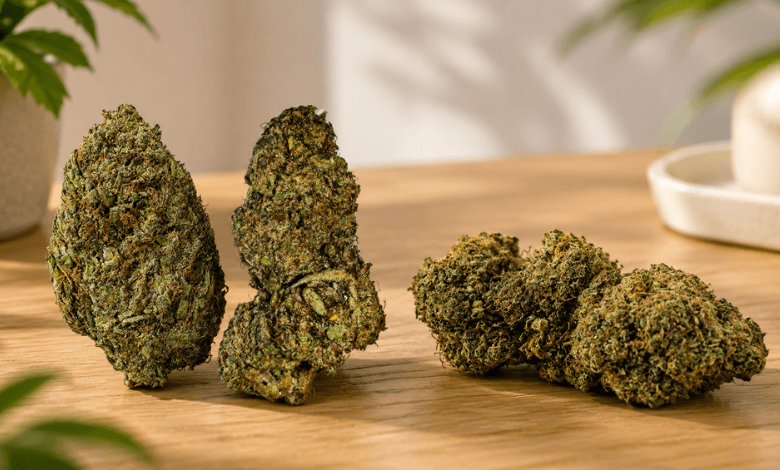
The best THCA flower is indoor-grown, slow-cured, and backed by a full-panel certificate of analysis from a third-party lab. Look for lab-verified THCA content above 20 percent, a published terpene percentage, dense, uneven trichome coverage, and a batch number that matches the jar you receive. Table of contents: How a Batch Earns a Spot Here […]
Aug 23, 2026 · 14 min read
Is THCA Flower Legal? Current Law Explained 2026
Yes, under federal law today, if it comes from hemp and tests at or below 0.3% delta-9 THC by dry weight. On November 12, 2026, that test is replaced, and THCA gets folded into the THC figure that regulators measure against. State law is a separate question, and only seven states still use the delta-9 […]
Aug 20, 2026 · 14 min read
Is THCA Legal? Complete State-by-State Guide 2026
Federally, yes, for now. The 2018 Farm Bill treats hemp-derived THCA as legal hemp so long as the delta-9 THC reading stays at or below 0.3% of dry weight. That flips on November 12, 2026, when Section 781 switches the federal test to total THC, and total THC counts THCA. Your state may already be […]
Aug 20, 2026 · 18 min read
Is THCA Legal in Connecticut? Complete 2026 Legal Guide
THCA Legal Status in Connecticut: Yes, but with major limits, THCA is not banned as a substance in Connecticut, but it is tightly regulated. Because the state measures hemp by total THC (0.3% or less on a dry-weight basis, with THCA counted in), most high-THCA products such as ATLRx THCA Flower exceed the hemp limit […]
Jul 12, 2026 · 10 min read
Stay Informed
New product releases, hemp law updates, and useful cannabinoid guides.