Is Delta 9 Legal in Pennsylvania? Complete 2026 Legal Guide
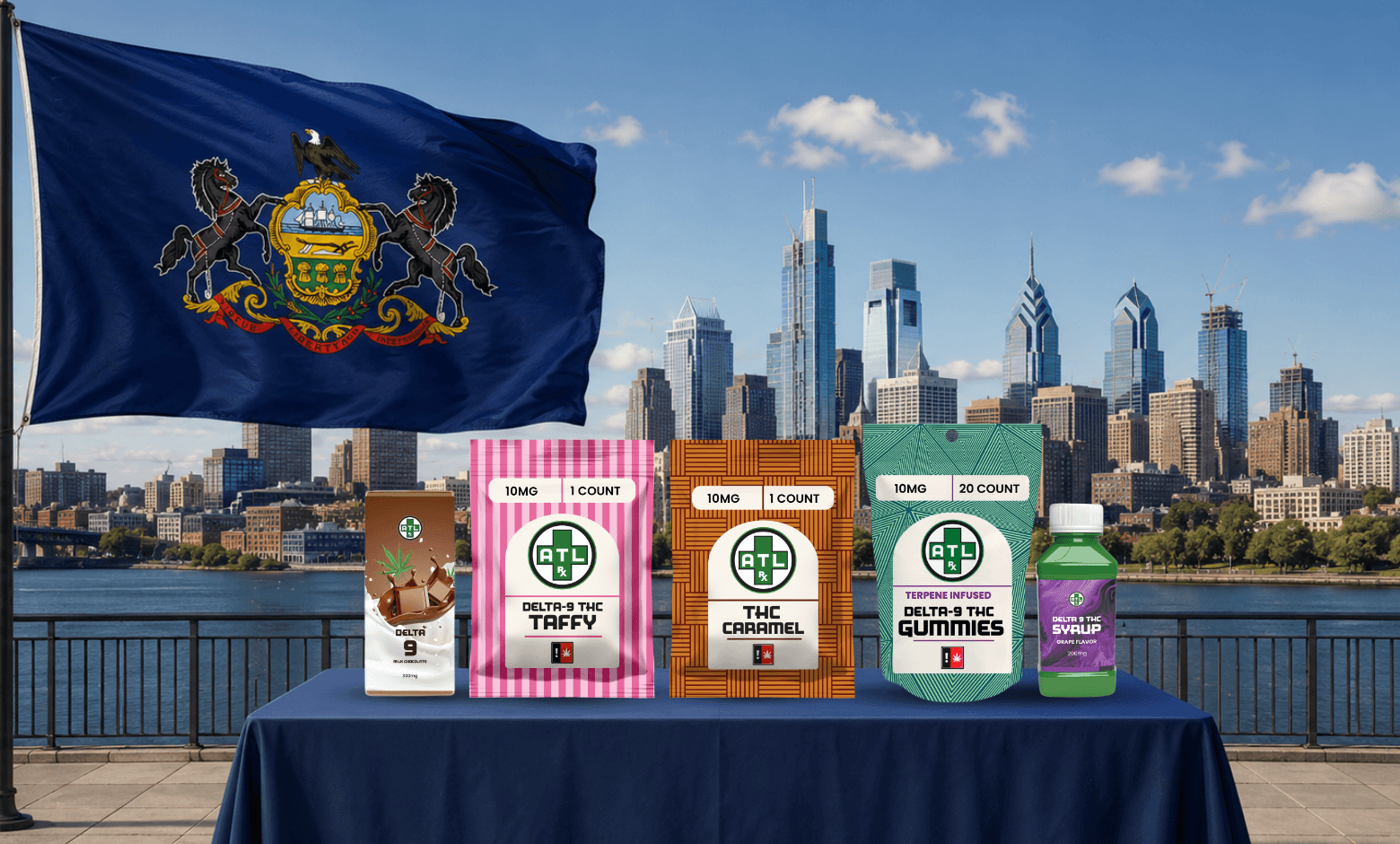
Delta 9 Legal Status in Pennsylvania:
Yes, Delta 9 is legal in Pennsylvania. Hemp-derived Delta 9 THC products are legal to buy, possess, and consume by adults in Pennsylvania, provided the product is sourced from compliant industrial hemp containing no more than 0.3% Delta 9 THC by dry weight, in line with the federal 2018 Farm Bill and Pennsylvania’s Industrial Hemp Research Act (Act 92 of 2016, codified at 3 Pa. C.S.A. §§ 701–710). Marijuana-derived Delta 9 THC remains a Schedule I controlled substance and is only legal for registered patients under Pennsylvania’s medical marijuana program. A federal hemp redefinition under Public Law 119-37 takes effect November 12, 2026, introducing a new “total THC” standard and a 0.4 mg total THC per container limit.
Quick Reference: Pennsylvania Delta 9 Rules in 2026
| Topic | Where Pennsylvania Stands |
| Hemp-derived Delta 9 (≤0.3% by dry weight) | Permitted statewide for adults; reputable retailers verify 21+ as an industry standard (no state minimum age) |
| Marijuana-derived Delta 9 | Restricted to certified medical patients |
| Adult-use recreational cannabis | Still prohibited as of May 2026 |
| Online ordering of compliant Delta 9 | Permitted; protected under interstate hemp commerce |
| Federal hemp redefinition | Activates November 12, 2026 (Section 781, P.L. 119-37) |
Before completing any Delta 9 purchase, confirm the brand publishes a current lab report issued by an independent testing facility, which is your single best safeguard against mislabeled or non-compliant product.
If you are wondering whether Delta 9 is legal in Pennsylvania, the short answer is yes. Hemp-derived Delta 9 THC is legal in the Commonwealth as long as the product is sourced from compliant industrial hemp containing no more than 0.3% Delta 9 THC by dry weight, while marijuana-derived Delta 9 remains restricted to patients enrolled in Pennsylvania’s medical marijuana program. The legal landscape, however, is shifting fast. Federal legislation signed in late 2025 will redefine hemp on November 12, 2026, and Pennsylvania’s Senate Law and Justice Committee voted in March 2026 to align state rules with the new federal standard.
At ATLRx, we believe in giving Pennsylvania consumers transparent, accurate, and current information before they buy. This 2026 guide walks you through the state’s hemp framework in plain language, explains what is legal today, and tells you exactly what is changing later this year so you can make informed decisions.
Keep Browsing
Explore Our Delta 9 THC Categories
Shop real Delta 9 THC products and collections.
Key Takeaways
- 01Hemp-derived Delta 9 THC products containing 0.3% or less Delta 9 THC by dry weight are legal to buy, possess, and use in Pennsylvania under the Pennsylvania Industrial Hemp Research Act (Act 92 of 2016, codified at 3 Pa. C.S.A. §§ 701–710) and the federal 2018 Farm Bill.
- 02Marijuana-derived Delta 9 THC is a Schedule I controlled substance in Pennsylvania and is only legal for registered patients under the Pennsylvania Medical Marijuana Act (Act 16 of 2016, originally Senate Bill 3, codified at 35 P.S. §§ 10231.101–10231.2110).
- 03Recreational marijuana remains illegal in Pennsylvania as of May 2026.
- 04A federal redefinition of hemp under Section 781 of Public Law 119-37 takes effect November 12, 2026, and will reshape what hemp Delta 9 products can be sold nationwide.
- 05Pennsylvania Senate Bill 49 was originally advanced in October 2025 and, on March 16, 2026, was amended by the Senate Law and Justice Committee (10–1 vote) to mirror the new federal hemp standard at the state level.
- 06Always look for a third-party Certificate of Analysis (COA) before buying any Delta 9 product.
Does Pennsylvania Allow Hemp-Sourced Delta 9?
Short Answer: It Does. As things stand in 2026, hemp-sourced Delta 9 enjoys legal status throughout Pennsylvania — the catch being that the underlying plant material must qualify as industrial hemp, which the law defines by a Delta 9 reading that doesn’t cross the 0.3% threshold when measured against the product’s dry weight.
Adults in Pennsylvania can purchase, hold, and consume Delta 9 items derived from hemp provided the THC reading sits at or below the 0.3% dry-weight benchmark. Two statutes anchor this allowance: Pennsylvania’s Industrial Hemp Research Act — codified at 3 Pa.C.S.A. §§ 701–710 (originally Act 92 of 2016) — and the Agriculture Improvement Act of 2018 at the federal level.
The 2018 Farm Bill: How We Got Here
Congress reshaped cannabis policy in late 2018 when it passed the Agriculture Improvement Act (Public Law 115-334), commonly called the 2018 Farm Bill. That statute carved hemp — along with cannabinoids and extracts derived from it — out from under the Controlled Substances Act and gave it a workable federal definition: cannabis whose Delta 9 THC concentration does not exceed three-tenths of one percent by dry weight.
Pennsylvania aligned its hemp framework with the federal standard, which is why hemp-derived Delta 9 products now move freely through licensed retailers across the state.
What About Delta 9 Sourced From Marijuana Plants?
Cannabis classified as marijuana — meaning plant material with Delta 9 THC above the 0.3% dry-weight cutoff — continues to sit on the federal Schedule I list. In Pennsylvania, access to marijuana-derived Delta 9 is restricted to certified patients enrolled in the state’s Medical Marijuana Program; it is not available to the general public.
Pennsylvania has not opened marijuana-derived Delta 9 to the broader public — possession and use sit outside the law for anyone who isn’t enrolled in the medical program. Going into May 2026, Pennsylvania still hasn’t crossed the line into adult-use legalization.
How Pennsylvania’s Statutes Define Hemp
Under the Commonwealth’s Industrial Hemp Research Act, “industrial hemp” covers the cannabis plant itself — together with any portion of it — so long as Delta 9 tetrahydrocannabinol stays at or under 0.3% when calculated on a dry-weight basis.
A finished hemp product, under the same statutory framework, is one that:
- Functions as a cosmetic, food, food additive, or herb;
- Is intended for human use or consumption;
- Incorporates material drawn from the hemp plant in any form — whether that’s the plant tissue itself, cannabinoids that occur naturally within it, or downstream substances such as concentrates, extracts, isolates, resins, and other derived forms;
- Carries Delta 9 tetrahydrocannabinol at a level that does not surpass 0.3 percent.
What Changes on November 12, 2026: The Federal Hemp Rewrite You Need to Track
No other policy shift on the table this year carries more weight for shoppers and operators in Pennsylvania’s Delta 9 space.
How the Law Got Here
A year before its hemp provisions activate — specifically on November 12, 2025 — the President put his signature on what is officially titled the Continuing Appropriations, Agriculture, Legislative Branch, Military Construction and Veterans Affairs, and Extensions Act, 2026, now codified as Public Law 119-37.
Tucked inside that legislation, Section 781 rewrites how 7 U.S.C. § 1639o — the federal statute that tells us what counts as hemp — actually reads.
What the New Definition Does
Three substantive changes are baked into the rewrite:
- Total-THC measurement: Under Section 781, the federal hemp definition pivots away from a Delta-9-only metric and adopts a total-THC measurement, which folds THCA and other convertible THC compounds into the 0.3% calculation.
- Per-container ceiling: Federal hemp policy moves from looking only at Delta 9 to factoring in the cumulative THC reading — including THCA and related convertible compounds — and Section 781 of Public Law 119-37 imposes a hard ceiling: no more than 0.4 milligrams of total THC inside any individual finished consumer container.
- Synthetic-cannabinoid exclusion: Any item formulated with cannabinoid molecules that the cannabis plant cannot generate on its own through normal biology — or molecules the plant could theoretically produce but which were instead built through chemical synthesis or external manufacturing processes — is carved out of the hemp definition. Lab-converted and chemically synthesized cannabinoids are pushed out of what federal law will recognize as hemp — a change that will reshape the availability of Delta-8 THC, HHC, and the broader category of conversion-derived cannabinoids.
FDA’s Role Under the New Statute
The statute hands the FDA a 90-day clock from the day of enactment to issue several catalogs, beginning with: (1) the inventory of cannabinoids that arise organically within Cannabis sativa L.; (2) a separate accounting of THC-family cannabinoids; and (3) a roster covering any additional cannabinoids whose pharmacological footprint resembles the THC class. Alongside these lists, the FDA is also instructed to put a sharper regulatory definition around what qualifies as a “container.”
Pending Bills That Could Change the Timeline
Among the proposals attempting to push back the implementation date, the Hemp Planting Predictability Act has emerged as the front-runner. The House version — H.R. 7024 — was filed in January 2026 by Rep. James Baird of Indiana and gathered co-sponsorship from members across the aisle, notably Rep. James Comer (R-KY) and Rep. Angie Craig (D-MN). A companion measure, S. 3686, dropped in the Senate around the same time, carrying the names of Sen. Amy Klobuchar (D-MN), Sen. Rand Paul (R-KY), and Sen. Jeff Merkley (D-OR).
If passed, the legislation would slide the activation date back by two years, resetting it to November 12, 2028.
On a parallel track, Sen. Ron Wyden and Sen. Jeff Merkley have put forward the Cannabinoid Safety and Regulation Act — a bill that would scrap the prohibition approach altogether and substitute a national licensing-and-oversight regime for hemp cannabinoids.
None of these proposals has cleared Congress as of this writing.
Pennsylvania’s Own Cannabis Legislation
State lawmakers continue to debate broader cannabis reform separately from the federal hemp question. The Senate Law and Justice Committee originally advanced Senate Bill 49 in October 2025 — legislation that would stand up a dedicated Cannabis Control Board for the Commonwealth. After Public Law 119-37 was signed in November 2025, the committee recommitted the bill and, on March 16, 2026, voted 10–1 (with Sen. Dawn Keefer, R-York, opposed) to amend SB 49 to mirror the new federal hemp standard at the state level. The bill is sponsored by Sen. Daniel Laughlin (R-Erie), chairman of the committee.
If passed in its amended form, SB 49 would adopt the federal “total THC” standard at the state level, prohibit synthetic cannabinoids such as Delta 8 THC, and place hemp Delta 9 products under a unified regulatory body. Anyone with a stake in Pennsylvania’s hemp or cannabis market would do well to track the bill’s progress through Harrisburg, since further committee votes and floor amendments could meaningfully alter the final shape of the law.
Two Sources, Two Legal Tracks: Hemp Delta 9 and Marijuana Delta 9 Side by Side
| Attribute | Hemp-Derived Delta 9 | Marijuana-Derived Delta 9 |
| Source plant | Industrial hemp (≤0.3% Delta 9) | Cannabis with >0.3% Delta 9 |
| PA legal status | Available to adult buyers | Restricted to medical patients |
| Federal status | Legal under the 2018 Farm Bill | Schedule I controlled substance |
| Where to buy | Hemp shops, online retailers, smoke shops | Licensed PA medical dispensaries |
| Required ID | Government-issued ID; reputable retailers verify 21+ as industry standard (not a state mandate) | Pennsylvania medical marijuana card |
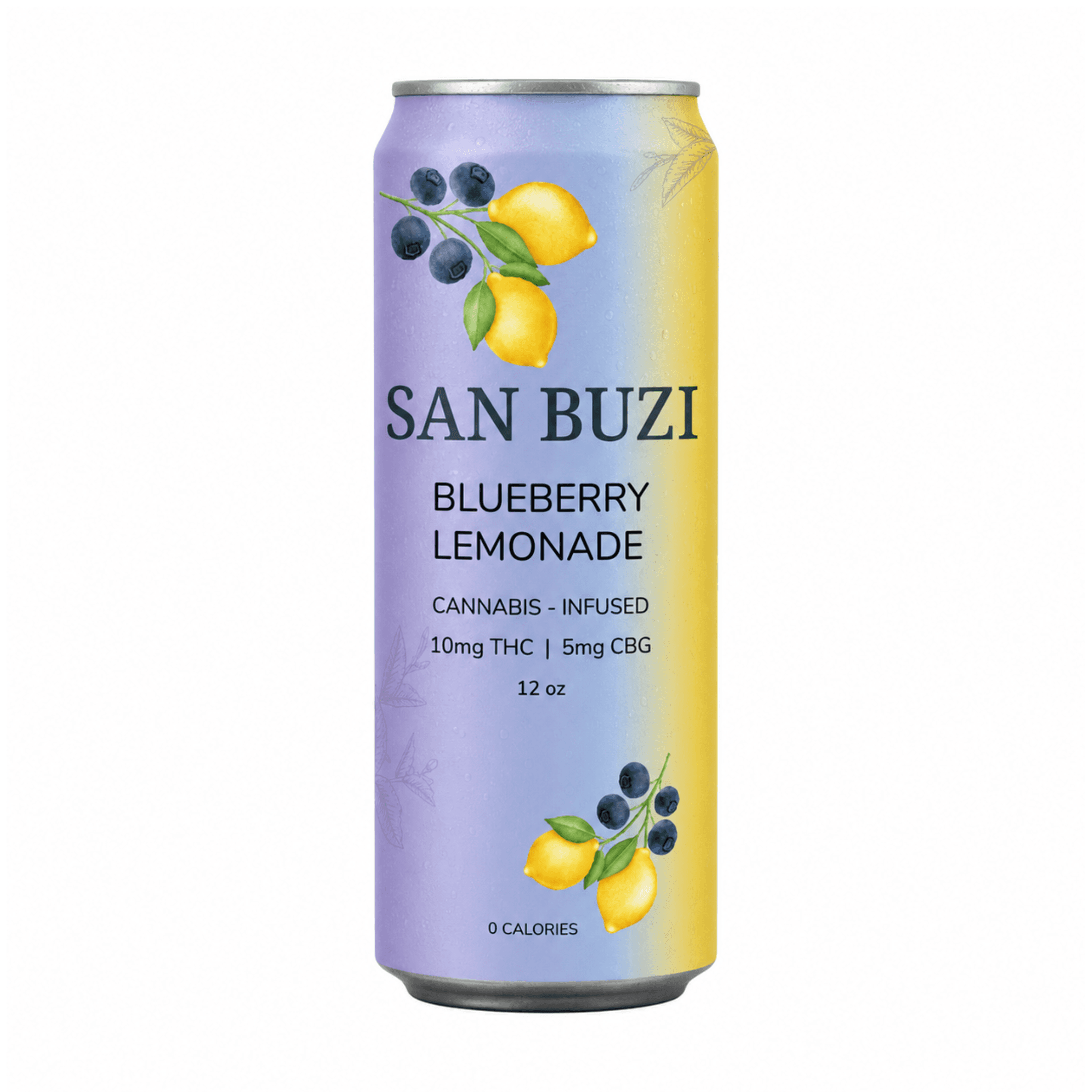
Pennsylvania shoppers can lawfully pick up hemp-based Delta 9 in most of its consumer formats — chewable Delta 9 gummies, baked edibles, ready-to-drink beverages, and various infused goods all qualify — provided the underlying hemp stayed within the 0.3% Delta 9 dry-weight rule from cultivation through finished product.
Confirming a Delta 9 Product Meets Pennsylvania’s Legal Requirements: A Buyer’s Walkthrough
Use the brief verification routine below before you commit to any Delta 9 purchase:
1. Pull the Lab Report
Pull up the product’s Certificate of Analysis — trustworthy sellers make these independent lab reports easy to find for every SKU they stock, typically through a QR code on the label or a dedicated page on their site.
Shop Delta 9
View all →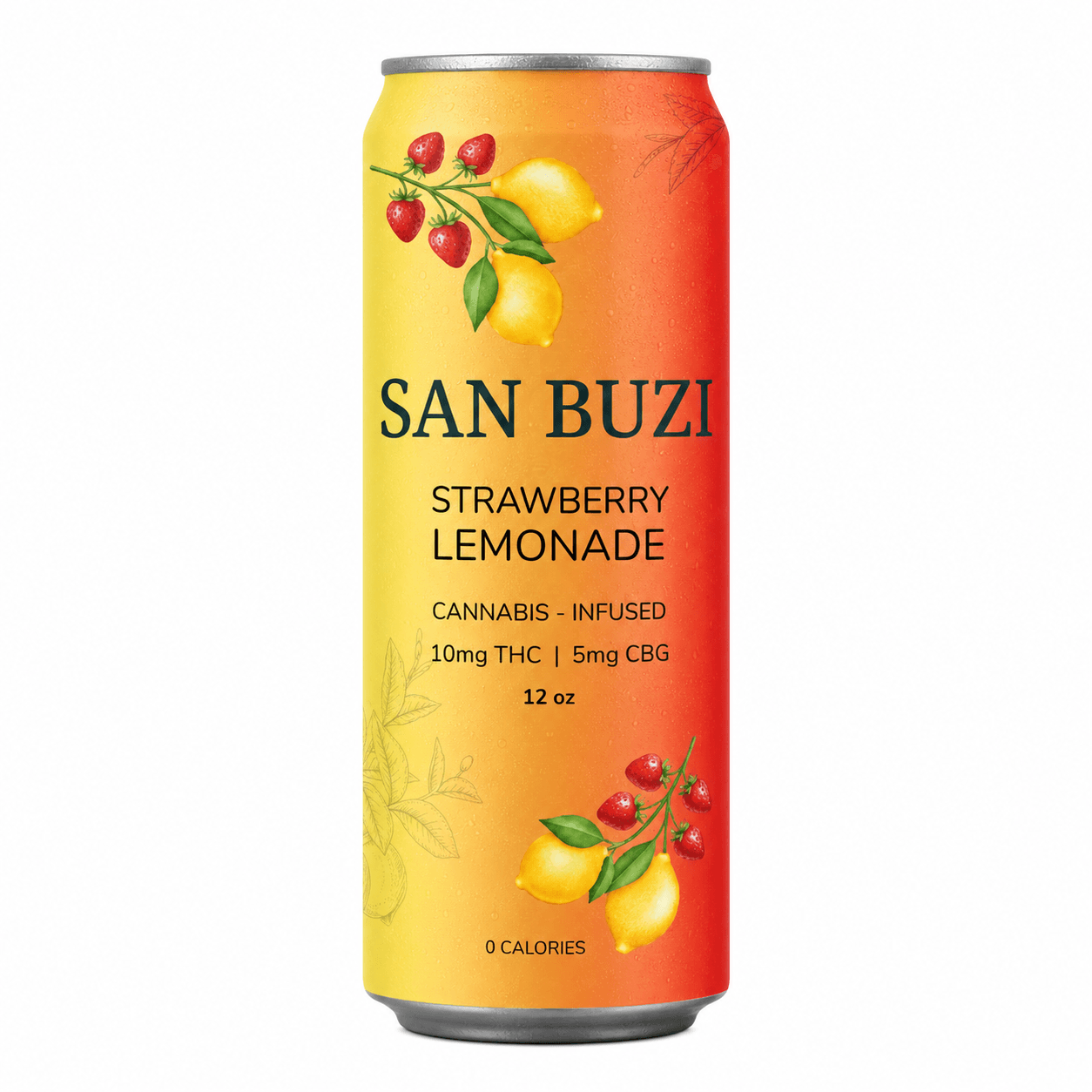


2. Check the THC Reading
The lab document should clearly demonstrate that Delta 9 THC came in at no higher than 0.3% when calculated on a dry-weight basis.
3. Review the Contaminant Panel
Look for clean results across the full contaminant panel — agrochemical residues, metal traces, leftover extraction solvents, and microbial screening should each register a passing mark.
4. Verify the Lab’s Credentials
The testing facility should hold ISO/IEC 17025 accreditation, and the report should be no older than roughly 90 days for the specific batch you’re buying.
Buying Delta 9 in Pennsylvania: The Retail Landscape
Pennsylvania consumers typically encounter compliant hemp Delta 9 through three distinct purchase routes:
- Online retailers — Pennsylvania residents over 21 are free to place online orders for hemp Delta 9 goods and receive those shipments at their home or business address within the state. This route typically offers the widest selection and the most thorough lab documentation.
- Brick-and-mortar hemp shops and CBD stores — Specialty retailers across the Commonwealth carry compliant gummies, beverages, and tinctures. Ask to see the COA for any product before purchasing.
- Smoke shops and convenience retailers — Selection and quality vary widely. Stick to brands that publish full lab documentation regardless of where you find them on the shelf.
Moving Products Around the State
Moving Delta 9 products around within Pennsylvania: Keep the manufacturer’s packaging intact during transit, and have the matching lab report accessible — saved to your phone works fine. Crossing state lines is a different story, since destination-state rules vary widely; what’s compliant in Pennsylvania may not be in a neighboring state.
Where Delta 9, Delta 8, and THCA Each Stand Under Pennsylvania Rules
Each cannabinoid carries a distinct legal posture today, and the November 2026 federal change will redraw those lines further:
- Delta 9 (hemp-derived): Currently legal under both Pennsylvania and federal law at the 0.3% dry-weight threshold.
- Delta 8 THC: Available in Pennsylvania today as a hemp-derived cannabinoid. When the federal hemp framework gets overhauled in November of 2026, Delta 8 — produced almost entirely through chemical conversion from CBD — will fall outside the new definition.
- THCA: Currently legal in Pennsylvania when the source product’s Delta 9 reading stays under 0.3%, since the Commonwealth still applies a Delta-9-only test rather than a total-THC formula. The federal redefinition will change that calculation.
Readers wanting the granular on THCA specifically should head over to our dedicated breakdown — Is THCA Legal in Pennsylvania? — which covers that cannabinoid’s status in detail.
The Bottom Line
The bottom line for 2026: hemp-origin Delta 9 enjoys legal standing throughout Pennsylvania at this moment, contingent on the source material being compliant industrial hemp and the finished product testing at 0.3% Delta 9 THC or lower on a dry-weight basis.
Each item in the catalog comes paired with a Certificate of Analysis from an independent laboratory, available for inspection ahead of any purchase decision. These products are formulated and marketed for adult consumers only — minors should not purchase or use them.
Watch the November 12, 2026, deadline closely. The federal hemp rewrite will reshape what counts as legal, and the delay of bills working through Congress is the only thing standing between today’s market and a substantially narrower one. Sign up for state and federal regulatory alerts if your business or personal use depends on continued access.
Frequently Asked Questions
Can I Legally Purchase Delta 9 in Pennsylvania in 2026?
+
You can be within the hemp-derived category and subject to the 0.3% rule. Through the spring of 2026, both Harrisburg and Washington recognize hemp-sourced Delta 9 goods as lawful in Pennsylvania, with the operative test remaining the 0.3% Delta 9 dry-weight standard.
What’s the Maximum Delta 9 Dose a Pennsylvania-legal Hemp Product Can Pack?
+
Because the legal limit is percentage-based rather than milligram-based, a 4-gram gummy can lawfully contain up to about 12 milligrams of Delta 9 THC (4,000 mg × 0.003 = 12 mg) and still satisfy the 0.3% dry-weight rule. Larger format edibles can carry proportionally more — a 10-gram gummy can hold up to 30 mg. (This will tighten dramatically when the November 2026 per-container cap of 0.4 mg total THC takes effect.) Larger format edibles can carry proportionally more. (This will tighten dramatically when the November 2026 per-container cap takes effect.)
Is Online Ordering of Delta 9 Permitted for Pennsylvania Residents?
+
It is interstate hemp commerce is protected federally, and compliant retailers ship to Pennsylvania routinely. Pennsylvania has no statutory minimum age for hemp Delta 9, but established sellers run age verification at checkout — the 21-and-up gate has become the operating norm across the industry.
Has Pennsylvania Legalized Adult-use Cannabis?
+
It hasn’t been recreational marijuana that has been prohibited. As of this writing in May 2026, Pennsylvania law continues to bar recreational marijuana use. Bills aimed at legalization have advanced through committee but have not passed both chambers.
Does Pennsylvania Require a Medical Cannabis Registration to Buy Hemp-derived Delta 9?
+
No medical card is required for hemp-derived Delta 9. Pennsylvania has no statutory minimum age for hemp products, though reputable retailers voluntarily verify 21+ at checkout. Enrollment in the state’s medical marijuana program is needed only for marijuana-derived products. Marijuana-source Delta 9 remains exclusively the domain of patients holding a valid Pennsylvania medical cannabis ID.
Could Consuming Delta 9 Cause a Positive Result on Workplace Drug Screening?
+
Yes. Routine immunoassay screens, the kind employers most often use, pick up THC metabolites in urine without any way to trace whether the THC originated in hemp or marijuana plants. If your job, athletic program, or legal status involves drug testing, factor that in before purchasing any Delta 9 product.
What Changes on November 12, 2026?
+
Federal hemp policy moves from looking only at Delta 9 to factoring in the cumulative THC reading, including THCA and related convertible compounds, and Section 781 of Public Law 119-37 imposes a hard ceiling: no more than 0.4 milligrams of total THC inside any individual finished consumer container. Most current intoxicating hemp products would not survive that change unless Congress passes a delay or replacement bill before then.
Disclaimer
This article provides general information about Pennsylvania and federal cannabis law and is not intended as legal advice. Laws change frequently, and enforcement varies. Consult a licensed Pennsylvania attorney for guidance on your specific circumstances.
Why Trust This Guide
- ATLRx has sold third-party lab-tested hemp products out of Georgia since 2019.
- Every real batch we sell is tested by an accredited outside lab, with the Certificate of Analysis published before you buy.
- We operate 3 real physical stores in Georgia — this isn't a drop-shipped storefront.
- Legal information is rechecked and updated as rules change, not published once and forgotten.
This guide is for general information only and is not legal advice. While we update it as rules change, state laws can shift quickly. Please confirm current laws with your state’s official sources.
Don't Trust the Label. Check the Lab.
ATLRx publishes third-party Certificates of Analysis for real batches so you can verify cannabinoid content before you buy — not just take the package's word for it.
View Lab Results →Have Questions?
Visit an ATLRx store in Georgia and talk to our team.
Real Customers, Real Reviews
What Customers Are Saying

Jen Hight
Cannabis Industry Expert & Compliance Specialist Jen Hight is a cannabis industry professional with extensive experience in hemp compliance, product development, and consumer education. With a background in regulatory affairs and a passion for helping consumers navigate the complex world of cannabinoids, Jen provides accurate, up-to-date information on hemp legality and best practices. Her work focuses on making cannabis knowledge accessible while ensuring readers understand both the opportunities and responsibilities that come with legal hemp products.
View all articles →Keep Learning

Where To Buy Delta 9 Gummies Near Me?
You can buy Delta 9 gummies near you at five types of retailers: a licensed cannabis dispensary, a hemp or CBD store, a vape or smoke shop, a convenience store, or online, directly from a hemp brand. In many states, these sit on ordinary retail shelves and can be mailed to a home address. The […]
Oct 21, 2026 · 10 min read

Where to Buy Delta 9 in Texas?
Delta 9 Availability in Texas: Yes. Hemp-derived Delta 9 is legal to buy in Texas in August 2026. To qualify, a product has to come from hemp and test at 0.3% or less total THC on a dry weight basis. Texas has computed that figure as (0.877 x THCA) + Delta 9 since March 31, […]
Aug 7, 2026 · 26 min read

Where to Buy Delta 9 in Oklahoma?
Delta 9 Availability in Oklahoma: Yes. Delta 9 THC derived from hemp is legal in Oklahoma starting in 2026 for adults 21 and older. It must be made from hemp, not marijuana, and contain less than 0.3% Delta-9 THC by dry weight. Medical marijuana does not require a card. You can buy it online or […]
Aug 5, 2026 · 23 min read

Where to Buy Delta 9 in Iowa?
Delta 9 Availability in Iowa: Yes, hemp-derived Delta 9 is legal in Iowa in 2026, but only if it follows the state’s rules. Consumable hemp products cannot contain more than 4 mg of total THC per serving and 10 mg of total THC per container. The product also has to come from legal hemp, be […]
Aug 4, 2026 · 25 min read
Stay Informed
New product releases, hemp law updates, and useful cannabinoid guides.