Is CBD Legal in South Dakota? 2026 Legal Guide
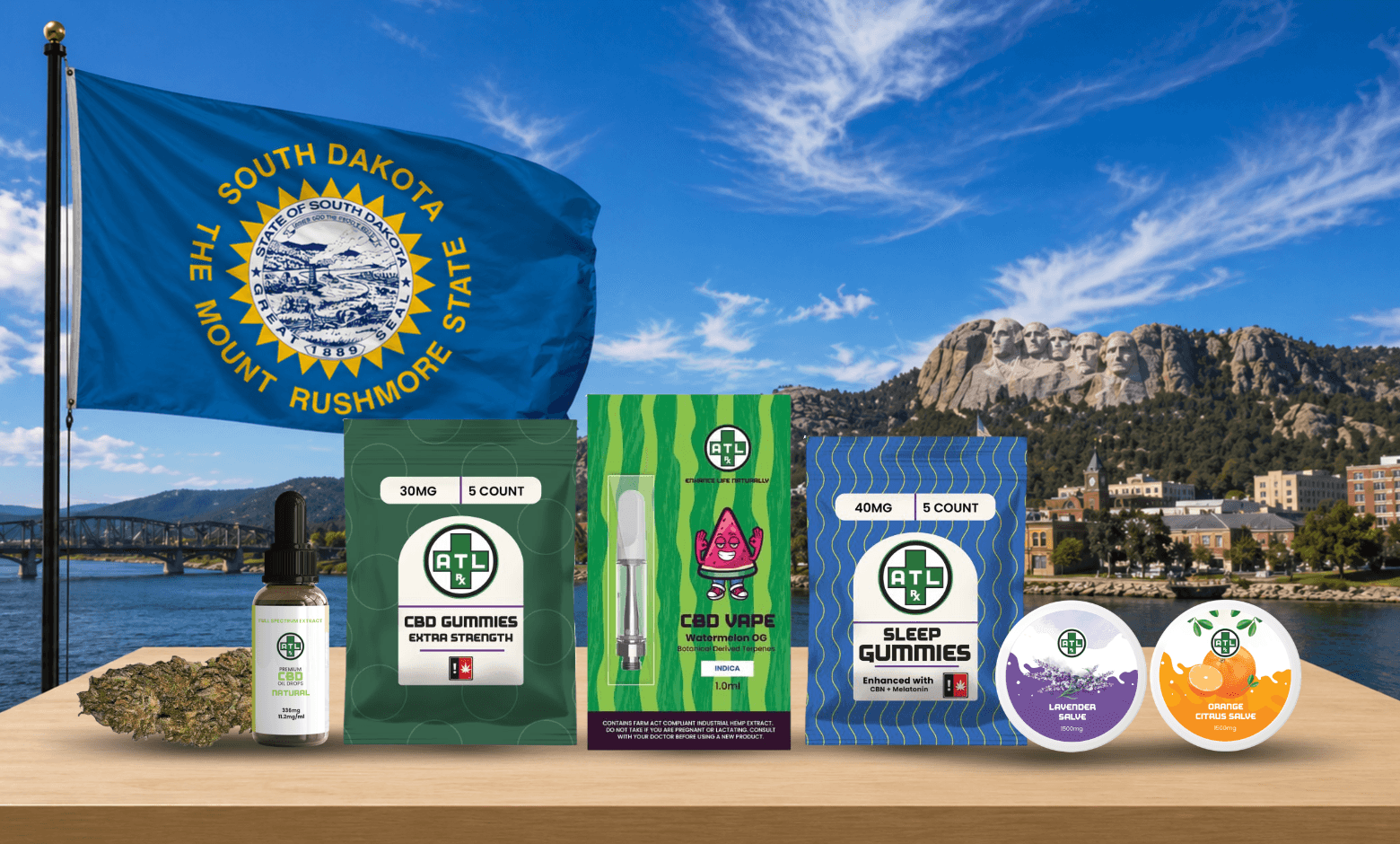
CBD Legal Status in South Dakota:
Yes, CBD derived from hemp is legal in South Dakota if it contains less than 0.3% delta-9 THC on a dry weight basis. Adults can buy CBD oil, gummies, topicals, and capsules from licensed retailers or compliant online sellers. The smoking of hemp products, such as CBD flower and vapes, is prohibited under SDCL 38-35-21. Chemically converted cannabinoids such as Delta-8, Delta-10, THC-O, HHC, and THC-P are banned under HB 1125, which has been actively enforced since July 14, 2025. A federal hemp redefinition signed into law on November 12, 2025, will tighten the rules further starting November 12, 2026.
If you live in the Mount Rushmore State or plan to visit, the question “Is CBD legal in South Dakota?” is a fair one to ask, because the state has some of the most detailed hemp rules in the country. In South Dakota, hemp-derived CBD containing less than 0.3% delta-9 THC is legal to buy, possess, and sell under state and federal law. The longer answer, covered in this 2026 guide, explains what you can legally purchase, what the state has recently banned, and how to shop with confidence.
Keep Browsing
Explore Our CBD Categories
Shop real CBD products and collections.
Is CBD Legal in South Dakota in 2026?
Yes. In South Dakota, hemp-derived CBD is legal for adults, as long as it does not contain more than 0.3% delta-9 THC by dry weight and was not created through chemical conversion. This rule comes from a combination of the federal 2018 Farm Bill and a stack of state laws passed between 2017 and 2024, most notably House Bill 1008 (2020) and House Bill 1125 (2024).
Cannabis plants containing more than 0.3% delta-9 THC are treated differently. It is only available through the state’s medical cannabis program to registered patients, and recreational possession outside that program is still illegal.
Federal vs. State Law: How the 2018 Farm Bill Applies
The 2018 Farm Bill (Agriculture Improvement Act of 2018, Public Law 115-334), signed into federal law on December 20, 2018, removed hemp and hemp-derived cannabinoids from the federal Controlled Substances Act, provided the final product does not exceed 0.3% delta-9 THC on a dry weight basis. South Dakota, like most states, now builds on that federal ceiling.
South Dakota aligned its own hemp program with the federal rule when then-Governor Kristi Noem signed HB 1008 into law on March 27, 2020. As a result of the bill, industrial hemp could be cultivated, manufactured, and distributed in the state with the state Department of Agriculture acting as the regulator. (The Department of Agriculture merged with the Department of Environment and Natural Resources on April 19, 2021, to form the current Department of Agriculture and Natural Resources, or DANR.) From that point forward, hemp-derived CBD has had a clear legal pathway in the state, with one exception: smokable and inhalable hemp products remain prohibited under SDCL 38-35-21.
In November 2025, President Trump signed H.R. 5371 (Public Law 119-37), the Agriculture Appropriations Act of FY2026, into law. The federal definition of hemp is rewritten in three ways that are important to CBD buyers under Section 781. All THC, including THCA and other precursors, will be subject to the 0.3% threshold instead of just delta-9 THC. The federal hemp definition does not apply to any finished hemp-derived product containing more than 0.4 milligrams of total THC per container. Third, cannabinoids synthesized outside the cannabis plant are excluded. Changes will take effect on November 12, 2026. Until that date, the 0.3% delta-9 dry-weight standard under the 2018 Farm Bill remains the operative federal rule, and most full-spectrum CBD products currently on the market remain compliant.
Timeline of South Dakota CBD and Hemp Legislation
Below is the chronology every South Dakota buyer should understand.
Senate Bill 95 (2017)
South Dakota took an early step on CBD in 2017, but the bill only allowed FDA-approved CBD products and kept the cannabinoid listed as a Schedule IV controlled substance. It was a narrow opening, not full legalization.
Federal Farm Bill (2018)
The drug was legalized by lawmakers and removed from the Controlled Substances Act. This created the federal 0.3% delta-9 THC ceiling that defined hemp from 2018 through the November 2025 federal amendments.
House Bill 1191 (2019, Vetoed)
State lawmakers tried to bring South Dakota into alignment with the Farm Bill in 2019. Governor Noem vetoed the bill, which kept hemp and most CBD products illegal under state law for another year.
House Bill 1008 (2020)
This is the law that opened the state. HB 1008 legalized industrial hemp cultivation, processing, and distribution, and gave the Department of Agriculture (later DANR) authority to license growers and processors. After this point, hemp-derived CBD products with less than 0.3% delta-9 THC became legal to sell, buy, and carry. One important carve-out remained: SDCL 38-35-21, enacted as part of HB 1008, prohibits the sale or use of industrial hemp for smoking or inhaling, making smokable hemp and CBD flower a Class 1 misdemeanor.
Initiated Measure 26 (2020)
Medical cannabis was approved by voters in November 2020. The program launched in July 2021 and is separate from the hemp-derived CBD market. Recreational marijuana was also on the 2020 ballot as Amendment A, but the South Dakota Supreme Court overturned it on November 24, 2021, and a follow-up recreational measure (Initiated Measure 29) failed at the ballot box in November 2024.
House Bill 1125 (2024)
Signed by Governor Noem on March 26, 2024, and effective July 1, 2024, HB 1125 is the most consequential recent law for CBD shoppers. It prohibits chemically converted or chemically modified hemp cannabinoids. That includes Delta-8 THC, Delta-10 THC, THC-O, HHC, and THC-P, because these cannabinoids are almost always produced by chemically converting CBD or other hemp compounds.
Enforcement Start Date: July 14, 2025
HB 1125 took effect July 1, 2024, but coordinated enforcement did not begin until July 14, 2025. The delay reflected practical realities: enforcement requires laboratory testing to distinguish chemically converted cannabinoids from naturally occurring ones, and the Attorney General’s Office has publicly stated it does not typically prosecute misdemeanor offenses under HB 1125, leaving enforcement primarily to local and county authorities. Since July 14, 2025, retailers selling non-compliant products face a Class 2 misdemeanor per individual package (up to 30 days in jail and a $500 fine per offense), and products can be seized during inspections.
November 3, 2025 Attorney General Opinion
On November 3, 2025, South Dakota Attorney General Marty Jackley issued Official Opinion No. 25-04 in response to a request from the City of Brookings about selling THC-infused beverages through its municipal liquor store. The opinion concluded that the legality of any specific THC-infused beverage cannot be determined without a reputable laboratory report on the product’s chemical makeup and preparation method. It reaffirmed three existing prohibitions: the sale of all synthetic cannabinoids, the sale of naturally-occurring cannabinoids containing more than 0.3% delta-9 THC, and the sale of industrial hemp products containing chemically-derived, chemically-modified, or chemically-converted cannabinoids. The opinion signals that HB 1125 applies to beverages on the same case-by-case basis it applies to gummies, vapes, and other consumables.
2026 Legislative Activity
Early in the 2026 session, South Dakota legislators advanced several hemp-related bills. Senate Bill 45, proposed by Attorney General Marty Jackley, would add delta-9 THCA to the existing list of hemp-derived intoxicants barred from sale to anyone under 21 under SDCL 34-20B-117 (joining Delta-8, Delta-10, THC-O, and HHC, already on that list). Separate bills sponsored by Sen. John Carley, R-Piedmont, would more broadly restrict hemp-derived consumables and kratom. SB 45 cleared the Senate Judiciary Committee with unanimous support and no opposition testimony. As of April 2026, these bills are still moving, but they signal that the regulatory environment in the state will continue to tighten.
What CBD Products Are Legal in South Dakota
If a CBD product is derived from hemp, contains less than 0.3% delta-9 THC on a dry weight basis, and does not contain chemically converted cannabinoids, it is legal to buy, possess, and use in South Dakota. That covers most traditional CBD formats:
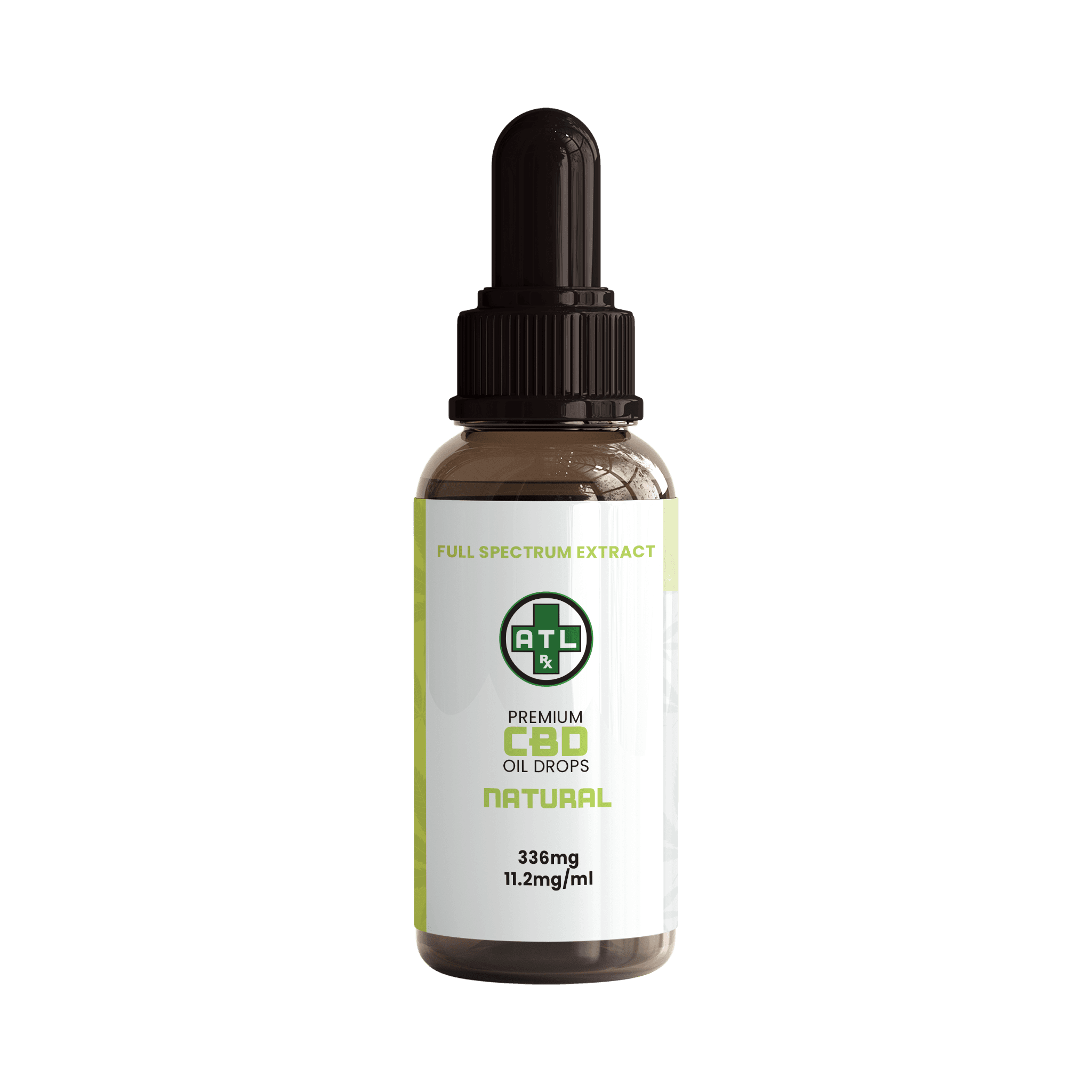
- Tinctures and oils containing CBD (full spectrum, broad spectrum, and isolate)
- CBD gummies and edibles that meet the THC limit and are not chemically derived
- CBD capsules and softgels
- CBD topicals, creams, balms, and roll-ons
- CBD for pets (when formulated for animal use)
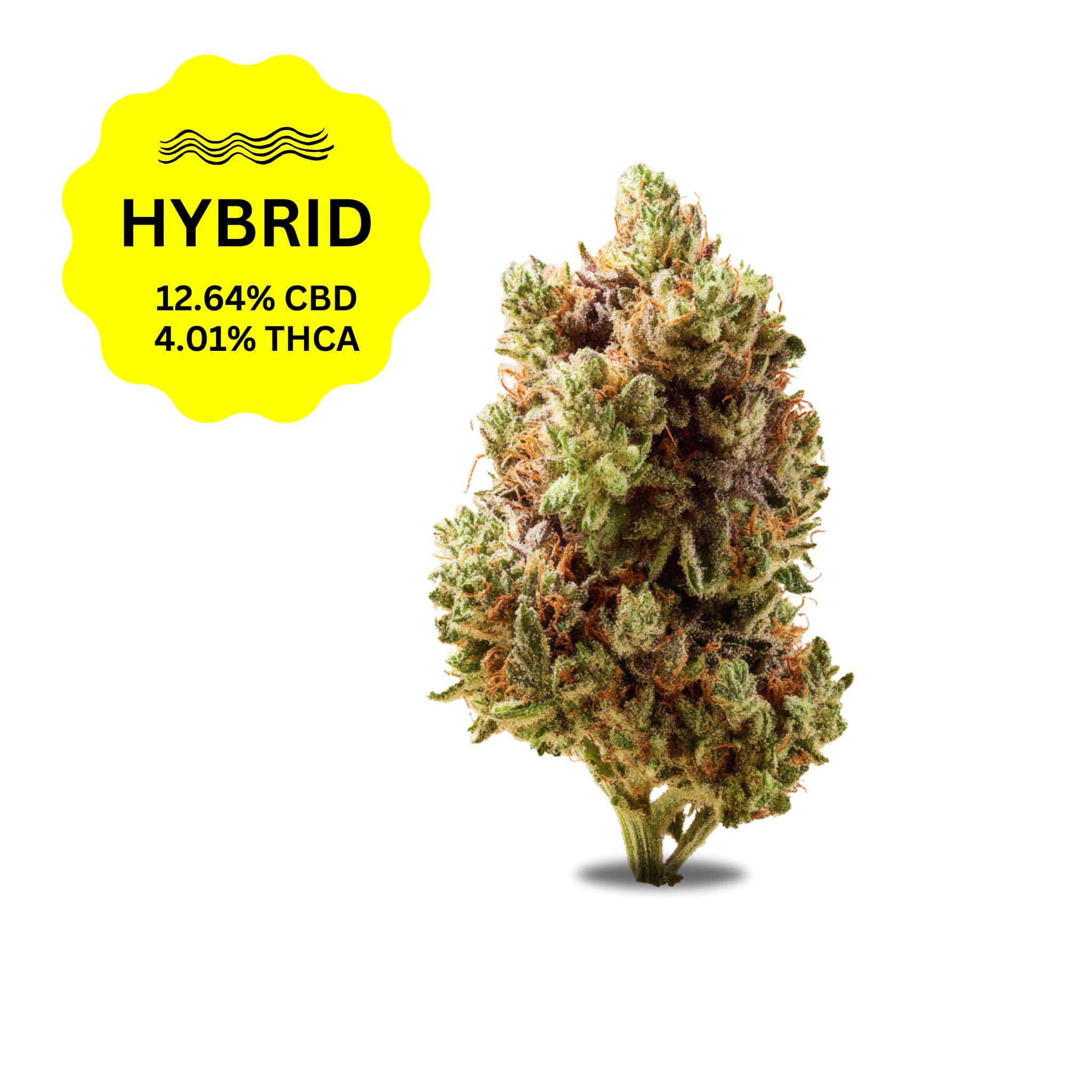
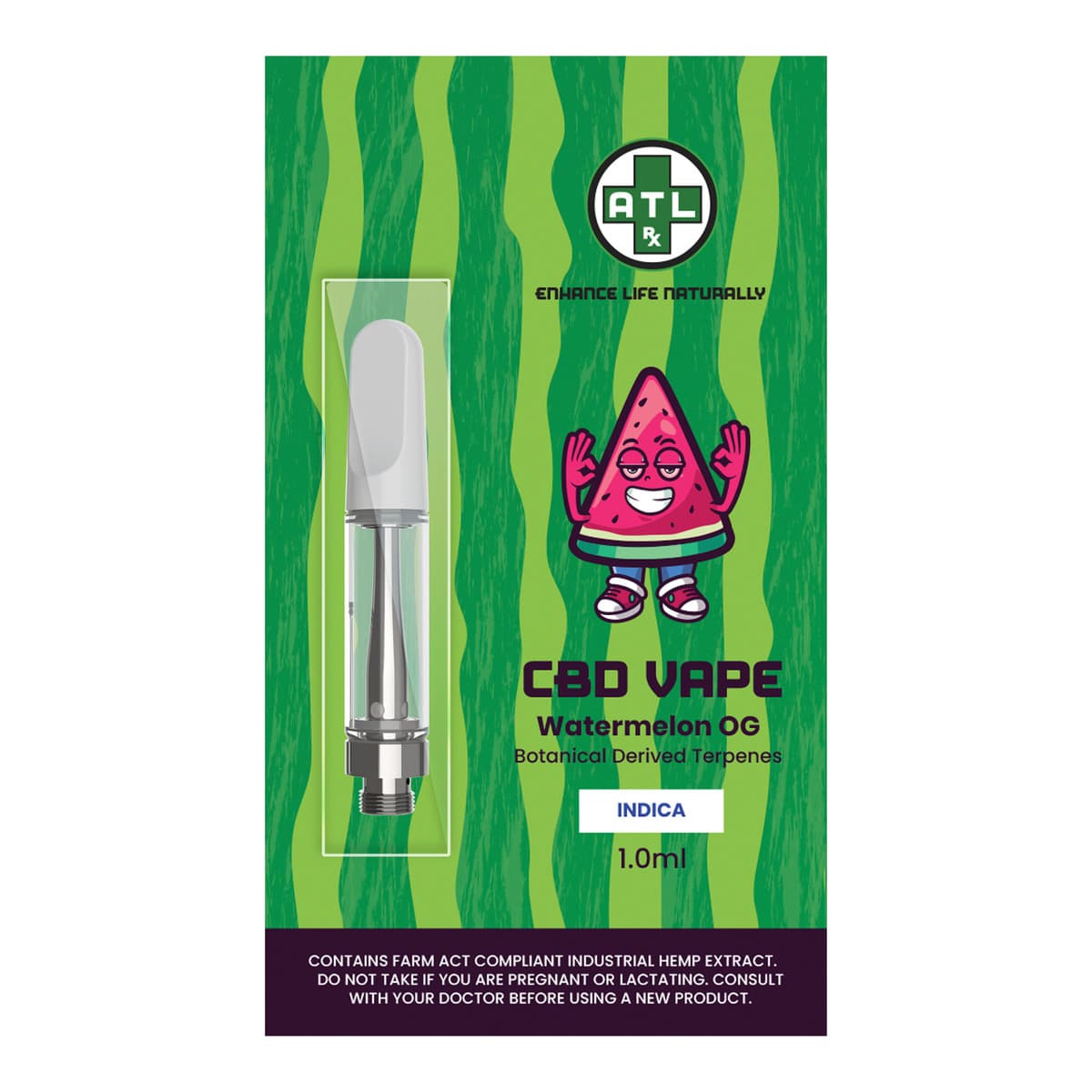
Important exception: Smokable and inhalable hemp products, including raw CBD flower and CBD vape products, are not legal to sell or use in South Dakota. Under SDCL 38-35-21, the sale or use of industrial hemp for smoking or inhaling is a Class 1 misdemeanor, even when the flower tests below the 0.3% delta-9 THC limit.
What Is Banned Under HB 1125
HB 1125 specifically targets cannabinoids that are created by chemically modifying or converting hemp extract. The law prohibits the sale, manufacture, and distribution of these products. The banned categories include:
- Products containing delta-8 THC, including gummies, vapes, tinctures, and flower
- Delta-10 THC products
- THC-O acetate
- HHC (hexahydrocannabinol) and HHC-P
- THC-P
- Any hemp extract where CBD has been chemically converted into a THC isomer, analog, or derivative
Decarboxylated cannabinoids, produced without a chemical catalyst, are not banned. This is why standard CBD, CBG, and CBN products remain legal if they are naturally derived.
Legal vs. Illegal in South Dakota (2026 Quick Reference)
| Legal in South Dakota | Illegal or Restricted |
|---|---|
| Hemp-derived CBD oil (< 0.3% delta-9 THC) | Delta-8 THC products |
| CBD gummies (naturally derived) | Delta-10 THC products |
| CBD topicals and balms | THC-O acetate |
| CBD capsules and softgels | HHC and HHC-P |
| Broad-spectrum and isolate CBD | THC-P |
| Full-spectrum CBD (within the 0.3% limit) | Chemically converted cannabinoids |
| CBG and CBN (naturally derived) | Smokable hemp, CBD flower, and CBD vapes (SDCL 38-35-21) |
| CBD for pets | Recreational marijuana outside the medical program |
| Hemp-derived delta-9 beverages whose legality depends on lab verification (per the Nov 3, 2025 AG opinion) |
Mentioned In This Article
Where to Buy CBD in South Dakota
You have two practical options: in-person retail or online. Both are legal as long as the products themselves are compliant.
Local Retail Stores
Some vitamin shops, specialty retail stores, and smoke shops in Sioux Falls, Rapid City, Aberdeen, and other South Dakota cities stock compliant CBD. After the July 2025 enforcement push, many retailers pulled Delta-8 and other converted products from their shelves, so shelf selection has narrowed. Request a copy of the product’s Certificate of Analysis (COA).
Online Retailers
Buying online gives you the widest selection, the best pricing, and the strongest documentation. Reputable online brands publish full third-party lab reports for every batch, ship to South Dakota addresses, and clearly label the cannabinoid profile. ATLRx ships compliant, non-inhalable CBD products to South Dakota customers, including CBD oil, CBD gummies, and CBD topicals. Smokable hemp and vape products are not shipped to South Dakota addresses because state law prohibits their sale and use.
Dispensaries
South Dakota’s licensed medical cannabis dispensaries serve registered patients in the medical program. They are not a general-audience CBD retail option, and the products stocked there follow a different set of rules than hemp-derived CBD.
Buying CBD Online and Shipping to South Dakota
You can legally have hemp-derived CBD (non-smokable formats) shipped to a South Dakota address. The 2018 Farm Bill removed hemp-derived CBD from the federal Controlled Substances Act, and carriers like USPS, UPS, and FedEx accept compliant hemp products under their hemp shipping policies. When you order, keep the following in mind:
- Order only from sellers that publish current, batch-specific lab reports.
- Verify that the delta-9 THC value on the COA is below 0.3% on a dry weight basis.
- Confirm the COA does not list Delta-8, Delta-10, THC-O, HHC, or THC-P as added cannabinoids.
- Do not order smokable hemp or CBD vape products for delivery to a South Dakota address; these are banned under SDCL 38-35-21.
- Save the order receipt and the COA in case you need to confirm compliance.
How to Verify a CBD Product Is SD-Compliant
A compliant CBD product in South Dakota has three documents and three attributes you can quickly check.
- Third-party Certificate of Analysis (COA) from an accredited laboratory, dated within the last 12 months for that specific batch.
- The delta-9 THC content is less than 0.3% on a dry weight basis.
- No Delta-8 THC, Delta-10 THC, THC-O, HHC, or THC-P listed as ingredients.
- A clear ingredient panel and a scannable QR code or batch number that links back to the lab report.
- An organization that publishes its hemp source and extraction method.
- A shipping policy that explicitly lists South Dakota as a serviced state and does not ship smokable hemp into the state.
Final Word on CBD Legality in South Dakota (2026)
South Dakota is strict on intoxicating cannabis but allows compliant, hemp-derived CBD. If the product is hemp-sourced, stays below 0.3% delta-9 THC by dry weight, was not made by chemically converting CBD into other cannabinoids, and is not a smokable or inhalable format, it is legal for adults to buy and possess under current state and federal law.
The rules do shift. HB 1125 tightened the market in 2024, July 2025 brought active enforcement, the November 3, 2025 AG opinion reached into the beverage category, and November 12, 2025, brought a federal hemp redefinition that takes effect November 12, 2026. The 2026 South Dakota session has already introduced additional bills. Shopping from a brand that publishes batch-specific COAs and actively tracks state and federal law is the safest way to stay on the right side of South Dakota’s CBD rules.
Frequently Asked Questions
Is CBD Oil Legal in South Dakota?
+
Yes. In South Dakota, hemp-derived CBD oil with less than 0.3% delta-9 THC is legal for adults. This includes full-spectrum, broad-spectrum, and isolate CBD oil, provided the cannabinoids are naturally derived and not chemically converted from CBD into other compounds.
Are CBD Gummies Legal in South Dakota?
+
Yes. CBD gummies are legal in South Dakota when they are made from hemp, contain less than 0.3% delta-9 THC by dry weight, and do not contain chemically converted cannabinoids such as Delta-8 or THC-O. Always check the COA on the brand’s website or QR code before purchase.
Is CBD Flower Legal in South Dakota?
+
No. Smokable hemp, including CBD flower and pre-rolls, is prohibited in South Dakota under SDCL 38-35-21, which makes the sale or use of industrial hemp for smoking or inhaling a Class 1 misdemeanor. This applies even when the flower tests under the 0.3% delta-9 THC limit. CBD oil, gummies, capsules, and topicals are legal alternatives.
Is Delta-8 THC Legal in South Dakota?
+
No. Under HB 1125, Delta-8 THC is illegal in South Dakota. Delta-8 on the market is almost always produced by converting CBD, which is prohibited by law. Active enforcement began on July 14, 2025. For more details, see the dedicated ATLRx guide on Delta-8 in South Dakota.
Is THCA Legal in South Dakota?
+
THCA sits in a legal gray area. The 2018 Farm Bill measures hemp compliance by delta-9 THC, and HB 1125 specifically targets chemically converted cannabinoids. THCA is not named in HB 1125, but because it converts to delta-9 THC when heated, the broad statutory language creates real risk. Many South Dakota retailers have chosen not to stock THCA flower since the July 2025 enforcement start. The federal hemp redefinition that takes effect November 12, 2026, will shift the measurement to total THC (including THCA), which further tightens the picture.
Is Delta-9 THC Legal in South Dakota?
+
Delta-9 THC is only legal in South Dakota in two narrow situations: (1) as a natural, trace component of hemp-derived CBD products under the 0.3% dry-weight limit, and (2) through the state’s medical cannabis program for registered patients. Outside of those, delta-9 THC is illegal. The November 3, 2025, Attorney General opinion added a layer of uncertainty for hemp-derived delta-9 beverages, concluding that the legality of any specific product cannot be determined without laboratory analysis of how the cannabinoids were produced and prepared.
How Old Do You Have to Be to Buy CBD in South Dakota?
+
As of April 2026, South Dakota has no statewide age requirement written into the hemp-derived CBD law. A separate statute (SDCL 34-20B-117) already bars the sale of Delta-8, Delta-10, THC-O, and HHC products to anyone under 21, and pending 2026 legislation (Senate Bill 45) would add delta-9 THCA to that list. Most retailers voluntarily sell only to customers 21 and older. Check the retailer’s policy before you buy.
Can I Bring CBD into South Dakota When I Travel?
+
You can travel to South Dakota with hemp-derived CBD that complies with the 2018 Farm Bill. Make sure the product is kept in its original packaging and that the COA is kept with you. Do not bring Delta-8, Delta-10, THC-O, HHC, or THC-P products into the state, because HB 1125 makes distribution of those products a misdemeanor. Also, leave smokable hemp and CBD vape products out of your travel kit, since SDCL 38-35-21 bans their sale and use in the state.
Do I Need a Prescription to Buy CBD in South Dakota?
+
No. CBD derived from hemp is not subject to a prescription in South Dakota. A medical cannabis program exists for marijuana-derived products, but standard hemp-derived CBD gummies, oils, topicals, and capsules are available to adults without a doctor’s recommendation.
Can CBD Show up on a Drug Test?
+
Workplace drug tests look for delta-9 THC metabolites, not CBD. Full-spectrum CBD products contain trace amounts of delta-9 THC within the 0.3% federal limit, so frequent or high-volume use of full-spectrum products can, in rare cases, produce a positive result. You should choose a broad-spectrum or isolate CBD product if you are subject to testing, since these products contain no detectable THC.
Where Can I Buy CBD in South Dakota Online?
+
Hemp-derived CBD can be purchased online from any compliant retailer that ships to South Dakota. Look for published lab reports, clear cannabinoid profiles, and a return policy. ATLRx ships lab-tested CBD oil, gummies, and topicals to South Dakota addresses. Smokable or inhalable hemp products are not available for shipment to South Dakota because state law bans their sale and use.
Legal Disclaimer
This article is provided for general informational purposes only and does not constitute legal advice. Laws governing CBD, hemp, and cannabis change frequently at the federal, state, and local levels. Readers should verify current law with the South Dakota Legislature, the South Dakota Attorney General’s Office, or a licensed attorney before making purchasing or travel decisions. The statements on this blog have not been evaluated by the Food and Drug Administration. These products are not intended to diagnose, treat, cure, or prevent any disease.
Why Trust This Guide
- ATLRx has sold third-party lab-tested hemp products out of Georgia since 2019.
- Every real batch we sell is tested by an accredited outside lab, with the Certificate of Analysis published before you buy.
- We operate 3 real physical stores in Georgia — this isn't a drop-shipped storefront.
- Legal information is rechecked and updated as rules change, not published once and forgotten.
Don't Trust the Label. Check the Lab.
ATLRx publishes third-party Certificates of Analysis for real batches so you can verify cannabinoid content before you buy — not just take the package's word for it.
View Lab Results →Have Questions?
Visit an ATLRx store in Georgia and talk to our team.
Real Customers, Real Reviews
What Customers Are Saying
“After long day, or night, this helps to relax and relieve!”
“Just what is needed after a long day to relax and unwind.”
“Product was smooth and mellow. Quite nice!”

Jen Hight
Cannabis Industry Expert & Compliance Specialist Jen Hight is a cannabis industry professional with extensive experience in hemp compliance, product development, and consumer education. With a background in regulatory affairs and a passion for helping consumers navigate the complex world of cannabinoids, Jen provides accurate, up-to-date information on hemp legality and best practices. Her work focuses on making cannabis knowledge accessible while ensuring readers understand both the opportunities and responsibilities that come with legal hemp products.
View all articles →Keep Learning
Is CBD Legal in Delaware? 2026 Law Updates & Guide
CBD Legal Status in Delaware: Yes, CBD is legal in Delaware. Under the federal 2018 Farm Bill and Delaware’s hemp program, hemp-derived CBD containing less than 0.3% delta-9 THC is legal to buy, possess, and use. Marijuana-derived (higher-THC) products are legal only through Delaware’s state-licensed dispensaries. ATLRx ships only hemp-derived Delta-9 (≤0.3% THC) and THCV […]
Jul 7, 2026 · 12 min read
Is CBD Legal in New Mexico? 2026 Legal Guide
CBD Legal Status in New Mexico: Yes. Hemp-derived CBD containing no more than 0.3% delta-9 THC on a dry-weight basis is legal in New Mexico for adults. Cannabis-derived CBD is also legal, but it can only be purchased from licensed dispensaries. New Mexico finalized a permanent hemp rule in January 2026, and a federal ban […]
Jul 3, 2026 · 14 min read
Is CBD Legal in New Jersey? The Complete 2026 Guide
CBD Legal Status in New Jersey: Yes. CBD derived from hemp that contains no more than 0.3% total THC is legal in New Jersey. The controlling development in 2026 is S4509 (P.L.2025, c.215), signed January 12, 2026. Key changes effective January 13, 2026, include a ban on online sales of any hemp-derived product and a […]
Jul 1, 2026 · 12 min read
Is CBD Legal in Montana? Complete 2026 Legal Guide
CBD Legal Status in Montana: Yes. CBD derived from hemp is legal in Montana. It is legal to purchase and possess hemp-derived CBD products in Montana, and they are sold widely across the state, provided they comply with both federal law and Montana’s hemp rules. Under Senate Bill 375 (effective May 2025), however, any consumable […]
Jun 30, 2026 · 16 min read
Stay Informed
New product releases, hemp law updates, and useful cannabinoid guides.