


$39.99

ARE YOU 21 YEARS OF AGE OR OLDER?
REMEMBER ME
Seriously, by using this site you are confirming that you are of legal age (21+) to view and purchase these products. If you are you are not over 21. you are not authorized by us to use or view any of the pages of this site. Please review our terms and conditions at checkout for further stipulations.
 >
Blogs
>
CBD >
Is CBD Legal in Oregon? 2026 Law Updates & Guide
>
Blogs
>
CBD >
Is CBD Legal in Oregon? 2026 Law Updates & Guide
THE STATEMENTS ON THIS BLOG ARE NOT INTENDED TO DIAGNOSE, TREAT, CURE, OR PREVENT ANY DISEASE. THE FOOD AND DRUG ADMINISTRATION HAS NOT EVALUATED ANY STATEMENTS CONTAINED WITHIN THE BLOG. ATLRX DOES NOT IN ANY WAY GUARANTEE OR WARRANT THE ACCURACY, COMPLETENESS, OR USEFULNESS OF ANY MESSAGE. THE INFORMATION CONTAINED WITHIN THIS BLOG IS FOR GENERAL INFORMATIONAL PURPOSES ONLY.
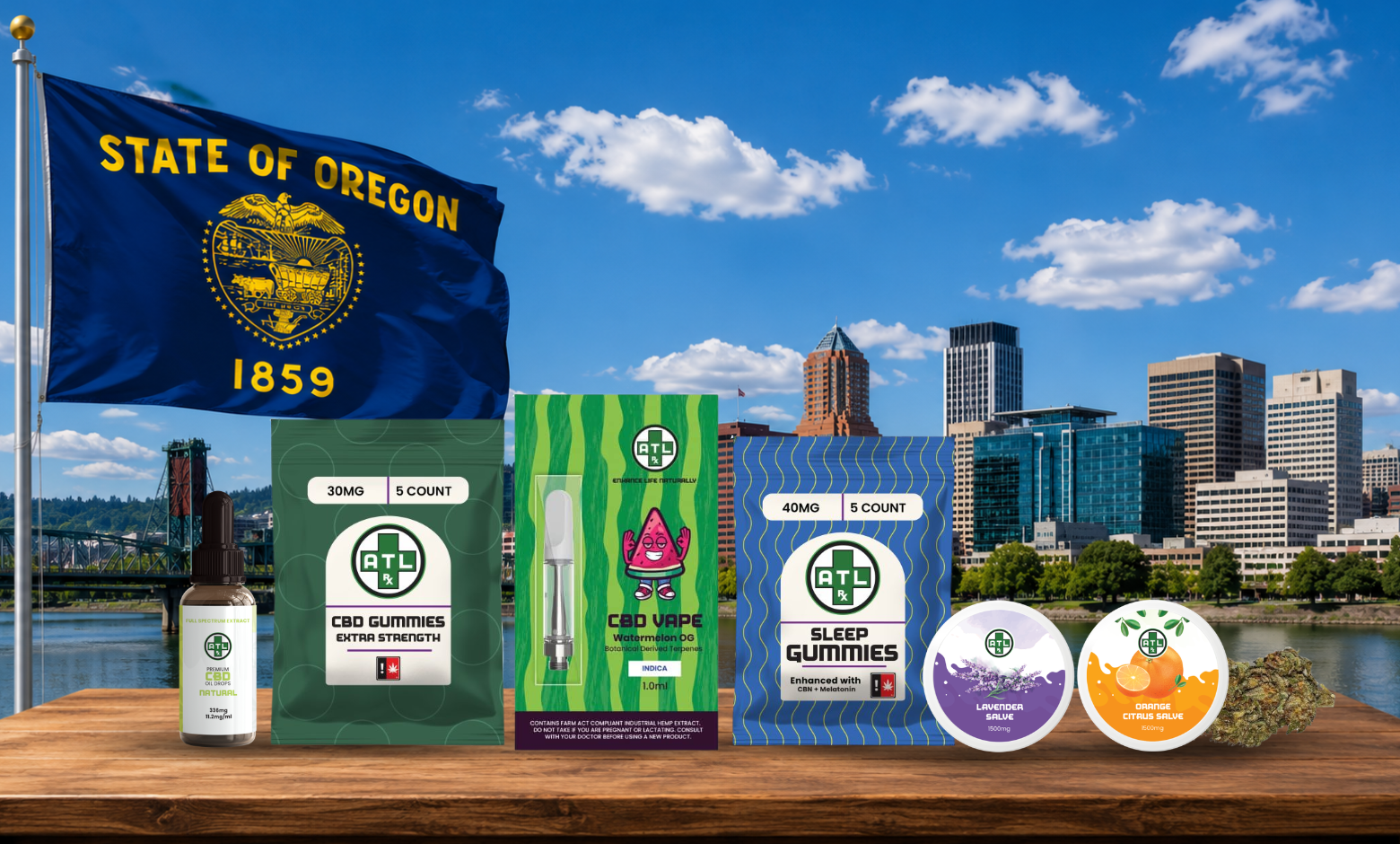
CBD Legal Status in Oregon:
If you are wondering “Is CBD legal in Oregon” in 2026, the short answer is yes. Oregon was one of the earliest adopters of cannabis-friendly policy in the United States, and hemp-derived CBD has been legally sold across the state for years under both state and federal law. That said, 2026 brings two major regulatory shifts that every Oregon consumer should understand before buying CBD: the OLCC’s new statewide Hemp Registry that took effect January 1, 2026, and an upcoming federal redefinition of hemp scheduled for November 12, 2026.
This guide walks you through Oregon’s current CBD laws, what is changing this year, age and possession rules, where to buy compliant products, and what to look for on a label so you stay on the right side of the law.
Table of contents:
Federal law sets the floor for CBD legality across all 50 states, and 2026 is a turning point year for hemp regulation. To understand Oregon’s current rules, it helps to look at the federal framework first.
A provision of the 2018 Farm Bill (Agriculture Improvement Act of 2018) removed hemp from the federal Controlled Substances Act and defined hemp as Cannabis sativa L. This includes seeds, derivatives, extracts, cannabinoids, isomers, acids, salts, and salts of isomers containing no more than 0.3% Delta-9 THC. Under this definition, hemp-derived CBD products, including oils, gummies, topicals, and pre-rolls, became federally legal as long as they stayed under the 0.3% Delta-9 THC threshold.
Congress passed the Continuing Appropriations, Agriculture, Legislative Branch, Military Construction and Veterans Affairs, and Extensions Act, 2026 (H.R. 5371) on November 12, 2025. The federal definition of hemp has been fundamentally rewritten by section 781 of this law. The key changes, which take effect on November 12, 2026, are:
Several bills have been introduced to repeal, delay, or replace Section 781 before it takes effect. The American Hemp Protection Act of 2025 (H.R. 6209), introduced by Rep. Nancy Mace on November 17, 2025, would repeal Section 781 outright and restore the 2018 Farm Bill definition. The Hemp Planting Predictability Act (H.R. 7024), introduced by Rep. Baird (R-IN) in January 2026, would push the effective date back to November 12, 2028. In December 2025, Oregon Senators Ron Wyden and Jeff Merkley reintroduced the Cannabinoid Safety and Regulation Act (CSRA) in the Senate. Rather than simply repealing Section 781, the CSRA would replace it with a federal regulatory framework requiring THC limits per serving and per container, a 21-year-old minimum purchase age, mandatory third-party testing, and uniform labeling. Hemp policy is also addressed in the Farm, Food, and National Security Act of 2026 (H.R. 7567). As the situation is fluid, Oregon consumers should keep an eye out for updates through late 2026.
Oregon has been a national leader in cannabis policy for decades, which is why “is CBD legal in Oregon” has had an easy “yes” answer for longer than in most states.
This is the most significant Oregon-specific update for CBD consumers in 2026. Under House Bill 4121, the OLCC has established a statewide Hemp Registry that applies to all cannabinoid hemp products sold to consumers in Oregon, whether at brick-and-mortar locations or online (including online retailers based in other states selling to Oregon residents).
Key Dates
The Hemp Registry applies to cannabinoid hemp products intended for human or animal consumption or use, including:
Excluded from the registry: Topical-only products (lotions, salves, balms, soaps) that do not contain cannabinoids intended for ingestion or inhalation. OLCC-licensed marijuana retailers are also already subject to separate OLCC labeling rules.
Effective January 1, 2026, all registered hemp products must include labeling that lists:
This is great news for consumers because it makes lab transparency a legal requirement, not just a best practice.
Oregon is one of the few states where both hemp-derived and marijuana-derived CBD are legal. The differences come down to source, where you can buy them, and who can buy them.
| Attribute | Hemp-Derived CBD | Marijuana-Derived CBD |
| Source plant | Industrial hemp (Cannabis sativa L. with ≤0.3% Delta-9 THC) | Marijuana (Cannabis with >0.3% THC) |
| Where to buy | Online, specialty CBD shops, pharmacies, grocery stores, wellness retailers | OLCC-licensed cannabis dispensaries only |
| Age requirement | No age limit for non-inhalable products; 21+ for vapes and smokable hemp | 21+ for recreational, medical patients per OMMP rules |
| Prescription needed | No | No, but a medical cannabis card grants separate legal allowances |
| Possession limit | No limit for hemp-derived CBD | 1 oz of usable cannabis in public, 8 oz at home (subject to OLCC rules) |
| Regulated by | OLCC (Hemp Registry) and ODA (Hemp Program) | OLCC (recreational) and OHA (medical) |
| Product Type | Legal in Oregon? | Age Limit | Registry Required? |
| CBD Oil / Tincture | Yes | None | Yes (OLCC) |
| CBD Gummies | Yes | None for non-intoxicating | Yes (OLCC) |
| CBD Capsules | Yes | None | Yes (OLCC) |
| CBD Topicals (creams, balms) | Yes | None | No (topicals excluded) |
| Smokable Hemp Flower | Yes | 21+ | Yes (OLCC) |
| Hemp Pre-Rolls | Yes | 21+ | Yes (OLCC) |
| CBD / Hemp Vapes | Yes | 21+ | Yes (OLCC) |
| CBD Beverages | Yes | None for non-intoxicating | Yes (OLCC) |
Oregon does not impose a statewide age requirement for purchasing most hemp-derived CBD products. However, under HB 3000 (2021), the sale of consumable hemp items that contain THC and inhalable hemp products (vapes, smokable flower) is restricted to consumers 21 and older.
This means:
Oregon does not impose a numerical possession limit on hemp-derived CBD products. However, every product must still meet the applicable THC limits, and inhalable hemp items (vapes, smokable flower) remain restricted to consumers 21 and older.
For marijuana-derived products purchased from a dispensary, Oregon’s standard adult-use limits apply: up to 1 ounce of usable cannabis in public and up to 8 ounces at home, along with separate limits on concentrates, extracts, and edibles set by the OLCC.
Oregon has taken a stricter approach to intoxicating hemp-derived cannabinoids than many other states.
After November 12, 2026, federal Section 781 will further tighten the rules nationally by excluding synthetic cannabinoids from the federal hemp definition.
Oregon has one of the most accessible CBD markets in the country. You can buy CBD products at:
Online retailers offer a wider product selection, more competitive pricing, and the ability to verify a Certificate of Analysis before you buy. With the OLCC Hemp Registry now in effect, online retailers selling to Oregon consumers must also register their products and meet Oregon’s labeling rules, which adds an extra layer of consumer protection.
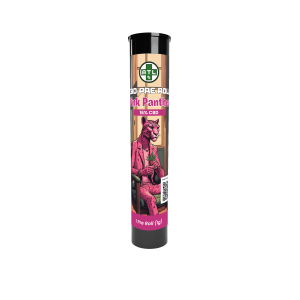
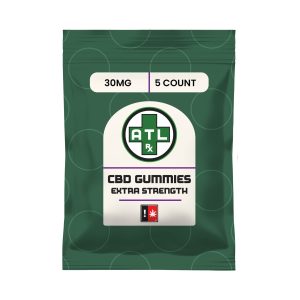
At ATLRx, we publish full third-party COAs for every product we sell. Our hemp-derived CBD products are sourced from USA-grown hemp and tested at independent, accredited labs. You can shop our CBD Oil, CBD Gummies, CBD Topicals, and CBD Pre-Rolls collections with full transparency on cannabinoid content.

Whether you are buying in-store or online, use this checklist:
Oregon remains one of the most CBD-friendly states in the country in 2026. Hemp-derived CBD is broadly legal, marijuana-derived CBD is available through licensed dispensaries, and Oregon’s new Hemp Registry actually makes the market safer and more transparent for consumers. The two regulatory shifts to keep your eye on this year are the OLCC’s June 1, 2026, enforcement deadline for hemp product registration and the federal redefinition of hemp scheduled to take effect on November 12, 2026, under Section 781.
When you buy CBD in Oregon, always check for a current Certificate of Analysis, clear cannabinoid labeling in milligrams, and confirmation that the product is registered with the OLCC where required. At ATLRx, we maintain full lab transparency, publish COAs for every product, and stay compliant with both federal and state-level cannabis regulations as they evolve.
Yes. CBD oil derived from hemp that contains less than 0.3% Delta-9 THC is legal in Oregon for adults of all ages. Marijuana-derived CBD oil is also legal but only available to consumers 21 and older through OLCC-licensed dispensaries.
No. CBD derived from hemp does not require a prescription in Oregon. You can purchase it over the counter at retail and online stores.
There is no statewide age limit for non-inhalable hemp-derived CBD products in Oregon. However, you must be 21 or older to purchase smokable hemp flower, hemp pre-rolls, or hemp vape products.
No. The sale of Delta 8 THC and other artificially derived cannabinoids is not permitted in Oregon. Under HB 3000 (2021) and OLCC rules, artificially derived cannabinoids are banned from sale in both the hemp and adult-use marijuana markets unless they clear a narrow approval pathway that, to date, no commercial Delta 8 product has met.
Hemp-derived CBD is not subject to a numerical possession limit in Oregon, though all products must still meet applicable THC limits. Marijuana-derived CBD is subject to Oregon’s standard adult-use cannabis possession limits.
The OLCC Hemp Registry is a statewide registration system established under House Bill 4121. It requires manufacturers and distributors to register all consumable cannabinoid hemp products (including CBD) sold to Oregon consumers, with enforcement beginning June 1, 2026.
Section 781 of H.R. 5371 goes into effect on November 12, 2026, and changes the federal definition of hemp to a total THC standard (including THCA), with a total THC cap of 0.4 mg per container for human and animal use. Many CBD products may need reformulation. Bipartisan efforts to repeal (H.R. 6209), delay (H.R. 7024), or replace (the Senate Cannabinoid Safety and Regulation Act) Section 781 are pending in Congress.
Yes. You can legally order hemp-derived CBD online and have it shipped to Oregon, as long as the product complies with the 0.3% Delta-9 THC limit and, starting June 1, 2026, is registered with the OLCC Hemp Registry.
The statements in this blog have not been evaluated by the Food and Drug Administration. This article is for general informational purposes only and is not legal advice. Laws change frequently. Consumers should verify the current status of Oregon and federal CBD regulations through official .gov sources or a licensed attorney before making purchasing decisions. ATLRx makes no guarantee, warranty, or representation regarding the accuracy or completeness of the information provided.

July 27, 2026
July 23, 2026
July 22, 2026
$39.99
$49.99
$49.99
$49.99
$39.99
$39.99
$49.99