Is Delta 9 Legal in Vermont? Expert Guide 2026
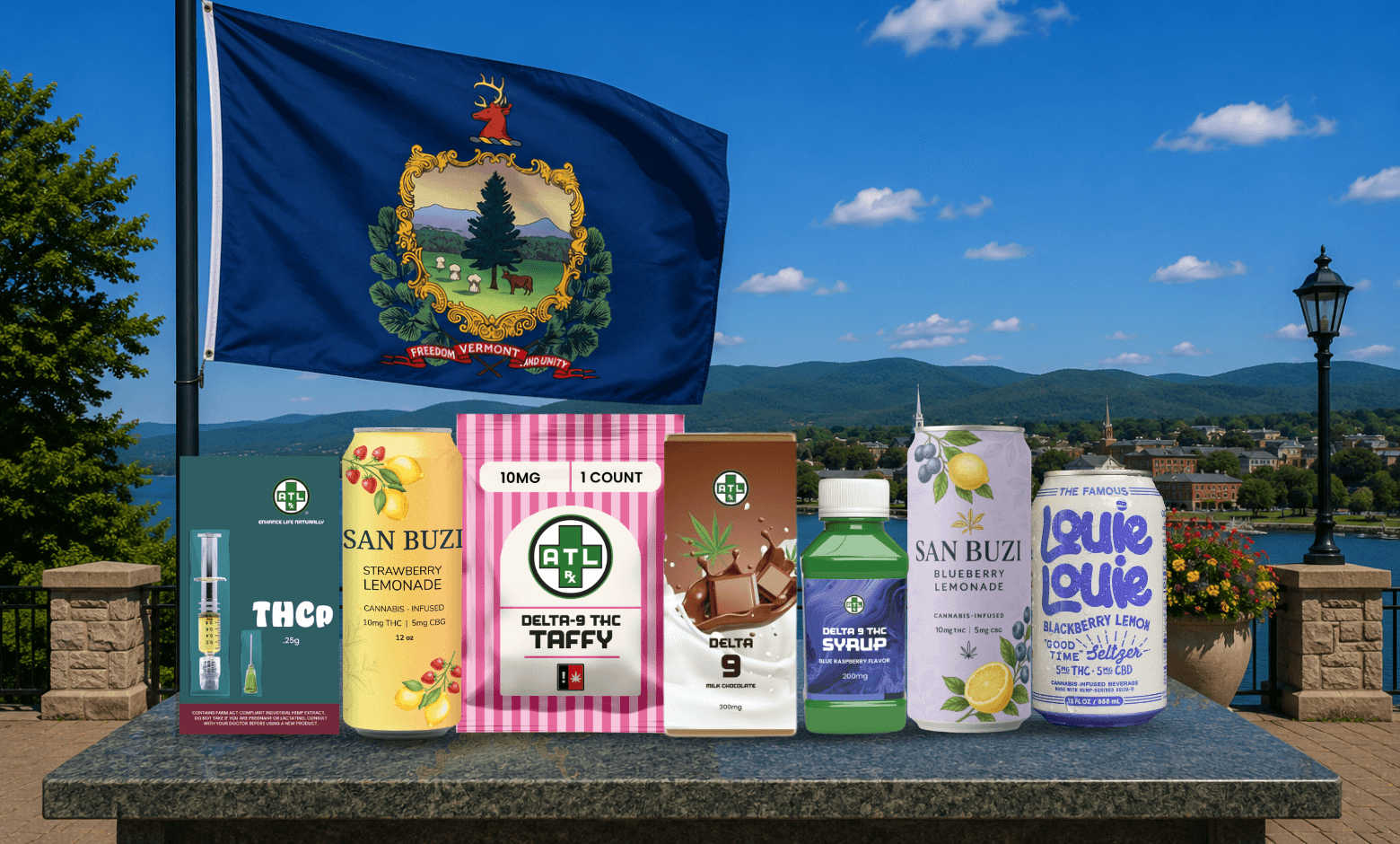
Delta 9 Legal Status in Vermont:
Yes, with important conditions. Is Delta 9 legal in Vermont? Hemp-derived Delta 9 THC is legal in Vermont, but Vermont draws a firmer line than the plain federal standard. To be sold as a hemp product in general retail, a product must come from hemp, stay at or below 0.3% Delta 9 THC by dry weight, and stay within the state’s milligram limits for finished products. Products that exceed those milligram limits, or that are marketed for an intoxicating effect, are treated as “cannabis products” under Vermont law and may only be sold through licensed cannabis retailers, not general retail or direct-to-door shipping. You must be 21 or older to purchase any product containing THC. One important date is coming: a federal change under Section 781 takes effect on November 12, 2026, and it will reshape what counts as legal hemp nationwide, including in Vermont.
That is the headline. Below, we walk you through what the law actually says, how it applies to you as a shopper, what is changing in late 2026, and how to shop with confidence. Vermont has one of the more nuanced approaches in the country, so we will keep things clear and practical. By the end, you will know exactly what to look for and how to shop without second-guessing yourself.
We have written this guide for real people, not lawyers. If you live in Burlington, Montpelier, Rutland, Stowe, or anywhere else in the Green Mountain State, the same rules apply to you, and the same simple checklist will keep you on the right side of the line.
Keep Browsing
Explore Our Delta 9 THC Categories
Shop real Delta 9 THC products and collections.

Key Takeaways
- 01Hemp-derived Delta 9 THC has a legal path in Vermont, but the state adds a potency layer on top of the federal 0.3% Delta 9 THC dry-weight rule.
- 02Vermont looks at how intoxicating a product is, not just the 0.3% number, using a “total theoretical THC” calculation (Delta 9 plus 0.877 × THCA).
- 03Low-potency hemp products that stay within the state’s serving and package limits can be sold in general retail.
- 04Products with more than 1.5 milligrams of THC per serving, or more than 10 milligrams per package (unless the CBD: THC ratio is 20:1 or greater), are treated as “cannabis products” and can only be sold through licensed cannabis retailers.
- 05You must be 21 or older to buy any product that contains THC in Vermont.
- 06Vermont prohibits hemp-derived intoxicating cannabinoids such as Delta 8, Delta 10, and HHC from regular hemp sales.
- 07A federal change to the definition of hemp takes effect on November 12, 2026, so checking current rules before each purchase is the smart move.
What Is Delta 9 THC?
Delta 9 tetrahydrocannabinol, usually shortened to Delta 9 THC or just Delta 9, is one of the most well-known compounds found in the cannabis plant. It can be found in hemp as well as marijuana. The plant produces more than a hundred cannabinoids, and Delta 9 is the one most people picture when they think of THC.
This is the part that trips people up. Both hemp and marijuana come from the same plant species, Cannabis sativa L. Under federal law, the distinction is the amount of Delta 9 THC present. If the plant contains 0.3% Delta 9 THC or less by dry weight, it is considered hemp. If it contains more, the law calls it marijuana. That single number is the foundation of the federal rule we cover on this page.
So when you see “hemp-derived Delta 9 THC,” it means the Delta 9 was sourced from a hemp plant that stayed under that federal threshold. The compound itself is the same molecule either way. Legal status depends on where it comes from and how much is in the finished product.
How Is Delta 9 THC Legal in Vermont?
To understand Vermont, you first have to understand the federal rule that sits underneath it.
The 2018 Farm Bill set the foundation.
In December 2018, Congress passed the Agriculture Improvement Act, also known as the 2018 Farm Bill. As a result of this law, hemp was removed from the federal list of controlled substances. Defining hemp as cannabis containing not more than 0.3% Delta 9 THC by dry weight, it separated hemp from marijuana under federal law.
That change opened the door for a national market in hemp-derived products, including oils, edibles, and compliant Delta 9 items. Because the threshold is measured by dry weight, edibles and other products that weigh more can include a meaningful amount of Delta 9 while still staying under 0.3%. That is why hemp Delta 9 gummies became popular across the country.
Think of it this way. A gummy weighs several grams. If the product stays under 0.3% Delta 9 THC by total dry weight, the actual milligrams of Delta 9 in that gummy can still add up. A flower bud, by contrast, weighs very little, so the same percentage allows far less THC. This is the quirk of the dry-weight rule, and it is the reason edibles became the heart of the hemp Delta 9 market while the federal law stayed focused on a percentage rather than a milligram count. Vermont, as you will see, decided that a percentage alone was not enough and added milligram limits on top.
Vermont built its own framework on top.
The Farm Bill gave each state room to set its own approach, and Vermont used it. The state authorized a hemp program administered through its agriculture agency, and it later created an adult-use cannabis market overseen by the Vermont Cannabis Control Board.
Here is what makes Vermont different from a state that simply copies the federal text. Vermont does not treat every product as a legal hemp product just because it technically lands under 0.3% Delta 9 THC. The state pays close attention to whether a product is intoxicating and how it was made. Naturally derived, low-potency hemp Delta 9 has a legal retail path. Synthetic or chemically converted cannabinoids face restrictions or outright prohibition.
On top of that, Vermont applies milligram caps to finished hemp products. Under the Cannabis Control Board’s framework, a Cannabis sativa L. product is treated as a “cannabis product” rather than a hemp product if it contains more than 0.3% total THC on a dry-weight basis, more than 1.5 mg of THC per serving, or more than 10 mg of THC per package (unless the CBD: THC ratio is greater than 20:1), or if it is marketed for intoxicating effect. The Board calculates potency using a “total theoretical THC” formula, Delta 9 THC plus 0.877 times THCA, rather than Delta 9 alone. Rule 2.17 prohibits the production, manufacture, marketing, transfer, and sale of hemp-derived intoxicating cannabinoids and synthetic cannabinoids (while excluding possession and transportation, so that federally legal hemp can move through the state). The takeaway for you is simple: a product needs to be both hemp-derived and within Vermont’s limits to be sold as a hemp product in general retail. Anything above those limits belongs in the licensed cannabis system.
The relevant statutes and rules
If you want to read the source material, the key references are Vermont Statutes Annotated Title 6, Section 562, which defines hemp under state law; 7 V.S.A. § 868, which gives the Cannabis Control Board authority over synthetic and hemp-derived cannabinoids; the Vermont Hemp Rules administered by the Agency of Agriculture, Food and Markets; and Cannabis Control Board Rule 2.17. These are the documents that outline definitions, caps, and licensing structure. We always recommend checking the current version, because cannabinoid law changes faster than almost any other area of consumer regulation.
Hemp-Derived Delta 9 vs. Marijuana-Derived Delta 9
People often ask whether there is a difference between the Delta 9 in a hemp product and the Delta 9 in a marijuana product. Chemically, no. Delta 9 THC. The molecule does not change based on the plant it came from.
The difference that matters is legal, not chemical. Hemp-derived Delta 9, taken from plants under the 0.3% threshold, follows the hemp framework we have been describing. Marijuana-derived Delta 9 comes from plants above that threshold and is handled through Vermont’s licensed cannabis dispensary system, which has its own rules for purchase, possession, and access. In Vermont, an intoxicating Delta 9 product is routed through that same licensed system regardless of whether the starting material was hemp.
There is also a sourcing distinction worth knowing. Some Delta 9 is extracted directly from hemp during processing. Other Delta 9 is created by converting CBD through a chemical process. Vermont looks carefully at converted and synthetic cannabinoids, and that scrutiny is one reason naturally derived hemp Delta 9 is the lower-risk category from a compliance standpoint. When we describe a product as hemp-derived and naturally sourced, that is not marketing fluff. It speaks directly to how the law treats it.
Delta 9 THC Product Formats
Once you know a product is hemp-derived, the practical question becomes which format fits your preference. Delta 9 comes in several forms.
Edibles and gummies
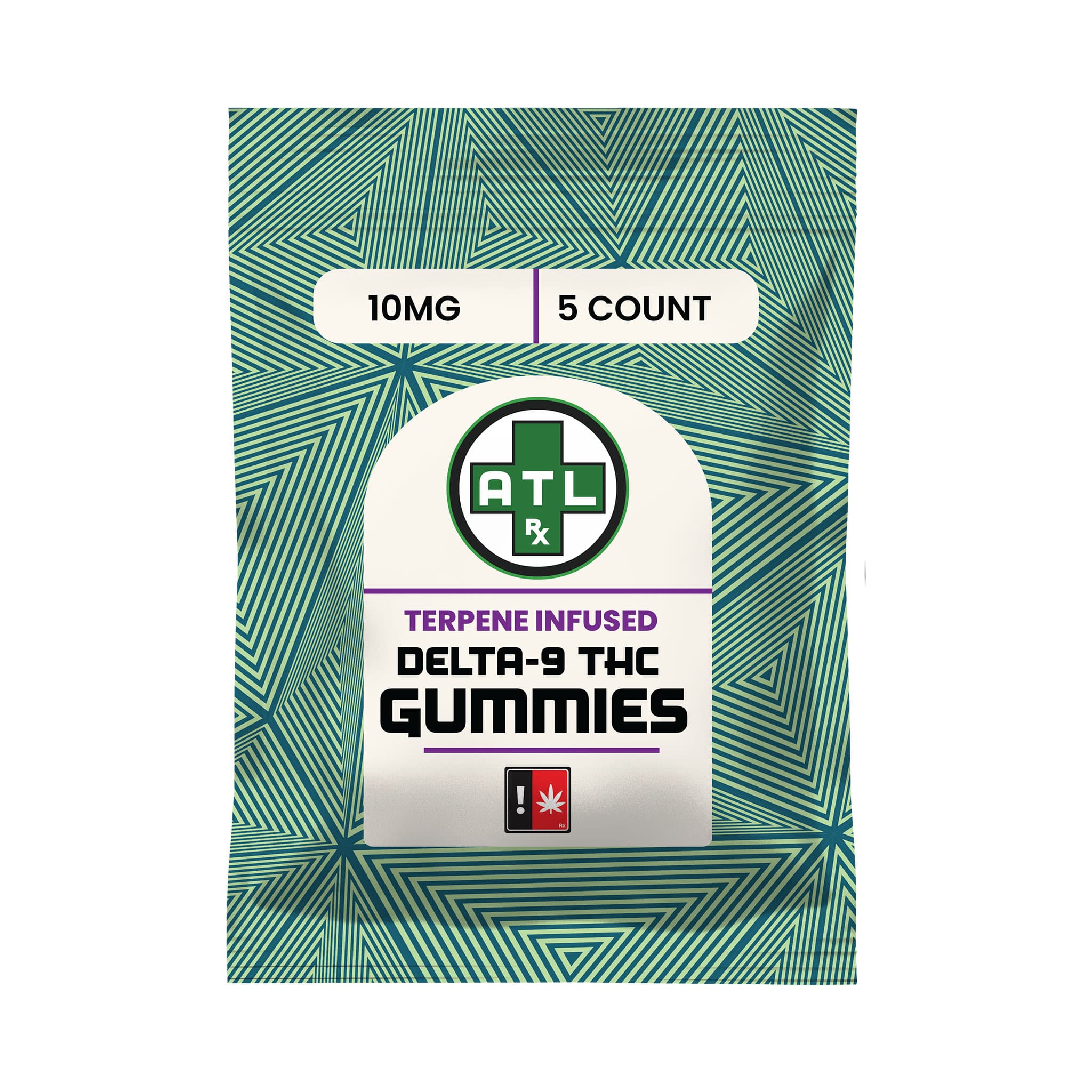
Edibles are the most popular format by a wide margin, and gummies lead the pack. They are measured piece by piece and travel well. Our Delta 9 THC Gummies are made from American hemp and come in measured pieces, so you always know the amount in each serving.
Caramels and chews
If you prefer something different from a standard gummy, soft chews and caramels offer the same measured approach with a richer texture. Our Delta 9 THC Caramels carry a precise amount of hemp-derived Delta 9 in each piece, which makes them simple to portion.
Taffy-style options
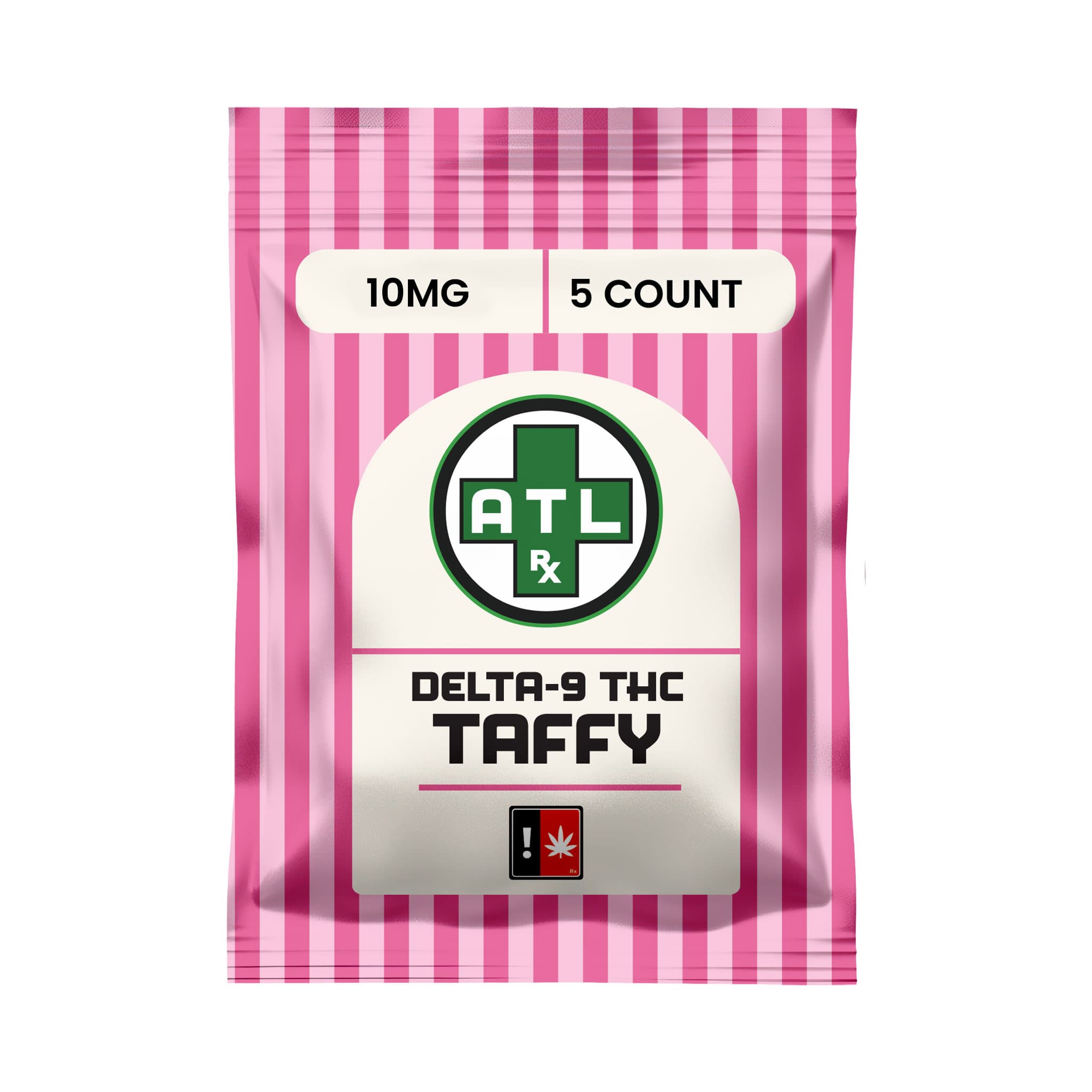
For shoppers who like variety in texture and flavor, taffy-style edibles are a middle ground between a chew and a classic gummy. Our Delta 9 Taffagummy comes in flavors like strawberry and lemon, with each piece measured for consistency.
Syrups and liquids
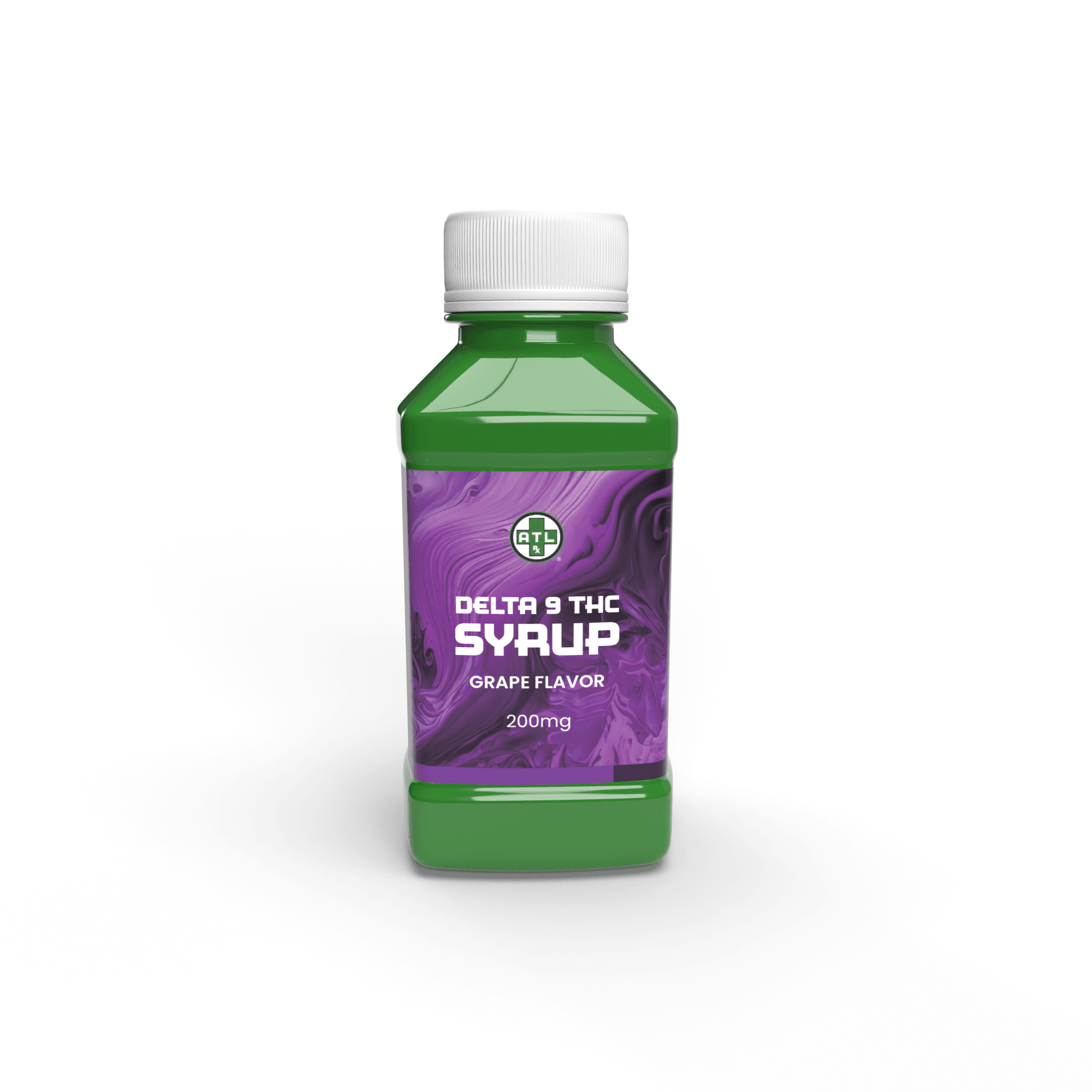
Liquids let you control the pour. Our Delta 9 THC Syrup is a versatile liquid format measured for consistency.
A note on serving size
Whatever format you choose, the same guidance applies: follow the serving size on the label and the manufacturer’s instructions. Everyone is different, and a measured, informed approach is always the smart way to begin.
How Vermont Compares to Its Neighbors
It helps to see Vermont in context, because hemp Delta 9 rules shift the moment you cross a state line. In New England, what is fine in one state may be restricted in the next.
Vermont takes a stricter position than a state that simply copies the Farm Bill text word for word. It permits non-intoxicating, low-potency hemp Delta 9 in general retail, but routes anything intoxicating, including standard-strength Delta 9 edibles, into its licensed cannabis system, and it takes a firm stance on converted cannabinoids.
Mentioned In This Article
The practical lesson is that you should never assume a product is legal for general retail in Vermont just because you bought something similar elsewhere, or because a national brand ships it widely. The only reliable approach is to match the specific product against Vermont’s current rules: hemp source, dry-weight compliance, milligram caps, and adult-age purchase.
This also matters if you travel. Carrying a product across state lines can change its status depending on where you land, and the federal Section 781 change will affect interstate shipping protections, too. When in doubt, treat each state as its own set of rules.
What a Well-Made Delta 9 Product Looks Like
A quality hemp Delta 9 item is consistent from piece to piece, clearly labeled, and honest about its contents.
Consistency is the quiet feature that separates good products from mediocre ones. When each gummy, caramel, or piece of taffy carries the same measured amount, you know exactly what is in each serving. That consistency comes from careful manufacturing and is confirmed by lab testing, which is why we keep returning to the certificate of analysis as the single most useful document you can check.
Labeling is the other half. A trustworthy label tells you the serving size, the amount of Delta 9 per serving, the total per package, and the hemp source. It should also carry the standard disclaimers. In a state with milligram caps, clear labeling is how you confirm at a glance where a product falls.
Buying Delta 9 THC in Vermont
For hemp-derived Delta 9 that meets Vermont’s general retail limits, you can shop in stores or, where offered, online. Products that exceed Vermont’s serving or package limits are classified as cannabis products and are sold only through the state’s licensed cannabis retailers, not general retail, and not by direct-to-door shipment. Before you buy, it is worth confirming which category a product falls into for Vermont.
A trustworthy retailer keeps current with state limits, formulates products with those limits in mind, and publishes third-party lab results so you can verify what is inside. As a buyer, you should confirm that the product you are considering is hemp-derived, falls within the applicable limits, and is backed by accessible lab testing.
We recommend avoiding any seller that cannot show you a certificate of analysis, that makes vague claims about legality, or that ignores Vermont’s specific rules. The hemp market has excellent operators and careless ones, and the documentation is how you tell them apart.
Why third-party lab testing matters
Often called a COA, a certificate of analysis is a lab report from an independent testing facility. It confirms the cannabinoid content of a product, including the Delta 9 THC level, and screens for unwanted contaminants. In a state like Vermont that cares about both the source and the amount of THC, a COA is your proof of what a product contains. At ATLRx, every Delta 9 product is third-party tested, and those results are available so you can check them for yourself before you order.
What’s Changing: Federal Section 781 and November 12, 2026
This is the most important update for 2026, and most older articles ignore it entirely.
On November 12, 2025, Congress enacted H.R. 5371 (Pub. L. No. 119-37), an appropriations package that included a provision known as Section 781. As a result of this provision, the federal government redefines hemp. Instead of measuring only Delta 9 THC, the new definition measures total THC, which includes Delta 9, THCA, and other cannabinoids with similar effects. It also limits finished hemp products to 0.4 milligrams of total THC per container and excludes cannabinoids synthesized or manufactured outside the plant. The changes are scheduled to take effect on November 12, 2026, after a one-year transition period. Until that date, products that comply with the current framework remain legal. After that date, the federal standard becomes far stricter, and industry groups estimate that a large share of today’s hemp-derived products would no longer meet the new definition.
What does this mean for you in Vermont? A few things are worth understanding:
- Products that comply with current rules remain legal during the transition. The current framework still applies until the effective date.
- The new federal cap is very low. A 0.4 milligram total THC limit per container is well below the amount in most standard Delta 9 edibles sold today.
- The situation could still change. Several bills in Congress aim to delay, modify, or replace Section 781 with a regulated framework. As of mid-2026, none had become law, so the November date stands unless that changes.
- State rules still matter. Vermont’s own framework continues to apply alongside the federal standard, and the state has historically taken a careful position on intoxicating and converted cannabinoids.
We will keep our guidance current as this date approaches. If you are a regular Delta 9 shopper, this is the timeline to watch, and it is a good reason to buy from a retailer that tracks these developments closely.
Delta 8 THC in Vermont: A Quick Note
Because shoppers often ask about Delta 8 in the same breath as Delta 9, it is worth a short clarification. Delta 8 THC does not have the same status as hemp Delta 9 in Vermont. Under Cannabis Control Board Rule 2.17 and 7 V.S.A. § 868, the state prohibits hemp-derived intoxicating cannabinoids and synthetic cannabinoids, which means Delta 8 made by chemically converting CBD cannot be lawfully manufactured, labeled, or sold as a hemp product. Because naturally occurring Delta 8 exists in hemp only in trace amounts and is not practical to extract, this effectively covers nearly all Delta 8 on the market.
This is a clear example of why the “is it under 0.3% Delta 9?” question is not the whole story in Vermont. The state looks at how a cannabinoid is made and whether it is intoxicating, not just the Delta 9 number. For that reason, naturally derived hemp Delta 9 sits on firmer ground in Vermont than converted cannabinoids like Delta 8. Other alternative cannabinoids face similar scrutiny, so always confirm the current status before buying anything beyond compliant hemp Delta 9.
How to Choose a Quality Delta 9 Product in Vermont
Not every product on the market is built to the same standard. We look for these things, and we recommend you do too.
- You can verify the hemp source. Product labels should clearly state that the product is hemp-derived and made from American hemp. Vague sourcing is a red flag.
- Accessible lab results. An independent laboratory’s certificate of analysis should be easy to find. It confirms the Delta 9 content and screens for contaminants.
- Clear, measured servings. Each piece or serving should list its Delta 9 amount. Measured servings make it easy to track what is in each serving.
- Awareness of Vermont’s limits. A responsible seller formulates and labels products with state milligram caps in mind, not just the federal dry-weight rule, and is transparent about which retail channel a product belongs in.
- Honest, plain language. A good brand explains the law accurately and does not overpromise. If a retailer’s legal claims sound too simple or too good to be true, be cautious.
At ATLRx, these standards are the baseline, not the exception. Our Delta 9 products are made from American hemp, measured for consistent servings, and backed by third-party lab testing you can review before you order.
A Simple Checklist Before You Buy
Remember this short checklist if you remember nothing else from this guide.
- First, confirm the product is hemp-derived. The label or product page should say so plainly; if it does not, move on.
- Second, check the 0.3% Delta 9 THC dry-weight rule. Reputable brands state this clearly, often right alongside the lab results.
- Third, look at the serving and package amounts. Vermont’s milligram caps mean the amount per serving and per container both matter, not just the percentage, and they determine which retail channel a product belongs in.
- Fourth, make sure the cannabinoid is naturally derived rather than synthesized or converted. Vermont treats converted cannabinoids with more caution.
- Fifth, verify that the seller publishes a current certificate of analysis and is transparent about how it handles Vermont’s rules. The COA is your proof, and a seller who hides it is a seller to skip.
- Sixth, confirm you are 21 or older, since that is the minimum age for any THC product in the state.
Run through those six points, and you have done the due diligence that protects you.
The Bottom Line on Delta 9 in Vermont
So, is Delta 9 legal in Vermont? Yes, with conditions. Hemp-derived Delta 9 THC has a legal path when it comes from hemp, stays within the 0.3% dry-weight rule, and fits the state’s milligram caps for general retail. Products above those caps, or marketed for an intoxicating effect, are treated as cannabis products and are sold only through licensed retailers to adults 21 and older. Vermont takes a careful approach, paying attention to both the source and the amount of THC, and treating synthetic or converted cannabinoids more strictly than naturally derived hemp Delta 9.
The most important thing you can do as a shopper is buy from a retailer that keeps up with the rules, is transparent about compliance, and shows you the lab results. That matters even more with the federal Section 781 change arriving on November 12, 2026.
At ATLRx, we make hemp-derived Delta 9 products from American hemp, with measured servings and third-party testing you can review before you buy. If you have questions about any of our Delta 9 gummies, caramels, taffy, or syrup, our team is here to help.
Frequently Asked Questions
Is Delta 9 Legal in Vermont?
+
Hemp-derived Delta 9 THC has a legal path in Vermont when it is derived from hemp, stays at or below 0.3% Delta 9 THC by dry weight, and stays within the state’s milligram limits for finished products. Products above those limits, or marketed for intoxicating effect, are treated as cannabis products and are sold only through Vermont’s licensed cannabis system. You must be 21 or older.
Are Delta 9 Gummies Legal in Vermont?
+
Hemp-derived Delta 9 gummies that stay within Vermont’s serving and package limits and the federal 0.3% dry-weight rule can be sold as hemp products. Standard-strength, intoxicating Delta 9 gummies exceed those limits and are handled through the licensed cannabis system. Look for measured servings and a certificate of analysis to confirm where a product falls.
How Old Do You Have to Be to Buy Delta 9 in Vermont?
+
You must be 21 or older to buy any product containing THC in Vermont.
Can I Buy Delta 9 Online and Have It Shipped in Vermont?
+
You can shop hemp-derived Delta 9 that meets Vermont’s general retail limits. Intoxicating hemp products that exceed those limits fall outside the general retail channel in Vermont and are restricted to licensed dispensaries. Always confirm which category a product falls into and that the retailer provides third-party lab results.
Is Delta 8 Legal in Vermont?
+
Effectively no. Vermont prohibits synthetically produced Delta 8, the kind made by converting CBD, which is nearly all commercial Delta 8, under Cannabis Control Board Rule 2.17 and 7 V.S.A. § 868. Naturally occurring Delta 8 in trace amounts is not commercially practical to extract. Hemp-derived Delta 9 is treated differently and has a lawful path.
What Is the Difference Between Hemp Delta 9 and Marijuana Delta 9?
+
The molecules are identical. The difference is legal. Hemp Delta 9 comes from plants with or below 0.3% Delta 9 THC and follows the hemp framework. Marijuana Delta 9 comes from plants above that level and is sold through licensed cannabis dispensaries. In Vermont, an intoxicating Delta 9 product is routed through the licensed system regardless of source.
What Happens on November 12, 2026?
+
A federal change under Section 781 takes effect. Hemp will be defined using total THC instead of Delta 9 alone, finished products will be capped at 0.4 milligrams of total THC per container, and cannabinoids synthesized outside the plant will be excluded. Products that comply with current rules remain legal until that date, and several bills could still alter the outcome.
Will Delta 9 Show up on a Drug Test?
+
Yes. Delta 9 THC and other forms of THC can show up on a drug test. If you are subject to testing, it is wise to avoid THC products well in advance, even compliant ones.
Is Hemp Delta 9 Legal at the Federal Level?
+
Under the current federal standard from the 2018 Farm Bill, hemp-derived products with no more than 0.3% Delta 9 THC by dry weight are treated as hemp. That standard changes when Section 781 takes effect on November 12, 2026.
Disclaimer
+
This article is for general informational purposes only and is not legal advice. State and federal cannabinoid laws change quickly. Always confirm current regulations for yourself, and consult a licensed attorney for advice about your specific situation. These statements have not been evaluated by the Food and Drug Administration. These products are not intended to diagnose, treat, cure, or prevent any disease.
Why Trust This Guide
- ATLRx has sold third-party lab-tested hemp products out of Georgia since 2019.
- Every real batch we sell is tested by an accredited outside lab, with the Certificate of Analysis published before you buy.
- We operate 3 real physical stores in Georgia — this isn't a drop-shipped storefront.
- Legal information is rechecked and updated as rules change, not published once and forgotten.
Don't Trust the Label. Check the Lab.
ATLRx publishes third-party Certificates of Analysis for real batches so you can verify cannabinoid content before you buy — not just take the package's word for it.
View Lab Results →Have Questions?
Visit an ATLRx store in Georgia and talk to our team.
Real Customers, Real Reviews
What Customers Are Saying
“Product was smooth and mellow. Quite nice!”
“Exactly what was promised excellent product”
“Really nice high”

Jen Hight
Cannabis Industry Expert & Compliance Specialist Jen Hight is a cannabis industry professional with extensive experience in hemp compliance, product development, and consumer education. With a background in regulatory affairs and a passion for helping consumers navigate the complex world of cannabinoids, Jen provides accurate, up-to-date information on hemp legality and best practices. Her work focuses on making cannabis knowledge accessible while ensuring readers understand both the opportunities and responsibilities that come with legal hemp products.
View all articles →Keep Learning

Where to Buy Delta 9 in Texas?
Delta 9 Availability in Texas: Yes. Hemp-derived Delta 9 is legal to buy in Texas in August 2026. To qualify, a product has to come from hemp and test at 0.3% or less total THC on a dry weight basis. Texas has computed that figure as (0.877 x THCA) + Delta 9 since March 31, […]
Aug 7, 2026 · 26 min read

Where to Buy Delta 9 in Oklahoma?
Delta 9 Availability in Oklahoma: Yes. Delta 9 THC derived from hemp is legal in Oklahoma starting in 2026 for adults 21 and older. It must be made from hemp, not marijuana, and contain less than 0.3% Delta-9 THC by dry weight. Medical marijuana does not require a card. You can buy it online or […]
Aug 5, 2026 · 23 min read

Where to Buy Delta 9 in Iowa?
Delta 9 Availability in Iowa: Yes, hemp-derived Delta 9 is legal in Iowa in 2026, but only if it follows the state’s rules. Consumable hemp products cannot contain more than 4 mg of total THC per serving and 10 mg of total THC per container. The product also has to come from legal hemp, be […]
Aug 4, 2026 · 25 min read

Where to Buy Delta 9 in South Carolina?
Delta 9 Availability in South Carolina: A hemp-derived Delta 9 THC product that contains no more than 0.3% Delta 9 THC by dry weight is currently legal for sale in South Carolina under the 2018 Farm Bill and South Carolina’s Hemp Farming Act (Chapter 55, Title 46 of the SC Code). Marijuana-derived Delta 9 remains […]
Jul 30, 2026 · 18 min read
Stay Informed
New product releases, hemp law updates, and useful cannabinoid guides.