



$34.99
ARE YOU 21 YEARS OF AGE OR OLDER?
REMEMBER ME
Seriously, by using this site you are confirming that you are of legal age (21+) to view and purchase these products. If you are you are not over 21. you are not authorized by us to use or view any of the pages of this site. Please review our terms and conditions at checkout for further stipulations.
 >
Blogs
>
CBD >
Is CBD Legal in California? CBD Laws & Regulations 2026
>
Blogs
>
CBD >
Is CBD Legal in California? CBD Laws & Regulations 2026
THE STATEMENTS ON THIS BLOG ARE NOT INTENDED TO DIAGNOSE, TREAT, CURE, OR PREVENT ANY DISEASE. THE FOOD AND DRUG ADMINISTRATION HAS NOT EVALUATED ANY STATEMENTS CONTAINED WITHIN THE BLOG. ATLRX DOES NOT IN ANY WAY GUARANTEE OR WARRANT THE ACCURACY, COMPLETENESS, OR USEFULNESS OF ANY MESSAGE. THE INFORMATION CONTAINED WITHIN THIS BLOG IS FOR GENERAL INFORMATIONAL PURPOSES ONLY.
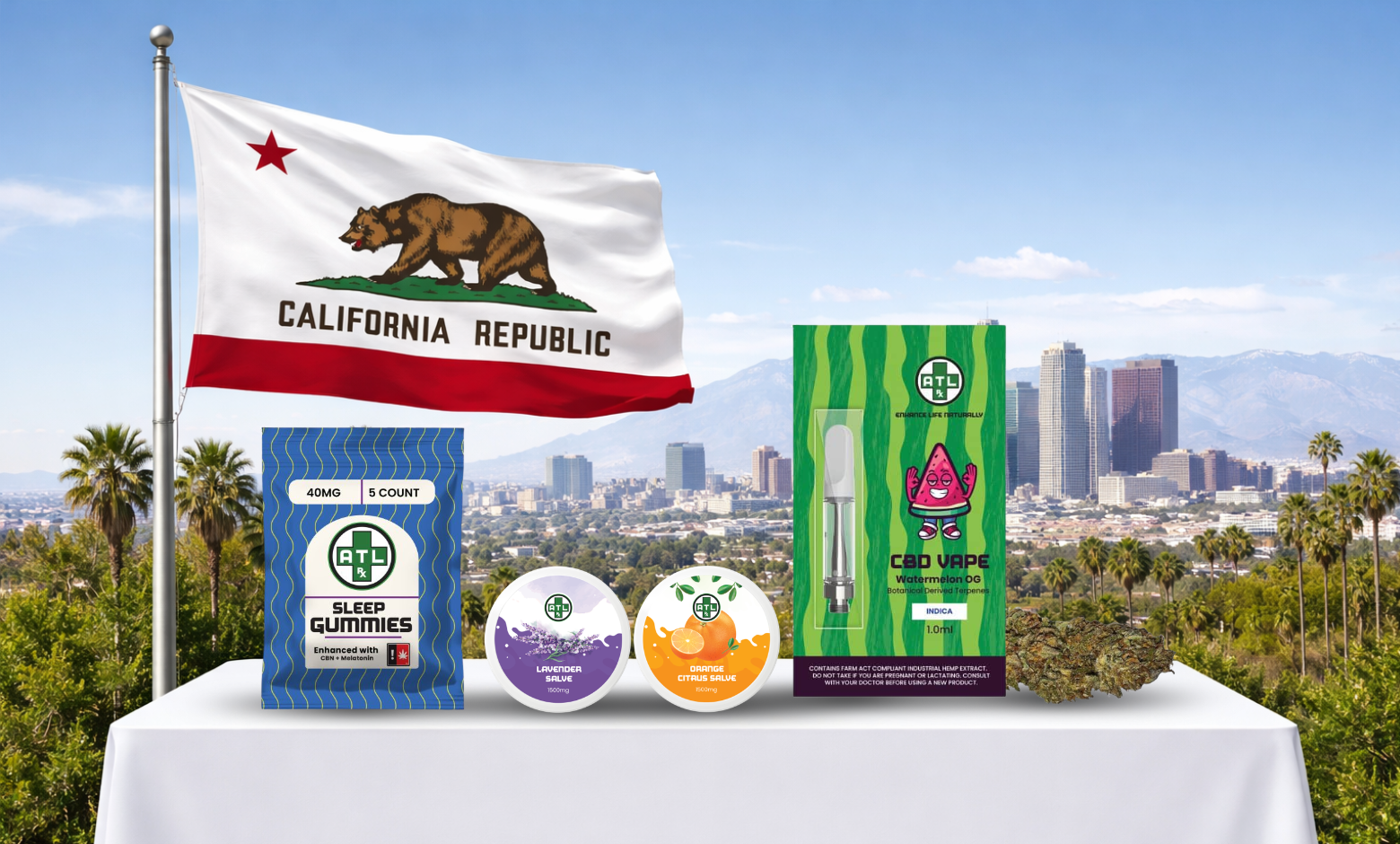
CBD Legal Status in California:
Yes, CBD derived from hemp is generally legal in California in 2026, provided the product meets strict state and federal purity requirements. Under California Assembly Bill 45 (AB 45) and the updated AB 8 regulations (Phase 1 effective January 1, 2026), hemp-derived CBD isolate with zero detectable THC is legal for general retail sale. CBD products containing detectable THC are no longer permitted outside licensed cannabis dispensaries.
If you have been wondering, ” Is CBD legal in California, you are not alone. California has historically been one of the most progressive states when it comes to cannabis and hemp policy, yet the regulatory landscape has shifted dramatically heading into 2026. Between the state’s Assembly Bill 8 (AB 8), Governor Newsom’s 2024 emergency regulations, and the federal spending bill signed in November 2025, California consumers and retailers face a notably more complex set of rules than they did even 12 months ago.
This guide breaks down everything you need to know about California CBD laws in 2026, including which products are still legal, what changed, who can buy CBD, and where you can purchase compliant products. Whether you are a first-time buyer or a longtime CBD user, this article will help you stay fully informed and compliant.
Table of contents:
CBD is a naturally occurring compound found in the Cannabis sativa plant. It is present in both hemp and marijuana varieties of cannabis, though hemp plants are specifically cultivated to contain high levels of CBD and very low levels of THC (tetrahydrocannabinol), the compound responsible for psychoactive effects.
CBD is non-intoxicating, so it won’t make you high. It is available in several forms, each with a different cannabinoid profile:
Hemp-derived CBD is legal in the United States under the Agriculture Improvement Act of 2018, commonly known as the 2018 Farm Bill. Hemp and its derivatives were legalized under this legislation as Cannabis sativa L. with no higher than 0.3% delta-9 THC. The bill removed compliant hemp from the Controlled Substances Act, opening the door for a national hemp industry.
As part of a government spending bill signed by President Trump on November 12, 2025, Section 781 of the Continuing Appropriations, Agriculture, Legislative Branch, Military Construction and Veterans Affairs, and Extensions Act, 2026 (H.R. 5371) significantly alters the federal hemp definition. The key provisions are:
Important Note: The federal November 12, 2026, enforcement date means that while many hemp products remain in a transitional period at the federal level, California’s own AB 8 rules are already in effect at the state level as of January 1, 2026. California consumers face the more restrictive state standards right now.
Medical cannabis was legalized in California in 1996 through Proposition 215, also known as the Compassionate Use Act. In November 2016, voters passed Proposition 64, legalizing recreational adult-use cannabis for individuals 21 and older. A licensed dispensary system regulates cannabis-derived CBD today.
Signed by Governor Newsom on October 6, 2021, AB 45 created the first formal regulatory structure for hemp-derived CBD in California. Under AB 45, hemp-derived CBD could legally be included in foods, beverages, dietary supplements, cosmetics, and processed pet food, provided products contained less than 0.3% THC and manufacturers registered with the California Department of Public Health (CDPH) and met testing and labeling requirements.
AB 45 established the regulatory framework that made CBD products widely available in California retail stores, but it also left enforcement gaps that the state later moved to close.
In September 2024, Governor Newsom issued emergency regulations through the CDPH addressing intoxicating hemp products that had proliferated outside the licensed cannabis market. All industrial hemp foods, beverages, and dietary supplements intended for human consumption must have:
These emergency rules were upheld by California courts after industry legal challenges, confirmed in October 2024. The regulations were extended in March 2025 while the state worked on permanent rules.
Signed by Governor Newsom in September 2025, AB 8 is the most sweeping change to California hemp law to date. Key provisions and effective dates are:
| Effective Date | What Changes Under AB 8 |
| January 1, 2026 (Phase 1) | Smokable hemp products (flower, prerolls, vapes, cartridges) are banned for retail sale statewide. Hemp extracts in food/beverages/supplements must be 99%+ pure with zero detectable THC. |
| January 1, 2026 (Phase 1) | Tobacco retailers are prohibited from possessing any intoxicating hemp products under Business and Professions Code Section 22980.6. |
| Ongoing (Phase 1) | Synthetic cannabinoids (delta-8, delta-10, HHC, etc.) are explicitly banned from all non-dispensary retail channels. |
| January 1, 2028 (Phase 2) | All concentrated cannabinoids derived from hemp (except pure CBD isolate and CBN isolate) must be sold exclusively through licensed cannabis dispensaries and comply with the full cannabis Track-and-Trace (METRC) system. |
On June 13, 2025, the CDPH proposed making the 2024 emergency regulations permanent. The proposed permanent rule maintains the no-detectable-THC limit for retail hemp products, restricts hemp-derived products to adults 21 and older, and limits packages to five servings of CBD or other non-THC cannabinoids. As of early 2026, this permanent rulemaking process was ongoing.
As of January 2026, the following hemp-derived products are permitted for sale in general retail (non-dispensary) channels in California:
The following categories may no longer be sold in general retail (convenience stores, pharmacies, wellness shops, gas stations) as of January 1, 2026, and must be sold through licensed dispensaries under the DCC framework:
Key Facts:
California law currently requires that all hemp-derived CBD products be sold only to adults 21 years of age or older, in line with the CDPH emergency regulations. This age restriction applies across both general retail (for permitted CBD isolate products) and licensed dispensaries.
For cannabis-derived CBD products available at licensed dispensaries, adults 21 and older may purchase for recreational use without any special documentation. Individuals aged 18 to 20 may access cannabis-derived CBD at licensed dispensaries only with a valid physician’s recommendation (medical patient status).
California has not established a formal possession limit for CBD isolate products in general retail, though packaging is limited to five servings per product under CDPH rules.
CBD isolate products with zero detectable THC may still be sold at:
Note that the product selection in general retail has been significantly reduced following AB 8 Phase 1 and the CDPH rules. Full-spectrum and broad-spectrum options that were previously available in these stores are no longer permitted.
California’s licensed dispensaries, regulated by the Department of Cannabis Control (DCC), remain the only outlet where consumers can legally purchase CBD products that contain any detectable THC, including full-spectrum CBD oils and cannabis-derived CBD products. Use the DCC’s official license lookup tool to find a licensed dispensary near you.
CBD isolate products that meet California’s zero-THC requirements may be purchased online and shipped to California addresses. Consumers should verify that any online retailer provides up-to-date Certificates of Analysis (COAs) confirming zero detectable THC before placing an order, as products compliant in other states may not meet California’s stricter purity standards.
| Product Type | California Legal Status (2026) |
| CBD Isolate Oil / Tincture (0 THC) | Legal in general retail (must be 99%+ pure, zero detectable THC) |
| Full-Spectrum CBD Oil | Restricted to licensed dispensaries only |
| Broad-Spectrum CBD Oil | Restricted to licensed dispensaries if any detectable THC is present |
| CBD Gummies (0 THC isolate-based) | Legal in general retail (zero detectable THC, 21+ age gate, max 5 servings) |
| CBD Gummies (with THC) | Dispensary only |
| CBD Topicals / Creams (0 THC) | Legal in general retail |
| CBD Capsules / Softgels (0 THC isolate) | Legal in general retail |
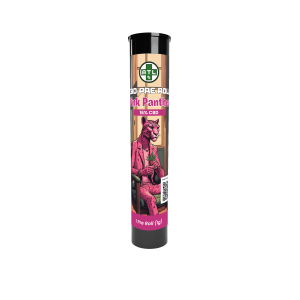
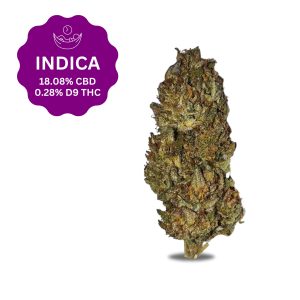
| Hemp Flower / CBD Pre-Rolls | Banned from all California retail as of Jan 1, 2026 |
| CBD Vape / Cartridges | Banned from all California retail as of Jan 1, 2026 |
| Delta-8 THC Products | Banned (synthetic cannabinoid, AB 8 prohibition) |
| Hemp Seed Oil (no CBD) | Legal, no restrictions |
| CBD Pet Products (0 THC) | Currently in regulatory review; consult CDPH guidance for commercial sale |
With California’s tightened standards, it is more important than ever to verify your CBD product before purchasing. Here is what to look for:
A COA is a third-party lab report that confirms the cannabinoid content of a product. For general retail products in California, the COA must show zero detectable THC and confirm CBD isolate purity at 99% or greater. Always check that the COA is recent (ideally within 12 months) and issued by an accredited laboratory.
AB 45 requires hemp product labels to link to lab testing results. Scan any QR code on the packaging to access the COA directly. If no COA link is provided, consider that a red flag.
Manufacturers selling hemp products in California must register with the California Department of Public Health. Ask retailers or check brand websites to confirm they are operating in compliance with CDPH registration requirements.
Only CBD isolate-based products are compliant for general retail in California in 2026. If a label mentions “full-spectrum” or “broad-spectrum” and the product is being sold outside a licensed dispensary, it is likely non-compliant.
At ATLRx, we are committed to staying ahead of regulatory changes and making sure our products meet current state and federal standards. We provide fully up-to-date Certificates of Analysis for all products, prepared by accredited third-party laboratories, so California customers can verify compliance before purchase.
Our team closely monitors developments at both the state level (CDPH, AB 8 implementation) and the federal level (H.R. 5371, pending delay legislation) to ensure our product offerings remain compliant. If you have questions about the compliance status of a specific product for California, our customer support team is available to assist.
California’s CBD landscape will continue to evolve through the remainder of 2026 and into 2028.
Here are the key dates and developments to monitor:
Key Facts
| Topic | Current Status |
| Hemp-derived CBD isolate (0 THC) | Legal for adults 21+ in general retail |
| Full-spectrum CBD (any detectable THC) | Licensed cannabis dispensaries only |
| Smokable/inhalable hemp products | Banned from all California retail (Jan 1, 2026) |
| Delta-8 / Delta-10 / HHC | Banned statewide (AB 8) |
| Cannabis-derived CBD | Legal at licensed dispensaries (21+ recreational, 18+ with medical card) |
| Minimum purchase age | 21 years old for all hemp CBD products |
| COA / Lab testing required | Yes, mandatory under AB 45 and CDPH rules |
| Federal law effective date | Nov 12, 2026, for H.R. 5371 (delay bill pending) |
| Manufacturer CDPH registration | Required for all hemp product manufacturers selling in California |
So, is CBD legal in California? The short answer is yes, but there are significant caveats that are more important in 2026 than ever before. Hemp-derived CBD isolate products with zero detectable THC remain available in general retail for adults 21 and older. However, the full-spectrum and broad-spectrum products many California consumers have come to rely on are now restricted to licensed cannabis dispensaries following AB 8 Phase 1 and the CDPH emergency regulations.
The regulatory landscape is still shifting, with CDPH permanent rulemaking ongoing and federal enforcement dates approaching. Staying informed is the best way to ensure you are purchasing legal, high-quality CBD products in California.
ATLRx is here to guide you through these changes. Browse our selection of compliant CBD products and contact our team with any questions about California compliance.
CBD isolate oil with zero detectable THC is legal in general retail in California. Full-spectrum CBD oil, which contains trace THC, may only be sold at licensed cannabis dispensaries under the state’s current rules.
The vast majority of CBD products previously sold at gas stations and convenience stores no longer meet California’s 2026 standards. Only zero-THC CBD isolate products from CDPH-registered manufacturers would technically be compliant. In practice, most CBD sold at these locations should be treated with caution unless accompanied by a current COA showing zero detectable THC.
No. Delta-8 THC is explicitly banned in California under AB 8. As a synthetic cannabinoid, it cannot be sold in any retail outlet, licensed or otherwise. Any delta-8 product sold in California is non-compliant with state law.
This area remains legally complex. While CBD isolate products may be legal in both your home state and California, California’s zero-THC requirement for retail products means that broad-spectrum or full-spectrum products that are legal in other states may not be permitted in California. Make sure you carry COA documentation when traveling with CBD products.
California hemp law is actively evolving. The CDPH permanent rulemaking process is ongoing as of early 2026. At the federal level, the Hemp Planting Predictability Act (H.R. 7024) is pending in Congress and could delay the federal enforcement date to 2028. ATLRx will update this guide as the rules change.
California law does not specifically protect CBD use in the workplace. It is possible for employers to have their own drug testing and substance use policies. Given that some CBD products may still trigger positive drug tests (particularly full-spectrum products), consult your employer’s policies before using any CBD product if workplace testing is a concern.
Legal Disclaimer
This article is for informational purposes only and does not constitute legal advice. California hemp and CBD regulations are subject to ongoing changes. Readers should consult a licensed attorney familiar with California cannabis and hemp law for guidance specific to their situation. ATLRx is not a law firm, and this content should not be relied upon as legal counsel.

August 5, 2026
August 4, 2026
July 30, 2026

$39.99

$39.99
$39.99
$49.99
$49.99
$49.99
$39.99