Is THCA Legal in Nevada? 2026 Legal Guide
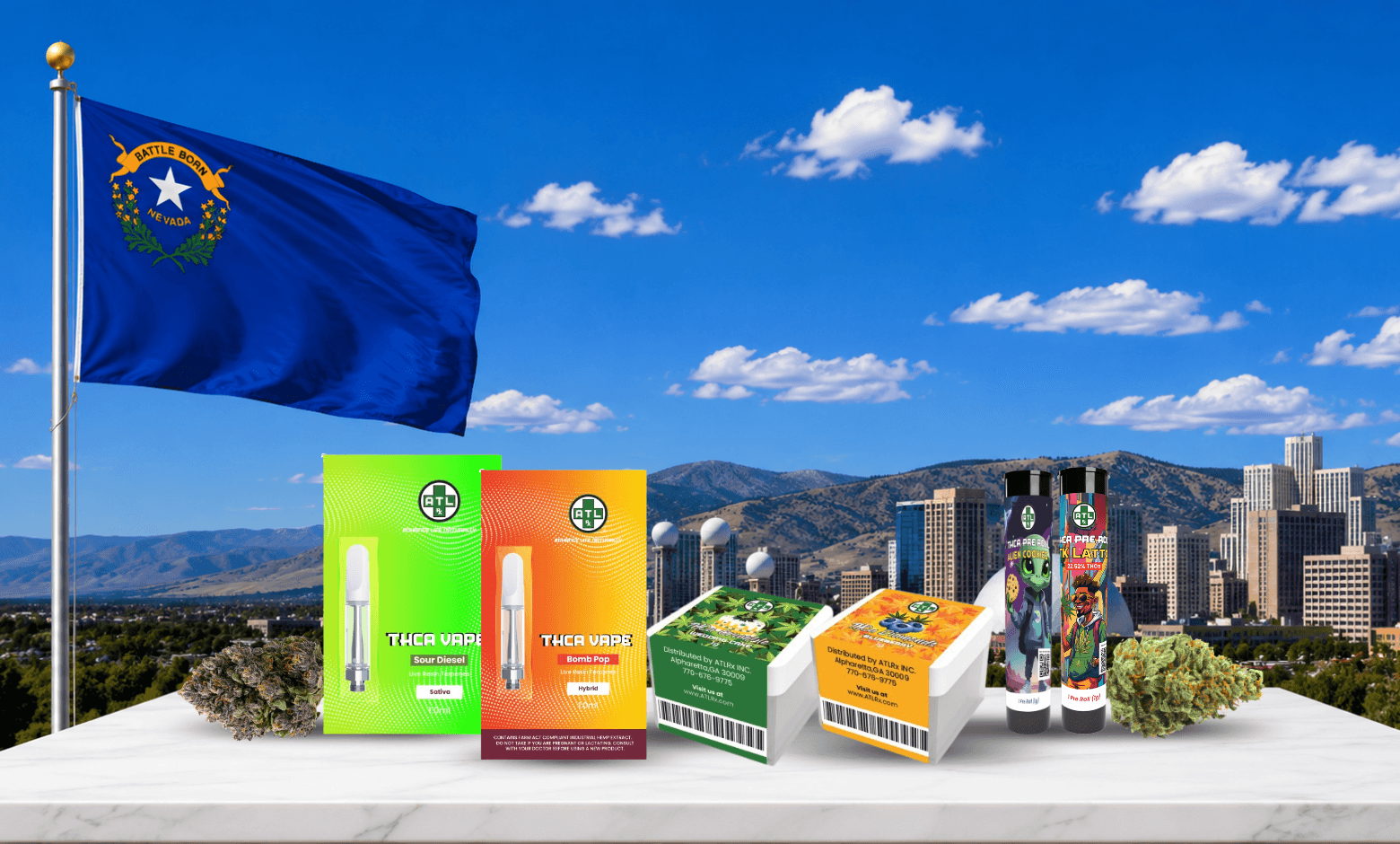
THCA Legal Status in Nevada:
Yes, but with important conditions. Nevada permits THCA products inside its licensed adult-use and state-regulated cannabis system, which is overseen by the Nevada Cannabis Compliance Board (CCB). Hemp-derived THCA products that meet the federal 0.3% delta-9 THC standard are recognized under federal hemp law, but under Nevada’s SB 49 (2021) and SB 356 (2025), intoxicating hemp products, including most THCA flower above 0.3% total THC, are restricted to the licensed cannabis channel. A major federal change takes effect on November 12, 2026, that will reclassify how THCA is measured under the definition of hemp.
Is THCA legal in Nevada? This is one of the most searched cannabinoid law questions in the Silver State, and the answer in 2026 is more nuanced than it was even a year ago. Nevada has a mature adult-use cannabis market, a separate hemp program, and a Cannabis Compliance Board that takes an active role in deciding which products can sit on which shelves. Federal law is also shifting. Section 781 of the Continuing Appropriations Act, 2026 (Public Law 119-37), signed on November 12, 2025, redefines hemp using a total THC standard that explicitly includes THCA, and this change takes effect on November 12, 2026.
This guide breaks down the current legal status of THCA in Nevada, the difference between dispensary-channel and hemp-channel THCA products, the upcoming federal change, age and possession limits, lab testing expectations, and how to buy compliantly. Please note that the information below is for educational purposes only and does not constitute legal advice. It is always advisable to consult the Nevada Cannabis Compliance Board or a licensed attorney before purchasing or transporting any cannabinoid product.
Keep Browsing
Explore Our THCa Categories
Shop real THCa products and collections.

Key Takeaways
- 01THCA is permitted in Nevada primarily through the licensed cannabis market; most THC-containing hemp products are restricted to that channel.
- 02Nevada Cannabis Compliance Board (CCB) regulates the adult-use and state-regulated cannabis market under NRS Title 56 (Chapters 678A–678D).
- 03Hemp in Nevada is governed by NRS Chapter 557 and is currently aligned with the 2018 Farm Bill’s 0.3% delta-9 THC standard.
- 04Senate Bill 356 (2025) restricts consumable hemp products in Nevada to CBD and CBG only outside the licensed cannabis channel, and confines intoxicating hemp products to CCB-licensed dispensaries.
- 05In accordance with Senate Bill 277, adults age 21 and over are allowed to possess up to 2.5 ounces of cannabis flower and a quarter ounce of concentrate.
- 06Section 781 of P.L. 119-37 redefines federal hemp using “total THC” (inclusive of THCA) at 0.3%. This definition will take effect on November 12, 2026.
- 07A current Certificate of Analysis (COA) from an accredited lab should always be obtained before purchasing THCA products.
What Is THCA?
THCA is a naturally occurring cannabinoid found in raw and live cannabis plants. A carboxyl group distinguishes THCA from delta-9 THC in its raw form. By exposing THCA to heat, such as by smoking, vaping, or cooking, it loses its carboxyl group and becomes delta-9 THC.
This chemistry is the entire reason THCA has been treated separately from THC under federal hemp rules. According to the 2018 Farm Bill, hemp was defined only by its delta-9 THC content. Because raw THCA is not delta-9 THC, a hemp flower could test at high THCA percentages and still come in below the 0.3% delta-9 THC limit. That distinction is what built the national hemp-derived THCA flower market, and it is also the distinction that Congress closed with Section 781 in late 2025.
Federal Hemp Framework in 2026
The 2018 Farm Bill
Under the 2018 Farm Bill, hemp was removed from the federal Controlled Substances Act and defined as Cannabis sativa L. containing less than 0.3% delta-9 THC by weight. Under this framework, hemp-derived cannabinoids, such as CBD, delta-8, and THCA, expanded rapidly. This federal definition was incorporated into Nevada’s hemp statute, NRS Chapter 557.
Section 781 and the November 12, 2026, Change
Continuing Appropriations, Legislative Branch, Military Construction and Veterans Affairs, and Extensions Act, 2026 (P.L. 119-37) was signed by the President on November 12, 2025. Section 781 of Public Law 119-37 makes three fundamental changes to hemp law:
- The definition of hemp uses a THC concentration of no more than 0.3% on a dry weight basis. The total THC includes THCA.
- Hemp-derived cannabinoid products are capped at 0.4 milligrams of THC per container.
- The definition of hemp does not include cannabinoids synthesized or manufactured outside the cannabis plant entirely.
On November 12, 2026, these changes will take effect. The U.S. Hemp Roundtable estimates that the amended definition will eliminate approximately 95% of existing hemp-derived cannabinoid products, resulting in more than 300,000 job losses and $1.5 billion in state tax revenue lost. Most THCA flower above the 0.3% total THC threshold will fall outside the new federal hemp definition once the law goes live.
Two bills have been introduced in response. Rep. Nancy Mace (R-SC) introduced H.R. 6209, the American Hemp Protection Act of 2025, on November 17, 2025, which would eliminate Section 781 entirely and reinstate the 2018 Farm Bill definition. The Hemp Planting Predictability Act (H.R. 7024), introduced by Rep. Jim Baird (R-IN) on January 13, 2026, would delay the effective date of Section 781, giving the hemp industry additional time to adjust. Neither bill had been enacted as of the date of this article.
Nevada State Framework: Two Markets, Two Rule Sets
Nevada is one of a handful of states that runs both a fully legal adult-use cannabis market and a separate hemp program. Understanding which market a product comes from is essential when answering “Is THCA legal in Nevada?”
Track 1: The Licensed Cannabis Market
Nevada voters approved Ballot Question 2 in November 2016, legalizing adult-use cannabis possession for adults 21 and older effective January 1, 2017. The first licensed adult-use retail sales took place on July 1, 2017. The market is regulated by the Nevada Cannabis Compliance Board (CCB) under NRS Title 56, which includes Chapter 678A (Cannabis Compliance Board), 678B (licensing and general provisions), 678C (medical cannabis), and 678D (adult-use cannabis). THCA flower appears naturally in the cannabis flower sold at Nevada’s licensed dispensaries, and dispensary lab results typically report both THCA and delta-9 THC values. Inside this licensed system, THCA is treated as a normal constituent of cannabis.
Adults 21 and older can purchase cannabis from any state-licensed dispensary. Under Senate Bill 277, signed by Governor Lombardo in 2023, possession limits were raised to 2.5 ounces of cannabis flower and one-quarter ounce of cannabis concentrate, effective January 1, 2024.
Track 2: The Hemp Channel and SB 49
Nevada’s hemp program is governed by NRS Chapter 557. A hemp plant is Cannabis sativa L. that does not exceed the federal THC limit. Senate Bill 49, signed in June 2021, expanded Nevada’s statutory definition of “THC” to include all structural, optical, and geometric isomers of tetrahydrocannabinol (including delta-7, delta-8, delta-10, THC-O, THCP, and HHC), and it banned the production, sale, and distribution of synthetic cannabinoids in Nevada absent CCB approval (no approval pathway currently exists). The practical effect was to push essentially all intoxicating hemp-derived cannabinoids — not just delta-8 — into the state’s licensed cannabis system.
Senate Bill 356 (2025): The Consumable Hemp Rule
Nevada Senate Bill 356, passed during the 83rd Legislative Session (BDR 56-916) and signed by Governor Lombardo in 2025, is the most recent and most consequential update to Nevada’s hemp framework. It defines a “consumable hemp product” as any hemp-based commodity intended for human consumption with a THC concentration of less than 0.3%, giving the Cannabis Compliance Board direct authority over these products. Under SB 356:
- Consumable hemp products containing any cannabinoid other than CBD or CBG cannot be sold outside a licensed cannabis establishment.
- The sale of all products is restricted to adults 21 and older.
- Single packages are limited to no more than five servings, and consumable hemp gummies sold inside dispensaries are capped at 10 milligrams of THC per serving (with a 15% potency variance).
- Manufacturers must maintain certificates of analysis from independent testing laboratories.
- Counties and municipalities can enact ordinances enforcing these provisions with fines.
The practical effect of SB 356 is that any intoxicating hemp-derived product, including most THCA flower and THCA concentrates, must move through Nevada’s licensed cannabis system. General retail hemp shops, gas stations, and smoke shops cannot lawfully sell consumable hemp products that contain THC-class cannabinoids in Nevada.
Clark County and Local Ordinances
Local rules also matter. The Clark County Commission unanimously approved an ordinance amending Title 7 of the County Code by adding a new Chapter 7.220 (“Hemp Retail Sales”). The ordinance had been introduced in December 2025 and was open to public comment through January 20, 2026, before its March passage. It takes effect 120 days after passage. Under the ordinance, all hemp and hemp-derived products at Clark County retail stores must carry lot-specific test results from a laboratory certified by the Nevada Cannabis Compliance Board under NRS 678B.290, with testing for potency, microbials, pesticides, and heavy metals.
Products are limited to no greater than 0.4 milligrams of Potential Total THC per package, with an allowable variance of 15%, mirroring the upcoming federal cap. A hemp retail store license is also required, employee work cards are required, age restrictions apply, and CBD and artificially derived cannabinoids are prohibited in food products. Washoe County and other municipalities may adopt similar measures, so always check local rules before purchasing or transporting THCA products within Nevada.
Hemp-Derived THCA vs. Dispensary THCA in Nevada
This side-by-side breakdown shows the practical differences between the two channels through which THCA reaches Nevada consumers.
| Factor | Hemp-Derived THCA | Dispensary Cannabis THCA |
| Source plant | Hemp (≤0.3% delta-9 THC) | Cannabis (marijuana classification) |
| Primary regulator | Nevada Dept. of Agriculture and CCB | Nevada Cannabis Compliance Board (CCB) |
| Governing statute | NRS Chapter 557; 7 U.S.C. §1639o | NRS Title 56 (Chapters 678A–678D) |
| Legal channel | Limited under SB 356; most THC-containing hemp products are restricted to licensed cannabis channels in Nevada | Nevada-licensed dispensaries only |
| Age requirement | 21+ for hemp-derived intoxicating products | 21+ for adult-use purchase |
| Federal status (as of May 2026) | Legal under the 2018 Farm Bill (delta-9 standard) until Nov. 12, 2026; reclassified under the total-THC standard thereafter | Marijuana under federal CSA; legal under Nevada state law |
Why the November 12, 2026, Change Matters for THCA
To understand the impact of Section 781, it helps to see how total THC is calculated. Under the new federal definition, total THC includes delta-9 THC, THCA (using a 0.877 conversion factor that accounts for the carboxyl group lost during decarboxylation), and other THC-class cannabinoids such as delta-8 and delta-10. The standard formula is: (THCA × 0.877) + delta-9 THC + delta-8 + delta-10 + other THC isomers. If the combined total exceeds 0.3% on a dry weight basis, the product no longer qualifies as hemp under federal law.
Mentioned In This Article
The math works out like this. A hemp flower lab-tested at 20% THCA and 0.2% delta-9 THC has a total THC value of roughly: (20% × 0.877) + 0.2% = 17.74% + 0.2% = 17.94% total THC. According to the 2018 Farm Bill, that flower is hemp because its delta-9 THC is under 0.3%. Under the post-November 12, 2026 definition, the same flower is far above the 0.3% total THC cap and falls outside the federal hemp definition. The same logic applies to most THCA pre-rolls, vape carts, and concentrates currently on the market.
Travel, Shipping, and Airport Considerations
Even though Nevada permits cannabis under state law, federal law still applies on federal property. Harry Reid International Airport in Las Vegas posts notices aligned with TSA marijuana guidance indicating that cannabis is not permitted at TSA checkpoints. This is also true at Reno-Tahoe International Airport. Carrying THCA products into or out of Nevada by air carries federal legal risk, particularly across state lines into states that ban THCA outright, such as Idaho or Arkansas.
Online retailers, including ATLRx, ship hemp-derived THCA products only to states where they comply with state law. ATLRx restricts shipping to states with active THCA bans or restrictions and recommends that customers verify the legal status in their destination before placing an order. Inside Nevada, dispensary products generally must remain in the state.
How to Verify a THCA Product Is Compliant
The Certificate of Analysis (COA) is the most important compliance document for any THCA product. Before purchasing, look for the following on the COA:
- An accredited third-party lab name and ISO-17025 accreditation.
- A clearly listed batch or lot number that matches the product label.
- Delta-9 THC content reported as a percentage on a dry weight basis.
- Total THC value is especially important as the November 12, 2026, federal change approaches.
- A test date within the past 12 months.
- Cannabinoid potency results for THCA, CBD, CBG, and other minor cannabinoids when applicable.
- Pesticide, heavy metal, microbial, and residual solvent screening results.
ATLRx publishes COAs for every THCA product on its product pages, so shoppers can verify compliance before checkout.
Penalties for Non-Compliance in Nevada
Nevada law imposes penalties for cannabis offenses outside the legal framework. Possession of small amounts of marijuana over the legal adult-use limit by an adult 21 or older is generally classified as a misdemeanor for a first offense, with fines that can reach several hundred dollars. Sale, distribution, or possession with intent to distribute outside the licensed cannabis system can be charged as a felony, depending on the quantity. Driving under the influence of cannabis is a separate criminal offense under NRS 484C. For hemp retailers, selling non-compliant intoxicating cannabinoid products can result in regulatory action from the CCB, including product seizures.
Where to Buy THCA in Nevada Legally
Adults 21 and older have two practical paths to access THCA products in Nevada:
- Licensed Nevada dispensaries. All adult-use and state-regulated dispensaries in the state are listed on the Nevada Cannabis Compliance Board website. Dispensary cannabis flower naturally contains THCA, and lab certificates will reflect both THCA and delta-9 THC values.
- Online hemp retailers are shipping compliant hemp-derived products. Established hemp-focused retailers, such as ATLRx, publish COAs for each product and clearly state which states they ship to. Customers should confirm a product’s compliance with Nevada’s hemp rules — including SB 49 and SB 356 — and any local ordinances before purchase.
Whichever channel you choose, verify the COA, check the test date, and confirm that the seller operates lawfully in your jurisdiction.
Final Thoughts
Nevada offers some of the most established cannabis access in the country, and THCA is available primarily through the licensed dispensary system. The next major inflection point is November 12, 2026, when the federal definition of hemp changes. Until then, customers can continue to purchase compliant hemp-derived THCA products from established retailers where state law permits, and dispensary cannabis from CCB-licensed dispensaries within Nevada. Always verify the current law, request a Certificate of Analysis, and check local ordinances before purchasing or transporting any cannabinoid product.
Browse ATLRx’s selection of lab-tested THCA flower, THCA vape carts, and concentrates, each accompanied by a current Certificate of Analysis, and confirm that any product complies with the laws of your jurisdiction before purchasing.
Frequently Asked Questions
Is THCA Flower Legal in Nevada in 2026?
+
Yes, with significant conditions. Cannabis flower containing THCA is legal through Nevada’s licensed dispensary system for adults 21 and older. For hemp-derived THCA flower, Nevada’s SB 49 (2021) and SB 356 (2025) effectively confine intoxicating hemp products — including most THCA flower above 0.3% total THC — to the licensed cannabis channel rather than general hemp retail. The federal definition of hemp also changes on November 12, 2026, to a total THC standard, which will reclassify most current THCA flower under federal law as well.
Can You Buy THCA in Las Vegas?
+
Yes. Cannabis products containing THCA are available to adults 21 and older at any state-licensed dispensary in Las Vegas. The Clark County hemp retail ordinance, passed in March 2026 and taking effect 120 days after passage, places extra requirements on hemp retail stores that sell hemp-derived products, including a 0.4 milligram potential total THC per package limit (with a 15% variance) and licensing, testing, and labeling requirements.
What Is the Difference Between THCA and Delta-9 THC?
+
Freshly harvested cannabis contains THCA, a raw, non-intoxicating acid form of THC. When heated through smoking, vaping, or cooking, THCA undergoes decarboxylation and converts to delta-9 THC, which is the intoxicating cannabinoid most people associate with cannabis. For a deeper breakdown, see our THCA vs Delta 9 THC guide.
Will THCA Show up on a Drug Test?
+
Drug tests typically look for THC metabolites rather than THCA itself. However, because THCA can convert to THC when heated or metabolized, consuming THCA products may result in a positive drug test. Individuals subject to drug testing should make their own informed decisions.
How Much THCA Flower Can I Possess in Nevada?
+
Senate Bill 277 allows adults 21 and older to possess up to 2.5 ounces of cannabis flower and one-quarter ounce of cannabis concentrate (effective January 1, 2024). Possession over these limits can trigger criminal penalties.
Can I Travel to Nevada with THCA from Another State?
+
Federal law prohibits the interstate transport of cannabis, and even hemp-derived products can be complicated when crossing state lines. Carrying THCA into Nevada by air is restricted at TSA checkpoints. The safer approach for visitors is to purchase compliant products inside Nevada and leave them in the state when departing.
What Changes on November 12, 2026?
+
Section 781 of Public Law 119-37 goes into effect on November 12, 2026. Federal hemp law uses a 0.3% THC standard (including THCA) for hemp-derived cannabinoids, and finished hemp-derived cannabinoids are capped at 0.4 milligrams of total THC per container. Current THCA flower products exceed those limits.
Is Hemp-derived THCA the Same as Marijuana?
+
Under current federal law (until November 12, 2026), hemp-derived THCA is legally distinct from marijuana because federal hemp is defined by delta-9 THC content, not total THC. State law can differ — Nevada, for example, already treats hemp-derived products exceeding 0.3% total THC (including THCA) as marijuana under state law. Under the post-November 12, 2026, federal definition, most THCA products will be classified the same way as marijuana for federal purposes unless intervening legislation changes the rule.
This article is for general informational purposes only and is not legal advice. The statements on this blog have not been evaluated by the Food and Drug Administration. ATLRx products are not intended to diagnose, treat, cure, or prevent any disease. You must be 21 years of age or older to purchase. ATLRx makes no claims regarding the effects, benefits, or applications of THCA. Cannabinoid regulations change frequently. Always verify current law with the Nevada Cannabis Compliance Board, the Nevada Legislature, or a licensed attorney before purchasing, possessing, or transporting any cannabinoid product.
Disclaimer
Why Trust This Guide
- ATLRx has sold third-party lab-tested hemp products out of Georgia since 2019.
- Every real batch we sell is tested by an accredited outside lab, with the Certificate of Analysis published before you buy.
- We operate 3 real physical stores in Georgia — this isn't a drop-shipped storefront.
- Legal information is rechecked and updated as rules change, not published once and forgotten.
Don't Trust the Label. Check the Lab.
ATLRx publishes third-party Certificates of Analysis for real batches so you can verify cannabinoid content before you buy — not just take the package's word for it.
View Lab Results →Have Questions?
Visit an ATLRx store in Georgia and talk to our team.
Real Customers, Real Reviews
What Customers Are Saying
“Product was smooth and mellow. Quite nice!”
“Exactly what was promised excellent product”
“Really nice high”

Jen Hight
Cannabis Industry Expert & Compliance Specialist Jen Hight is a cannabis industry professional with extensive experience in hemp compliance, product development, and consumer education. With a background in regulatory affairs and a passion for helping consumers navigate the complex world of cannabinoids, Jen provides accurate, up-to-date information on hemp legality and best practices. Her work focuses on making cannabis knowledge accessible while ensuring readers understand both the opportunities and responsibilities that come with legal hemp products.
View all articles →Keep Learning
Best THCA Flower 2026
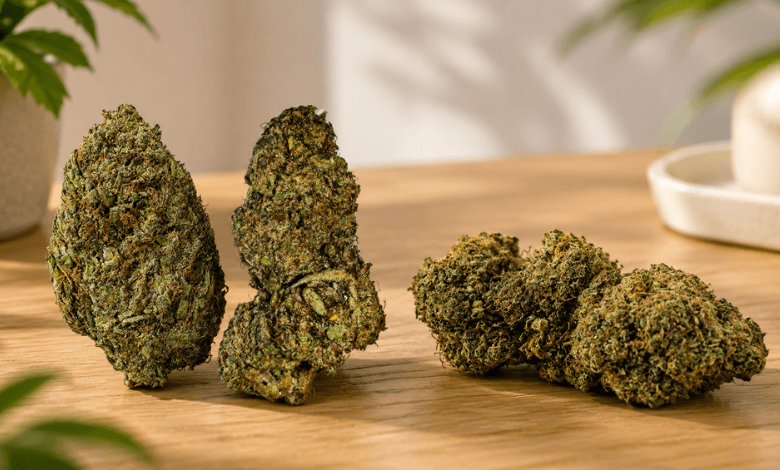
The best THCA flower is indoor-grown, slow-cured, and backed by a full-panel certificate of analysis from a third-party lab. Look for lab-verified THCA content above 20 percent, a published terpene percentage, dense, uneven trichome coverage, and a batch number that matches the jar you receive. Table of contents: How a Batch Earns a Spot Here […]
Aug 23, 2026 · 14 min read
Is THCA Flower Legal? Current Law Explained 2026
Yes, under federal law today, if it comes from hemp and tests at or below 0.3% delta-9 THC by dry weight. On November 12, 2026, that test is replaced, and THCA gets folded into the THC figure that regulators measure against. State law is a separate question, and only seven states still use the delta-9 […]
Aug 20, 2026 · 14 min read
Is THCA Legal? Complete State-by-State Guide 2026
Federally, yes, for now. The 2018 Farm Bill treats hemp-derived THCA as legal hemp so long as the delta-9 THC reading stays at or below 0.3% of dry weight. That flips on November 12, 2026, when Section 781 switches the federal test to total THC, and total THC counts THCA. Your state may already be […]
Aug 20, 2026 · 18 min read
Is THCA Legal in Connecticut? Complete 2026 Legal Guide
THCA Legal Status in Connecticut: Yes, but with major limits, THCA is not banned as a substance in Connecticut, but it is tightly regulated. Because the state measures hemp by total THC (0.3% or less on a dry-weight basis, with THCA counted in), most high-THCA products such as ATLRx THCA Flower exceed the hemp limit […]
Jul 12, 2026 · 10 min read
Stay Informed
New product releases, hemp law updates, and useful cannabinoid guides.