Seriously, by using this site you are confirming that you are of legal age (21+) to view
and purchase these products. If you are you are not over 21. you are not authorized by us to use or view any
of the pages of this site. Please review our terms and conditions at checkout for further stipulations.
Join our VIP Club For Killer Deals
Save on your first order and get dibs on all our latest drops.
>
Blogs
> THCA >
Is THCA Legal in North Carolina? 2026 Complete Legal Guide
THE STATEMENTS ON THIS BLOG ARE NOT INTENDED TO DIAGNOSE, TREAT, CURE, OR PREVENT ANY DISEASE. THE FOOD AND DRUG ADMINISTRATION HAS NOT EVALUATED ANY STATEMENTS CONTAINED WITHIN THE BLOG. ATLRX DOES NOT IN ANY WAY GUARANTEE OR WARRANT THE ACCURACY, COMPLETENESS, OR USEFULNESS OF ANY MESSAGE. THE INFORMATION CONTAINED WITHIN THIS BLOG IS FOR GENERAL INFORMATIONAL PURPOSES ONLY.
Is THCA Legal in North Carolina? 2026 Complete Legal Guide
THCA Legal Status in North Carolina
Yes, THCA is currently legal in North Carolina when derived from hemp and containing less than 0.3% Delta-9 THC by dry weight. However, significant federal changes take effect in November 2026 that will impact THCA products. This guide covers everything you need to know about buying, using, and staying compliant with THCA in North Carolina.
If you’ve been curious about THCA products in North Carolina, you’re not alone. As hemp-derived cannabinoids continue to gain popularity across the United States, North Carolina residents are increasingly asking important questions: Is THCA legal here? Can I buy it online? What about the changing federal regulations? And most importantly, how do I stay on the right side of the law while exploring these products?
The legal landscape surrounding THCA can feel confusing. You’ve probably seen THCA flower, gummies, and vape cartridges available online and in local shops, but the patchwork of federal and state regulations makes it hard to know what’s truly permitted. Add to that the upcoming regulatory changes scheduled for November 2026, and it’s no wonder North Carolina consumers are seeking clear, reliable answers.
This comprehensive guide cuts through the confusion. Whether you’re a first-time buyer researching your options or an experienced user wanting to understand your legal rights, we’ve compiled everything you need to know about THCA legality in North Carolina. From current laws and purchasing guidelines to drug testing implications and future regulatory changes, this article serves as your complete resource for navigating the THCA market safely and legally.
What Is THCA and Why Does It Matter in North Carolina
THCA (tetrahydrocannabinolic acid) is the non-psychoactive precursor to Delta-9 THC found naturally in raw cannabis and hemp plants. In its unheated state, THCA won’t produce intoxicating effects. However, when you apply heat through smoking, vaping, or cooking—a process called decarboxylation—THCA converts into psychoactive Delta-9 THC.
This chemical transformation is why THCA has become so popular in states like North Carolina, where marijuana remains illegal, but hemp-derived products are permitted under federal law. THCA flower looks, smells, and—once heated—acts just like traditional cannabis, but it remains federally legal as long as it contains less than 0.3% Delta-9 THC before heating.
For North Carolina residents who don’t have access to medical or recreational marijuana dispensaries, THCA products offer a legal alternative that provides similar effects. However, understanding the legal landscape is crucial because regulations are evolving rapidly, and what’s legal today may face new restrictions tomorrow.
Hemp = Cannabis sativa L. and any part of that plant, including all derivatives, extracts, cannabinoids, isomers, acids, salts, and salts of isomers, with a Delta-9 THC concentration of not more than 0.3% on a dry weight basis.
This definition created what some call a “legal loophole” because it only restricted Delta-9 THC levels—not THCA or other cannabinoids. Since THCA is the acidic precursor to THC and doesn’t convert until heated, products with high THCA levels but low Delta-9 THC are technically qualified as legal hemp.
Why THCA Products Became Popular
Because the 2018 Farm Bill didn’t explicitly address THCA, hemp cultivators began breeding plants with high THCA content (sometimes 25-35% THCA) while keeping Delta-9 THC below the 0.3% threshold.
These products could be legally:
Grown on licensed hemp farms
Shipped across state lines
Sold without a dispensary license
Purchased without medical cards or age verification (until state laws changed)
This created a booming market for “legal cannabis” in states without marijuana programs—including North Carolina.
Old Rule (2018-2026): Hemp must contain ≤0.3% Delta-9 THC
New Rule (Starting Nov 2026): Hemp must contain ≤0.3% Total THC (Delta-9 + THCA combined)
Impact: Most high-THCA flower currently on the market will exceed this limit once THCA is included in the calculation, making it federally non-compliant after November 2026.
2. Container Limits for Final Products
The new law imposes a 0.4 milligram per container limit for finished hemp products intended for human consumption (ingestion, inhalation, or topical use). This applies to:
Combined total THC (including THCA)
Any other cannabinoid with “similar effects” to THC
The 0.4mg per container rule may eliminate many edibles and concentrates
Retailers will need to reformulate or discontinue many current products
Important: There’s currently a bipartisan effort in Congress (H.R. 6209, introduced November 20, 2025) to repeal these hemp provisions, but its passage is uncertain. The hemp industry estimates these changes could eliminate 95% of current products and affect 320,000 jobs nationwide.
FDA Guidance Coming February 2026
The FDA must publish the following by February 10, 2026:
Complete list of cannabinoids naturally produced by cannabis plants
List of all THC-class cannabinoids
List of cannabinoids with “similar effects” to THC
Clarification of the term “container” for the 0.4mg limit
These publications will provide crucial clarity for compliance.
North Carolina State Laws on THCA
State Hemp Framework: Senate Bill 315 (2019)
North Carolina established its hemp program throughSenate Bill 315, also known as the NC Farm Act of 2019. This law:
Aligned North Carolina with the 2018 Farm Bill
Legalized industrial hemp cultivation in the state
Created a regulatory framework through the NC Department of Agriculture & Consumer Services
Clarified that hemp products with ≤0.3% Delta-9 THC are not marijuana under state law
Senate Bill 328 (2023): Age Restrictions and Compliance
In 2023, North Carolina passed Senate Bill 328, which brought important clarifications to the state’s hemp industry:
Key Provisions:
Age Restriction: All hemp-derived products, including THCA, can only be sold to individuals 21 years or older
Federal Alignment: Reinforced that hemp products must meet the federal 0.3% Delta-9 THC limit
Product Standards: Emphasized the importance of proper testing and labeling
What It Didn’t Do: Notably, SB 328 did NOT ban THCA flower—it simply clarified existing compliance requirements
What This Means: As long as THCA products meet federal hemp standards and proper age verification is enforced, they remain legal in North Carolina.
Senate Bill 455 (2022): Cannabinoid Regulation Framework
A comprehensive licensing program for cannabinoid-related compounds
Rules for manufacturing, sale, and distribution
Stricter oversight of hemp-derived intoxicating products
While this bill didn’t pass, it signals ongoing legislative interest in regulating the hemp industry more strictly. Similar proposals may emerge in future sessions.
House Bill 563: Potential Future Regulations
House Bill 563 represents another legislative effort to impose stricter oversight on hemp products in North Carolina. If passed, it would establish:
Proposed Requirements:
Mandatory third-party lab testing for all hemp products
Strict labeling and packaging standards
Child-resistant packaging requirements for certain products
Civil penalties for products exceeding 0.3% Delta-9 THC
Enhanced enforcement mechanisms
Current Status: As of February 2025, this bill remains under consideration. While not yet law, it indicates the direction state regulators may move.
THCA Is Not a Controlled Substance in NC
Importantly, THCA is not explicitly listed as a controlled substance in North Carolina law. The state follows the federal hemp definition, which means:
THCA products from compliant hemp are legal
Once heated and converted to Delta-9 THC, standard marijuana laws apply
Law enforcement may not distinguish between legal THCA flower and illegal marijuana in the field
Having proper documentation (COA, original packaging) is essential
North Carolina Department of Agriculture Oversight
Coordinating with USDA on federal-state hemp regulations
Monitoring the market for non-compliant products
While North Carolina doesn’t require a separate retail license to sell hemp products, all products must meet both federal and state compliance standards.
How to Buy THCA Legally in North Carolina
Legal Requirements for THCA Purchases
To legally purchase THCA in North Carolina, products must meet these criteria:
Federal Requirements:
Derived from hemp, not marijuana
Contains ≤0.3% Delta-9 THC by dry weight (current standard through Nov 2026)
Properly labeled with cannabinoid content
Tested by accredited laboratories
North Carolina Requirements:
Purchaser must be 21 years or older (Senate Bill 328)
Products must comply with federal hemp standards
Proper labeling and packaging
Legitimate chain of custody from licensed hemp sources
Understanding Certificates of Analysis (COA)
A Certificate of Analysis is your proof that a THCA product is legal and safe. Every legitimate product should have a COA available that shows:
Essential COA Information:
Cannabinoid Profile:
THCA percentage
Delta-9 THC percentage (must be ≤0.3%)
Total cannabinoids
CBD, CBG, and other cannabinoid levels
Testing Laboratory:
Lab name and certification
Preferably DEA-registered (required for federal hemp program)
ISO/IEC 17025 accreditation is ideal
Batch Information:
Batch or lot number matching your product
Date of testing (should be recent)
Date of harvest
Contaminant Testing:
Pesticides (should be “none detected”)
Heavy metals (lead, mercury, arsenic, cadmium)
Microbials (mold, yeast, bacteria)
Residual solvents (for concentrates)
How to Verify a COA:
Check that the batch number on the COA matches your product packaging
Confirm that the Delta-9 THC is below 0.3%
Verify testing was done by a legitimate third-party lab (search the lab name online)
Look for a QR code or website link where you can independently verify results
Ensure testing is recent (within 6-12 months)
Red Flags:
No COA available
COA doesn’t match the product batch number
Testing older than 1 year
Only shows cannabinoid testing (no safety screening)
Lab isn’t identifiable or verifiable
DEA-Certified Laboratory Testing Requirements
For hemp to be federally compliant under the USDA hemp program, it must be tested byDEA-registered laboratories. These labs:
Are authorized to handle controlled substances (including cannabis above 0.3% THC)
Follow standardized testing protocols
Use post-decarboxylation or other reliable methods to measure total THC
Report results to state and federal authorities as required
Testing Method: Labs must test for “total THC” using post-decarboxylation methods—meaning they heat the sample to convert THCA to THC, then measure the combined total. This is different from retail product testing, which often reports THCA and Delta-9 separately.
Where to Buy: Online vs. Local Retailers
Online Purchases:
Advantages:
Wider product selection
Easy access to COAs and lab results
Competitive pricing
Discreet shipping
Customer reviews and transparency
Often, better quality control from established brands
Considerations:
Shipping delays (2-5 business days typically)
Can’t see/smell the product before purchase
Must verify retailer legitimacy
Ensure the retailer ships to North Carolina
Trusted Online Retailer: ATLRx offers THCa Flower, THCA Vape Carts, THCa Pre Rolls, and THCa Concentrates with detailed COAs, third-party testing, and compliant shipping to North Carolina.
Local Retailers:
Advantages:
Immediate access to products
Can inspect quality before purchase
Direct conversation with staff
No shipping costs or wait times
Considerations:
Limited selection compared to online
May have less transparent testing
Product knowledge varies by location
Potentially higher prices
Types of Local Retailers in NC:
Hemp specialty shops
Vape shops with hemp sections
CBD stores
Some tobacco/smoke shops
Important: Whether buying online or locally, always verify that the retailer provides:
Start with Reputable Brands: Choose established companies with track records of quality and compliance
Always Request COAs: Never purchase without seeing recent lab results
Check Reviews: Look for verified customer feedback on product quality and effects
Understand What You’re Buying: Know the difference between flower, concentrates, edibles, and vapes
Ask Questions: Legitimate retailers should be able to explain their sourcing, testing, and compliance
Keep Documentation: Save your receipts, packaging, and COAs in case of legal questions
Avoid Too-Good-To-Be-True Prices: Extremely cheap THCA may indicate poor quality or non-compliance
Types of Legal THCA Products in NC
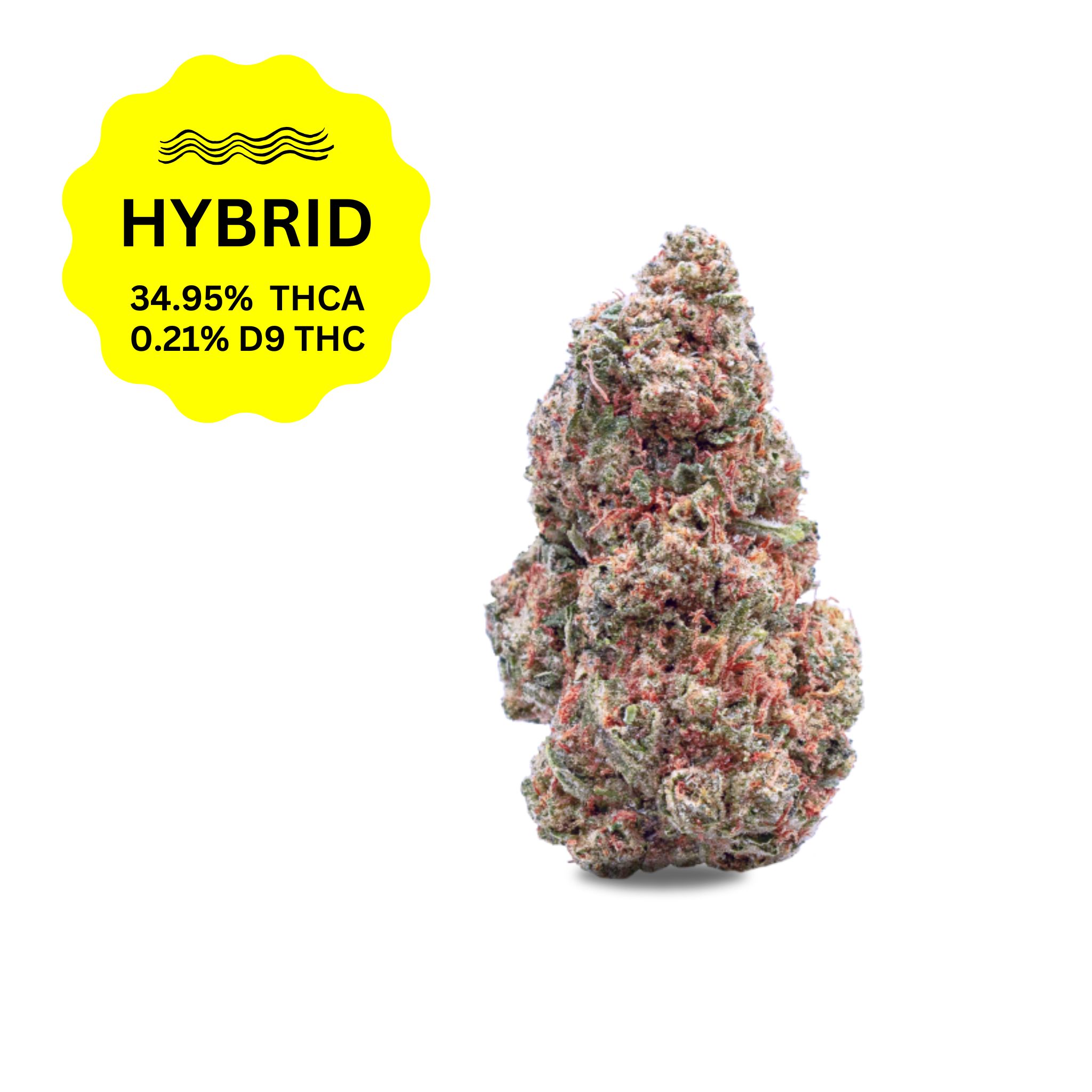
THCA Flower
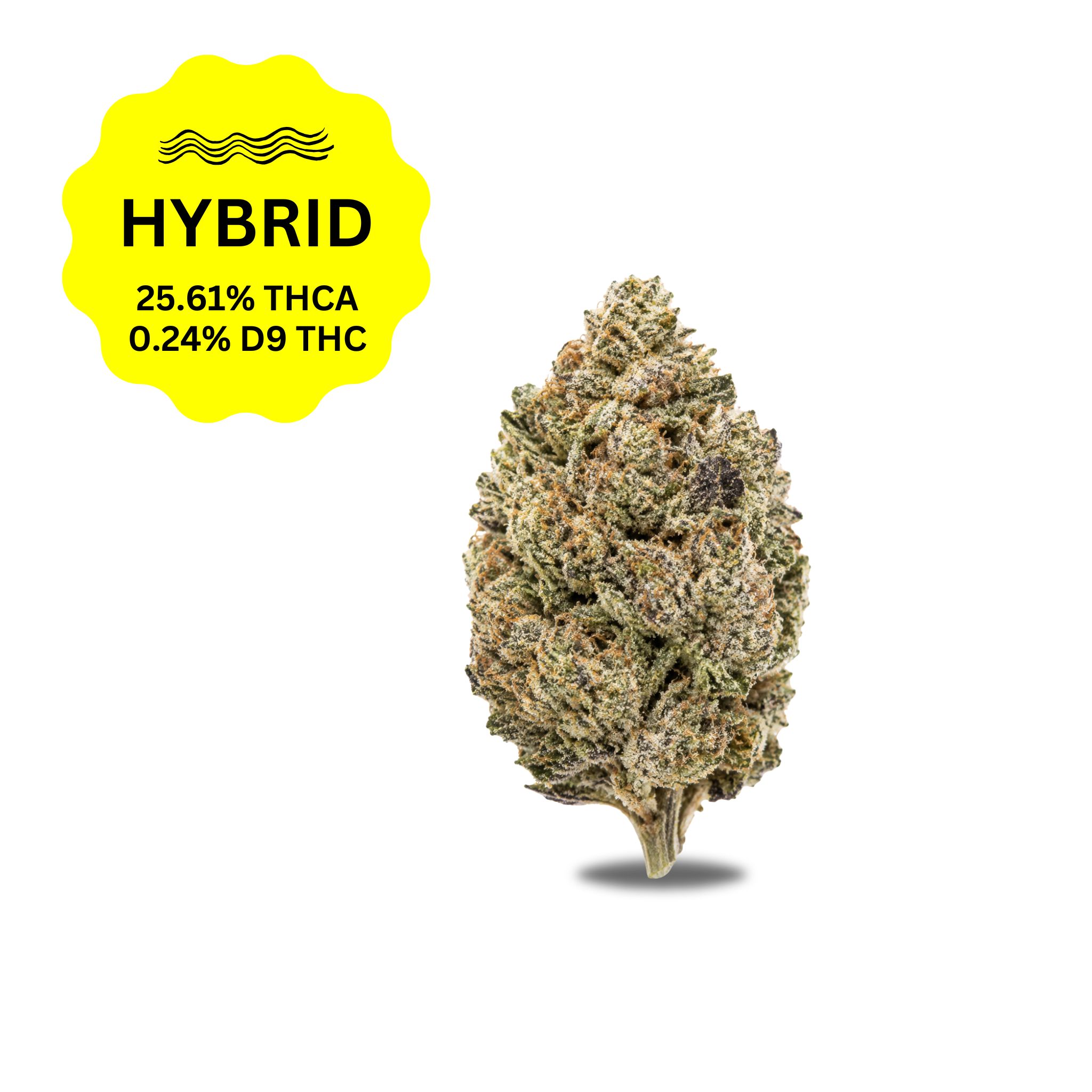
What It Is: Raw, unheated cannabis hemp flower that naturally contains high levels of THCA (typically 20-35%) but remains within the legal Delta-9 THC limit (≤0.3%) before heating.
Legal Status in NC: Currently legal when compliant with federal hemp standards and purchased by adults 21+.
How It’s Used:
Smoking in joints, pipes, or bongs
Vaporizing with dry herb vaporizers
Can be decarboxylated (heated) to make edibles
Effects: Non-psychoactive when consumed raw (in smoothies, juices). When heated, it converts to Delta-9 THC and produces effects similar to traditional cannabis.
Legal Considerations:
Must come with COA showing ≤0.3% Delta-9 THC
Visually identical to marijuana—keep packaging and documentation
Once heated, it becomes psychoactive THC
Best stored in original, labeled packaging
Storage: Keep in airtight containers, away from light and heat, in a cool, dry place. Proper storage preserves potency and terpenes.
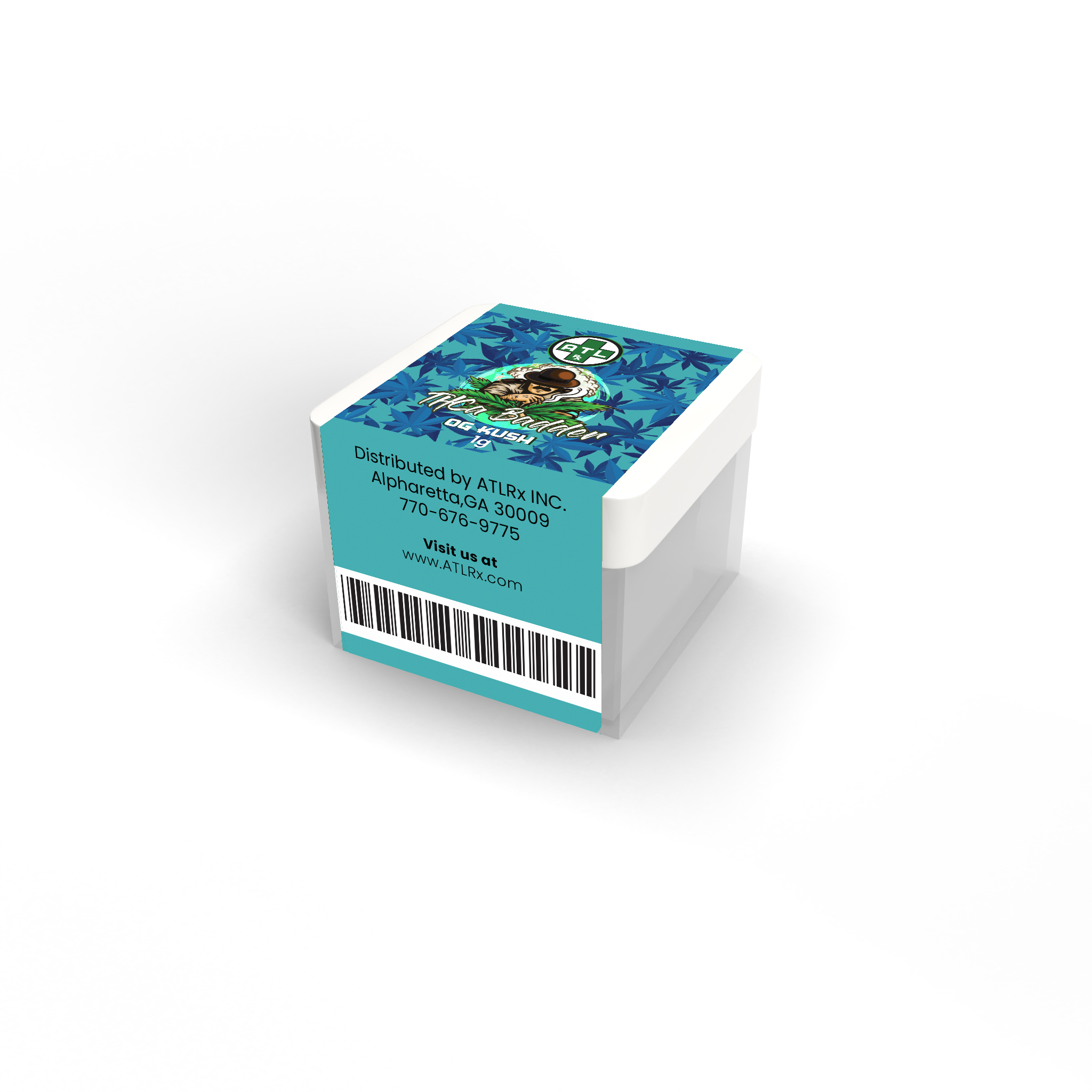
THCA Concentrates
What They Are: Extracted and refined THCA products, including:
Legal Status in NC: Legal when the final product contains ≤0.3% Delta-9 THC and is properly tested.
How They’re Used:
Dabbing with a dab rig
Vaporizing in concentrate pens
Adding a flower to increase potency
Decarboxylating to make extremely potent edibles
Effects: Highly concentrated—effects are stronger and faster than flower. Non-psychoactive until heated.
Legal Considerations:
Require very precise COA documentation due to high potency
Must clearly show compliant Delta-9 levels despite high THCA content
Appearance may raise questions—always keep documentation
Proper dosing is essential due to the concentration
Safety Note: Concentrates can contain 70-99% THCA. Start with very small amounts if you’re new to these products.
THCA Edibles
What They Are: Food products infused with THCA, including:
THCA gummies
THCA chocolates
THCA baked goods
THCA capsules
THCA tinctures/oils
Legal Status in NC: Legal when meeting federal hemp standards, but complicated.
Important Distinction:
Raw THCA Edibles (Not Heated):
Contain THCA that hasn’t been decarboxylated
Non-psychoactive
Must still meet ≤0.3% Delta-9 THC requirement
Effects are subtle or non-existent
Decarboxylated THCA Edibles (Heated During Production):
THCA has been converted to Delta-9 THC through heating
Psychoactive effects
Must calculate total THC content to ensure compliance
After Nov 2026: Subject to 0.4mg per container limit
How They’re Used:
Consumed orally
Effects take 30-120 minutes to onset
Last 4-8 hours typically
Legal Considerations:
Labeling must be accurate about cannabinoid content
Child-resistant packaging is required in some jurisdictions
Must clearly indicate THC vs THCA content
Dosing information should be clear
The 2026 Challenge: The 0.4mg per container limit will make most current THCA edibles non-compliant. A standard 10mg THCA gummy far exceeds this limit.
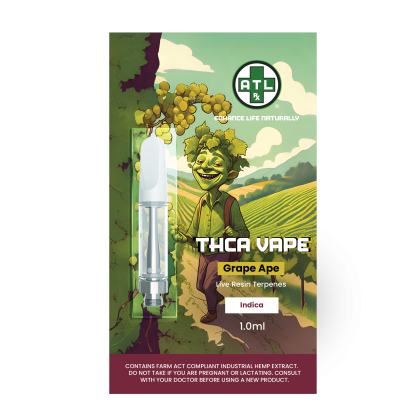
THCA Vape Cartridges and Disposables
What They Are: Vaporizer products containing THCA oil or distillate, including:
510-thread cartridges
Disposable vape pens
Pod systems with THCA
Legal Status in NC: Legal when compliant with hemp standards.
How They Work:
The battery heats the THCA oil to create vapor
Decarboxylation occurs instantly when heated
Effects felt within minutes
Legal Considerations:
Must contain ≤0.3% Delta-9 THC before heating
Some jurisdictions restrict inhalable hemp products
Proper labeling of ingredients is required
Age verification (21+) is essential
Hardware must meet safety standards
Safety Considerations:
Only purchase from reputable sources with COAs
Avoid products with vitamin E acetate or other harmful additives
Check for heavy metal testing in COAs
Ensure proper hardware quality to avoid contaminants
THCA Topicals
What They Are: Creams, lotions, balms, and patches infused with THCA, applied to skin.
Legal Status in NC: Generally legal with fewer restrictions since they’re not intended for ingestion or inhalation.
How They’re Used:
Applied directly to the skin
Absorbed through dermal layers
Typically for localized areas
Effects: Non-psychoactive even when THCA is in an activated form. Topicals don’t enter the bloodstream in significant amounts.
Legal Considerations:
Lowest regulatory scrutiny of all THCA product types
Still must meet hemp standards (≤0.3% Delta-9 THC)
Cannot make unapproved drug claims
Must avoid FDA violations regarding disease treatment claims
Advantages:
Won’t show up on drug tests
No psychoactive effects
Easier regulatory compliance
Fewer legal concerns
THCA Pre-Rolls
What They Are: Pre-rolled joints containing THCA flower, ready to smoke.
Legal Status in NC: Legal when flower meets hemp compliance standards.
Advantages:
Convenient—no rolling required
Pre-measured dose
Often include blends of different strains
Good for trying new strains in small amounts
Legal Considerations:
Same as THCA flower—must show ≤0.3% Delta-9 THC
Keep in original packaging
COA should be accessible
Some states specifically restrict smokable hemp (NC currently allows it)
Product Selection Tips
For Beginners:
Start with lower-THCA products or pre-rolls
Avoid concentrates until you understand your tolerance
Consider topicals for non-psychoactive introduction
Read reviews and start with small quantities
For Experienced Users:
High-potency flower (25-35% THCA)
Concentrates for maximum effect
Variety packs to explore different strains
Focus on terpene profiles for specific effects
For Discretion:
Vape cartridges (less odor)
Edibles (no smoke)
Topicals (completely discreet)
Can You Use THCA in Public in North Carolina?
The Short Answer: Use Caution
While THCA products are federally legal and permitted in North Carolina, using them in public—especially smoking or vaping—creates legal and practical complications.
Why Public Use Is Complicated
Visual Identification Issues:
THCA flower looks identical to marijuana
Law enforcement cannot visually distinguish legal hemp from illegal cannabis
Field tests often cannot differentiate between THCA and THC
Even with documentation, public use may draw unwanted attention
Once Heated, It’s THC:
Smoking or vaping THCA immediately converts it to Delta-9 THC
At that point, functionally, you’re consuming THC
North Carolina marijuana laws still prohibit recreational THC use
Legal gray area regarding the conversion process
Law Enforcement Perspectives
What Officers May Do:
Stop you for what appears to be marijuana use
Request to see the product and documentation
Potentially confiscate the product pending testing
Issue citations that must be resolved in court (even if legal)
Conduct field sobriety tests if driving
What You Should Have:
Original packaging with labels
Certificate of Analysis (COA) accessible on your phone or printed
Receipt showing legal purchase
Government-issued ID proving you’re 21+
Reality Check: Even with all the documentation, you may still face:
Temporary detention while officers investigate
Product confiscation until lab testing confirms compliance
Inconvenience and potential legal costs
The burden of proving compliance falls on you
Where Public Use Is Most Risky
High-Risk Locations:
Near schools, playgrounds, or daycare centers
Government buildings and property
Public parks in family-oriented areas
While driving or in vehicles
Federal property (airports, federal buildings, national parks)
Moderate-Risk Locations:
Downtown areas with heavy foot traffic
Shopping centers and parking lots
Outdoor events and festivals
College campuses
Lower-Risk Locations (But Not Risk-Free):
Private property with the owner’s permission
Your own home or backyard
Private outdoor spaces away from public view
Designated smoking areas (though policies vary)
Driving Considerations
Critical Warning: Do NOT use THCA products while driving or immediately before driving.
Legal Issues:
North Carolina has DUI laws that apply to impairment from any substance
Field sobriety tests apply
Blood tests cannot distinguish between legal THCA use and illegal marijuana
“Drugged driving” charges can result even with legal products
Open container laws may apply
Best Practice:
Never use THCA products and drive
Store products in the trunk if transporting
Keep in sealed, original packaging during transport
Don’t consume in vehicles, even as a passenger
Practical Recommendations
Safest Approach:
Use at Home: Private consumption eliminates most risks
Wait for Private Spaces: If you’re out, wait until you’re on private property
Be Discreet: Even in legal situations, discretion prevents complications
Carry Documentation: Always have COA and packaging accessible
Know Your Rights: You’re not required to consent to searches, but cooperation often de-escalates situations
Stay Informed: Laws and enforcement priorities can change
If Stopped by Law Enforcement:
Remain calm and polite
Provide your ID and comply with lawful requests
Present your product documentation and COA
Explain it’s legal hemp with compliant THC levels
Don’t consent to searches beyond what’s required
Don’t volunteer information beyond what’s asked
If charged, contact a lawyer familiar with hemp laws
Social Considerations
Beyond legal issues, consider:
Secondhand exposure concerns for others
Property owner policies and lease agreements
Employer drug policies (even for legal products)
Professional reputation impacts
Family and social dynamics
Bottom Line on Public Use
Our Recommendation: Treat THCA products as you would alcohol:
Legal to purchase and possess (21+)
Best consumed in private
Avoid driving after use
Be respectful of others’ spaces and comfort levels
Understand that legal doesn’t mean appropriate everywhere
The legal landscape is clear: THCA is legal in North Carolina. But practical reality suggests that private, responsible use is the smart choice until the market matures and enforcement practices become more standardized.
THCA and Drug Testing in NC
Will THCA Show Up on a Drug Test?
Yes, almost certainly. This is one of the most important things to understand about THCA products: legal doesn’t mean undetectable.
How Drug Testing Works
Standard drug tests screen for:
THC-COOH (THC metabolite)
This is what your body creates when processing THC
Tests look for this metabolite, not THC itself
The Problem:
When you consume THCA (by heating it), it converts to Delta-9 THC
Your body metabolizes this THC into THC-COOH
Drug tests cannot distinguish between:
THC from legal THCA products
THC from illegal marijuana
THC from legal Delta-9 hemp products
Result: You will likely test positive for cannabis use, regardless of whether your THCA product was legal.
Types of Drug Tests and Detection Windows
Urine Tests (Most Common):
Detection window: 3-30 days, depending on frequency of use
Occasional use: 3-7 days
Regular use: 15-30 days
Heavy use: 30+ days
Most employer and legal testing uses urine
Blood Tests:
Detection window: 1-2 days for occasional use, up to 7 days for heavy use
Less common except in DUI or accident investigations
Shows recent/active use
Hair Follicle Tests:
Detection window: Up to 90 days
Used for some employment and legal situations
Most extensive detection period
Saliva Tests:
Detection window: 1-3 days
Growing in popularity for roadside testing
Shows very recent use
Employment Drug Testing in North Carolina
Private Employers:
Can require drug testing as a condition of employment
Can terminate for positive marijuana tests even if consumption was legal
“Drug-free workplace” policies typically don’t distinguish legal hemp from marijuana
No requirement to accommodate legal THCA use (unlike some medical marijuana states)
Federal Employees and Contractors:
Subject to federal drug-free workplace policies
Marijuana (and by extension, THCA products that convert to THC) is prohibited
Zero tolerance regardless of state legality
DOT-Regulated Positions:
Commercial drivers, pilots, railroad workers, etc.
Strict federal testing requirements
Positive test = disqualification
No exceptions for legal hemp products
Pre-Employment vs. Random Testing:
Pre-employment: Standard screening often includes marijuana
Random testing: Policies vary by employer
Post-accident: Almost always includes drug screening
Reasonable suspicion: The Supervisor can request testing
What to Do If You’re Subject to Drug Testing
If You Know Testing Is Coming:
Stop using THCA products immediately: The sooner you stop, the better
Calculate detection window: Consider your usage frequency and test type
Hydrate naturally: Don’t overdo it—labs can detect dilution
Allow time: For occasional users, 1-2 weeks may be sufficient; heavy users need 30+ days
Home test kits: Consider testing yourself beforehand (available at pharmacies)
If You’re Subject to Random Testing:
Avoid THCA products entirely: No product is “safe” for drug testing
Consider alternatives: Non-intoxicating CBD products without THC/THCA
Check your employer policy: Some now use higher cutoff levels or don’t test for marijuana
Understand consequences: Know your employer’s penalty structure
If You Test Positive:
Be honest: Explain that you used legal hemp products (if that’s the truth)
Provide documentation: Show COAs and receipts proving legal compliance
Understand it may not matter: Many employers and agencies don’t distinguish legal hemp from marijuana
Know your options: Some employers offer retesting or rehabilitation programs
Legal consultation: Consider speaking with an attorney if the consequences are severe
Special Considerations for North Carolina
Medical Marijuana Exception:
North Carolina doesn’t have a medical marijuana program
No workplace protections for any cannabis use
Employers are not required to accommodate even medical use (in states that do have programs, laws vary)
CBD Exception:
True CBD products (CBD isolate with 0% THC) won’t cause positive tests
However, many CBD products contain trace THC
“Full-spectrum” CBD includes THC and can cause positive tests
Only “THC-free” or “isolate” CBD is truly safe for testing
Athlete Testing:
College athletes: NCAA tests for marijuana
Professional athletes: League policies vary; most still prohibit marijuana
Olympic sports: WADA rules apply (THC is permitted out-of-competition but not in-competition)
Legal Protections (Or Lack Thereof)
What NC Law Does NOT Protect:
Your right to use legal THCA and remain employed
Your ability to pass drug tests after legal use
Your job is to test positive, even for legal products
No “Safe” THCA Product for Drug Testing:
All THCA products that are heated will cause positive tests
“Passing a drug test” claims are false advertising
Detox products have limited effectiveness
Recommendations by Situation
If You’re Never Tested:
Use THCA products as desired, within legal parameters
Still use responsibly (driving, work performance, etc.)
If You’re Occasionally Tested:
High risk—not recommended
If you choose to use, stop at least 30 days before anticipated testing
Consider whether your job is worth the risk
If You’re Randomly Tested:
Do not use THCA products, period
Not worth the career risk
Consider non-intoxicating alternatives
If You’re a Professional (Doctor, Lawyer, Pilot, etc.):
Licensing boards may have zero-tolerance policies
A positive test could threaten licensure
Extreme caution advised—probably best to avoid entirely
Bottom Line on Drug Testing
The harsh reality: Legal THCA use and passing drug tests are incompatible for most people. While THCA products are legal to purchase and use in North Carolina, they will almost certainly cause you to fail standard drug tests.
Consider carefully:
Is your employer worth more than the product?
Can you afford to risk your professional license?
Are you willing to deal with potential legal consequences (probation, custody, etc.)?
If you’re subject to any form of drug testing, the safest course is to avoid all THCA products entirely. Legal status doesn’t provide protection from workplace or professional consequences.
Legal Risks and Penalties
North Carolina Cannabis Possession Penalties
Understanding the penalties for illegal cannabis possession in North Carolina is crucial, especially since THCA flower can be visually indistinguishable from marijuana.
Every batch is tested by accredited third-party labs
Full-panel COAs available for all products
Tests confirm ≤0.3% Delta-9 THC compliance
Contaminant screening (pesticides, heavy metals, microbials)
Potency verification for accurate dosing
3. Premium Quality:
Indoor-grown flowers for superior quality
Carefully selected genetics
Optimal harvest timing for peak cannabinoid content
Proper curing and storage
Terpene-rich products for full entourage effect
4. Transparent Sourcing:
U.S.-grown hemp from licensed cultivators
Clear origin information
Sustainable farming practices
Quality over quantity approach
5. Customer-First Approach:
Easy online ordering with discreet shipping
Detailed product descriptions
Educational resources and blog content
Responsive customer support (1-855-420-8278)
Satisfaction guarantee
6. Compliance and Safety:
Age verification at purchase
Products meet all federal and North Carolina requirements
Regular monitoring of regulatory changes
Commitment to legal, safe products
7. Competitive Pricing:
High-quality products at fair prices
Regular promotions and bundles
Bulk options for cost savings
No hidden fees or excise taxes
How to Order from ATLRx
Simple Online Process:
Browse Products: VisitATLRx.com and explore THCA product categories
Select Your Products: Choose strain, strength, and quantity
Review COAs: Click on lab results for any product before purchasing
Verify Age: Complete age verification (21+ required)
Checkout: Secure payment processing
Discreet Shipping: Fast, discreet delivery to your North Carolina address
Shipping to North Carolina:
Compliant with federal and state hemp laws
Discreet packaging
Tracking information provided
Typically arrives within 3-5 business days
Questions? Contact ATLRx
Customer Support:
Phone: 1-855-420-8278
Website: ATLRx.com
Business hours: Monday-Friday, responsive support team
Resources Available:
Detailed product guides
Educational blog articles
COA library
Dosing recommendations
Usage instructions
ATLRx Product Highlights for NC Residents
Popular THCA Flower Strains:
High-potency indoor-grown options
Indica, sativa, and hybrid varieties
Detailed terpene profiles for effect targeting
Fresh, properly cured buds
THCA Gummies:
Precisely dosed for consistency
Great for those who prefer not to smoke
Various flavors and strengths
Discreet consumption option
THCA Vape Carts:
Pure, clean THCA oil
Compatible with standard 510-thread batteries
Lab-tested for contaminants
Smooth, flavorful vapor
THCA Concentrates:
Various forms (diamonds, crumble, badder)
Extremely high potency
For experienced users
Versatile use (dabbing, adding to a flower)
Why Online Shopping Works Best for THCA
Advantages Over Local Retail:
Better Selection: Online retailers offer more strains and products
More Information: Detailed descriptions, COAs, and reviews
Price Comparison: Easy to compare options and find the best value
Privacy: Discreet shopping and delivery
Convenience: Shop anytime, delivered to your door
Education: Access to articles, guides, and customer support
Quality Assurance: Established online brands have reputations to maintain
Making Your First Purchase
Tips for First-Time Buyers:
Start Small: Order a small quantity to try before buying bulk
Read Reviews: See what other customers say about specific products
Ask Questions: Contact customer support if you’re unsure
Check COAs: Always review lab results before trying a product
Start Low, Go Slow: Begin with lower-potency options
Document Everything: Save your order confirmation and product info
Comparing Local vs. Online Options
Factor
ATLRx (Online)
Local Retailers
Product Selection
Extensive
Limited
COA Access
Complete, easy access
Varies, sometimes difficult
Price
Competitive
Often higher
Convenience
Shop 24/7, home delivery
Store hours, must travel
Privacy
High (discreet shipping)
Lower (in-person)
Education
Detailed resources
Depends on staff knowledge
Quality Control
Consistent, tested
Variable
Customer Support
Phone and email
In-person only
Your Next Steps
Ready to experience premium THCA products in North Carolina?
Visit ATLRx.com to browse products
Review detailed product information and COAs
Choose products that fit your needs
Complete secure checkout with age verification
Receive your order discreetly at your North Carolina address
Enjoy high-quality, legal THCA with confidence
Questions before ordering? Call ATLRx customer support at 1-855-420-8278 for personalized assistance.
Future Outlook: 2025-2026 Regulatory Changes
The Changing Landscape
The THCA market stands at a crossroads. While currently legal and thriving, significant federal changes taking effect in November 2026 will reshape the industry. Here’s what to expect and how to prepare.
Timeline of Expected Changes
Now Through February 10, 2026:
The FDA must publish lists of natural cannabinoids
Identification of cannabinoids with “THC-like effects.”
Clarification of the “container” definition for the 0.4mg limit
Industry and states prepare for compliance transition
February – November 2026:
Manufacturers reformulate products
Testing laboratories update protocols
Retailers adjust inventory
Consumer education campaigns
Possible legal challenges to new regulations
November 12, 2026:
New hemp definition takes effect
Total THC (including THCA) limits begin
0.4mg per container rule enforced
Synthetic cannabinoid ban implemented
Non-compliant products become illegal to sell
Post-November 2026:
Market consolidation likely
Fewer products available
Price changes as the market adjusts
Potential state-level variations in enforcement
Possible congressional action (repeal or modification)
What Will Likely Disappear
Products Expected to Become Non-Compliant:
High-THCA Flower:
Most current flower (20-35% THCA) will exceed 0.3% total THC
Larger companies with resources to reformulate survive
Reduced product variety
Potential price increases for compliant products
Innovation:
Development of compliant formulations
Focus on non-intoxicating cannabinoids
Advances in low-dose delivery methods
Possible cultivation of ultra-low-THC strains
State-Level Responses
Possible North Carolina Actions:
Maintain Federal Alignment:
Follow new federal definitions
Adopt total THC standards
Enforce container limits
Most likely Scenario given NC’s historical approach
More Restrictive State Law:
Additional state-level bans
Stricter testing requirements
Enhanced age verification
Possible through bills like HB 563
Create State Hemp Program Exemptions:
Less likely but possible
State-specific hemp standards
Would require legislative action
Political will uncertain
Other States’ Approaches:
Some states may ban all intoxicating hemp (already happening in several)
Others may challenge federal definitions legally
Potential for a state-by-state patchwork of rules
Interstate commerce complications
Legal Challenges Expected
Grounds for Legal Challenge:
Overreach of Federal Authority:
The Farm Bill was meant to legalize hemp
New restrictions arguably undo that intent
State sovereignty arguments
Economic Harm:
Devastating impact on legitimate businesses
Jobs and tax revenue loss
Small business destruction
Ambiguous Language:
“Similar effects” to THC is vague
“Container” definition unclear before FDA guidance
Enforceability questions
Likelihood:
Legal challenges are expected
Could delay implementation
Ultimate outcomes uncertain
It may take years to fully resolve
Congressional Action: H.R. 6209
Repeal Effort:
On November 20, 2025, Representative Nancy Mace (R-SC) introducedH.R. 6209 to repeal Section 781 (the hemp restrictions) of the November 2025 appropriations act.
Bill Details:
Bipartisan support (co-sponsors from both parties)
Would restore the 2018 Farm Bill hemp definition
Eliminate total THC and container limits
Allow synthetic cannabinoids to remain
Chances of Passage:
Faces an uphill battle
Leadership in both chambers would need to support
Hemp opponents remain influential
Timeline uncertain—could be months or never
What This Means:
Market uncertainty continues
Businesses are hesitant to invest in reformulation
Consumers are unsure whether to stock up
Wait-and-see approach prevails
What Consumers Should Do Now
Short-Term (Through 2026):
Enjoy Current Products:
THCA products remain fully legal
No immediate changes before November 2026
Take advantage of the current selection
Stay Informed:
Monitor FDA guidance (due February 2026)
Watch congressional repeal efforts
Follow North Carolina legislative actions
Check reliable news sources and advocacy groups
Buy from Reputable Sources:
Now more than ever, quality and compliance matter
Stick with established brands like ATLRx
Ensure you’re supporting businesses positioned to survive
Don’t Panic Buy:
Product will be available through November 2026
No need to hoard or stock excessive amounts
Legal changes could be modified or delayed
Long-Term Planning:
Consider Alternatives:
Explore non-intoxicating CBD products
Learn about other legal cannabinoids
Research wellness alternatives
Advocacy:
Contact your NC representatives
Support hemp industry advocacy groups
Make your voice heard on these policies
Be Flexible:
The market will evolve regardless of specific outcomes
New products and formulations will emerge
Adaptability is key
Monitoring Key Indicators
What to Watch:
FDA Guidance (By February 10, 2026):
Lists of cannabinoids
“Container” definition clarification
Enforcement priorities indicated
H.R. 6209 Progress:
Committee assignments
Co-sponsor growth
Floor votes scheduled
Senate companion bill
Legal Challenges:
Court filings
Preliminary injunction requests
Industry coalition formation
State Legislative Activity:
North Carolina bills introduced
Other states’ responses
Enforcement guidance from state agencies
Industry Responses:
Product reformulations announced
Business closures or mergers
Price changes
New product development
The Bigger Picture: Federal Cannabis Policy
THCA Restrictions as Part of Broader Debate:
The hemp restrictions aren’t happening in isolation. They’re part of ongoing federal cannabis policy debates:
Marijuana Rescheduling:
DEA is considering moving marijuana from Schedule I to Schedule III
Would change the legal landscape significantly
Timeline uncertain, process ongoing
State-Level Legalization:
More states are legalizing medical/recreational marijuana
Some argue the hemp loophole undermines state marijuana programs
Others see it as proof of failed prohibition
The political middle ground is difficult to find
Predictions for North Carolina
Most Likely Scenario (70% Probability):
New federal rules take effect in November 2026
North Carolina adopts federal standards
High-THCA products disappear or become very limited
Market shrinks significantly but doesn’t disappear entirely
Low-dose, compliant products emerge
ATLRx and other quality retailers adapt and survive
Optimistic Scenario (20% Probability):
H.R. 6209 passes, repealing restrictions
Hemp market continues largely as is
Further reforms possible
Industry grows and professionalizes
Pessimistic Scenario (10% Probability):
Federal enforcement aggressive
North Carolina adds additional state restrictions
Market effectively eliminated
Only traditional, non-intoxicating hemp products remain
Final Thoughts on the Future
The next 18 months will be transformative for the THCA and broader hemp industry. While uncertainty is uncomfortable, North Carolina consumers currently have access to legal, high-quality THCA products from trusted sources like ATLRx.
Key Takeaways:
Enjoy responsibly now while the selection is at its peak
Stay informed about regulatory developments
Support quality businesses positioned for long-term success
Be prepared for market changes after November 2026
Remain optimistic that sensible hemp policy may yet prevail
The hemp industry has shown remarkable resilience and innovation since 2018. Whatever comes next, quality retailers and educated consumers will find a path forward.
Frequently Asked Questions
Is THCA legal in North Carolina in 2025?
Yes, THCA is legal in North Carolina in 2025 when derived from hemp and containing less than 0.3% Delta-9 THC on a dry weight basis. However, significant federal changes take effect in November 2026 that will impact THCA product availability.
How Old Do You Have to Be to Buy THCA in NC?
You must be at least 21 years old to legally purchase THCA products in North Carolina, as established by Senate Bill 328 (2023).
Will THCA Show up on a Drug Test?
Yes, THCA will almost certainly cause you to test positive on standard drug tests. When you heat THCA (smoking, vaping, or cooking), it converts to Delta-9 THC. Your body metabolizes this THC into THC-COOH, which is what drug tests detect. Standard tests cannot distinguish between THC from legal THCA products and THC from marijuana.
Can You Smoke THCA Flower in Public in North Carolina?
While technically legal, smoking THCA flower in public is not recommended. THCA flower looks and smells identical to marijuana, and law enforcement cannot visually distinguish between them. You may be stopped, questioned, or even temporarily detained until compliance can be verified. It’s safest to consume THCA products privately on your own property.
What’s the Difference Between THCA and Delta-9 THC?
THCA (tetrahydrocannabinolic acid) is the non-psychoactive precursor to Delta-9 THC found in raw cannabis plants. THCA doesn’t produce intoxicating effects in its natural form. When heated through smoking, vaping, or cooking (decarboxylation), THCA converts into Delta-9 THC, which is psychoactive. This chemical conversion is why THCA products can produce cannabis-like effects despite technically being legal hemp.
What Happens to THCA in November 2026?
On November 12, 2026, new federal hemp regulations take effect that change the definition of hemp to include “total THC” (Delta-9 + THCA) rather than just Delta-9 THC alone. This means most current high-THCA products will become federally non-compliant. Additionally, a 0.4 milligram per container limit will apply to finished hemp products, effectively eliminating most THCA edibles and many other products.
Where Can I Legally Buy THCA in North Carolina?
You can legally purchase THCA products from licensed online retailers like ATLRx and from local hemp shops and CBD stores in North Carolina. Always verify that retailers provide third-party lab testing (COAs) showing products contain less than 0.3% Delta-9 THC and are derived from legal hemp sources.
Does North Carolina Have Specific THCA Laws?
North Carolina doesn’t have THCA-specific laws. The state follows federal hemp regulations established by the 2018 Farm Bill. Key state legislation includes Senate Bill 315 (2019 NC Farm Act), which aligned state law with federal hemp rules, and Senate Bill 328 (2023), which established the 21+ age requirement for hemp products.
Can I Travel with THCA Products in North Carolina?
Yes, you can travel with THCA products within North Carolina as long as they’re compliant with federal hemp standards (≤0.3% Delta-9 THC). Keep products in original packaging with labels and have the Certificate of Analysis (COA) accessible. However, traveling across state lines or flying with THCA is not recommended, as other states may have different laws, and federal jurisdiction at airports creates complications.
What Should I Look for in a Certificate of Analysis (COA)?
A proper COA should show: (1) Cannabinoid profile including THCA and Delta-9 THC percentages, with Delta-9 at ≤0.3%; (2) Testing lab name and accreditation status; (3) Batch or lot number matching your product; (4) Testing date (preferably within past 6-12 months); (5) Contaminant screening for pesticides, heavy metals, and microbials; and (6) A way to verify results independently (QR code or lab website reference).
Will THCA Get You High?
THCA itself is non-psychoactive and won’t get you high in its raw form. However, when you heat THCA through smoking, vaping, or cooking, it converts into Delta-9 THC through decarboxylation. Once converted, it produces effects nearly identical to traditional cannabis, including euphoria, relaxation, altered perception, and other typical marijuana effects.
Can I Grow THCA Plants in North Carolina?
Growing hemp in North Carolina requires a license from the USDA (as of recent changes from state to federal oversight). You cannot simply grow THCA plants at home without proper licensing. The application process includes background checks and compliance with federal hemp cultivation standards. Unlicensed cultivation of cannabis plants, even if they could theoretically test as hemp, is illegal.
What’s the Penalty for Possessing Illegal Cannabis in NC?
North Carolina penalties for marijuana possession range from Class 3 misdemeanors (up to 0.5 oz: ~$200 fine) to Class H felonies (10+ lbs: 4-25 months imprisonment plus fines). Amounts between 0.5 and 1.5 oz are Class 1 misdemeanors (up to $500 fine and 45 days jail). These penalties apply to illegal marijuana, not compliant THCA products, but you must be able to prove your product is legal hemp.
Are THCA Edibles Legal in North Carolina?
Currently, yes, THCA edibles are legal in North Carolina if they contain ≤0.3% Delta-9 THC and are derived from legal hemp. However, starting November 2026, federal regulations will impose a 0.4 milligram per container limit for total THC (including THCA), which will make most current THCA edibles non-compliant. Edibles with decarboxylated (activated) THCA must calculate total THC content carefully.
How Is North Carolina’s THCA Law Different from Those of Other States?
North Carolina follows federal hemp law without adding significant state-specific restrictions (beyond age limits). Some neighboring states have banned THCA or high-THC hemp products entirely, while others have more restrictive rules. North Carolina’s approach is relatively permissive compared to states like South Dakota or Rhode Island, but less developed than states with established cannabis programs like Colorado or California.
Can Employers Fire You for Legal THCA Use in North Carolina?
Yes. North Carolina is an at-will employment state, and employers can maintain drug-free workplace policies that prohibit marijuana use, even if your consumption involves legal THCA products. Testing positive for THC metabolites (which THCA use will cause) can result in termination, regardless of whether the product was federally legal. North Carolina law provides no protections for legal cannabis use related to employment.
What’s the Difference Between Hemp and Marijuana in North Carolina?
Under current law, “hemp” is Cannabis sativa L. with ≤0.3% Delta-9 THC on a dry weight basis (before heating). “Marijuana” is cannabis exceeding this threshold. This distinction is based on a single chemical measurement, even though the plants may be genetically identical. Hemp is legal; marijuana is illegal for recreational use in North Carolina (no medical marijuana program exists as of 2025).
Can I Use THCA If I’m on Probation in North Carolina?
No. If you’re on probation in North Carolina, you’re almost certainly prohibited from using any cannabis products, including legal THCA. Probation conditions typically include abstaining from illegal drugs and often specify marijuana specifically. Even though THCA products are legal, they convert to THC and will cause positive drug tests, violating probation terms. Consult your probation officer before using any hemp products.
What’s the Best THCA Product for Beginners?
For beginners, THCA pre-rolls or low-potency flower (15-20% THCA) are recommended starting points. These allow you to control dosing by taking just one or two puffs and waiting to assess effects. Alternatively, THCA gummies with clear dosing (start with 5-10mg) provide predictable experiences. Avoid high-potency concentrates (diamonds, isolates) until you understand your tolerance and response to THCA.
How Should I Store THCA Products?
Store THCA products in airtight containers away from light, heat, and moisture. Glass jars with tight seals work best for flower. Keep products in a cool, dark place like a cabinet or drawer. Proper storage maintains potency and preserves terpenes for 6-12 months. For concentrates, refrigeration can extend shelf life. Always keep products in original packaging when traveling to maintain documentation of legality.
Is THCA the Same Thing as THC?
No, but they’re closely related. THCA is the acidic precursor to THC found in raw cannabis. The “A” stands for “acid.” THCA isn’t psychoactive in its natural state. When heated (smoking, vaping, cooking), THCA undergoes decarboxylation—losing a carbon dioxide molecule and converting into Delta-9 THC, which is psychoactive. Raw THCA and activated THC have very different effects, but most THCA products are consumed in ways that immediately convert them to THC.
Staying Compliant and Informed in North Carolina
Current Status Summary
As of February 2025, THCA products are legal in North Carolina when they meet federal hemp standards:
✅ Derived from licensed hemp cultivation
✅ Contain ≤0.3% Delta-9 THC by dry weight
✅ Properly tested and documented
✅ Sold only to adults 21 and older
You can legally purchase THCA flower, concentrates, edibles, vapes, and topicals from reputable retailers like ATLRx, both online and in local stores.
Key Takeaways
Legal Framework:
The 2018 Farm Bill legalized hemp (current rules through November 2026)
North Carolina follows federal standards with added age restrictions (Senate Bill 328)
THCA is not listed as a controlled substance in NC
Total THC testingbegins in November 2026, changing the landscape significantly
Buying Safely:
Always verify Certificates of Analysis (COAs)
Purchase from established, transparent retailers
Keep products in original packaging with labels
Understand that legal doesn’t mean risk-free in all situations
Usage Considerations:
Legal to purchase and possess, but use privately
Will cause positive drug tests despite legality
Not protected under employment policies
Document compliance if questioned by law enforcement
Future Changes:
November 2026 brings major federal regulatory changes
Most current high-THCA products will become non-compliant
Buy only from reputable sources with transparent testing
Verify COAs before purchasing and keep them accessible
Use products responsibly and privately
Stay informed about regulatory changes
Understand your rights and the limits of legal protections
Don’t drive or operate machinery after using THCA
Keep documentation with you when transporting products
Respect others’ spaces and follow property rules
Moving Forward
The THCA market offers North Carolina consumers a legal alternative to marijuana, but it exists in an evolving regulatory environment. What’s certain today may change tomorrow. Your best protection is:
Education: Understanding the laws and your rights
Quality: Choosing reputable retailers with proven compliance
Responsibility: Using products safely and appropriately
Awareness: Monitoring legal developments and adapting accordingly
Where to Learn More
Stay Informed:
ATLRx blog and educational resources
North Carolina Department of Agriculture & Consumer Services
U.S. Hemp Roundtable for industry advocacy
Congressional updates on hemp legislation
Local news for North Carolina-specific developments
Consult with attorneys specializing in hemp law for specific legal questions
Join hemp advocacy groups to stay connected with the community
Your Next Steps
Ready to experience high-quality, legal THCA in North Carolina?
Explore products at ATLRx.com
Review detailed information and lab results
Make informed choices based on your needs
Purchase confidently from a trusted source
Use responsibly and stay informed about regulations
Questions? ATLRx customer support is ready to help: 1-855-420-8278
Disclaimer: This guide provides educational information about THCA legality in North Carolina as of February 2025. It is not legal advice. Laws and regulations change frequently. Always consult current laws, verify product compliance, and seek professional legal counsel for specific situations. ATLRx is committed to compliance with all applicable laws and providing customers with accurate, up-to-date information about our products and the legal landscape.
Health Disclaimer: This article does not provide medical advice. THCA products are not intended to diagnose, treat, cure, or prevent any disease. The information provided is for educational purposes only. Consult with a healthcare professional before using any cannabis or hemp products, especially if you have health concerns or take medications.
Cannabis Industry Expert & Compliance Specialist
Jen Hight is a cannabis industry professional with extensive experience in hemp compliance, product development, and consumer education. With a background in regulatory affairs and a passion for helping consumers navigate the complex world of cannabinoids, Jen provides accurate, up-to-date information on hemp legality and best practices. Her work focuses on making cannabis knowledge accessible while ensuring readers understand both the opportunities and responsibilities that come with legal hemp products.



 >
Blogs
>
THCA >
Is THCA Legal in North Carolina? 2026 Complete Legal Guide
>
Blogs
>
THCA >
Is THCA Legal in North Carolina? 2026 Complete Legal Guide