

$39.99
ARE YOU 21 YEARS OF AGE OR OLDER?
REMEMBER ME
Seriously, by using this site you are confirming that you are of legal age (21+) to view and purchase these products. If you are you are not over 21. you are not authorized by us to use or view any of the pages of this site. Please review our terms and conditions at checkout for further stipulations.
 >
Blogs
>
Delta 8 >
Is Delta 8 Legal in North Carolina? 2026 Legal Guide
>
Blogs
>
Delta 8 >
Is Delta 8 Legal in North Carolina? 2026 Legal Guide
THE STATEMENTS ON THIS BLOG ARE NOT INTENDED TO DIAGNOSE, TREAT, CURE, OR PREVENT ANY DISEASE. THE FOOD AND DRUG ADMINISTRATION HAS NOT EVALUATED ANY STATEMENTS CONTAINED WITHIN THE BLOG. ATLRX DOES NOT IN ANY WAY GUARANTEE OR WARRANT THE ACCURACY, COMPLETENESS, OR USEFULNESS OF ANY MESSAGE. THE INFORMATION CONTAINED WITHIN THIS BLOG IS FOR GENERAL INFORMATIONAL PURPOSES ONLY.
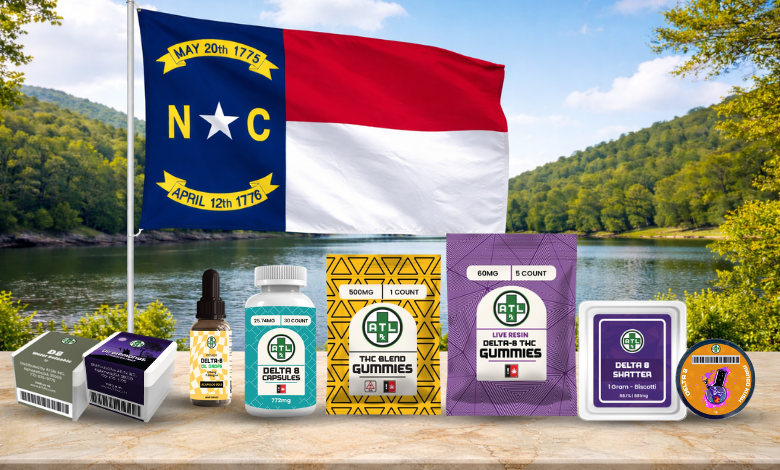
Delta 8 Legal Status in North Carolina:
Yes, Delta 8 THC is legal in North Carolina as of 2026. Under the 2018 Federal Farm Bill and North Carolina Senate Bill 352, hemp-derived Delta 8 products containing no more than 0.3% Delta-9 THC by dry weight are legal to purchase, possess, and use in NC. A 21-year-old must be present to buy. ATLRx ships Delta 8 products directly to North Carolina.
If you live in North Carolina and have been wondering whether Delta 8 THC is legal to buy, possess, or use in your state, you’re not alone. As hemp-derived cannabinoids continue to grow in popularity across the United States, Delta 8 has become one of the most searched topics among North Carolina residents curious about their options under current state law.
Yes, Delta 8 THC is legal in North Carolina. But understanding exactly why it is legal, what rules apply, where you can buy it, and what to watch out for when shopping is just as important as knowing the yes or no. North Carolina’s hemp laws are shaped by both federal legislation and state-specific statutes, and staying informed helps you make confident, compliant purchasing decisions.
In this guide, we cover everything you need to know about Delta 8 in North Carolina — from the legal framework and state statutes, to age requirements, product types, how to verify a product is compliant, and where to shop. Whether you’re a first-time buyer or a longtime hemp enthusiast, this resource is designed to give you clear, current, and trustworthy information.
Table of contents:
Delta-8-Tetrahydrocannabinol (THC) is a naturally occurring cannabinoid found in cannabis plants, including hemp. It is chemically similar to Delta 9 THC — the primary psychoactive compound in Marijuana — but differs in one key structural way: Delta 8 has a double bond on the 8th carbon atom in its chain, while Delta 9’s double bond sits on the 9th carbon atom. Because of this small structural difference, Delta 8 produces milder psychoactive effects than Delta 9 THC.
Because Delta 8 occurs in only trace amounts in hemp plants, manufacturers typically convert CBD (cannabidiol) extracted from legal hemp into Delta 8 through an isomerization process. When this process uses hemp-derived CBD and the final product contains no more than 0.3% Delta-9 THC by dry weight, the resulting Delta 8 product is federally legal under the 2018 Farm Bill.
Common Delta 8 products include:
Yes. Delta 8 THC is legal in North Carolina. Both federal and state laws allow hemp-derived Delta 8 products with no more than 0.3% Delta-9 THC to be bought, sold, possessed, and used in NC. North Carolina has not enacted any specific legislation restricting or banning Delta 8 THC, making it one of the more hemp-friendly states in the Southeast.
North Carolina’s legal framework for Delta 8 rests on two foundations: the federal 2018 Farm Bill and North Carolina’s own Senate Bill 352. Together, these laws create a clean and permissive environment for hemp-derived cannabinoids, including Delta 8.
The Agriculture Improvement Act of 2018 — commonly known as the 2018 Farm Bill — was a landmark piece of federal legislation that removed hemp and hemp-derived compounds from the federal Controlled Substances Act. The bill defines hemp as the Cannabis sativa plant and any part of it, including derivatives, extracts, cannabinoids, and isomers, provided the plant contains no more than 0.3% Delta-9 THC on a dry weight basis.
This federal definition is critical: it explicitly includes cannabinoid isomers, which cover Delta 8 THC. As a result, hemp-derived Delta 8 that meets the 0.3% Delta-9 THC threshold is federally legal. No federal law specifically bans hemp-derived Delta 8, and no federal enforcement actions have specifically targeted compliant Delta 8 products.
Federal Legal Standard
Hemp-derived Delta 8 THC is federally legal when: (1) derived from hemp plants, (2) the product contains no more than 0.3% Delta-9 THC by dry weight, and (3) it is produced from legally grown hemp under a USDA-approved program.
At the state level, North Carolina’s Senate Bill 352 — enacted in June 2022 — is the key piece of legislation that explicitly legalized Delta 8 and other hemp-derived THC compounds. SB 352 amended North Carolina’s Controlled Substances Act to remove all hemp-derived tetrahydrocannabinols (THCs) from the list of controlled substances, including Delta 8 THC and Delta 10 THC.
North Carolina General Statutes Section 106-568.51 defines hemp as:
NC Statutory Definition of Hemp (G.S. 106-568.51)
“Hemp means the plant Cannabis sativa (L.) and any part of that plant, including the seeds thereof and all derivatives, extracts, cannabinoids, isomers, acids, salts, and salts of isomers, whether growing or not, within a Delta-9 THC concentration of three-tenths percent (0.3%) on a dry weight basis.”
This statutory language — particularly the inclusion of ‘derivatives, extracts, cannabinoids, isomers’ — provides the legal foundation for hemp-derived Delta 8’s Legality in North Carolina. Because Delta 8 is a cannabinoid isomer derived from hemp, it falls squarely within this definition.
SB 352 also established age verification requirements, requiring that hemp-derived THC products be sold only to adults 21 years of age or older in North Carolina.
| ⚠️ Important 2026 Legislative Update: North Carolina House Bill 328North Carolina House Bill 328 (“Regulate Hemp-Derived Consumables”) is a significant 2025–2026 legislative development that all Delta 8 buyers and retailers in NC should be aware of. Key provisions are scheduled to take effect July 1, 2026. ATLRx will continue to monitor and comply with any changes as they become law. |
North Carolina House Bill 328 was introduced in March 2025 under the original title “Ban Delta-8 & Delta-9 on School Grounds.” It passed the House on April 16, 2025, by a unanimous 112–0 vote. The Senate significantly expanded the bill’s scope in June 2025, renaming it “Regulate Hemp-Derived Consumables,” and passed the revised version in a 35–7 vote on June 19, 2025. As of March 2026, the bill has been referred back to the House Committee on Rules, Calendar, and Operations and has not yet been enacted into final law. Its comprehensive hemp regulatory provisions are currently scheduled to take effect July 1, 2026, if signed.
If enacted as currently written, House Bill 328 would introduce the most comprehensive regulatory framework for hemp-derived consumables in North Carolina’s history. The major provisions include:
| Provision | Details |
| Age Restriction | Sale of all hemp-derived consumable products is restricted to adults 21 and older. Online purchases require age verification. Violations are classified as a Class 2 misdemeanor. |
| Mandatory Licensing | Manufacturers, distributors, and retailers must obtain a license from the NC ALE Division by July 1, 2026. Initial fees: manufacturing ($25,000), distribution ($5,000), retail ($500). |
| Mandatory Third-Party Testing | All hemp-derived consumables must have a valid COA from an accredited independent laboratory confirming cannabinoid content and absence of contaminants, including pesticides, heavy metals, and residual solvents. |
| Labeling & Packaging | Products must display consumer safety warnings, full ingredient lists, and child-resistant packaging. Marketing targeting individuals under 21 is prohibited. THC content per serving must be clearly labeled. |
| School Grounds Ban | Possession and use of all hemp-derived consumable products are prohibited on K-12 school grounds, buildings, and at school-sponsored events, regardless of age. School districts must adopt written enforcement policies. |
| THC Serving Limits | Non-liquid ingestibles: maximum 10mg Delta-9 THC per serving. Liquid ingestibles: maximum 10mg per serving. Inhalable products: maximum 3ml per container. All products must remain at or below 0.3% Delta-9 THC by dry weight. |
| Effective Date | Main hemp regulatory provisions: July 1, 2026 (pending final enactment). School grounds ban: effective upon signing. As of March 2026, HB 328 has not yet been signed into final law. |
As of March 2026, Delta 8 THC remains legal in North Carolina. House Bill 328 has not yet been signed into law, and its comprehensive provisions are not yet in effect. However, consumers should be aware that if and when the bill is enacted, the hemp retail landscape in North Carolina will become more regulated, which is broadly positive news for consumers who prioritize product safety, transparency, and quality assurance.
ATLRx already operates in compliance with the standards HB 328 would require — including 21+ age verification, batch-specific third-party COA testing, clear cannabinoid labeling, and child-resistant packaging. We will continue to monitor this legislation and update our customers as any changes take effect.
In addition to House Bill 328, North Carolina buyers should also be aware of a separate federal development: a provision in the federal Continuing Appropriations Act of 2026 (signed November 2025) contains language that would restrict most synthetic hemp-derived cannabinoids — including Delta-8 — at the federal level by November 2026. This federal provision is currently the subject of active legislative debate, including a bipartisan congressional effort to repeal it. ATLRx is monitoring this federal situation closely and will provide updates as the regulatory picture becomes clearer.
North Carolina requires consumers to be 21 years of age or older to purchase Delta 8 THC products, both online and in-store. This requirement applies to all hemp-derived THC products, including Delta 8, Delta 9, and Delta 10.
ATLRx enforces strict 21+ age verification on all purchases. Online customers must verify their age before completing a purchase. This age restriction exists regardless of whether the purchase is made in person at a local retailer or online with shipping to NC.
Age Requirement in NC
You must be 21 years of age or older to purchase Delta 8 THC products in North Carolina. Age verification is required for both online and in-store purchases.
Delta 8 hemp-derived products containing no more than 0.3% Delta-9 THC are legal in North Carolina.
This includes a wide variety of product formats:
All Delta 8 products sold by ATLRx are produced from U.S.-grown hemp, independently lab-tested by DEA-registered third-party laboratories, and accompanied by a Certificate of Analysis (COA) confirming legal Delta-9 THC levels and cannabinoid content.
Not all Delta 8 products on the market are created equal. Before purchasing any Delta 8 product in North Carolina — online or in person — it is important to verify the product’s legal compliance. The primary tool for doing this is a Certificate of Analysis (COA).
A Certificate of Analysis is a document produced by an independent, third-party laboratory that confirms the cannabinoid content and purity of a hemp product. A compliant COA for a Delta 8 product should show:
When shopping for Delta 8 in North Carolina, look for these indicators of a trustworthy product:
ATLRx provides fully transparent COA documentation for all Delta 8 products, accessible directly from each product page on our website.
Yes. You can legally bring hemp-derived Delta 8 THC into North Carolina from other states where Delta 8 is also legal, as long as the product meets the federal standard: derived from hemp and containing no more than 0.3% Delta-9 THC by dry weight.
Since Delta 8 is federally legal under the 2018 Farm Bill, transporting compliant Delta 8 products across state lines into North Carolina does not violate federal law. However, you should always:
The most convenient way to purchase Delta 8 in North Carolina is through a reputable online retailer like ATLRx. Buying online offers several advantages over in-store shopping:
ATLRx ships Delta 8 gummies, tinctures, vapes, flower, and concentrates directly to North Carolina. All products are derived from U.S.-grown hemp, independently tested, and clearly labeled with cannabinoid content and batch-specific COAs.
Physical retail locations throughout North Carolina carry Delta 8 products, including:
When purchasing in-store, always ask to see the product’s COA before buying, and check that the Delta-9 THC content is confirmed at or below 0.3%. Not all in-store products carry the same quality standards as verified online retailers.
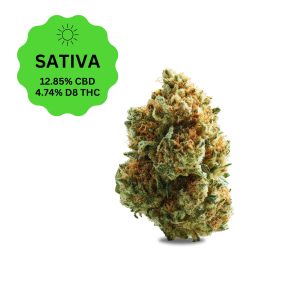

It is important to understand the distinction between Delta 8 THC derived from hemp and Marijuana in North Carolina, as the two are treated very differently under state law.
| Hemp-Derived Delta 8 | Marijuana (Cannabis) | |
| Legal Status in NC | ✅ Legal | ❌ Illegal (except limited medical exceptions) |
| Federal Legal Status | ✅ Legal (Farm Bill 2018) | ❌ Illegal (Schedule I) |
| Requires Medical Card? | No | N/A — not available recreationally |
| Age Requirement | 21+ | N/A |
| Where to Buy | Online & in-store | Not legally available |
| THC Limit | ≤0.3% Delta-9 THC | No legal threshold — banned |
Marijuana-derived Delta 8 THC — meaning Delta 8 from cannabis plants that exceed the 0.3% Delta-9 THC threshold — remains illegal in North Carolina except for qualified registered medical patients under very limited circumstances. Always ensure any Delta 8 product you purchase is clearly labeled as hemp-derived with a COA confirming legal Delta-9 THC levels.
Possession of Marijuana in North Carolina still carries significant legal penalties:
North Carolina takes a relatively permissive approach to hemp-derived Delta 8 THC compared to some of its neighbors. Here is a quick reference for travelers and residents near state borders:
| State | Delta 8 Status | Key Notes |
| North Carolina | ✅ Legal | Farm Bill + SB 352; 21+ age requirement |
| Virginia | ✅ Legal | Hemp-derived Delta 8 is legal; 21+ required |
| South Carolina | ✅ Legal | Legal under state hemp law; limited regulation |
| Georgia | ✅ Legal | Legal under the 2018 Farm Bill; widely available |
| Tennessee | ✅ Legal | Legal under the state hemp program |
| West Virginia | ✅ Legal | Legal under federal and state hemp law |
Note: Cannabis laws can change. It is always a good idea to verify the legal status of Delta 8 products in any state before purchasing or traveling with Delta 8 products.
ATLRx offers a comprehensive selection of high-quality, third-party lab-tested Delta 8 products that ship directly to North Carolina. All products are:
Browse ATLRx’s full Delta 8 product lineup, including Delta 8 gummies, Delta 8 vapes, Delta 8 tinctures, Delta 8 flower, and Delta 8 pre-rolls — all available for legal purchase and delivery in North Carolina.
Yes. Delta 8 THC remains legal in North Carolina in 2026 under the 2018 Federal Farm Bill and North Carolina Senate Bill 352, provided it is hemp-derived and contains no more than 0.3% Delta-9 THC by dry weight.
Yes. You can legally order Delta 8 THC online and have it shipped to your home in North Carolina. ATLRx ships a full range of Delta 8 products to NC customers with 21+ age verification. When buying from reputable retailers, make sure to get a third-party certificate of authenticity documentation.
No. You do not need a medical card to purchase hemp-derived Delta 8 THC in North Carolina. Delta 8 is a legal hemp product, not a medical marijuana product. You must be 21 years of age or older.
You must be 21 years old or older to purchase Delta 8 THC products in North Carolina. Both in-store and online purchases are subject to this requirement. Reputable retailers — including ATLRx — enforce 21+ age verification on all transactions.
Yes. Like Delta 8, Delta 10 THC is also legal in North Carolina under Senate Bill 352, which removed all hemp-derived THCs from the state’s controlled substances list. The same rules apply: it must be hemp-derived and contain no more than 0.3% Delta-9 THC.
Yes, Delta 8 THC can potentially produce a positive result on standard drug tests. Most common drug screening tests for THC metabolites do not distinguish between Delta 8 and Delta 9 THC. If you are subject to workplace or other drug testing, be aware that using Delta 8 products may result in a positive THC result regardless of the product’s legal status.
No. Recreational Marijuana remains illegal in North Carolina. Medical Marijuana has not yet been fully legalized, though legislative efforts — including the Compassionate Care Act (Senate Bill 711) — have sought to establish a medical program. As of 2026, marijuana-derived cannabis products are not legally available for recreational use in NC, making hemp-derived Delta 8 a popular legal alternative.
Yes. CBD (cannabidiol) is fully legal in North Carolina. CBD derived from hemp containing less than 0.3% Delta-9 THC is legal under both federal law and North Carolina’s hemp program. CBD products are widely available online and in retail locations throughout the state.
Both Delta 8 and Delta 9 are THC isomers – chemically similar compounds with slightly different molecular structures. The key difference is the position of a double bond: Delta 8’s bond is on the 8th carbon atom, while Delta 9’s is on the 9th. This structural difference means Delta 8 typically produces milder psychoactive effects compared to Delta 9. Both are found naturally in cannabis plants, though Delta 8 appears in much lower concentrations and is usually produced through conversion of hemp-derived CBD.
Yes. You can travel with compliant hemp-derived Delta 8 products within North Carolina and throughout the state. Keep products in their original packaging with visible COA documentation. Be cautious when traveling through states with different laws — Delta 8 is restricted or banned in some states, and crossing state lines into a restrictive state with Delta 8 products could create legal issues in that jurisdiction.

July 27, 2026
July 23, 2026
July 22, 2026
$39.99
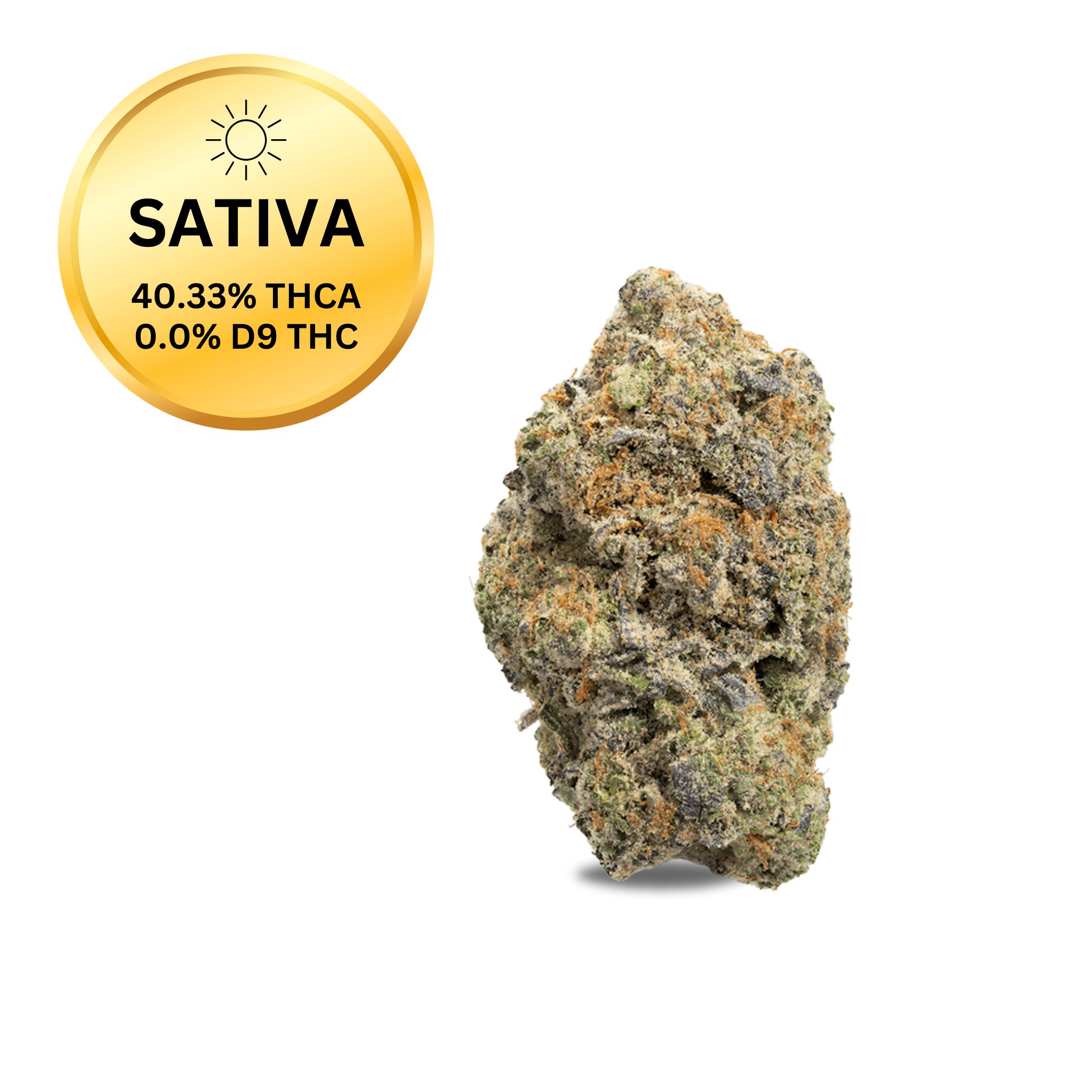
$49.99
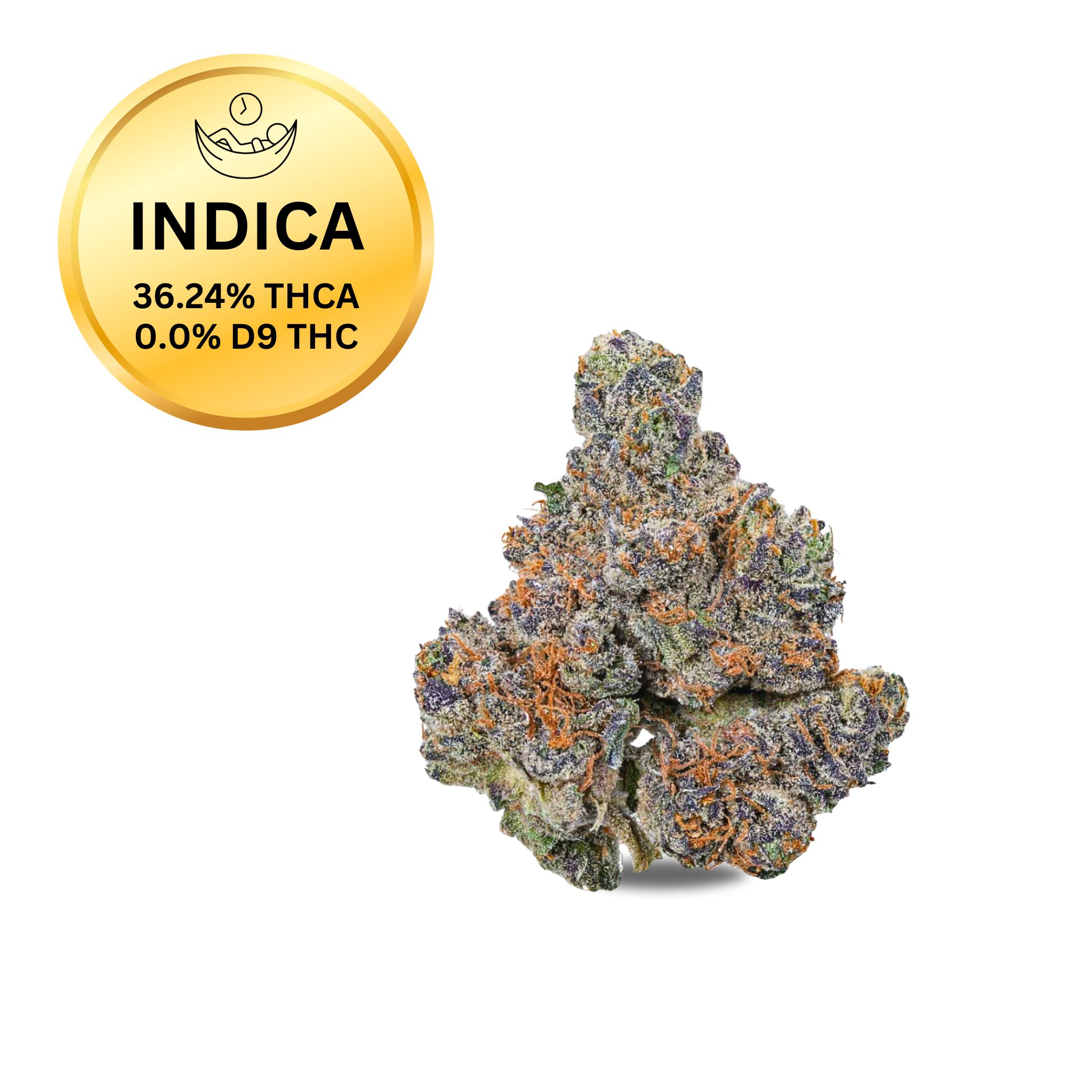
$49.99
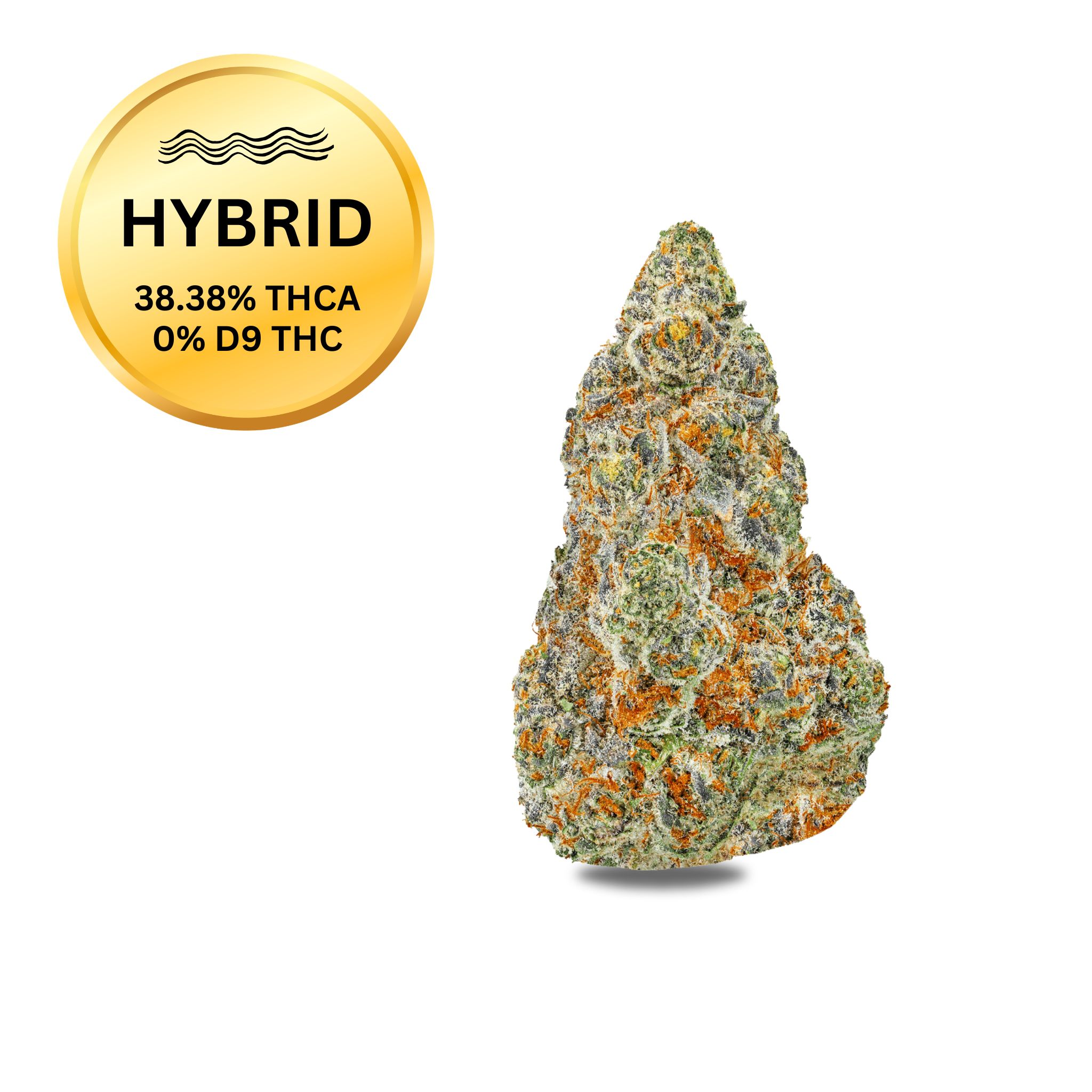
$49.99
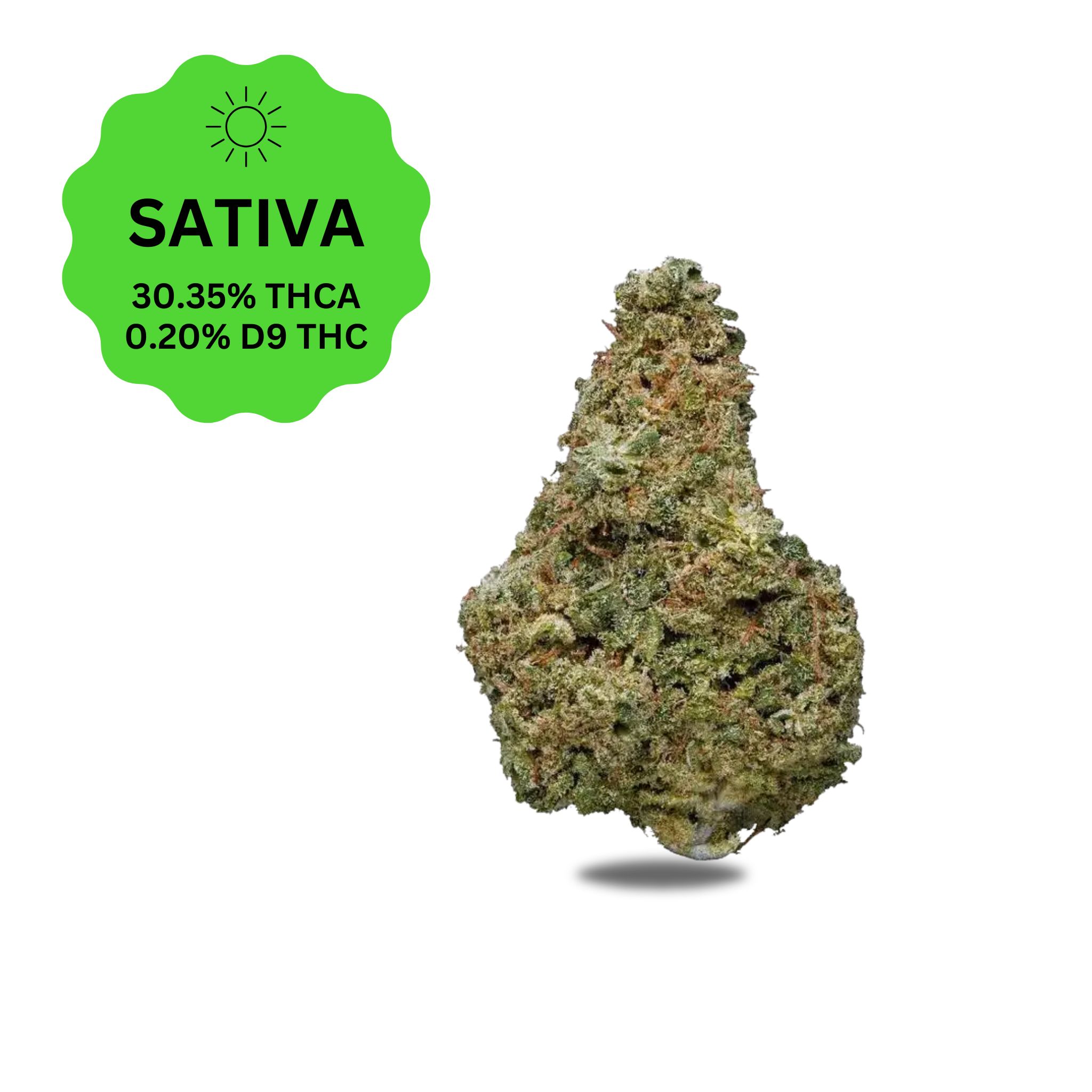
$39.99
$39.99
$49.99