

$39.99

ARE YOU 21 YEARS OF AGE OR OLDER?
REMEMBER ME
Seriously, by using this site you are confirming that you are of legal age (21+) to view and purchase these products. If you are you are not over 21. you are not authorized by us to use or view any of the pages of this site. Please review our terms and conditions at checkout for further stipulations.
 >
Blogs
>
Delta 8 >
Is Delta 8 Legal in Maine? Expert Guide 2026
>
Blogs
>
Delta 8 >
Is Delta 8 Legal in Maine? Expert Guide 2026
THE STATEMENTS ON THIS BLOG ARE NOT INTENDED TO DIAGNOSE, TREAT, CURE, OR PREVENT ANY DISEASE. THE FOOD AND DRUG ADMINISTRATION HAS NOT EVALUATED ANY STATEMENTS CONTAINED WITHIN THE BLOG. ATLRX DOES NOT IN ANY WAY GUARANTEE OR WARRANT THE ACCURACY, COMPLETENESS, OR USEFULNESS OF ANY MESSAGE. THE INFORMATION CONTAINED WITHIN THIS BLOG IS FOR GENERAL INFORMATIONAL PURPOSES ONLY.
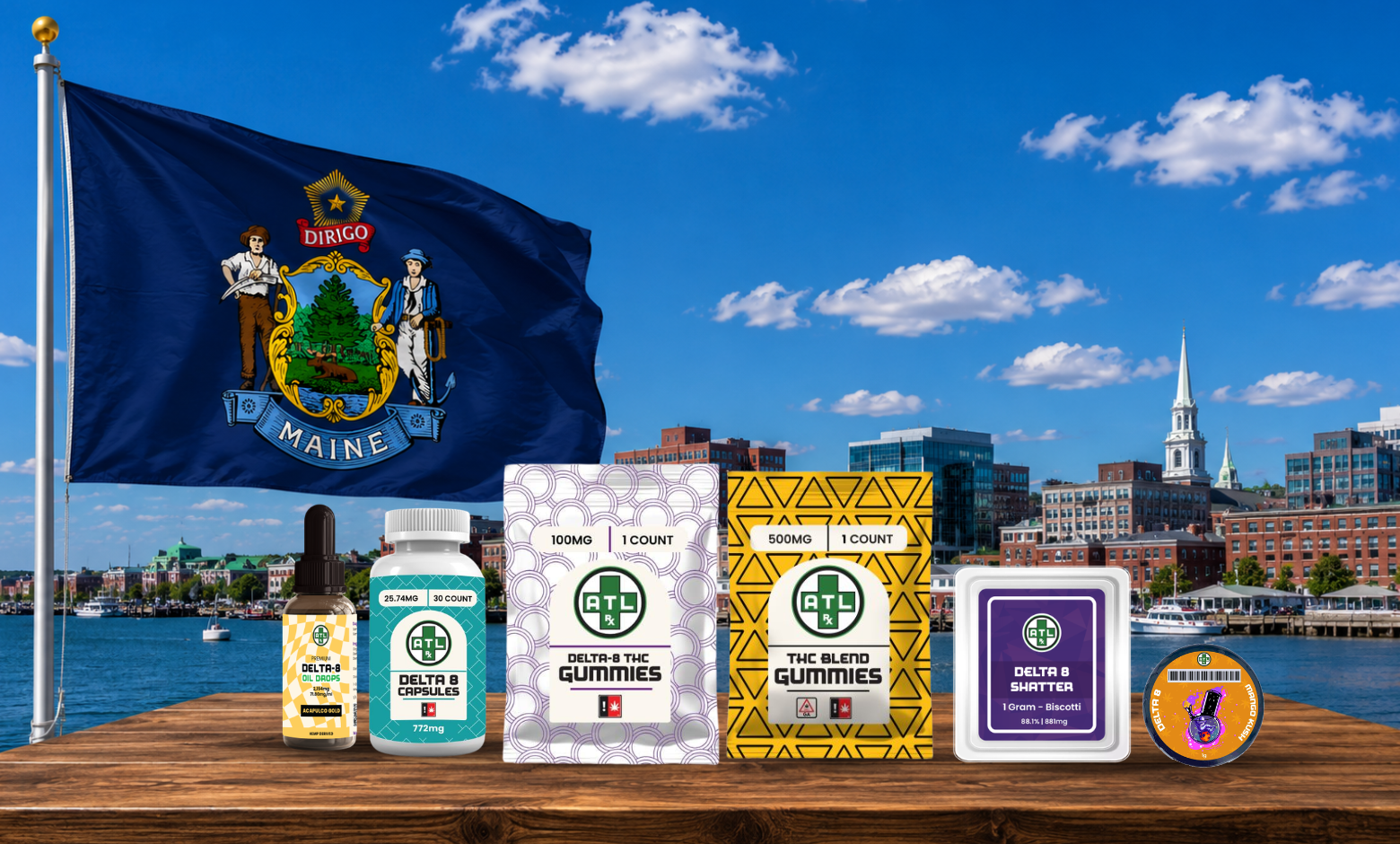
Delta 8 Legal Status in Maine:
Yes, Delta 8 THC is legal in Maine in 2026 — but the rules tightened significantly in 2025. Maine’s hemp framework still aligns with the federal 2018 Farm Bill, and Delta 8 derived from hemp remains lawful to manufacture, sell, and possess under Title 7, §2231 of the Maine Revised Statutes (legislature.maine.gov). However, under PL 2025, c. 416 (originating as LD 1920), Maine now classifies Delta 8 as a “potentially intoxicating cannabinoid,” restricts sales to adults 21 and older by statute, and requires child-resistant packaging for most intoxicating hemp products. Hemp-derived Delta 8 products that meet these standards remain legal; products that don’t can no longer be sold outside Maine’s licensed cannabis system.
Table of contents:
Yes, with conditions. As of 2026, hemp-derived Delta 8 THC is legal in Maine for adults aged 21 and over, but the framework changed materially in 2025. Maine remains one of the more permissive cannabis states in the country, having legalized medical cannabis in 1999 (expanded in 2009) and recreational adult-use cannabis in 2016. The state’s hemp law was aligned with the federal 2018 Farm Bill through LD 630 in 2019, and then substantially overhauled in 2025 through PL 2025, c. 416, which created Maine’s first comprehensive regulatory regime for intoxicating hemp products.
Maine residents and visitors can legally:
The constraints to be aware of are the federal 0.3% Delta 9 THC cap, Maine’s new cannabinoid-composition rules for intoxicating hemp products, the statutory 21+ age requirement, and packaging standards.
Maine’s approach to Delta 8 THC is governed by a layered framework of federal and state law. Understanding each layer matters because it determines exactly which products are legal, who can purchase them, and how they can be sold.
The cornerstone of Maine’s hemp law is Title 7, §2231 (legislature.maine.gov), which defines hemp using the same core language as the federal Farm Bill. The statute defines hemp as the plant Cannabis sativa L. and any part of that plant — including seeds, derivatives, extracts, cannabinoids, isomers, acids, salts, and salts of isomers — with no more than 0.3% delta-9-tetrahydrocannabinol by dry weight, or as otherwise defined in federal law.
Because Delta 8 THC is an isomer and derivative of hemp, it falls within the definitional scope of lawful hemp — provided the final product also meets Maine’s additional product-composition rules created in 2025.
LD 630 (legislature.maine.gov), enacted as an emergency measure in 2019, was Maine’s response to the 2018 Farm Bill. It:
LD 630 did not, by itself, address Delta 8 specifically — that compound wasn’t a meaningful commercial product when the bill passed. Delta 8’s later commercial availability flowed from the broad “derivatives, extracts, cannabinoids, isomers” language already present in §2231, which LD 630 preserved and matched to federal law.
In 2025, Maine substantially revised §2231. PL 2025, c. 416 was enacted from LD 1920 as an emergency measure and took effect on June 25, 2025. The amendments:
In practical terms, compliant hemp-derived Delta 8 products remain legal for adults 21+ in Maine, but products that fall within Maine’s “potentially intoxicating hemp product” category and fail its standards can no longer be sold outside the licensed cannabis program. Because the statutory definition is technical, ATLRx recommends consulting a licensed Maine attorney for product-specific classification.
The Maine Office of Cannabis Policy (OCP) (maine.gov/dafs/ocp) is the state regulatory body overseeing both medical and adult-use cannabis programs. While the OCP primarily regulates cannabis products, the Department of Agriculture, Conservation, and Forestry (DACF) runs the Maine Hemp Program, and the two agencies’ work affects how intoxicating hemp products are sold and labeled in Maine.
Maine’s path to its current Delta 8 framework spans more than 25 years of legislation:
In the United States, Delta 8 THC is legal under the Agricultural Improvement Act of 2018 (congress.gov), commonly known as the 2018 Farm Bill. This legislation:
The legal status of synthetically or isomerized cannabinoids derived from hemp — which describes how nearly all commercial Delta 8 is produced — remains contested. Federal courts have split on the question, and several states (including Maine in 2025) have adopted their own product-level rules.
Maine regulates hemp-derived intoxicating cannabinoids (including Delta 8) under Title 7 §2231, and regulates cannabis under Title 22 (medical) and Title 28-B (adult use). These are separate programs with separate rules — they aren’t two “flavors” of the same product.
| Factor | Hemp-Derived Delta 8 | Cannabis Program (Medical/Adult-Use) |
| Governing Law | Title 7 §2231 (as amended by PL 2025, c. 416) and the 2018 Farm Bill | Title 22 ch. 558-C (medical); Title 28-B ch. 1 (adult use) |
| Age Requirement | 21+ by statute (Title 7 §2231(12)) | 21+ (adult use); 18+ (registered medical patients/caregivers) |
| Where Sold | Online retailers and general retailers meeting Maine’s hemp product rules | Licensed Maine dispensaries only |
| Interstate Shipping | ✅ Compliant hemp products can be shipped to Maine, though the federal status of synthetically derived Delta 8 is contested | ❌ Cannot cross state lines |
| THC Limit | ≤ 0.3% Delta 9 THC by dry weight, plus Maine’s cannabinoid-composition rules for intoxicating hemp products | Set by the cannabis program; sold through licensed channels |
| Possession Limit | No personal cap on lawful hemp products | 2.5 oz of cannabis (or equivalent), 5 g concentrate |
| Packaging | Child-resistant, tamper-evident for potentially intoxicating hemp products other than beverages, salves, and topicals; no trademark-mimicking packaging | Cannabis program packaging rules |
Bottom line: If you live outside Maine, you’ll buy hemp-derived Delta 8 from compliant online retailers such as ATLRx. If you live in Maine, you can buy hemp-derived Delta 8 that meets the state’s intoxicating-hemp standards, and you can separately access cannabis products through Maine’s licensed dispensary system.
Delta-8-tetrahydrocannabinol (delta-8-THC) is a naturally occurring cannabinoid found in the Cannabis sativa plant. It is one of over 100 cannabinoids identified in cannabis, and it occurs in trace amounts — typically far less than 0.1% of the plant’s total cannabinoid content, which is why nearly all commercial Delta 8 is produced by converting hemp-derived CBD.
Since Delta 8 occurs in such small quantities naturally, most Delta 8 products are made by converting hemp-derived CBD into Delta 8 THC via a controlled chemical isomerization process. Delta 8 is manufactured in this way in nearly all federally legal products.
Delta 8 THC differs from Delta 9 THC in the position of a double bond on its molecular chain. Delta 8 occurs naturally in cannabis but typically in much smaller quantities than Delta 9 THC, which is why most commercial Delta 8 products are produced through controlled conversion of hemp-derived CBD.
They are all isomers — meaning they have the same chemical formula but differ in atomic arrangement. The difference is where a single double bond sits along the carbon chain.
| Feature | Delta 8 THC | Delta 9 THC | Delta 10 THC |
| Double Bond Location | Between C8–C9 | Between C9–C10 | Between C10–C10a |
| Relative Potency | ~50% of Delta 9 | Baseline reference | ~30% of Delta 9 |
| Natural Abundance | Trace (<0.1%) | Up to ~30% in high-THC marijuana cultivars; ≤0.3% in hemp | Trace (<0.1%) |
| Legal in Maine? | ✅ Yes (regulated) | ✅ Yes (with limits) | ✅ Yes (regulated) |
| Federal Status (Hemp-Derived) | Legal under Farm Bill (synthetic status contested) | Legal at ≤0.3% by dry weight | Legal under Farm Bill (synthetic status contested) |
| Source | Mostly converted from CBD | Naturally abundant | Mostly converted from CBD |
The takeaway: These three cannabinoids differ primarily in their molecular structure and natural abundance in cannabis. Consumers can review third-party lab results (Certificates of Analysis) to compare cannabinoid content across products.
Maine’s age rules vary slightly depending on the product source:
Valid government-issued photo identification is required at all points of purchase.
Buying Delta 8 online is the most popular option for Maine residents — and for good reason. ATLRx ships hemp-derived Delta 8 directly to Maine addresses statewide, including Portland, Bangor, Augusta, Lewiston, and Madawaska. Shopping with ATLRx online offers:
For cannabis-program products — including any intoxicating hemp products that fall outside Maine’s hemp-program standards — Maine’s licensed adult-use and medical dispensaries are the only legal source. These products cannot be shipped across state lines and must be purchased in person. ATLRx products are hemp-derived and are not sold through the cannabis-dispensary system.
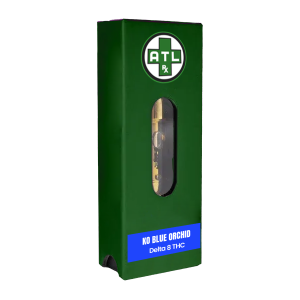
Because Delta 8 is a relatively new product category — and Maine’s regulatory rules tightened in 2025 — quality and compliance vary dramatically between brands. Use this checklist before any purchase:
🚩 Red flags to avoid:
Hemp-derived Delta 8 THC products that comply with both federal and Maine standards can be shipped to Maine addresses from out-of-state retailers under the 2018 Farm Bill’s interstate commerce protections. A few important caveats:
Maine borders New Hampshire and shares regional regulatory dynamics with the rest of New England.
| State | Delta 8 Legal? | Age | Notes |
| Maine | ✅ Yes, regulated | 21+ | Both hemp-derived (subject to 2025 product, age, and packaging rules) and cannabis-program products available |
| New Hampshire | ⚠️ Unsettled | 21+ where sold | No clear statutory ban, but enforcement and product availability vary; verify before purchasing |
| Vermont | ❌ Banned | — | Synthetically derived cannabinoids, including most commercial Delta 8, are prohibited under Vermont’s hemp rules |
| Massachusetts | ❌ Restricted | — | Intoxicating hemp products must be sold through the licensed cannabis program; hemp-derived Delta 8 in convenience stores is not lawful |
| New York (not adjacent) | ❌ Banned | — | NY banned isomerized Delta 8 through Department of Health regulations in 2021, formalized by Cannabis Control Board rules later that year |
If you’re traveling from Maine into another state, verify that state’s current laws before transporting any Delta 8 products.
There is no difference between Delta 8 THC and Delta 9 THC in standard drug tests. Both cannabinoids metabolize into similar compounds that can register on a drug screening.
Key facts:
You should exercise caution if you are subject to workplace or court-ordered drug testing.
The biggest regulatory change for Maine’s Delta 8 market has already happened. PL 2025, c. 416 moved Maine from a largely permissive hemp framework to one with statutory age limits, product-composition rules, and packaging requirements. The Office of Cannabis Policy and the Department of Agriculture, Conservation and Forestry are continuing to implement and refine those rules through 2026.
Looking ahead, expect:
Consumers should buy from retailers that publish third-party COAs and that clearly market their products as Maine-compliant.
Maine remains a legal market for hemp-derived Delta 8 THC in 2026, but the regulatory environment is meaningfully tighter than it was a year ago. With PL 2025, c. 416 in effect, Maine now has statutory age requirements, cannabinoid-composition rules, and packaging standards specifically for intoxicating hemp products. Compliant hemp-derived Delta 8 is still widely available to Maine adults 21 and over; noncompliant products are not.
The right approach for consumers is straightforward: buy only from reputable retailers that publish third-party Certificates of Analysis, confirm the product meets Maine’s current standards, and verify your supplier knows the post-2025 rules. The market is still here — it’s just regulated.
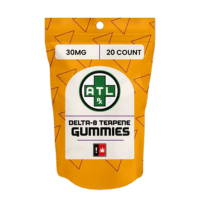
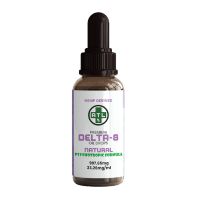
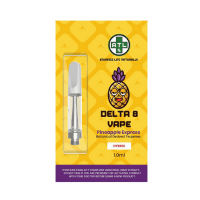
Looking for Maine-compliant, lab-tested Delta 8 THC products? Browse the ATLRx selection of Delta 8 gummies, Delta 8 tinctures, Delta 8 vapes, and Delta 8 flower — all third-party lab tested and shipped to your Maine address.
Yes, with conditions. Hemp-derived Delta 8 THC is legal for adults 21 and over under Title 7 §2231 of the Maine Revised Statutes and the federal 2018 Farm Bill. Under PL 2025, c. 416, Delta 8 is classified as a “potentially intoxicating cannabinoid,” which means products containing it must meet Maine’s age (21+), packaging, and cannabinoid-composition standards. Noncompliant products cannot be sold outside the licensed cannabis system.
Delta 8 THC products can only be purchased by adults 21 and older in Maine, whether they are purchased online, in CBD stores, or in recreational dispensaries. This is a statutory requirement under Title 7 §2231(12), not an industry standard. Cannabis products can be purchased by medical cannabis patients starting at the age of 18.
Yes. Compliant hemp-derived Delta 8 THC products can legally be shipped to Maine addresses from out-of-state online retailers, subject to Maine’s 2025 product standards. Cannabis-program products cannot be shipped across state lines and must be purchased in person from a licensed Maine dispensary.
No. Delta 8 derived from hemp does not require a medical cannabis card in Maine. A medical card is only required to access the cannabis program at ages 18–20.
No. Maine law explicitly distinguishes between hemp (which includes Delta 8 derived from hemp) and cannabis. Hemp-derived Delta 8 is regulated under Title 7 §2231, while cannabis is regulated under Title 22 ch. 558-C (medical) and Title 28-B (adult use).
Yes — Delta 8 THC may cause a positive result on a standard drug test since most tests cannot distinguish between THC isomers. You should avoid Delta 8 if you are subject to workplace or court-ordered drug testing.
You can buy Maine-compliant, hemp-derived Delta 8 directly from ATLRx, shipped to your Maine address with a third-party Certificate of Analysis available for every product. Cannabis-program products are sold separately and only through licensed adult-use cannabis dispensaries.
For hemp-derived products, the federal and Maine limit on Delta 9 THC is 0.3% by dry weight. Separately, PL 2025, c. 416 created a “potentially intoxicating hemp product” category in Title 7 §2231 defined by the concentration of potentially intoxicating cannabinoids and the ratio of nonintoxicating to potentially intoxicating cannabinoids in a product’s final form. The statutory language is technical, and its application to specific products is best confirmed with a licensed Maine attorney. Products falling into the “potentially intoxicating” category are subject to Maine’s 21+ age and packaging requirements.
Yes, you can transport legally purchased Delta 8 within the state of Maine. However, consumption is restricted to private property — public consumption of cannabis or intoxicating hemp products is prohibited.
The information provided on this page is for general informational purposes only and is not intended as legal advice. Cannabis laws are complex and subject to change. While we make every effort to keep this content accurate and up to date, you should consult a qualified attorney licensed in the State of Maine for advice specific to your situation before making decisions based on the legal information provided here. ATLRx does not encourage the violation of any law and recommends consumers comply with all applicable federal, state, and local regulations.
FDA Disclaimer: These statements have not been evaluated by the Food and Drug Administration. ATLRx Delta 8 THC products are not intended to diagnose, treat, cure, or prevent any disease. The FDA has not approved Delta-8 THC for use in food or as a dietary supplement. These products are not for use by or sale to persons under the age of 21. Keep out of reach of children and pets.

July 27, 2026
July 23, 2026
July 22, 2026
$39.99
$49.99
$49.99
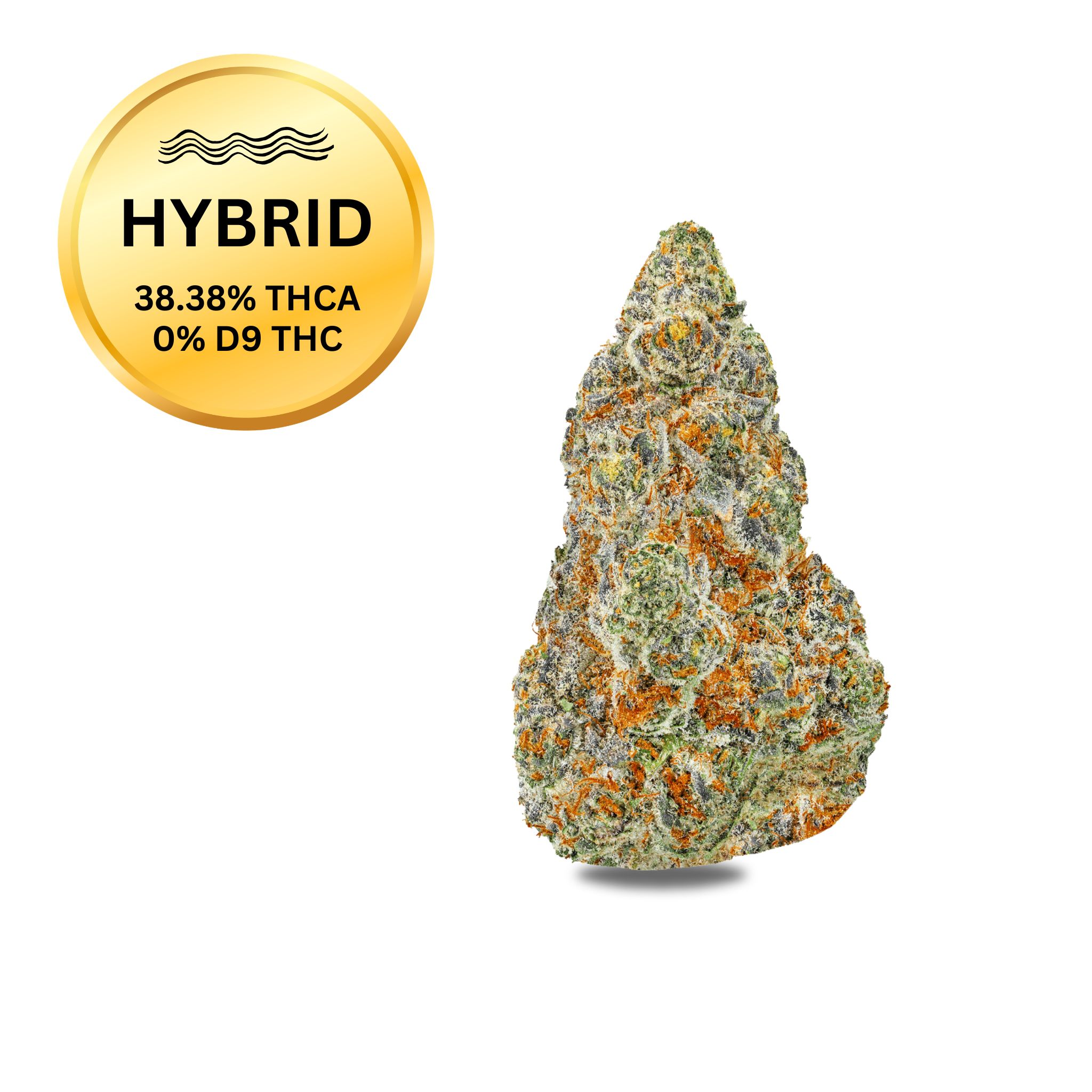
$49.99
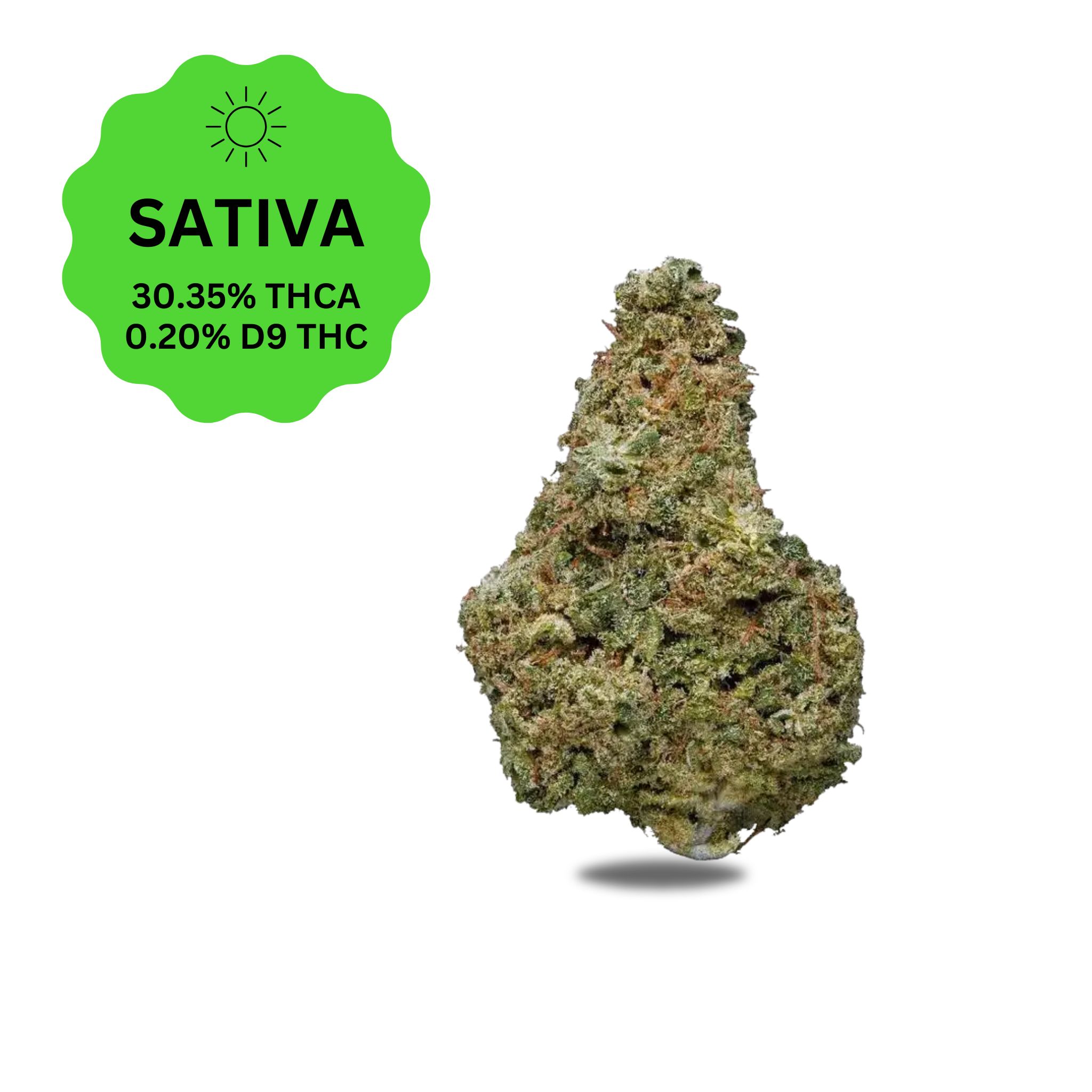
$39.99
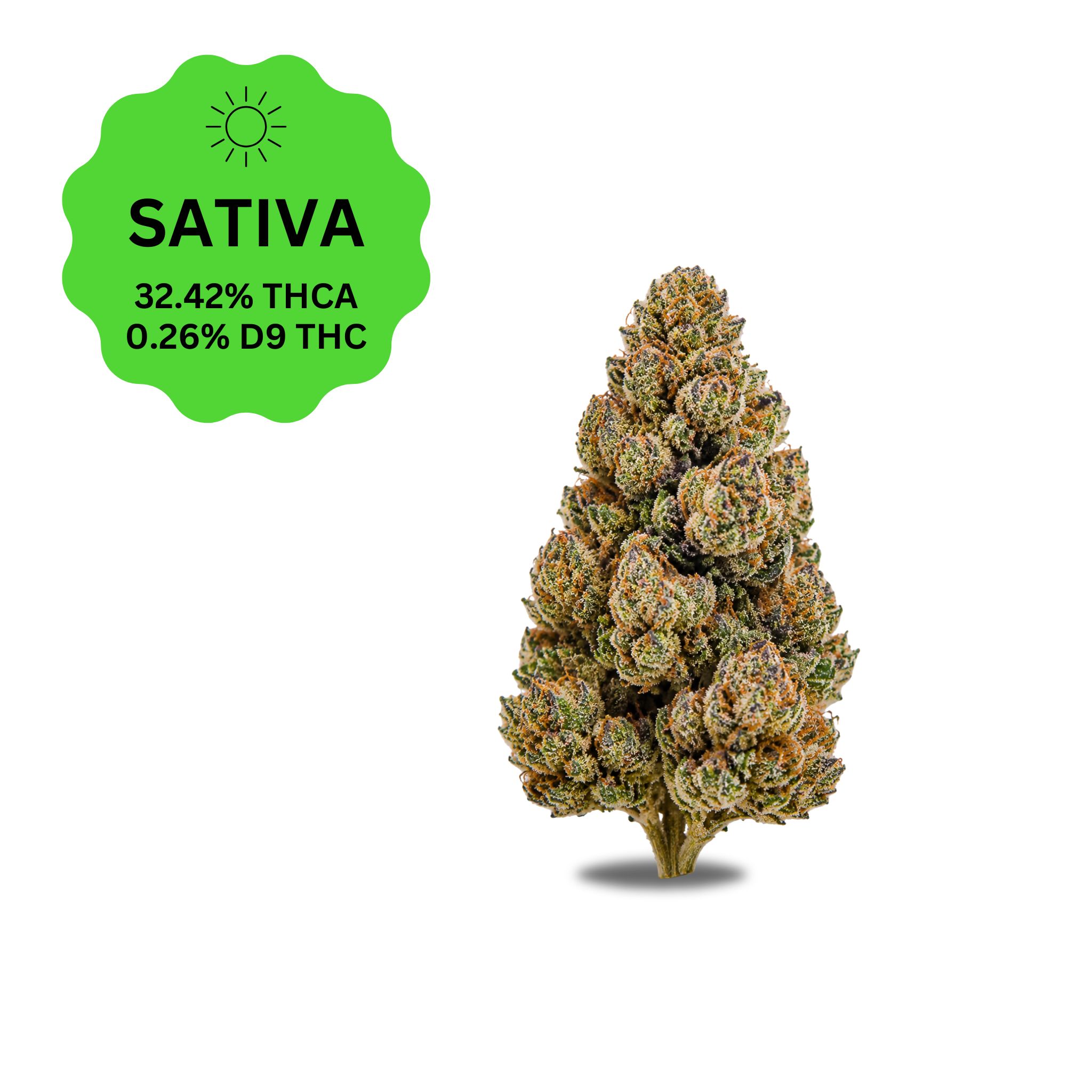
$39.99
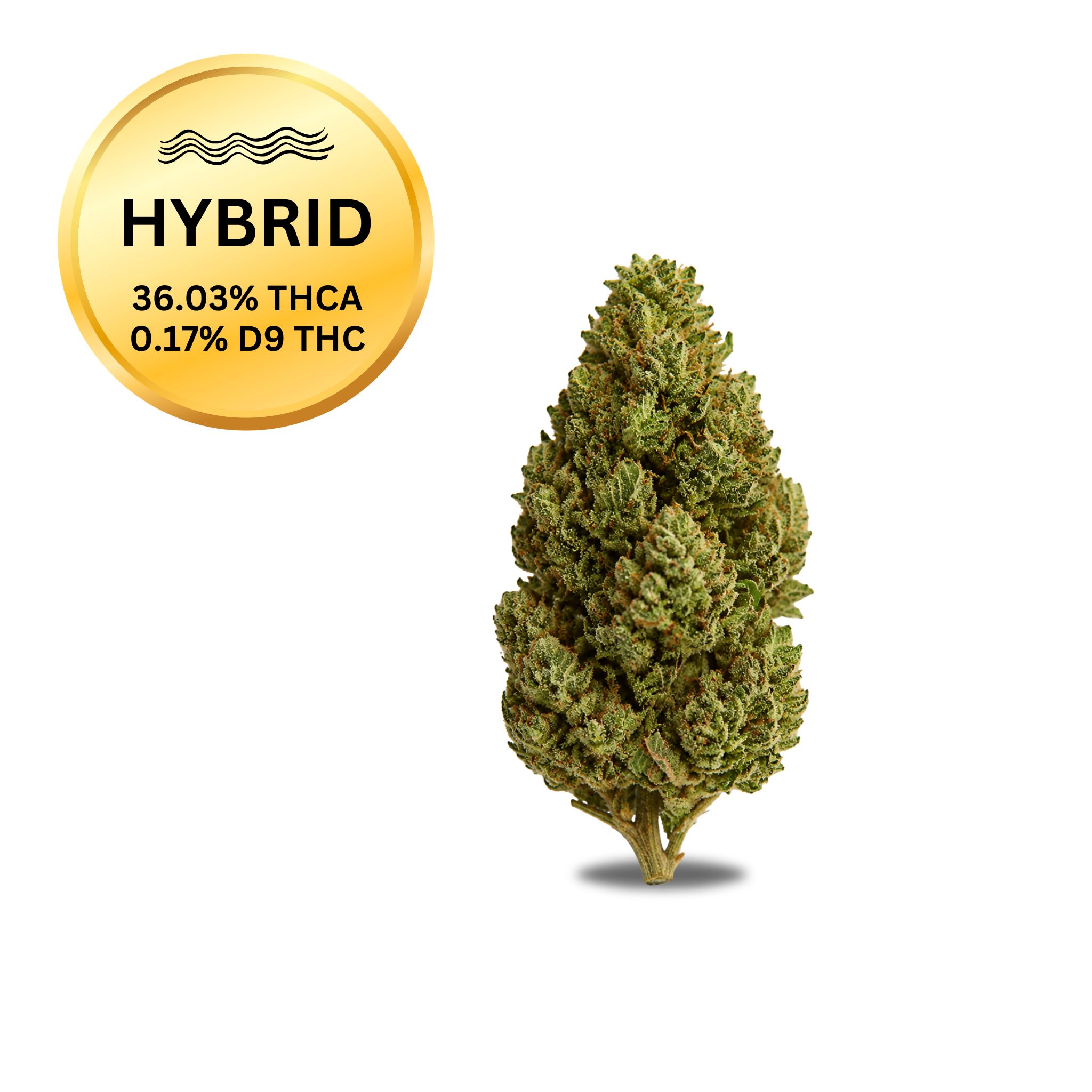
$49.99