FREE SHIPPING ON ALL ORDERS!——FREE SHIPPING ON ALL ORDERS!——FREE SHIPPING ON ALL ORDERS!——FREE SHIPPING ON ALL ORDERS!——FREE SHIPPING ON ALL ORDERS!——FREE SHIPPING ON ALL ORDERS!——FREE SHIPPING ON ALL ORDERS!——FREE SHIPPING ON ALL ORDERS!——FREE SHIPPING ON ALL ORDERS!——

FREE SHIPPING ON ALL ORDERS!——FREE SHIPPING ON ALL ORDERS!——FREE SHIPPING ON ALL ORDERS!——FREE SHIPPING ON ALL ORDERS!——FREE SHIPPING ON ALL ORDERS!——FREE SHIPPING ON ALL ORDERS!——FREE SHIPPING ON ALL ORDERS!——FREE SHIPPING ON ALL ORDERS!——FREE SHIPPING ON ALL ORDERS!——

THE STATEMENTS ON THIS BLOG ARE NOT INTENDED TO DIAGNOSE, TREAT, CURE, OR PREVENT ANY DISEASE. THE FOOD AND DRUG ADMINISTRATION HAS NOT EVALUATED ANY STATEMENTS CONTAINED WITHIN THE BLOG. ATLRX DOES NOT IN ANY WAY GUARANTEE OR WARRANT THE ACCURACY, COMPLETENESS, OR USEFULNESS OF ANY MESSAGE. THE INFORMATION CONTAINED WITHIN THIS BLOG IS FOR GENERAL INFORMATIONAL PURPOSES ONLY.
post-img
data

May 14, 2026

Is CBD Legal in Michigan? 2026 Guide to Michigan CBD Laws

CBD Legal Status in Michigan:

Yes. In Michigan, hemp-derived CBD products that contain 0.3% or less Delta-9 THC by dry weight are legal for adults to buy, sell, and possess without a prescription or medical card. Marijuana-derived CBD, which comes from cannabis plants containing more than 0.3% THC, is also legal in Michigan but is treated as adult-use cannabis and must be purchased through a CRA-licensed dispensary.

Here is the core rule to remember:

  • Hemp-derived CBD (≤0.3% Delta-9 THC): Sold in retail stores, specialty shops, and online.
  • Marijuana-derived CBD (>0.3% THC): Sold only at state-licensed cannabis dispensaries.
  • Intoxicating hemp cannabinoids (Delta-8, Delta-10, HHC, THCA flower): Treated as marihuana under Michigan law since October 11, 2021, and restricted to CRA-licensed cannabis retailers. Federal law will adopt a similar total-THC standard effective November 12, 2026.

If you live in the Great Lakes State or are planning a visit, you have likely asked yourself the question: Is CBD legal in Michigan? The short answer is yes, hemp-derived CBD is legal to buy, possess, and use in Michigan in 2026, as long as it meets both federal and state standards. The longer answer involves a mix of federal law, state statutes, and updated rules from the Michigan Cannabis Regulatory Agency (CRA) that every Michigan shopper should understand before making a purchase. This guide breaks down the current legal landscape in plain English, explains what changed heading into 2026 at both the federal and state levels, and shows you how to shop confidently for compliant CBD in Michigan.

Table of contents:

Key Takeaways

  • Hemp-derived CBD is legal in Michigan in 2026 when it contains 0.3% or less Delta-9 THC by dry weight, matching the 2018 federal Farm Bill standard.
  • Marijuana-derived CBD is also legal, but only through Cannabis Regulatory Agency (CRA) licensed dispensaries for adults 21 and older, or medical patients.
  • Intoxicating hemp cannabinoids are restricted. Since October 11, 2021, Michigan has classified Delta-8, Delta-10, HHC, THCA flower, and other intoxicating hemp cannabinoids as marihuana, meaning they are sold only through CRA-licensed cannabis retailers. A new federal law (H.R. 5371) extends a similar standard nationwide starting November 12, 2026.
  • Michigan does not set a statewide minimum age for non-intoxicating hemp-derived CBD, though most retailers enforce their own 18+ or 21+ policy at checkout.
  • The CRA is the primary regulator, with MDARD overseeing hemp cultivation and the FDA handling federal labeling rules.
  • A prescription or medical card is not required to purchase hemp-derived CBD oil, gummies, or topicals in Michigan.
  • Compliant CBD can be shipped to Michigan addresses directly from licensed online retailers such as ATLRx.
  • Make sure the product has a Certificate of Analysis (COA) from a third-party lab before purchasing, and confirm it is derived from U.S.-grown hemp.
  • Crossing state lines with CBD is allowed under federal law for hemp-derived products, but destination state rules always apply.
  • This article is informational, not legal advice. Rules change frequently, so confirm current guidance with the CRA or a qualified attorney.

Federal Law: The 2018 Farm Bill Foundation

The Agriculture Improvement Act of 2018 (Pub. L. 115-334), commonly known as the 2018 Farm Bill, established CBD legality at the federal level. Hemp – defined as cannabis containing no more than 0.3% Delta-9 THC by dry weight – is now exempt from the federal Controlled Substances Act. The bill enabled legal cultivation, processing, interstate transport, and sale of hemp and hemp-derived products, including CBD, at the federal level, while expressly preserving each state’s authority to regulate or restrict hemp within its borders. Therefore, CBD rules still vary significantly from one state to the next.

The U.S. Food and Drug Administration (FDA) continues to prohibit marketing CBD as a dietary supplement or as an ingredient added to conventional food in interstate commerce. Reputable Michigan CBD brands stay inside those boundaries.

Important federal update:

Congress amended the federal definition of hemp on November 12, 2025, through H.R. 5571 (the Continuing Appropriations, Agriculture, Legislative Branch, Military Construction and Veterans Affairs, and Extensions Act of 2026). Since November 12, 2026, hemp will be measured by total THC (including THCA, Delta-8, and other isomers) rather than Delta-9 alone, and synthesized or chemically converted cannabinoids will be excluded from the definition. Non-intoxicating CBD from compliant hemp remains federally legal, but the regulatory ground for intoxicating hemp derivatives will shift sharply when the transition period ends.

Michigan CBD Laws: A Timeline

Understanding how Michigan got to its current position helps clarify today’s rules.

  • 2008 – Michigan Medical Marihuana Act (MMMA): Voters approved Initiated Law 1 of 2008 on November 4, 2008; the act took effect December 4, 2008.
  • 2014 – Industrial Hemp Research and Development Act: Public Act 547 of 2014 (signed January 2015) authorized hemp research by MDARD and Michigan universities under the 2014 federal Farm Bill’s pilot program.
  • 2018 – The Federal Farm Bill (Agriculture Improvement Act of 2018, Pub. L. 115-334) was signed on December 20, 2018. Added hemp with Delta-9 THC concentrations up to 0.3% by dry weight to the federal Controlled Substances Act.
  • 2018 – Proposal 1 / MRTMA: On November 6, 2018, Michigan voters approved the Michigan Regulation and Taxation of Marijuana Act, legalizing cannabis for those 21 and older.
  • 2019 – Amendment to the Industrial Hemp Research and Development Act: 2018 PA 641 took effect January 15, 2019, updating Michigan’s hemp framework to align with the 2018 federal Farm Bill.
  • 2021 – Michigan Closes the Delta-8 Loophole: Governor Whitmer signed HB 4517 (and companion bills HB 4740–4746) on July 13, 2021. Effective October 11, 2021, Michigan’s definition of “marihuana” was expanded to include all THC isomers, synthetic THC, and THCA, placing Delta-8, Delta-10, HHC, and similar intoxicating hemp cannabinoids under CRA jurisdiction.
  • 2022 – Cannabis Regulatory Agency (CRA) Created: Executive Reorganization Order 2022-1 (signed February 11, 2022, effective April 13, 2022), renamed the Marijuana Regulatory Agency to the Cannabis Regulatory Agency and transferred hemp processor and handler oversight from MDARD to the CRA. MDARD retained authority over hemp cultivation.
  • November 12, 2025 – Federal Hemp Redefinition Enacted: As a result of Congress passing and the President signing H.R. 5271 (the Continuing Appropriations, Agriculture, Legislative Branch, Military Construction, Veterans Affairs, and Extensions Act, 2026). The law replaces the Farm Bill’s Delta-9-only standard with a total-THC standard (≤0.3% on a dry-weight basis, including THCA and Delta-8) and excludes synthesized/converted cannabinoids from the federal definition of hemp. The new definition takes effect on November 12, 2026.

What Changed in 2025–2026

The biggest recent development is federal, not state. In November 2025, Congress passed H.R. 5371, which fundamentally rewrote the federal definition of hemp established by the 2018 Farm Bill. Changes will take effect on November 12, 2026, creating a one-year transition window. 

Here is the current snapshot for Michigan shoppers:

  1. Non-intoxicating hemp cannabinoids remain legal in Michigan today. CBD, CBG, and CBN products derived from compliant hemp continue to be sold in general retail, specialty stores, and online.
  2. The federal “total THC” standard will be implemented on November 12, 2026. Starting that date, federal law will measure hemp against total THC (including THCA and Delta-8), not just Delta-9 THC. Anything above 0.3% total THC on a dry-weight basis becomes federally controlled.
  3. Synthesized and converted cannabinoids will be excluded from federal hemp. After November 12, 2026, cannabinoids produced by chemical conversion (including most commercial Delta-8, Delta-10, HHC, THC-O, and THCP) will no longer qualify as hemp under federal law.
  4. Michigan closed the Delta-8 loophole at the state level in 2021. Intoxicating hemp-derived cannabinoids have been regulated as marihuana in Michigan since October 11, 2021, and are sold only through CRA-licensed cannabis retailers. The 2025 federal law aligns federal policy with what Michigan has already been doing for over four years.
  5. Hemp processor licensing under the CRA has been in place since April 13, 2022. Makers of ingestible hemp products such as edibles, tinctures, and drinks must be licensed through the CRA, with MDARD continuing to oversee hemp cultivation.
  6. Labeling, testing, and packaging standards remain strict. Products must carry accurate cannabinoid content, batch numbers, manufacturer information, and required warnings.

The takeaway for Michigan consumers: standard CBD oils, CBD gummies, CBD topicals, and capsules from compliant hemp remain fully legal to buy in Michigan throughout 2026. The federal change arriving November 12, 2026, is aimed squarely at intoxicating hemp derivatives, not CBD itself. Reputable retailers are already reformulating and tightening sourcing ahead of the deadline.

Hemp-Derived CBD vs. Marijuana-Derived CBD

FactorHemp-Derived CBDMarijuana-Derived CBD
Delta-9 THC Content≤0.3% by dry weight>0.3%
Federal StatusLegal under the 2018 Farm Bill (total-THC standard takes effect Nov. 12, 2026)Federally controlled substance
Michigan StatusLegal for general retailLegal only via CRA-licensed dispensaries
Age RequirementNo statewide minimum age for non-intoxicating hemp CBD (retailers often set 18 or 21)21+ for adult-use; medical patients per MMMA
Sold OnlineYes, direct-to-consumerNo, must be in-person at a dispensary

Most people shopping for CBD in Michigan are buying hemp-derived products. That is the category ATLRx serves.

Who Regulates CBD in Michigan?

Several agencies share oversight:

  • Michigan Cannabis Regulatory Agency (CRA): The primary state regulator, covering licensed marijuana and hemp processing.
  • Michigan Department of Agriculture and Rural Development (MDARD): Manages hemp cultivation and on-farm activity.
  • Michigan Department of Licensing and Regulatory Affairs (LARA): Home to the CRA as a Type I agency. General licensing and regulatory matters outside the CRA’s cannabis-specific scope fall under LARA directly.
  • U.S. Food and Drug Administration (FDA): Federal oversight of labeling and marketing claims.

When shopping, the most important signal is whether a brand complies with both federal hemp rules and Michigan’s labeling, testing, and THC-content standards.

Age Limits and Possession Rules

  • Hemp-derived CBD: Michigan does not impose a statewide minimum age specifically for non-intoxicating hemp CBD. However, most retailers and online shops (including ATLRx) require customers to be 18 or 21 years of age as a matter of policy.
  • Adult-use cannabis (including marijuana-derived CBD): 21 or older. Under MRTMA, adults may possess up to 2.5 ounces of usable marihuana on their person. Up to 10 ounces may be kept at a private residence, but any amount over 2.5 ounces stored at home must be kept in a locked container.
  • Medical cannabis: Patients with a valid Michigan medical marihuana card may possess additional amounts under the Michigan Medical Marijuana Act.

Always check a retailer’s specific age policy at checkout.

You can buy compliant hemp-derived CBD in Michigan from several channels:

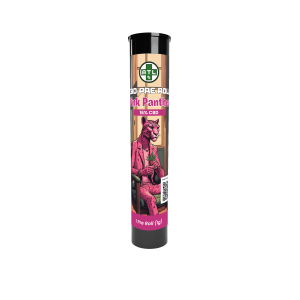
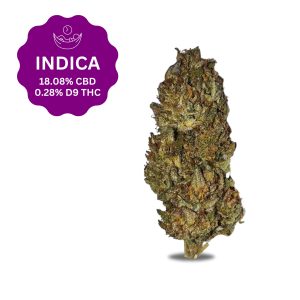
  • Online CBD retailers (like ATLRx): Direct shipping to Michigan addresses, generally the widest selection, and the clearest third-party lab testing documentation.
  • Specialty retail shops: Found in metro areas like Detroit, Grand Rapids, Ann Arbor, Lansing, and Kalamazoo.
  • Select pharmacies and natural grocers often carry topicals and tinctures.
  • CRA-licensed dispensaries: For marijuana-derived CBD or higher-THC products.

When choosing a seller, look for published Certificates of Analysis (COAs) from an ISO-accredited third-party lab, a clear hemp source (U.S.-grown), transparent cannabinoid content, and compliant labeling.
Shipping CBD To and From Michigan

Hemp-derived CBD products that meet federal 2018 Farm Bill requirements can legally be shipped to Michigan via standard carriers. Reputable retailers ship in discreet, tamper-evident packaging and include batch-specific lab results. ATLRx ships compliant hemp-derived CBD products to Michigan addresses where permitted by local law.

Marijuana-derived products and intoxicating hemp cannabinoids cannot be shipped across state lines and must be purchased in person at a licensed Michigan cannabis retailer.

Traveling With CBD in Michigan

Within Michigan, possessing hemp-derived CBD is generally not an issue for adults. When traveling out of state, rules can change at the state border. The TSA allows hemp-derived CBD that complies with the 2018 Farm Bill in carry-on and checked bags, but individual state and destination laws still apply. If you are flying internationally, do not travel with CBD unless you have verified the destination country’s rules, since many jurisdictions still prohibit CBD entirely.

Before you buy, run through this quick checklist:

  1. Source: Is the product derived from U.S.-grown hemp?
  2. Delta-9 THC content: Is it 0.3% or less by dry weight?
  3. Cannabinoid type: Is it a non-intoxicating cannabinoid (CBD, CBG, CBN)? Intoxicating hemp cannabinoids like Delta-8 or THCA flower are restricted in Michigan.
  4. Lab testing: Can the brand provide a Certificate of Analysis from an accredited third-party lab?
  5. Labeling: Does the product label clearly list cannabinoid content, batch number, manufacturer, and required warnings?
  6. Retailer reputation: Is the seller transparent about sourcing, extraction methods, and compliance?

If a product checks all six boxes, it is legal to purchase and possess in Michigan in 2026.

Is CBD Legal in Michigan Without a Prescription?

Yes. Hemp-derived CBD with 0.3% or less Delta-9 THC is legal to purchase in Michigan without a prescription or medical card.

Do I Need to Be 21 to Buy CBD in Michigan?

State law does not set a single age for hemp-derived CBD, but most retailers set their own age gate of 18 or 21. Marijuana-derived CBD from a dispensary requires you to be 21 or a registered patient under the Michigan Medical Marihuana Act.

Can I Buy CBD Oil Online and Have It Shipped to Michigan?

Yes. Compliant hemp-derived CBD can be shipped directly to Michigan addresses from licensed online retailers such as ATLRx.

Is Delta-8 THC the Same as CBD in Michigan?

No. In Michigan, Delta-8 THC (and other intoxicating hemp-derived cannabinoids like Delta-10, HHC, and THCA flower) has been regulated as marihuana since October 11, 2021, and is sold only at CRA-licensed cannabis retailers. CBD is a separate, non-intoxicating cannabinoid that remains broadly available.

Can Police Arrest Me for Carrying CBD in Michigan?

If your CBD product is hemp-derived, contains 0.3% or less Delta-9 THC, and is properly labeled, it is legal to possess in Michigan. Keeping the original packaging and a copy of the Certificate of Analysis on hand is a good practice.

Can I Travel Through Airports in Michigan with CBD?

TSA policy permits hemp-derived CBD products that comply with the 2018 Farm Bill. Rules at your destination may differ, so verify before you fly.

Are CBD Edibles and Drinks Legal in Michigan?

Hemp-derived CBD edibles, gummies, and beverages are available in Michigan retail stores. The FDA still restricts CBD as a conventional food additive at the federal level, and hemp processors of ingestible products must be licensed through the CRA. Buy from brands that follow current labeling and testing standards.

Does Michigan Have Possession Limits for CBD?

Michigan does not have a specific possession limit for hemp-derived CBD. Adult-use marihuana (including marijuana-derived CBD) is limited to 2.5 ounces on your person under MRTMA. You may keep up to 10 ounces at a private residence, but any amount over 2.5 ounces stored at home must be kept in a locked container.

Where Does ATLRx Ship in Michigan?

ATLRx ships compliant hemp-derived CBD products to addresses throughout Michigan, including Detroit, Grand Rapids, Ann Arbor, Lansing, Flint, and surrounding areas, where local law permits.

How Often Do Michigan CBD Laws Change?

Cannabis and hemp rules have been evolving yearly. The biggest recent development is federal: H.R. 5371, signed November 12, 2025, redefines hemp under federal law, effective November 12, 2026. We update this guide whenever the CRA, MDARD, Congress, or the Michigan Legislature makes a material change.

Disclaimer

This article is provided for informational purposes only and is not legal advice. Cannabis and hemp laws change frequently, and the federal definition of hemp itself is scheduled to change on November 12, 2026, under H.R. 5371. Confirm current rules with the Michigan Cannabis Regulatory Agency or a qualified attorney before making purchasing or business decisions. ATLRx sells hemp-derived products that comply with the 2018 Farm Bill and applicable state law.

Jen Hight

Cannabis Industry Expert & Compliance Specialist Jen Hight is a cannabis industry professional with extensive experience in hemp compliance, product development, and consumer education. With a background in regulatory affairs and a passion for helping consumers navigate the complex world of cannabinoids, Jen provides accurate, up-to-date information on hemp legality and best practices. Her work focuses on making cannabis knowledge accessible while ensuring readers understand both the opportunities and responsibilities that come with legal hemp products.
Search

Recent Posts

Is CBD Legal in Michigan? 2026 Guide to Michigan CBD Laws
Is Delta 9 Legal in California? Complete 2026 Legal Guide
Is CBD Legal in Kentucky? 2026 Guide to Kentucky CBD Laws
Delta 8 Near Me

May 11, 2026

Is Delta 9 Legal in New Mexico? 2026 State Law Explained

Top Products

All Reviews
Newsletter Background
News

Join our newsletter

Send Us a Message Contact