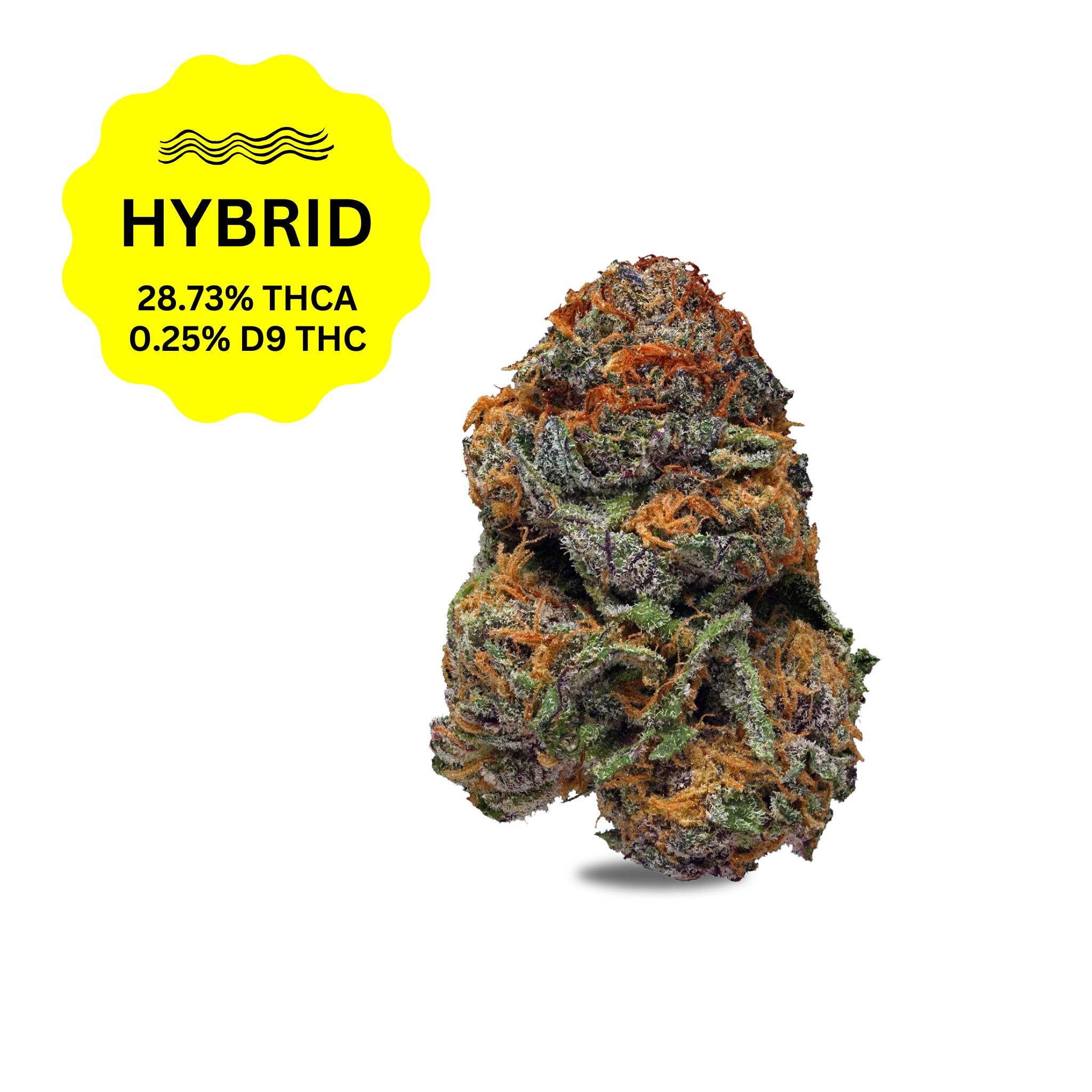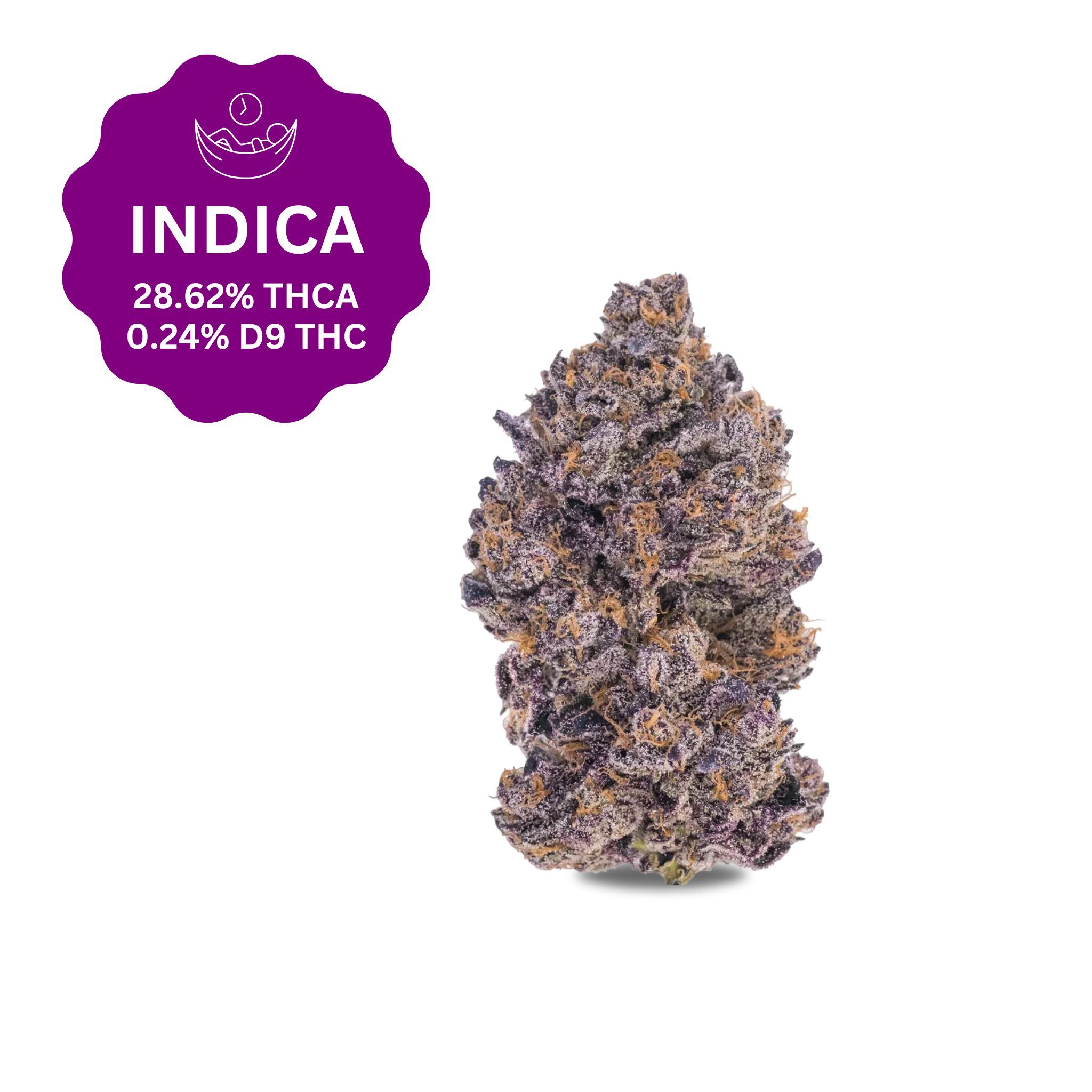


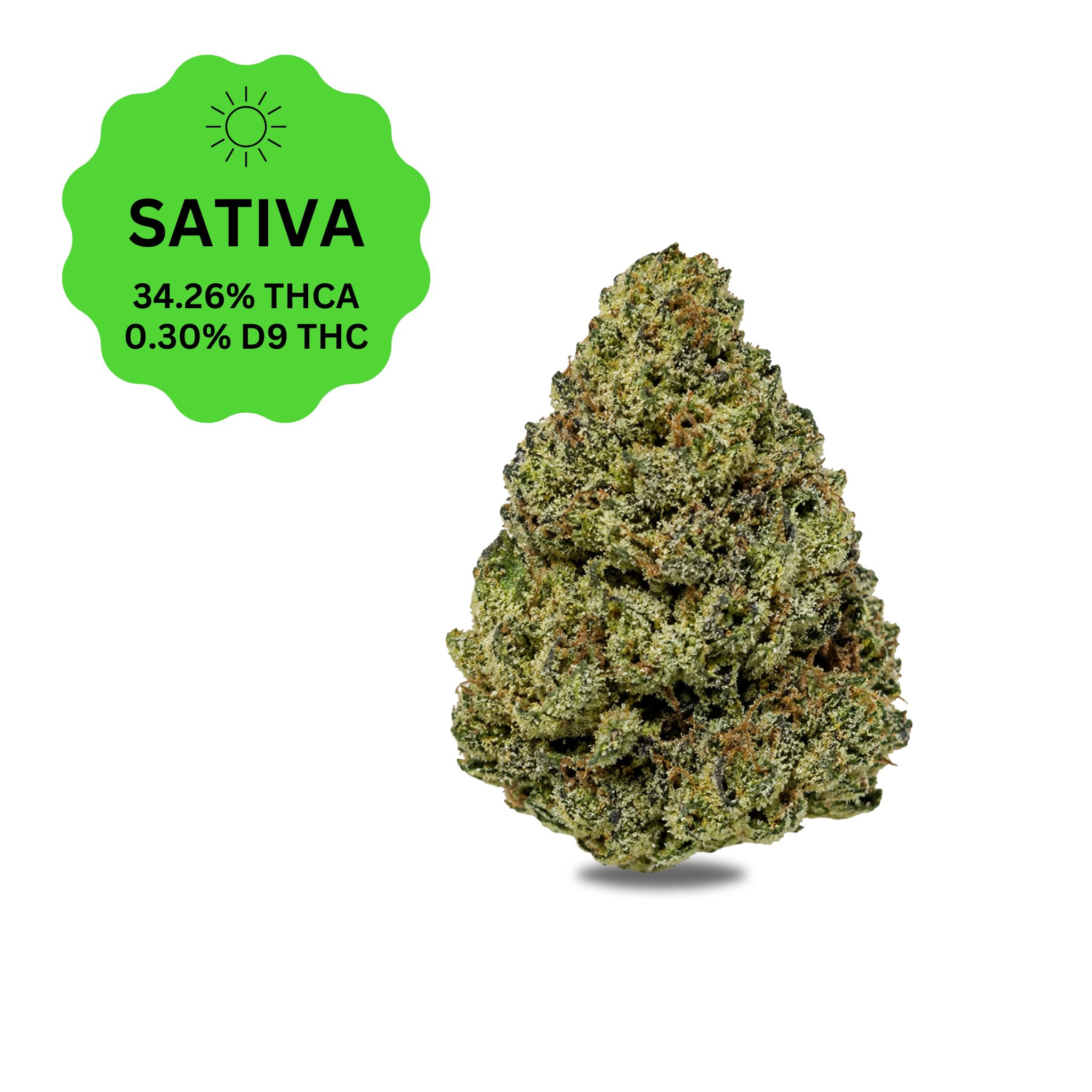
$39.99
ARE YOU 21 YEARS OF AGE OR OLDER?
REMEMBER ME
Seriously, by using this site you are confirming that you are of legal age (21+) to view and purchase these products. If you are you are not over 21. you are not authorized by us to use or view any of the pages of this site. Please review our terms and conditions at checkout for further stipulations.
THE STATEMENTS ON THIS BLOG ARE NOT INTENDED TO DIAGNOSE, TREAT, CURE, OR PREVENT ANY DISEASE. THE FOOD AND DRUG ADMINISTRATION HAS NOT EVALUATED ANY STATEMENTS CONTAINED WITHIN THE BLOG. ATLRX DOES NOT IN ANY WAY GUARANTEE OR WARRANT THE ACCURACY, COMPLETENESS, OR USEFULNESS OF ANY MESSAGE. THE INFORMATION CONTAINED WITHIN THIS BLOG IS FOR GENERAL INFORMATIONAL PURPOSES ONLY.
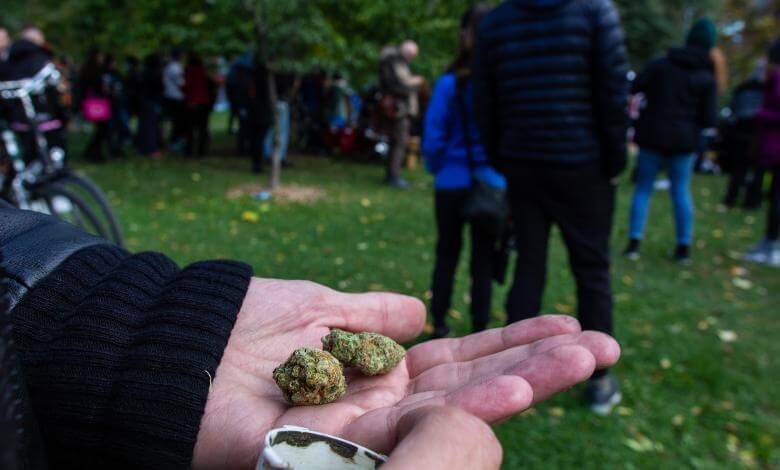
Is CBD legal in the United States? At ATLRx, we know this question comes up almost as often as “Who’s bringing snacks?” to the group hang, and the answer isn’t just a simple yes or no. Federal law says hemp-derived CBD with no more than 0.3% THC is allowed, but each state adds its own rulebook on top, which can turn a quick Google search into a full-on research project.
That’s exactly why we break CBD legality down in plain language, from federal guidelines to what different states do with those rules. Our goal is to help you understand where CBD is legal, what types of products are allowed, and how things like THC limits and labeling requirements come into play. Think of this guide as your legal playbook for CBD in the U.S., so you can shop confidently for CBD Products, whether you’re eyeing CBD Gummies, CBD Flower, CBD pre-rolls, CBD Carts, CBD Concentrates, or CBD Salve, while staying on the right side of current regulations.
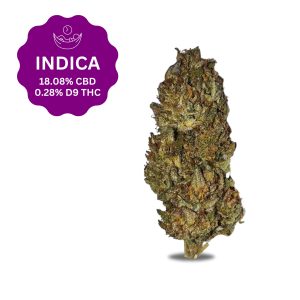
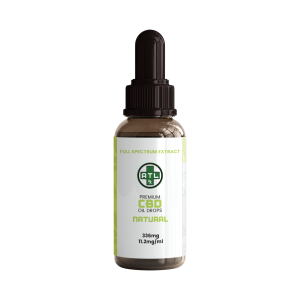
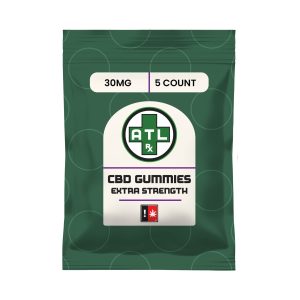
Table of contents:
These points cover the big picture, but let’s zoom in so you feel ready to tackle any questions from your crew.
CBD stands for cannabidiol, a compound pulled straight from the cannabis plant family. It’s gained traction in everyday routines, showing up in items from topicals to tinctures that folks incorporate into their day. CBD and THC are similar but have different potential effects. While THC creates a buzz, CBD has become a favorite at yoga studios and beyond. It can be derived from both hemp and marijuana, but only hemp-derived CBD is federally legal. Some common forms are CBD Salve or CBD Flower. Recognizing the differences between CBD products will help you pick the right one for you. Just be sure to check that it is hemp-derived so that you stay legal.CBD was huge in 2020, and shows no signs of slowing down in 2021. CBD is the avocado toast of the cannabis market. Just make sure to check your local laws to make sure what you’re getting is legal. Some options for CBD include CBD Gummies or CBD Pre Rolls.
The 2018 Farm Bill upended the federal status of hemp, establishing a new definition of hemp as cannabis containing 0.3% THC or less and removing hemp from the Controlled Substances Act. This action federally legalized CBD from hemp, opening the market to wide-scale cultivation and sales. Hemp can now be grown by farmers without DEA registration, and products derived from hemp could be transported across state lines with federal protection.
That freedom is not absolute, the bill also established THC testing and grower licensing processes under the USDA. This sort of regulation is necessary to keep the industry playing by the rules; in the same way the NBA and NFL regulations level the playing field, a government regulatory agency for hemp can help maintain an even industry. What this means for you is that CBD is federally legal as long as it adheres to the rules outlined in the Farm Bill, and that state changes may introduce other layers of regulation.
In 2025, these regulations will include an executive order requiring age verification and potency labeling on hemp products. This measure strengthened the regulation of hemp goods without contradicting the 2018 Farm Bill and was passed to keep the legal market available for all hemp producers to access. If you want to know about CBD federal law, this is the legislation that has kept the gates open for CBD product innovation.
Short answer: Not exactly, but very nearly. CBD is federally legal for hemp-derived products under the Farm Bill’s THC threshold, which covers 48 states, with Idaho and one or two others standing out as possible holdouts. The remaining two states, Texas and Florida, allow CBD under certain conditions, typically with some form of medical approval. States like California and New York treat it as a normal agricultural commodity with no special restrictions, while the majority of states fall somewhere in between the two extremes. How each state applies the Farm Bill to CBD varies significantly.
Wyoming is an example of a state that was quick to adopt the Farm Bill’s provisions, providing clear guidance that CBD with less than 0.3% THC is legal for possession and sale. On the other hand, Nebraska’s take on the Farm Bill is more restrictive, with the state only allowing the sale and possession of CBD in the form of low-THC hemp oil, and for specific uses.
When it comes to interstate travel or ordering online, a good rule of thumb for staying on the right side of the law is to search “CBD legal states” for the most up-to-date list and double-check. Traveling from a state offering complete CBD freedom to one with complex regulations is similar to transitioning from sunny beaches to sudden rain showers. Is CBD legal in all states? That’s a grey area, but at this point, the short answer is yes for hemp CBD, but there are a few notable exceptions.
No, possession isn’t blanket-legal everywhere. In states like Idaho, even hemp CBD can land you in hot water without a medical exception. South Dakota and Nebraska follow suit with tight restrictions, often requiring prescriptions for any form.
On the flip side, places like Colorado and Oregon let you carry CBD Products freely, no questions asked. For travelers, it’s wise to pack light and check airline policies alongside state lines. This setup encourages double-checking “what states are legal” to keep your plans smooth.
Federal law backs possession nationwide for compliant items, but local enforcement can differ. Stick to sources with clear labeling, and you’re set in the majority of spots.
Full-spectrum CBD, which includes a range of plant compounds up to that 0.3% THC cap, dances a fine line. It’s federally okay from hemp, but states like Kansas or Utah might flag it if THC edges too close to the limit. In contrast, states such as Illinois embrace it fully, seeing it as part of the broader hemp allowance.
The key is transparency—look for COAs that break down the composition. This helps you gauge if full-spectrum fits your state’s vibe. CBD legality by state often hinges on these details, so a quick search clarifies the path.
Adopting full-spectrum is like choosing a full-course meal over sides—more complete, but check if the table’s set for it locally. Most states say yes, but a few prefer to isolate to sidestep any gray areas.
Hemp and marijuana both hail from cannabis, but their THC levels set them worlds apart legally.
This split lets hemp-derived CBD thrive while marijuana stays in medical or recreational lanes where allowed. For you, it means more options in hemp lines like CBD Carts without the legal headaches.
Understanding this divide is crucial for shopping—opt for hemp to align with the legal standards across the board.
No, CBD Gummies face hurdles in some spots due to edible regulations. States like Maine and Massachusetts restrict CBD in foods, pushing sales toward non-edible formats. Meanwhile, Nevada and Michigan welcome them openly, treating them as standard hemp goods.
The patchwork comes from food safety laws layering on top of CBD rules. If you’re a fan of portable options, confirm “states where CBD is legal” for gummies specifically to dodge disappointments. Hemp-derived ones with proper THC levels usually clear the bar in permissive areas.
It’s akin to state soda taxes—some add extras, others keep it simple. ATLRx ensures our CBD Gummies meet federal specs, so you can enjoy them where permitted.
There’s no cap on CBD concentration itself—federal rules focus on the source being hemp with ≤0.3% THC. You can find products with high CBD levels as long as that THC threshold holds. States might add their own twists, like Texas limiting to 1% THC for medical oils.
This flexibility lets variety flourish, from potent CBD Concentrates to milder CBD salves. The 0.3% THC is the universal guardrail, but always cross-reference local limits for peace of mind.
In practice, it’s like speed limits, the federal government sets the max, and states can slow it down. Shop with lab-backed products to stay compliant everywhere.
Looking for top-notch CBD? ATLRx has you covered with a lineup that includes CBD Gummies, CBD Flower, and more—all sourced from U.S. hemp farms meeting strict standards. Our CBD Carts offer convenience on the move, while CBD Concentrates pack potency for dedicated users.
We stand out with full COA access for every batch, proving low THC and high purity. Whether it’s CBD Pre Rolls for a classic feel or CBD Salve for targeted application, our selection keeps things simple and legal. Browse our site, and you’ll find options that fit your needs without the hassle.
Shopping with us means joining a community focused on quality—add to cart knowing you’re getting the real deal.
Wrapping it up, CBD is legal in your state if it’s hemp-derived and under 0.3% THC, though a few outliers like Idaho say otherwise. For the rest, it’s a green light with minor caveats. To check specifics, a quick look at CBD legality resources tailored to your zip code does the trick.
When you’re ready to buy, turn to trusted spots like ATLRx. We pride ourselves on products that hit federal marks every time, from CBD Flower to CBD Pre Rolls. Each item comes with a detailed Certificate of Analysis (COA) showing exact contents, so you know it’s pure and compliant. Our commitment to quality sourcing means no guesswork, just reliable CBD Products ready for your routine.
Why us? Because we prioritize transparency and customer trust, we back every CBD Cart or CBD Salve with third-party testing. Skip the uncertainty and grab from a brand that puts your confidence first.
The max is 0.3% THC for nationwide legality under federal rules—no higher without state-specific medical approvals.
No, while hemp-based CBD Pre Rolls are okay in most states, places like Indiana and South Dakota ban smokables outright.
No, hemp CBD oil follows federal legality but faces bans or limits in states like Idaho and Nebraska.
Do you have any more CBD-related questions? Here are a few CBD-related articles:
For more information, please visit our blog section or call us at 1-855-420-8278. ATLRx’s expert customer support team is here to help.

August 25, 2026
August 23, 2026
August 20, 2026
August 20, 2026
August 18, 2026
$39.99
$49.99
$39.99
$39.99
$39.99
$39.99
$49.99