

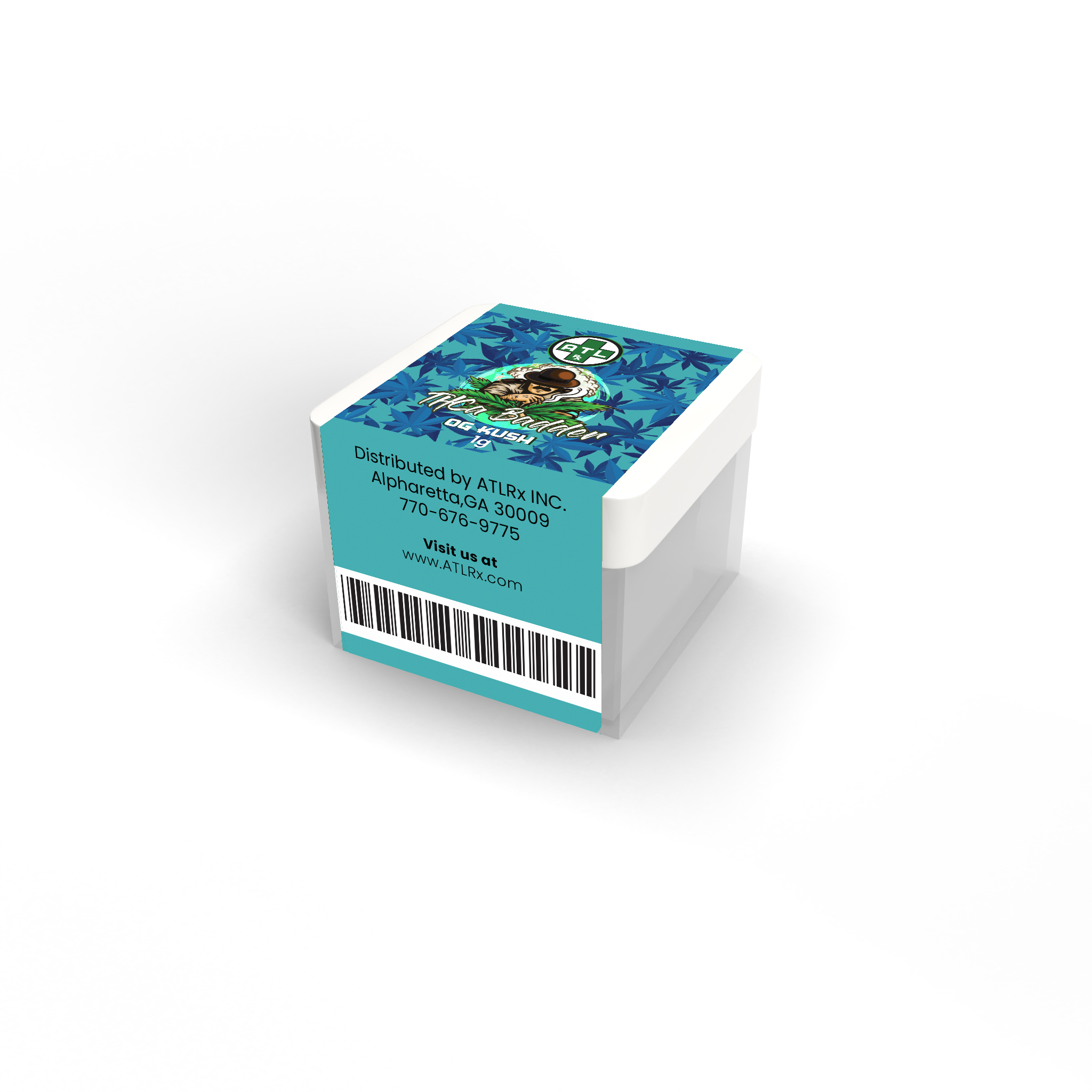
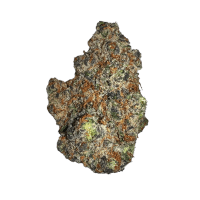
$39.99

ARE YOU 21 YEARS OF AGE OR OLDER?
REMEMBER ME
Seriously, by using this site you are confirming that you are of legal age (21+) to view and purchase these products. If you are you are not over 21. you are not authorized by us to use or view any of the pages of this site. Please review our terms and conditions at checkout for further stipulations.
 >
Blogs
>
THCA >
Is THCA Legal in Tennessee? 2026 Expert Guide
>
Blogs
>
THCA >
Is THCA Legal in Tennessee? 2026 Expert Guide
THE STATEMENTS ON THIS BLOG ARE NOT INTENDED TO DIAGNOSE, TREAT, CURE, OR PREVENT ANY DISEASE. THE FOOD AND DRUG ADMINISTRATION HAS NOT EVALUATED ANY STATEMENTS CONTAINED WITHIN THE BLOG. ATLRX DOES NOT IN ANY WAY GUARANTEE OR WARRANT THE ACCURACY, COMPLETENESS, OR USEFULNESS OF ANY MESSAGE. THE INFORMATION CONTAINED WITHIN THIS BLOG IS FOR GENERAL INFORMATIONAL PURPOSES ONLY.

THCA Legal Status in Tennessee.
Yes, THCA is Legal in Tennessee with major restrictions. Tennessee’s hemp laws changed dramatically on January 1, 2026. THCA products with total THC (including THCA) exceeding 0.3% are now effectively banned under new state legislation. Businesses licensed before December 31, 2025, can continue operating under the old framework until June 30, 2026, creating a temporary transition period. Read below for complete details.
If you’ve been following Tennessee’s hemp market, you know things have changed dramatically. Walk into a smoke shop today, and you might find shelves that were once stocked with THCA flower now sitting empty—or a retailer nervously explaining new restrictions. The confusion is real, and the stakes are high.
Tennessee’s THCA landscape underwent a seismic shift on January 1, 2026, when new hemp legislation took effect, fundamentally changing what’s legal to buy, sell, and possess. What was perfectly legal to purchase in December 2025 could land you in legal trouble just a few months later. If you’re a Tennessee resident wondering whether you can still buy that THCA flower you’ve been using, or if you’re concerned about the legal status of products you already own, you’re not alone—and you’re in the right place.
This isn’t just another generic “is it legal?” article. Tennessee’s situation is unique because the state moved faster than most, implementing restrictions that the federal government is still debating. While high-THCA products remain available in many states, Tennessee has taken a different path—one that significantly narrows what hemp consumers can legally access.
In this comprehensive guide, we’ll break down exactly what changed with Tennessee’s 2025 hemp law (HB 1376/SB 1413), explain the transition period that’s currently in effect, and tell you what to expect after June 30, 2026, when the temporary provisions expire. We’ll also cover the federal legal framework, ongoing court battles between the DEA and federal courts, and critically important information about drug testing, travel restrictions, and how to verify whether the products you’re buying are actually legal.
Whether you’re a longtime hemp consumer trying to navigate these new rules, a curious first-timer wondering if THCA is right for you, or someone who simply wants to stay on the right side of Tennessee law, this guide provides the clear, accurate, and up-to-date information you need.
Table of contents:
Let’s dive in.
If you’re reading older information about THCA legality in Tennessee, it’s likely dangerously outdated. Tennessee’s legal landscape for hemp-derived cannabinoids transformed dramatically in 2025-2026.
In 2025, the Tennessee General Assembly passed House Bill 1376 (HB 1376) and its companion Senate Bill 1413 (SB 1413), introduced by Rep. William Lamberth (R-Portland) and Sen. Richard Briggs (R-Knoxville). Governor Bill Lee signed this legislation into law, with an effective date of January 1, 2026.
This new law represents one of the most restrictive hemp regulations in the United States and effectively bans most high-THCA products that were previously legal.
1. Regulatory Authority Transferred
2. Defining Hemp-Derived Cannabinoid Products (HDCPs)
Under the new law, HDCPs are defined as products containing:
This “total THC” provision is critical: It includes THCA in the calculation, effectively banning the high-THCA flower products that were widely available under the old framework.
3. Online Sales Prohibited. All hemp-derived cannabinoid transactions must now be face-to-face in licensed brick-and-mortar retail locations. Online sales and shipping are prohibited.
4. New Licensing Requirements
5. Wholesale Tax Implementation: There is a new wholesale tax of two cents per milligram on hemp-derived cannabinoids sold in Tennessee.
6. Enhanced Packaging and Labeling Requirements: Stricter standards for child-resistant packaging, warning labels, and product information disclosure.
Recognizing the dramatic impact on existing businesses, the Tennessee Healthy Alternatives Association reached an agreement with state regulators establishing a transition period:
Important: After June 30, 2026, all hemp-derived cannabinoid businesses in Tennessee must comply with the new TABC framework, which effectively prohibits high-THCA flower and similar products.
State lawmakers cited several concerns:
Critics of the law, including hemp farmers and industry advocates, argued that the legislation would devastate Tennessee’s hemp industry and eliminate legal access to products many consumers rely upon.
THCA, or tetrahydrocannabinolic acid, is a naturally occurring cannabinoid found in raw, live cannabis plants. It acts as the precursor to Delta-9 tetrahydrocannabinol (THC), the well-known psychoactive compound in cannabis.
In its raw, natural form, THCA is non-psychoactive, meaning it does not produce the intoxicating effects typically associated with THC. This chemical difference is at the heart of the legal debate surrounding THCA products.
The transformation from non-psychoactive THCA to psychoactive THC occurs through a process called decarboxylation. When THCA is heated—through smoking, vaping, or cooking—it loses a carboxyl group (COOH) and transforms into Delta-9 THC.
This is why the legal distinction matters:
Under the 2018 Farm Bill, hemp was defined as cannabis containing no more than 0.3% Delta-9 THC on a dry-weight basis. Because THCA is not Delta-9 THC, high-THCA flower could technically comply with this definition.
Example:
Tennessee’s new law closes this loophole by requiring products to meet the 0.3% threshold for total THC, including the THCA that would convert upon heating.
Popular THCA Products
THCA Flower (now largely banned in Tennessee) – The most common form, THCA flower, resembles traditional cannabis in appearance, aroma, and smoking experience. Under the old framework, this was legally sold at smoke shops, hemp retailers, and online throughout Tennessee.
THCA Concentrates: Concentrated forms, including wax, shatter, and diamonds, with very high THCA percentages. These are also affected by the new total THC restrictions.
THCA Pre-Rolls Ready-to-smoke products containing THCA flower are now subject to the same restrictions.
Low-THCA Hemp Products (still legal) Products that comply with the new 0.3% total THC limit, such as:
The (commonly called the 2018 Farm Bill) fundamentally changed federal cannabis policy by removing hemp from the Controlled Substances Act.
Key Provisions:
Hemp is defined as Cannabis sativa L. containing 0.3% or less Delta-9 THC on a dry-weight basis.
What the 2018 Farm Bill Did NOT Do:
Many people don’t realize that the 2018 Farm Bill expired on September 30, 2023.
Since then, Congress has passed multiple short-term extensions to keep programs funded while lawmakers debate a comprehensive reauthorization. As of February 2026, we’re still operating under these temporary extensions, creating significant uncertainty for the hemp industry.
During 2024 Farm Bill negotiations, Rep. Mary Miller (R-Illinois) proposed an amendment that would fundamentally redefine hemp to:
Impact if Adopted:
Current Status: The Mary Miller Amendment was added to the House version of the 2024 Farm Bill during markup, but the full Farm Bill has not yet passed Congress. The Senate version also proposed redefining the 0.3% limit to include “total THC” rather than just Delta-9 THC.
Tennessee essentially preempted federal action by implementing a total THC standard in 2025. If the federal government adopts similar language:
The legal status of THCA and other hemp-derived cannabinoids has been contested in federal agencies and courts, creating a confusing landscape for consumers.
In a May 13, 2024, letter, Dr. Terrence L. Boos, Chief of the Drug and Chemical Evaluation Section of the DEA’s Diversion Control Division, provided the agency’s interpretation:
“The process of ‘decarboxylation’ transforms delta-9 THCA into delta-9 THC. Therefore, when enforcing the hemp definition, the delta-9 THC level must include any delta-9 THCA present in a substance. As a result, cannabis-derived THCA does not meet the definition of hemp under the CSA, because once converted for identification purposes, as mandated by Congress, it is effectively the same as delta-9 THC.”
In Plain English: The DEA says THCA should be counted toward the THC limit because it converts to THC when tested or used. Under this interpretation, high-THCA flower is not legal hemp—it’s marijuana.
However, two federal appellate courts have explicitly disagreed with the DEA:
Ninth Circuit (2022): AK Futures LLC v. Boyd Street Distro: Delta-8 THC products derived from hemp with 0.3% Delta-9 THC qualify as legal hemp products
Fourth Circuit (2024): Anderson v. Diamondback Investment Group. Under the 2018 Farm Bill, hemp-derived THC-O is legal in the United States.
Legal Uncertainty: The DEA says high-THCA products are illegal marijuana. Federal courts say hemp-derived cannabinoids meeting the 0.3% Delta-9 THC threshold are legal hemp. Congress hasn’t clarified the law.
State Laws Vary: Because of this federal ambiguity, states like Tennessee have taken matters into their own hands by creating stricter state definitions.
Enforcement Inconsistency: Law enforcement may rely on DEA guidance, while businesses cite federal court rulings, creating potential for wrongful arrests and seizures.
Why Tennessee’s Law Matters: By creating a clear state standard (total THC ≤0.3%), Tennessee has removed much of the legal ambiguity within the state, though it conflicts with current federal court interpretations.
For Legacy Licensees (Licensed Before December 31, 2025):
For New Businesses (Licensed After January 1, 2026):
For Consumers:
Compliant Hemp-Derived Products:
Where to Buy:
High-THCA Products:
Other Restrictions:
Testing Method Problems: Law enforcement field tests often fail to distinguish between hemp and marijuana. Even if you possess a technically legal product, you could face:
Gas Chromatography (GC) Testing Issue: Some lab testing methods use heat, which can inadvertently convert THCA to Delta-9 THC during the testing process itself. This means:
Best Practice: Always keep documentation (receipts, COAs, licensing information) when possessing hemp products, especially during the transition period.
⚠️ CRITICAL WARNING: Yes, using THCA products will almost certainly cause you to fail a drug test.
This is one of the most important facts about THCA that consumers should understand.
Standard drug tests do NOT test for THCA. Instead, they screen for THC metabolites—compounds your body creates after processing THC.
Here’s what happens:
Even Raw THCA Can Trigger Tests:
Urine Tests (Most Common):
Hair Follicle Tests:
Blood Tests:
Saliva Tests:
Workplace Drug Testing:
Professional Licenses:
Child Custody:
Federal Employment and Contracts:
The Safest Approach: Avoid THCA products if you are subject to drug testing for any reason. The legal distinction between hemp and marijuana is irrelevant when it comes to drug testing.
IMPORTANT NOTICE: This section provides factual information about THCA’s chemical properties and user experiences for legal and educational purposes only. This information is not intended as medical advice or health claims. ATLRx products are not designed to diagnose, treat, cure, or prevent any disease. Individual experiences vary significantly.
In its raw, unheated state, THCA is non-psychoactive and does not cause intoxicating effects. However, when exposed to heat through smoking, vaping, or cooking, THCA undergoes decarboxylation and transforms into Delta-9 THC, which is psychoactive and produces intoxicating effects.
Users report a range of experiences after consuming heated THCA products. These experiences are similar to those associated with Delta-9 THC:
Commonly Reported Sensations:
Commonly Reported Challenges:
Individual Variation: Experiences vary dramatically based on:
Tolerance Development: With regular use of THC-containing products:
Psychological Patterns: Some regular users may develop:
Cognitive Considerations:
Consumption Method Considerations:
Strong Cautions – Consider Avoiding:
Note: These are general safety considerations based on THC’s known properties, not medical recommendations. It is always advisable to consult a healthcare provider regarding your individual situation.
Understand Your Local Laws:
Start with Minimal Amounts:
Verify Product Quality:
Never Drive or Operate Machinery:
Consider Your Responsibilities:
With Tennessee’s new regulations, ensuring product compliance is more important than ever. Here’s how to verify you’re purchasing legal hemp products.
For Purchases After January 1, 2026:
A Certificate of Analysis is a third-party lab report showing what’s actually in the product. Every legal hemp product should have an accessible COA.
What to Look For:
1. Total THC Calculation
2. Delta-9 THC Content
3. Third-Party Lab Information
4. Contaminant Testing
5. Cannabinoid Profile
Red Flags:
Tennessee requires specific packaging standards:
Child-Resistant Packaging:
Warning Labels:
Accurate Product Information:
What Should NOT Be on Packaging:
Reputable Retailers Will:
Avoid Retailers Who:
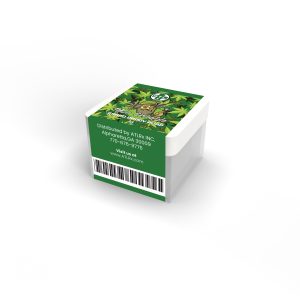
Not all THCA products on the market meet Tennessee’s legal requirements, especially during and after the transition period. Here’s what to watch out for.
The Problem: Every legal hemp product should have a third-party Certificate of Analysis readily available. If the retailer or manufacturer cannot provide this, it’s a major warning sign.
What to Watch For:
Why It Matters: Without testing, you have no idea what cannabinoids, contaminants, or adulterants might be in the product. You’re also at risk of unknowingly possessing illegal marijuana.
The Problem: Under Tennessee’s new law (fully effective July 1, 2026), products with total THC >0.3% are illegal.
What to Watch For:
Why It Matters: After June 30, 2026, these products will be clearly illegal in Tennessee. Even before that date, possession could lead to legal complications if law enforcement cannot verify compliance.
The Problem: Legal products have clear, accurate labeling. Vague or deceptive labels suggest non-compliance.
What to Watch For:
Why It Matters: Misleading labeling often indicates the manufacturer is trying to hide non-compliance or avoid regulatory scrutiny.
The Problem: Only licensed retailers can legally sell hemp-derived cannabinoid products in Tennessee.
What to Watch For:
Why It Matters: Unlicensed sellers are operating illegally and have no regulatory oversight. Their products may be dangerous, mislabeled, or outright illegal.
The Problem: Tennessee’s new law prohibits online sales of hemp-derived cannabinoid products. All transactions must be face-to-face.
What to Watch For:
Why It Matters: Any company willing to ship hemp cannabinoid products to Tennessee is either:
Either way, you could face legal risk receiving these products.
The Problem: Quality hemp products with proper testing, licensing, and compliance cost money to produce and sell legally.
What to Watch For:
Why It Matters: Suspiciously cheap products may be:
The Problem: Tennessee requires purchasers to be 21 or older.
What to Watch For:
Why It Matters: Failure to verify age suggests the retailer is not following any regulations, including product compliance standards.
Traveling with THCA products, even within Tennessee and especially across state lines, involves significant legal risks. Here’s what you need to know.
Current Legal Gray Area:
Law Enforcement Challenges:
1. Field Testing Cannot Distinguish Hemp from Marijuana
2. You Bear the Burden of Proof. Even with a legal product, you may need to prove compliance through:
3. Gas Chromatography Testing Issues. Some police lab testing methods use heat during analysis, which can convert THCA to Delta-9 THC:
Best Practices for In-State Travel:
✅ Do:
❌ Don’t:
🚨 CRITICAL WARNING: Transporting any cannabis product across state lines triggers federal jurisdiction and is NEVER recommended.
Why It’s Particularly Risky:
1. Federal Law Applies The moment you cross a state line with any cannabis product:
2. Conflicting State Laws States vary dramatically in how they regulate hemp-derived cannabinoids:
States with “Total THC” Standards (illegal to bring high-THCA products):
States That Have Banned THCA Products Entirely:
States with Unclear Regulations:
Interstate Highways Are Federal Jurisdiction
TSA and Air Travel
The Transportation Security Administration (TSA) has stated:
Best Practice: Don’t cross state lines with THCA products, period.
If you absolutely must:
National Parks and Federal Property:
Airports:
Hotels and Private Property:
Tennessee’s hemp-derived cannabinoid landscape will continue evolving. Here’s what to monitor.
Now Through June 30, 2026:
July 1, 2026 and Beyond:
What’s at Stake: Congress is still debating the next Farm Bill, with hemp provisions hotly contested.
Possible Outcomes:
Scenario 1: Status Quo Maintained
Scenario 2: Total THC Standard Adopted (Most Likely)
Scenario 3: Comprehensive Hemp Product Regulation
Scenario 4: Hemp Recriminalized or Heavily Restricted
Timeline: Farm Bill reauthorization could happen anytime in 2026 or be extended again. Monitor congressional activity, especially the House and Senate Agriculture Committees.
Possible Future Adjustments:
Relaxation Scenario (Less Likely):
Strengthening Scenario (More Likely):
Status Quo Scenario (Most Likely):
For Consumers:
For Businesses:
Official Sources:
Industry Sources:
Legal Resources:
Sign Up for Alerts: Many organizations offer email notifications for regulatory changes. Consider subscribing to:
It depends. During the transition period (through June 30, 2026), high-THCA products can still be sold by businesses licensed before December 31, 2025, under the old regulatory framework. After June 30, 2026, only products with ≤0.3% total THC (including THCA) will be legal. This effectively bans most THCA flower products.
Tennessee enacted HB 1376 in 2025, which:
Temporarily, yes—but this is ending. Some licensed retailers with legacy licenses can still sell THCA flower through June 30, 2026. After that date, high-THCA flower will be illegal to sell in Tennessee.
Yes, absolutely. When you heat THCA (by smoking or vaping), it converts to Delta-9 THC, which your body metabolizes into compounds that drug tests detect. Even consuming raw THCA can potentially trigger positive tests. If you’re subject to drug testing for any reason, avoid all THCA products.
Chemically, no. Functionally, yes. THCA (tetrahydrocannabinolic acid) is the non-psychoactive precursor to THC. In its raw form, THCA doesn’t produce intoxicating effects. However, when heated through smoking, vaping, or cooking, THCA instantly converts to psychoactive Delta-9 THC through a process called decarboxylation. This is why THCA flower produces effects identical to marijuana when smoked.
No. Tennessee’s new law prohibits online sales and shipping of hemp-derived cannabinoid products. All transactions must be face-to-face at licensed brick-and-mortar retailers. Any website shipping THCA to Tennessee is operating illegally under state law.
Delta-9 THC is the psychoactive compound measured in its final, decarboxylated form.
Total THC includes both Delta-9 THC and the THC that would result if all THCA were converted to THC. The formula is: Total THC = Delta-9 THC + (THCA × 0.877)
Under Tennessee’s new law, total THC must be ≤0.3%, not just Delta-9 THC.
This is legally uncertain. The definition of hemp as cannabis with ≤0.3% Delta-9 THC didn’t explicitly mention THCA. However:
Within Tennessee: Risky even now; will be increasingly risky as the transition period ends. Keep documentation and products in original packaging.
Across state lines: Never recommended. This triggers federal jurisdiction where cannabis remains illegal, and many states have stricter laws than those in Tennessee.
This depends on the total THC content:
Check for:
Most CBD products will remain legal. CBD (cannabidiol) is non-intoxicating and typically present in hemp products that meet the 0.3% total THC threshold. However, some “full-spectrum” CBD products with higher total THC content may need reformulation.
Check the Tennessee Alcoholic Beverage Commission (TABC) website for a list of licensed hemp-derived cannabinoid retailers. During the transition period, the Tennessee Department of Agriculture may also maintain a list of legacy licensees.
Unlicensed sales of hemp-derived cannabinoid products in Tennessee can result in:
Hemp cultivation in Tennessee requires a license from the Tennessee Department of Agriculture under the state’s hemp program. However, all harvested hemp must meet the 0.3% total THC threshold, which is difficult to achieve with high-THCA genetics. Growing cannabis plants that exceed this limit (even if you call them “hemp”) could result in:
This article is for informational purposes only and does not constitute legal advice.
Cannabis and hemp laws are complex and change frequently. The information provided here is current as of February 14, 2026, but Tennessee’s legal landscape for hemp-derived cannabinoids is actively evolving.
Key Points:
Before purchasing, possessing, or using THCA products in Tennessee, we strongly recommend:
ATLRx provides this information to educate consumers, but cannot guarantee the accuracy, completeness, or current applicability of the information provided. Laws can change at any time, and individual circumstances vary.
The Food and Drug Administration has not evaluated any statements contained in this article. ATLRx products are not intended to diagnose, treat, cure, or prevent any disease.

August 7, 2026

August 5, 2026

August 4, 2026
July 30, 2026
$39.99
$39.99
$39.99
$49.99
$49.99
$49.99
$39.99