

$49.99

ARE YOU 21 YEARS OF AGE OR OLDER?
REMEMBER ME
Seriously, by using this site you are confirming that you are of legal age (21+) to view and purchase these products. If you are you are not over 21. you are not authorized by us to use or view any of the pages of this site. Please review our terms and conditions at checkout for further stipulations.
 >
Blogs
>
Delta 9 Legality >
Is Delta 9 Legal in Oregon? 2026 Legal Guide
>
Blogs
>
Delta 9 Legality >
Is Delta 9 Legal in Oregon? 2026 Legal Guide
THE STATEMENTS ON THIS BLOG ARE NOT INTENDED TO DIAGNOSE, TREAT, CURE, OR PREVENT ANY DISEASE. THE FOOD AND DRUG ADMINISTRATION HAS NOT EVALUATED ANY STATEMENTS CONTAINED WITHIN THE BLOG. ATLRX DOES NOT IN ANY WAY GUARANTEE OR WARRANT THE ACCURACY, COMPLETENESS, OR USEFULNESS OF ANY MESSAGE. THE INFORMATION CONTAINED WITHIN THIS BLOG IS FOR GENERAL INFORMATIONAL PURPOSES ONLY.
Delta 9 Legal Status in Oregon:
Yes, Delta 9 is legal in Oregon under certain conditions. In 2026, Delta-9 THC is legal in Oregon, but the state treats it differently depending on how much total THC it contains and how it was made. Low-THC, hemp-derived Delta-9 products can be sold in the general market, while anything above Oregon’s intoxicating threshold is regulated as an adult-use cannabis item and sold only through licensed dispensaries to adults 21 and older. A major federal change also goes into effect on November 12, 2026, so the rules are shifting.
Few areas of cannabis law move as quickly, or confuse shoppers as much, as the rules around Delta-9 THC. The word “Delta-9” shows up on hemp gummies at a corner store and on high-potency products behind a dispensary counter, yet those two items can sit on opposite sides of the law. In Oregon, the dividing line is not the plant a product came from or a single percentage on a lab sheet; it is the total amount of intoxicating THC in the finished product and whether the cannabinoid was naturally derived.
Oregon was an early mover on adult-use cannabis and has since built one of the stricter frameworks for intoxicating hemp in the country. That means some products sold freely in other states are restricted, or outright banned, here. At the same time, a sweeping federal change scheduled for November 12, 2026, is about to reshape the national hemp market, and it will interact with Oregon’s existing rules in ways every buyer and seller should understand.
Table of contents:
This article explains where Delta-9 stands in Oregon right now, the specific milligram limits that decide what can be sold and to whom, the registration and licensing steps that took effect in 2026, and the federal deadline on the horizon. Use it as an orientation, not as legal advice, and confirm the current rules before you buy, sell, or ship.
Yes. Oregon has allowed adult-use cannabis since voters approved Measure 91 in November 2014, and recreational retail sales began in 2015. That means adults 21 and older can legally buy and possess Delta-9 THC products through the state’s regulated market.
Hemp-derived Delta-9 also has a legal path in Oregon, but it is narrower than many people assume. Oregon does not look only at the Delta-9 percentage. The state focuses on the total intoxicating THC in a finished product, which is a stricter approach than the older federal “0.3% Delta-9” shorthand.
Here is the key distinction Oregon draws:
This 0.5 mg per-item threshold is the single most important number to understand, and it is something many out-of-date guides leave out.
In the 2018 Farm Bill, hemp was defined as having no more than 0.3% Delta-9 THC by dry weight. For years, that opened the door to a wide range of products that met the Delta-9 limit on paper while still being intoxicating.
Oregon closed much of that gap with HB 3000, an omnibus hemp law. Under HB 3000 and the OLCC rules that followed:
The practical compliance question in Oregon is not just “what is the Delta-9 percentage,” but “what is the total THC and was the cannabinoid naturally derived?”
Note that HB 3000 (2021) is the law that bans artificially derived cannabinoids and sets the intoxicating-THC framework. The separate Oregon Hemp Registry was created later by House Bill 4121 (2024).
For shoppers, the takeaway is simple: in Oregon, a product’s intoxicating potential and how it was made matter as much as its Delta-9 number.
The biggest update for 2026 is at the federal level.
The Continuing Appropriations Act, 2026 (Public Law 119-37) was signed into law on November 12, 2025. This law rewrites the federal definition of hemp in Section 781. Instead of measuring only Delta-9 THC, the new definition uses a total-THC standard that counts THCA and other THC isomers, capped at 0.3% on a dry weight basis. Furthermore, it limits the total THC content of finished consumable hemp products to 0.4 milligrams per container, and excludes several categories of hemp-derived cannabinoid products entirely. This 0.4 mg per-container limit, not the percentage figure, is what removes the vast majority of intoxicating hemp products from the federal “hemp” category.
A few important points:
For Oregon specifically, the state already applies a stricter, intoxicating-effect standard, so well-regulated Oregon shoppers are in a more predictable position than buyers in states that relied solely on the federal loophole. Even so, anyone buying hemp-derived Delta-9 nationally should track the November 2026 date closely.
| Date | What Changed |
| 2018 | The federal Farm Bill defines hemp by the 0.3% Delta-9 standard |
| 2021 | Oregon HB 3000 restricts intoxicating hemp and bans artificially derived cannabinoids |
| Jan 1, 2026 | Oregon Hemp Registry (OLCC) rules take effect; registration applications open (HB 4121) |
| Jun 1, 2026 | OLCC begins enforcement; unregistered consumable hemp items must come off shelves |
| Nov 12, 2026 | New federal total-THC hemp definition takes effect (P.L. 119-37, Sec. 781) |
For general-market hemp products that stay within Oregon’s rules, the state sets specific caps. Current Oregon limits include:
| Product Type | Per Serving | Per Container |
| Edibles (general market) | 2 mg total THC | 20 mg total THC |
| Beverages / other cannabinoid products (general market) | 1 mg total THC | 10 mg total THC |
| Tinctures | Per OLCC rules | 100 mg total THC |
Separately, a lower 0.5 mg total delta-9 THC per-item threshold determines whether a hemp product can be sold to someone under 21 at all. This cap is calculated per item, not per serving. Products that fail that test are treated as adult-use cannabis and are limited to buyers 21 and older. See the OLCC’s hemp-derived product limits for the complete rules.
Because these figures are set by administrative rule and can be revised, confirm the current numbers in the OLCC rules before relying on them.
You generally have two legal channels:
Two compliance items took on added importance recently:
When buying online, choose brands that publish third-party Certificates of Analysis (COAs) so you can confirm cannabinoid content and that the product avoids banned, artificially derived cannabinoids.
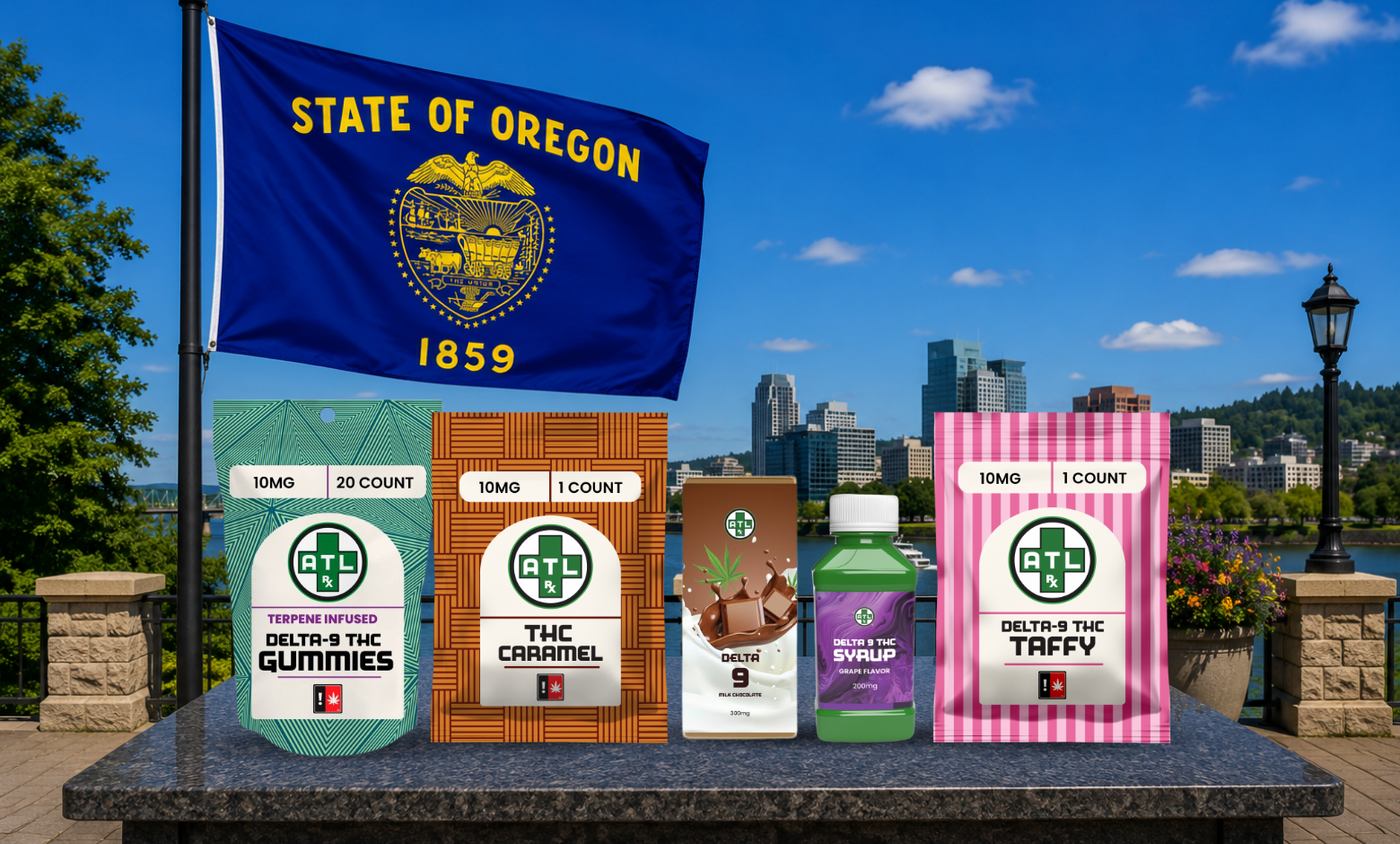
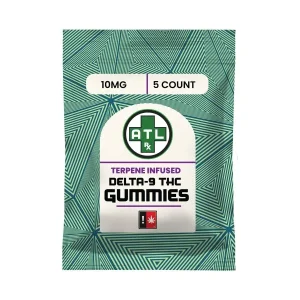
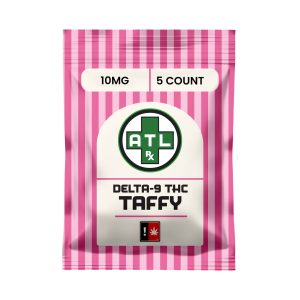
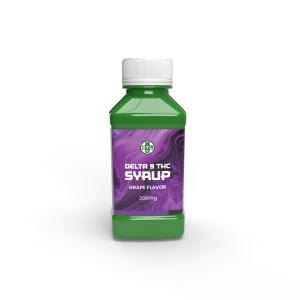
ATLRx publishes detailed lab results for their hemp-derived offerings, which span a range of formats such as Delta 9 THC Gummies, Delta 9 THC Syrup, Delta 9 THC Caramels, and Delta 9 THC Taffy. Whichever format you choose, confirm that each product meets Oregon’s limits before you buy.
For adult-use cannabis, Oregon sets possession limits that differ by location:
Public consumption remains illegal, and cannabis cannot be taken across state lines, which is a federal offense regardless of state law.
No. Oregon bans artificially derived cannabinoids under HB 3000, which makes Delta-8, Delta-10, and HHC products illegal in the state, even when they meet the federal Delta-9 percentage standard.
It is the same molecule, Delta-9-tetrahydrocannabinol. The legal difference comes from the source plant and the total THC in the finished product. Oregon regulates intoxicating Delta-9 as adult-use cannabis once it crosses the state’s threshold.
Oregon classifies a consumable hemp item as an adult-use cannabis item unless it has been demonstrated to contain less than 0.5 milligrams of total delta-9 THC per item and meets the state’s other conditions (including containing no artificially derived cannabinoids). Adult-use cannabis items can only be sold to adults 21 and older.
The federal definition of hemp changes from a Delta-9-only measurement to a total-THC measurement (which includes THCA), capping finished consumable products at 0.4 mg total THC per container and excluding multiple hemp-derived cannabinoid categories. This is expected to significantly reshape the national hemp market.
You can possess compliant products within Oregon under state limits, but transporting cannabis across state lines is a federal offense. Always follow the laws of both your origin and destination.
For any product classified as an adult-use cannabis item, yes. Adults must be 21 or older to purchase cannabis with a valid form of identification.
Legal disclaimer: These statements have not been evaluated by the Food and Drug Administration. These products are not intended to diagnose, treat, cure, or prevent any disease. This article is for general informational purposes only and does not constitute legal advice or a definitive statement of the law. Cannabis and hemp laws vary by state and change frequently. The information here may not reflect the most current developments. Consult a licensed attorney in your jurisdiction to verify the legal status of any product before purchasing, possessing, or shipping it. Delta-9 products are for adults 21 and older.

July 21, 2026
July 20, 2026
July 17, 2026
July 16, 2026
July 15, 2026
$49.99
$39.99
$39.99
$49.99