Is CBD Legal in North Dakota? 2026 Law Updates & Guide
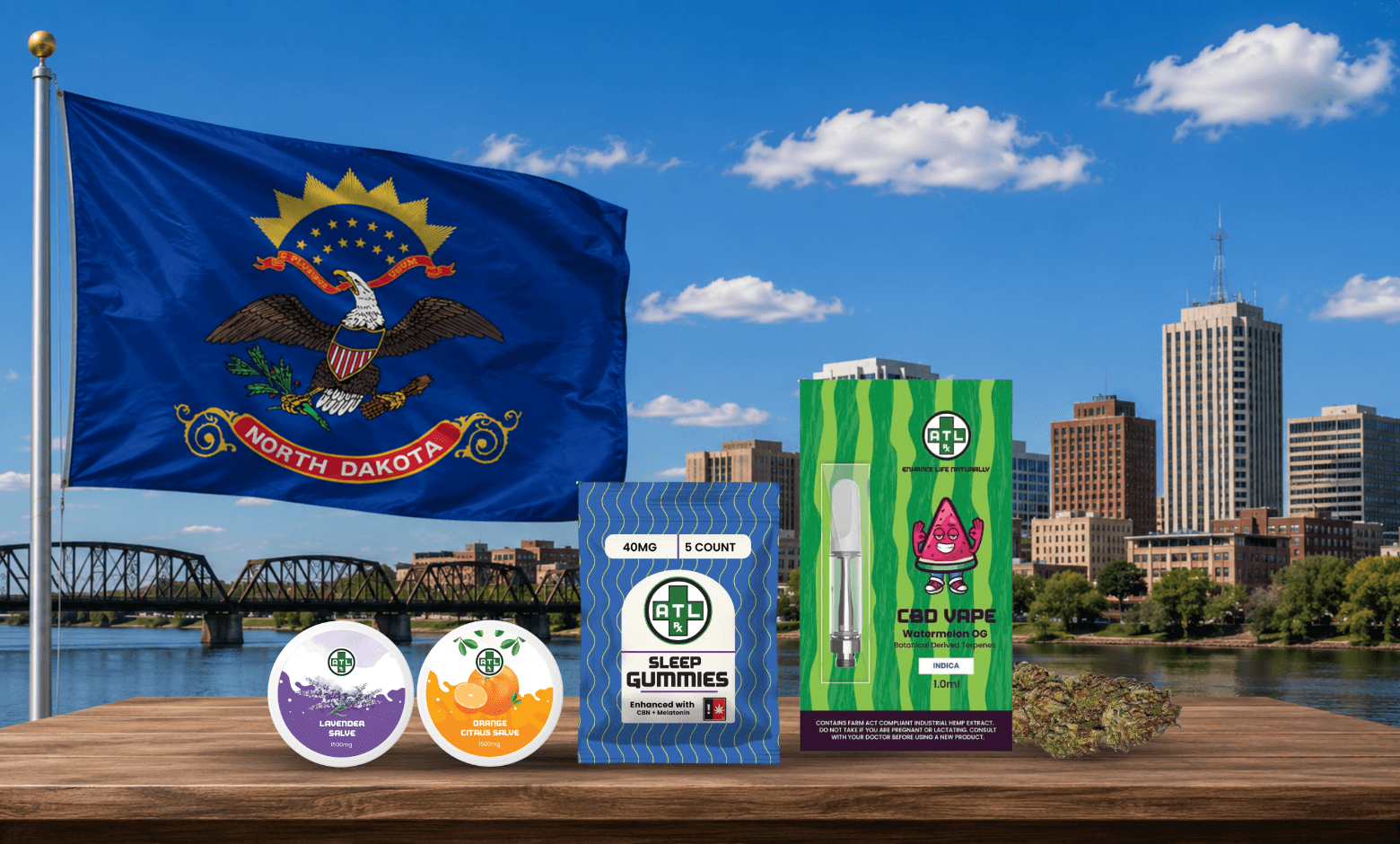
CBD Legal Status in North Dakota
Is CBD Legal in North Dakota in 2026? The short answer is yes. Hemp-derived CBD containing no more than 0.3 percent Delta-9 THC is legal to buy, possess, and use across the Peace Garden State, but the rules around what counts as a legal CBD product have tightened considerably since 2021. New federal legislation signed in November 2025 will reshape the entire market again on November 12, 2026, so understanding exactly where the line sits today is more important than ever. This 2026 guide breaks down North Dakota CBD laws in plain language, walks you through what is permitted and what is banned, and shows you what to look for on a Certificate of Analysis before you buy.
Keep Browsing
Explore Our CBD Categories
Shop real CBD products and collections.
Key Takeaways
- 01Yes, CBD is legal in North Dakota if it is derived from hemp and contains less than 0.3 percent THC.
- 02HB 1349 (2019) legalized hemp-derived CBD; HB 1113 (2019) removed hemp from the state’s controlled substances list.
- 03HB 1045 (2021) banned Delta-8, Delta-10, isomerized THC, and synthetic cannabinoids in North Dakota.
- 04SB 2096 (2023) excluded all chemically derived cannabinoids and all Delta-8 products from the state’s hemp definition.
- 05HB 1203 (2025) expanded the medical program to allow regulated cannabinoid edible lozenges (effective August 1, 2025).
- 06The federal law defines hemp as containing 0.4 mg or less of THC, effective November 12, 2026.
- 07Vape products derived from hemp are banned in North Dakota under NDCC § 4.1-18.1.
- 08Buyers must be at least 18 to purchase hemp-derived CBD products at retail.
Is CBD Legal in North Dakota?
Yes. Hemp-derived CBD is legal in North Dakota under HB 1349 and HB 1113, both signed in 2019, provided the product contains no more than 0.3 percent Total THC on a dry weight basis. CBD derived from cannabis remains limited to patients enrolled in the state’s Medical Marijuana Program, administered by the North Dakota Department of Health and Human Services. Hemp itself was removed from the North Dakota controlled substances list, so possession of compliant CBD products by adults does not carry criminal penalties.
The North Dakota Department of Agriculture (NDDA) licenses hemp growers and processors, oversees product testing, and publishes the rules for which finished cannabinoid products may be sold in the state. The agency operates under Chapter 4.1-18.1 of the North Dakota Century Code, which is the master statute for industrial hemp in North Dakota.
The Federal Framework Behind North Dakota CBD Law
North Dakota’s CBD rules begin with federal law. The 2018 Farm Bill (Agricultural Improvement Act of 2018) removed hemp and hemp-derived cannabinoids from the federal Controlled Substances Act and defined them as cannabis with less than 0.3 percent Delta-9 THC by dry weight. That single sentence opened the door to the entire legal CBD market in the United States.
Public Law 119-37, the Continuing Appropriations, Legislative Branch, Military Construction and Veterans Affairs, and Extensions Act of 2026, was signed by the President on November 12, 2025. The Continuing Appropriations, Legislative Branch, Military Construction and Veterans Affairs, and Extensions Act of 2026 was signed by the President on November 12, 2025.
- Total THC Standard. 0.3 percent now measures Total THC, which includes THCA and Delta-8 THC, not just Delta-9 THC.
- 0.4 mg per container cap. Hemp-derived cannabinoid products must not contain more than 0.4 milligrams of THC per container.
- Synthetic exclusion. Cannabinoids synthesized outside of the cannabis plant or not naturally produced by the plant are not considered hemp.
New federal definitions take effect 365 days after enactment, which is November 12, 2026. The Hemp Planting Predictability Act (H.R. 7024) would push the effective date to 2028, but as of mid-2026, it has not been passed.
North Dakota Hemp & CBD Legislation Timeline
| Year | Bill / Action | What It Did |
| 2015 | HB 1436 | Removed the DEA licensing requirement for North Dakota hemp growers and authorized the NDDA Industrial Hemp Pilot Research Program under the 2014 Farm Bill. |
| 2019 | HB 1349 | Adopted the federal hemp definition. Defined hemp as cannabis with 0.3 percent or less THC and gave the NDDA authority over licensing, testing, and labeling. |
| 2019 | HB 1113 | Removed hemp and hemp-derived products (including CBD) from North Dakota’s controlled substances list. |
| 2021 | HB 1045 | Signed by Governor Doug Burgum on April 26, 2021. Redefined THC to include Delta-9 and all of its isomers (including Delta-8 and Delta-10), and banned the isomerization of CBD into THC. |
| 2023 | SB 2096 | Excluded all products containing Delta-8 THC and other chemically derived cannabinoids from the state’s hemp definition, regardless of whether they were naturally derived or synthesized. Signed by Governor Doug Burgum on April 24, 2023. |
| 2025 | HB 1203 | Authorized cannabinoid edible lozenges for registered medical patients (max 5 mg THC per serving, 50 mg per package). Effective August 1, 2025. |
| 2025 | HB 1596 | Would have reclassified possession of up to half an ounce of cannabis as a non-criminal infraction with a $150 fine. Rejected by the North Dakota Senate on April 9, 2025, in a 13-33 vote. |
| 2026 | P.L. 119-37 (Federal) | Redefines hemp using Total THC and a 0.4 mg per-container cap on finished products. Effective November 12, 2026. |
November, North Dakota Calculates Total THC
Since 2021, North Dakota has measured legal hemp by Total THC, not Delta-9 alone. The formula the NDDA uses is:
Total THC = (THCa × 0.877) + Delta-9 THC
As a result of the 0.877 multiplier, the weight of THCa is lost when it converts to Delta-9 THC through heat. A product that lists 0.2 percent Delta-9 but 25 percent THCa on its Certificate of Analysis actually has a Total THC level well above 22 percent, which would not qualify as hemp in North Dakota. Always check both numbers, not just the Delta-9 line.
What CBD Products Are Legal in North Dakota?
Per the NDDA, the following hemp-derived products are permitted for retail sale when Total THC stays at or below 0.3 percent, and no synthetic cannabinoids are present:
- CBD oil tinctures (full-spectrum, broad-spectrum, or isolate).
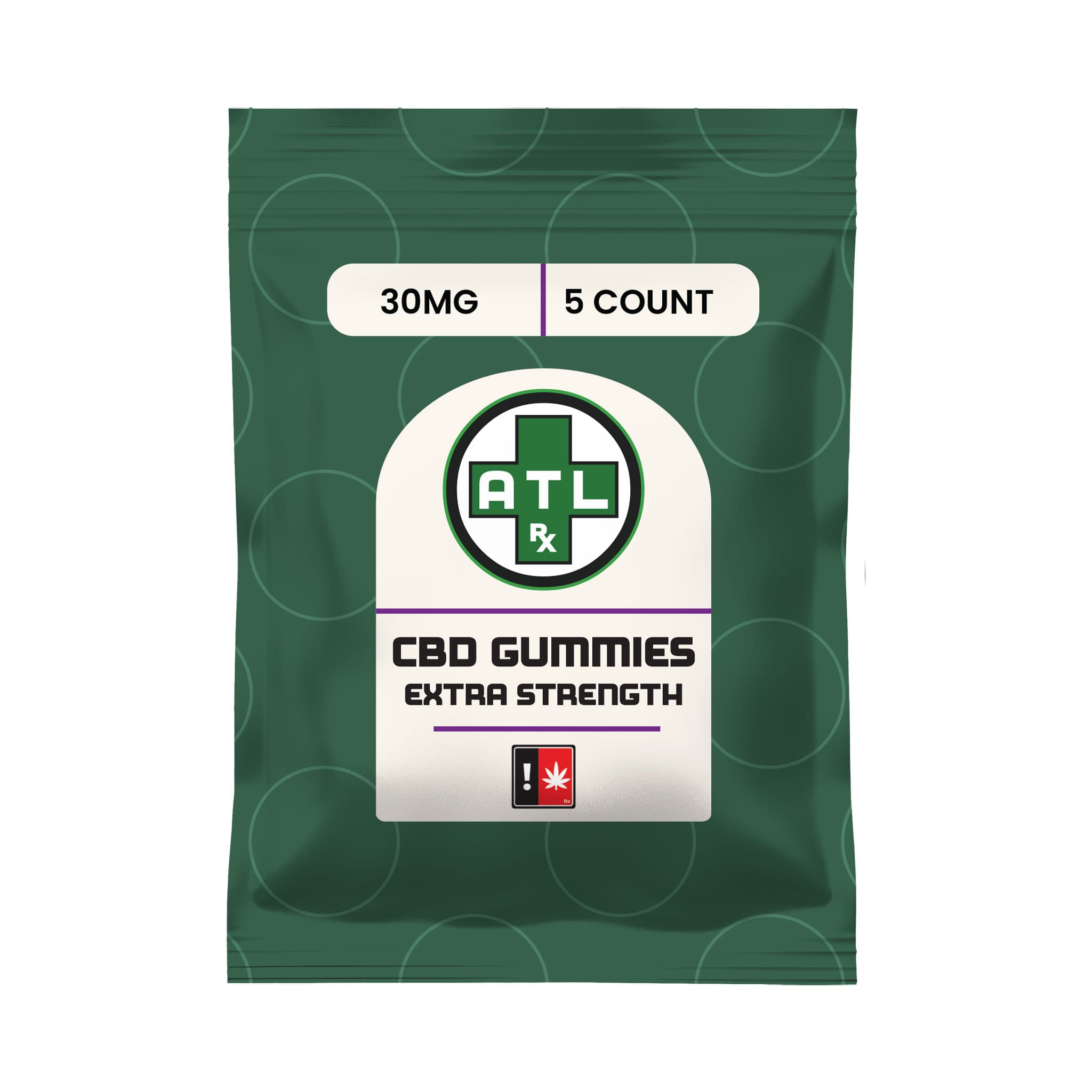
- CBD gummies and edibles containing CBD, CBG, or CBN (no synthetic cannabinoids).
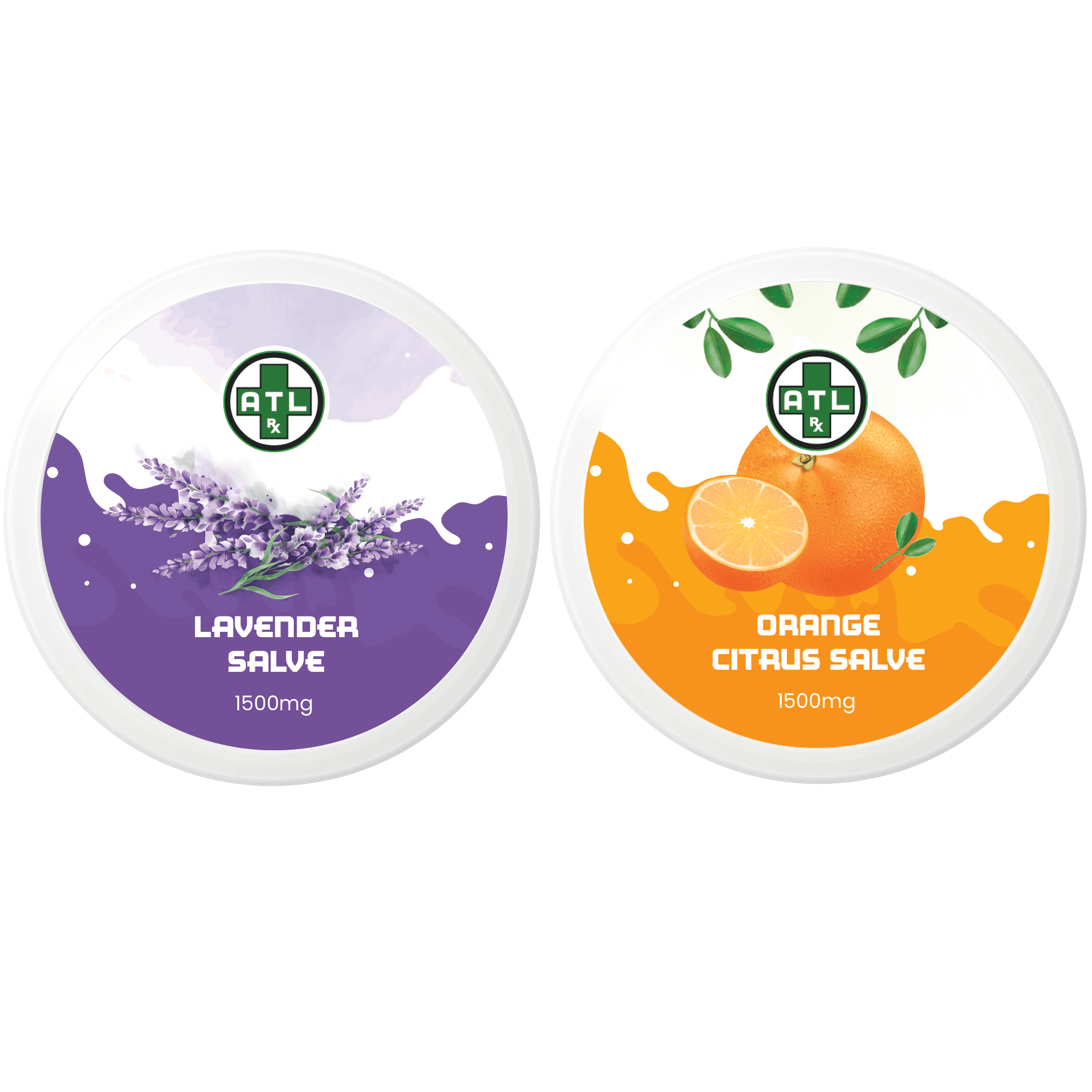
- CBD topicals, salves, and creams for external use.
- CBD capsules and softgels.
- Products made from hemp seeds, including hemp hearts, hemp oil, and hemp protein powder.
- Non-consumable hemp goods such as textiles, rope, paper, and building materials.
What Is Banned in North Dakota?
This is where North Dakota is stricter than many other states. Under Sections 4.1-18.1-04.3 and 4.1-18.1-04.4 of the Century Code and NDDA rulemaking, the following are prohibited:
- Hemp-derived vapes and inhalants. The state expressly prohibits the use of “a chemical compound extracted from hemp for formulating, processing, or otherwise making an inhalant.” That covers vape cartridges and disposable vape pens, regardless of cannabinoid.
- Delta-8 THC — excluded from the hemp definition under SB 2096 (2023) and captured by North Dakota’s definition of THC.
- THC-O Acetate (THC-O) — banned as a chemically derived/synthetic cannabinoid.
- Hexahydrocannabinol (HHC) — banned as a chemically derived/synthetic cannabinoid.
- Tetrahydrocannabiphorol (THCP) — banned as a chemically derived/synthetic cannabinoid.
- Delta-10 THC and other THC isomers are captured under North Dakota’s definition of tetrahydrocannabinol, which includes Delta-9 and all of its isomers (Delta-7, Delta-8, Delta-10).
- Any cannabinoid created through the isomerization of CBD or another cannabinoid.
- All chemically derived cannabinoids under SB 2096 (2023).
- Products with a “psychotropic intent.” The NDDA may deem a product non-compliant if its purpose is to produce a high, even if the cannabinoid in question is not explicitly listed.
Legal vs. Banned CBD Products in North Dakota (2026)
| Product Type | Status in ND | Notes |
| CBD Oil Tincture (full/broad / isolate) | Legal | Must show ≤0.3% Total THC on COA. |
| CBD Gummies / Edibles | Legal | No synthetic cannabinoids. Subject to P.L. 119-37 0.4 mg-per-container cap after Nov. 12, 2026. |
| CBD Topicals | Legal | Lowest regulatory risk. |
| CBD Capsules / Softgels | Legal | Must meet labeling and COA rules. |
| Hemp Flower / Pre-rolls | Legal (cautious) | Permitted under state hemp law, but indistinguishable from marijuana by sight. |
| CBD Vape Cartridges / Disposables | Banned | NDCC bans hemp-derived inhalants. |
| Delta-8 / HHC / THC-O / THCP (named in NDCC); Delta-10 and other THC isomers (covered by ND’s THC definition) | Banned | Excluded from the hemp definition; regulated as controlled substances under state law. |
| Marijuana-derived CBD | Medical only | Available only to registered patients at state compassion centers. |
Age Limit to Buy CBD in North Dakota
Hemp-derived CBD products must be purchased by people who are at least 18 years old at retail. ATLRx sets its own minimum age at 21 years to align with broader cannabis-industry best practices and to support responsible sales. A government-issued photo ID must be verified by retailers at the point of sale.
Possession Limits for CBD in North Dakota
Hemp-derived CBD has no possession limits in North Dakota. Adults can purchase and possess any quantity for personal use, provided the products comply with the 0.3 percent Total THC threshold and other NDDA rules. Marijuana-derived CBD is a different matter. Registered medical patients are subject to purchase and possession limits set by the North Dakota Department of Health and Human Services, including a 310-milligram THC cap on cannabinoid edible products at any one time. Because these limits are periodically updated, patients should confirm current figures directly with the Division of Medical Marijuana.
The North Dakota Medical Marijuana Program (HB 1203 Update)
North Dakota legalized medical cannabis through Measure 5, the Compassionate Care Act. Until 2025, the program permitted only botanical cannabis, tinctures, capsules, and topical patches. In April 2025, Governor Kelly Armstrong signed House Bill 1203, which added a new category: cannabinoid edible lozenges (effective August 1, 2025). (The August 1st prior hemp tightening — HB 1045 in 2021 and SB 2096 in 2023 — was signed by his predecessor, Governor Doug Burgum.)
Mentioned In This Article
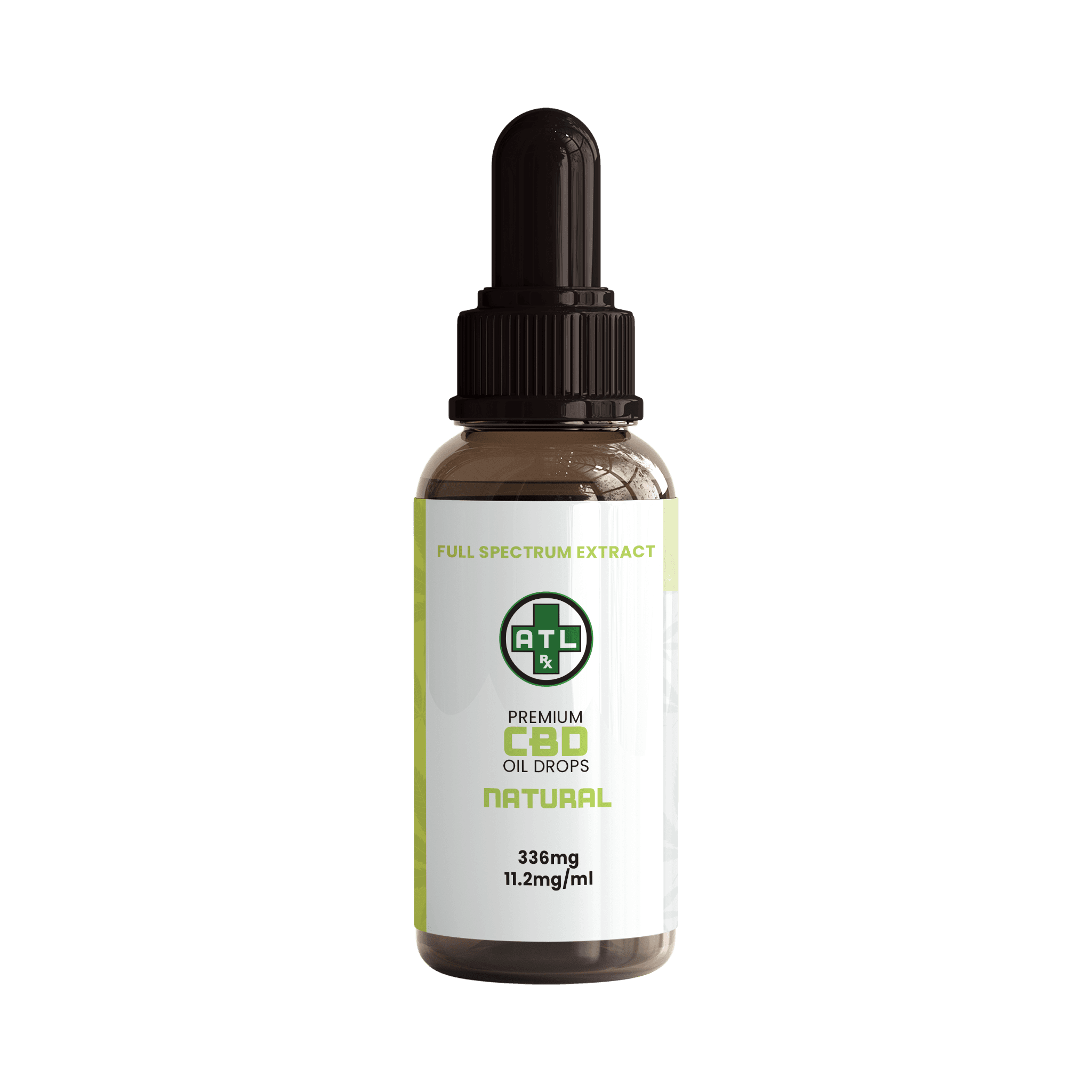
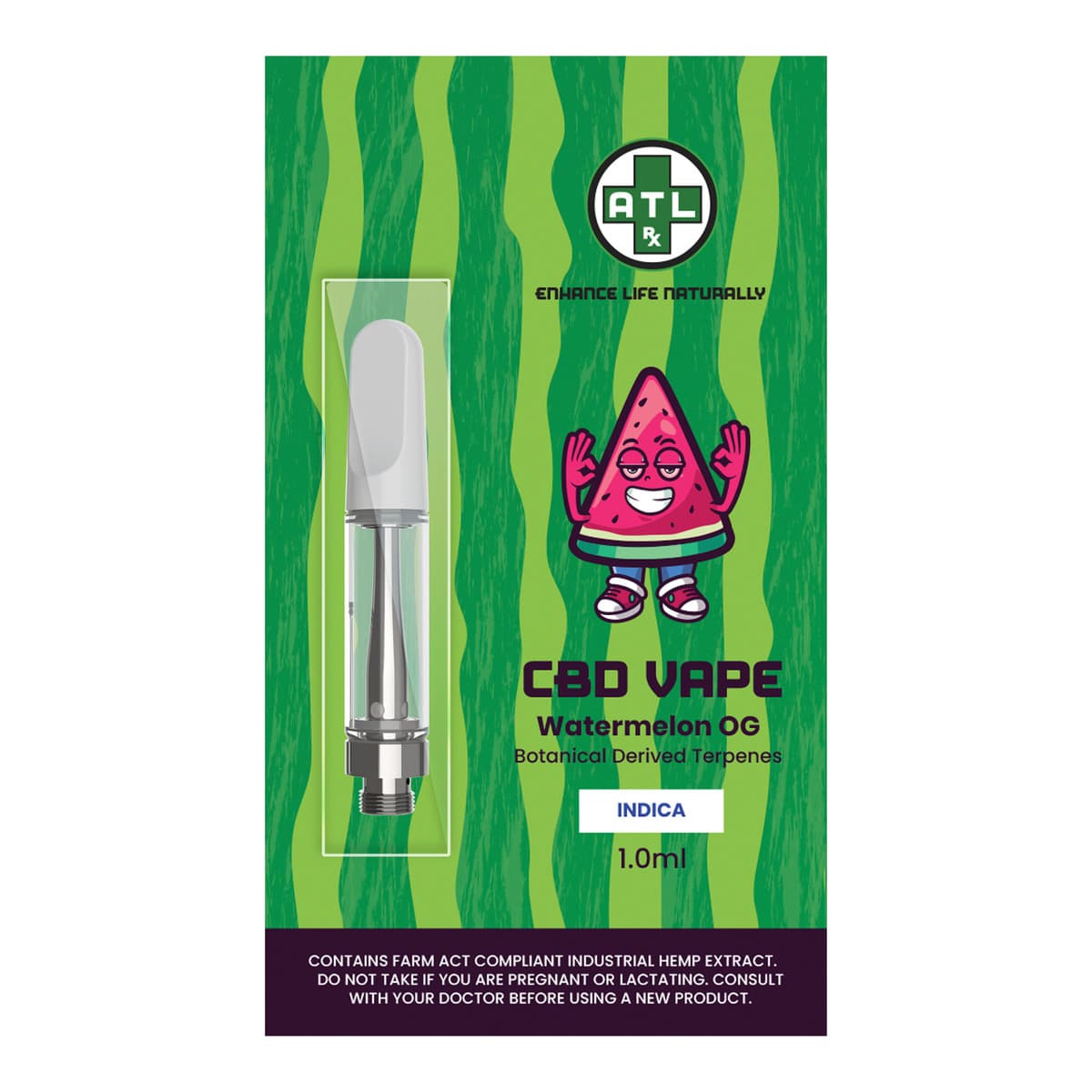
HB 1203 dosing and packaging rules:
- Maximum 5 mg THC per lozenge.
- Maximum 50 mg THC per package.
- Lozenges must be square-shaped, child-resistant, tamper-evident, and may not resemble candy.
- A patient may not possess more than 310 milligrams of THC in the form of a cannabinoid edible product at any given time.
Under the North Dakota Department of Health and Human Services, the Division of Medical Marijuana administers the program and maintains the official list of qualifying conditions on its website. North Dakota voters rejected adult-use cannabis ballot measures in 2018, 2022, and 2024.
What Changes on November 12, 2026?
On November 12, hemp retailers, growers, and consumers across the country are watching. When Section 781 of P.L. 119-37 takes effect, three federal changes go live at once:
- Total THC, not Delta-9. Hemp must contain no more than 0.3 percent Total THC, with THCA and Delta-8 explicitly counted.
- 0.4 mg per container cap. A finished hemp-derived cannabinoid product cannot contain more than 0.4 milligrams of total THC across the entire container.
- No synthetic or chemically converted cannabinoids. Compounds that are not naturally produced by the cannabis plant, or that are synthesized outside of the plant, are excluded.
Because North Dakota has applied a Total THC standard since 2021 and already bans isomerized and synthetic cannabinoids, the state is already structurally aligned with much of P.L. 119-37. The most visible change for ND consumers will be the 0.4 mg per-container cap, which would affect many higher-strength full-spectrum CBD formulations that carry incidental trace THC above that threshold. 0.4 mg is a federal rule. Until the FDA finalizes implementing guidance, the practical effect on individual product categories may continue to evolve.
How to Buy CBD Safely in North Dakota
Whether you are shopping at a brick-and-mortar store in Fargo, Bismarck, Grand Forks, or Minot, or you are ordering online, follow this checklist before you buy:
- Read the Certificate of Analysis (COA). An accredited, third-party lab should provide a batch-specific full-panel COA. Verify Total THC, not just Delta-9.
- Check both spots on the COA. NDDA inspectors have flagged COAs that appear compliant on the summary line but show high THCa in the analyte breakdown.
- Verify the source. U.S.-grown hemp from licensed producers offers more supply-chain transparency than imported material.
- Avoid banned cannabinoids. If the label says Delta-8, Delta-10, HHC, THCP, or THC-O, it is not legal in North Dakota, regardless of what the retailer claims.
- Skip hemp vapes. Hemp-derived vape carts and disposables are banned statewide.
- Keep the packaging and the COA accessible. Being able to show a compliant lab report saves time.
Where to Buy CBD in North Dakota
North Dakota allows hemp-derived CBD products to be sold at health stores, grocery stores, smoke shops, specialty retailers, and a handful of dedicated CBD shops. They are also available online. The 2018 Farm Bill permits the interstate shipment of compliant hemp products, and the U.S. Postal Service confirmed in 2019 that hemp-derived CBD may be mailed across state lines. ATLRx ships directly to North Dakota addresses and provides batch-specific Certificates of Analysis with every product.
When buying online, look for the following hallmarks of a trustworthy retailer:
- Visible, batch-specific COAs accessible via QR code or product page link.
- ISO/IEC 17025 accredited testing partners.
- Clear cannabinoid labeling that lists Total THC.
- Customer support that can answer compliance questions.
- Years of operating history in the hemp space.
Can You Travel With CBD in North Dakota?
Yes. You can travel within North Dakota with compliant hemp-derived CBD products. Keep products in their original ATLRx packaging and carry a copy of the batch-specific Certificate of Analysis. Crossing state lines is permitted under federal law for compliant hemp products, but laws change at every state border, so always verify the destination state’s rules before crossing with any CBD product. The TSA allows compliant hemp-derived CBD in carry-on and checked bags. Officers focus on security threats, and properly labeled CBD typically passes screening without issue.
The Bottom Line on CBD in North Dakota
North Dakota allows hemp-derived CBD that meets a strict Total THC standard, bans synthetic and isomerized cannabinoids, and prohibits hemp-derived vapes. The state’s framework is already closely aligned with the federal rules that take effect on November 12, 2026. November 12s, the path to a compliant purchase remains the same: review a current, batch-specific Certificate of Analysis from a third-party lab, confirm Total THC, stick to non-inhalable product categories, and buy from a transparent, established retailer.
ATLRx ships lab-tested, hemp-derived CBD oil tinctures, CBD gummies, CBD capsules, and CBD topicals to North Dakota. Each product comes with a batch-specific Certificate of Analysis you can review before checkout. As the federal landscape continues to evolve, ATLRx will keep this guide updated to reflect the latest rule changes affecting CBD in North Dakota.
Frequently Asked Questions
Is CBD Oil Legal in North Dakota?
+
Yes. Hemp-derived CBD oil that contains 0.3 percent or less Total THC on a dry weight basis is legal in North Dakota under HB 1349 and HB 1113.
Is Delta-8 THC Legal in North Dakota?
+
No. Under HB 1045 (2021), SB 2096 (2023), and Sections 4.1-18.1-04.3 and 4.1-18.1-04.4 of the North Dakota Century Code, Delta-8 THC, HHC, THC-O, THCP, and any isomerized or chemically derived cannabinoid are banned in North Dakota. Other Delta-9 isomers, including Delta-10, are captured by the state’s definition of THC.
Are CBD Vapes Legal in North Dakota?
+
No. According to the North Dakota Century Code, hemp-derived chemical compounds are prohibited from being used in the formulation, processing, or manufacturing of inhalants. Hemp-derived vape carts and disposable vape pens are not permitted for retail sale.
How Old Do You Have to Be to Buy CBD in North Dakota?
+
Hemp-derived CBD can only be purchased by people over 18 years of age at retail. ATLRx sets its own minimum age of 21.
Do I Need a Prescription for CBD in North Dakota?
+
No prescription is required for hemp-derived CBD products that meet the 0.3 percent THC threshold. Marijuana-derived CBD is restricted to registered patients enrolled in the state’s medical program.
Is Hemp Flower Legal in North Dakota?
+
Yes, hemp flower with 0.3 percent or less Total THC is permitted under state hemp law. Hemp flower is not part of the ATLRx product line.
Can I Ship CBD to a North Dakota Address?
+
Yes. CBD products derived from hemp may be shipped to North Dakota under the 2018 Farm Bill. USPS confirmed in 2019 that hemp-derived CBD may be sent through the mail. ATLRx ships compliance products to North Dakota.
What Changes on November 12, 2026?
+
On November 12, 119-37 goes into effect. Total THC (including THCA and Delta-8) will be measured in hemp, and finished hemp products will be capped at 0.4 milligrams per container. Synthetic and chemically converted cannabinoids will no longer be classified as hemp.
FDA Disclaimer: These statements have not been evaluated by the Food and Drug Administration. ATLRx CBD products are not intended to diagnose, treat, cure, or prevent any disease. CBD is not approved by the FDA as a dietary supplement or food additive. Consult a physician before use, especially if you are pregnant, nursing, or taking medication. Hemp-derived CBD products are intended for adults.
This article is provided for general informational purposes only and does not constitute legal advice. Cannabis and hemp laws change frequently at the federal and state levels. Verify current requirements with the North Dakota Department of Agriculture and the North Dakota Department of Health and Human Services before making a purchase.
Why Trust This Guide
- ATLRx has sold third-party lab-tested hemp products out of Georgia since 2019.
- Every real batch we sell is tested by an accredited outside lab, with the Certificate of Analysis published before you buy.
- We operate 3 real physical stores in Georgia — this isn't a drop-shipped storefront.
- Legal information is rechecked and updated as rules change, not published once and forgotten.
Don't Trust the Label. Check the Lab.
ATLRx publishes third-party Certificates of Analysis for real batches so you can verify cannabinoid content before you buy — not just take the package's word for it.
View Lab Results →Have Questions?
Visit an ATLRx store in Georgia and talk to our team.
Real Customers, Real Reviews
What Customers Are Saying
“Product was smooth and mellow. Quite nice!”
“Exactly what was promised excellent product”
“Really nice high”

Jen Hight
Cannabis Industry Expert & Compliance Specialist Jen Hight is a cannabis industry professional with extensive experience in hemp compliance, product development, and consumer education. With a background in regulatory affairs and a passion for helping consumers navigate the complex world of cannabinoids, Jen provides accurate, up-to-date information on hemp legality and best practices. Her work focuses on making cannabis knowledge accessible while ensuring readers understand both the opportunities and responsibilities that come with legal hemp products.
View all articles →Keep Learning
Is CBD Legal in Delaware? 2026 Law Updates & Guide
CBD Legal Status in Delaware: Yes, CBD is legal in Delaware. Under the federal 2018 Farm Bill and Delaware’s hemp program, hemp-derived CBD containing less than 0.3% delta-9 THC is legal to buy, possess, and use. Marijuana-derived (higher-THC) products are legal only through Delaware’s state-licensed dispensaries. ATLRx ships only hemp-derived Delta-9 (≤0.3% THC) and THCV […]
Jul 7, 2026 · 12 min read
Is CBD Legal in New Mexico? 2026 Legal Guide
CBD Legal Status in New Mexico: Yes. Hemp-derived CBD containing no more than 0.3% delta-9 THC on a dry-weight basis is legal in New Mexico for adults. Cannabis-derived CBD is also legal, but it can only be purchased from licensed dispensaries. New Mexico finalized a permanent hemp rule in January 2026, and a federal ban […]
Jul 3, 2026 · 14 min read
Is CBD Legal in New Jersey? The Complete 2026 Guide
CBD Legal Status in New Jersey: Yes. CBD derived from hemp that contains no more than 0.3% total THC is legal in New Jersey. The controlling development in 2026 is S4509 (P.L.2025, c.215), signed January 12, 2026. Key changes effective January 13, 2026, include a ban on online sales of any hemp-derived product and a […]
Jul 1, 2026 · 12 min read
Is CBD Legal in Montana? Complete 2026 Legal Guide
CBD Legal Status in Montana: Yes. CBD derived from hemp is legal in Montana. It is legal to purchase and possess hemp-derived CBD products in Montana, and they are sold widely across the state, provided they comply with both federal law and Montana’s hemp rules. Under Senate Bill 375 (effective May 2025), however, any consumable […]
Jun 30, 2026 · 16 min read
Stay Informed
New product releases, hemp law updates, and useful cannabinoid guides.