Is CBD Legal in Colorado? CBD Laws & Regulations 2026
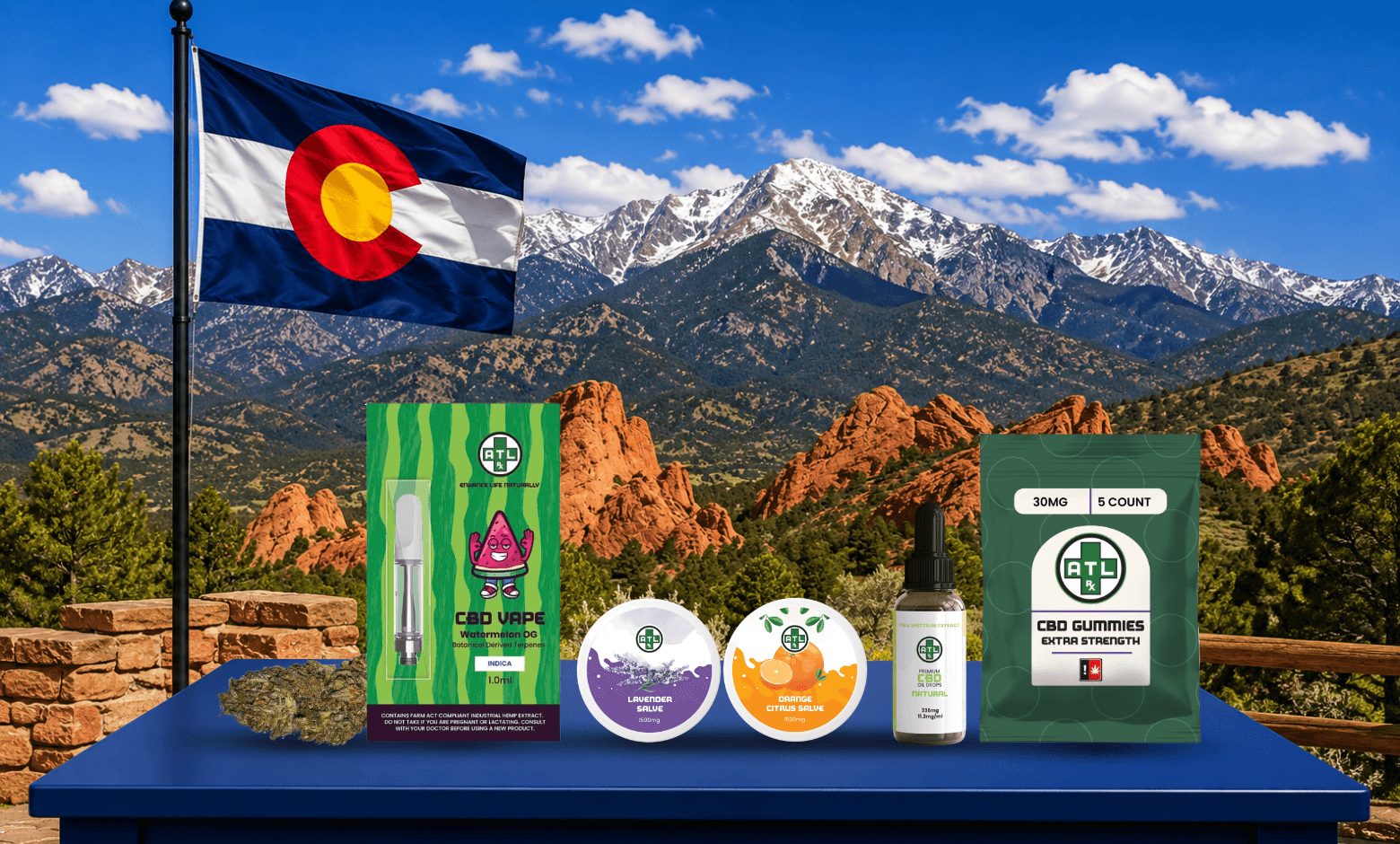
CBD Legal Status in Colorado:
Yes. Hemp-derived CBD products that are non-intoxicating remain legal in Colorado. The state has permitted hemp cultivation and the sale of hemp-derived CBD for years, and Colorado regulators have built one of the more structured hemp oversight systems in the country.
Colorado treats CBD under two separate tracks:
- Hemp-derived CBD. This is the CBD most consumers buy in stores and online. It comes from hemp and is sold in formats such as oils, topicals, and other consumable goods. Note that the U.S. Food and Drug Administration has not approved CBD as a dietary supplement or food additive, and CBD products are not intended to diagnose, treat, cure, or prevent any disease.
- Marijuana-derived CBD. This comes from the marijuana plant and is sold only through Colorado’s licensed adult-use and medical cannabis dispensaries. Purchases from licensed dispensaries are restricted to adults 21 and older.
Keep Browsing
Explore Our CBD Categories
Shop real CBD products and collections.
Key Takeaways
- 01Hemp-derived CBD is legal to buy, possess, and use in Colorado.
- 02Colorado was one of the earliest states to build a regulated hemp program, with oversight shared between the Colorado Department of Agriculture (cultivation) and the Colorado Department of Public Health and Environment (CDPHE) (consumable hemp products).
- 03A major federal change signed in November 2025 redefines “hemp” nationwide, with full enforcement scheduled for November 12, 2026.
- 04The federal change shifts the standard from a 0.3% delta-9 THC limit to a “total THC” standard, and adds a per-container THC cap.
- 05Colorado already restricts intoxicating and synthetic hemp cannabinoids such as delta-8, so the state was ahead of the federal curve in several respects.
If you live in or are traveling to the Centennial State and wondering, “Is CBD legal in Colorado?” the short answer is yes, cannabidiol (CBD) is legal in Colorado in 2026, with hemp-derived CBD widely available at retail and online. That said, the legal picture changed meaningfully in late 2025, and both shoppers and businesses should understand how the new federal hemp rules interact with Colorado’s long-standing state framework. This guide explains what is legal, what is changing, and what to look for when you shop.
For most everyday shoppers, “CBD” means the hemp-derived category, and that is the focus of this guide.
Federal Background: The 2018 Farm Bill and the 2025 Change
In order to understand Colorado’s rules, it is helpful to know the federal baseline.
The 2018 Farm Bill. As a result of the Agriculture Improvement Act of 2018, hemp was removed from the federal Controlled Substances Act. On a dry-weight basis, hemp is defined as cannabis plants and their derivatives containing no more than 0.3% delta-9 THC. This legalized hemp-derived CBD nationwide and let states build their own programs.
The November 2025 federal change. As part of H.R. 5371, Congress enacted a full-year FY2026 agriculture appropriations law that significantly altered the federal definition of hemp. The new definition makes three key changes, according to a Congressional Research Service analysis:
- It replaces the delta-9-only standard with a “total THC” standard that includes THCA, capped at 0.3% on a dry-weight basis.
- It excludes synthetic and lab-converted cannabinoids (such as delta-8 made from CBD) from the hemp definition.
- It adds a per-container limit of no more than 0.4 milligrams of total THC for finished hemp-derived consumer products.
The new federal definition will take effect on November 12, 2026, after a one-year transition window. The law also directs the U.S. Food and Drug Administration to publish clarifying lists of cannabinoids and a formal definition of “container.”
It is important to be precise here: CBD itself was not banned. Industry and legal commentators note that CBD remains lawful, but the 0.4 mg per-container total-THC cap is low enough that many full-spectrum products (which contain trace THC by design) could need reformulation to stay federally compliant. CBD isolate and many broad-spectrum products, which are formulated without measurable THC, are generally positioned to remain compliant.
Because this is an evolving area, lawmakers from both parties have introduced bills to amend or repeal portions of the 2025 language. Anyone making business decisions should monitor updates through 2026.
Colorado State Hemp and CBD Laws
Colorado’s state framework operates alongside federal law, and in several areas, the state was already stricter than the old federal standard.
Regulatory oversight
The Colorado Department of Agriculture (CDA) licenses and oversees hemp cultivation (the growing of the crop). The Colorado Department of Public Health and Environment (CDPHE) regulates the manufacture, processing, packaging, labeling, and distribution of hemp products intended for human consumption or use. Manufacturers of hemp foods, supplements, and cosmetics must be registered with CDPHE and must demonstrate that their hemp comes from an approved source.
Intoxicating and synthetic cannabinoids
Colorado was one of the first states to act against intoxicating hemp products. Under Senate Bill 23-271, Colorado restricts the manufacture and sale of synthetic and chemically converted cannabinoids unless specifically authorized by rule. In practice, this means intoxicating hemp products such as delta-8 THC and similar converted cannabinoids are not freely sold at general retail in Colorado the way standard CBD is. The state distinguishes “non-intoxicating” hemp cannabinoids, including CBD, from intoxicating ones.
THC ratios and per-serving limits for in-state hemp products
Colorado applies composition standards to many hemp products sold within the state. Colorado’s non-intoxicating cannabinoid category includes full-spectrum hemp extract that contains no more than 1.75 mg of THC per serving and maintains a CBD-to-THC ratio of at least 15:1, along with broad-spectrum extract and CBD isolate. Colorado has also created a “safe harbor” pathway that lets in-state manufacturers produce certain products for export to states where they are legal, even if those products are not sold within Colorado.
Age considerations
There is generally no state-imposed minimum age for possessing non-intoxicating hemp-derived CBD in Colorado. Marijuana-derived CBD from licensed dispensaries is limited to adults 21 and older. Many retailers voluntarily set their own age policies, and any product with a THC component may carry additional restrictions.
How the 2026 Changes Could Affect Colorado Shoppers
Because Colorado already restricts intoxicating and synthetic hemp cannabinoids, the state may feel less disruption from the federal change than states that allow a wide-open delta-8 market. Still, Colorado shoppers should expect a few practical shifts:
- More label transparency. Expect brands to state total THC content per serving and per container more prominently.
- Product reformulation. Some full-spectrum products may be reformulated toward broad-spectrum or isolate to stay within the federal per-container cap.
- Clearer separation of categories. The line between non-intoxicating CBD and intoxicating cannabis products is likely to become even more distinct.
- Continued availability of CBD. Non-intoxicating CBD is expected to remain available, though specific formulations may evolve.
What to Look for When Buying CBD in Colorado
Whether you shop in a Denver storefront or order online, a few checks help you buy with confidence:
- Certificate of Analysis (COA). Third-party lab reports confirm cannabinoid content and screen for contaminants from reputable brands. Find a COA that matches your product’s batch number.
- Clear cannabinoid labeling. The label should state CBD content and THC content. Given the 2026 total-THC focus, per-container information is increasingly relevant.
- Approved hemp sourcing. Colorado requires hemp products for human consumption to come from approved sources. Brands that are transparent about sourcing are easier to verify.
- Product type. Decide whether you want full-spectrum (trace THC), broad-spectrum (THC reduced to non-detectable in many products), or isolate (CBD only). Each suits different preferences.
- Company transparency. Look for a clear “About” page, accessible customer support, and published lab data.
ATLRx publishes third-party lab results for its hemp-derived CBD products and provides sourcing and formulation details so customers can review the information themselves.
Explore Product Categories
CBD and hemp products come in a range of formats. The categories below are organized to reflect how Colorado treats different product types, so shoppers can navigate them with the legal context from the sections above in mind.
Non-Intoxicating Hemp-Derived CBD Categories
ATLRx offers non-intoxicating, hemp-derived CBD in a range of formats, most widely available at general retail and online in Colorado:
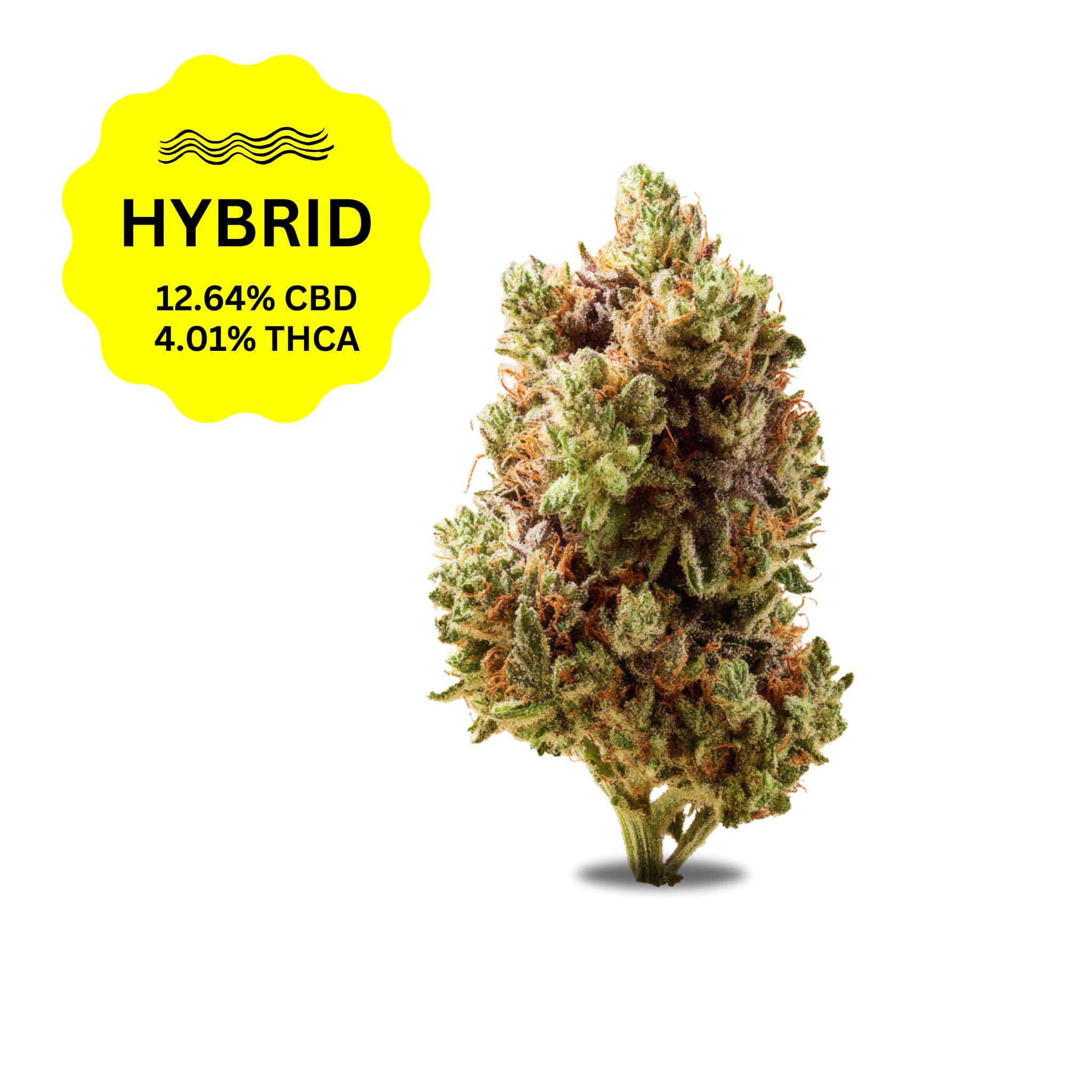
- CBD Flower and CBD Pre Rolls are hemp flower formats.
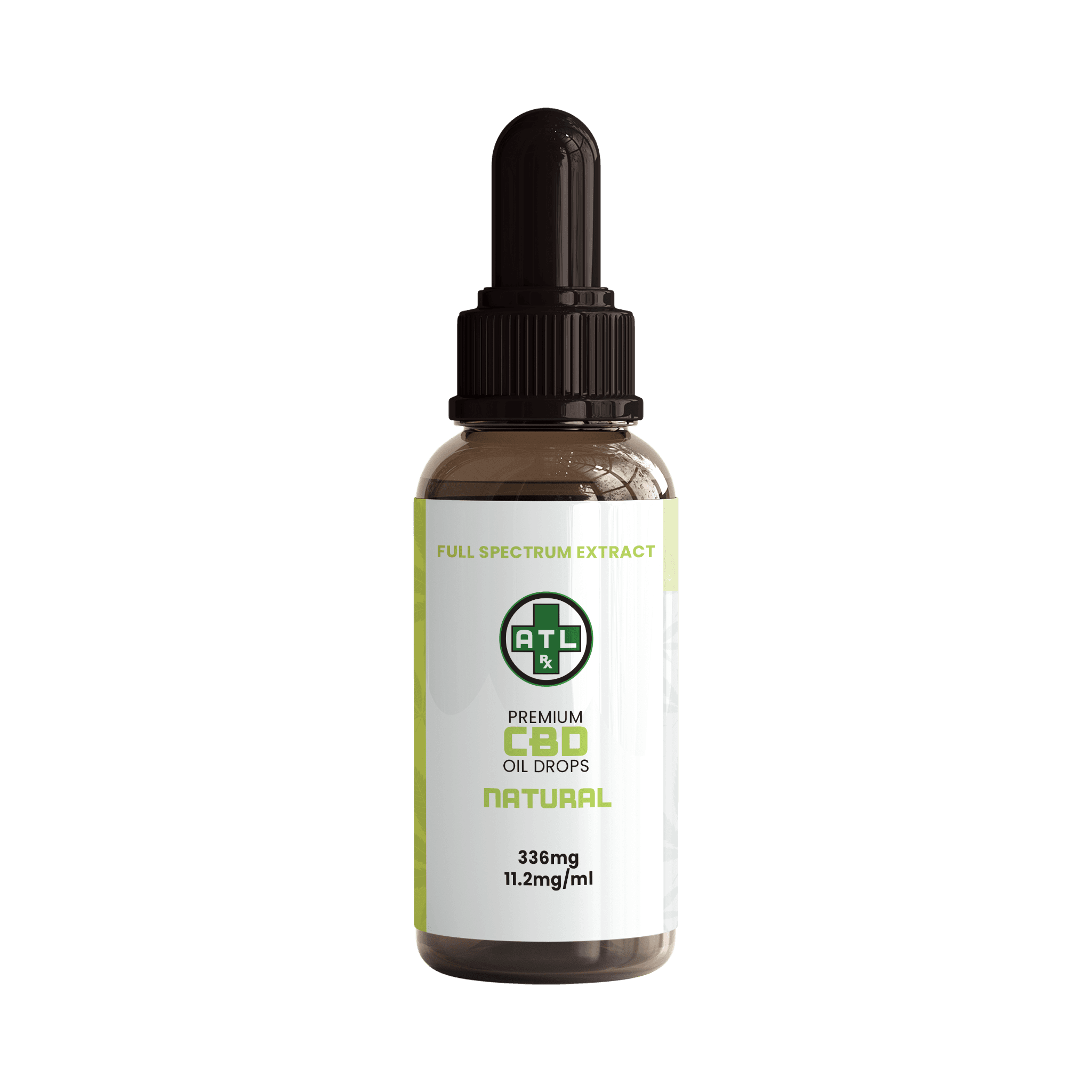
- CBD Hemp Oil is a common oil-based format.
- CBD Gummies are a popular edible format.
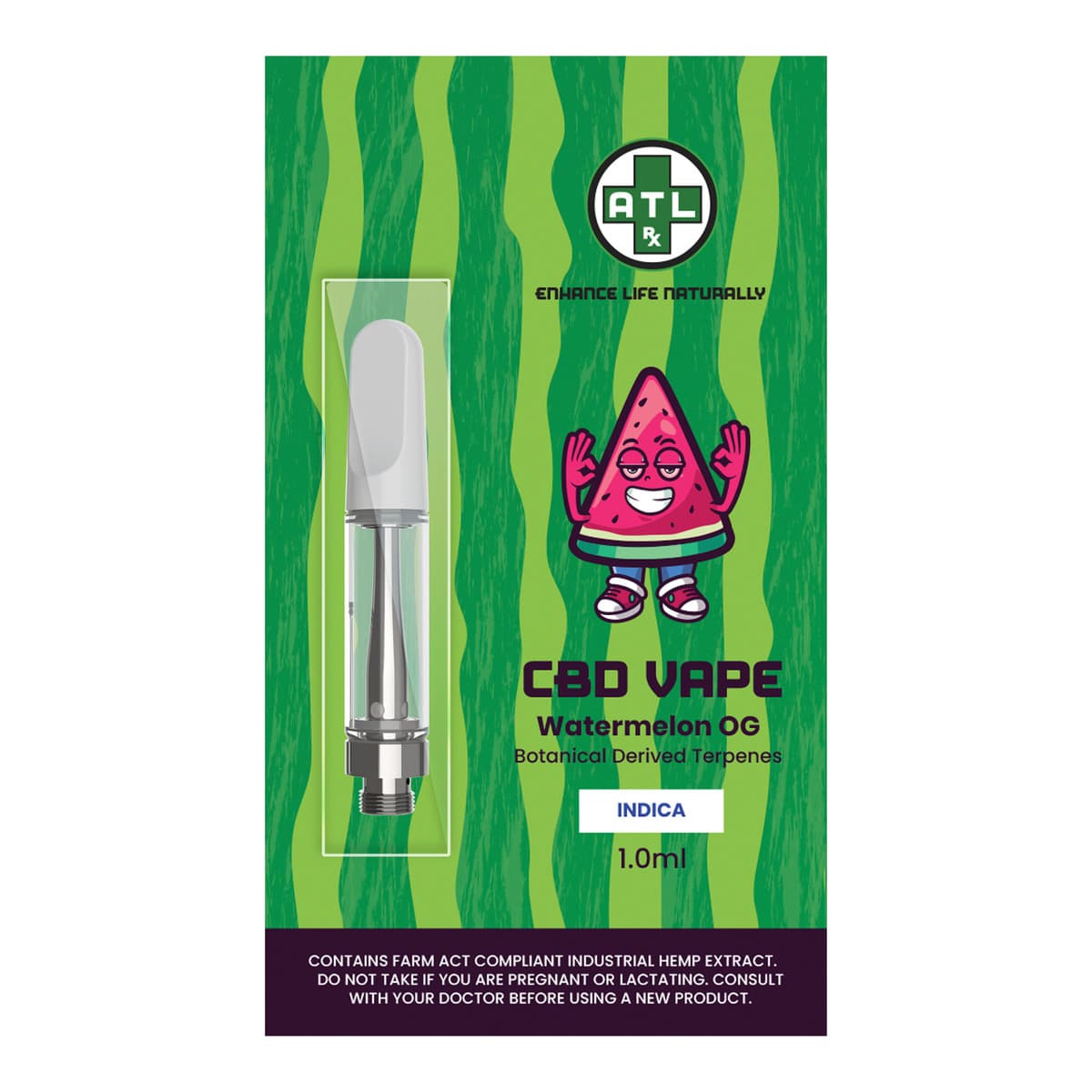
- CBD Vape Cartridges and CBD Concentrates, which are higher-potency formats.
- CBD Topicals and other Topicals, which are applied externally.
Each of these categories is subject to the labeling, sourcing, and total-THC standards described earlier, and ATLRx publishes third-party lab results for these products so customers can review cannabinoid content for themselves.
Traveling With CBD in and Out of Colorado
CBD laws still vary by state, so a product that is legal in Colorado may face different rules elsewhere. If you plan to travel, check the destination state’s current hemp and CBD rules before you go, and keep products in their original, clearly labeled packaging with accessible lab documentation. For air travel, review the most current Transportation Security Administration guidance, since federal rules and total-THC standards continue to evolve.
The Bottom Line
So, is CBD legal in Colorado? Yes. Hemp-derived CBD remains legal to buy and use in Colorado in 2026, supported by one of the country’s more established state hemp programs. The most important development to watch is the federal hemp redefinition enacted in November 2025, which moves to a total-THC standard and a 0.4 mg per-container cap, with enforcement set for November 12, 2026. Because Colorado already limits intoxicating and synthetic hemp cannabinoids, the state is comparatively well prepared, but the rules are still evolving. When you shop, prioritize brands with current third-party lab reports, clear labeling, and transparent sourcing.
Frequently Asked Questions
Is Hemp-derived CBD Legal in Colorado?
+
Yes. Hemp-derived, non-intoxicating CBD is legal to buy, possess, and use in Colorado in 2026.
Is CBD the Same as Marijuana?
+
No. Cannabis plants contain cannabinoids like CBD. Hemp-derived CBD products are not intoxicating. Marijuana refers to cannabis with higher THC content and is sold in Colorado only through licensed dispensaries.
What Changed in Federal Hemp Law in 2025?
+
A November 2025 federal law redefined hemp using a “total THC” standard, excluded synthetic cannabinoids, and added a 0.4 mg total-THC per-container cap for finished products. Full enforcement is scheduled for November 12, 2026.
Does the 2026 Change Ban CBD?
+
No. Legal and industry analyses indicate that CBD itself remains lawful. The per-container total-THC cap is strict enough that some full-spectrum products may be reformulated, while isolate and many broad-spectrum products are positioned to remain compliant.
Is Delta-8 THC Legal in Colorado?
+
Hemp cannabinoids that are intoxicating, synthetic, or chemically converted are prohibited in Colorado, such as delta-8. These are not sold at general retail the way standard CBD is.
Is There an Age Requirement to Buy CBD in Colorado?
+
There is generally no state-imposed minimum age for non-intoxicating hemp-derived CBD, though many retailers set their own policies. Marijuana-derived CBD from dispensaries is restricted to adults 21 and older.
Can I Buy CBD Online in Colorado?
+
Yes. It is possible to purchase hemp-derived CBD online and have it shipped within Colorado, subject to applicable state and federal rules.
These statements have not been evaluated by the Food and Drug Administration. ATLRx products are not intended to diagnose, treat, cure, or prevent any disease. This article is for general informational purposes only and is not legal advice. Hemp and CBD laws change frequently at the state and federal levels. For decisions that depend on current legal status, consult the Colorado Department of Public Health and Environment, the Colorado Department of Agriculture, or a qualified attorney.
Why Trust This Guide
- ATLRx has sold third-party lab-tested hemp products out of Georgia since 2019.
- Every real batch we sell is tested by an accredited outside lab, with the Certificate of Analysis published before you buy.
- We operate 3 real physical stores in Georgia — this isn't a drop-shipped storefront.
- Legal information is rechecked and updated as rules change, not published once and forgotten.
Don't Trust the Label. Check the Lab.
ATLRx publishes third-party Certificates of Analysis for real batches so you can verify cannabinoid content before you buy — not just take the package's word for it.
View Lab Results →Have Questions?
Visit an ATLRx store in Georgia and talk to our team.
Real Customers, Real Reviews
What Customers Are Saying
“Product was smooth and mellow. Quite nice!”
“Exactly what was promised excellent product”
“Really nice high”

Jen Hight
Cannabis Industry Expert & Compliance Specialist Jen Hight is a cannabis industry professional with extensive experience in hemp compliance, product development, and consumer education. With a background in regulatory affairs and a passion for helping consumers navigate the complex world of cannabinoids, Jen provides accurate, up-to-date information on hemp legality and best practices. Her work focuses on making cannabis knowledge accessible while ensuring readers understand both the opportunities and responsibilities that come with legal hemp products.
View all articles →Keep Learning
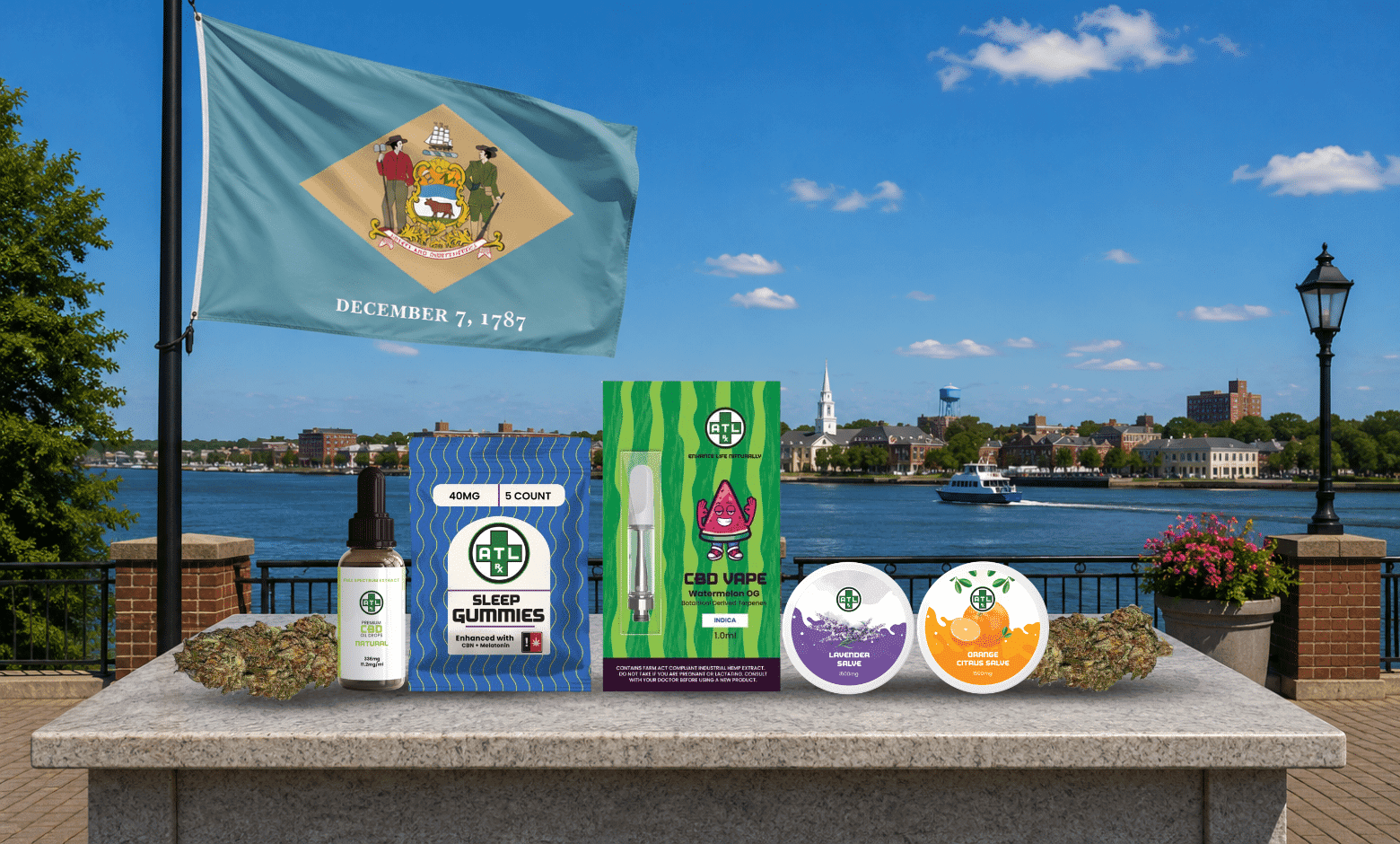
Is CBD Legal in Delaware? 2026 Law Updates & Guide
CBD Legal Status in Delaware: Yes, CBD is legal in Delaware. Under the federal 2018 Farm Bill and Delaware’s hemp program, hemp-derived CBD containing less than 0.3% delta-9 THC is legal to buy, possess, and use. Marijuana-derived (higher-THC) products are legal only through Delaware’s state-licensed dispensaries. ATLRx ships only hemp-derived Delta-9 (≤0.3% THC) and THCV […]
Jul 7, 2026 · 12 min read
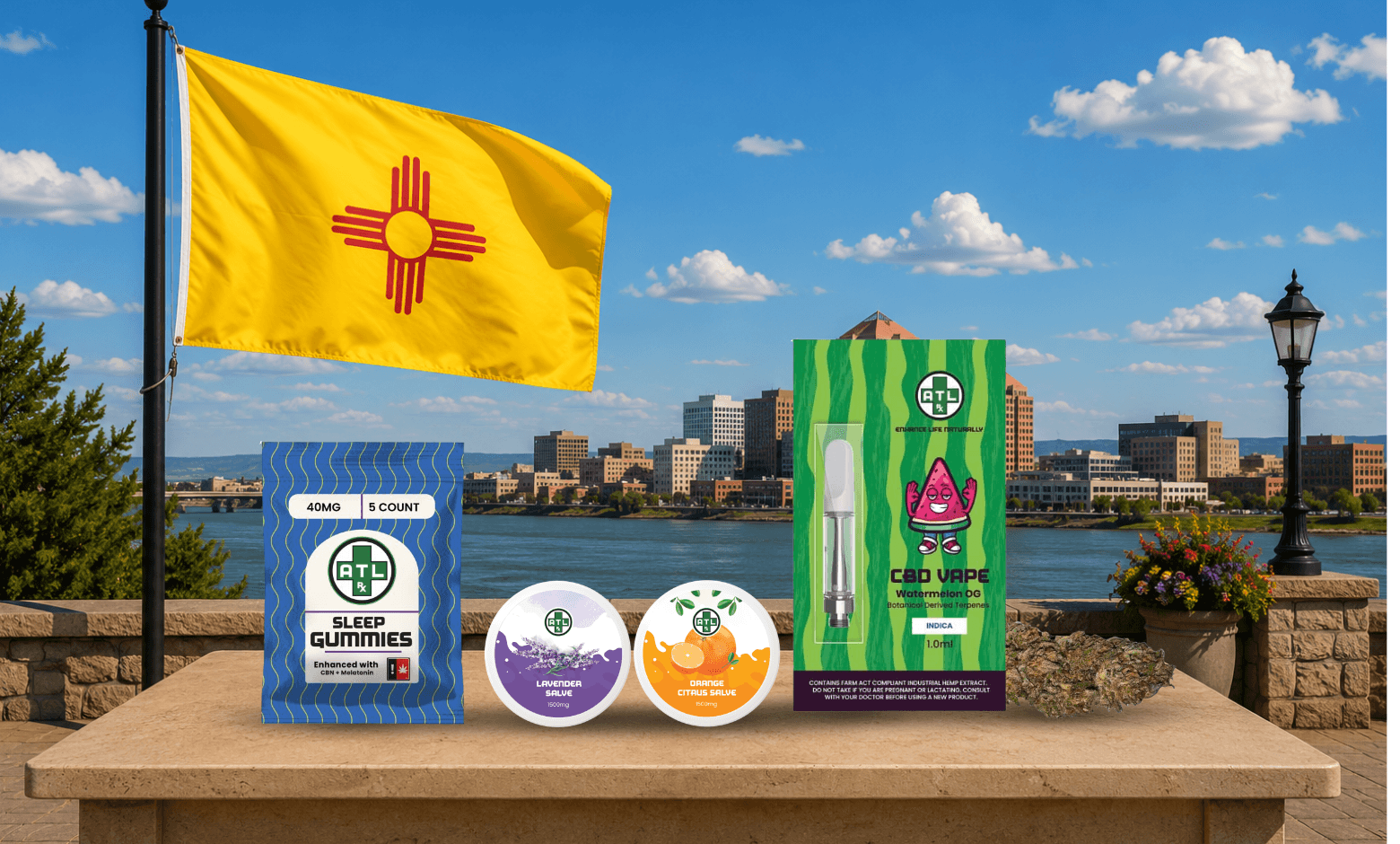
Is CBD Legal in New Mexico? 2026 Legal Guide
CBD Legal Status in New Mexico: Yes. Hemp-derived CBD containing no more than 0.3% delta-9 THC on a dry-weight basis is legal in New Mexico for adults. Cannabis-derived CBD is also legal, but it can only be purchased from licensed dispensaries. New Mexico finalized a permanent hemp rule in January 2026, and a federal ban […]
Jul 3, 2026 · 14 min read
Is CBD Legal in New Jersey? The Complete 2026 Guide
CBD Legal Status in New Jersey: Yes. CBD derived from hemp that contains no more than 0.3% total THC is legal in New Jersey. The controlling development in 2026 is S4509 (P.L.2025, c.215), signed January 12, 2026. Key changes effective January 13, 2026, include a ban on online sales of any hemp-derived product and a […]
Jul 1, 2026 · 12 min read
Is CBD Legal in Montana? Complete 2026 Legal Guide
CBD Legal Status in Montana: Yes. CBD derived from hemp is legal in Montana. It is legal to purchase and possess hemp-derived CBD products in Montana, and they are sold widely across the state, provided they comply with both federal law and Montana’s hemp rules. Under Senate Bill 375 (effective May 2025), however, any consumable […]
Jun 30, 2026 · 16 min read
Stay Informed
New product releases, hemp law updates, and useful cannabinoid guides.