

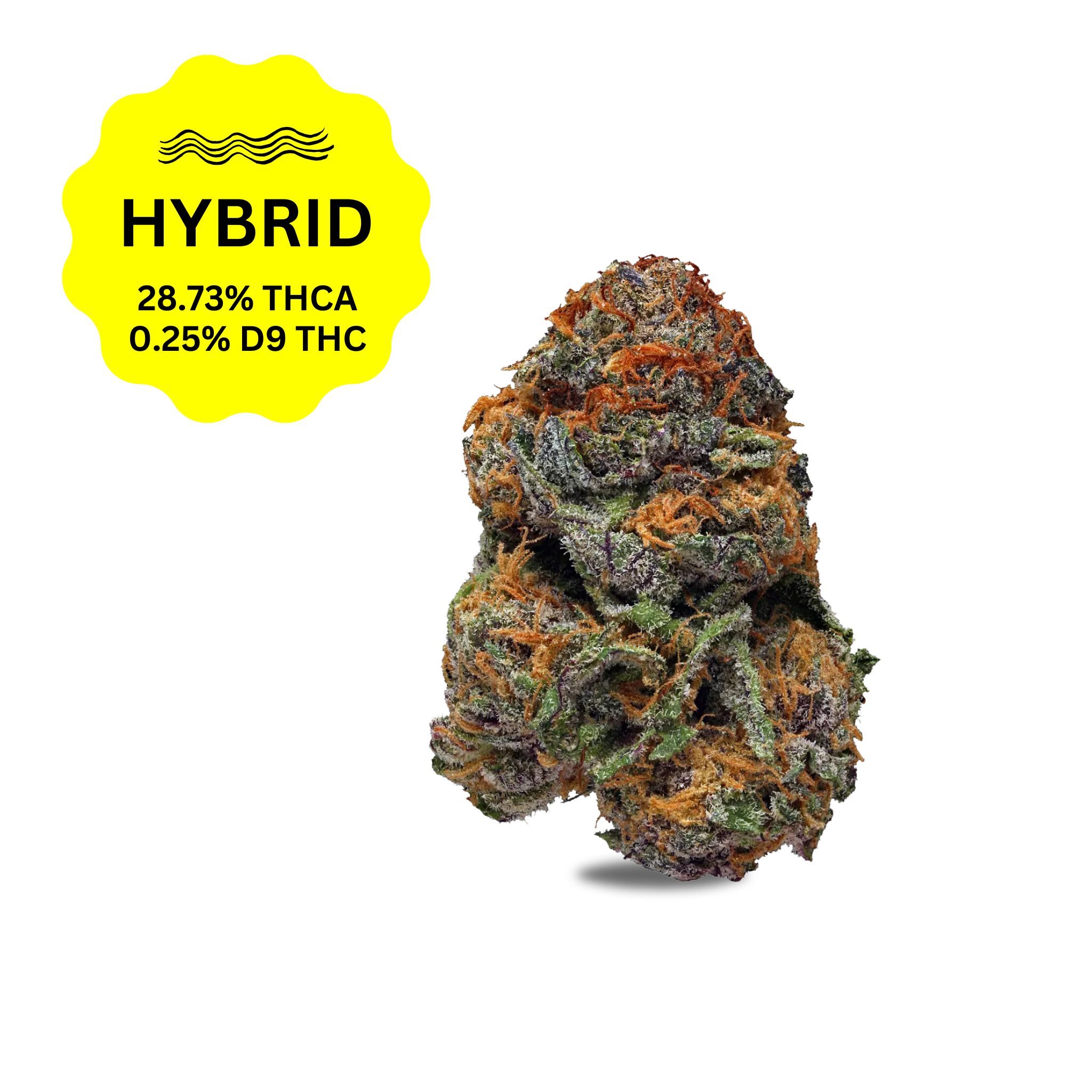
$34.99

ARE YOU 21 YEARS OF AGE OR OLDER?
REMEMBER ME
Seriously, by using this site you are confirming that you are of legal age (21+) to view and purchase these products. If you are you are not over 21. you are not authorized by us to use or view any of the pages of this site. Please review our terms and conditions at checkout for further stipulations.
 >
Blogs
>
Delta 9 >
Is Delta 9 Legal in Massachusetts? Complete 2026 Legal Guide
>
Blogs
>
Delta 9 >
Is Delta 9 Legal in Massachusetts? Complete 2026 Legal Guide
THE STATEMENTS ON THIS BLOG ARE NOT INTENDED TO DIAGNOSE, TREAT, CURE, OR PREVENT ANY DISEASE. THE FOOD AND DRUG ADMINISTRATION HAS NOT EVALUATED ANY STATEMENTS CONTAINED WITHIN THE BLOG. ATLRX DOES NOT IN ANY WAY GUARANTEE OR WARRANT THE ACCURACY, COMPLETENESS, OR USEFULNESS OF ANY MESSAGE. THE INFORMATION CONTAINED WITHIN THIS BLOG IS FOR GENERAL INFORMATIONAL PURPOSES ONLY.
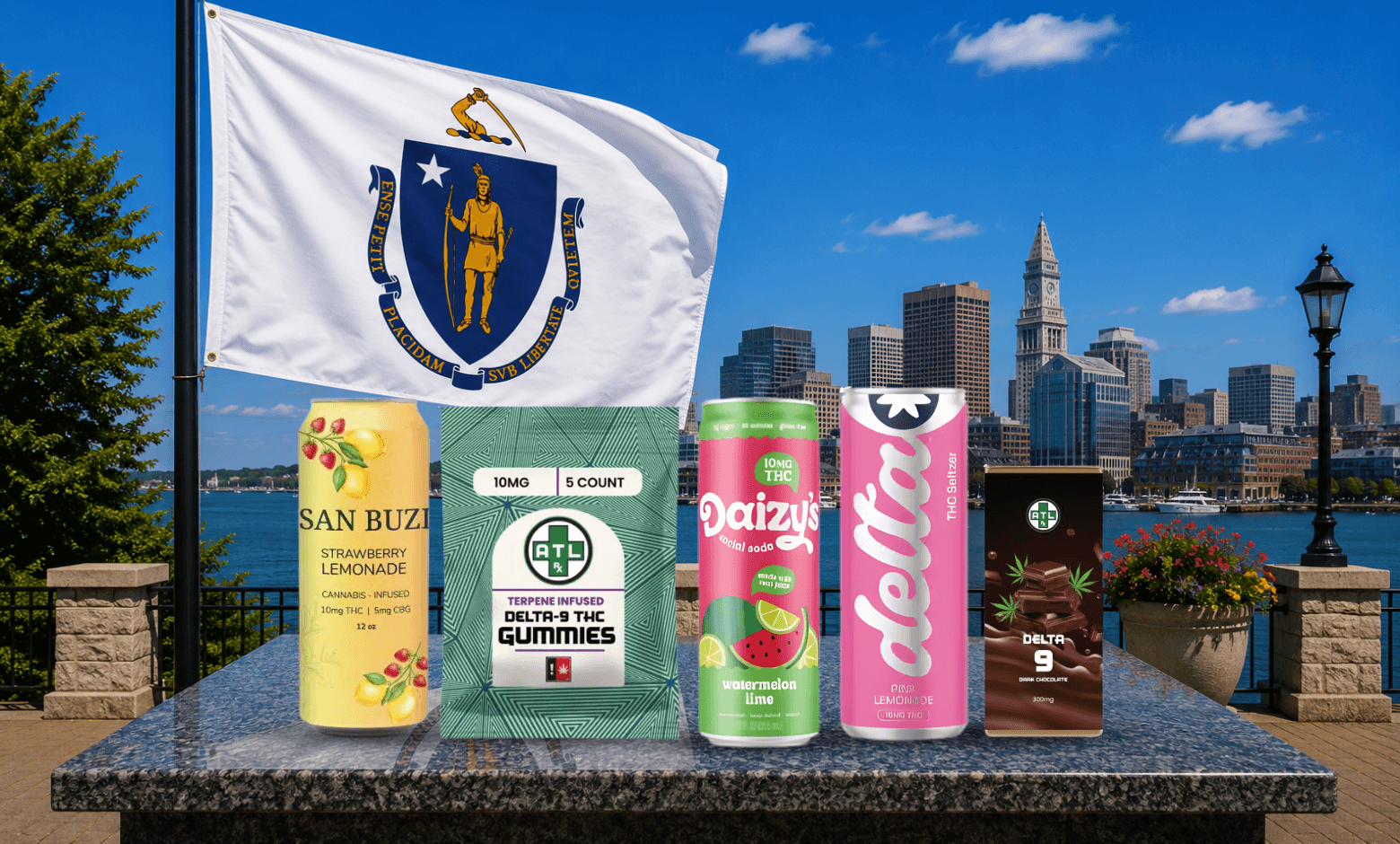
Delta 9 Legal Status in Massachusetts :
Yes. In 2026, Delta 9 THC is legal in Massachusetts, but the rules depend on where you shop.
If you are asking, “Is Delta 9 legal in Massachusetts?” the short answer is yes, with important limits you need to understand before you buy in 2026. Both hemp-derived and marijuana-derived Delta 9 THC are legal in the state, but where you can buy them, who can sell them, and how much THC a product may contain are now tightly controlled. Delta 9 derived from marijuana is only available through licensed dispensaries to adults 21 and older. Hemp-derived Delta 9 is legal to possess, but Massachusetts restricts the retail sale of hemp THC food and drinks outside of licensed channels. On top of that, a new federal law signed on November 12, 2025, changes the national hemp rules starting November 12, 2026.
Table of contents:
Delta-9-tetrahydrocannabinol, or THC, is one of the most widely known compounds in cannabis. As a cannabinoid, it is the one most people associate with THC. Hemp and marijuana are two versions of the same plant species, Cannabis sativa L., which naturally contains it.
The plant produces more than 100 cannabinoids. Delta 9 is simply the most abundant and the most studied. When you see a product labeled “Delta 9 THC,” it usually points to this single, specific molecule.
This is the part that trips people up. It is the same molecule whether it comes from hemp or marijuana. The law does not treat the molecule differently because of its chemistry. It treats it differently because of its source plant and its concentration. That distinction is the whole reason a hemp gummy and a dispensary gummy can sit on opposite sides of the same law.
Marijuana and hemp are not different species. They are the same plant, separated only by a legal line drawn around how much THC the plant contains.
The 2018 Farm Bill set the original federal line at 0.3% delta-9 THC by dry weight. The federal government removed hemp from its controlled substances list if the amount was at or below that. Marijuana remains classified as cannabis above that number.
As a result, hemp-derived Delta 9 became a category of its own. Producers learned that a large gummy or a sweet treat could hold a meaningful dose of Delta 9 THC while the product, as a whole, still tested under 0.3% by dry weight. The dose felt similar to a dispensary edible, but the product was legally classified as hemp.
For years, that approach powered a national market. In 2026, the ground is shifting, and Massachusetts has its own rules layered on top of the federal ones. Let’s look at the state first.
Yes, Delta 9 is legal in Massachusetts, but the state regulates it through two separate tracks.
Massachusetts legalized recreational marijuana for adults 21 and older after voters approved it, and the state built a regulated retail system around it. Today, marijuana-derived Delta 9 products are sold through dispensaries licensed by the Cannabis Control Commission.
These products are tested, labeled, packaged, and taxed under state rules. As of 2026, the state has modernized parts of this system. On April 19, 2026, Governor Maura Healey signed An Act Modernizing the Commonwealth’s Cannabis Laws (H.5350). Among other changes, the law raised the personal possession limit for adults from one ounce to two ounces of marijuana flower and restructured the Cannabis Control Commission into a three-member body.
So if you buy Delta 9 from a licensed dispensary, you are buying a fully regulated product under a clear legal framework.
Massachusetts adopted the federal definition of hemp. The state’s hemp law, codified at Massachusetts General Laws Chapter 128, Sections 116 through 123, treats hemp and its derivatives, cannabinoids, isomers, and extracts as legal agricultural products rather than controlled substances, as long as they meet the federally defined THC level for hemp.
Thus, hemp-derived Delta 9 is legal to possess in Massachusetts. However, the state severely restricted how these products could be sold. That restriction is the single most important thing for shoppers to understand in 2026, and many older guides miss it entirely.
Here is where Massachusetts differs sharply from a simple “hemp is legal everywhere” story.
On May 30, 2024, three Massachusetts agencies, the Department of Public Health (DPH), the Department of Agricultural Resources (MDAR), and the Alcoholic Beverages Control Commission (ABCC), issued a joint notice. The notice made it unlawful to manufacture or sell food and beverages that contain hemp-derived CBD or THC outside of the licensed cannabis system.
In short, the state told corner stores, smoke shops, liquor stores, and convenience stores to pull hemp THC edibles and drinks off their shelves. The ABCC warned its licensees that selling these products could lead to suspension or revocation of their licenses.
Before that, in December 2022, MDAR had already prohibited the sale and manufacture of hemp-derived delta-8 THC products in the state, treating them as synthetic.
So what does this mean for hemp-derived Delta 9 in Massachusetts in 2026?
There is a genuine gray area here, and we want to be upfront about it. Massachusetts regulators have called unregulated intoxicating hemp products a problem, and enforcement has increased. The 2026 cannabis modernization law also directed the Cannabis Control Commission to study intoxicating hemp and make recommendations, which signals more regulation ahead, not less.
If you live in or ship to Massachusetts, the safest and clearest path for THC edibles is the licensed dispensary system. We would rather tell you that plainly than repeat outdated advice.
Now for the change that affects the entire country, not just Massachusetts. This is the part most 2025 guides do not cover, and it is the most important update for this year.
On November 12, 2025, Congress passed, and the President signed H.R. 5371, the Continuing Appropriations and Extensions Act of 2026. The most significant change to hemp law since the 2018 Farm Bill can be found in Section 781 of that spending package.
Here is what the new law does:
The enforcement date is November 12, 2026, exactly one year after the law was signed. The statute directed the FDA to publish its cannabinoid lists and related guidance within 90 days of enactment, a deadline of roughly February 10, 2026, and the timeline has been watched closely across the industry.
Industry analysts estimate that the new per-container cap would reclassify the large majority of hemp-derived Delta 9 edibles currently on the market, because most contain far more than 0.4 milligrams of total THC per package. If the law takes effect as written, the clear path for higher-dose THC products would shift toward state-licensed dispensaries.
It is also worth knowing that 2026 is a midterm election year, and several legislative efforts are underway that could change, delay, or replace Section 781 before the enforcement date. The picture may look different by late 2026. We will keep our guidance current as things develop.
The takeaway for now: the federal hemp rules you may remember from 2024 and 2025 are scheduled to tighten significantly. Anyone shopping for Delta 9 in 2026 should factor that in.
It helps to visualize the two layers stacked on top of each other.
When two layers apply, you follow the stricter one. In Massachusetts, that means the licensed dispensary route is the cleanest path for tested, regulated Delta 9 edibles, both today and especially after the federal change lands.
This layered approach is common across the country. New Jersey, Rhode Island, and other states have moved to regulate intoxicating hemp products through their cannabis agencies rather than leaving them in general retail. Massachusetts was an early mover on this front.
It is easier to understand where things stand in 2026 when you see how the rules arrived. This is a simple timeline of the key moments that shaped Delta 9 legality in Massachusetts.
2016 to 2017. Massachusetts voters approved adult-use marijuana, and the state began building its regulated cannabis market. Around the same time, the state adopted its industrial hemp framework, aligning with what would soon become federal policy.
2018. Hemp and its derivatives were removed from the controlled substances list by the federal 2018 Farm Bill using the 0.3% delta-9 standard. Massachusetts brought its hemp program in line with that definition.
December 2022. Massachusetts MDAR prohibited the sale and manufacture of hemp-derived delta-8 THC products in the state, treating them as synthetically produced and therefore outside the legal hemp lane.
May 2024. The Department of Public Health, the Department of Agricultural Resources, and the Alcoholic Beverages Control Commission issued a joint notice making it unlawful to sell food and beverages containing hemp-derived CBD or THC outside the licensed cannabis system. Enforcement responsibility largely fell to local boards of health.
November 2025. Congress passed H.R. 5371, which redefines hemp federally and sets a strict per-container THC cap, with enforcement scheduled for November 12, 2026.
April 2026. On April 19, 2026, Governor Maura Healey signed An Act Modernizing the Commonwealth’s Cannabis Laws. The law doubled the personal possession limit to two ounces, restructured the Cannabis Control Commission, and directed the Commission to study intoxicating hemp and recommend a path forward.
Seen together, the trend is clear. Massachusetts has steadily moved intoxicating cannabinoid products toward its regulated, licensed system, and the federal government is now tightening the national definition of hemp on a similar timeline. For a shopper, that trend points in one direction: the licensed dispensary route offers the most certainty.
Yes, you can buy Delta 9 in Massachusetts, and here is how it breaks down.
Adults 21 and older can purchase marijuana-derived Delta 9 products from Cannabis Control Commission-licensed dispensaries. These are the most clearly regulated products in the state. They are lab tested, labeled with potency, child-resistant packaged, and sold under state purchase limits. As of the 2026 modernization law, adults may possess up to two ounces of flower, with equivalent limits for concentrates and edibles.
The retail sale of hemp-derived THC food and beverages outside the licensed system is restricted in Massachusetts under the 2024 state notice. That restriction has tightened, not loosened, heading into 2026.
If you choose to explore hemp-derived options, do your homework first:
We always recommend buying from brands that publish third-party lab results, also called Certificates of Analysis (COAs), so you can verify exactly what is in a product. Transparency is the baseline, not a bonus.
No matter which path you take, you must be 21 years or older to buy any THC product in Massachusetts. This applies to dispensary products and to any hemp-derived THC product.
A few responsible-use reminders that apply to everyone:
These are common-sense habits that protect you and the people around you. They also reflect the same standards that the licensed system is built on.
Whether you shop in a dispensary or research hemp-derived options, the same quality markers apply. Having spent years in the hemp space, these are the things we consider first.
A Certificate of Analysis, or COA, is the lab report that tells you what is really in a product. Learning to read one takes about a minute and protects you from guesswork. Here is what to check.
First, confirm the COA matches the product in front of you. Look for the product name and a batch or lot number that lines up with the package. A generic report that does not name the batch is not very useful.
Second, check the date. Cannabinoid content and safety screens should be recent. A year-old report tells you little about the batch you are holding.
Third, read the cannabinoid panel. It should list the THC content clearly. With the federal rules shifting toward a total-THC standard, it is smart to look at total THC, not just delta-9, so you understand the full picture.
Fourth, review the contaminant screens. Testing for pesticides, heavy metals, residual solvents, and microbials is included in a complete COA. Passing results across these categories signal a carefully made product.
Finally, confirm the lab is independent. Third-party testing, done by a lab with no stake in the outcome, is the gold standard. If a brand only shows in-house numbers, treat that as a caution flag.
At ATLRx, we hold our own products to these standards. We third-party test our lineup and publish the results so you can verify potency and contents for yourself. Our catalog includes a range of formats so you can pick what fits your preferences.
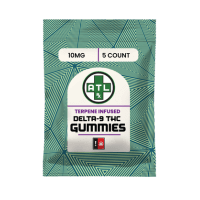
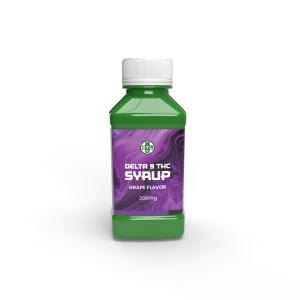
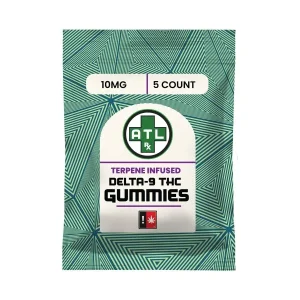
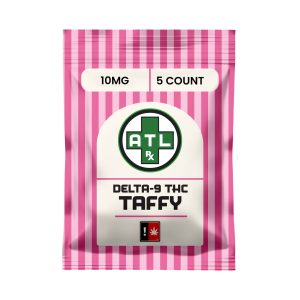
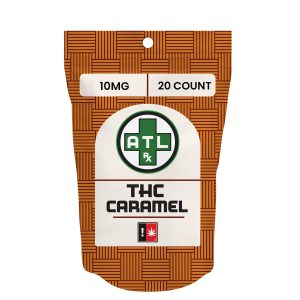
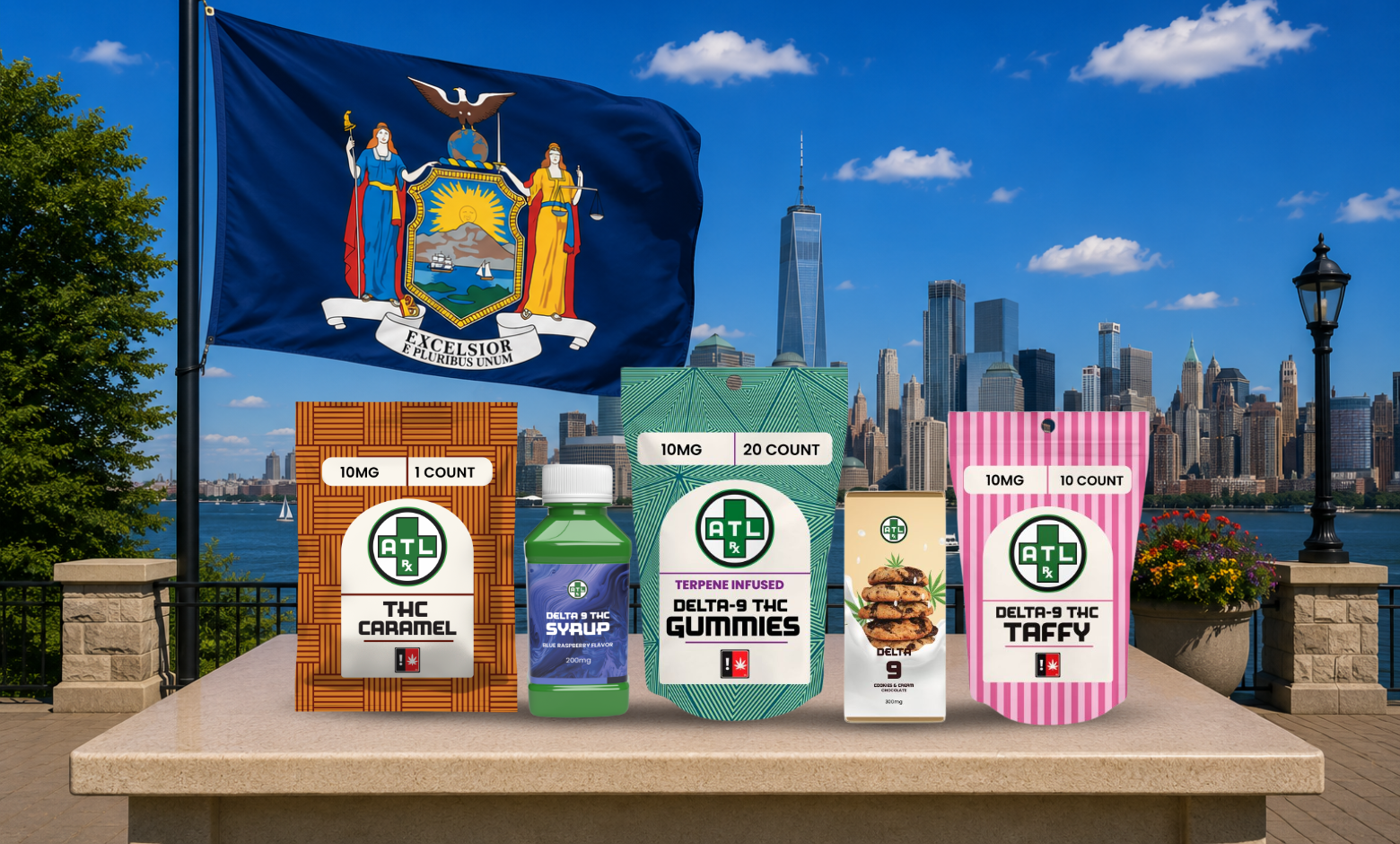
People enjoy Delta 9 in many different forms, and the format you choose often comes down to convenience and personal taste. Delta 9 THC products come in a wide range of styles, so there is usually something that fits your preferences. Here is a quick tour of popular options, including several in our own lineup.
Across all of these, the same rule applies: check the lab results, read the label, and choose an amount that fits your experience level. Format is about preference. Verification is about trust.
Note on products: Confirm each format above against the live ATLRx catalog before publishing, and remove any item ATLRx does not currently sell. The article should reference only products ATLRx actually carries.
Delta 9 is the headliner, but it is not the only cannabinoid you will see on shelves. A quick comparison helps you understand where it fits.
Understanding these differences helps you read labels accurately and choose products that match what you actually want.
So, is Delta 9 legal in Massachusetts? Yes, with real limits you need to respect in 2026. Marijuana-derived Delta 9 is legal for adults 21 and older in licensed dispensaries, which is the clearest path for tested, regulated products. Hemp-derived Delta 9 is legal to possess, but Massachusetts restricts its retail sale in food and beverages outside the licensed system, and that restriction is tightening.
The biggest update this year is federal. H.R. 5371 changes the national definition of hemp and sets a strict per-container THC cap that takes effect November 12, 2026. If you shop for Delta 9 this year, that change should be on your radar.
Laws in this space evolve quickly, and they differ from state to state. This information is for educational purposes only and does not constitute legal advice. Before you buy, check the current rules for your specific location, and when in doubt, consult a qualified attorney in your area.
At ATLRx, we are committed to transparency, third-party testing, and giving you accurate, current information so you can make confident, informed choices. Explore our Delta 9 collection to see our full lineup, review our published lab results, and reach out to our team with any questions.
Yes. Cannabis-derived Delta 9 is legal for adults 21 and older at licensed dispensaries. Hemp-derived Delta 9 that meets the federal hemp definition is legal to possess, but Massachusetts restricts the retail sale of hemp THC food and beverages outside the licensed system.
This is the question where outdated guides get it wrong. Massachusetts restricts the sale of hemp-derived THC food and beverages outside the licensed dispensary system under a 2024 state notice, and enforcement has increased. The clearest, most reliable way to buy a tested Delta 9 edible in Massachusetts is through a CCC-licensed dispensary. Be sure to check the current rules for your location before purchasing.
You must be 21 or older to purchase any THC product in the state.
The molecule is the same. The difference is the source plant and concentration, and which regulatory system the product falls under. Dispensary products are marijuana-derived and regulated by the Cannabis Control Commission. Hemp-derived products are tied to the federal hemp definition, which is changing in late 2026.
H.R. 5371, passed in November 2025, redefines hemp using a total-THC standard and caps finished consumable hemp products at 0.4 milligrams of THC per container. Enforcement is set to begin on November 12, 2026. Legislative efforts could still adjust the timeline.
After the April 19, 2026, modernization law, the personal possession limit rose to two ounces of marijuana flower for adults 21 and older, with equivalent limits for concentrates and edibles.
Look for current third-party lab results, clear labeling that lists THC per serving and per package, transparent sourcing, and a reputable brand. If a company will not share its Certificates of Analysis, shop elsewhere.
Disclaimer: This article is provided for general informational and educational purposes only and does not constitute legal advice. Cannabis and hemp laws change frequently and vary by jurisdiction. Please consult a qualified attorney to verify the current legal status of any product where you live or where you intend to ship. These statements have not been evaluated by the Food and Drug Administration. These products are not intended to diagnose, treat, cure, or prevent any disease. You must be 21 or older to purchase THC products.

July 27, 2026
July 23, 2026
$39.99
$49.99
$49.99
$49.99
$39.99