

$39.99

ARE YOU 21 YEARS OF AGE OR OLDER?
REMEMBER ME
Seriously, by using this site you are confirming that you are of legal age (21+) to view and purchase these products. If you are you are not over 21. you are not authorized by us to use or view any of the pages of this site. Please review our terms and conditions at checkout for further stipulations.
 >
Blogs
>
Delta 9 >
Is Delta 9 Legal in Michigan? Expert Guide 2026
>
Blogs
>
Delta 9 >
Is Delta 9 Legal in Michigan? Expert Guide 2026
THE STATEMENTS ON THIS BLOG ARE NOT INTENDED TO DIAGNOSE, TREAT, CURE, OR PREVENT ANY DISEASE. THE FOOD AND DRUG ADMINISTRATION HAS NOT EVALUATED ANY STATEMENTS CONTAINED WITHIN THE BLOG. ATLRX DOES NOT IN ANY WAY GUARANTEE OR WARRANT THE ACCURACY, COMPLETENESS, OR USEFULNESS OF ANY MESSAGE. THE INFORMATION CONTAINED WITHIN THIS BLOG IS FOR GENERAL INFORMATIONAL PURPOSES ONLY.

Delta 9 Legal Status in Michigan:
Yes. Delta 9 THC is legal in Michigan in 2026, but where you can buy it depends on the source. Marijuana-derived Delta 9 is sold to adults 21 and older through licensed dispensaries under the Michigan Regulation and Taxation of Marihuana Act (MRTMA, MCL 333.27951 et seq.). Hemp-derived Delta 9 products that meet the federal 0.3% dry-weight ceiling are also available, though Michigan’s Cannabis Regulatory Agency (CRA) treats many hemp-derived intoxicating cannabinoids as marijuana once total THC is taken into account. Two big shifts are reshaping the picture this year: a new 24% wholesale excise tax that took effect on January 1, 2026, and a federal redefinition of hemp under Public Law 119-37 scheduled to land on November 12, 2026.
If you live in Michigan or you’re shopping in the state, this guide walks through what the law actually says today, what changes are coming, and how to buy responsibly.
Table of contents:
In general, Delta 9 tetrahydrocannabinol is referred to as “THC.” THCA binds to CB1 receptors in the brain and produces the psychoactive effects associated with cannabis. Both hemp and marijuana plants produce Delta 9; they’re the same species, Cannabis sativa L., but in different concentrations.
Federal law and Michigan law both draw the dividing line at 0.3% Delta 9 by dry weight. Hemp is anything below that threshold; anything above it is marijuana. That single number is doing an enormous amount of legal work, because it determines whether a product is governed by farm-bill-style hemp rules or by Michigan’s licensed cannabis regime.
It’s worth understanding the difference between hemp-derived and marijuana-derived Delta 9 before going further. The molecules are identical, and a drug test cannot tell them apart. But the legal channel they travel through is completely different. Hemp-derived Delta 9 has historically been sold in general retail — gas stations, vape shops, online, under the 2018 Farm Bill framework. Marijuana-derived Delta 9 is restricted to CRA-licensed dispensaries, where it’s tagged in METRC, lab-tested, and sold under MRTMA’s possession and packaging rules.
Michigan voters approved Proposal 1 in 2018, and MRTMA has governed adult-use cannabis ever since. Currently, the program is governed by the Cannabis Regulatory Agency, formerly known as the Marijuana Regulatory Agency before its 2022 renaming.
Adults 21 and older may legally:
Use is restricted to private property. Smoking or consuming in public spaces — sidewalks, parks, vehicles remains illegal, and operating a vehicle under the influence of cannabis carries the same kind of penalties Michigan applies to alcohol-impaired driving. A number of municipalities have opted out of allowing recreational cannabis businesses within their borders despite personal possession being protected statewide.
Penalties for going over the limit scale fairly quickly. Possessing more than 2.5 but less than 5 ounces in public on a first offense is a civil infraction with a maximum $500 fine. Above 5 ounces in public escalates to a misdemeanor.
Michigan’s medical program predates recreational legalization by a decade. Patients registered under the Michigan Medical Marihuana Act may possess up to 2.5 ounces of usable marijuana at a time, with a 10-ounce monthly allowance, and may obtain product from medical provisioning centers. Caregivers can serve patients under the program’s framework, and qualifying conditions include cancer, glaucoma, HIV/AIDS, Crohn’s disease, ALS, and several others.
For most adults, the practical difference between the medical and adult-use programs has narrowed since 2018, but medical patients still benefit from lower taxes, higher possession ceilings in some scenarios, and access for individuals younger than 21 with parent or guardian caregiver arrangements.
Hemp is governed by a different set of statutes than marijuana, and this is where things get genuinely complicated.
In Michigan, industrial hemp cultivation is governed by the Industrial Hemp Growers Act (2020 PA 220, MCL 333.29101 et seq. ), which is administered by the Michigan Department of Agriculture and Rural Development (MDARD). There are some legacy provisions that remain relevant from the earlier Industrial Hemp Research and Development Act (2014 PA 547, MCL 286.841 et seq.). Cultivation requires registration with MDARD, mirrors the federal 2018 Farm Bill framework, and incorporates the 0.3% Delta 9 dry-weight ceiling into MRTMA’s own definitions of industrial hemp.
So far, this looks similar to other states. Where Michigan diverges sharply is on what happens to hemp-derived cannabinoids once they’re processed into consumer products. CRA guidance and recent enforcement positions treat the total THC content of a finished product — counting THCA, Delta 8, and other isomers, not just Delta 9 as the determining factor for whether a product belongs in the regulated marijuana market. A hemp-derived gummy that exceeds 0.3% total THC, or that contains synthetic or converted cannabinoids, is treated as marijuana under Michigan law and may legally be sold only through licensed dispensaries.
This is the part of Michigan’s framework most often misunderstood by out-of-state retailers shipping into the state. The federal Farm Bill is a floor, not a ceiling, and Michigan has used its statutory authority to be considerably stricter on hemp-derived intoxicants than the federal text alone suggests.
Michigan lawmakers have moved to formalize this approach through a package of bills under consideration in the Legislature, most prominently HB 4964 (the Industrial Hemp Processing Act) and HB 4965 (amendments to the Medical Marihuana Facilities Licensing Act).
If enacted, the package would:
The proposals would consolidate hemp and marijuana oversight under the CRA and align THC definitions across the cannabis statutes. Whether the package passes in 2026, and in what form, will determine how dramatically Michigan’s hemp retail landscape changes regardless of what happens federally.
On October 7, 2025, Governor Gretchen Whitmer signed House Bill 4951, the Comprehensive Road Funding Tax Act (CRFTA, MCL 205.901 et seq.) into law. The act imposes a 24% excise tax on the wholesale price of adult-use marihuana, effective January 1, 2026.
The mechanics, as set out in Revenue Administrative Bulletin 2026-3 issued by the Michigan Department of Treasury:
Revenue is allocated primarily to the Neighborhood Road Fund and the Comprehensive Road Funding Fund, with proceeds directed to local bridges, county road commissions, and municipal infrastructure. The state projects roughly $420 million in annual revenue.
The tax has not gone unchallenged. The Michigan Cannabis Industry Association filed suit on the day the budget was signed, arguing that CRFTA amended a citizen-initiated statute (MRTMA) without the three-fourths legislative supermajority required by the Michigan Constitution. A Michigan Court of Claims judge denied a preliminary injunction in December 2025, and the tax took effect on schedule. A second lawsuit filed in early 2026 raises additional equal-protection and tax-pyramiding arguments. Litigation is ongoing.
For consumers, the practical effect is upward pressure on dispensary prices through 2026 as wholesalers decide how much of the new tax to pass through.
Whether you’re buying marijuana-derived Delta 9 from a licensed dispensary or hemp-derived Delta 9 through a permitted retailer, a handful of checks will save you trouble:

Here’s the part nobody loves to hear: a federally legal hemp-derived product and a state-licensed marijuana product will produce the same result on a workplace drug test. Standard immunoassay screens detect THC-COOH, the metabolite your body produces from any form of THC, and they cannot tell hemp from marijuana.
The detection window depends on the test type and the user. Urine tests typically catch THC for several days to a few weeks for moderate users, longer for heavy users. Hair follicle testing reaches back roughly 90 days. Saliva and blood windows are shorter but show up less often in employment screening.
Many Michigan employers, especially in healthcare, transportation, public safety, and federal-contractor roles, maintain zero-tolerance policies, and “I bought it legally” is not a defense in those contexts. If you have any drug-testing exposure, that’s a personal-circumstance question to weigh before you buy anything containing THC.
President Trump signed Public Law 119-37 on November 12, 2025, the Continuing Appropriations, Agriculture, Legislative Branch, Military Construction and Veterans Affairs, and Extensions Act, 2026. Section 781 of the act rewrites the federal definition of hemp, taking effect 365 days after enactment, which is November 12, 2026.
Three substantive shifts:
Two bills could change this trajectory. The American Hemp Protection Act (H.R. 6209) would repeal Section 781 and restore the 2018 definition. A bipartisan Senate bill (H.R. 7024) supported by Senators Klobuchar, Paul, and Merkley would extend the effective date to November 12, 2028. Until one of those passes, or a new Farm Bill is enacted by November 12, 2026, it stands.
A separate Trump executive order signed on December 18, 2025 (“Increasing Medical Marijuana and Cannabidiol Research”) directs the Attorney General to advance the long-pending rescheduling of marijuana from Schedule I to Schedule III and asks the administration to work with Congress on a hemp definition that preserves access to full-spectrum CBD.
For Michigan specifically, the federal change matters less than it does in hemp-only states, because adult-use cannabis is fully legal here through the licensed dispensary system. The federal squeeze will hit hemp-derived gummies, beverages, and Delta 8 products in general retail much harder than it hits the MRTMA market.
Michigan in 2026 is one of the more permissive cannabis states in the country, but it’s also one of the most heavily regulated, and the next twelve months will see meaningful change on both fronts. Adult-use marijuana is firmly legal under MRTMA. Hemp-derived Delta 9 sits in a more complicated position: federally permitted today, narrowing federally in November, and already constrained by Michigan’s total-THC reading on intoxicating cannabinoids.
The practical guidance for an adult Michigan consumer is straightforward. Buy from CRA-licensed dispensaries when you want certainty. If you’re buying hemp-derived products in general retail, demand a complete COA, check the brand’s regulatory posture, and understand that this corner of the market is the one most likely to look very different by the end of 2026.
Yes. Cannabis-derived Delta 9 is legal for adults 21 and older through licensed dispensaries under MRTMA. Hemp-derived Delta 9 at or below 0.3% dry weight is also broadly available, subject to Michigan’s total-THC treatment of intoxicating finished products.
A private residence may possess up to 10 ounces of marijuana, with anything over 2.5 ounces stored in a locked container. Concentrate counts toward the public limit at no more than 15 grams.
Yes, up to 12 plants per household, kept out of sight, for personal use.
Yes. Standard tests cannot distinguish hemp-derived from marijuana-derived THC. Plan accordingly if you face workplace, professional-licensing, or court-ordered drug screening.
Delta 8 sits in a gray area. The CRA treats hemp-derived Delta 8 made through chemical conversion as a regulated cannabis product, and pending HB 4964/4965 would formally ban intoxicating and converted cannabinoids in general retail.
Hemp-derived products meeting the federal 0.3% threshold can generally be shipped to Michigan addresses, though Michigan’s total-THC framework and the November 2026 federal deadline both narrow the field. Marijuana-derived products from out-of-state sellers cannot legally cross state lines, even from another legal state.
Federal Public Law 119-37 takes effect, switching to a total-THC standard, capping finished products at 0.4 mg total THC per container, and excluding synthetic or converted cannabinoids from the hemp definition. Most hemp-derived edibles and beverages on shelves today would require reformulation.
Licensing and enforcement of adult-use and medical marijuana are handled by the Cannabis Regulatory Agency (CRA). Michigan’s Department of Agriculture and Rural Development (MDARD) registers hemp growers. The Department of the Treasury administers the new 24% CRFTA wholesale tax. For day-to-day updates, check michigan.gov/cra and michigan.gov/mdard.
Disclaimer: This content is for informational purposes only and does not constitute legal advice. Cannabis and hemp laws are complex and subject to change. Always consult current federal, state, and local laws before purchasing or consuming any Delta 9 THC product. When in doubt, consult with a qualified attorney familiar with cannabis law in Michigan.

August 23, 2026

August 20, 2026
August 20, 2026
August 18, 2026
August 15, 2026
$39.99
$49.99
$39.99
$39.99
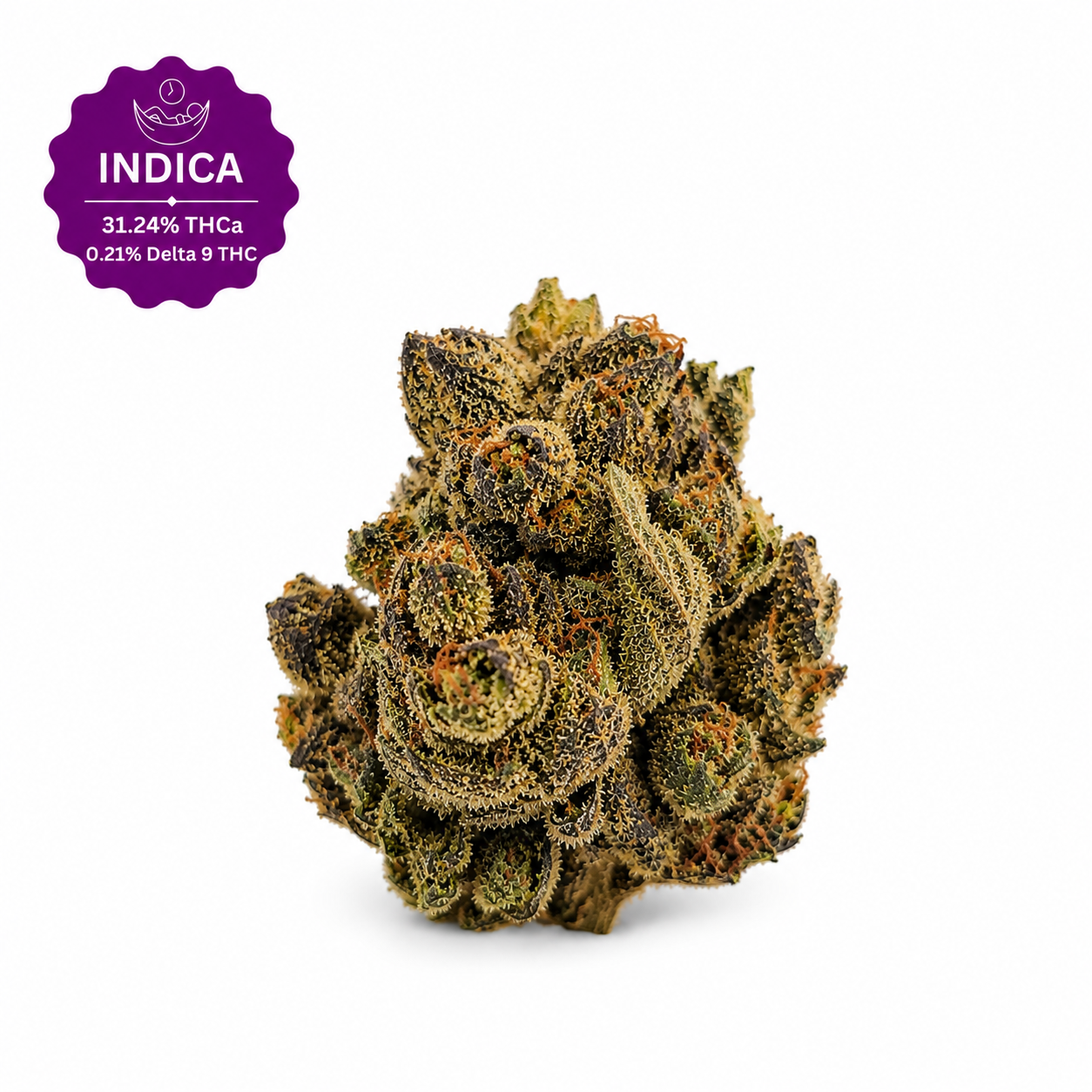
$39.99
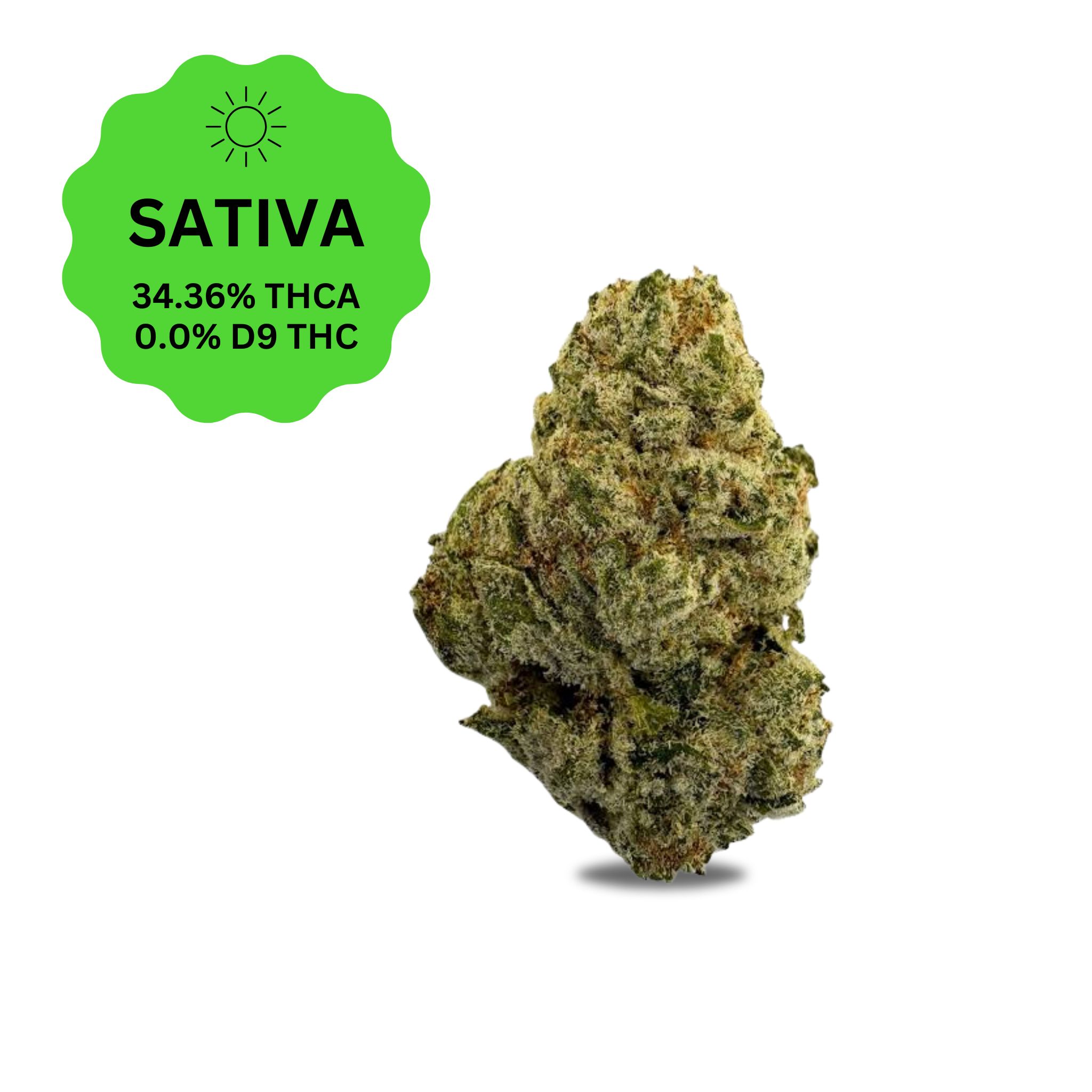
$39.99
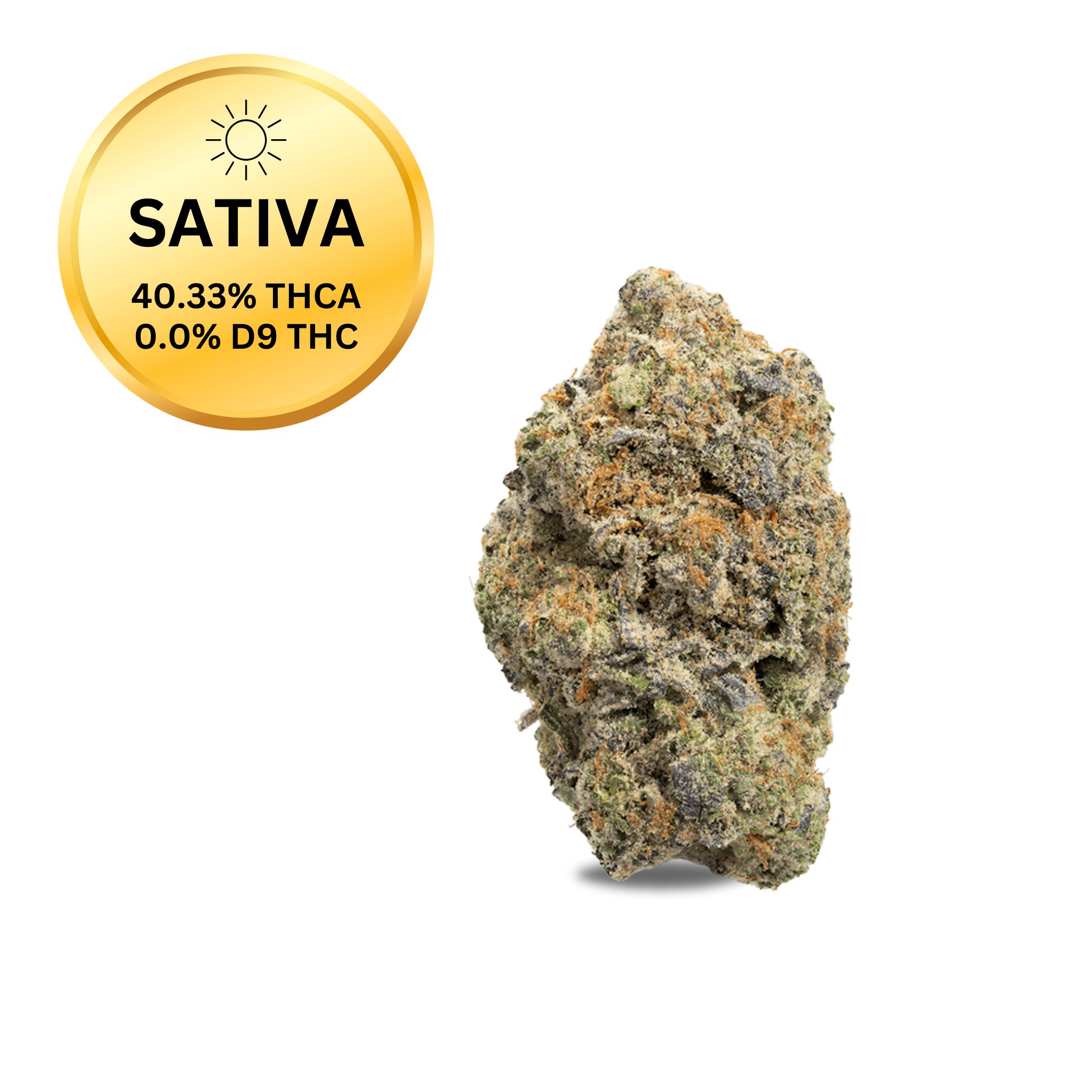
$49.99