

$39.99

ARE YOU 21 YEARS OF AGE OR OLDER?
REMEMBER ME
Seriously, by using this site you are confirming that you are of legal age (21+) to view and purchase these products. If you are you are not over 21. you are not authorized by us to use or view any of the pages of this site. Please review our terms and conditions at checkout for further stipulations.
 >
Blogs
>
Delta 9 >
Is Delta 9 Legal in California? Complete 2026 Legal Guide
>
Blogs
>
Delta 9 >
Is Delta 9 Legal in California? Complete 2026 Legal Guide
THE STATEMENTS ON THIS BLOG ARE NOT INTENDED TO DIAGNOSE, TREAT, CURE, OR PREVENT ANY DISEASE. THE FOOD AND DRUG ADMINISTRATION HAS NOT EVALUATED ANY STATEMENTS CONTAINED WITHIN THE BLOG. ATLRX DOES NOT IN ANY WAY GUARANTEE OR WARRANT THE ACCURACY, COMPLETENESS, OR USEFULNESS OF ANY MESSAGE. THE INFORMATION CONTAINED WITHIN THIS BLOG IS FOR GENERAL INFORMATIONAL PURPOSES ONLY.
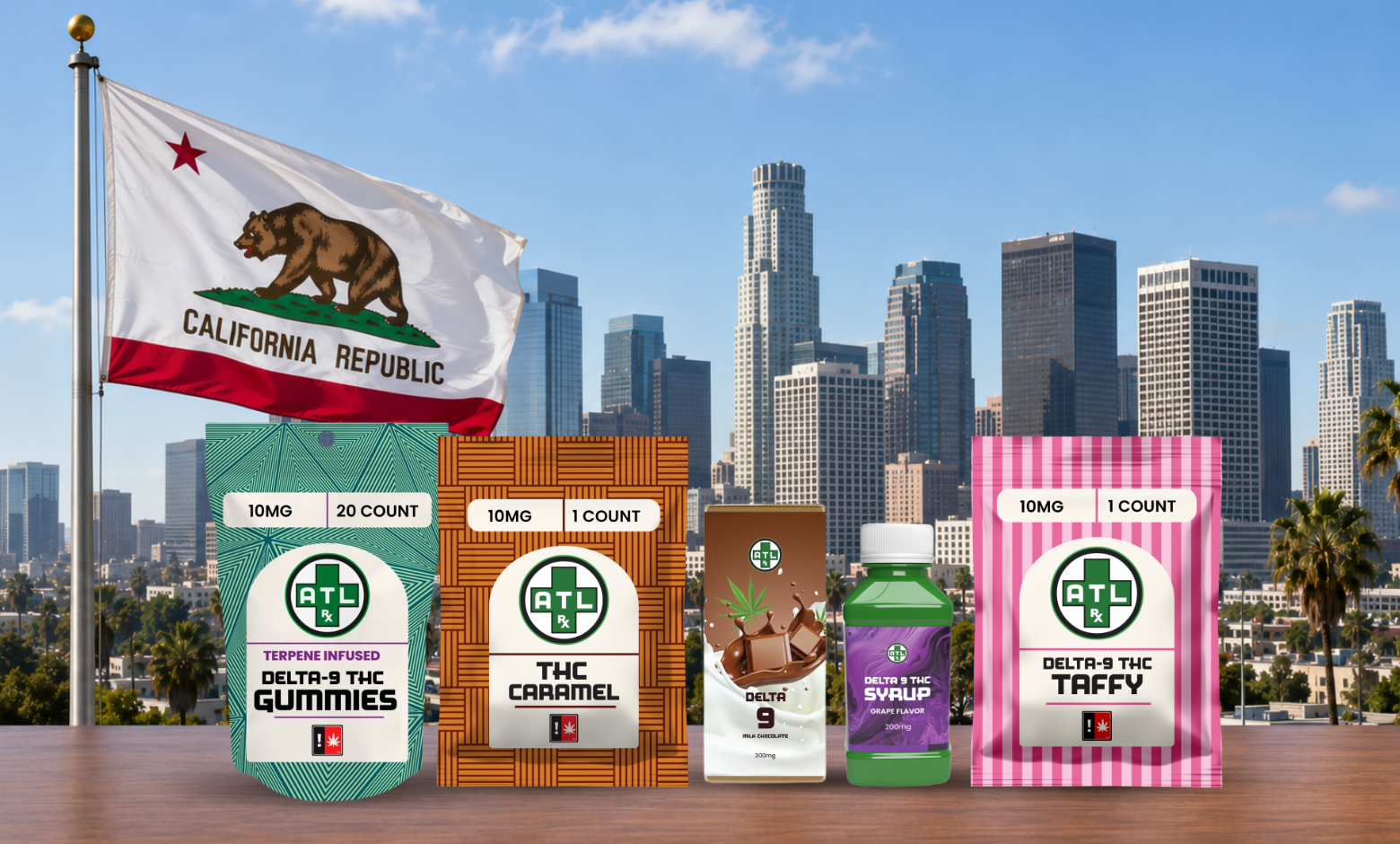
Delta 9 Legal Status in California:
Yes, Delta 9 THC is legal in California in 2026, but as of January 1, 2026, it is legal through a single regulated channel rather than two:
Intoxicating Delta 9 products, whether sourced from marijuana or hemp, are sold only through state-licensed cannabis dispensaries to adults 21 and over, under California’s MAUCRSA framework (which traces back to Proposition 64 in 2016). AB 8 integrated intoxicating hemp products into this licensed channel.
Non-intoxicating hemp products (such as foods, beverages, and supplements made with CBD or CBN isolate at greater than 99% purity, with no detectable THC) remain legal outside dispensaries, subject to AB-45 and AB-8 requirements.
When it comes to the question, “Is Delta 9 legal in California?”, the short answer in 2026 is more layered than it used to be. Delta 9 THC itself is recognized by both federal and California law, but the way it can be sold, shipped, packaged, and purchased has changed significantly with the rollout of California Assembly Bill 8 (AB 8) and the federal redefinition of hemp under H.R. 5371. This guide walks through what the rules actually say in 2026, what changed on January 1, 2026, what is set to change on November 12, 2026, and how to read a product label so you know what you are looking at before you buy.
Legal advice is not provided in this article. Cannabis and hemp regulations change frequently. Always verify current rules with official California state agencies before purchasing, possessing, or shipping any Delta 9 product.
Table of contents:
The big shift in 2026 is that California now measures total tetrahydrocannabinols, not just Delta 9 in isolation, and requires zero detectable THC in any consumable hemp product sold outside a licensed dispensary. Delta 9 gummies derived from hemp that were legal at the federal “0.3% by dry weight” level are no longer lawful in California retail outside the licensed cannabis market.
Understanding the current landscape is easier when you see how the state arrived at it.
AB 8 (Aguiar-Curry) reshapes how intoxicating hemp products can be made, sold, and stored in California. Here is what changed on January 1, 2026:
Delta 9 THC content at or below 0.3% on a dry weight basis defined industrial hemp under prior law. In AB 8, the definition of industrial hemp is based on total tetrahydrocannabinol concentration, including THCA, Delta 8, Delta 10, and other isomers. Many products that were marketed as hemp-compliant under the old Delta 9-only standard are no longer compliant in California.
Inhalable hemp items, including hemp flower, prerolls containing hemp flower, and hemp-derived inhalable products, can no longer be sold for consumption in California outside the licensed cannabis market.
Beginning January 1, 2026, industrial hemp raw extract used in food, food additives, beverages, or dietary supplements sold outside the licensed cannabis market must be CBD or CBN isolate at a purity level greater than 99%, with no detectable tetrahydrocannabinols and no synthetic cannabinoids. As a practical matter, this eliminates full-spectrum and broad-spectrum hemp formulations, as well as any hemp-derived Delta 9 edibles, from non-dispensary California retail. Products with any intoxicating THC content must move into the licensed cannabis channel.
AB 8 explicitly prohibits the sale of products containing synthetic cannabinoids, which California uses to cover compounds produced through chemical conversion or isomerization (such as most Delta 8 and Delta 10 currently on the market).
Under Business and Professions Code Section 22980.6, tobacco retailers cannot possess, store, or sell Cannabis or any product containing THC or comparable cannabinoids that are not authorized under state cannabis regulations. CDTFA and local agencies began enforcing the law on January 1, 2026.
The minimum age for purchasing consumable hemp products remains in place. AB 8 codifies and extends the September 2024 CDPH emergency regulations, which had already required no detectable THC per serving in consumable hemp products, set the 21+ purchase age, and capped servings at five per package.
Direct-to-consumer hemp e-commerce sold to California customers will be folded into the same compliance, testing, labeling, and tax obligations that apply to brick-and-mortar retail starting January 1, 2028.
AB 8 extends California’s 15% cannabis excise tax to intoxicating hemp products that move through the licensed channel and integrates them into the MAUCRSA track-and-trace system. Mislabeling a product with the universal cannabis symbol now carries criminal liability, not just administrative penalties.
Signed alongside AB 8, SB 378 (Wiener) takes effect July 1, 2026, and places new obligations on online marketplaces that host listings for cannabis or hemp products, including disclosure requirements about whether sellers are licensed and damage provisions when minors are harmed.
The federal Continuing Appropriations, Agriculture, Legislative Branch, Military Construction and Veterans Affairs, and Extensions Act, 2026 (Public Law 119-37) was signed into law. As a result of section 781 of that act, the federal hemp definition will be reshaped exactly one year from now, on November 12, 2026.
What changes federally:
Section 781 directed the FDA to publish lists within 90 days of enactment — by approximately February 10, 2026 — identifying naturally occurring cannabinoids, all THC-class cannabinoids known to be naturally present in Cannabis, and other cannabinoids with similar effects to THC, as well as guidance defining “container.” As of May 2026, the FDA had not published these lists or issued the container definition, leaving the scope of the 0.4 mg per-container cap legally ambiguous heading into the November 12, 2026, effective date. The federal law is also referenced as Public Law 119-37.
For California shoppers, the practical takeaway is that the state’s AB 8 framework and the upcoming federal framework are converging on a much stricter version of “hemp” than the version most people grew used to between 2018 and 2025.
Both kinds of Delta 9 are legal in California in 2026, but as of January 1, 2026, both are sold only through state-licensed cannabis dispensaries when intoxicating.
| Feature | Hemp-Derived Delta 9 (2026) | Cannabis (Marijuana) Delta 9 |
| Legal source plant | Cannabis sativa L. is classified as hemp (≤0.3% total THC by dry weight) | Cannabis is classified as marijuana |
| Federal status | Legal under the 2018 Farm Bill until November 12, 2026; H.R. 5371 §781 then redefines hemp using total THC and adds a 0.4 mg per-container cap on finished products | Schedule I under the federal Controlled Substances Act |
| California retail status (as of Jan 1, 2026) | If intoxicating: sold only through state-licensed cannabis dispensaries under AB 8 | Sold only through state-licensed cannabis dispensaries under MAUCRSA / Prop 64 |
| Where do you buy it | Licensed California cannabis dispensaries (intoxicating products); general retail only for non-intoxicating CBD/CBN isolate at >99% purity, zero THC | State-licensed dispensaries |
| THC limit on plant material | Total THC ≤0.3% by dry weight | No upper THC concentration cap; products are dose-labeled |
| Finished consumable products outside the dispensaries | Must contain no detectable THC | N/A — must be sold inside the licensed channel |
| Minimum age | 21 | 21 |
| Lab testing | Required Certificate of Analysis (COA); MAUCRSA testing requirements apply once integrated | Required by California cannabis regulators |
When you are evaluating any hemp-derived Delta 9 product available to California consumers in 2026, remember that intoxicating hemp Delta 9 products are now sold through licensed cannabis dispensaries, not general retail. Whether you’re buying at a dispensary or buying a non-intoxicating CBD or CBN isolate product at general retail, here is what to check:
Here is the practical 2026 picture for California residents.
California shoppers should review current California Department of Public Health (CDPH) and Department of Cannabis Control (DCC) guidance, since the regulatory landscape continues to shift through 2026, 2027, and 2028.
ATLRx ships hemp-derived Delta 9 THC products to states where applicable law permits, and we apply 21+ age verification at checkout. California is not a shipping destination for intoxicating hemp Delta 9 products under current AB 8 rules; California consumers seeking Delta 9 should purchase through a state-licensed cannabis dispensary.
A few practical points California consumers ask about regularly.
Delta 9 is legal in California in 2026, but the rules around it are tighter and more nuanced than in past years. AB 8, effective January 1, 2026, integrated intoxicating hemp products into California’s licensed cannabis market — meaning hemp-derived Delta 9 edibles are now sold through state-licensed dispensaries rather than general retail. The federal redefinition of hemp under H.R. 5371 §781 arrives on November 12, 2026, and full AB 8 implementation follows on January 1, 2028. For California shoppers, that means buying intoxicating Delta 9 products through licensed dispensaries, verifying COAs, and treating any “hemp-derived Delta 9” still being sold at non-dispensary California retail as a compliance red flag.
ATLRx publishes batch-specific third-party lab results for every Delta 9 product and verifies age at checkout for jurisdictions where shipment is permitted. California consumers seeking Delta 9 should purchase through state-licensed cannabis dispensaries; ATLRx and similar out-of-state hemp brands cannot lawfully ship intoxicating Delta 9 products into California under AB 8.
Yes, however, the channel has narrowed. As of January 1, 2026, intoxicating Delta 9 products — whether sourced from marijuana or hemp — are sold only through state-licensed cannabis dispensaries to adults 21 and older, under California’s MAUCRSA framework as integrated by AB 8. Non-intoxicating hemp products containing CBD or CBN isolate are available at general retail.
No, but it closed the non-dispensary retail channel for intoxicating hemp products. AB 8 redefined industrial hemp using total THC instead of Delta 9 alone, banned hemp flower and inhalable hemp products outside the licensed cannabis market, prohibited synthetic cannabinoids, required hemp extract used in non-dispensary consumables to be CBD or CBN isolate at greater than 99% purity with no detectable THC, and integrated intoxicating hemp products into the licensed cannabis supply chain. Intoxicating Delta 9 products in any form must now be sold through state-licensed dispensaries.
California now measures the combined concentration of THC compounds (including Delta 9, Delta 8, Delta 10, THCA, and other isomers) rather than only Delta 9. To qualify as industrial hemp in California, a product must have a total THC concentration of no more than 0.3% on a dry weight basis.
Generally, no, not as “hemp-derived Delta 9.” Under AB 8, intoxicating hemp products, including Delta 9 gummies, are not lawful for non-dispensary retail in California, and most compliant out-of-state sellers do not ship Delta 9 products to California addresses. To purchase Delta 9 edibles in California, use a state-licensed cannabis dispensary (many of which offer delivery). From January 1, 2028, any remaining online sales to California customers will fall fully under AB 8 brick-and-mortar compliance.
The majority of Delta 8 products on the market do not comply with California’s current rules. AB 8 prohibits synthetic cannabinoids, and the new total THC standard pushes most Delta 8 SKUs over the legal threshold.
21 years old. The 21+ rule was set in the September 2024 CDPH emergency regulations, which also required no detectable THC per serving and capped consumable hemp packages at five servings. AB 8 codifies and extends those requirements.
As per section 781 of H.R. 5371 (Public Law 119-37), it takes effect on November 12, 2026. It introduces a federal total THC standard, a 0.4 mg per-container cap on finished hemp products, and excludes cannabinoids made outside the cannabis plant. A number of pending federal bills could modify or delay that effective date, including H.R. 7024 (Hemp Planting Predictability Act, introduced January 13, 2026) and H.R. 6209 (American Hemp Protection Act, introduced November 2025), neither of which has passed as of the publication of this article. As of May 2026, the FDA had also not published the cannabinoid lists or “container” definition required under Section 781, leaving compliance details unresolved. Always check the current status before relying on older information.
Yes. Tests for THC metabolites do not distinguish between hemp-derived Delta 9 and cannabis-derived Delta 9. If you are subject to drug testing, consider that before purchasing.
Related Articles:
FDA Disclaimer: The statements on this blog are not intended to diagnose, treat, cure, or prevent any disease. The Food and Drug Administration has not evaluated any statements contained within the blog. ATLRx does not in any way guarantee or warrant the accuracy, completeness, or usefulness of any message. The information contained within this blog is for general informational purposes only.

August 12, 2026
August 7, 2026
August 5, 2026
August 4, 2026
$39.99
$39.99
$39.99
$49.99
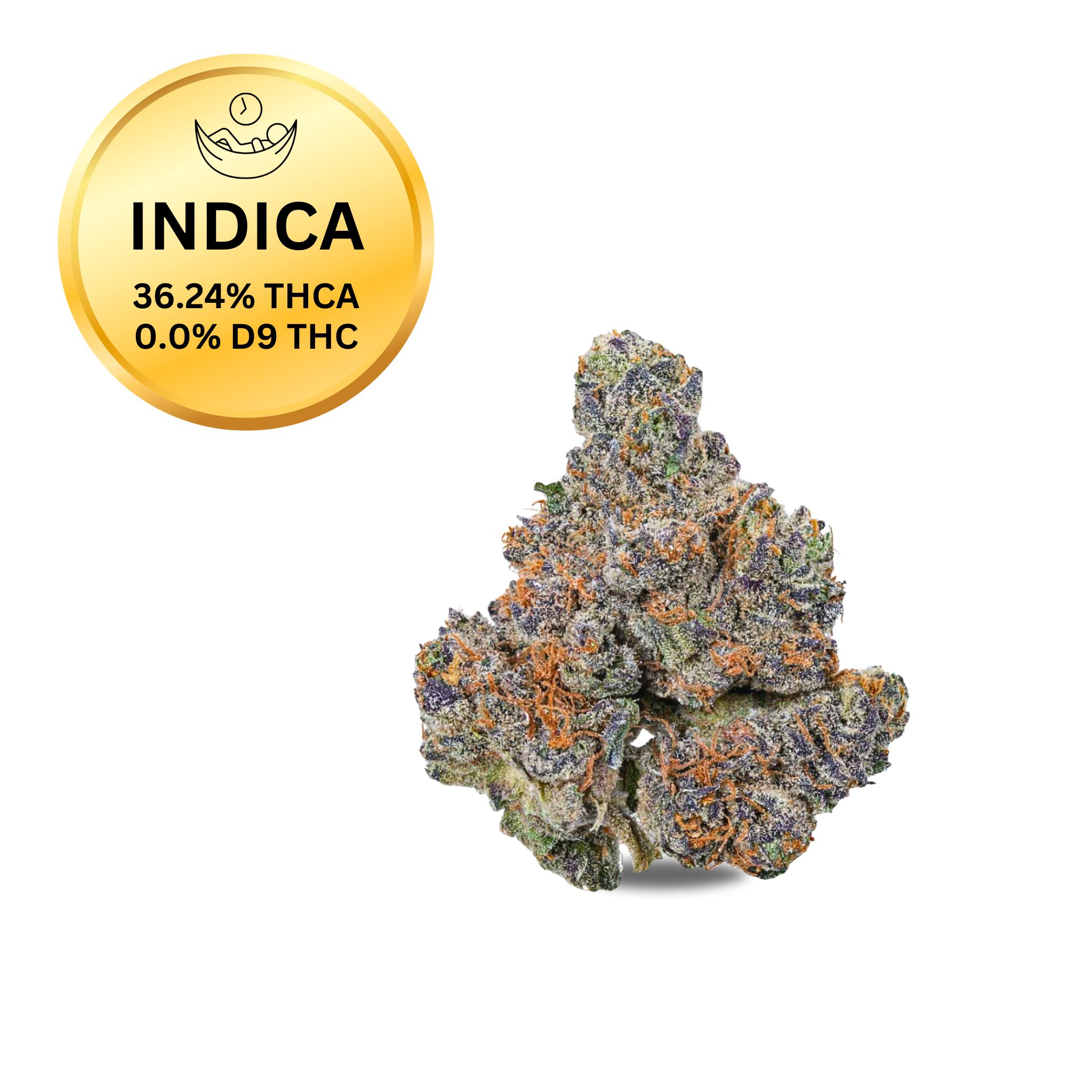
$49.99
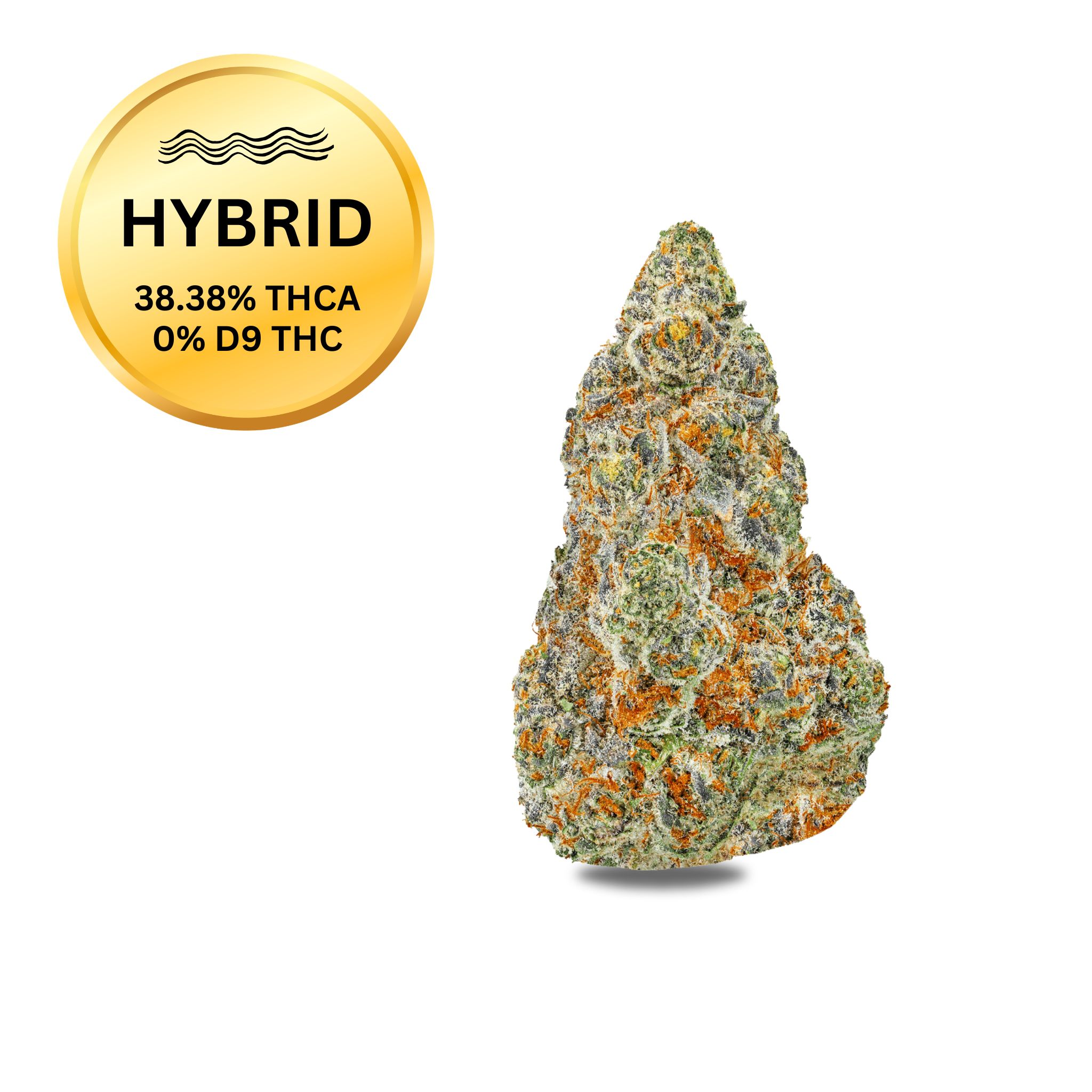
$49.99
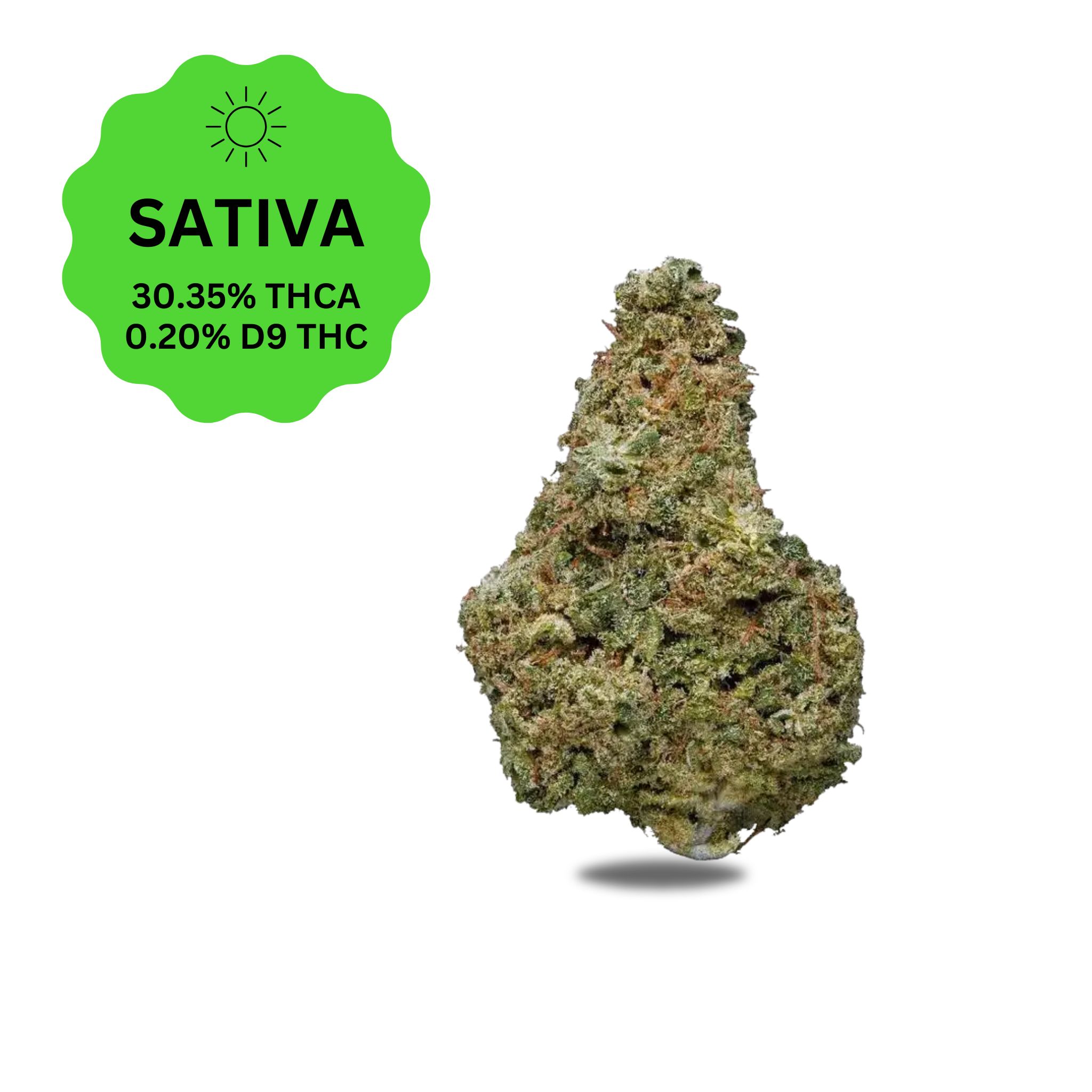
$39.99