

$39.99

ARE YOU 21 YEARS OF AGE OR OLDER?
REMEMBER ME
Seriously, by using this site you are confirming that you are of legal age (21+) to view and purchase these products. If you are you are not over 21. you are not authorized by us to use or view any of the pages of this site. Please review our terms and conditions at checkout for further stipulations.
 >
Blogs
>
Delta 9 >
Is Delta 9 Legal in Georgia? Complete 2026 Guide to Georgia Laws
>
Blogs
>
Delta 9 >
Is Delta 9 Legal in Georgia? Complete 2026 Guide to Georgia Laws
THE STATEMENTS ON THIS BLOG ARE NOT INTENDED TO DIAGNOSE, TREAT, CURE, OR PREVENT ANY DISEASE. THE FOOD AND DRUG ADMINISTRATION HAS NOT EVALUATED ANY STATEMENTS CONTAINED WITHIN THE BLOG. ATLRX DOES NOT IN ANY WAY GUARANTEE OR WARRANT THE ACCURACY, COMPLETENESS, OR USEFULNESS OF ANY MESSAGE. THE INFORMATION CONTAINED WITHIN THIS BLOG IS FOR GENERAL INFORMATIONAL PURPOSES ONLY.
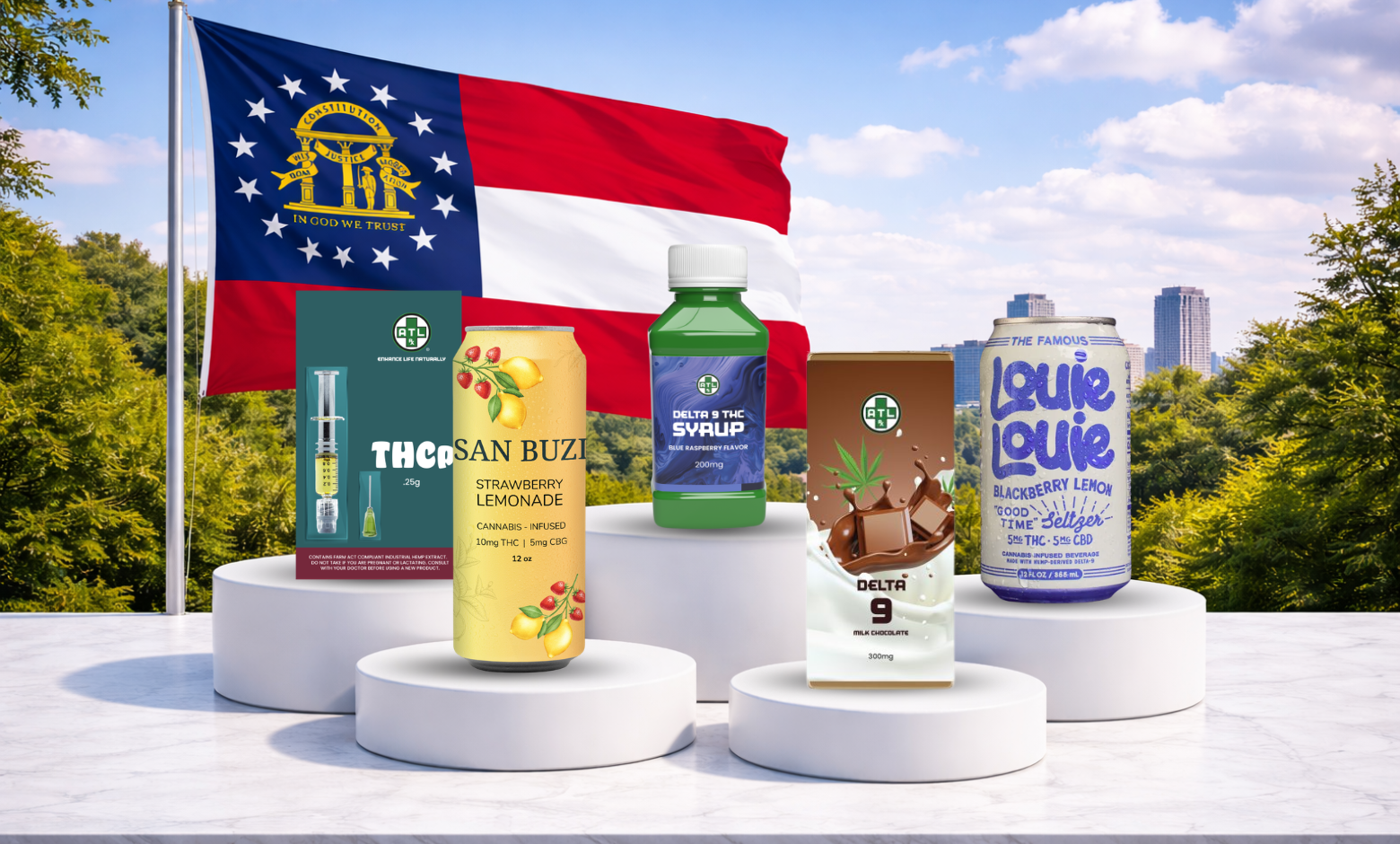
Delta 9 Legal Status in Georgia:
Yes. Hemp-derived Delta 9 THC products may be lawfully sold in Georgia to adults age 21 and older when they comply with Georgia’s consumable hemp laws, including THC limits, testing, labeling, and retailer licensing requirements under SB 494 and related rules. Delta 9 THC derived from marijuana remains illegal for recreational use in Georgia.
If you have been wondering whether Delta 9 is legal in Georgia, you are not alone. With hemp laws shifting rapidly at both the state and federal levels, Georgia residents and visitors deserve a clear, current answer. Delta 9 THC derived from hemp may be lawful in Georgia for adults age 21 and older if the product complies with current Georgia and applicable federal hemp laws. Georgia substantially revised its hemp rules in 2024, and readers should confirm whether any later proposals have become law before relying on older guidance.
This guide covers every angle of the question, from the key legislation and product-specific rules to how to verify a product is compliant and where you can buy legal Delta 9 in Atlanta, Savannah, Augusta, and across the Peach State.
Table of contents:
(THCA×0.877)+Delta-9 THC, and the product must remain at or below 0.3% on a dry-weight basis.
Delta-9-tetrahydrocannabinol is the primary psychoactive component of the cannabis plant. In most cases, it is responsible for the mood-altering effects associated with cannabis use. While Delta 9 is abundant in marijuana, it also exists naturally in hemp plants, though at much lower concentrations.
There is a legal distinction between Delta 9 THC derived from hemp and Delta 9 THC derived from marijuana under current law. Federal law historically used a delta-9-THC dry-weight threshold, while Georgia now applies a total delta-9-THC concentration standard that incorporates THCA through a statutory formula. Products sourced from compliant hemp fall under a completely different legal framework than products from high-THC marijuana plants.
Delta 9 THC and THCA: An Important Distinction. Delta 9 THC is produced from tetrahydrocannabinolic acid (THCA). Raw THCA does not produce psychoactive effects. When heated – through smoking, vaping, or cooking – THCA decarboxylates and becomes active Delta 9 THC. Georgia’s Senate Bill 494 (2024) introduced a “total THC” testing standard that accounts for this conversion. For consumers buying compliant Delta 9 gummies, tinctures, or beverages, this distinction primarily affects product testing and labeling rather than day-to-day legality.
The legal foundation for hemp-derived Delta 9 THC starts at the federal level. As part of the 2018 Farm Bill, hemp was removed from the Controlled Substances Act. Hemp is defined as cannabis sativa L. derivatives, extracts, and cannabinoids containing less than 0.3% Delta 9 THC. The 2018 Farm Bill created a federal hemp pathway, but the legality of any hemp-derived Delta 9 product still depends on state law and product-specific compliance requirements.
Georgia’s state hemp law did not begin in 2026. It started with House Bill 213 in 2019 and has been substantially amended multiple times since. Understanding that evolution is important because the original HB 213 language no longer reflects the full current framework that governs Delta 9 in Georgia today.
HB 213 (2019): The Foundation:
Following the federal Farm Bill, Georgia enacted House Bill 213, which established the Georgia Hemp Farming Act under O.C.G.A. Chapter 23 of Title 2. The original legislation authorized the Georgia Department of Agriculture to create and administer a state hemp program, established licensing requirements for hemp growers and processors, and aligned Georgia law with the federal THC threshold of 0.3%. At the time, only Delta 9 THC was measured. THCA was not addressed, and hemp flower was not restricted. HB 213 broadly aligned Georgia with the federal hemp framework, but product legality has always depended on the applicable statutory and regulatory requirements in force at the time.
HB 847 (2020) and HB 336 (2021): Technical Amendments:
Georgia made targeted technical updates to the Hemp Farming Act through HB 847 in 2020 and HB 336 in 2021. These amendments refined definitions, brought Georgia’s rules into closer alignment with the USDA Final Rule under the 2018 Farm Bill, clarified grower and processor application requirements, and updated enforcement and sampling procedures. Neither bill changed the fundamental 0.3% Delta 9 THC standard or restricted product types.
SB 494 (2024): The Comprehensive Overhaul:
The most significant amendment to the Georgia Hemp Farming Act came through Senate Bill 494, signed by Governor Brian Kemp on April 30, 2024, with its major provisions taking effect on October 1, 2024. SB 494 substantially rewrote key sections of O.C.G.A. § 2-23, adding new code sections including § 2-23-3.1 (total THC calculation), § 2-23-9.1 (COA requirements), § 2-23-9.2 (labeling), § 2-23-9.3 (zoning), and new licensing categories for manufacturers, wholesalers, and retail consumable hemp establishments. This is the operative framework for hemp-derived consumable products containing Delta 9 THC in Georgia as of 2026.
2025 to 2026 Pending Proposals:
As of April 2026, several additional bills have been introduced that would further amend the Georgia Hemp Farming Act. SB 33 and HB 265 (2025 session) proposed stricter total THC and intoxicating cannabinoid limits, including lowering gummy limits to 5mg of THC per serving and 150mg per container. Some proposed legislation has sought to place certain hemp beverages or intoxicating hemp products into a more alcohol-like distribution framework, but readers should treat those measures as proposals unless and until enacted. None of these proposals has been passed as of April 2026. ATLRx will update this guide promptly if any new legislation is enacted.
In short, when you see references to “the Georgia Hemp Farming Act” in 2026, that term refers to O.C.G.A. Chapter 23 of Title 2 as it currently stands, meaning HB 213 as enacted in 2019 and subsequently amended through SB 494 in 2024. The 2019 version of HB 213 alone is no longer an accurate or complete description of Georgia hemp law.
Senate Bill 494 is the controlling law for Delta 9 THC in Georgia as of 2026. It has not been replaced or repealed. Governor Brian Kemp signed SB 494 on April 30, 2024. It rolled out in two phases: zoning restrictions took effect on July 1, 2024, and all major consumer-facing provisions took effect on October 1, 2024. The 2026 Georgia legislative session ended on April 3, 2026 (Sine Die) without passing any new hemp legislation, meaning SB 494 remains the current, active law governing every Delta 9 product sold in Georgia today.
SB 494 amended multiple sections of the Official Code of Georgia Annotated under Title 2, Chapter 23, adding new code sections including O.C.G.A. § 2-23-3.1 (total THC calculation), § 2-23-9.1 (COA requirements), § 2-23-9.2 (labeling and packaging), and § 2-23-9.3 (zoning). The law also created four new license categories administered by the Georgia Department of Agriculture: Hemp Manufacturer Licenses, Hemp Wholesale Consumable Hemp Licenses, Hemp Retail Consumable Hemp Establishment Licenses, and Hemp Laboratory Registration.
What SB 494 Requires for Delta 9 in Georgia (Current as of April 2026)
Age Restriction (O.C.G.A. § 16-12-241): All consumable hemp products, including Delta 9 gummies, tinctures, and beverages, may only be sold to adults 21 and older. During the checkout process, retailers must verify the customer’s age. Any sale to a person under 21 is a criminal offense. Buyers under 21 who attempt to purchase face a $500 fine on first conviction.
Total THC Testing Standard (O.C.G.A. § 2-23-3.1): Georgia tests for “total delta-9-THC concentration” using the formula: Total THC = (THCA x 0.877) + Delta 9 THC. It must be 0.3% or less by dry weight. Testing must be conducted by a GDA-registered laboratory. Products may be tested either by post-decarboxylation testing or by mathematical calculation using the 0.877 conversion factor.
Hemp Flower Retail Ban (O.C.G.A. § 2-23-4): Retail sale of unprocessed hemp flower or leaves of the Cannabis sativa L. plant is explicitly prohibited in Georgia, regardless of THC content. However, extracts and derivatives from hemp flower, including oils, gummies, tinctures, and vape cartridges, remain legal when compliant with the 0.3% total THC limit.
Retailer and Manufacturer Licensing (O.C.G.A. § 2-23-4): All businesses manufacturing, wholesaling, or retailing consumable hemp products must hold an active annual license from the Georgia Department of Agriculture. License renewals open each November 1. Unlicensed sales are a criminal violation.
COA Requirements (O.C.G.A. § 2-23-9.1): Every product sold must have a full-panel Certificate of Analysis from a GDA-registered, ISO-accredited laboratory, updated within the last 12 months. The COA must be publicly accessible, either on the brand’s website or via a QR code printed on the product packaging. The GDA began actively auditing QR code compliance in 2025 and has issued warnings and recalls for non-functional or missing QR codes.
Labeling and Packaging (O.C.G.A. § 2-23-9.2): All products must include a THC warning sticker approved by the GDA, clearly state total THC content per serving and per package, and use child-resistant packaging. Packaging must not use imagery, characters, or symbols that are “attractive to children” as defined under SB 494.
A single edible serving is capped at 10mg of THC. The total amount of THC in full packages is capped at 300mg. There is a limit of 10mg of total THC per 12-ounce serving for hemp-infused beverages, and they cannot be packaged or marketed like alcohol. For tinctures, the GDA has published guidance capping each serving at 1mg of Delta 9 THC with a maximum package size of 10 fluid ounces.
Zoning (O.C.G.A. § 2-23-9.3): Hemp retail establishments may not operate within 500 feet of any public or private school serving kindergarten through twelfth grade. This restriction applies to new businesses opening on or after July 1, 2024.
GDA Enforcement Authority: SB 494 significantly expanded the Georgia Department of Agriculture’s enforcement powers. The GDA may now conduct random inspections of licensed retailers, issue product recalls, suspend or revoke licenses, and refer criminal violations to law enforcement. Since October 2024, the GDA has been actively auditing retailers across the state, with cited violations including failure to verify customer age, missing or non-functional COA QR codes, products exceeding milligram limits, and unapproved packaging.
SB 494 specifically and explicitly protected gummies, tinctures, vapes, and non-alcoholic beverages as legal product formats in Georgia. Moreover, the legislature rejected a last-minute amendment that would have subjected Delta 8, Delta 10, HHC, and other hemp-derived cannabinoids to the same strict 0.3% threshold as Delta 9 THC. Hemp products are also now explicitly defined as “consumable hemp products” that cannot be treated as controlled substances solely because they contain THC, provided total Delta 9 THC stays at or below 0.3%. This legislative protection codified a 2023 Georgia Court of Appeals ruling and ended earlier law enforcement confusion that led to raids on compliant hemp retailers.
The Georgia 2026 legislative session ended on April 3, 2026, without passing any new hemp legislation. Proposals that were introduced in the 2025 and 2026 sessions to further amend the Georgia Hemp Farming Act, including SB 33, SB 254, and HB 265, did not become law. SB 494, as enacted in 2024, is therefore the complete and current legal standard for all Delta 9 products in Georgia as of April 2026. ATLRx will update this guide immediately if the Governor signs any new hemp legislation.
Pub. 2025 was passed by the federal government on November 12, 2025. THCA is incorporated into the total THC calculation by L. No. 119-37, amending federal hemp law. This brought national law into alignment with Georgia’s SB 494 approach. A one-year federal grace period applies, meaning the change takes full federal effect on November 12, 2026. During this transition period, the Delta-9-only framework of the 2018 Farm Bill remains operative for federal interstate commerce. For Georgia consumers, however, the practical impact is minimal because SB 494 already independently enforces the total THC standard at the state level.
Important: As of April 2026, two hemp-related proposals were moving through the Georgia legislature. One bill by state Sen. Kay Kirkpatrick would add testing and labeling requirements for synthetic hemp products sold in convenience stores, with Delta 9 THC (already regulated under SB 494) explicitly unaffected. A separate bill by state Sen. Bill Cowsert would lower the Delta 9 THC limit in hemp-infused drinks from 10mg to 5mg per serving and restrict their sale to liquor stores. By early April 2026, the Cowsert bill had passed the Senate but stalled in the House. The Kirkpatrick bill did not receive a floor vote. Lawmakers may still revive either proposal before the session ends. ATLRx will update this guide immediately if either bill is signed into law.
No. The recreational use of delta-9 THC derived from marijuana is illegal in Georgia. Georgia does not have a recreational marijuana program, and marijuana possession remains a criminal offense under the Georgia Controlled Substances Act.
Georgia operates a restricted medical cannabis program. The state’s Low THC Oil Registry allows qualified patients to possess cannabis oil containing no more than 5% THC. Raw flower, edible products, and vaping remain prohibited under the current medical program, though Senate Bill 220, which passed the Georgia Senate in March 2025 and would expand the program to allow vaping and increase the THC cap, may be revisited when lawmakers reconvene.
The following table summarizes which hemp-derived Delta 9 THC products are legal under Georgia law in 2026. All legal products must be purchased from a licensed retailer by adults 21 or older.
| Product Type | Legal Status (2026) | Key Requirements Under SB 494 |
|---|---|---|
| Delta 9 Gummies | Legal | Hemp-derived; 10mg max per serving; 300mg max per package; 21+ |
| Delta 9 Tinctures | Legal | Hemp-derived; 0.3% or less total Delta 9 THC by dry weight; 21+ |
| Delta 9 Beverages | Legal | Hemp-derived; 10mg max per 12 oz serving; 21+ |
| Delta 9 Vapes/Cartridges | Legal | Hemp-derived; 0.3% or less total Delta 9 THC; 21+ |
| Hemp Flower (retail) | Illegal | Banned outright under SB 494 regardless of THC content |
| Marijuana-Derived Delta 9 | Illegal | No recreational marijuana program in Georgia |
For hemp-derived Delta 9 products that meet all legal requirements, there are no specific personal possession quantity limits beyond the standard retail packaging caps. Always carry your product in its original, labeled packaging with the Certificate of Analysis accessible, as this is your primary documentation that the product is compliant hemp and not illegal marijuana.
Legal hemp-derived Delta 9 THC can still cause a positive result on a standard drug test. The THC metabolites produced by compliant hemp products are chemically identical to those from illegal marijuana. Employers in Georgia may enforce drug-free workplace policies regardless of whether the product was legally purchased. If you are subject to regular drug testing, consult your employer or a qualified professional before using any THC-containing product.
Under Georgia’s SB 494, every licensed hemp retailer must maintain a current Certificate of Analysis for each product it sells. A COA is a lab report from an accredited, independent testing facility that confirms the product’s cannabinoid profile and tests for harmful contaminants. Knowing how to read one protects you as a consumer.
| What to Check | Why It Matters |
|---|---|
| Total Delta 9 THC | Must read 0.3% or less on a dry weight basis. This is the primary legal threshold. |
| Total THC (with THCA) | Under SB 494, total THC = (THCA x 0.877) + Delta 9 THC. Combined result must be 0.3% or less. |
| CBD / CBG / CBN Content | Confirms the cannabinoid profile. Not a legal requirement but it shows transparency. |
| Heavy Metals | Look for results below action limits for lead, arsenic, cadmium, and mercury. |
| Pesticides | Should show no detected pesticides or results below state action limits. |
| Residual Solvents | Important for extracts and vapes. All solvents should be below detection or action limits. |
| Microbials | Should pass testing for Salmonella, E. coli, and total yeast and mold counts. |
| Lab Accreditation | The testing lab should be ISO/IEC 17025 accredited. Look for the accreditation number on the COA. |
| Test Date | Under SB 494, Georgia retailers must have COAs updated within the past 12 months. |
| Batch/Lot Number | The batch number on the COA should match the number printed on the product package. |
Access the COA directly from the brand’s website or by scanning the QR code on the product label. Never rely solely on a COA provided only by a third-party retailer without cross-referencing the batch number on the package.
Whether you shop online or in a local store, follow this checklist before purchasing any Delta 9 product in Georgia.
Only hemp-derived Delta 9 THC is legal in Georgia. The brand should clearly state that its products are manufactured from federally compliant hemp containing no more than 0.3% Delta 9 THC at the source.
You can request or look up the Certificate of Analysis for the specific batch you are purchasing. Confirm that total THC (using the SB 494 formula) is at or below 0.3% on a dry weight basis. Ensure that the lab is ISO/IEC 17025 accredited and that the test date is within the last 12 months.
For edibles and gummies, verify that each serving contains no more than 10mg of total Delta 9 THC and that the entire package does not exceed 300mg. For beverages, the limit is 10mg per 12-ounce container.
Georgia’s SB 494 requires all hemp consumable retailers to hold a license from the Georgia Department of Agriculture. Buying from a licensed retailer protects you legally and ensures the products have passed the state’s compliance standards.
Consumable hemp-derived products can only be purchased by people over 21 in Georgia. Retailers are required to verify age at the point of sale.
Retain your purchase receipt and the original product packaging with the labeled THC content and COA reference. If you are ever asked by law enforcement to demonstrate that a product is compliant hemp rather than illegal marijuana, this documentation is essential.
Hemp-derived Delta 9 THC products are available through several retail channels across Georgia. Legal retailers must be licensed by the Georgia Department of Agriculture.
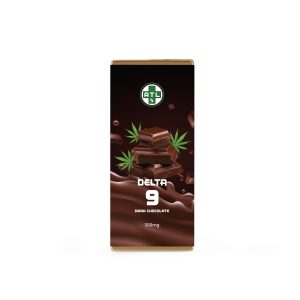
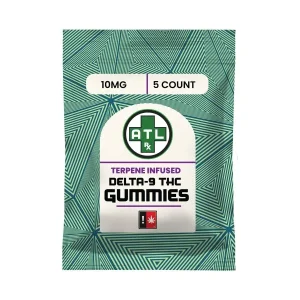
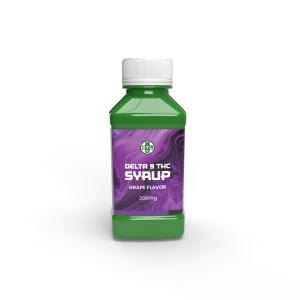
ATLRx is Atlanta-born and operates entirely within Georgia’s regulatory framework. Unlike out-of-state retailers who sell into Georgia, ATLRx’s team works directly under SB 494 requirements every day. All products are sourced from farms using compliant hemp, tested by ISO-accredited labs, and made available with full COAs. For Georgia residents, buying from a Georgia-licensed retailer adds an additional layer of legal certainty.
Georgia shoppers often compare Delta 9 with other hemp-derived cannabinoids. The following is a summary of the legal status of the most common options in 2026.
| Cannabinoid | Source | Legal in Georgia (2026) | Notes |
|---|---|---|---|
| Delta 9 THC | Hemp-derived | Yes (with conditions) | 0.3% total THC limit; 21+; licensed retailer |
| Delta 9 THC | Marijuana | No | No recreational program in Georgia |
| Delta 8 THC | Hemp-derived | Yes (with gray areas) | Legal under SB 494; enforcement varies by county |
| Delta 10 THC | Hemp-derived | Yes (with gray areas) | Follows the same rules as Delta 8 |
| THCA Flower | Hemp | No (retail ban) | Banned under SB 494; most fail total THC test |
| HHC | Hemp-derived | Gray area | No explicit ban; regulations evolving in 2026 |
All hemp-derived cannabinoid products in Georgia, regardless of type, must meet the 0.3% total Delta 9 THC threshold, come from a licensed retailer, be purchased by adults 21 and older, and be accompanied by a valid COA. Products that do not meet these standards risk being treated as illegal marijuana under Georgia law.
The answer to “Is Delta 9 legal in Georgia?” is yes, with important conditions. Hemp-derived Delta 9 THC is legal in the Peach State for adults 21 and older when the product is sourced from compliant hemp, contains no more than 0.3% total Delta 9 THC by dry weight, stays within the per-serving and per-package milligram limits set by SB 494, carries a valid Certificate of Analysis from an accredited lab, and is purchased from a Georgia Department of Agriculture licensed retailer.
Georgia significantly tightened its hemp framework in October 2024 with SB 494, and a November 2025 federal amendment further aligned national standards with Georgia’s approach. As of April 2026, additional legislative proposals are in motion that could further adjust rules for hemp beverages, though no new law has been signed at the time of this writing.
For Georgia residents looking for compliant, transparent, and locally verified Delta 9 products, ATLRx is a licensed Georgia hemp retailer based in Atlanta. Every product on the ATLRx site comes with a publicly accessible, batch-specific Certificate of Analysis, clearly labeled serving and package THC content, and full SB 494 compliance.
Yes. Delta 9 THC derived from hemp is legal in Georgia for adults 21 and older, provided it contains no more than 0.3% total Delta 9 THC and is purchased from a Georgia Department of Agriculture licensed retailer.
Yes. Delta 9 gummies are one of the specifically protected product formats under Georgia’s SB 494. In total, each serving may not contain more than 10mg of THC, and the whole package may not contain more than 300mg.
No. Delta 9 THC products derived from hemp do not require a prescription or a medical card. You must be 21 years of age or older to purchase from a licensed retailer.
Georgia requires that all hemp-derived products contain no more than 0.3% Delta 9 THC under the formula: (THCA x 0.877) + Delta 9 THC must equal 0.3% or less. For edibles, this translates to a maximum of 10mg of total Delta 9 THC per serving and 300mg per package.
Federal law allows hemp-derived Delta 9 products to be shipped to Georgia. The vendor must sell compliant, hemp-derived products with a valid COA. The product must meet SB 494 serving and packaging standards to be legally sold and possessed in the state.
Yes. Legal hemp products containing THC can produce a positive drug test result. The metabolites from hemp-derived Delta 9 are chemically identical to those from marijuana-derived Delta 9. Georgia’s at-will employment laws allow employers to enforce drug-free workplace policies regardless of whether a product was legally purchased. Consult your employer or a qualified professional before using any THC-containing product if you are subject to drug testing.
Both are the same molecule, but their legal status depends entirely on the source plant. Delta 9 derived from hemp contains 0.3% or less THC by dry weight and is legal in Georgia when meeting all SB 494 conditions. Marijuana-derived Delta 9 comes from high-THC cannabis plants and remains illegal for recreational use in Georgia.
Georgia Senate Bill 494, effective October 1, 2024, updated the state’s hemp regulations. The key changes affecting Delta 9 consumers are: a 21-plus age requirement at point of sale, a total THC testing formula that includes THCA, an outright ban on retail hemp flower sales, per-serving and per-package milligram caps on edibles and beverages, and new retailer licensing requirements. Compliant Delta 9 gummies, tinctures, vapes, and beverages remained explicitly legal under the new law.
No. The retail sale of unprocessed hemp flower and leaves is explicitly banned in Georgia under SB 494 (effective October 1, 2024), regardless of THC content. Extracts and derivatives from hemp flower, including oils, gummies, and vape cartridges, remain legal when compliant with the 0.3% total THC limit.
Legal Delta 9 products are available from licensed hemp retailers in major Georgia cities, including Atlanta, Savannah, Augusta, Columbus, and Macon, as well as from licensed online retailers that ship within the state. ATLRx is an Atlanta-based, Georgia-licensed hemp retailer with in-store and online purchasing options. All ATLRx products come with public COAs and comply fully with SB 494.
Related Articles:
Legal Disclaimer
This article is for informational and educational purposes only. It does not constitute legal advice. Hemp and cannabis regulations change frequently at both the state and federal levels. Always verify current laws through official Georgia state sources and consult a qualified Georgia attorney for advice specific to your situation. ATLRx is a licensed Georgia hemp retailer with a commercial interest in presenting hemp-derived Delta 9 as legal. Readers are encouraged to verify all information independently.

August 25, 2026
August 23, 2026
August 20, 2026
August 20, 2026
August 18, 2026
$39.99

$14.99
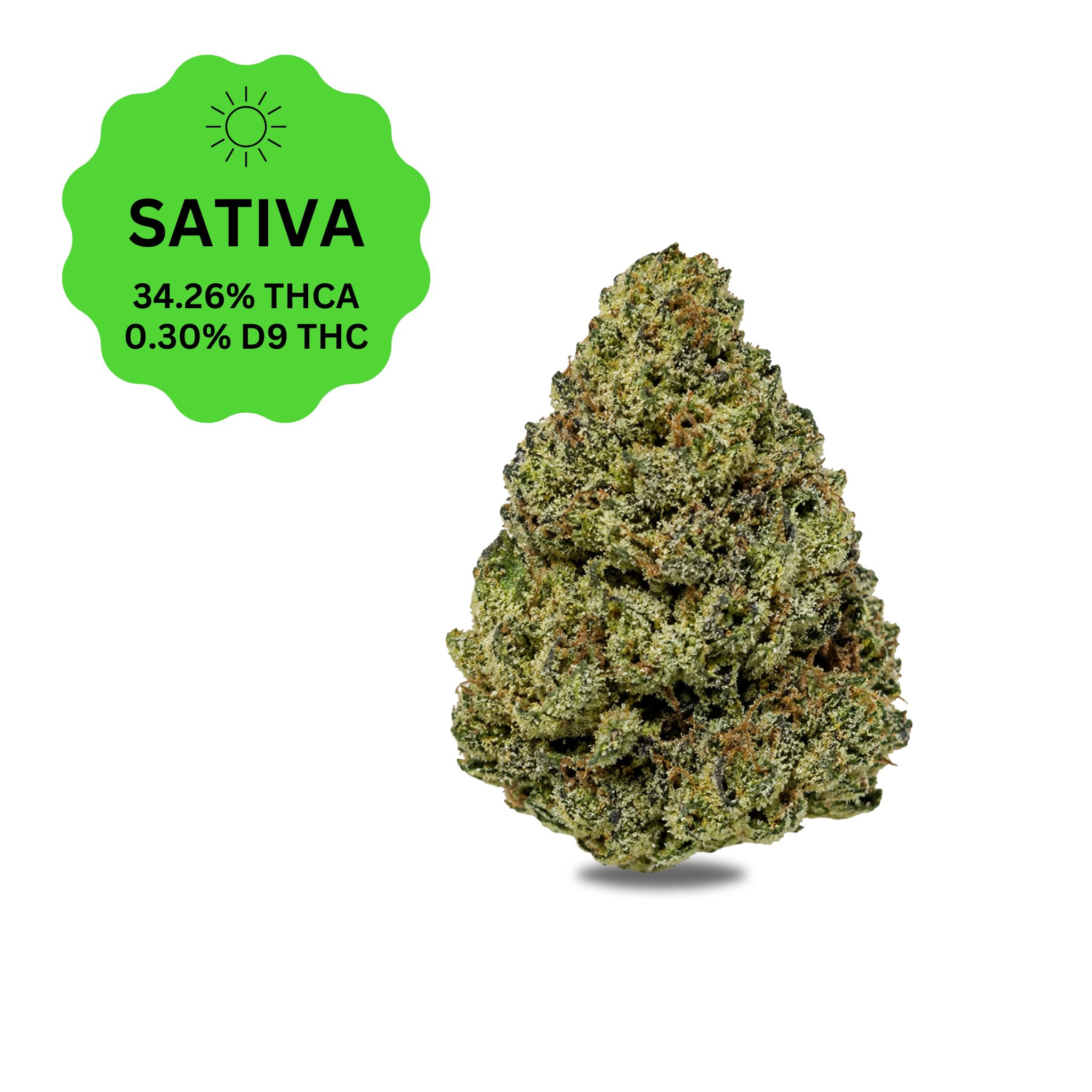
$39.99
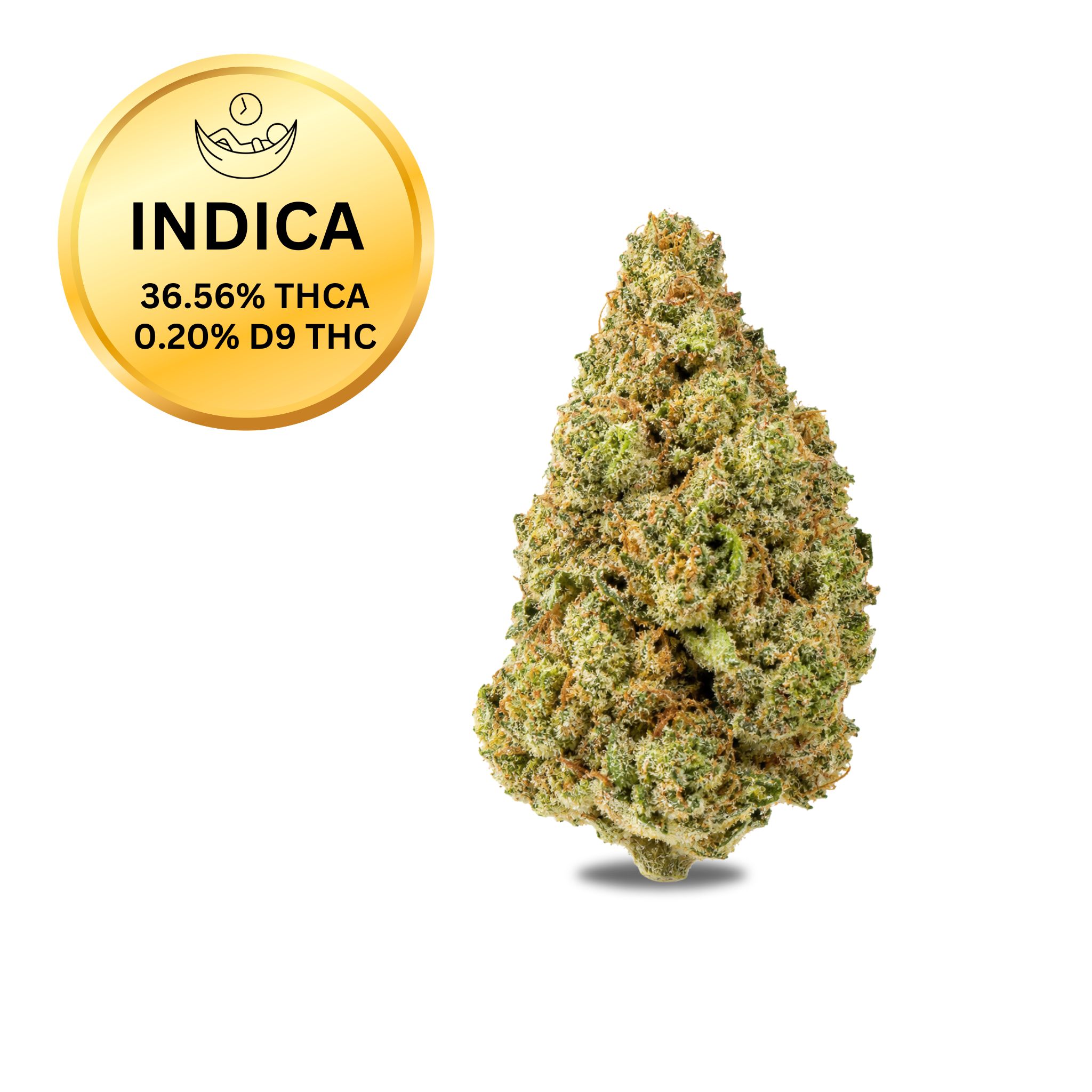
$49.99
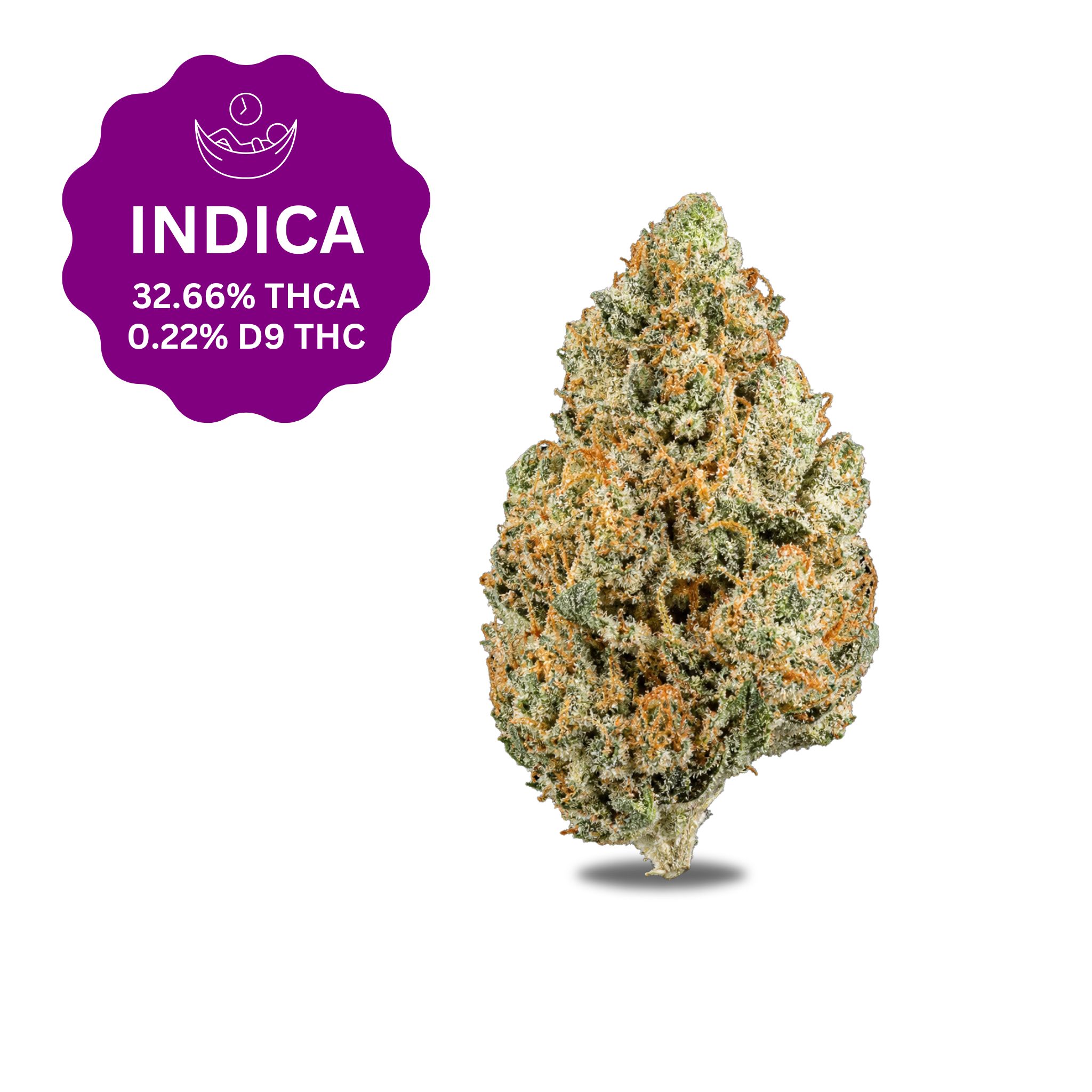
$39.99
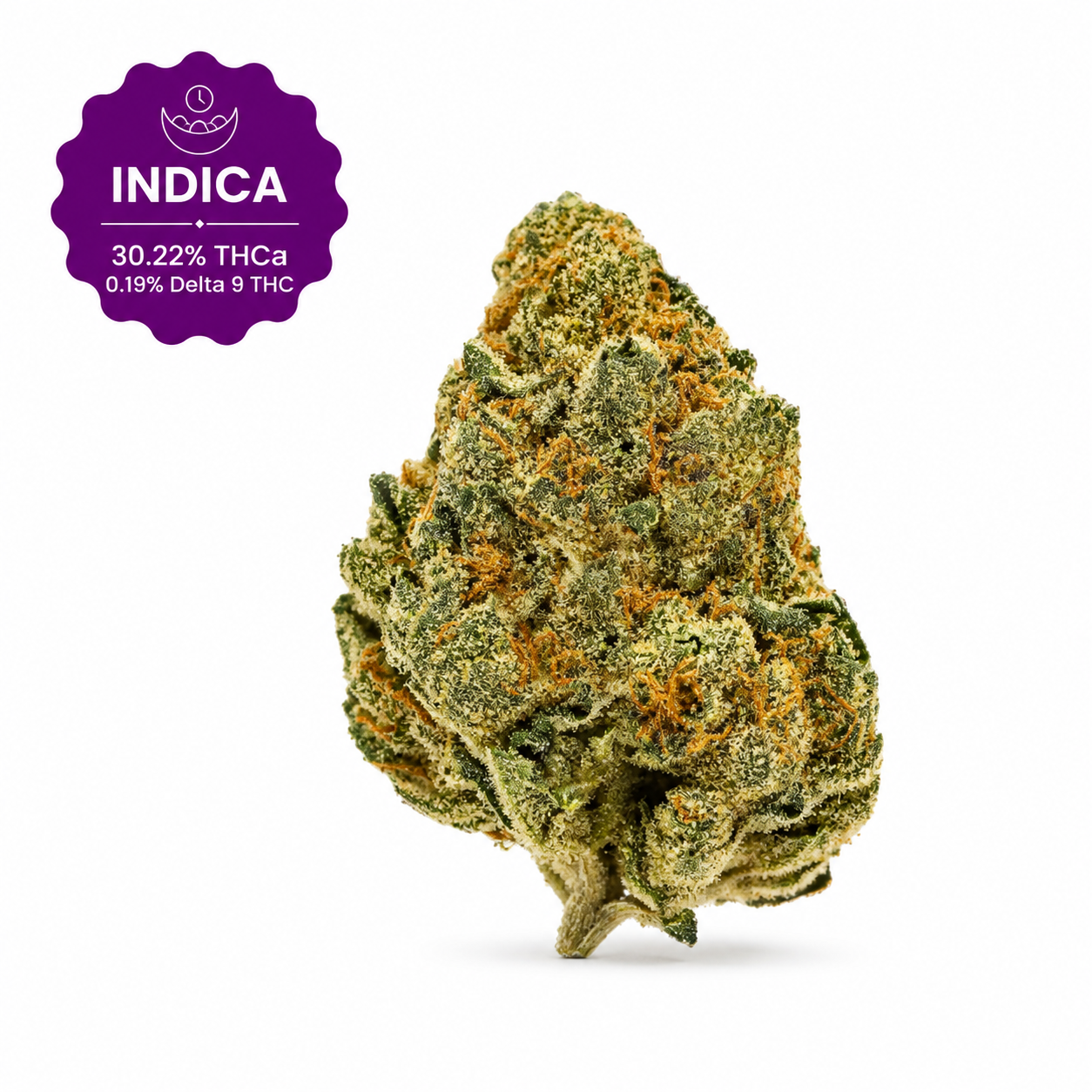
$39.99