


$14.99

ARE YOU 21 YEARS OF AGE OR OLDER?
REMEMBER ME
Seriously, by using this site you are confirming that you are of legal age (21+) to view and purchase these products. If you are you are not over 21. you are not authorized by us to use or view any of the pages of this site. Please review our terms and conditions at checkout for further stipulations.
 >
Blogs
>
THCA >
Best THCA Flower 2026
>
Blogs
>
THCA >
Best THCA Flower 2026
THE STATEMENTS ON THIS BLOG ARE NOT INTENDED TO DIAGNOSE, TREAT, CURE, OR PREVENT ANY DISEASE. THE FOOD AND DRUG ADMINISTRATION HAS NOT EVALUATED ANY STATEMENTS CONTAINED WITHIN THE BLOG. ATLRX DOES NOT IN ANY WAY GUARANTEE OR WARRANT THE ACCURACY, COMPLETENESS, OR USEFULNESS OF ANY MESSAGE. THE INFORMATION CONTAINED WITHIN THIS BLOG IS FOR GENERAL INFORMATIONAL PURPOSES ONLY.
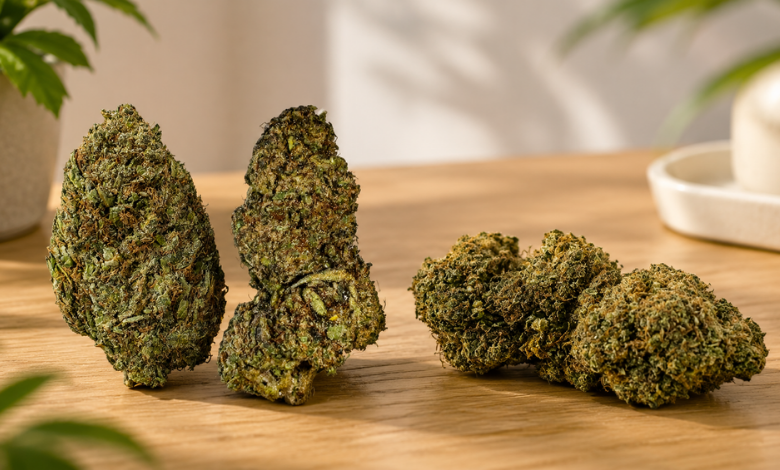
The best THCA flower is indoor-grown, slow-cured, and backed by a full-panel certificate of analysis from a third-party lab. Look for lab-verified THCA content above 20 percent, a published terpene percentage, dense, uneven trichome coverage, and a batch number that matches the jar you receive.
Table of contents:
Before we carry anything, it goes through the same eight checks. If a batch misses any of them, you will not see it on this page.
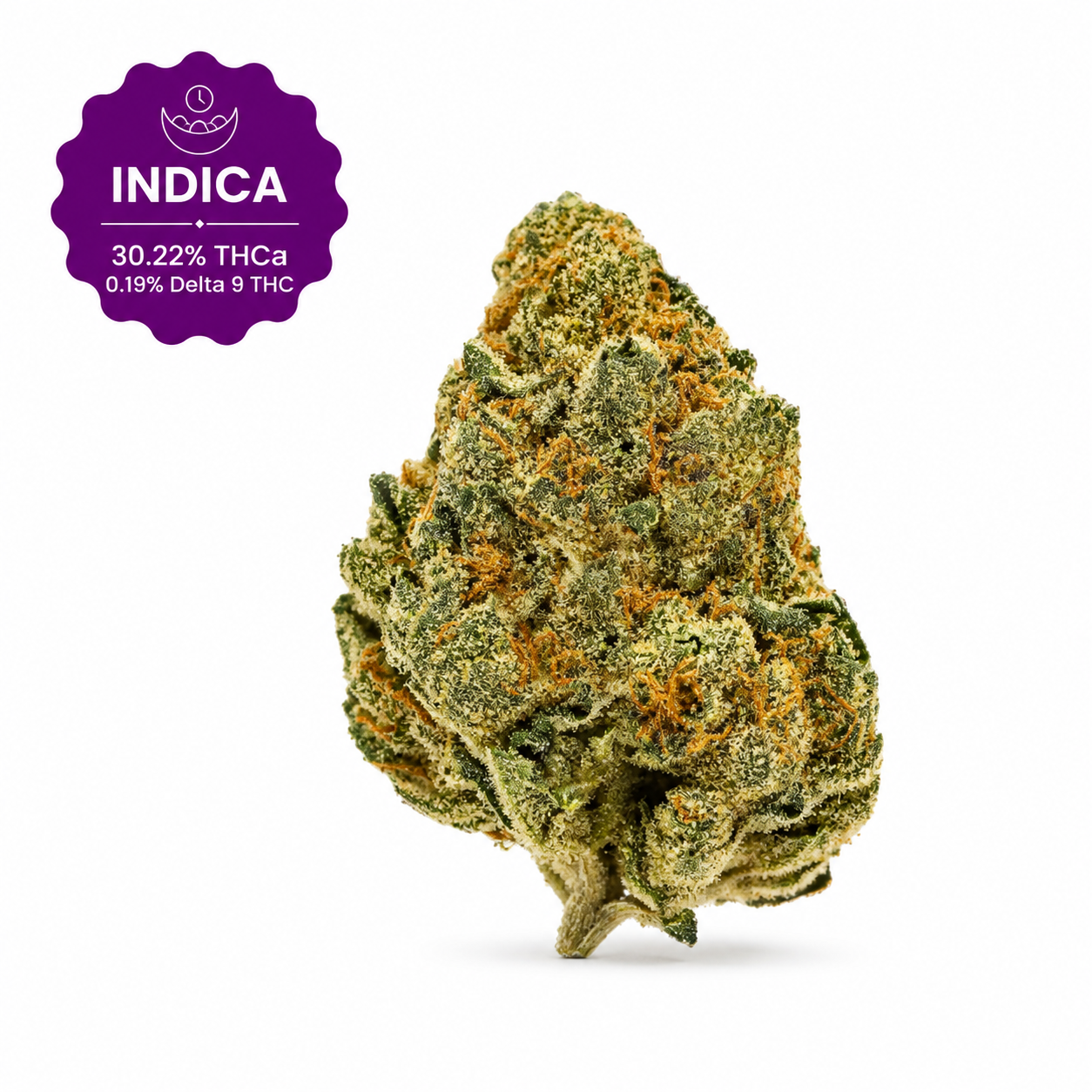
Start here if you want something citrus-forward. You get orange peel and vanilla cream right off the grind, and the buds arrive chunky with a tight hand-trim. This is one of the brighter aromas in our lineup and one of the easier jars to keep on a desk.
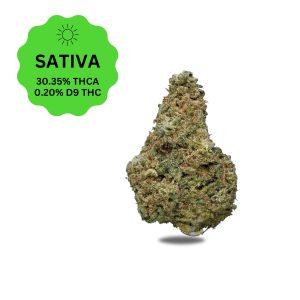
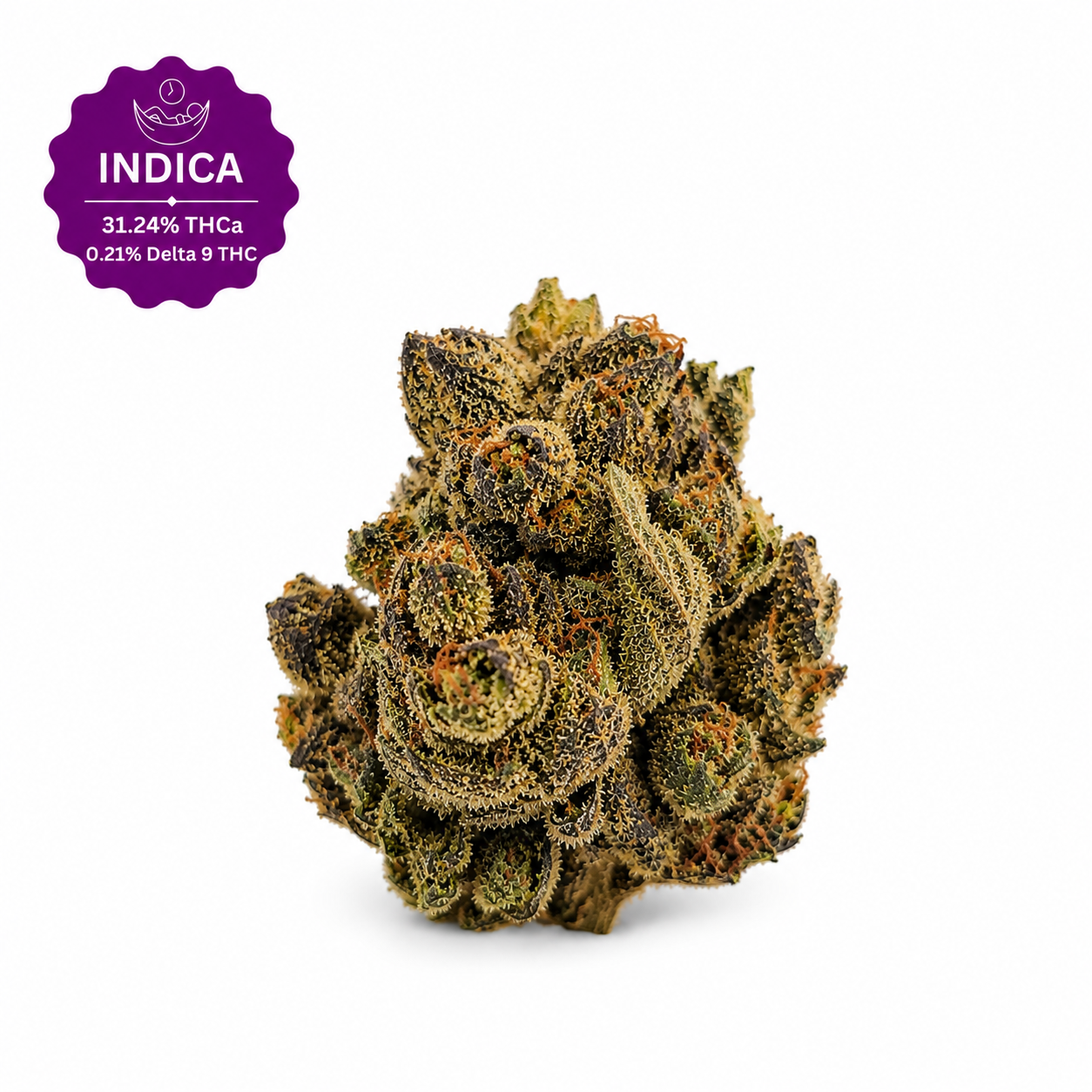
Sweet fruit up front, gas on the finish. The buds come medium-sized and heavily frosted, and this one grinds beautifully with almost no stem. A good pick if you want something aromatic that still hits the numbers.
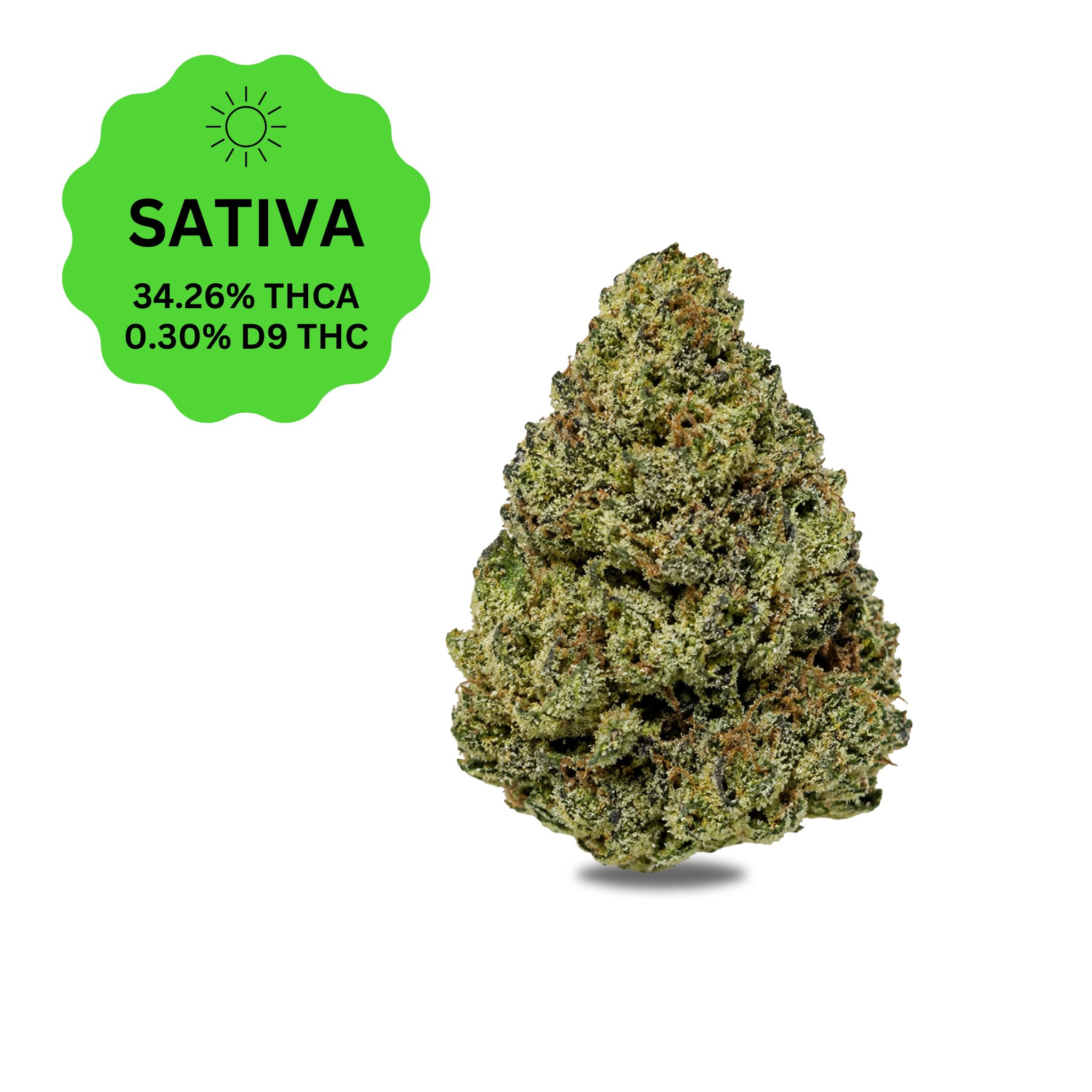
Tropical guava layered over sweet cookie dough, with a creamy citrus edge sitting underneath it. This is one of the brighter, more exotic noses on our shelf, and it does not smell like anything else in the lineup. Grinding pulls the citrus further forward than the sealed jar lets on. Available from 3.5g to 28g at $39.99 to $189.99, and the current batch tests at COA percent THCA.
The name is the tasting note. Gasoline up front, with earth and spice underneath it. This is the heaviest fuel profile we carry, and it is not a subtle jar to open around other people. Worth knowing before you order: it starts at 7g rather than 3.5g, so the entry price runs higher than the rest of the lineup. Available from 7g to 28g at $89.99 to $279.99, and the current batch tests at the COA percent THCA.
Tropical fruit and sweet citrus, with a soft finish that keeps it from turning sharp. The buds break up evenly and hold their aroma well once the jar has been opened a few times. If you want something fruit-forward without the fuel, this is the most approachable jar we stock. Available from 3.5g to 28g at $39.99 to $189.99, and the current batch tests at COA percent THCA.
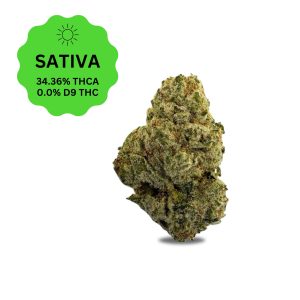
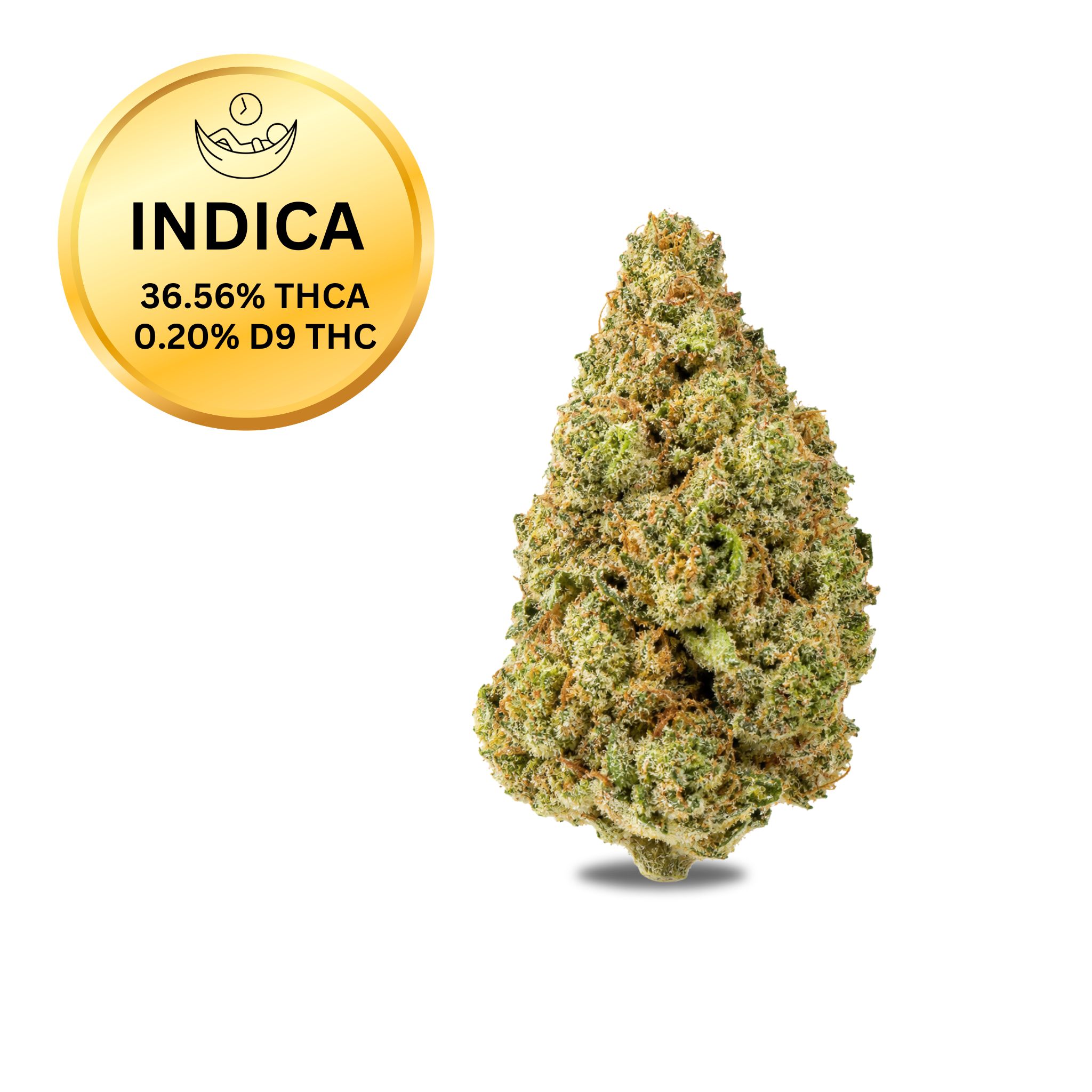
Sweet tropical fruit and cream up front, with a light diesel finish on the back end. That combination is unusual, and it is the reason we keep this one in permanent rotation rather than treating it as a seasonal drop. It is also currently the highest-testing batch on our shelf, listed at over 36 percent THCA. Available from 3.5g to 28g at $49.99 to $279.99.
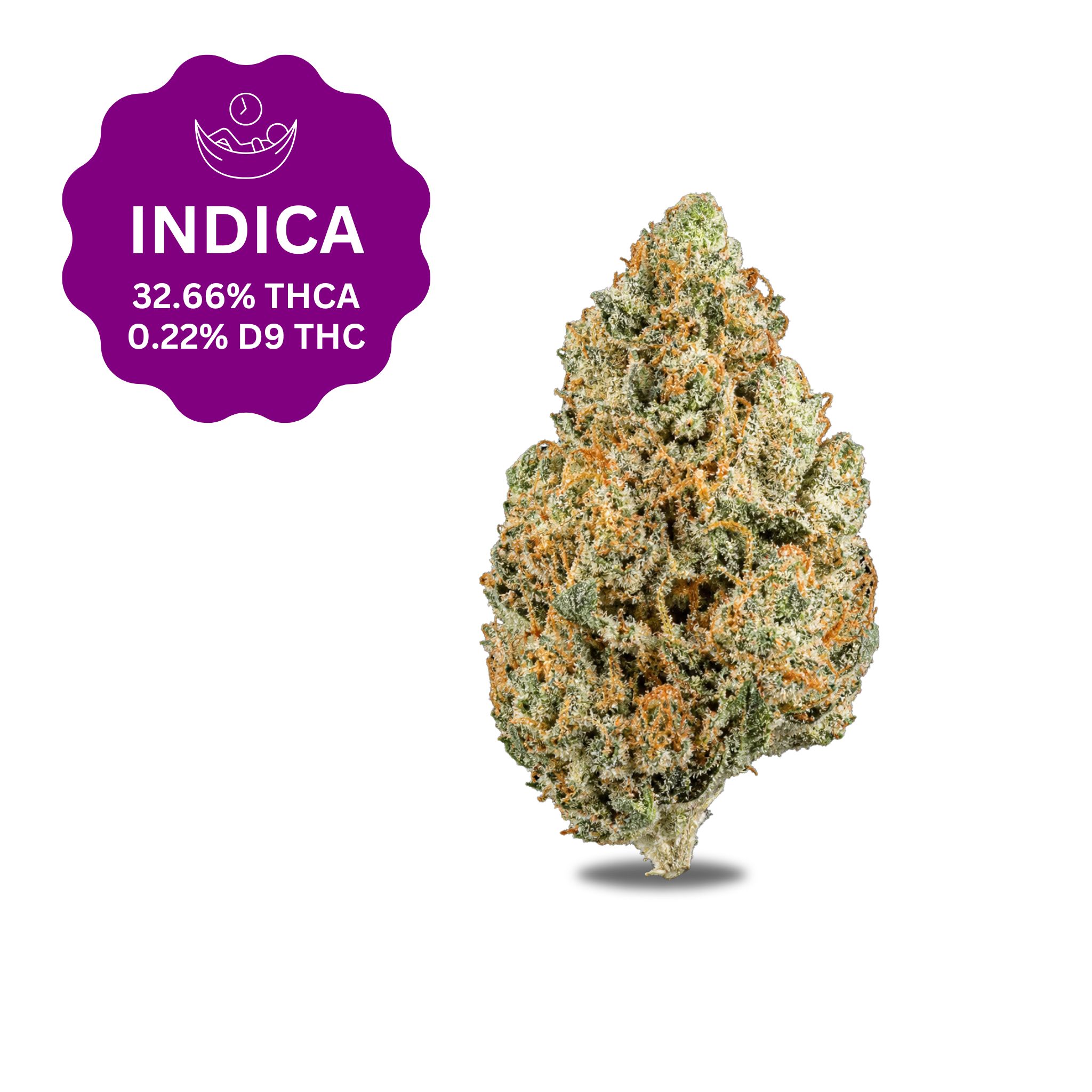
Sweet on the nose, folded into earthy funk over a creamy, gassy base. It is one of the more unusual profiles we carry, and it tends to be a jar people either come back for or pass on entirely. The buds run dense and hold together well through the grinder, with very little stem. Available from 3.5g to 28g at $49.99 to $279.99, and the current batch tests at COA percent THCA.
A certificate of analysis is the primary document showing what a lab found in a sample from that batch. Claims about the cost of flowers cost a seller nothing to make. A batch certificate is the only part of the pitch that somebody has to pay a lab for. Give one sixty seconds of your attention, and you will know more than most buyers on the market.
Here is what we look at, in order, and what you should look at too.
Cannabinoid panel. This shows THCA and delta-9 THC. Post-decarboxylation testing, which converts THCA to delta-9 THC before measurement, is the method USDA requires for regulatory hemp testing under 7 CFR Part 990. Ask whether your seller’s COA reports total THC on the same basis. Under today’s federal standard, the delta-9 THC figure has to come in at or below 0.3 percent, measured by dry weight.
Terpene panel. You want individual terpenes listed with a total percentage at the bottom. If the terpene panel is missing entirely, the seller paid for potency testing only, and you are buying aroma on faith.
Pesticides and heavy metals. Check the reported result and the reporting limit for each analyte. ND means non-detect. A panel that only shows a summary line without the underlying analytes is not telling you much.
Microbials and residual solvents. These screens for mold, yeast, and any processing chemicals left behind. On the flower, this matters more than most buyers realize.
Batch and lot number. This is the one nobody checks, and it is the one that matters most. Match the number on the certificate to the number on your jar. If they do not match, that certificate belongs to somebody else’s harvest and tells you nothing about what you are holding.
Lab name and date. You want a third-party lab, not the seller’s own bench, and you want a recent test date. A two-year-old certificate on a fresh listing is a question worth asking.
Where the flower is grown shapes what you get in the jar, and it is the single biggest driver of what you pay per gram.
| Grow method | Typical THCA | Terpene density | Price per gram | Who it suits |
|---|---|---|---|---|
| Full indoor | 24% to 33% | Highest | $10 to $18 | You want appearance, aroma, and trichome coverage |
| Light-dep greenhouse | 20% to 28% | Moderate to high | $6 to $11 | You want quality without the top-shelf price |
| Sun-grown outdoor | 15% to 24% | Moderate | $3 to $7 | You are buying volume |
| Smalls and popcorn | Matches parent batch | Matches parent batch | $2 to $6 | Same flower, smaller buds, lower cost |
Full indoor gives growers control over every variable, which is why it produces the tightest structure and the heaviest trichome coverage. It is also the most expensive flower to produce, and you pay for that.
Light-deprivation greenhouses use sunlight with controlled light cycles. A well-run greenhouse batch can rival indoor on aroma while costing you noticeably less per gram.
Sun-grown outdoors is the most economical and the most variable. Structure tends to be looser and terpene content lower, but a good outdoor harvest from a careful farm can surprise you.
Smalls come off the same plants as everything else in a harvest. What you get is an identical flower in a smaller bud size. You trade bag appeal for a better price, which is a smart trade if you were going to grind it anyway.
Here is the honest part, and it matters more than anything above. Indoor is not automatically better. A well-grown greenhouse batch beats a rushed indoor batch every single time. The cure and the certificate matter more than the room.
Price is a signal, and once you know how to read it, it tells you most of what you need to know before you ever open a product page.
| Per gram | What it usually means |
|---|---|
| Under $3 | Bulk outdoor, smalls, or aging inventory |
| $3 to $6 | Sun-grown or greenhouse, loosely trimmed |
| $6 to $10 | Solid greenhouse or entry-level indoor |
| $10 to $14 | Standard indoor, hand-trimmed |
| $14 to $18 | Craft indoor, small batch, high terpene percentage |
| Over $18 | Exotic or limited-drop genetics |
Two things worth knowing. First, the price per gram almost always drops as you buy larger sizes, so comparing a 1g price against someone else’s ounce price will mislead you every time. Compare like for like. Second, price alone cannot tell you whether a batch was tested properly. Plenty of expensive flower ships with a potency-only COA.
Top-shelf numbers at bulk-outdoor prices? That is not a deal. That is a question.
Keep your THCA flower sealed in glass, somewhere cool and dark, with a humidity pack rated between 58 and 62 percent. Handled that way, it holds aroma and appearance far longer than a flower left sitting in a plastic bag.
Three things break flowers down: heat, light, and air. Plastic brings a fourth problem of its own, since static electricity strips resin from the bud and leaves it clinging to the bag. If you bought a larger size, keep the bulk of it sealed and work out of a smaller jar. Cannabinoid and terpene content decline over time, regardless of how carefully you store them, so buy what you will actually use.
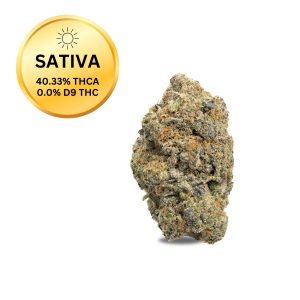
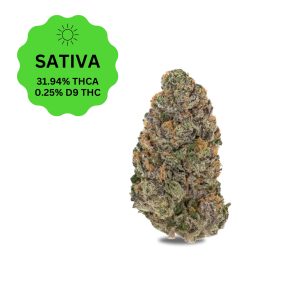
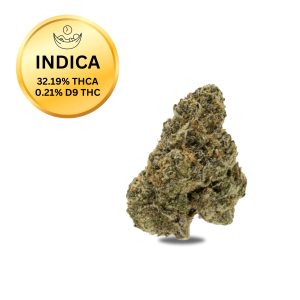
Right now, hemp-derived THCA flower is federally treated as hemp when the plant material contains no more than 0.3 percent delta-9 THC by dry weight. That threshold comes from the 2018 Farm Bill and sits in the federal definition of hemp at 7 U.S.C. § 1639o.
That is changing. Congress rewrote the definition in Section 781 of Public Law 119-37. Beginning November 12, 2026, the same 0.3 percent ceiling applies to total THC with THCA counted in, and any finished product carrying more than 0.4 mg of combined total THC per container falls outside the hemp definition altogether. It was signed into law on November 12, 2025, and Congress wrote in a twelve-month runway before the new definition takes hold.
Pending legislation could still move that date, and the Congressional Research Service analysis walks through the scope and enforcement implications.
State law is separate, and it moves faster. Several states restrict or prohibit hemp-derived THCA regardless of federal status. Check our shipping policy for where we currently ship, and confirm your own state’s rules before you order. We cannot tell you whether a purchase is lawful where you are. You must be 21 or older to purchase.
Eight indoor batches. Eight certificates you can read before you spend a dollar. Not one figure on this page was written by a marketer.
Browse ATLRx’s full THCA flower collection, compare the numbers side by side, and pick the profile you want. If you want a specific batch certificate before you buy, ask us, and we will send it to you.
When you buy THCA flower online, look for a full-panel certificate of analysis whose batch number matches the jar you receive. That certificate should cover cannabinoids, terpenes, pesticides, heavy metals, microbials, and solvents. A seller worth your money also states the cultivation method in writing and makes lab results easy to find.
THCA flower potency is reported as a lab-verified THCA percentage on each batch’s certificate of analysis. The same genetics test differently between harvests, so read the current certificate rather than relying on the strain name or on a number you saw last season.
Heating THCA sets off decarboxylation, the chemical reaction that turns it into delta-9 THC. THCA is an acidic cannabinoid, and the flower that stays raw never goes through that reaction.
You can order THCA flower online today, but whether it is lawful depends on your state. A change to the federal hemp definition takes effect on November 12, 2026, and several states already restrict THCA regardless of federal status. Check your state’s rules and our shipping policy before you order.
Yes, in all likelihood. Standard panels screen for THC metabolites, and detection windows run from a few days to several weeks, depending on how often you use. If you are subject to drug testing for any reason, do not use these products.
THCA flower keeps best in sealed glass, held somewhere cool and dark, with a humidity pack rated between 58 and 62 percent. Handled that way, it retains aroma and appearance far longer than a flower kept in plastic. Cannabinoid and terpene content decline over time regardless.
THCA flower generally holds its aroma and appearance for six to twelve months when you store it in an airtight glass with a humidity pack. Heat, light, and air degrade it fastest. Potency and terpene content decline gradually, no matter how carefully it is stored.
Disclaimer: These statements have not been evaluated by the Food and Drug Administration. This product is not intended to diagnose, treat, cure, or prevent any disease. Must be 21 or older to purchase.

August 25, 2026
August 23, 2026
August 20, 2026
August 20, 2026
August 18, 2026
$14.99
$39.99
$49.99
$39.99
$39.99
$39.99