

$39.99

ARE YOU 21 YEARS OF AGE OR OLDER?
REMEMBER ME
Seriously, by using this site you are confirming that you are of legal age (21+) to view and purchase these products. If you are you are not over 21. you are not authorized by us to use or view any of the pages of this site. Please review our terms and conditions at checkout for further stipulations.
 >
Blogs
>
THCA >
Is THCa Legal in Georgia? Complete 2026 Legal Guide
>
Blogs
>
THCA >
Is THCa Legal in Georgia? Complete 2026 Legal Guide
THE STATEMENTS ON THIS BLOG ARE NOT INTENDED TO DIAGNOSE, TREAT, CURE, OR PREVENT ANY DISEASE. THE FOOD AND DRUG ADMINISTRATION HAS NOT EVALUATED ANY STATEMENTS CONTAINED WITHIN THE BLOG. ATLRX DOES NOT IN ANY WAY GUARANTEE OR WARRANT THE ACCURACY, COMPLETENESS, OR USEFULNESS OF ANY MESSAGE. THE INFORMATION CONTAINED WITHIN THIS BLOG IS FOR GENERAL INFORMATIONAL PURPOSES ONLY.
THCA Legal Status in Georgia:
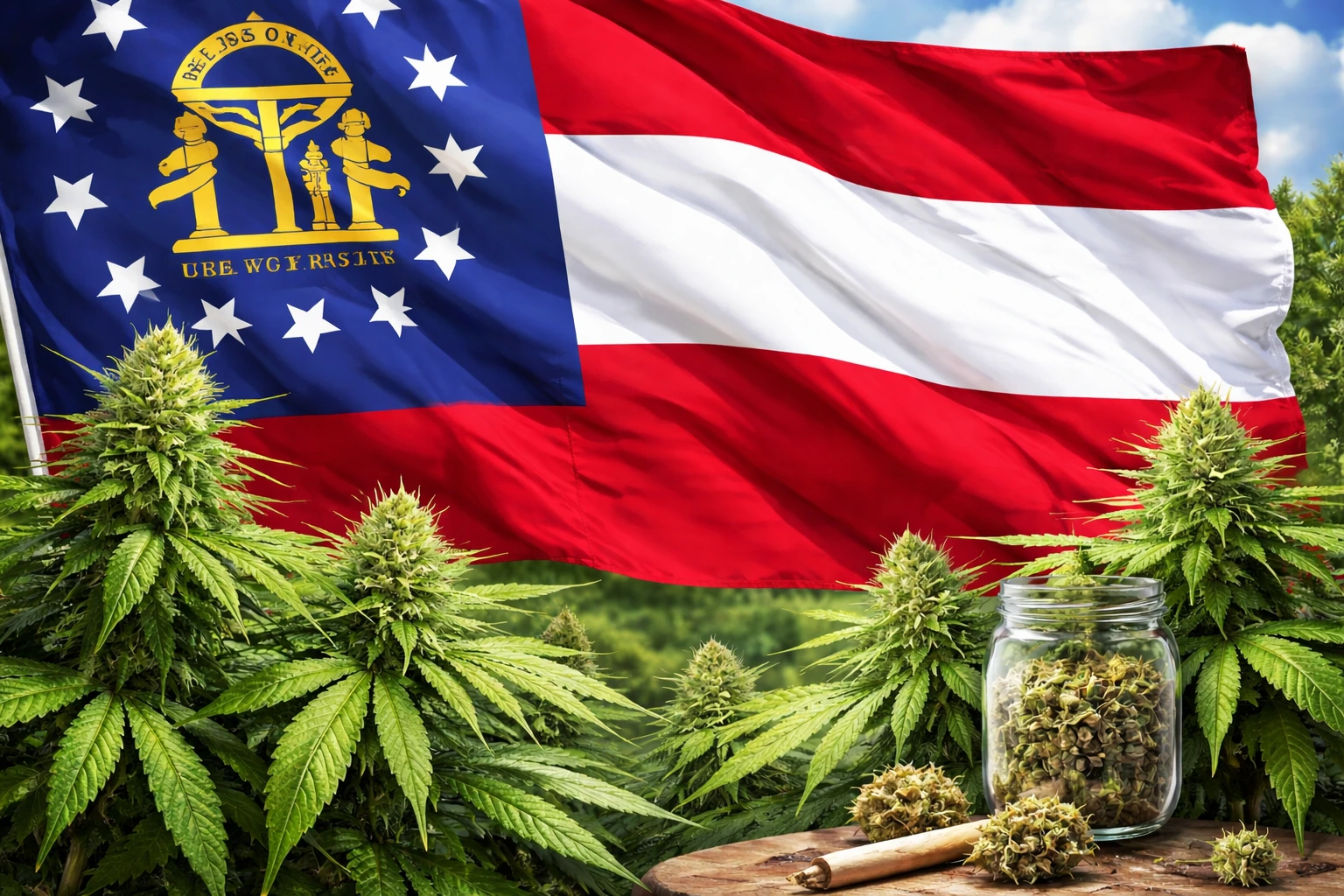
No. Most high-THCa products are no longer legal in Georgia. The Georgia Senate passed Senate Bill 494 (SB 494), which was signed into law by Governor Kemp in April 2024. Effective October 1, 2024, it fundamentally changed the legal status of THCa in the state.
According to SB 494, “total THC” testing includes THCa in the calculation, and separately banned the retail sale of hemp flower outright. Under these rules, virtually. All high-THCa products fail the legal threshold and are classified as illegal marijuana under Georgia law.
Table of contents
Natural cannabinoid tetrahydrocannabinolic acid (THCA) is found in raw, unheated cannabis and hemp plants. Cannabis is most commonly associated with the psychoactive effects of Delta-9 THC. There is an extra carboxyl group (COOH) in THCa’s natural structure. Therefore, raw THCa doesn’t cause intoxication when consumed in its raw form. THCa products are not FDA-approved dietary supplements, and no claims about health benefits are made in this article.
THCa undergoes decarboxylation when exposed to heat, which turns it into Delta-9 THC. THCa becomes psychoactive when it is smoked, vaporized, or cooked, when the carboxyl group is removed from its molecular structure. This conversion typically occurs at temperatures around 220°F (104°C) and above.
This chemical conversion is precisely why Georgia law now treats THCa as functional THC. Because THCa becomes Delta-9 THC when used as intended (i.e., heated), lawmakers determined it should be measured as potential THC for compliance purposes.
Under Georgia’s original HB 213 (2019), the distinction between THCa and Delta-9 THC mattered greatly: only Delta-9 THC was measured, so high-THCa hemp products could be sold legally. That loophole was closed by Senate Bill 494 (2024), which explicitly redefined ‘THC’ under Georgia law to include THCa. The state now tests for total potential THC, making the pre-SB 494 Delta-9-only framework obsolete for Georgia consumers.
As of 2018, hemp was removed from the federal Controlled Substances Act and defined as cannabis containing less than 0.3% Delta-9 THC on a dry weight basis. This law made hemp-derived cannabinoids federally legal when sourced from compliant hemp plants, and gave states the authority to implement their own hemp programs.
According to the 2018 Farm Bill, only Delta-9 THC was measured, not THCa. This created the legal environment in which high-THCa hemp products proliferated nationally. However, states retained the right to impose stricter rules, and Georgia exercised that right in 2024.
Following the 2018 Farm Bill, Georgia passed HB 213 in 2019, aligning state law with the federal framework. Under HB 213, hemp-derived products with less than 0.3% Delta-9 THC were legal in Georgia. This bill did not mention THCa specifically, which initially allowed high-THCa hemp products to be sold in the state.
Important: HB 213 has been substantially superseded for THCa purposes by Senate Bill 494 (2024). Georgia consumers should not rely on HB 213 as the basis for any assumption that THCa products are currently legal.
| SB 494 is the controlling law for THCa in Georgia. |
| Signed: April 30, 2024 | Phase 1 effective: July 1, 2024 | Phase 2 effective: October 1, 2024 |
The centerpiece of SB 494 is a new ‘total THC’ testing standard. In Georgia, ‘THC’ includes both Delta-9 THC and THCa. Calculate compliance using the following formula:
| Total THC = (THCa × 0.877) + Delta-9 THC |
The result must be 0.3% or less by dry weight. The 0.877 factor accounts for the molecular weight lost during decarboxylation of THCa to Delta-9 THC.
In practice, most high-THCa strains contain 15–25% THCa.
Applying the formula, for example:
20% THCa × 0.877 = 17.54% total THC means the overwhelming majority of THCa products fail Georgia’s legal standard and are classified as illegal marijuana.
In addition to the total THC formula, SB 494 also bans the retail sale of the flowers and leaves of the Cannabis sativa plant, regardless of their delta-9-THC content. This is a categorical ban on smokable hemp flower, it applies even to plants that might otherwise pass the total THC test.
This means THCa flower, CBD flower, pre-rolls, and any other unprocessed hemp plant material cannot be legally sold at retail in Georgia. Extracts and derivatives of the Flower (such as oils, tinctures, and gummies) are not covered by this ban, provided they meet the total THC limit.
On November 12, 2025, the federal government enacted Pub. L. No. 119-37, amending federal hemp law to incorporate THCa into the total THC calculation. This federal amendment aligns national law more closely with Georgia’s SB 494 approach.
A one-year grace period is provided by this federal amendment until November 12, 2026, giving the hemp industry time to adjust. During this transitional period (through November 2026), the 2018 Farm Bill’s Delta-9-only framework technically remains operative at the federal level for interstate commerce purposes. Georgia’s SB 494, however, independently makes most THCa products illegal at the state level right now, regardless of federal standards.
What this means for Georgia consumers: the federal grace period does not create a legal window to purchase or possess high-THCa products in Georgia. State law governs conduct within Georgia, and SB 494 has been in effect since October 1, 2024.
| SUMMARY OF CURRENT LEGAL STATUS (as of March 2026) |
| THCa flower / pre-rolls: ILLEGAL — banned from retail sale under SB 494 |
| High-THCa concentrates / dabs: ILLEGAL — fail total THC test |
| High-THCa vapes / cartridges: ILLEGAL — fail total THC test when heated |
| Hemp-infused food and beverages: ILLEGAL — banned under SB 494 |
| Low-THCa gummies (total THC <=0.3%): LEGAL — explicitly protected under SB 494 |
| Low-THCa tinctures (total THC <=0.3%): LEGAL — if total THC compliant |
| Low-THCa topicals (total THC <=0.3%): LEGAL — if total THC compliant |
According to Georgia law, legal status is determined by two independent tests, both of which must be satisfied:
A product can fail on either ground independently. Even a hemp flower product with near-zero THCa would be illegal in Georgia because of the categorical flower ban.
Raw or dried hemp flower and pre-rolls are banned from retail sale in Georgia under SB 494, regardless of cannabinoid content. This applies to THCa flower, CBD flower, and any other smokable plant material. Possession of a flower with high THCa levels may be treated as marijuana possession.
Virtually all THCa concentrates fail Georgia’s total THC test. A concentrate with 80–99% THCa would calculate to 70–87% total THC under the formula, far exceeding the 0.3% limit.
THCa vapes are not legally available in Georgia. When heated during vaping, THCa converts almost entirely to Delta-9 THC, causing the total THC to far exceed the legal limit. A typical THCa vape cartridge with 20% THCa calculates to approximately 17.5% total THC.
Gummies are a product category specifically protected from the food ban under SB 494. Low-dose gummies may remain available if they contain 0.3% or less total THC. Consumers must verify the total THC level on the product’s COA, not just the Delta-9 THC level.
Liquid tinctures and external-use topicals (creams, balms, lotions) may remain legally available if they pass the total THC test. THCa in raw tincture form does not produce intoxicating effects. Always verify total THC compliance on the COA before purchasing.
Hemp-infused food products, including baked goods, chocolates, beverages, and similar items, are banned under SB 494. Gummies are a statutory exception, but other food formats are not.
The most critical change under SB 494 is that you must verify total THC compliance, not just Delta-9 THC. A COA that only shows Delta-9 THC below 0.3% is insufficient. You must confirm the COA shows the total THC calculation — (THCa × 0.877) + Delta-9 THC is 0.3% or less.
What a compliant Certificate of Analysis (COA) must include:
Only licensed retailers operating under Georgia’s SB 494 framework may legally sell hemp products in the state. Look for retailers who:
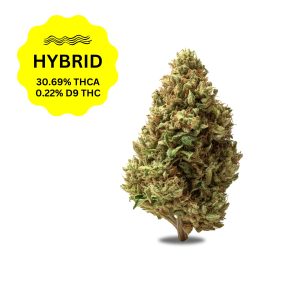
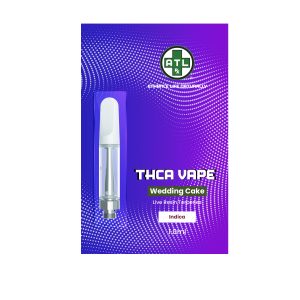
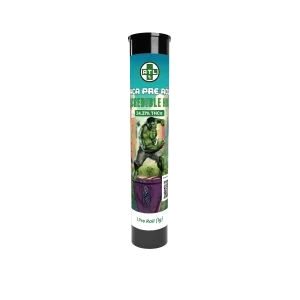
Non-compliant THCa products may be treated as marijuana under Georgia law, with penalties of up to one year in jail and a $1,000 fine for misdemeanor possession (up to one ounce), and 1–10 years for felony amounts (over one ounce). Carrying a COA confirming total THC compliance is advisable for any hemp products you possess.
THCa will likely cause positive drug tests. THCa converts to Delta-9 THC when heated, which is what standard drug tests detect. Even some raw THCa consumption may produce positive results. Legal hemp-derived THC cannot be distinguished from illegal marijuana-derived THC in drug tests. State law does not protect employees from employer drug testing policies.
In Georgia, employment is at-will. A company can maintain a drug-free workplace policy and take action against employees who test positive for THC, regardless of whether the product is legally consumed. Check your employer’s drug policy before using THCa or hemp-derived cannabinoid products.
Any intoxicating substance should never be consumed while driving. Intoxicating Delta-9 THC is formed when THCa is heated (smoked or vaped). Georgia’s DUI laws apply to all impairing substances. Legal status of the product does not equal safe or lawful driving.
Consult your probation officer or attorney if you are on probation or parole before using any hemp or THCa product. Many supervision agreements prohibit all THC-containing products, regardless of legal status.
Military personnel, federal employees, and those on federal property may be subject to stricter drug policies than Georgia state law. Always verify applicable policies before using any cannabinoid product.
| Cannabinoid | Legal Status in Georgia | Notes | Intoxicating when heated? |
| THCa | Largely illegal | Flower banned outright; high-THCa products fail total THC test under SB 494 | Yes — converts to Delta-9 THC when heated |
| CBD | Legal (hemp-derived) | Non-intoxicating; must still meet total THC compliance | No |
| Delta-9 THC | Illegal (except <0.3% total THC in compliant products) | Marijuana remains illegal for recreational use | Already active |
| Delta-8 THC | Legal (hemp-derived; regulatory gray area) | Processed from CBD; mildly intoxicating; enforcement is increasing | Yes — already partially active |
| CBG | Legal (hemp-derived) | Non-intoxicating | No |
| CBN | Legal (hemp-derived) | Mildly sedating; minimal intoxication | Minimal |
| HHC | Legal (hemp-derived; evolving) | Intoxicating; regulatory treatment may tighten | Yes |
The legal status of THCa in Georgia changed fundamentally with the passage of Senate Bill 494, which took full effect on October 1, 2024. Georgia is now among the most restrictive states in the country for high-THCa products. The state’s total THC formula effectively makes high-THC Flower, concentrates, vapes, and similar products illegal, and hemp flower is banned from retail sale entirely, regardless of THC content.
Georgia residents and businesses operating in the hemp space must adapt to this new reality. Only low-THCa products in permitted formats (gummies, tinctures, topicals) that pass the total THC test remain available. Compliance verification through current, batch-matched COAs showing total THC results is essential.
At the federal level, a November 2025 amendment signals that national policy is moving in the same direction, with full federal effect anticipated in November 2026.
Key takeaways for Georgia consumers
No. Most THCa products are illegal in Georgia under SB 494 (effective October 1, 2024). Georgia introduced a total THC standard — (THCa × 0.877) + Delta-9 THC must be 0.3% or less — and separately banned hemp flower from retail sale. Virtually all high-THCa products fail this standard.
No. SB 494 explicitly bans the retail sale of hemp flower and leaves in Georgia, regardless of THC content. Possession of non-compliant THCa flower may be treated as marijuana possession, with misdemeanor or felony penalties depending on quantity.
Low-THCa products that pass the total THC test remain legal, including: compliant gummies (explicitly protected under SB 494), low-THCa tinctures, and low-THCa topicals. All must have a COA showing total THC at 0.3% or less, and must be purchased from a licensed retailer by adults 21 and older.
Yes, THCa will likely cause a positive drug test. THCa converts to Delta-9 THC when heated, which is what standard immunoassay drug tests detect. Even some raw THCa consumption may produce positive results. There is no difference between hemp-derived THC and marijuana-derived THC in drug tests. Legal status under state law does not protect against employer drug testing or other consequences.
Total THC = (THCa × 0.877) + Delta-9 THC. The result must be 0.3% or less by dry weight. The 0.877 multiplier accounts for the change in molecular weight when THCa decarboxylates into Delta-9 THC. A product with 20% THCa and 0.1% Delta-9 THC would calculate to approximately 17.64% total THC — far above the legal limit.
Yes. On November 12, 2025, Pub. L. No. 119-37 amended federal hemp law to include THCa in the total THC calculation, aligning with Georgia’s SB 494 approach. The federal change will take effect on November 12, 2026. The 2018 Farm Bill’s Delta-9-only framework remains operative for federal purposes during this grace period, but Georgia state law (SB 494) independently restricts THCa right now.
Non-compliant THCa products may be considered marijuana. Marijuana possession up to one ounce is punishable by up to one year in prison and/or a $1,000 fine in Georgia. More than one ounce of marijuana is a felony punishable by 1–10 years in prison.
Yes, in most cases. Georgia is an at-will employment state. Employers can maintain drug-free workplace policies and punish employees who test positive for THC, regardless of whether the product was legally purchased. Always review your employer’s substance use policy before consuming any cannabinoid product.
Hemp cultivation in Georgia requires a license from the Georgia Department of Agriculture. Licensed growers must comply with SB 494’s total THC testing requirements at harvest. Personal cultivation without a license is not permitted.
Raw, unheated THCa is not intoxicating. However, when heated, THCa undergoes decarboxylation and becomes psychoactive Delta-9 THC. This is why Georgia law now treats THCa as potential THC for regulatory purposes. Note: This article does not make any claims about the physiological or therapeutic effects of THCa or any other cannabinoid.
Compliant hemp products (those meeting the total THC test and in permitted formats) may be possessed within Georgia. Products should be kept in their original packaging with a COA that confirms total THC compliance. Before crossing state lines, research the destination state’s hemp laws, as they vary significantly.
Disclaimer
This article provides general legal information about THCa and hemp regulations in Georgia as
of March 2026. This is not legal advice. Regulations and laws are subject to change, and individual circumstances vary. For questions about your specific situation, consult a qualified Georgia attorney.
FDA COMPLIANCE NOTICE: This article makes no claims regarding the health benefits, therapeutic effects, or medical uses of THCa, hemp, or any other cannabinoid. The hemp-derived products discussed in this article are not FDA-approved drugs or dietary supplements and have not been evaluated by the Food and Drug Administration. These statements are not intended to diagnose, treat, cure, or prevent any disease or health condition.
DRUG TESTING NOTICE: Legal status of hemp products under Georgia law does not protect against employer drug testing policies or other legal consequences. Consumers should exercise independent judgment regarding drug testing risk.

July 27, 2026
July 23, 2026
July 22, 2026
$39.99
$49.99
$49.99
$49.99
$39.99
$39.99
$49.99