


$49.99
ARE YOU 21 YEARS OF AGE OR OLDER?
REMEMBER ME
Seriously, by using this site you are confirming that you are of legal age (21+) to view and purchase these products. If you are you are not over 21. you are not authorized by us to use or view any of the pages of this site. Please review our terms and conditions at checkout for further stipulations.
 >
Blogs
>
CBD >
Is CBD Legal in North Carolina? Complete 2026 Legal Guide
>
Blogs
>
CBD >
Is CBD Legal in North Carolina? Complete 2026 Legal Guide
THE STATEMENTS ON THIS BLOG ARE NOT INTENDED TO DIAGNOSE, TREAT, CURE, OR PREVENT ANY DISEASE. THE FOOD AND DRUG ADMINISTRATION HAS NOT EVALUATED ANY STATEMENTS CONTAINED WITHIN THE BLOG. ATLRX DOES NOT IN ANY WAY GUARANTEE OR WARRANT THE ACCURACY, COMPLETENESS, OR USEFULNESS OF ANY MESSAGE. THE INFORMATION CONTAINED WITHIN THIS BLOG IS FOR GENERAL INFORMATIONAL PURPOSES ONLY.
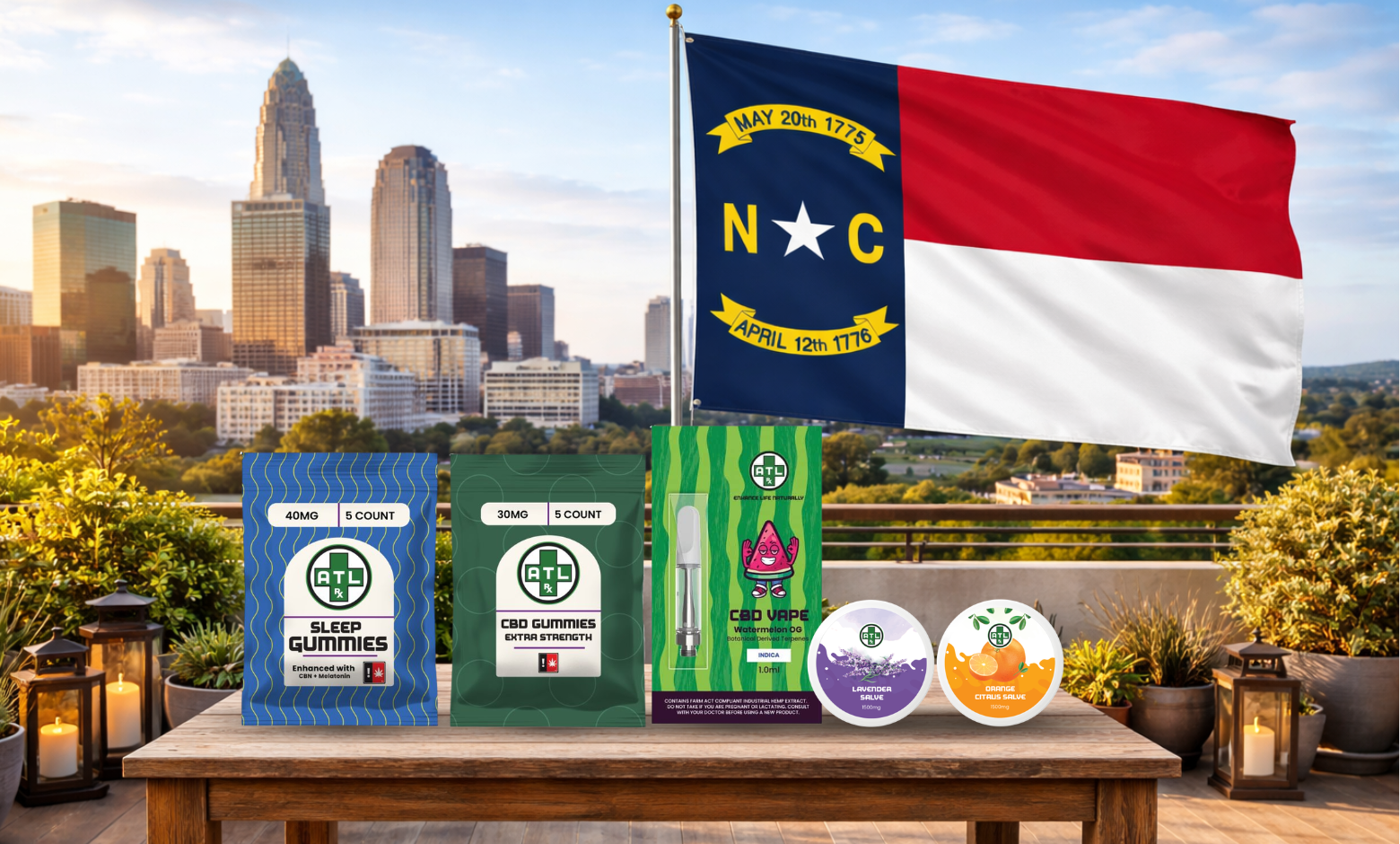
CBD Legal Status in North Carolina:
Yes. Hemp-derived CBD with ≤ 0.3% delta-9 THC is legal to buy, possess, and use in North Carolina as of 2026. However, critical federal regulatory changes are scheduled for November 2026. Read on for the full picture.
If you live in or visit North Carolina and are wondering whether you can legally purchase, possess, or use CBD products, the short answer is yes, with important conditions. In North Carolina, CBD derived from hemp is legal as long as it does not contain more than 0.3% delta-9 THC. However, 2026 brings significant new developments at both the state and federal levels that every NC resident and CBD consumer should understand before making a purchase.
This guide covers everything you need to know: current North Carolina CBD laws, the federal changes on the horizon, where to legally buy CBD, what to look for in a quality product, and answers to the most common questions about CBD legality in NC.
Table of contents:
Under the landmark Agricultural Improvement Act of 2018 (the 2018 Farm Bill), hemp was removed from the federal Controlled Substances Act, giving it the same legal status as any other crop if it contains no more than 0.3% delta-9 THC by dry weight. This federal action opened the door for individual states to build their own hemp and CBD frameworks.
North Carolina has been working with hemp since 2015. The state’s foundational legislation, Senate Bill 313 (SL 2015-299), launched the North Carolina Industrial Hemp Pilot Program, placing the NC Industrial Hemp Commission in charge of licensing and regulating hemp cultivation, processing, and distribution.
The North Carolina Farm Act of 2022 further aligned state law with the federal 2018 Farm Bill, solidifying the legal status of hemp-derived CBD products for NC residents and bringing clearer rules to an evolving marketplace.
In North Carolina, the following rules apply:
⚠️ Important 2026 Federal Development: A provision passed as part of the November 2025 federal Continuing Resolution introduced a new, stricter definition of hemp. Under this change, scheduled to take effect November 12, 2026, any product containing more than 0.4 milligrams of any type of THC per container would be classified as an illegal controlled substance under federal law. This would potentially affect a wide range of currently legal hemp products, including many CBD tinctures, oils, and full-spectrum extracts sold in North Carolina today.
This does not mean CBD is currently illegal, but the impact should not be underestimated. The 0.4mg per container threshold is extremely low — it would affect not just intoxicating products but also many non-intoxicating full-spectrum CBD oils, tinctures, and sleep aids currently sold legally in North Carolina. Some retailers estimate this threshold would remove 30% or more of their current CBD inventory from shelves.
Key points to understand:
ATLRx Recommendation: We are actively monitoring all federal and state developments. We recommend purchasing hemp-derived CBD products from compliant, third-party-tested brands and checking back here for the latest updates as the November 2026 date approaches.
Understanding how NC arrived at its current legal stance helps put today’s rules in context:
| Question | Answer |
| 1970 | The Controlled Substances Act was passed at the federal level, classifying all cannabis (including hemp) as a Schedule I controlled substance. |
| 1977 | North Carolina becomes the 11th state to decriminalize marijuana possession of small amounts (under 0.5 oz) of marijuana, reducing penalties to a maximum $200 fine. |
| 2014 Farm Bill | Federal law permits states to launch hemp pilot programs, enabling limited hemp cultivation for research purposes. |
| 2015 (SL 2015-299) | North Carolina passes Senate Bill 313, launching the NC Industrial Hemp Pilot Program and establishing the Industrial Hemp Commission. |
| 2018 Farm Bill | Hemp is removed from the federal Controlled Substances Act. Delta-9 THC concentration limit of 0.3% becomes the defining line between hemp (legal) and marijuana (illegal). |
| 2022 NC Farm Act | North Carolina formally aligns state hemp law with the 2018 federal Farm Bill, broadening legal access to CBD products statewide. |
| 2025–2026 | Governor Stein establishes the NC Advisory Council on Cannabis; new federal Continuing Resolution introduces stricter hemp THC limits effective November 2026. |
Not all CBD is the same, and legality in North Carolina depends on the source and THC content of the product.
This is the CBD you’ll find in licensed retailers, online stores, and wellness shops across North Carolina. Hemp-derived CBD products include:
Marijuana-derived CBD is illegal in North Carolina. Cannabis-derived CBD products typically contain THC levels far above the 0.3% limit, making them legally classified as marijuana under state law. Recreational marijuana remains illegal in the state (except on EBCI tribal lands).
As far as delta-8 THC, THCA, and other intoxicating hemp derivatives are concerned, there has been a legal gray area in North Carolina. These products are derived from hemp but can produce intoxicating effects. The NC Advisory Council on Cannabis is examining this market, and the November 2025 federal provision specifically targets many of these products. Regulatory changes in this space are likely.
Under North Carolina’s Epilepsy Alternative Treatment Act (House Bill 1220, passed in 2014), qualifying patients with intractable epilepsy may possess and use hemp extract containing less than 0.9% THC and at least 5% CBD, under medical guidance. This is the state’s only current medical cannabis provision. This legal provision is established under NC state law and is cited here for informational purposes only. ATLRx makes no claims regarding CBD’s effect on epilepsy or any other medical condition.
CBD-derived products are widely available across North Carolina in a variety of retail settings, including:
Note: There are currently no state-licensed cannabis dispensaries in North Carolina for the general public, as medical and recreational marijuana dispensaries are not permitted under state law. If you encounter a store advertising “dispensary” services for standard CBD products, verify the product’s legality and lab testing.
You can buy CBD Products from the most reputable brand, like ATLRx. Purchasing CBD online and having it shipped to a North Carolina address is legal, provided the product meets the ≤ 0.3% delta-9 THC requirement and the retailer is a legitimate, compliant distributor. Online shopping offers several advantages:
No. North Carolina does not have recreational or medical cannabis dispensaries for the general public as of 2026. The only cannabis dispensaries in the state are located on Eastern Band of Cherokee Indian tribal lands, where both medical and adult-use cannabis have been legalized under tribal sovereignty. These dispensaries are accessible to non-tribal members on tribal land, but bringing purchased cannabis products off tribal land and onto state property would violate North Carolina law.
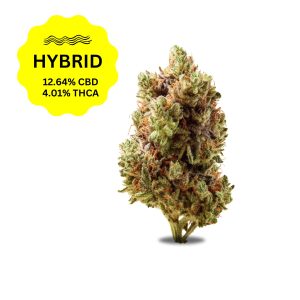

Knowing what to look for when shopping for CBD products protects you both legally and as a consumer.
Look for products made from U.S.-grown industrial hemp. Domestic hemp is grown under USDA oversight and must meet strict THC requirements from seed to sale.
A CBD brand must provide a Certificate of Analysis (COA) from an accredited third-party laboratory. The COA should confirm:
CBD products come in three main formulations:
Compliant CBD products should display:
You must currently be 18 years of age or older to purchase CBD products in North Carolina. Note that SB 328, which has passed both legislative chambers and is pending final concurrence, would raise this to 21. Many reputable online retailers already require age verification at checkout.
If you are a business owner looking to sell CBD products in North Carolina, here is what you currently need to know:
This is one of the most searched cannabis questions in North Carolina, and the answer in 2026 remains: not yet, but the policy landscape is evolving.
Polling consistently shows strong public support for cannabis reform in North Carolina. In recent surveys, approximately 78% of residents support medical marijuana legalization, and approximately 63% support adult recreational use. The political path to legalization, however, remains uncertain.
CBD derived from hemp with less than 0.3% delta-9 THC is legal in North Carolina. The state has a well-established hemp framework, and residents can purchase a wide range of CBD products from licensed retailers and reputable online brands.
What makes 2026 different from previous years is the level of regulatory activity, both at the state level with the NC Advisory Council on Cannabis and at the federal level with the November 2026 hemp definition changes. Staying informed is more important than ever.
At ATLRx, we believe in transparent, compliant CBD products backed by third-party lab testing. All of our hemp-derived CBD products are formulated to meet current federal and North Carolina state requirements.
Yes. Hemp-derived CBD products containing less than 0.3% delta-9 THC are legal in North Carolina. Federal regulatory changes are scheduled for November 2026 that could affect the industry, but as of today, current laws remain in effect.
Currently 18 years old. However, SB 328, which passed the Senate 42–0 and the House 106–1 and is currently awaiting final concurrence, would raise the purchase age to 21. Retailers should prepare for this change as it is close to becoming law.
Yes. Legal hemp-derived CBD products can be purchased online and shipped to any North Carolina address, provided the products comply with federal and state THC limits and the retailer is a legitimate, compliant seller.
No. There are no public cannabis dispensaries in North Carolina under state law. CBD products are sold through retail stores, hemp retail shops, and online retailers. The only cannabis dispensaries within North Carolina’s borders are on Eastern Band of Cherokee Indian tribal lands.
Yes, it is possible. With regular use, full-spectrum CBD products may accumulate trace amounts of THC (within legal limits) that trigger a positive result on a standard workplace drug screening. If drug testing is an issue, consider a broad-spectrum or isolate-based CBD product and consult your employer.
Yes. No prescription is required to purchase hemp-derived CBD products in North Carolina. The only exception is the limited medical provision for intractable epilepsy patients.
Yes, North Carolina’s legal status for delta-8 THC is gray. Despite being derived from hemp, it produces intoxicating effects. The NC Advisory Council on Cannabis is studying the regulation of these products, and the upcoming federal regulatory changes could significantly impact delta-8’s legal status. We recommend exercising caution.
Legal Disclaimer: This article is provided for educational and informational purposes only and does not constitute legal advice. CBD and hemp laws are constantly changing at the state and federal levels. Always verify current regulations before purchasing or selling hemp-derived CBD products. For legal guidance, consult a licensed attorney.

July 15, 2026
July 12, 2026
July 7, 2026
$49.99
$39.99
$39.99
$49.99