


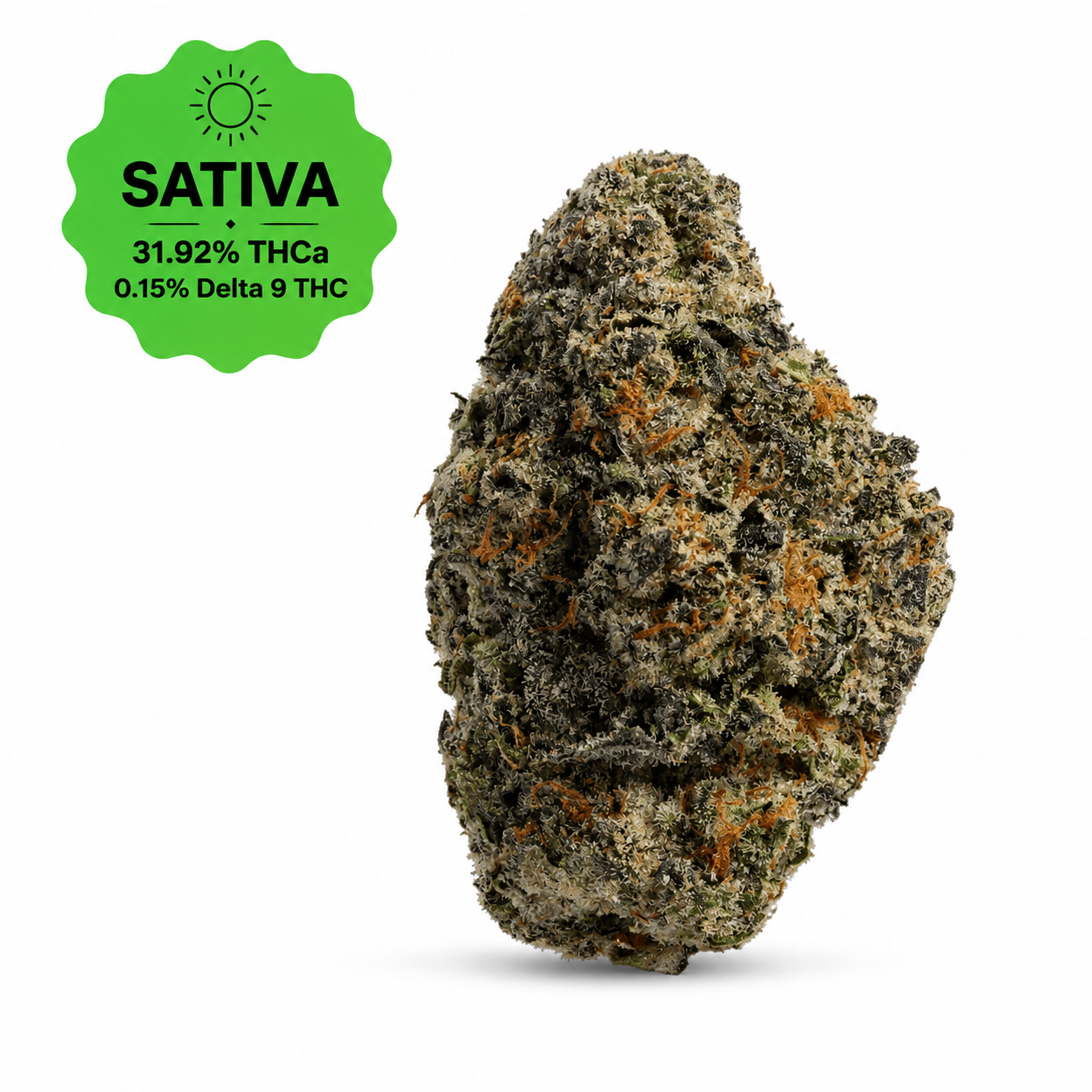
$34.99
ARE YOU 21 YEARS OF AGE OR OLDER?
REMEMBER ME
Seriously, by using this site you are confirming that you are of legal age (21+) to view and purchase these products. If you are you are not over 21. you are not authorized by us to use or view any of the pages of this site. Please review our terms and conditions at checkout for further stipulations.
 >
Blogs
>
CBD >
Is CBD Legal in Maryland? Complete 2026 Legal Guide
>
Blogs
>
CBD >
Is CBD Legal in Maryland? Complete 2026 Legal Guide
THE STATEMENTS ON THIS BLOG ARE NOT INTENDED TO DIAGNOSE, TREAT, CURE, OR PREVENT ANY DISEASE. THE FOOD AND DRUG ADMINISTRATION HAS NOT EVALUATED ANY STATEMENTS CONTAINED WITHIN THE BLOG. ATLRX DOES NOT IN ANY WAY GUARANTEE OR WARRANT THE ACCURACY, COMPLETENESS, OR USEFULNESS OF ANY MESSAGE. THE INFORMATION CONTAINED WITHIN THIS BLOG IS FOR GENERAL INFORMATIONAL PURPOSES ONLY.
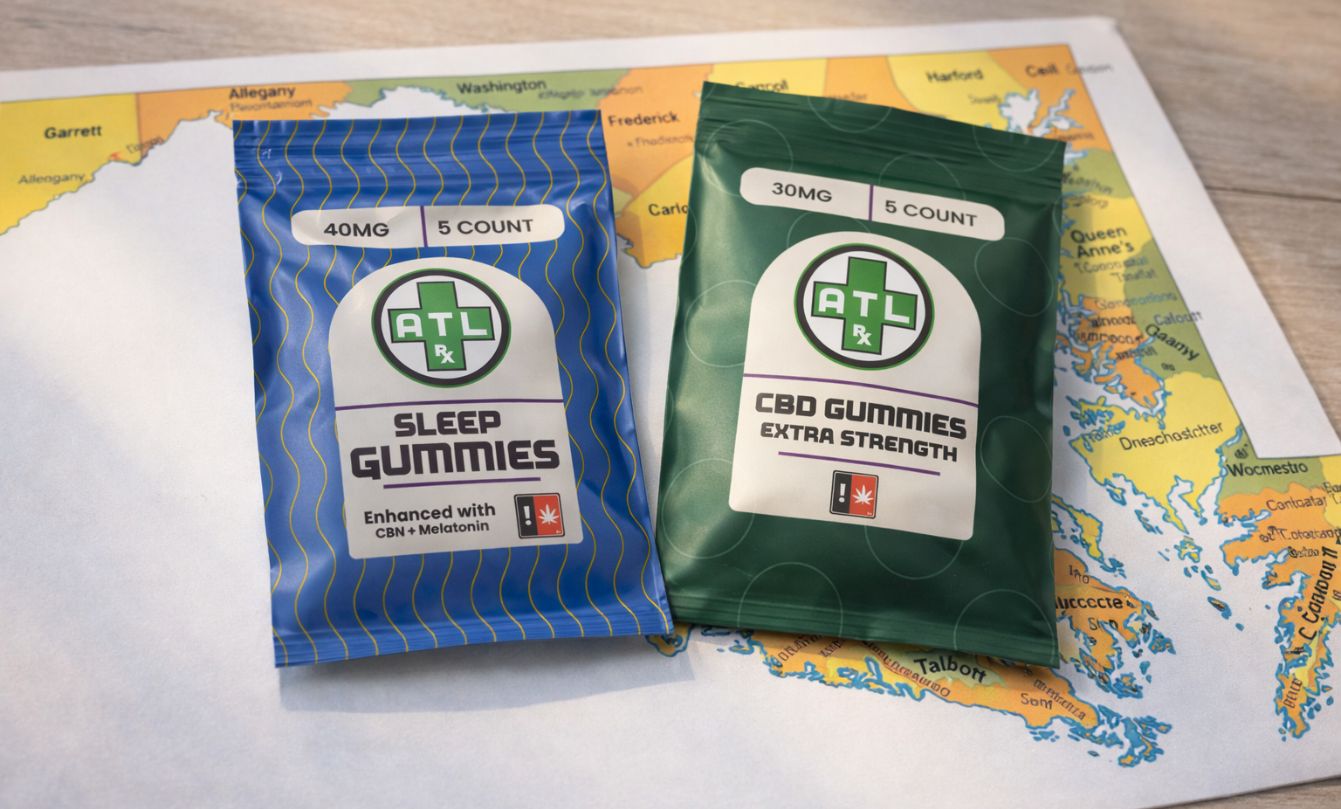
CBD Legal Status in Maryland:
Yes, hemp-derived CBD is legal in Maryland in 2026. Hemp-derived CBD products must contain no more than 0.3% delta-9 THC, with per-serving limits of 0.5 mg and per-package limits of 2.5 mg total THC for products sold outside licensed dispensaries. You must be 21 or older to purchase. However, new federal rules taking effect on November 12, 2026, and Maryland’s 2025 regulations introduce important changes that every buyer, seller, and grower must know.
If you have been asking yourself, ‘Is CBD legal in Maryland?’ you are not alone. With state and federal cannabis laws shifting faster than ever, it is completely reasonable to want a clear, up-to-date answer before you buy, sell, or travel with any CBD product in the state. The short answer is yes, hemp-derived CBD remains legal in Maryland as of March 2026, but the legal landscape has grown significantly more detailed over the past year. Between Maryland’s own tightening regulations finalized in 2025 and a sweeping federal change signed into law in November 2025, there is a lot to understand if you want to stay compliant and shop with confidence.
This guide breaks it all down plainly. Whether you are a Maryland resident curious about buying CBD oil, a business owner selling hemp products, or just someone passing through the state, you will find the most current rules, timelines, and practical guidance right here.
Table of contents:
Before diving into the full details, here is a quick-reference snapshot of where Maryland stands right now:
| Topic | Current Status (2026) |
| Hemp-derived CBD (under 0.3% THC) | Legal statewide |
| Minimum purchase age | 21 years old (updated 2025) |
| THC limit per serving (hemp products) | 0.5 mg total THC/serving; 2.5 mg/package |
| CBD in food/beverages (retail) | Still prohibited for licensed food sellers |
| Full-spectrum CBD | Legal if it meets THC limits |
| CBD isolate / broad-spectrum | Legal |
| CBD topicals | Legal, widely available |
| Marijuana-derived CBD | Medical patients only (age 18+) |
| Prescription required for hemp CBD | No |
| Recreational cannabis (21+) | Legal since July 1, 2023 |
| Federal hemp deadline | November 12, 2026 (new THC rules) |
| Third-party lab testing (COA) | Required for compliance |
Understanding where the law is today requires a look at how Maryland got here. The state has actually been ahead of the national curve on hemp regulation for years.
The 2014 Agricultural Act (Farm Bill) allowed states to create hemp pilot programs. Maryland used this as a foundation to begin building its own hemp framework.
Maryland passed HB 803, reclassifying hemp as a separate substance from marijuana and aligning the state definition with what would later become the federal standard. It was defined as any cannabis plant containing 0.3% THC or less. This bill legalized the cultivation, processing, and sale of hemp and hemp-derived products, including CBD, for licensed operators. However, quality and sales standards were loosely defined.
HB 443 expanded access to industrial hemp as an agricultural and research commodity, allowing educational institutions to obtain hemp licenses for research purposes.
In Maryland, HB 698 established clearer provisions for the marketing and sale of hemp-derived products both within the state and across state lines. In 2018, Congress passed the Hemp Farming Act of 2018, which removed industrial hemp and its derivatives from the federal Controlled Substances Act. This landmark legislation confirmed that hemp-derived CBD containing no more than 0.3% delta-9 THC was federally legal.
In November 2022, Maryland voters approved a ballot measure legalizing recreational cannabis. On July 1, 2023, adults 21 and older became legally permitted to possess, use, and grow small amounts of cannabis in Maryland. The Maryland Cannabis Administration (MCA) was created to oversee both medical and adult-use cannabis markets.
Maryland implemented significantly stricter rules for hemp-derived cannabinoid products in 2025. A Maryland appellate court upheld these new restrictions, which include a mandatory age-21 minimum for all hemp-derived product sales, per-serving THC limits of 0.5 mg and per-package limits of 2.5 mg, mandatory batch testing and Certificate of Analysis (COA) requirements, child-resistant and tamper-evident packaging standards, and warning label requirements. Non-intoxicating CBD products like isolates and broad-spectrum tinctures are less likely to be impacted in practice. However, topicals are not technically exempt — Section 781 explicitly applies to finished hemp products intended for ingestion, inhalation, or topical use, all of which must contain no more than 0.4 mg total THC per container under the new federal standard.
President Trump signed a Continuing Appropriations package on November 12, 2025, which included Section 781, the most significant change to federal hemp law since the 2018 Farm Bill. This provision redefines hemp using a total THC standard (including THCA and delta-8 THC) instead of only delta-9 THC. It also imposes a 0.4 mg total THC cap per container for finished hemp products. These provisions take effect on November 12, 2026, giving businesses roughly one year to adapt.
Hemp-derived CBD products are legal as of March 2026 in Maryland. However, ‘legal’ comes with specific conditions that vary depending on the type of product you are buying or selling.
Here is the breakdown by product type:
Hemp-derived CBD oil and tinctures are legal for adults 21 and older in Maryland. Products made from hemp must contain no more than 0.3% delta-9 THC (pre-November 2026 standard). A prescription or a medical marijuana card is not required to purchase hemp CBD oil. Doctors may recommend CBD products, but they cannot legally prescribe them in the way they prescribe pharmaceuticals.
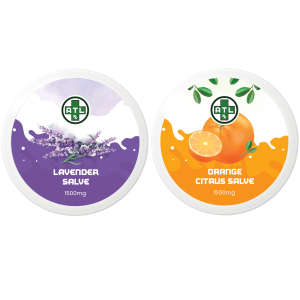
CBD creams, balms, salves, and other topical products remain legal and are among the most accessible forms of CBD in Maryland. Non-intoxicating topicals were specifically exempted from the most restrictive 2025 regulations, making them widely available at licensed retail stores, pharmacies, and online retailers.
In Maryland, full-spectrum CBD is legal as long as it meets the state’s THC requirements. Maryland follows federal guidelines allowing full-spectrum products with no more than 0.3% delta-9 THC. There are no possession limits for products that meet these standards.
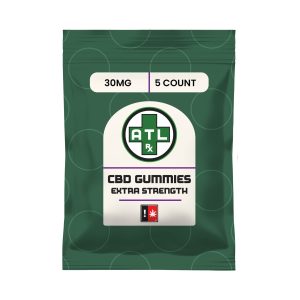
This is one of the more nuanced areas of Maryland CBD law. Licensed food businesses (restaurants, cafes, grocery stores, etc.) may not add CBD to food or beverages and sell them as a retail product. According to the federal Food, Drug, and Cosmetic Act, CBD cannot be introduced into interstate commerce as a food additive or dietary supplement. However, non-food CBD edibles like gummies sold as supplements from licensed hemp retailers remain in a distinct category and are sold under the hemp product framework, subject to Maryland’s 2025 per-serving THC caps. Adults can also use their own CBD oil at home to add to food or beverages for personal use.
CBD isolate (pure CBD with no other cannabinoids) and broad-spectrum CBD (multiple cannabinoids with no detectable THC) are legal in Maryland. Many consumers choose these options to avoid any trace THC content entirely.
CBD products derived from the marijuana plant (as opposed to the hemp plant) contain higher concentrations of THC and are governed by Maryland’s medical cannabis program. Only registered medical patients aged 18 and older can access marijuana-derived CBD through licensed dispensaries. Patients under the age of 18 must be accompanied by a registered caregiver.
It is one of the most important updates from 2025. Prior to Maryland’s new hemp regulations, there was no statewide age restriction for purchasing hemp-derived CBD products. That changed with the 2025 regulatory overhaul.
As of 2025, you must be 21 years old to purchase hemp-derived cannabinoid products in Maryland, including CBD products sold in hemp retail settings. Both in-store and online retailers are required to implement age verification. For online sales, age verification and signature upon delivery are required.
Important: The age-21 rule applies to hemp-derived cannabinoid products generally. Non-intoxicating CBD products such as topicals and certain tinctures may have different retail protocols depending on the specific product and retailer. Always check with your retailer and review current MCA guidance, as this area is actively evolving.
For hemp-derived CBD products that meet legal guidelines, Maryland does not impose a specific quantity possession limit. You can possess as much compliant hemp CBD as you reasonably need.
For marijuana-derived CBD, the rules are stricter. It is illegal for medical patients to possess more than a 30-day supply of marijuana-derived CBD. Adult-use recreational cannabis has its own separate possession limits: up to one ounce of cannabis flower, one gram of concentrated cannabis, or 750 mg of THC for those 21 and older.
Maryland residents and visitors have several legal options for purchasing CBD products:
Buying CBD online in Maryland is one of the most popular options. Reputable online retailers like ATLRx offer a wide selection of lab-tested, compliant hemp CBD products with transparent Certificates of Analysis. Shopping online gives you access to detailed product information, third-party lab results, and a broader range of product types than most local stores carry.
CBD products are sold in licensed retail stores, health food stores, vitamin shops, and specialty hemp retailers throughout Maryland. Be sure to check that products come with a valid COA and meet current THC standards.
If you are a registered medical cannabis patient, licensed dispensaries carry both marijuana-derived and hemp-derived CBD products. As of July 2023, adults 21 and older can also shop at recreational dispensaries for cannabis and cannabis-derived products.
Regardless of where you shop, here are the key things to check before purchasing any CBD product:
One of the most important developments to understand right now is the federal hemp law change embedded in Section 781 of the Continuing Appropriations Act, signed in November 2025. This is not a minor update.
Notably, President Trump issued an executive order acknowledging that some full-spectrum CBD products would become controlled substances under the CSA once Section 781 takes effect. The order directed executive branch officials to work with Congress to update the definition of finished hemp-derived cannabinoid products to preserve access to appropriate full-spectrum CBD products, while still restricting products that pose serious health risks.
Effective November 12, 2026, the federal definition of hemp changes in two key ways:
Products that are currently legal and widely sold may need to be reformulated or removed from shelves before the November 2026 deadline. The 0.4 mg per container limit in particular is considerably lower than the per-serving THC amounts found in many popular full-spectrum CBD products today. The new rule expressly excludes synthetic cannabinoids like delta-8 THC from the definition of hemp.
Non-intoxicating CBD products (topicals, most tinctures, isolates) are less likely to be impacted because they naturally contain negligible or no THC.
In February 2026, House Agriculture Committee Chairman Glenn Thompson filed the Farm, Food, and National Security Act of 2026, an 802-page draft farm bill that proposes adjustments to industrial hemp regulations. Additionally, the draft would streamline USDA testing requirements for industrial hemp farmers. As of March 2026, this legislation has not been enacted. However, two additional bills are actively moving through Congress that could change the November 2026 deadline: the American Hemp Protection Act (H.R. 6209), which would repeal Section 781 entirely and restore the 2018 Farm Bill definition, and the Hemp Planting Predictability Act (H.R. 7024), which would delay the effective date by three years to November 12, 2028. The delay bill has bipartisan Senate support from Senators Klobuchar, Paul, and Merkley. Until one of these measures passes or a new farm bill is enacted, the November 2026 deadline remains in effect.
Bottom line for shoppers: Hemp-derived CBD products that are legal today remain legal through at least November 12, 2026. After that date, only products meeting the new total THC limits will be federally compliant. Watch for updates from the Maryland Cannabis Administration and your trusted CBD retailer as the deadline approaches.
Yes, you can legally grow industrial hemp in Maryland, but you must be licensed by the state. Growers must register with the Maryland Cannabis Administration and meet licensing, testing, and cultivation requirements. Unlicensed cultivation is illegal.
Adults 21 and older may grow up to two cannabis plants at home for personal recreational use, but these are marijuana plants subject to the adult-use cannabis regulations, not hemp. Home-grown cannabis must be kept out of public view and secured away from minors.
Selling CBD hemp products in Maryland requires a license. The licensing pathway depends on what you are selling and to whom. Hemp retailers outside the licensed cannabis dispensary system are subject to the 2025 regulations requiring age verification, batch testing, compliant labeling, and per-serving THC limits. Only licensed cannabis dispensaries may sell products exceeding the hemp THC caps.
The 2025 Maryland regulatory changes significantly tightened the requirements for hemp retailers. If you operate a hemp retail business or are considering starting one, consulting with a licensed Maryland attorney and reviewing current Maryland Cannabis Administration guidance is strongly recommended.
You can legally travel with compliant hemp-derived CBD products within Maryland. However, there are important rules to know:
Delta-8 THC and other novel cannabinoids like delta-10 and HHC have been a major point of legal contention in Maryland and nationwide. Here is where things stand:
Under Maryland’s 2025 regulations, products containing intoxicating levels of these cannabinoids are restricted to licensed cannabis dispensaries. Hemp retailers outside the dispensary system face strict limits on how much THC (of any type) their products can contain per serving and per package.
Under the November 2025 federal law change, synthetic cannabinoids (including delta-8 THC produced from CBD through chemical conversion) are expressly excluded from the definition of hemp. When the November 2026 deadline arrives, products containing these compounds at meaningful levels will no longer be federally compliant hemp products.
For consumers primarily interested in CBD hemp products, this regulatory attention on delta-8 and similar compounds has minimal direct impact, as traditional CBD oil, topicals, tinctures, and isolates do not contain these cannabinoids in significant amounts.
This is one of the most common questions for people considering CBD, especially those subject to workplace drug testing.
CBD itself is not what drug tests screen for. A standard drug test looks for THC and its metabolites. It is important to note, however, that most full-spectrum CBD products contain trace amounts of THC (up to 0.3%). With regular use or high doses, those trace amounts can accumulate in the body and potentially trigger a positive result on a sensitive drug test.
If you are subject to workplace drug testing, broad-spectrum or CBD isolate products may be a safer choice because they contain no detectable THC. That said, there is no zero-risk guarantee even with these products due to potential variations in manufacturing and unregulated products that may contain more THC than their labels indicate. Purchase only from brands with verified third-party COAs.
With a rapidly evolving regulatory environment, one of the most important things any Maryland consumer can do is choose CBD products from brands that prioritize transparency and compliance. Testing by third parties is not just a nice-to-have. In order to ensure that a product is what it claims to be, you need to check its label.
A valid Certificate of Analysis (COA) from an accredited independent laboratory tells you the exact cannabinoid profile of the product you are buying, including the CBD concentration and the THC level. Additionally, it indicates whether the product has been tested for pesticides, heavy metals, residual solvents, and microbial contamination. With Maryland’s new per-serving THC limits and the federal deadline approaching, COA verification is more important than ever.
At ATLRx, every product comes with a readily accessible third-party COA. Our hemp-derived CBD products are formulated to meet current Maryland and federal standards, so you can shop with confidence knowing you are getting what you paid for and staying on the right side of the law.
So, is CBD legal in Maryland? Yes, absolutely. CBD derived from hemp has been legal in the state for years and will remain so through 2026. There has been an increase in the level of detail in the regulations. The age-21 requirement, serving THC caps, mandatory COAs, and the approaching federal November 2026 deadline all mean there is more to navigate than there was just a few years ago.
Here is what to remember as a Maryland consumer or business owner in 2026:
The regulatory landscape will likely continue to evolve as the 2026 Maryland legislative session progresses and as the federal November deadline approaches.
Yes. It is legal to purchase hemp-derived CBD products from licensed online retailers and have them shipped to Maryland. Make sure the retailer provides third-party lab results and that the products meet current THC standards. Purchases of hemp cannabinoid products now require age verification.
No. There is no prescription or doctor’s recommendation required for hemp-derived CBD products for purchase. Doctors may recommend CBD, but they cannot prescribe it in the traditional pharmaceutical sense. CBD products derived from marijuana, which contain higher levels of THC, require participation in Maryland’s medical cannabis program.
Maryland law does not specifically address workplace use of CBD. It is the employer’s responsibility to enforce drug-free workplace policies. If you use CBD and are subject to drug testing, consult your employer’s policies and consider choosing zero-THC products.
As of March 2026, the most significant recent changes are the 2025 state regulations (age-21 requirement, THC per-serving caps, labeling requirements) and the federal Section 781 provision that takes effect November 12, 2026. The 2026 Maryland legislative session is expected to address further hemp retail framework questions, and consumers should monitor updates from the Maryland Cannabis Administration.
Yes, but with specific regulations, hemp-derived CBD is legal statewide in Maryland. There are no county or city-level bans on compliant hemp CBD products that we are aware of as of this writing. However, local enforcement practices can vary, particularly for products in gray areas like high-strength hemp edibles.

August 4, 2026
July 30, 2026
$39.99
$39.99
$39.99
$49.99
$49.99
$49.99
$39.99