$44.99
FREE SHIPPING ON ALL ORDERS OVER $49 —— FREE EXPEDITED SHIPPING ON ALL ORDERS OVER $149 —— FREE SHIPPING ON ALL ORDERS OVER $49 —— FREE EXPEDITED SHIPPING ON ALL ORDERS OVER $149 —— FREE SHIPPING ON ALL ORDERS OVER $49 —— FREE EXPEDITED SHIPPING ON ALL ORDERS OVER $149 —— FREE SHIPPING ON ALL ORDERS OVER $49 —— FREE EXPEDITED SHIPPING ON ALL ORDERS OVER $149 ——
>
Blogs
>
THCA >
Is THCA Legal in Texas? Complete 2026 Legal Guide
THE STATEMENTS ON THIS BLOG ARE NOT INTENDED TO DIAGNOSE, TREAT, CURE, OR PREVENT ANY DISEASE. THE FOOD AND DRUG ADMINISTRATION HAS NOT EVALUATED ANY STATEMENTS CONTAINED WITHIN THE BLOG. ATLRX DOES NOT IN ANY WAY GUARANTEE OR WARRANT THE ACCURACY, COMPLETENESS, OR USEFULNESS OF ANY MESSAGE. THE INFORMATION CONTAINED WITHIN THIS BLOG IS FOR GENERAL INFORMATIONAL PURPOSES ONLY.
Yes, THCA is currently legal in Texas – but there are a few caveats.
Hemp-derived products containing less than 0.3% Delta-9 THC by dry weight are legal under the 2018 Farm Bill and Texas House Bill 1325. Since THCA is non-psychoactive, it falls within this legal framework.
The gray area: THC is formed from THCA when it is heated (through smoking, vaping, or cooking). Depending on how Texas law is interpreted, high-THCA flower could be non-compliant in certain testing scenarios.
⚠️ 2025 Update: Governor Abbott vetoed Senate Bill 3 in June 2025, keeping THCA lega Abbott vetoed Senate Bill 3, keeping THCA legal. However, THCA vape products were banned effective September 1, 2025.
If you’re a Texas resident curious about THCA, you’re not alone. With the growing popularity of hemp-derived cannabinoids, thousands of Texans are asking the same question: Is THCA legal to buy, possess, and use in the Lone Star State? The answer isn’t as straightforward as you might hope — Texas hemp laws exist in a gray area that requires careful navigation. In this comprehensive guide, we’ll break down everything you need to know about THCA legality in Texas, including recent 2025 legislative changes, how lab testing methods affect compliance, and what you need to do to stay on the right side of the law.
Table of Contents
A product containing less than 0.3% Delta-9 THC by dry weight is legal for sale in Texas.
The legality of THCA is governed by the Agriculture Improvement Act of 2018, also known as the Farm Bill. In contrast to THC (tetrahydrocannabinol), THCA is non-psychoactive when consumed raw – meaning it does not cause a “high” associated with cannabis use.
It’s all about a chemical process called decarboxylation. Heat, whether from smoking, vaping, or cooking, converts THCA into Delta-9 THC, which is regulated under federal and Texas state law.
THCA’s molecular structure includes an additional carboxyl group that prevents it from effectively binding with CB1 receptors in the brain — the receptors responsible for producing psychoactive effects. Once heat removes this carboxyl group through decarboxylation, the resulting THC molecule fits these receptors perfectly, producing the characteristic “high.”
Yes, THCA is currently legal in Texas — if it meets specific requirements under both federal and state law. Here’s how the legal framework works:
The THCA’s legality is based on the Agriculture Improvement Act of 2018 (commonly known as the Farm Bill), signed by President Trump. Federal law legalized hemp and hemp-derived cannabinoids, defining legal hemp as:
“The plant Cannabis sativa L. and any part of that plant, including the seeds thereof and all derivatives, extracts, cannabinoids, isomers, acids, salts, and salts of isomers… with a delta-9 tetrahydrocannabinol concentration of not more than 0.3 percent on a dry weight basis.”
Critically, the law measures compliance based on Delta-9 THC content only — not THCA content. Since THCA is chemically distinct from Delta-9 THC, products with high THCA content but low Delta-9 THC levels fall within this legal definition.
Through House Bill 1325, passed in 2019, Texas aligned with federal law. Section 121.001 of the Texas Agriculture Code defines hemp as:
“The plant Cannabis sativa L. and any part of that plant, including the seeds thereof and all derivatives, extracts, cannabinoids, isomers, acids, salts, and salts of isomers, whether growing or not, with a delta-9 tetrahydrocannabinol concentration of not more than 0.3 percent on a dry weight basis.”
This definition mirrors federal law and, importantly, includes “acids” (which encompasses THCA) within the scope of legal hemp — as long as Delta-9 THC remains below the 0.3% threshold.
💡 Expert Advice: Understanding “Total THC.”
Some states use “Total THC” calculations (Delta-9 THC + 0.877 × THCA) to determine compliance. Texas currently measures Delta-9 THC alone at the point of sale. However, if law enforcement uses testing methods that heat the sample, your compliant THCA product could test as non-compliant marijuana. This is why understanding lab testing methods matters — covered in detail below.
You may have heard of the “THCA loophole” — but what exactly is it, and why does it matter for Texas consumers?
The loophole exists because of a specific detail in how laws define legal hemp: compliance is measured by Delta-9 THC content, not THCA content. This creates a situation where:
In practical terms, this means you can legally purchase hemp flower that, when consumed through smoking or vaping, produces psychoactive effects similar to marijuana — all while technically remaining within the legal definition of hemp.
When the 2018 Farm Bill was drafted, legislators focused on Delta-9 THC as the psychoactive compound of concern. THCA wasn’t explicitly addressed, likely because:
This has created a technically legal market for products that produce effects lawmakers may not have intended to permit — a situation that has prompted ongoing legislative discussions about closing this loophole.
As of February 2026, THCA remains legal in Texas — but this status has faced significant challenges and may change in future legislative sessions.
Senate Bill 3 (2025): This bill sought to ban all consumable hemp products that contain THC, including THCA products. The bill passed through the Texas legislature but faced intense opposition from veterans, medical patients, and the hemp industry.
Governor Abbott’s Veto (June 2025): In a significant victory for hemp advocates, Governor Greg Abbott vetoed Senate Bill 3, citing the economic impact on Texas’s hemp industry and the importance of consumer access. As a result of this veto, THCA products remain legal in the state.
Senate Bill 2024 (Passed): While the broader ban failed, Texas did pass restrictions on vape products containing THC, Delta-8, and THCA. Effective September 1, 2025, the sale of THCA vape products is prohibited in Texas.
⚠️ Current Status (February 2026)
The legal landscape could change with future legislative sessions. Stay informed and purchase from reputable sources while THCA flower remains accessible.
The hemp industry in Texas represents a multi-billion-dollar economic sector, which provides some protection against outright bans. However, consumers should be aware that:
A key aspect of THCA legality is how products are tested. The testing method used can literally determine whether the same product is classified as legal hemp or illegal marijuana.
This is the standard testing method used by reputable hemp producers and third-party labs. HPLC:
This method is often used by law enforcement agencies. Gas Chromatography:
💡 Expert Advice: How to Read Your COA
In reviewing a Certificate of Analysis (COA), look for:
At ATLRx, all our THCA products include verifiable COAs. View our lab results at https://www.atlrx.com/lab-results/
Here’s why this matters: if you’re stopped by law enforcement while carrying THCA flower, and they use Gas Chromatography to test it, your legally-purchased hemp product could test as marijuana. Many officers aren’t fully aware of the distinctions between testing methods or the nuances of hemp vs. marijuana law.
To protect yourself:
Yes, smoking THCA flower is legal in Texas — with important considerations.
While Senate Bill 2024 banned THCA vape products effective September 1, 2025, smokable THCA flower remains legal under Texas’s hemp program. The distinction matters:
By understanding different consumption methods, you can make informed decisions about legality and effects.
Consuming THCA without heat preserves its non-psychoactive properties:
These methods remain fully compliant with Texas law and won’t produce psychoactive effects or positive drug tests.
Methods involving heat convert THCA to THC:
While these methods use legal products, the resulting effects are psychoactive. Consume responsibly.
THCA flower contains more than just one cannabinoid. ” The entourage effect describes how cannabinoids and terpenes work synergistically. Different strains produce different effects based on their unique chemical profiles — this is why one strain might feel more relaxing while another provides energy and focus, even with similar THC potency.
Beyond the basics of what’s legal, Texas has specific regulations affecting how THCA products are manufactured, sold, and purchased.
According to Texas state law, there is no minimum age for purchasing consumable hemp products. Most reputable retailers, including ATLRx, implement their own age restrictions, usually requiring customers to be 21 or older. Industry best practices are reflected in this self-regulation, as are responsible business operations.
Texas law prohibits the manufacturing or processing of consumable hemp products intended for smoking within the state. However, retailers can legally sell smokable hemp products that were manufactured outside Texas. This means the THCA flower you purchase from Texas retailers was grown and processed in other states with compliant hemp programs.
Retail Hemp Registration is required for businesses selling consumable hemp products online to Texas customers – even if they are physically located outside Texas. As a result of this registration requirement, the state is able to ensure accountability and compliance with its guidelines.
Texas law prohibits the sale of consumable hemp products from private residences. Licensed sellers must operate from separate, licensed commercial facilities. This regulation ensures products are stored and handled in professional, controlled environments.
Protecting yourself legally while enjoying THCA products requires attention to detail and smart purchasing practices.
Choose a reputable vendor when purchasing THCA products to ensure quality and compliance. ATLRx offers a comprehensive selection of premium THCA products with full transparency.


THCA occupies a unique position in Texas cannabis law — technically legal under current hemp definitions, yet existing in a regulatory gray area that continues to evolve. As of February 2026, you can legally purchase and consume THCA flower, concentrates, and edibles in Texas, while THCA vape products remain prohibited.
Keeping informed and purchasing from reputable sources is key to navigating this landscape. Understand that while the product may be legal at the point of sale, consuming THCA through heat produces psychoactive effects and carries the same responsibilities as any intoxicating substance.
ATLRx offers premium THCA products that are fully compliant with full transparency. Every product includes verified lab testing, and our team is here to answer your questions about legality, effects, and responsible use.
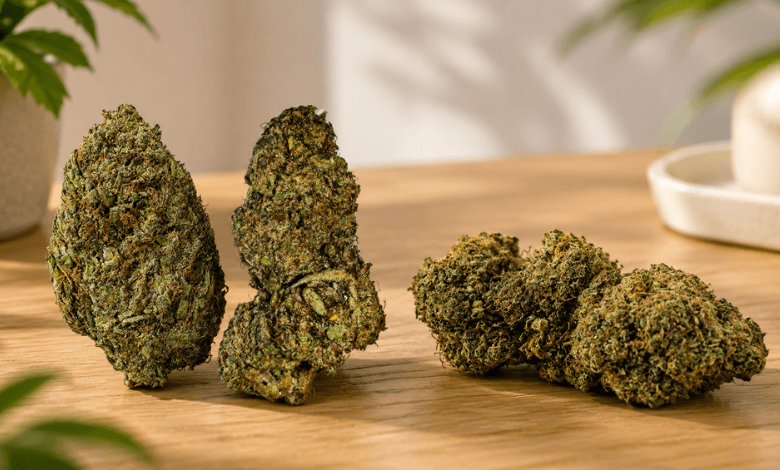
Possession of THCA products derived from hemp and containing less than 0.3% Delta-9 THC is legal in Texas. However, because THCA flower is visually indistinguishable from marijuana, there’s a risk of confusion during law enforcement encounters. Always keep products in original packaging with documentation, and be prepared to explain the legal distinction between hemp and marijuana.
If you consume THCA through methods involving heat (smoking, vaping, cooking), the THCA converts to THC, which will likely produce a positive result on standard drug tests. Raw THCA consumption without heat is less likely to trigger positive results, though individual factors may vary. If you are concerned about drug testing at work or for other reasons, be cautious about THCA consumption.
No, THCA and THC are chemically different compounds. Raw cannabis plants contain THCA, an acidic precursor to THC. In its natural state, THCA is not psychoactive. Heat (decarboxylation) converts THCA to Delta-9 THC, which is psychoactive. This chemical distinction is why THCA falls within the legal definition of hemp while THC above 0.3% is classified as marijuana.
You can legally transport compliant hemp-derived THCA products within Texas. However, exercise caution: keep products in original packaging, carry documentation (COAs, receipts), and be aware that the appearance of THCA flower is identical to marijuana. If traveling to other states, research their specific hemp laws, as regulations vary significantly by jurisdiction.
Senate Bill 2024, which takes effect September 1, 2025, targets vape products containing THC, Delta-8, and THCA. This legislation addressed concerns about vaping safety and youth access rather than cannabinoid legality overall. Smokable flower, concentrates, and edibles weren’t included in this ban, so they remain legal under Texas’s broader hemp program.
Check the Certificate of Analysis (COA) from a third-party lab. The COA should show Delta-9 THC content at or below 0.3% by dry weight, and the testing method should be HPLC (not Gas Chromatography). Purchase only from reputable vendors who provide transparent lab testing and proper product labeling.
Raw THCA in its non-psychoactive form is considered to have very low addiction potential. Heat converts CBD into THC, which interacts with the brain’s reward system. It is possible for THC to cause psychological dependence in some individuals. Practice responsible consumption, understand your limits, and take breaks as needed.
The legal distinction is based on Delta-9 THC content, not the plant itself. A hemp plant can contain less than 0.3% Delta-9 THC by dry weight, whereas a marijuana plant can contain more than this threshold. Hemp-derived THCA products are legal because they meet the hemp definition at the time of testing and sale, even though the THCA can convert to THC when heated.
Legal Disclaimer: The information contained in this article is for informational purposes only and does not constitute legal advice. Cannabis laws vary from one jurisdiction to another and are subject to change. Consult with a qualified attorney for legal guidance specific to your situation. ATLRx is not responsible for any actions taken based on this information.
Medical Disclaimer: This article has not been evaluated by the Food and Drug Administration. THCA products are not intended to diagnose, treat, cure, or prevent any disease. Consult with a healthcare provider before using any cannabinoid products, especially if you have underlying health conditions or take medications.
Age Restriction: ATLRx products are intended for adults 21 years of age or older. Do not use if pregnant or nursing. Keep out of reach of children.
February 14, 2026
February 13, 2026
February 11, 2026
January 26, 2026
January 23, 2026
$44.99
$49.99
$39.99
$29.99
$29.99
$14.99