What is CBD?
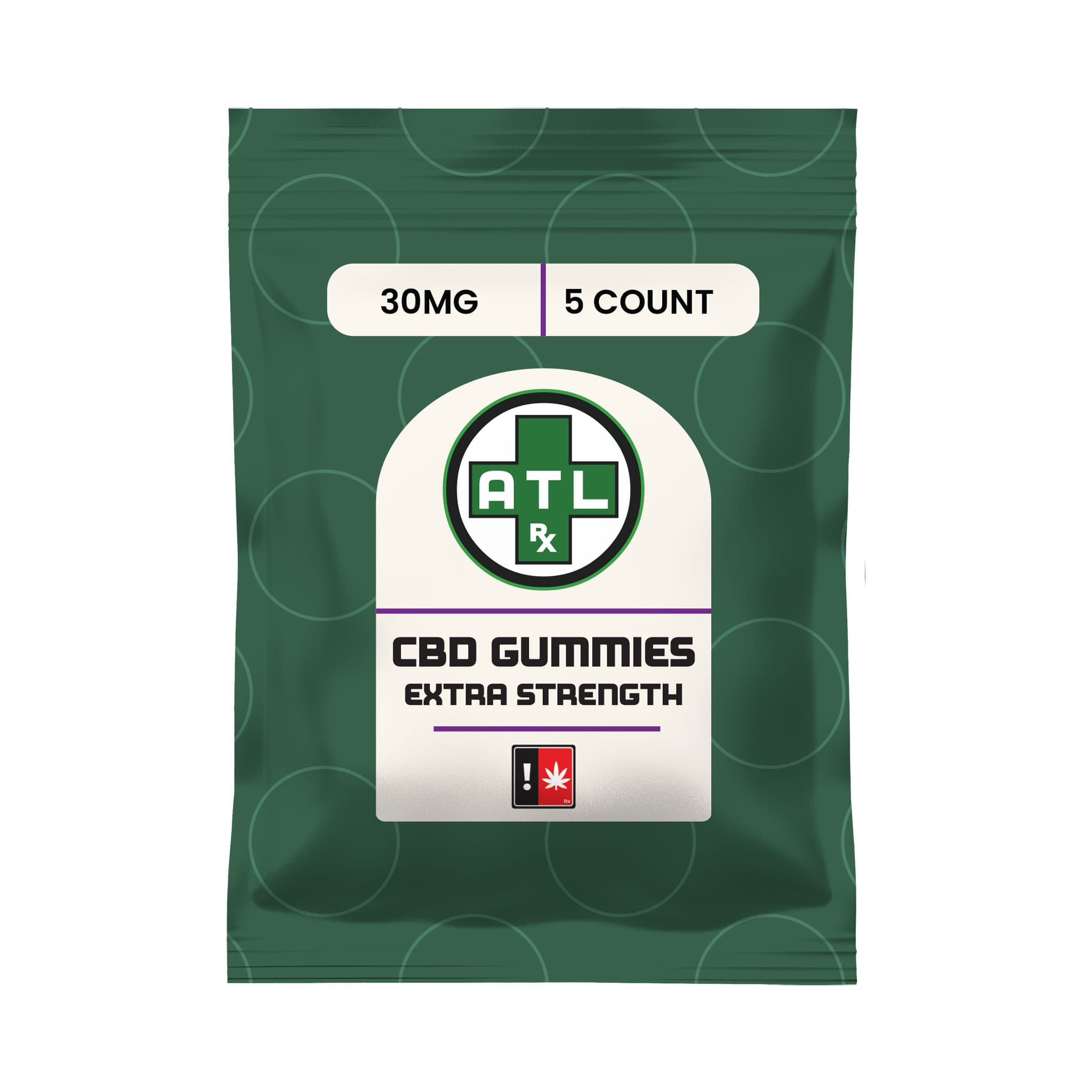
CBD (cannabidiol) is a non-psychoactive major cannabinoid that can derive in large quantities in cannabis plants such as hemp and marijuana. However, hemp plants have a more readily available amount of CBD inside it. And for states where marijuana is illegal, hemp is the only option—that isn’t necessarily a problem for a good portion of those who love the alternate cannabinoids. These cannabinoids are federally legal due to the Federal Farm Bill of 2018. So as long as the delta-9 THC is below 0.3% in dry weight, it is compliant with federal regulations.
It all began with CBD; it is the main component needed to formulate CBD products and alternate cannabinoids with solvent processing. CBD took off after preliminary research was brought to everyone’s attention, including those active in the health and wellness industry. CBD is often lumped into the marijuana category when really, it’s not the same at all. It certainly doesn’t help when misinformation is passed along, either.
THC is a cannabinoid that delivers a psychoactive intoxication, not CBD.
CBD is extracted from the hemp plant. The extraction method is vital and always needs to be considered when purchasing products. ATLRx uses the best extraction method on the market, supercritical CO2 and ethanol. This method assures that we get the pure form of distillate possible. CBD can come in various forms, not only in the form of usage but also what is in your CBD product. An isolate has one singular cannabinoid, generally in CBD, CBG, or CBN. Then you have Broad Spectrum, which doesn’t have delta 9 THC in it but has other cannabinoids such as CBG, CBC, and CBN. ATLRx carries full-spectrum CBD, which provides you with every cannabinoid. Your ECS (Endocannabinoid System) allows the additional cannabinoids to latch on, providing you with additional cannabinoids such as CBC, CBG, CBN, and Delta-9 THC.
Table of contents:

Key Takeaways
- 01CBD Overview and Legality: CBD, derived primarily from hemp due to its higher concentrations and legality under the Federal Farm Bill of 2018, is a non-psychoactive cannabinoid unlike THC. It is federally legal as long as it contains less than 0.3% delta-9 THC.
- 02CBD Extraction and Forms: ATLRx utilizes superior extraction methods, like supercritical CO2 and ethanol, to ensure the purity of CBD. They offer various CBD products, including full-spectrum forms that interact with the endocannabinoid system to provide comprehensive cannabinoid benefits.
- 03Introduction to THCv: THCv, a minor and mildly psychoactive cannabinoid, is highlighted as a “super sativa” with a molecular structure similar to THC but with differences that impact its effects.
- 04Transparency and Quality Assurance in CBD Products: ATLRx prioritizes transparency and safety in an unregulated market, rigorously testing their products in a DEA-certified lab and providing detailed content through QR codes on packaging to ensure consumer trust and product integrity.

What is THCv?
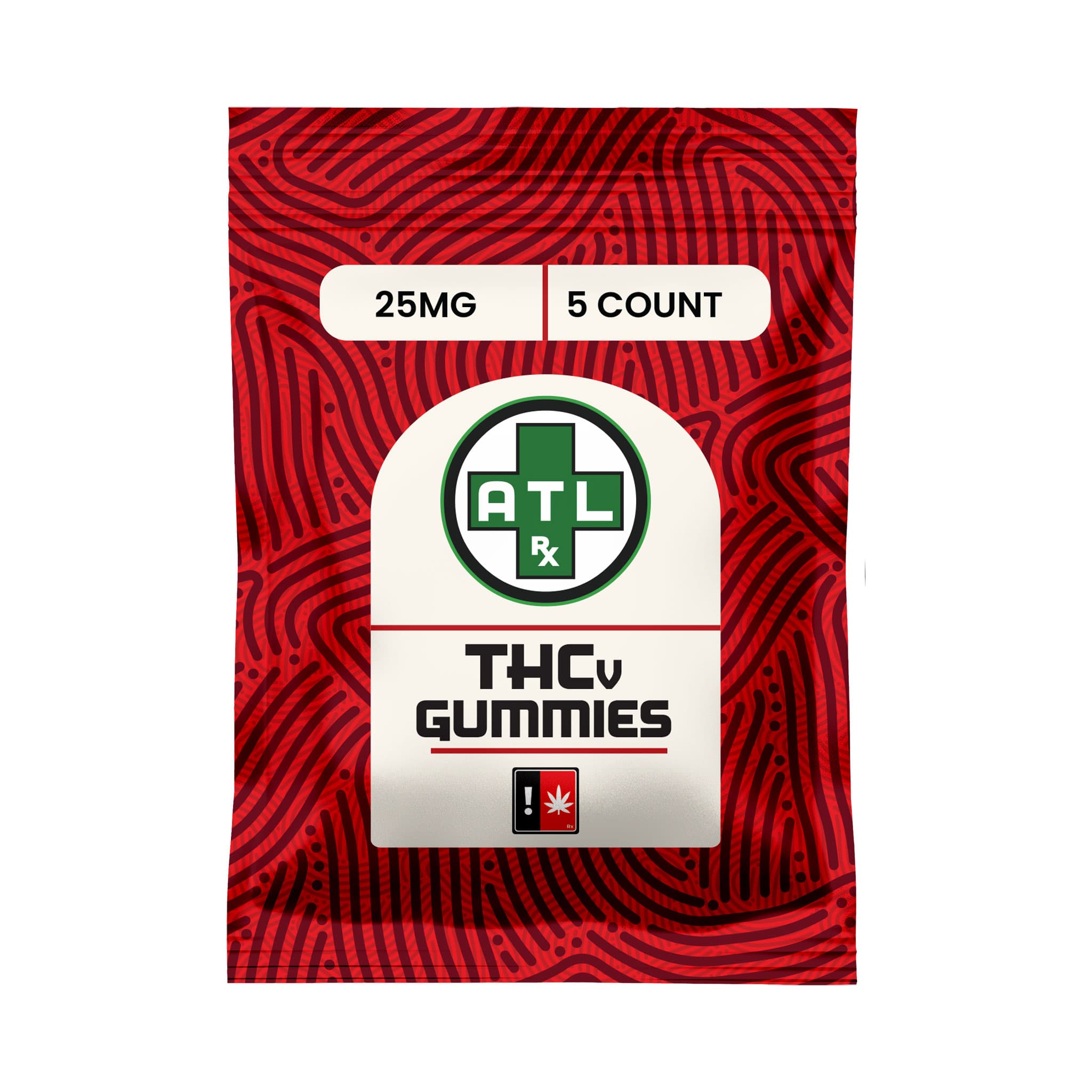
THCv (tetrahydrocannabivarin) is a minor cannabinoid that is mildly psychoactive and known as a “super sativa”. What remains a mystery is THCv’s molecular structure; it’s almost identical to THC—except it’s missing the tail-end of carbon atoms.
What’s the Difference Between CBD and THCv?
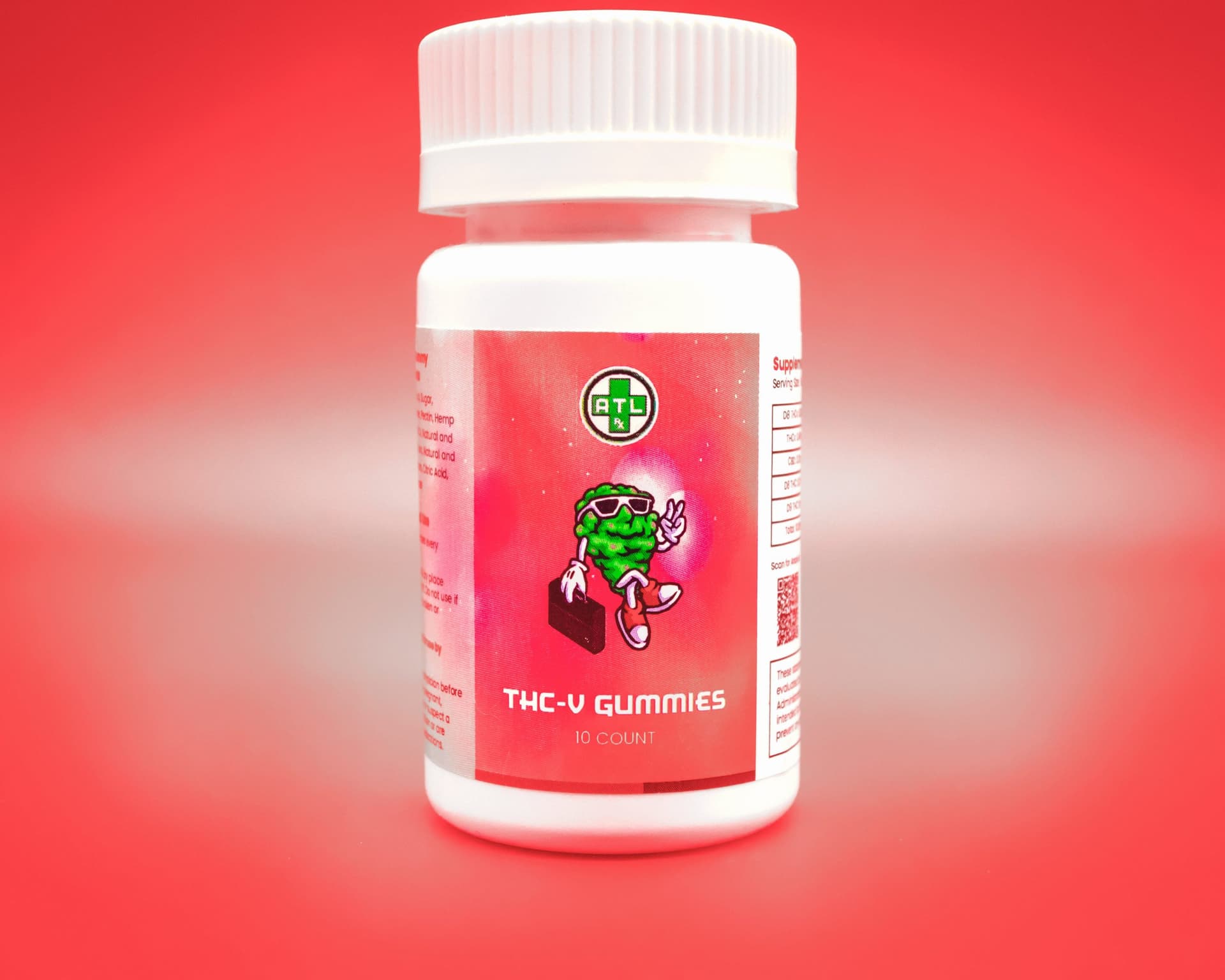
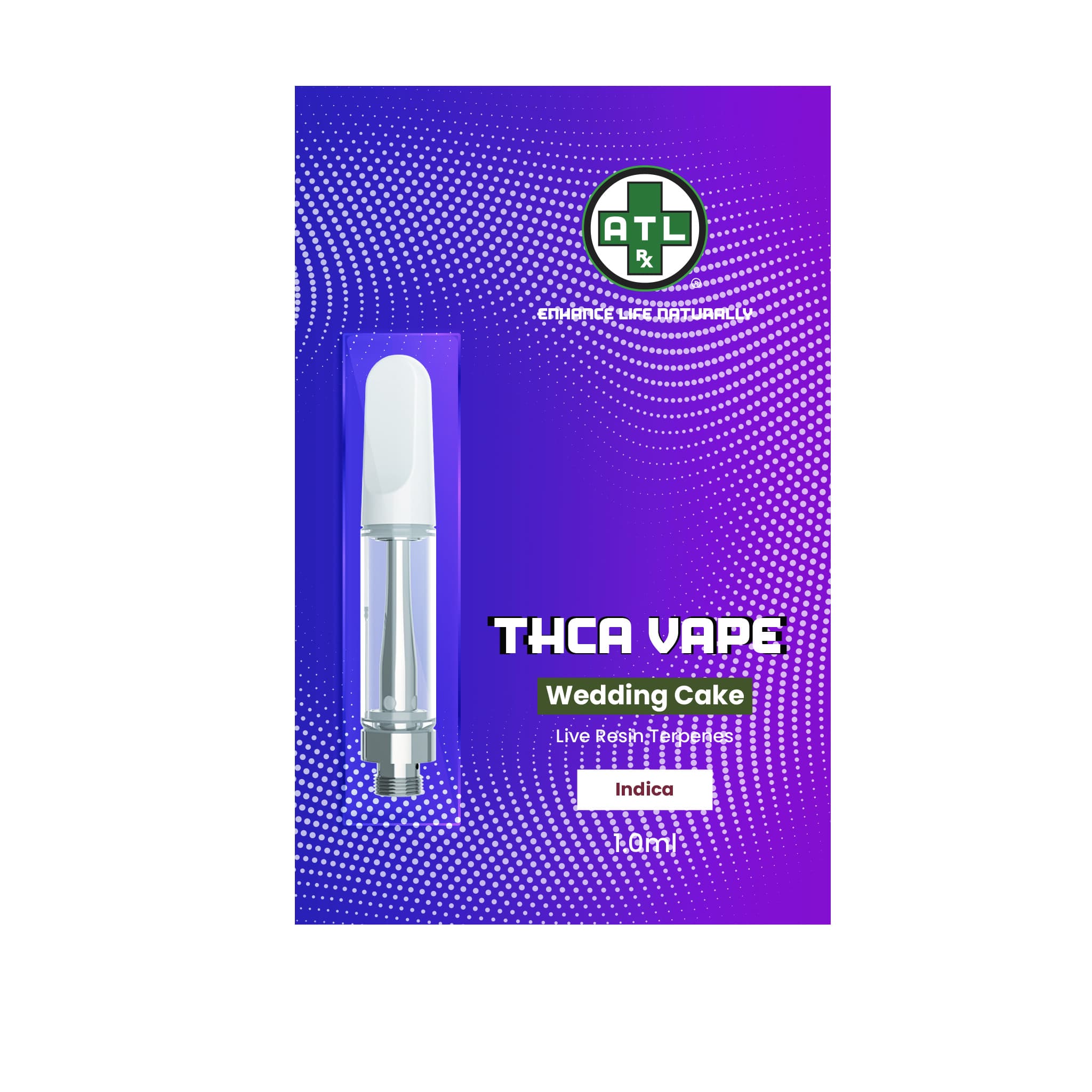
CBD comes in various forms of usage as well. There are CBD oil tinctures, vape cartridges, flowers, gummies, chocolates, capsules, and topicals. ATLRx carries an entire collection; for THCv, we have our fruit punch 10mg gummies, and in our retail front, we have vape cartridges in the strains Blue Skittles and Strawberry Cough. Our THCv carts are blended with CBD, which complements the minor cannabinoid.
In an unregulated CBD market, there’s a saturation of companies who aren’t being honest about their products, even going so far as providing labs that give you no insight into the development whatsoever. ATLRx takes safety procedures, regulations, and transparency very seriously; we follow the federal regulations and protocols of recreational states such as Colorado and Oregon. Our products are tested multiple times following each process. In a DEA-certified lab, we test for metals, pesticides, solvents, and any unwanted debris. Those results are then put onto QR codes on the packages of ATLRx products so that you know what is in our products. In retail, we embrace the educational measures of this industry, safety always being our number one priority. Nothing even lands in the store if it isn’t an immaculate product. We look out for your better interest by providing a piece of paper that tells you it is a federally legal product within the Farm Bill of 2018. Transparency is how we have set ourselves apart in the industry.
Why Trust This Guide
- ATLRx has sold third-party lab-tested hemp products out of Georgia since 2019.
- Every real batch we sell is tested by an accredited outside lab, with the Certificate of Analysis published before you buy.
- We operate 3 real physical stores in Georgia — this isn't a drop-shipped storefront.
- Legal information is rechecked and updated as rules change, not published once and forgotten.
Don't Trust the Label. Check the Lab.
ATLRx publishes third-party Certificates of Analysis for real batches so you can verify cannabinoid content before you buy — not just take the package's word for it.
View Lab Results →Have Questions?
Visit an ATLRx store in Georgia and talk to our team.
Real Customers, Real Reviews
What Customers Are Saying

Jen Hight
Cannabis Industry Expert & Compliance Specialist Jen Hight is a cannabis industry professional with extensive experience in hemp compliance, product development, and consumer education. With a background in regulatory affairs and a passion for helping consumers navigate the complex world of cannabinoids, Jen provides accurate, up-to-date information on hemp legality and best practices. Her work focuses on making cannabis knowledge accessible while ensuring readers understand both the opportunities and responsibilities that come with legal hemp products.
View all articles →Keep Learning
Is THCA Legal in Tennessee? 2026 Expert Guide
Updated November 4, 2026 THCA Legal Status in Tennessee: No, high-THCA products exceeding Tennessee’s 0.3% total-THC limit are not legal for manufacture or sale under the state’s current hemp-derived cannabinoid laws. Tennessee’s Public Chapter 526 introduced stricter cannabinoid limits, licensing requirements, and retail restrictions effective January 1, 2026. The transition period for businesses holding legacy […]
Nov 4, 2026 · 20 min read
Is THCA Legal in Florida? 2026 Law Updates & Guide
Updated November 3, 2026 THCa Legal Status in Florida: Yes, THCA can be legal in Florida as of October 26, 2026, provided the product meets Florida’s definition of hemp and all applicable regulations. The state of Florida limits the total delta-9 THC content of hemp to no more than 0.3%, including THCA. This limit applies […]
Nov 3, 2026 · 22 min read
Is THCa Legal in Georgia? Complete 2026 Legal Guide
Updated November 3, 2026 THCa Legal Status in Georgia: No. THCa is not legal in Georgia in most forms. Georgia prohibits the majority of THCa products sold today. The state counts THCa toward its 0.3% total delta-9 THC limit, and state law bans the retail sale of hemp flower and leaves regardless of THC content. […]
Nov 3, 2026 · 25 min read
Live Resin vs Distillate: Which One Is Right for You?
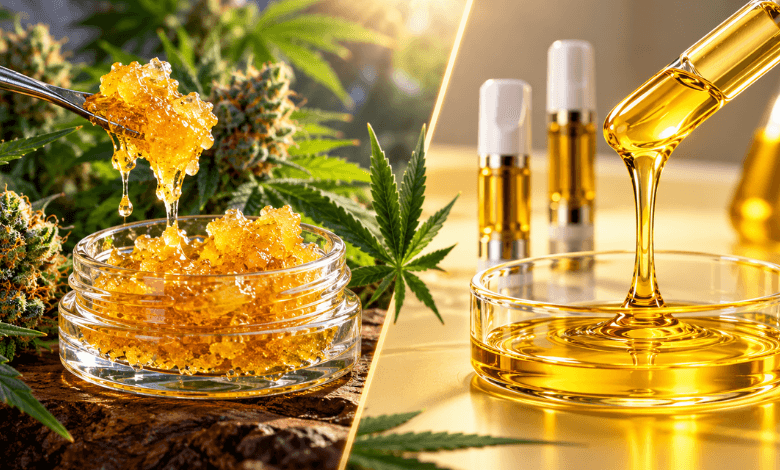
Live resin vs distillate comes down to one trade-off: flavor or potency. Live resin is made from fresh, flash-frozen hemp, so it keeps more natural terpenes and has a richer, strain-true taste. Distillate is made from dried hemp and refined into a nearly pure, flavorless cannabinoid oil. In general, distillate is more potent and costs […]
Oct 30, 2026 · 9 min read
Stay Informed
New product releases, hemp law updates, and useful cannabinoid guides.