


$49.99
ARE YOU 21 YEARS OF AGE OR OLDER?
REMEMBER ME
Seriously, by using this site you are confirming that you are of legal age (21+) to view and purchase these products. If you are you are not over 21. you are not authorized by us to use or view any of the pages of this site. Please review our terms and conditions at checkout for further stipulations.
 >
Blogs
>
CBD >
Is CBD Legal in Pennsylvania? 2026 Law Updates & Guide
>
Blogs
>
CBD >
Is CBD Legal in Pennsylvania? 2026 Law Updates & Guide
THE STATEMENTS ON THIS BLOG ARE NOT INTENDED TO DIAGNOSE, TREAT, CURE, OR PREVENT ANY DISEASE. THE FOOD AND DRUG ADMINISTRATION HAS NOT EVALUATED ANY STATEMENTS CONTAINED WITHIN THE BLOG. ATLRX DOES NOT IN ANY WAY GUARANTEE OR WARRANT THE ACCURACY, COMPLETENESS, OR USEFULNESS OF ANY MESSAGE. THE INFORMATION CONTAINED WITHIN THIS BLOG IS FOR GENERAL INFORMATIONAL PURPOSES ONLY.
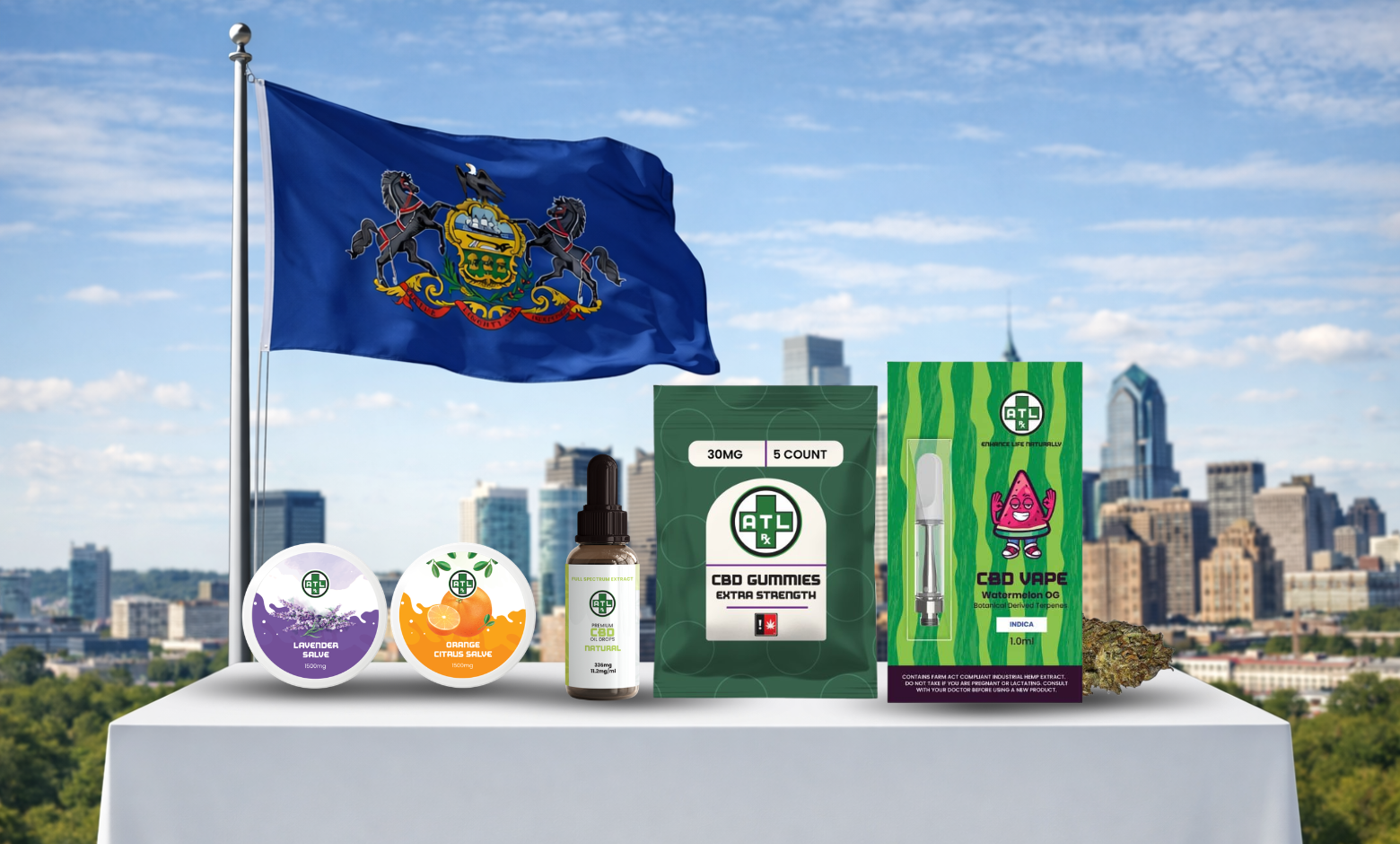
CBD Legal Status in Pennsylvania:
Yes. In 2026, hemp-derived CBD will be legal in Pennsylvania as long as it is sourced from industrial hemp and contains no more than 0.3% Delta-9 THC by dry weight.
However, important restrictions apply. CBD edibles and gummies remain illegal as food additives under Pennsylvania and FDA regulations. It is only legal for registered medical marijuana patients to use marijuana-derived CBD. Marijuana remains illegal in Pennsylvania until March 2026.
CBD is legal in Pennsylvania, but with some important conditions. Pennsylvania has established a legal framework for hemp-derived CBD that aligns closely with federal law, but residents and visitors need to understand exactly which products are allowed and which are not. This guide breaks down the current Pennsylvania CBD laws as of 2026, including recent legislative developments, product-specific rules, and what to look for when purchasing CBD in the Keystone State.
Pennsylvania has been a hemp-friendly state since 2016, and its legal landscape has continued to evolve. From the original Industrial Hemp Act to the ongoing debate over recreational marijuana legalization, the rules around cannabidiol in Pennsylvania are more nuanced than a simple yes or no.
Table of contents:
Use the table below as a quick reference for the current legal status of various CBD and cannabis products in Pennsylvania.
| Product / Topic | Legal Status in Pennsylvania (2026) |
| Hemp-derived CBD oil (under 0.3% THC) | Legal. Available over the counter without a prescription. |
| CBD capsules and tinctures | Legal. Must contain less than 0.3% Delta-9 THC. |
| CBD topicals (creams, balms, salves) | Legal. No prescription required. |
| Full-spectrum CBD (under 0.3% THC) | Legal. Must comply with federal and state THC limits. |
| CBD edibles and gummies | Illegal as food additives. Pennsylvania follows FDA restrictions banning CBD as a food additive. |
| CBD vape products | Legal for adults. Must be hemp-derived and under 0.3% THC. |
| Marijuana-derived CBD | Legal only for registered medical marijuana cardholders. |
| Recreational marijuana | Illegal as of March 2026. Legislative efforts are ongoing. |
| Delta-8 THC (hemp-derived) | Legal gray area. Widely available. Must be hemp-derived and under 0.3% Delta-9 THC. |
| Possession limit for hemp CBD | No defined possession limit for hemp-derived CBD under 0.3% THC. |
| Minimum age to purchase CBD | 18 years old for most retailers. 21 years old for smoke shops. |
To understand why hemp-derived CBD is legal in Pennsylvania, it helps to start at the federal level.
According to the Farm Bill of 2018, hemp is defined as cannabis that contains less than 0.3% Delta-9 THC by dry weight. This federal change legalized hemp-derived CBD at the national level, provided the finished product also meets the 0.3% THC threshold.
Importantly, the FDA continues to regulate CBD as it relates to food products and dietary supplements. Under current FDA guidance, CBD cannot lawfully be added to food, beverages, nutritional supplements, or dietary supplements intended for human consumption. Pennsylvania adopted and enforces this FDA position at the state level.
Only one CBD-derived pharmaceutical has received FDA approval. That product is available exclusively by prescription through a licensed physician and is subject to strict clinical guidelines. It is entirely separate from the over-the-counter hemp CBD products sold in retail stores.
The 2014 Farm Bill authorized hemp pilot programs across the United States, creating the initial legal pathway for states like Pennsylvania to begin cultivating and researching industrial hemp. Pennsylvania recognized the economic opportunity this presented and began developing its own hemp framework.
In July 2016, Pennsylvania enacted House Bill 967, also known as the Pennsylvania Industrial Hemp Act (codified at 3 Pa. C.S.A. § 701 et seq.). This was the foundational law that made hemp cultivation and processing legal in Pennsylvania. Key provisions include:
Also passed in 2016, Act 16, the Pennsylvania Medical Marijuana Act, established the Commonwealth’s medical cannabis program. Under this law, qualified patients with a valid Pennsylvania medical marijuana card can access marijuana-derived products, including high-potency CBD derived from cannabis, from licensed dispensaries. It is the responsibility of the Pennsylvania Department of Health to maintain and update a comprehensive list of qualifying conditions.
Medical marijuana dispensaries in Pennsylvania began operating in 2018. As of 2026, there are more than 150 licensed dispensaries across the state. Medical cardholders may possess up to a 90-day supply of marijuana products at any given time.
Act 16 was complemented by Senate Bill 3, which established a state licensing board to oversee medical-grade CBD and marijuana products. This bill also expanded the list of qualifying medical conditions over time and added provisions allowing registered medical cardholders to prepare cannabis-infused edibles at home for personal use.
In 2020, the U.S. Department of Agriculture approved Pennsylvania’s hemp production plan, transitioning the state’s program from its pilot-stage framework under HB 967 into the formally recognized Pennsylvania Hemp Program. This was an important milestone that gave commercial hemp growers and CBD producers a more stable, long-term regulatory environment.
One of the more confusing chapters in Pennsylvania’s CBD history involves edibles. In 2021, the Pennsylvania Liquor Control Board (PLCB) briefly permitted the sale of hemp-derived CBD edibles, including gummies, at retail locations licensed to sell alcohol. This created a short-lived window where CBD gummies were technically available in certain stores.
In April 2022, the PLCB reversed this decision and reinstated the prohibition on CBD edibles statewide, consistent with FDA guidance that prohibits CBD as a food additive. This reversal affected both licensed alcohol retailers and general retail stores. As of 2026, CBD gummies and CBD-infused food products remain prohibited for sale in Pennsylvania.
Important Update: Recreational Marijuana Remains Illegal in Pennsylvania (March 2026)
As of March 2026, recreational marijuana is still illegal in Pennsylvania. The Pennsylvania House passed HB 1200 (the Cannabis Health and Safety Act) in May 2025 by a narrow 102-101 vote. However, the Senate Law and Justice Committee voted 7-3 to table the bill in May 2025. No bill has passed into law in the 2026 session, although new legislation is expected. The legality of recreational cannabis should not be assumed by residents. Among hemp-derived CBD products with less than 0.3% THC, only hemp-derived CBD is broadly legal for adults.
In May 2025, the Pennsylvania House of Representatives passed HB 1200, a comprehensive bill that would have legalized adult-use recreational marijuana for individuals aged 21 and older. The bill proposed a state-run retail model operated by the Pennsylvania Liquor Control Board, similar to the state’s wine and liquor system.
Senator Dan Laughlin, chair of the Senate Law and Justice Committee, voted 7-3 to table the bill. Key objections included the state-monopoly retail model, the exclusion of existing private medical marijuana operators, and concerns about federal law conflicts. Governor Josh Shapiro expressed support for legalization in principle but indicated the bill needed bipartisan compromise before he could sign it.
As of early 2026, Senators Laughlin and Sharif Street have announced plans to introduce a revised recreational cannabis bill under a private retail model, regulated by a newly proposed Cannabis Control Board rather than the Liquor Control Board. Governor Shapiro’s FY 2025-2026 budget continues to include projections tied to adult-use cannabis tax revenues.
In February 2026, a broad coalition formally asked Governor Shapiro to convene bipartisan negotiations among all four legislative caucuses. While there is strong public support for legalization and momentum at the House level, the Republican-controlled Senate remains the key obstacle. Legislation is anticipated during 2026 budget negotiations, but no bill has become law as of the publication of this guide.
For Pennsylvania residents, the practical takeaway is clear: hemp-derived CBD under 0.3% THC remains legal and accessible without a prescription. Recreational marijuana and marijuana-derived CBD for non-medical users remain illegal until further notice.
CBD oil derived from hemp containing less than 0.3% Delta-9 THC is legal in Pennsylvania. These products are available at hemp specialty shops, health retailers, vape stores, and online stores that ship to Pennsylvania. No prescription is required. Buyers should verify a Certificate of Analysis (COA) before purchasing to confirm THC content and product purity.
Hemp-derived CBD capsules and softgels are legal in Pennsylvania, provided they meet the THC threshold. These products may not be marketed as dietary supplements under FDA guidelines, but they are sold in retail settings across the state.
Creams, balms, salves, and lotions infused with CBD are legal in Pennsylvania and widely available. Since they are applied externally and not consumed as food, they fall outside the FDA food-additive restrictions that affect edibles.
Hemp-derived CBD products contain various cannabinoids and compounds, such as terpenes, flavonoids, and trace amounts of THC. These products are legal in Pennsylvania, as long as the Delta-9 THC content remains below 0.3%. Consumers who are subject to workplace drug testing should be aware that full-spectrum products may result in a positive THC screening.
Hemp-derived CBD vape cartridges and e-liquids are legal for adults in Pennsylvania, provided the product contains less than 0.3% THC and is hemp-derived. Smoke shops generally require customers to be 21 or older.
CBD gummies, CBD-infused beverages, and other CBD food products are not legal for sale in Pennsylvania. This restriction applies to all retail sellers, not just licensed dispensaries. The prohibition is rooted in FDA regulations that classify CBD as an unapproved food additive. Pennsylvania follows this federal standard.
Hemp seeds, hemp seed oil, and hemp seed protein are exempt from this restriction, as the FDA has recognized these hemp-derived ingredients as Generally Recognized As Safe (GRAS) for use in food products.
CBD derived from marijuana plants (with higher THC content) is available only through Pennsylvania’s medical marijuana program. The Pennsylvania Department of Health’s Medical Marijuana Registry mandates that patients receive a written certification from a licensed physician and register with a licensed dispensary. The Pennsylvania Department of Health maintains the official and current list of qualifying conditions on its website.
Beyond CBD, Pennsylvania consumers frequently ask about the legal status of Delta-8 THC, THCA, Delta-10 THC, HHC, and similar hemp-derived cannabinoids. This is one of the fastest-evolving areas of cannabis law.
Pennsylvania’s hemp framework is defined by one key principle: Delta-9 THC content below 0.3% by dry weight, measured at the time of laboratory testing before decarboxylation. Products meeting this threshold are classified as hemp and are legal to possess, sell, and use under state law.
As of 2026, Delta-8 THC, Delta-10 THC, HHC, THCA, THCP, and THCB are in contested legal territory in Pennsylvania. While they have been widely sold under the state’s hemp framework, Pennsylvania’s Act 64 classifies Delta-8 as a Schedule I substance, and Senator Laughlin’s SB 49 (amended March 16, 2026) would explicitly ban most intoxicating hemp-derived products statewide. Consumers should exercise caution as enforcement and legislation are actively evolving. Customers should be conscious of the following, though:
Hemp-derived CBD products are available at a variety of physical locations across Pennsylvania, including:
You can buy CBD products from ATLRx. Purchasing hemp-derived CBD online is legal in Pennsylvania. Consumers can have products shipped directly to their homes from out-of-state sellers, provided those products are hemp-derived and compliant with the 0.3% THC federal standard. Online shopping often provides access to a wider product selection, lab testing documentation, and competitive pricing compared to local retail options.
Registered medical marijuana patients can purchase marijuana-derived CBD products from any of Pennsylvania’s licensed dispensaries. As of 2026, there are more than 150 licensed dispensaries operating across the Commonwealth. A valid medical marijuana card is required at dispensaries under the supervision of the Pennsylvania Department of Health at the time of purchase.
Because the hemp CBD industry remains less regulated than pharmaceutical or medical cannabis markets, consumers bear responsibility for verifying product quality and legal compliance. Before buying any CBD product in Pennsylvania, make sure to:
Check the Certificate of Analysis (COA). A legitimate CBD product should have a third-party COA that verifies the cannabinoid profile, including Delta-9 THC levels, and tests for contaminants like heavy metals, pesticides, and residual solvents.
No. CBD products derived from hemp with less than 0.3% Delta-9 THC are available over the counter without a prescription. Physicians generally cannot prescribe over-the-counter CBD products, but may recommend them. Only marijuana-derived CBD products (available through the medical marijuana program) require a physician’s certification and a state-issued medical card.
Not from a retail store. CBD gummies and CBD-infused food products are prohibited for sale in Pennsylvania under FDA and state regulations governing CBD as a food additive. Registered medical marijuana patients may be able to access cannabis-infused edibles through licensed dispensaries, as the medical program allows a broader range of product types.
Yes, as long as the total Delta-9 THC content does not exceed 0.3% by dry weight. Full-spectrum CBD products contain CBD along with other hemp-derived compounds, including minor cannabinoids and terpenes. Consumers subject to drug testing should use caution with full-spectrum products, as trace THC may register on certain screening tests.
Pennsylvania follows the federal standard of no more than 0.3% Delta-9 THC by dry weight for hemp-derived products. Products exceeding this threshold are classified as marijuana and are subject to the state’s controlled substance laws.
Yes. CBD products derived from hemp (less than 0.3% Delta-9 THC) can legally be shipped to Pennsylvania from other states. USPS and most major carriers permit the shipment of compliant hemp products. However, shipping CBD edibles to Pennsylvania would still violate state law on the recipient’s end, even if the product ships from a state where edibles are legal.
Pennsylvania does not set a statewide minimum age for purchasing hemp-derived CBD at most retailers. In practice, smoke shops and vape stores generally require purchasers to be 21 years old. To obtain a medical marijuana card, applicants must be 18 years old or older (minors may participate with a caregiver designation).
No. Pennsylvania does not define a possession limit for hemp-derived CBD products containing less than 0.3% Delta-9 THC. These products are treated as lawful hemp goods. Medical marijuana patients are limited to a 30-day supply at any one time for marijuana-derived products.
No, not as of March 2026. In May 2025, the Pennsylvania House passed HB 1200 to legalize adult-use recreational marijuana. However, the Senate’s Law and Justice Committee voted to table the bill. New bipartisan legislation is expected in the 2026 session, but recreational marijuana remains illegal unless a new law is passed and signed by the governor.
Legal Disclaimer
The purpose of this article is to provide information and education. Legal advice is not provided in this article. Cannabis laws in Pennsylvania are subject to change. Readers are encouraged to consult a licensed attorney or refer directly to the Pennsylvania Department of Agriculture, the Pennsylvania Department of Health, and the federal FDA guidelines for the most current legal information. ATLRx does not make health claims regarding its products.

July 22, 2026
July 21, 2026
July 20, 2026
July 17, 2026
July 16, 2026
$49.99
$39.99
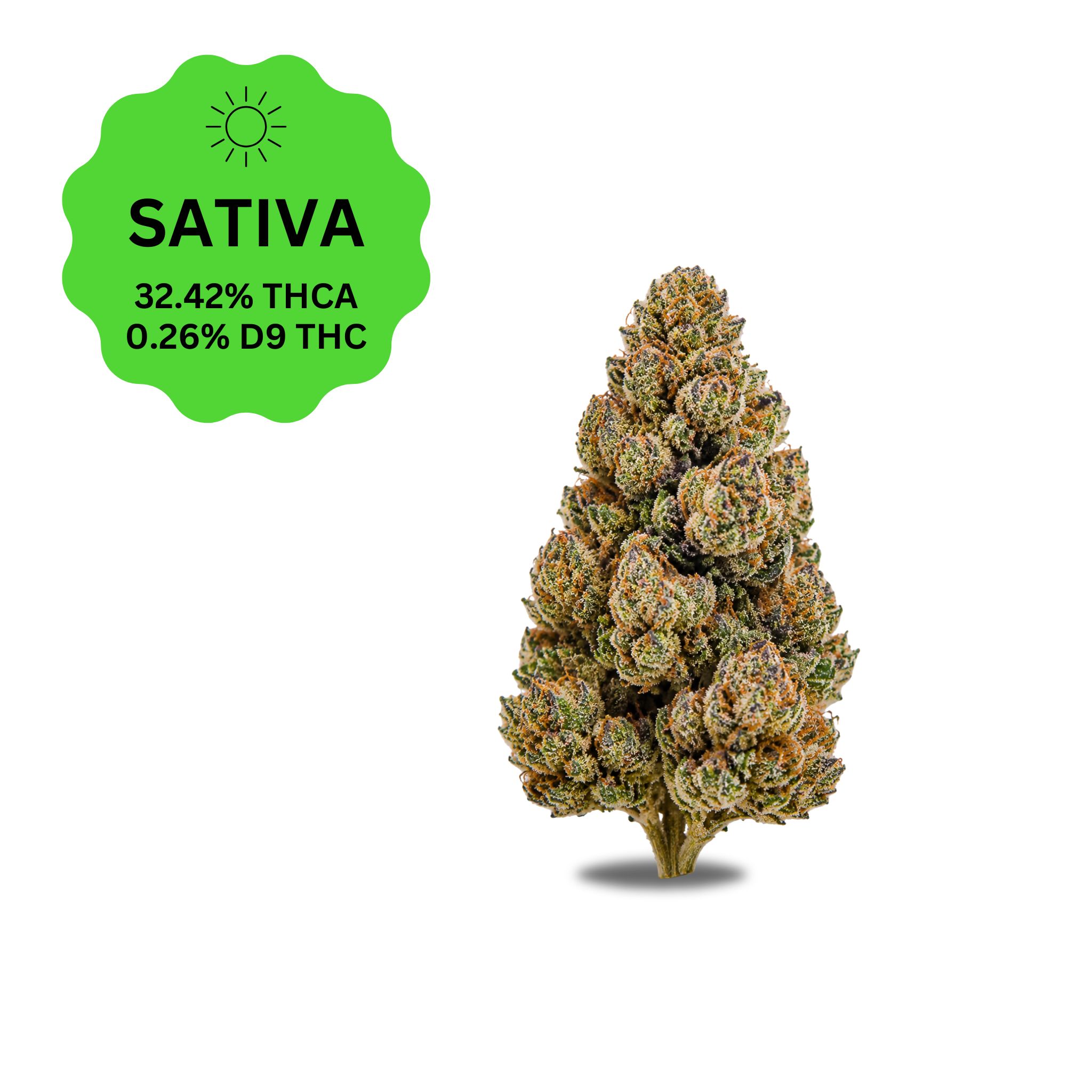
$39.99
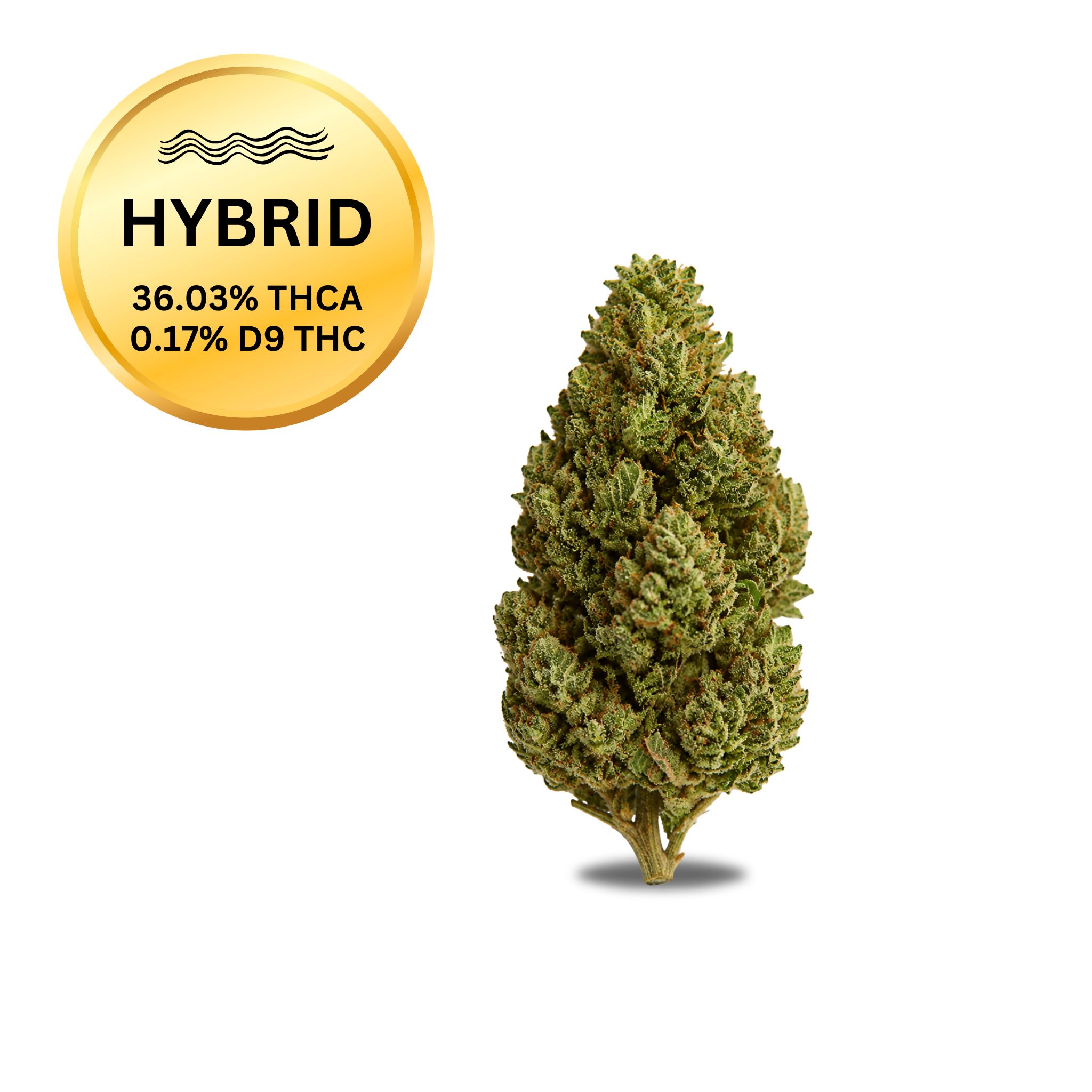
$49.99