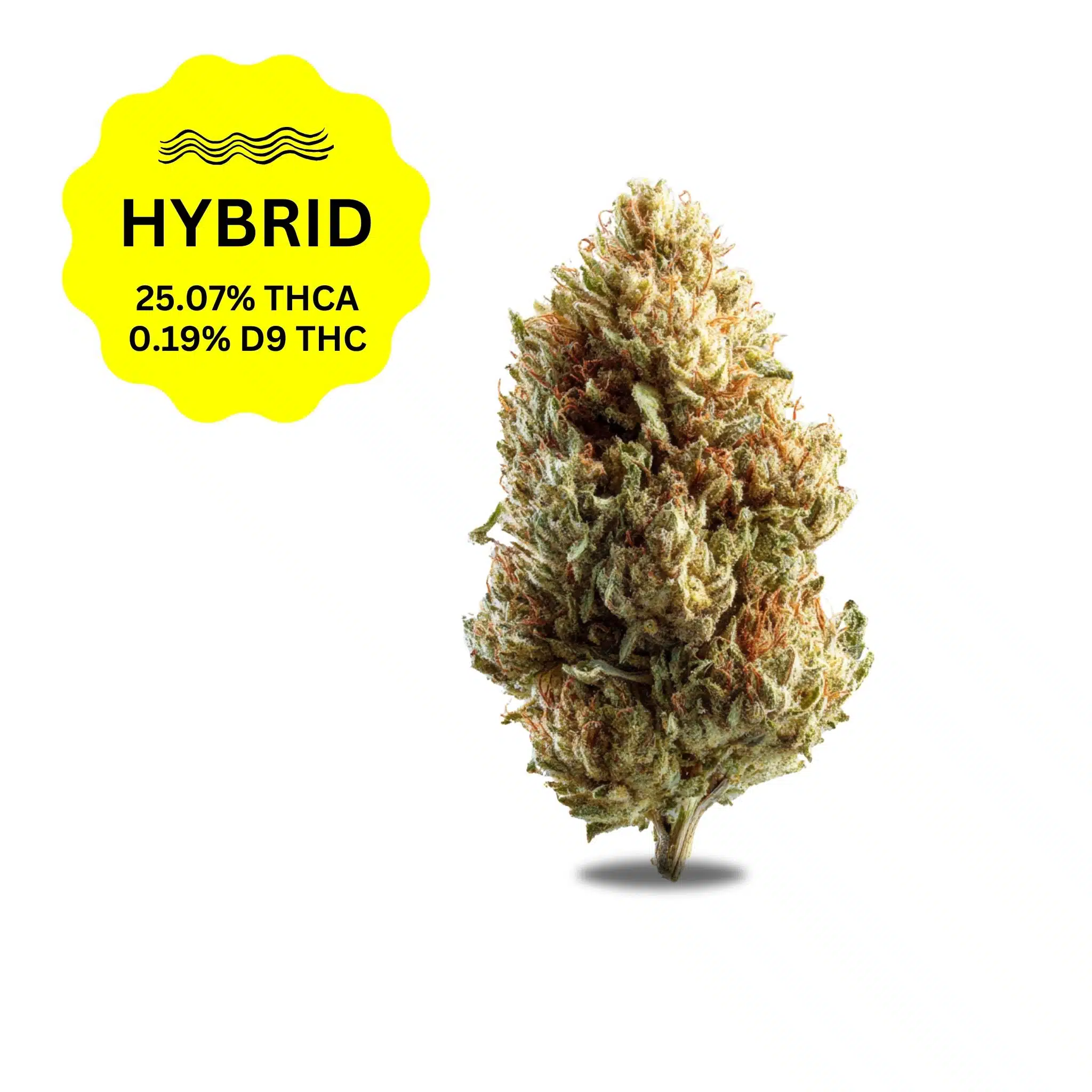


$44.99

ARE YOU 21 YEARS OF AGE OR OLDER?
REMEMBER ME
Seriously, by using this site you are confirming that you are of legal age (21+) to view and purchase these products. If you are you are not over 21. you are not authorized by us to use or view any of the pages of this site. Please review our terms and conditions at checkout for further stipulations.
FREE SHIPPING ON ALL ORDERS OVER $49 —— FREE EXPEDITED SHIPPING ON ALL ORDERS OVER $149 —— FREE SHIPPING ON ALL ORDERS OVER $49 —— FREE EXPEDITED SHIPPING ON ALL ORDERS OVER $149 —— FREE SHIPPING ON ALL ORDERS OVER $49 —— FREE EXPEDITED SHIPPING ON ALL ORDERS OVER $149 —— FREE SHIPPING ON ALL ORDERS OVER $49 —— FREE EXPEDITED SHIPPING ON ALL ORDERS OVER $149 ——
FREE SHIPPING ON ALL ORDERS OVER $49 —— FREE EXPEDITED SHIPPING ON ALL ORDERS OVER $149 —— FREE SHIPPING ON ALL ORDERS OVER $49 —— FREE EXPEDITED SHIPPING ON ALL ORDERS OVER $149 —— FREE SHIPPING ON ALL ORDERS OVER $49 —— FREE EXPEDITED SHIPPING ON ALL ORDERS OVER $149 —— FREE SHIPPING ON ALL ORDERS OVER $49 —— FREE EXPEDITED SHIPPING ON ALL ORDERS OVER $149 ——
 >
Blogs
>
THCA >
Is THCA Legal in Kentucky? – 2026 Kentucky THCA Laws Guide
>
Blogs
>
THCA >
Is THCA Legal in Kentucky? – 2026 Kentucky THCA Laws Guide
THE STATEMENTS ON THIS BLOG ARE NOT INTENDED TO DIAGNOSE, TREAT, CURE, OR PREVENT ANY DISEASE. THE FOOD AND DRUG ADMINISTRATION HAS NOT EVALUATED ANY STATEMENTS CONTAINED WITHIN THE BLOG. ATLRX DOES NOT IN ANY WAY GUARANTEE OR WARRANT THE ACCURACY, COMPLETENESS, OR USEFULNESS OF ANY MESSAGE. THE INFORMATION CONTAINED WITHIN THIS BLOG IS FOR GENERAL INFORMATIONAL PURPOSES ONLY.
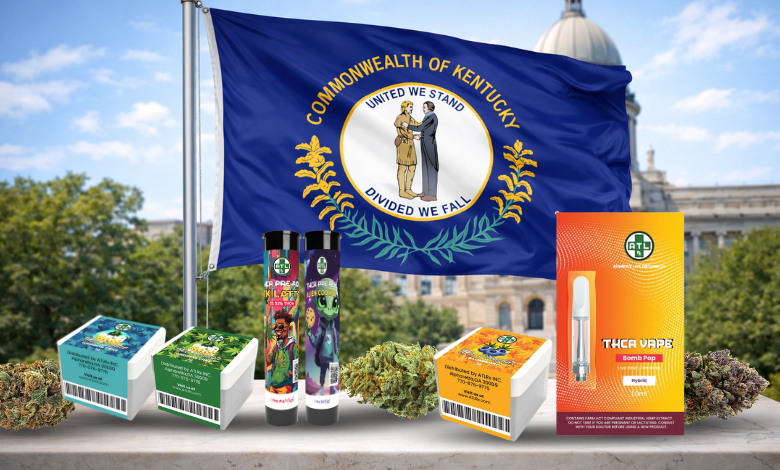
THCA Legal Status in Kentucky:
Yes, THCA is currently legal in Kentucky if it is hemp-derived, meets the state’s “total THC” threshold of 0.3%, and follows Kentucky’s product registry and flower ban rules. However, a major federal change is coming: Section 781 of the FY2026 Appropriations Act (signed November 12, 2025) will redefine “hemp” to include THCA in the total THC calculation at the federal level — and will impose a strict 0.4 mg per-container cap on consumable hemp products. This takes effect November 12, 2026. Until then, Kentucky’s existing state rules apply. Keep reading for the full breakdown of current law and what’s changing.
If you live in Kentucky and you’ve been searching “is THCA legal in Kentucky,” you are not alone. The Bluegrass State has some of the more specific — and somewhat surprising — hemp regulations in the country, and the rules for THCA in particular can catch consumers off guard.
Hemp-derived THCA is legal in Kentucky, but only under strict conditions that differ from most other states. Consumers cannot legally purchase raw hemp flower at retail. Products must be registered with the state. And Kentucky uses a “total THC” formula that counts THCA as potential THC — meaning a product can be federally compliant on Delta-9 THC alone but still fall outside Kentucky’s rules.
This guide cuts through the confusion. We will walk through the exact statutes, explain the total THC calculation, break down which product types are and are not allowed, and show you how to confirm that any product you buy is genuinely compliant. All information in this article is for general educational purposes and does not constitute legal advice. Laws change frequently — always verify with the Kentucky Department of Agriculture or a licensed legal professional before making purchasing decisions.
Table of contents:
THCA — short for tetrahydrocannabinolic acid — is the naturally occurring, non-intoxicating precursor to THC found in raw hemp and cannabis plants. In its natural state, fresh off the plant, THCA does not produce a psychoactive effect.
The chemistry changes when THCA is exposed to heat. Through a process called decarboxylation, the carboxylic acid group is removed from the THCA molecule, and it converts into Delta-9 THC, the compound commonly associated with the “high” of cannabis. This conversion happens when THCA is smoked, vaped, or baked.
This heat-triggered conversion is precisely why Kentucky and other state regulators pay close attention to THCA content — a product that appears low in THC on paper can, after heating, produce significant levels of Delta-9 THC.
| THCA | Delta-9 THC | |
| Psychoactive in raw form? | No | Yes |
| Converts upon heating? | Yes → becomes Delta-9 THC | N/A (already active) |
| Federally legal (hemp-derived, ≤0.3% D9)? | Yes | Yes |
| Counted in Kentucky’s “Total THC” calculation? | Yes | Yes |
Yes — hemp-derived THCA is legal in Kentucky under several conditions:
Kentucky’s approach is more structured than many states. It has actively adopted regulations that go beyond the federal 2018 Farm Bill baseline, adding a product registration requirement, an age restriction, and a strict interpretation of total THC that directly affects how THCA products are assessed for compliance.
On November 12, 2025, President Trump signed the Continuing Appropriations Act, 2026 (H.R. 5371). Buried inside was Section 781 — the most significant change to federal hemp law since the 2018 Farm Bill.
Section 781 rewrites the federal legal definition of “hemp” in three major ways:
These changes do NOT take effect immediately. The effective date is November 12, 2026 — exactly one year after enactment. Hemp products are legal today under Kentucky and federal law, and remain legal until that date. Industry groups are actively lobbying Congress to repeal or delay Section 781, so this landscape may still shift.
What this means for Kentucky buyers right now (as of early 2026): Kentucky’s existing state rules still govern THCA sales. The state already uses a total THC standard, so its framework partially aligns with where federal law is heading. However, the new 0.4 mg per-container federal cap for finished products is far stricter than anything currently in force at either the state or federal level. Businesses and consumers should watch November 2026 closely.
To understand why THCA in Kentucky works differently from neighboring states, you need to know two specific regulations that sit at the heart of the state’s hemp framework.
This Kentucky Administrative Regulation is the rule that most surprises consumers. Under 302 KAR 50:070, the retail sale of hemp flower — defined as whole buds, ground floral material, or other raw plant material — to the general public is prohibited.
This means that even if a product is marketed as “THCA flower,” it cannot legally be sold to consumers at a Kentucky retail location. Only licensed hemp growers, processors, and licensed handlers can possess or transfer raw hemp flower, and they may only do so between each other, not to the public.
Practical Implication: If you see THCA flower for sale on a retail shelf in Kentucky, that product is not compliant with state law, regardless of its COA or delta-9 THC levels.
Kentucky Revised Statute 260.858 establishes that anyone who handles hemp plants or raw plant material — including THCA flower — without a proper state license can face penalties equivalent to those for handling marijuana. This statute reinforces why the retail flower restriction carries real legal weight.
More recently, Kentucky added additional layers of regulation for adult-use hemp products. Processed hemp products sold to consumers must stay within applicable total THC limits after decarboxylation, and all adult-use hemp cannabinoid products must be registered with the Kentucky Cabinet for Health and Family Services (CHFS) Approved Product Registry before they can be legally sold at retail.
Retailers must hold a permit, and every individual product SKU they stock must appear on that registry. A COA alone does not confirm that a product is legal to sell in Kentucky — the specific product must also be registered.
Kentucky Senate Bill 202, signed into law by Governor Beshear on March 25, 2025, created a new regulatory layer specifically for cannabis-infused beverages (CIBs). Under SB 202, intoxicating hemp-derived beverages may only be sold by licensed retailers — specifically, quota retail package stores (liquor stores) — and only in packaged form for off-premise consumption. Single-can sales at bars and restaurants have been banned since June 2025. Beverages are capped at 5 mg of intoxicating cannabinoids per serving and are restricted to adults 21+. The Kentucky Department of Alcoholic Beverage Control (ABC) now oversees this category and has until July 1, 2026, to finalize its own regulations for cannabis beverages.
Practical Note: If you are looking for hemp-derived THC beverages in Kentucky, you can only purchase them at licensed liquor stores starting in 2026. Bars, restaurants, and most convenience stores cannot legally sell them by the can.
This is one of the most important distinctions between Kentucky and many other states, and it is the detail that causes the most confusion when consumers read COAs.
Federally, the 2018 Farm Bill defined hemp based on Delta-9 THC content only: a product with 0.3% or less Delta-9 THC on a dry-weight basis was legally hemp. A product could theoretically have 25% THCA and still be “federally compliant” on that narrow measure alone.
Kentucky closed that gap years ago. And as of November 2025, federal law is catching up: Section 781 of the FY2026 Appropriations Act now also defines hemp using a total THC standard that explicitly includes THCA — though this federal change doesn’t take effect until November 12, 2026. For now, Kentucky’s state formula governs compliance for products sold in the state.
The state uses a total THC formula that accounts for THCA’s conversion potential:
Total THC = Delta-9 THC + (THCA × 0.877)
The 0.877 factor represents the molecular weight ratio — when THCA loses its carboxylic acid group during decarboxylation, the resulting THC molecule is slightly lighter. Multiplying THCA by 0.877 gives the amount of Delta-9 THC that would be produced if all the THCA were converted.
The practical result: any THCA product with a significant THCA concentration will likely exceed 0.3% total THC under this formula. This is why, in Kentucky, high-potency THCA flower — even when technically sourced from hemp with low Delta-9 THC — does not comply with state law.
A Certificate of Analysis (COA) is the lab report issued by a third-party testing facility.
When reviewing a COA for Kentucky compliance, look for three specific figures:
If the COA only reports Delta-9 THC and not total THC, or if total THC is not calculated using the decarboxylation formula, you cannot confirm compliance with Kentucky’s standard from that document alone.
Given the total THC rule and the flower retail ban, here is a clear summary of which product types can and cannot be legally purchased by consumers in Kentucky.
| Product Type | Legal for Consumers? | Key Requirement |
| THCA Vape Cartridges | Yes, if registered & compliant | Must appear on CHFS registry; total THC ≤0.3% |
| THCA Gummies / Edibles | Yes, if registered & compliant | Must appear on CHFS registry; total THC ≤0.3% |
| THCA Tinctures | Yes, if registered & compliant | Must appear on CHFS registry; total THC ≤0.3% |
| THCA Concentrates (processed) | Depends on total THC level | If total THC >0.3% after formula, not compliant |
| THCA Pre-Rolls / Raw Flower | No — banned at retail | 302 KAR 50:070 prohibits retail sale to the public |
| THCA Flower (whole buds) | No — banned at retail | 302 KAR 50:070 prohibits retail sale to the public |
| THCA Diamonds / Isolate | Depends on total THC level | If total THC >0.3%, not compliant for retail |
The key takeaway: processed THCA formats — vapes, gummies, tinctures — can be legally sold and purchased in Kentucky, provided they are registered with the CHFS Approved Product Registry and their total THC stays within the 0.3% limit under the decarboxylation calculation. Raw flower formats are banned for retail consumers regardless of THC levels.
Knowing the rules is one thing. Confirming that a specific product actually follows them is another. Here is a straightforward four-step checklist before purchasing any THCA product in Kentucky.
At ATLRx, all of our products are sourced from reputable suppliers and come with third-party Certificates of Analysis you can verify before purchase. You can review our full COA library on our Lab Results page.
An important distinction that many people miss: Kentucky launched a medical cannabis program on January 1, 2025. This program is entirely separate from the adult-use hemp market discussed above and operates under different rules.
Under the medical cannabis program, registered patients with qualifying conditions can access cannabis products — including THCA — through licensed dispensaries. These dispensaries operate under Kentucky’s medical cannabis framework, which has its own testing, labeling, and product requirements distinct from the hemp regulations covered in this article.
If you are a patient with a qualifying condition, the medical cannabis program may give you access to a broader range of THCA products under a physician’s supervision. If you are not a registered medical cannabis patient, the hemp-derived THCA rules described throughout this article apply to you.
| Adult-Use Hemp THCA | Medical Cannabis Program | |
| Who it applies to | Any adult 21+ | Registered patients with qualifying conditions |
| Products available | Registered, processed hemp products only; no flower | Broader range via licensed dispensaries |
| Governing authority | Kentucky Dept. of Agriculture / CHFS | Kentucky Medical Cannabis Program |
| Requires prescription? | No | Requires physician certification |
| Available since | Ongoing (with 2024–2025 rule updates) | January 1, 2025 |
Given Kentucky’s retail restrictions, many consumers in the state turn to reputable online retailers who understand the regulatory framework and can supply compliant products.
At ATLRx, we carry a broad selection of hemp-derived THCA products — including THCA vape cartridges, THCA concentrates, THCA pre-rolls, and THCA diamonds — all sourced from trusted suppliers and accompanied by third-party Certificates of Analysis. We are committed to full compliance and transparent lab testing across our entire THCA catalog.
When shopping for THCA from any online retailer, apply the four-step verification checklist above. Confirm that the specific product is registered where required, check the COA for total THC (not just Delta-9), and avoid any retailer that cannot provide batch-specific lab documentation.

Important Notice: Regarding Online Shipping After November 12, 2026: Federal Section 781 will reclassify most consumable hemp THCA products as Schedule I controlled substances under federal law once its effective date arrives. Interstate shipment of non-compliant products will become federally prohibited. Until then, compliant hemp THCA products may continue to be shipped to Kentucky. We strongly recommend purchasing from retailers who are proactively monitoring Section 781 developments and will update their product lines accordingly.
Kentucky’s laws are subject to change at both the state and federal levels. We recommend bookmarking the Kentucky Department of Agriculture’s hemp program page, the CHFS registry, and monitoring Congress’s actions on Section 781 before any significant purchase.
Yes, hemp-derived THCA is currently legal in Kentucky in 2026, provided the product meets the state’s total THC limit of 0.3% (calculated using the decarboxylation formula), is registered with the CHFS Approved Product Registry if sold as an adult-use hemp product, and is not raw hemp flower sold to consumers at retail. However, a major federal change takes effect on November 12, 2026, under Section 781, which will reclassify most consumable THCA products as federally illegal. Monitor developments closely.
Section 781 of the FY2026 Appropriations Act (P.L. 119-37), signed November 12, 2025, rewrites the federal definition of hemp to include THCA in the total THC calculation and imposes a 0.4 milligrams-per-container cap on finished consumable hemp products. This effectively bans most THCA gummies, vapes, beverages, and high-potency flower at the federal level. The effective date is November 12, 2026. Until then, existing state and federal rules remain in force. Kentucky’s own total THC standard already aligns with the new federal direction on the 0.3% plant-level metric, but the 0.4 mg per-container cap for finished products is a new and far stricter requirement that most current products do not meet.
No. Under 302 KAR 50:070, the retail sale of hemp flower — including whole buds and ground floral material marketed as THCA flower — to consumers is prohibited in Kentucky. Only licensed hemp industry participants can possess or transfer raw hemp flower, and only between other licensed parties.
Currently, yes — hemp-derived THCA products that comply with both federal and Kentucky state law can be shipped to Kentucky. However, this is set to change. Under Section 781 (effective November 12, 2026), most consumable THCA products will be reclassified under the Controlled Substances Act, making interstate shipment of non-compliant products federally illegal. Consumers ordering online in 2026 should confirm that their retailer is aware of and preparing for Section 781 compliance.
Kentucky applies a total THC limit of 0.3% on a dry-weight basis. Unlike the federal standard, which looks only at Delta-9 THC, Kentucky uses the formula Total THC = Delta-9 THC + (THCA × 0.877) to account for the THC that would be produced if THCA were converted upon heating.
Yes. Kentucky factors THCA into its total THC calculation using the decarboxylation conversion formula. This means a product with low Delta-9 THC but high THCA can still exceed the 0.3% threshold and be considered non-compliant under Kentucky law.
The CHFS (Cabinet for Health and Family Services) Approved Product Registry is Kentucky’s state registry for adult-use hemp cannabinoid products. Before a processed hemp product — such as a THCA gummy or vape cart — can be legally sold at retail in Kentucky, the specific product must appear on this registry. A COA alone does not substitute for registry listing.
Yes, possessing compliant hemp-derived THCA products in Kentucky is legal for adults. Products must meet the total THC requirements and, if purchased at retail, must be from registered sellers carrying registered products. Consuming raw hemp flower is not legally protected under the state’s current framework.
Yes. Both THCA and THC are metabolized into the same compound (THC-COOH) by the body, and standard drug tests detect this metabolite. Using THCA products — especially heated forms — can result in a positive drug test result. If you are subject to drug testing, consult your employer’s policy before using any cannabinoid product.
Verify four things: (1) the product appears on the CHFS Approved Product Registry; (2) you can access a batch-specific COA; (3) the COA shows total THC — calculated with the decarboxylation formula — at or below 0.3%; and (4) the product is not raw hemp flower or ground floral material.
THCA is the non-intoxicating acid form of THC found in raw hemp and cannabis plants. It does not produce psychoactive effects in its natural state. When THCA is exposed to heat through smoking, vaping, or cooking, it converts to Delta-9 THC through decarboxylation, producing the intoxicating effects associated with THC.

February 25, 2026
February 25, 2026
February 25, 2026
February 24, 2026
February 24, 2026
$44.99

$6.99
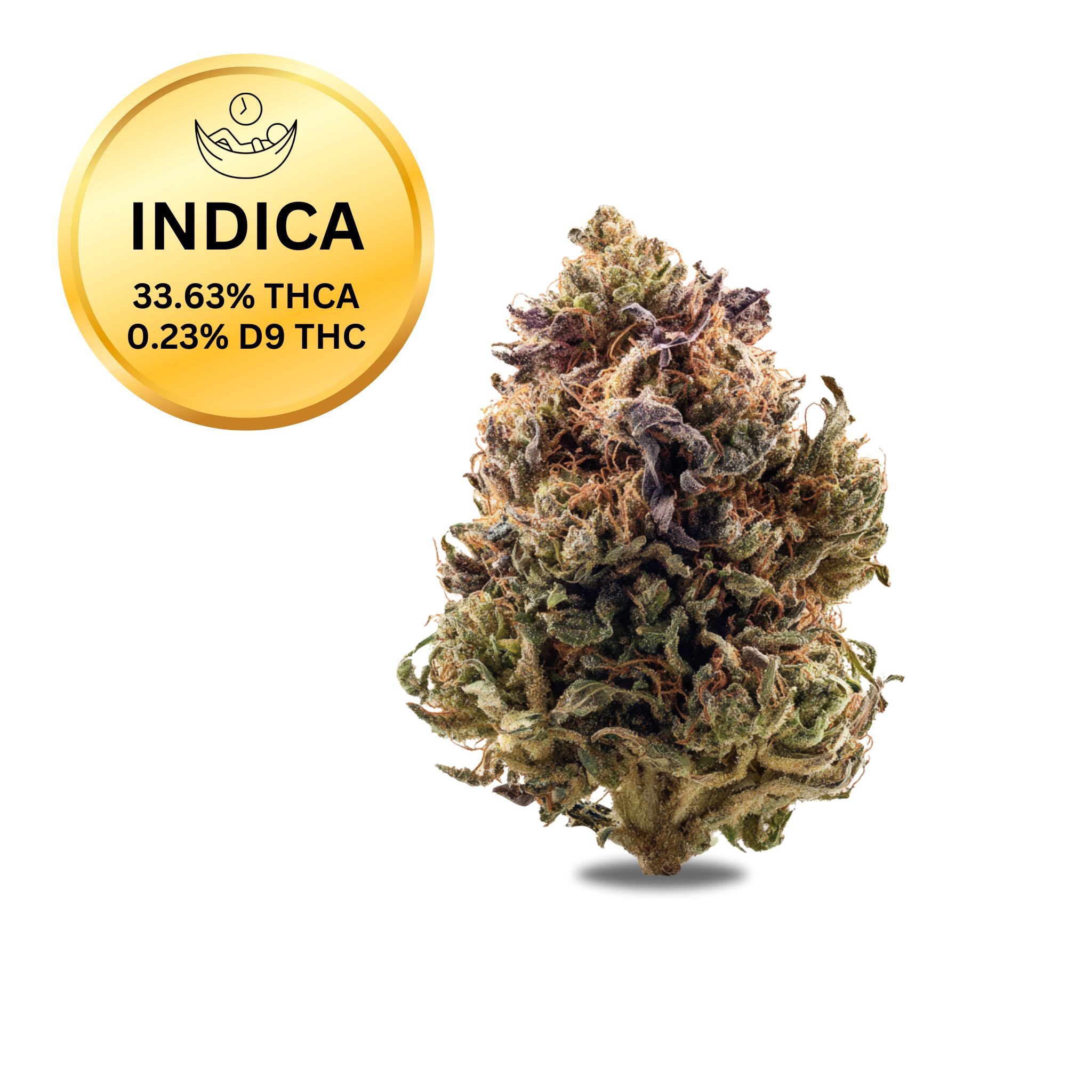
$49.99
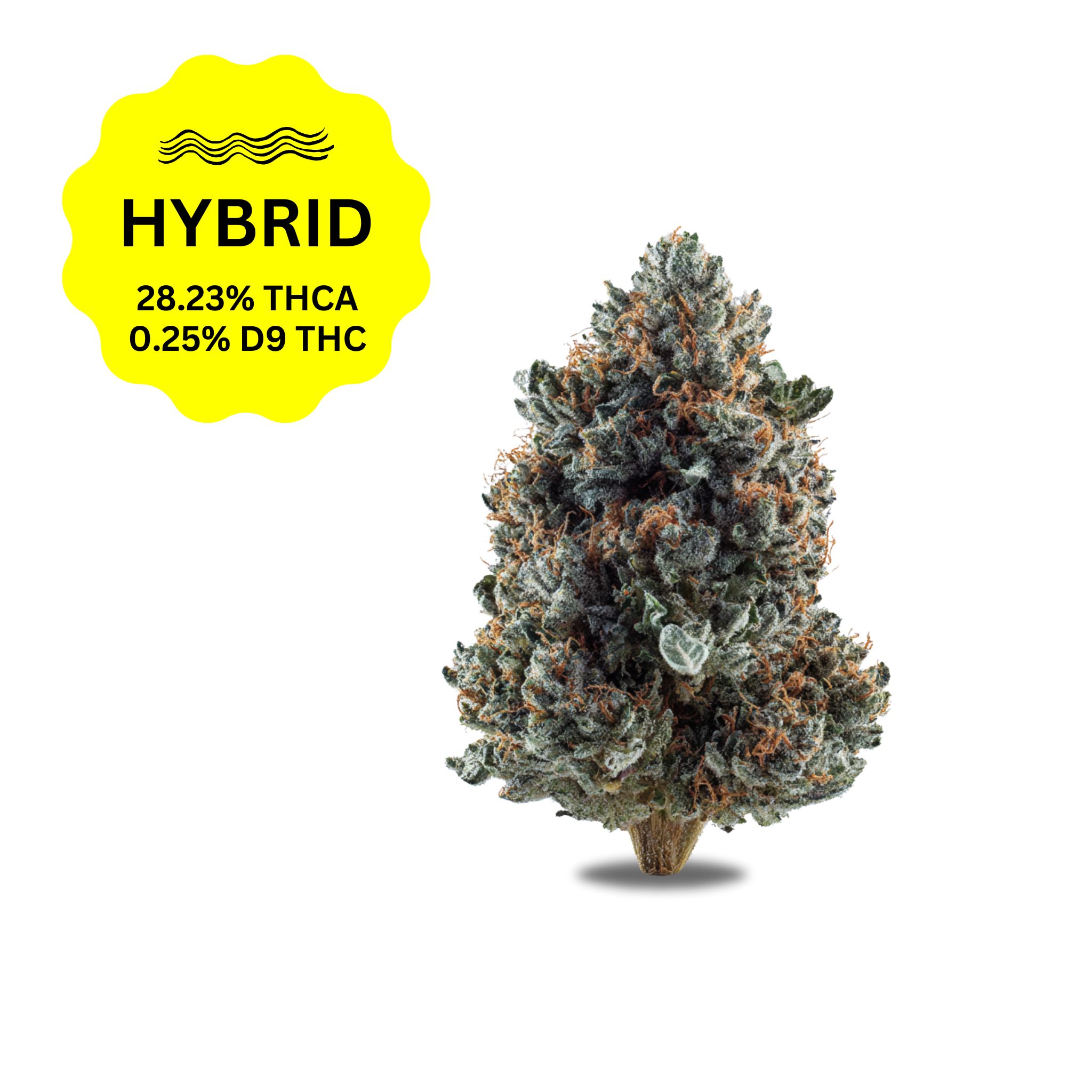
$39.99
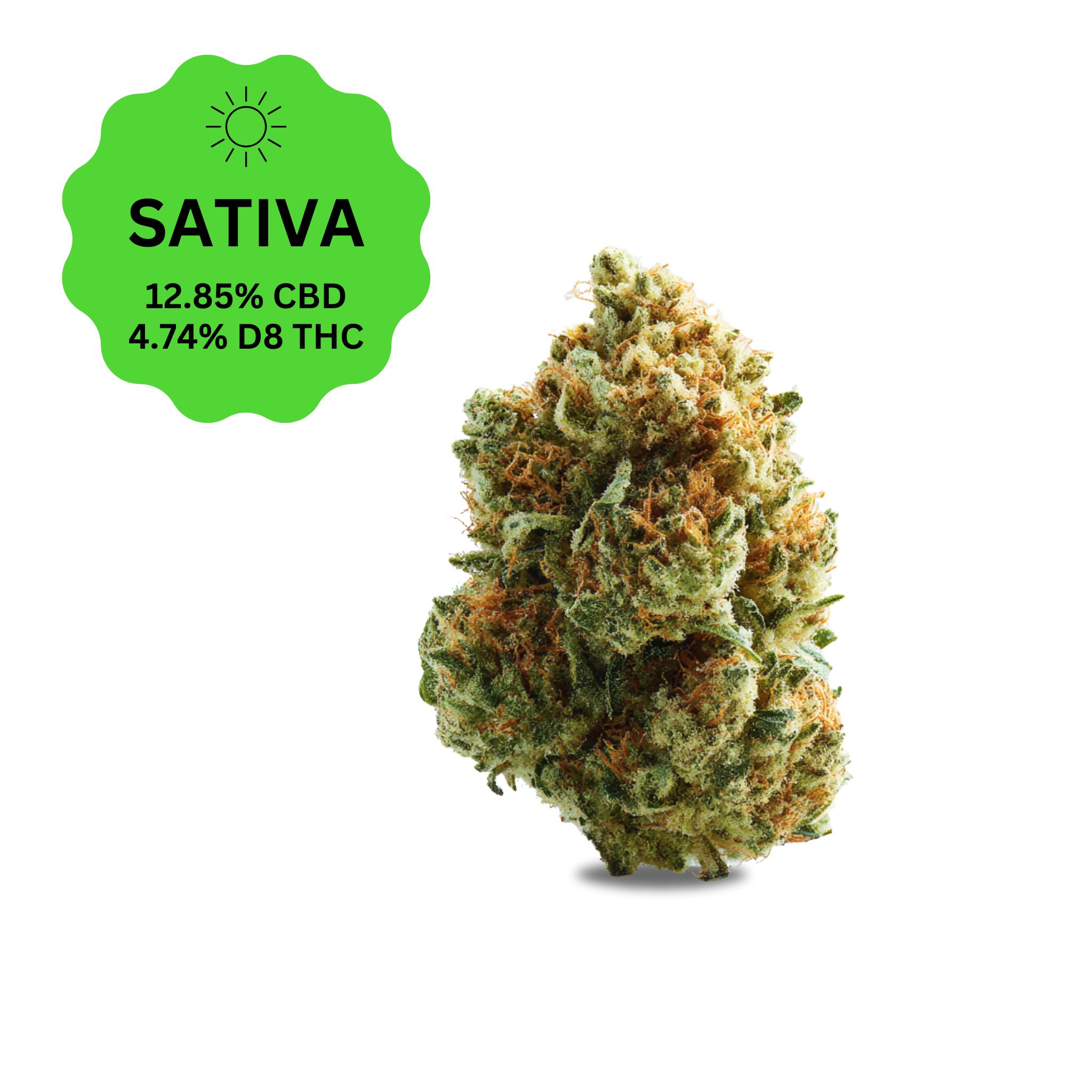
$29.99
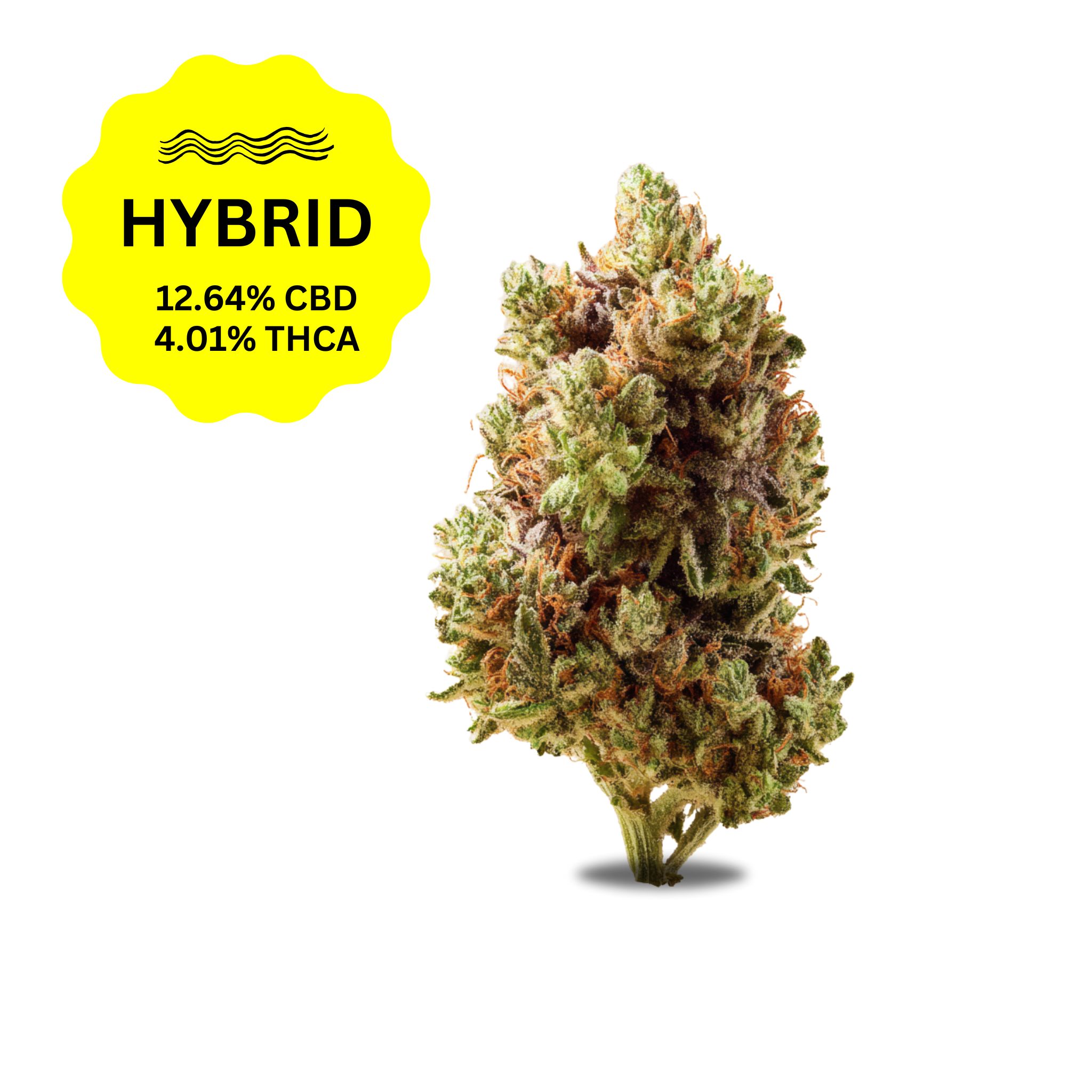
$29.99

$14.99