

$34.99
ARE YOU 21 YEARS OF AGE OR OLDER?
REMEMBER ME
Seriously, by using this site you are confirming that you are of legal age (21+) to view and purchase these products. If you are you are not over 21. you are not authorized by us to use or view any of the pages of this site. Please review our terms and conditions at checkout for further stipulations.
FREE SHIPPING ON ALL ORDERS OVER $49 —— FREE EXPEDITED SHIPPING ON ALL ORDERS OVER $149 —— FREE SHIPPING ON ALL ORDERS OVER $49 —— FREE EXPEDITED SHIPPING ON ALL ORDERS OVER $149 —— FREE SHIPPING ON ALL ORDERS OVER $49 —— FREE EXPEDITED SHIPPING ON ALL ORDERS OVER $149 —— FREE SHIPPING ON ALL ORDERS OVER $49 —— FREE EXPEDITED SHIPPING ON ALL ORDERS OVER $149 ——
FREE SHIPPING ON ALL ORDERS OVER $49 —— FREE EXPEDITED SHIPPING ON ALL ORDERS OVER $149 —— FREE SHIPPING ON ALL ORDERS OVER $49 —— FREE EXPEDITED SHIPPING ON ALL ORDERS OVER $149 —— FREE SHIPPING ON ALL ORDERS OVER $49 —— FREE EXPEDITED SHIPPING ON ALL ORDERS OVER $149 —— FREE SHIPPING ON ALL ORDERS OVER $49 —— FREE EXPEDITED SHIPPING ON ALL ORDERS OVER $149 ——
 >
Blogs
>
THCA >
Is THCA Legal in Alabama? – 2026 State Law Explained
>
Blogs
>
THCA >
Is THCA Legal in Alabama? – 2026 State Law Explained
THE STATEMENTS ON THIS BLOG ARE NOT INTENDED TO DIAGNOSE, TREAT, CURE, OR PREVENT ANY DISEASE. THE FOOD AND DRUG ADMINISTRATION HAS NOT EVALUATED ANY STATEMENTS CONTAINED WITHIN THE BLOG. ATLRX DOES NOT IN ANY WAY GUARANTEE OR WARRANT THE ACCURACY, COMPLETENESS, OR USEFULNESS OF ANY MESSAGE. THE INFORMATION CONTAINED WITHIN THIS BLOG IS FOR GENERAL INFORMATIONAL PURPOSES ONLY.
THCA Legal Status in Alabama:
Yes, Hemp-derived THCA is legal in Alabama only in non-smokable forms. As of January 1, 2026, Alabama’s HB 445 will ban all smokable hemp products, including THCA flower, pre-rolls, and vapes, and make possession a Class C felony.
Non-smokable products such as tinctures, edibles, and concentrates remain in a restricted-but-permitted category, subject to ABC Board licensing, potency caps (10 mg total THC per serving / 40 mg per container), and strict labeling requirements. A new 2026 bill, SB 1, proposes reclassifying psychoactive hemp cannabinoids as Schedule I controlled substances—a development every THCA consumer and retailer should monitor closely.
If you live in Alabama and you’re asking, “Is THCA legal in Alabama?”—you’re not alone. With hemp-derived cannabinoids exploding in popularity, Alabama’s complex patchwork of state and federal laws has left many consumers and retailers confused about what is actually permitted, what has changed, and what could change next.
Alabama has always maintained some of the stricter cannabis laws in the Southeast, and its legislative activity in 2025 and into 2026 has made the picture even more nuanced. HB 445 went into full enforcement on January 1, 2026. A new bill, SB 1, was introduced in the 2026 legislative session and proposes going even further. And a federal law set to take effect in November 2026 could dramatically reshape the entire hemp market nationwide.
In this guide, we walk through everything you need to know about THCA legality in Alabama: the federal baseline, the key Alabama state laws, the major 2025–2026 legislative changes, which product types remain available, what the emerging threats look like, and what to look for when choosing a compliant product.
Table of contents:
Tetrahydrocannabinolic acid is the chemical name for THCA. Cannabis and hemp both contain cannabinoids that are naturally occurring in the plant. The unheated form of THCA is not psychoactive, meaning it does not produce intoxicating effects on its own.
When THCA is exposed to heat through decarboxylation, such as smoking, vaping, or baking, it loses a carboxyl group and converts into Delta-9 THC. THCA’s conversion is at the center of nearly all legal debates.
Because THCA exists in its non-converted state at low Delta-9 THC levels, hemp-derived THCA products can technically comply with federal hemp laws while still containing the chemical precursor to THC. This is what has made THCA one of the most widely discussed and closely watched cannabinoids in the hemp industry.
THCA is different from CBD. CBD (cannabidiol) does not convert to a psychoactive compound when heated. THCA does. That distinction is important both chemically and legally, and it is why state legislatures like Alabama’s have begun specifically targeting THCA in their hemp regulations.
2018 Farm Bill. This legislation defined hemp as any Cannabis sativa L. plant or derivative containing no more than 0.3% Delta-9 THC by dry weight.
As THCA is not Delta-9 THC in its raw form, hemp-derived THCA products can meet this federal threshold if they contain less than 0.3% Delta-9 THC before heating. This has allowed THCA products, including concentrates and tinctures, to be sold across many states as technically legal hemp products.
However, the Farm Bill does not specifically address THCA or its potential conversion to Delta-9 THC. Federal agencies and states have been left to interpret how this conversion affects a product’s legal classification. This ambiguity is precisely what has led states like Alabama to pass their own legislation targeting THCA specifically.
Important: Federal legality does not guarantee state-level legality. Even if a THCA product is federally compliant at 0.3% Delta-9 THC before heating, it may still be restricted or prohibited under Alabama law.
Hemp products in Alabama are legal thanks to Senate Bill 225, which legalized hemp and removed hemp-derived cannabinoids from the state’s controlled substances list. Under SB 225, hemp-derived products containing less than 0.3% Delta-9 THC by dry weight were permitted for sale and possession in Alabama.
Alabama subsequently passed SB 66, which brought hemp-derived psychoactive cannabinoids—including Delta-8 THC and others—under additional state regulatory oversight. Under SB 66, intoxicating hemp cannabinoids became legal for adults 21 and older, establishing an age requirement for purchase. This bill signaled that Alabama was aware of the gray areas in hemp law and was beginning to address them legislatively.
House Bill 445 (HB 445) was signed by Governor Kay Ivey in May 2025. The law went into effect in two phases: the smokable hemp ban took effect July 1, 2025, and the full licensing, labeling, and enforcement framework became active on January 1, 2026.
Under HB 445, Alabama now bans the sale and possession of all smokable hemp products, including:
The ban applies regardless of Delta-9 THC content. Even if a THCA flower product contains less than 0.3% Delta-9 THC and is technically Farm Bill compliant, it is prohibited if it is smokable under HB 445.
Criminal Penalty: Violations of the smokable hemp ban under HB 445 are classified as a Class C felony in Alabama, with fines up to $15,000 and potential jail time of one to ten years. To put this in perspective, legal experts have noted this is the same criminal liability as possession of 1 gram of cocaine or methamphetamine in Alabama.
With the January 1, 2026, enforcement date now passed, HB 445 is fully active. Key enforcement realities consumers and retailers should understand:
HB 445 also creates important restrictions around shipping THCA products into Alabama. Consumable hemp products cannot be sold online or delivered directly to Alabama consumers under the new law. While federally compliant, non-smokable THCA products may still be shipped in some circumstances, anyone ordering THCA products for delivery to an Alabama address should verify current shipping legality with a legal professional before doing so.
The Alabama ABC Board may sell consumable hemp products. It is a Class C felony to operate without a license.
The licensing structure includes three permitted retail categories:
Additional retailer obligations under HB 445 include:
Under Alabama’s updated regulations, non-smokable consumable hemp products are subject to the following potency limits:
Active Legislative Threat: Alabama SB 1 was introduced in the 2026 legislative session (which opened January 13, 2026) and is currently pending in the Senate Healthcare Committee. This bill has not passed. If it does, it would represent the most severe restriction on hemp-derived cannabinoids in Alabama’s history.
Sponsored by Senator April Weaver, SB 1 goes far beyond HB 445 and proposes:
There is an important wrinkle: President Trump announced the federal rescheduling of marijuana from Schedule I to Schedule III after SB 1 was prefiled. Legal observers note this may undermine SB 1’s primary enforcement mechanism and could complicate its passage.
SB 1 represents the more extreme end of Alabama’s legislative direction. Even if it does not pass in its current form, its existence signals that lawmakers are actively seeking to further restrict hemp-derived cannabinoids beyond what HB 445 already requires.
What SB 1 Means for THCA Consumers Right Now: SB 1 has not passed and is not yet law. HB 445 remains the governing framework. However, consumers and retailers should monitor the 2026 legislative session closely. If SB 1 or a modified version passes, THCA products currently legal under HB 445 could become criminal offenses under Alabama law.
November 13, 2026: Congress passed HR 5371 (Section 781) as part of the government funding legislation. It is set to take effect on November 13, 2026. This law would impose restrictions far stricter than Alabama’s current HB 445 rules.
Key provisions of HR 5371 include:
Alabama retailers who are gearing up for HB 445 compliance should be aware that, regardless of what they invest in state licensing, the federal rules could override all of it in less than a year. Legal experts and industry associations are actively working to modify or delay HR 5371 before its effective date.
The following table summarizes the current legal status of common THCA product types in Alabama based on HB 445 as of January 2026. Please note that this is intended for general reference only and does not constitute legal advice. Always verify current status with a licensed attorney.
| Product Type | Before HB 445? | After HB 445 (Jan 2026)? | Notes |
|---|---|---|---|
| THCA Flower | ✅ Yes | ❌ BANNED | Smokable hemp. Possession is a Class C felony. |
| THCA Pre-Rolls | ✅ Yes | ❌ BANNED | Banned as smokable hemp regardless of Delta-9 THC content. |
| THCA Vape Carts / Disposables | ✅ Yes | ❌ BANNED | Inhalable products banned under HB 445. |
| THCA Edibles (Gummies, Capsules) | ✅ Yes | ⚠️ Restricted | Legal if under 10 mg total THC/serving, individually wrapped, and sold by licensed retailer. |
| THCA Beverages | ✅ Yes | ⚠️ Restricted | Max 10 mg/serving; serving size max 12 fl oz; carton max 4 containers; licensed retailer required. |
| THCA Tinctures / Sublinguals | ✅ Yes | ⚠️ Restricted | Legal in non-smokable format; max 40 mg total THC per product; licensed retailer required. |
| THCA Concentrates (Dabs, Crumble, Diamonds) | ✅ Yes | ⚠️ Gray Area | Not explicitly smokable but intended use matters. Verify compliance before purchasing. |
| THCA Isolate Powder | ✅ Yes | ⚠️ Gray Area | Raw form; legality depends on intended use and total THC content. Consult legal counsel. |
Always verify product compliance with current Alabama law. If SB 1 passes in the 2026 session, the legal status of many of the “Restricted” and “Gray Area” products above could change significantly.
With THCA products evolving rapidly and Alabama’s regulations tightening, choosing a reputable, compliant source matters more than ever. Here is what to look for:
A reputable THCA product should come with a batch-specific Certificate of Analysis (COA) from an independent, accredited laboratory. According to the COA, it should confirm:
Check Lab Results before purchasing. Under HB 445, retailers must be able to immediately produce COAs on request—any product sold without one can be seized as contraband.
Compliant THCA products under Alabama’s HB 445 must display:
Be cautious of products that omit Delta-9 THC figures, lack a batch number, or make unapproved claims.
Confirm that any THCA product is derived from federally legal hemp—not marijuana. Hemp-derived THCA products will clearly state their origin on the label and COA. Products from marijuana plants are subject to entirely different (and much stricter) legal treatment.
Choose brands that are transparent about their sourcing, testing, manufacturing standards, and compliance practices. A trustworthy brand will make its COAs readily available, clearly list its hemp sources, and stay current with state-by-state law changes. ATLRx is committed to full compliance with all applicable state and federal hemp regulations and updates its product offerings as laws evolve.
Given Alabama’s recent legislative changes, knowing where to source THCA products safely and legally is critical. Here are the main options:
You can buy the THCA Products from the most reputable brand like ATLRx. For non-smokable THCA products—such as tinctures and certain concentrates—purchasing from a reputable online hemp retailer may remain an option for some product types, provided the products comply with both federal and Alabama state law. Note that HB 445 prohibits direct delivery of consumable hemp products; verify current shipping rules before ordering.
Our team is available to answer compliance questions.
By January 1, 2026, only ABC Board-licensed retailers will be allowed to sell consumable hemp products in Alabama. When purchasing in-store, always ask for COAs and verify that products meet Alabama’s potency limits. Licensed retailers are subject to inspections and must maintain COA records for all products.
Avoid purchasing THCA flower, pre-rolls, or vape products for use in Alabama—these are banned under HB 445, and possession is a Class C felony. Also, avoid products from gas stations, convenience stores, or informal sellers who may not carry COAs, may not be ABC Board-licensed, or may not keep up with regulatory changes.
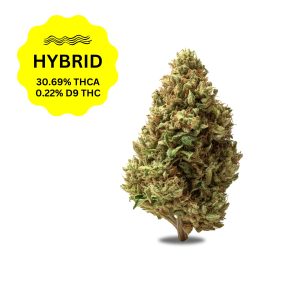
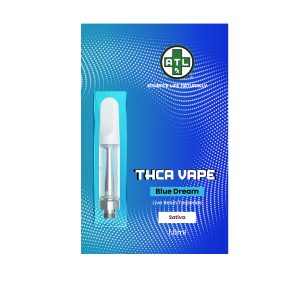
Alabama’s hemp regulatory environment is one of the most rapidly changing in the Southeast. Between HB 445 (now fully enforced), SB 1 (pending in the 2026 session), and the looming federal HR 5371 deadline in November 2026, the legal landscape for THCA in Alabama looks very different from even 12 months ago—and it may look very different again 12 months from now.
To stay current, monitor the following:
alison.legislature.state.al.us — the official source for HB 445, SB 1, and any new hemp legislation
alabcboard.gov — for licensing updates affecting hemp retailers
U.S. Congress legislation tracker for HR 5371 — the federal law taking effect in November 2026.
If you are a retailer operating in Alabama, consulting a licensed attorney with cannabis industry experience is strongly recommended as you navigate the 2026 licensing requirements and prepare for potential further changes.
Yes. Hemp-derived THCA is permitted in Alabama in non-smokable forms, provided it contains less than 0.3% Delta-9 THC by dry weight, meets Alabama’s potency limits (10 mg total THC per serving, 40 mg per container for most non-edible products), and is sold by an ABC Board-licensed retailer. Smokable THCA—including flower, pre-rolls, and vapes—is banned under HB 445, and possession is a Class C felony. Watch the 2026 legislative session for updates on SB 1.
No. THCA flower is banned in Alabama under HB 445. Even if the flower contains less than 0.3% Delta-9 THC and would otherwise be federally compliant, smokable hemp products are prohibited under Alabama state law. Possession is classified as a Class C felony with fines up to $15,000 and jail time of one to ten years.
Under HB 445, hemp products cannot be sold online or delivered directly to Alabama consumers. For non-smokable products, the rules are less settled, but smokable THCA products (flower, pre-rolls, vapes) are clearly banned. Check the product type and current law, and consult a legal professional before ordering.
SB 1 is a bill introduced in Alabama’s 2026 legislative session that would classify psychoactive hemp cannabinoids—including Delta-8, Delta-10, and by extension THCA—as Schedule I controlled substances. If passed, it would effectively ban all intoxicating hemp products and limit CBD-type products to pharmacy sales only. SB 1 has not passed as of February 2026 and is pending in the Senate Healthcare Committee. It represents a significant legislative threat that every THCA consumer and retailer in Alabama should monitor.
HR 5371 is a federal law passed by Congress in November 2025 that is set to take effect on November 13, 2026. It imposes a THC cap of 0.4 milligrams per serving—far stricter than Alabama’s current 10 mg per serving limit. If it takes effect as written, most currently legal hemp edibles and beverages in Alabama would become federally prohibited. A number of industry groups are actively working to modify the law before its effective date.
House Bill 445 is Alabama legislation passed in 2025 and fully in effect as of January 1, 2026. The law bans all smokable hemp products, including THCA flower, pre-rolls, and vape cartridges. It also establishes ABC Board licensing requirements for all hemp retailers, sets potency limits on non-smokable products, imposes a 10% excise tax, and prohibits online sales and direct delivery. Violations are classified as a Class C felony.
Hemp-derived THCA was removed from Alabama’s controlled substances list under SB 225. HB 445 has effectively re-criminalized smokable THCA products but has not reclassified THCA itself as a controlled substance. SB 1 (2026) proposes doing exactly that—classifying psychoactive hemp cannabinoids as Schedule I. Monitor the Alabama Legislature for updates.
Yes, THCA edibles may be legal in Alabama when they contain less than 0.3% Delta-9 THC, do not exceed 10 mg total THC per serving, are individually wrapped in single-serve packaging, comply with Alabama’s labeling requirements, and are sold by an ABC Board-licensed retailer.
No. THCA vape cartridges and disposable vapes are banned under HB 445 as smokable/inhalable hemp products. Possession is a Class C felony.
Yes. THCA can metabolize into THC-COOH, the same metabolite detected by most standard drug tests. Whether you consume THCA in raw form or by heating it, there is a risk of testing positive on a drug screening. Before using any THCA product, consult a medical professional if you are subject to drug testing.
Adults must be 21 years of age or older to purchase hemp-derived psychoactive cannabinoids, including THCA. Retailers are required to verify age at the point of sale, and ABC Board-licensed retailers are specifically required to restrict access to patrons 21 and older.
Not currently, but the gap is narrowing. Recreational marijuana use remains illegal in Alabama. Hemp-derived THCA products in non-smokable forms are permitted when they meet state requirements. However, HB 445 has banned smokable THCA with felony-level penalties, and SB 1 could potentially reclassify psychoactive hemp cannabinoids into the same Schedule I category as marijuana.
ATLRx carries a carefully curated range of hemp-derived THCA products sourced from reputable farms and tested by accredited third-party laboratories. You can check the cannabinoid content and compliance of each product with a publicly accessible Certificate of Analysis (COA) before you buy.
Whether you are looking for THCA concentrates, THCA isolate, or other compliant non-smokable formats, ATLRx has you covered.
Related ATLRx Guides:

February 28, 2026
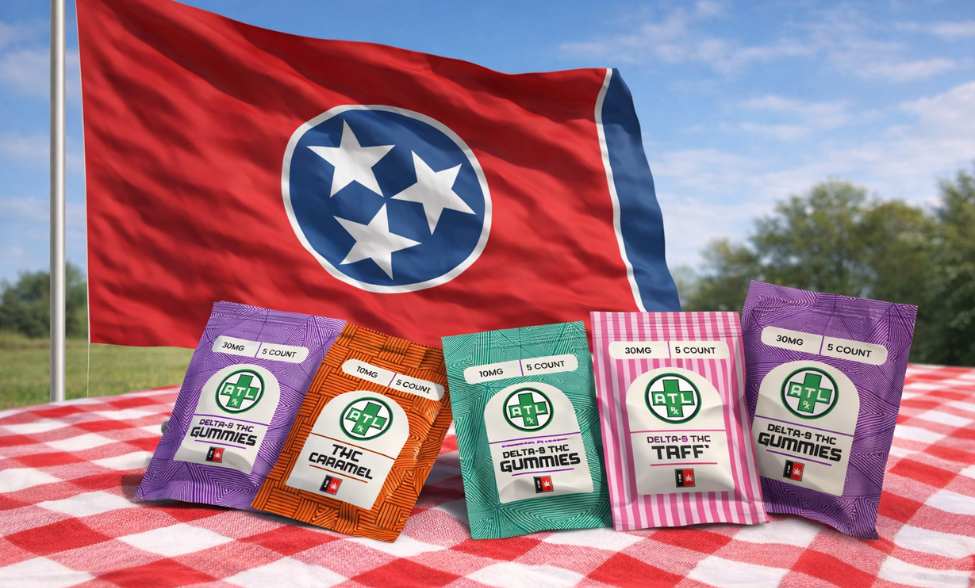
February 26, 2026
February 25, 2026
February 25, 2026
February 25, 2026
$34.99
$39.99
$49.99

$44.99

$6.99
$49.99
$39.99
$29.99