

$6.99
ARE YOU 21 YEARS OF AGE OR OLDER?
REMEMBER ME
Seriously, by using this site you are confirming that you are of legal age (21+) to view and purchase these products. If you are you are not over 21. you are not authorized by us to use or view any of the pages of this site. Please review our terms and conditions at checkout for further stipulations.
FREE SHIPPING ON ALL ORDERS OVER $49 —— FREE EXPEDITED SHIPPING ON ALL ORDERS OVER $149 —— FREE SHIPPING ON ALL ORDERS OVER $49 —— FREE EXPEDITED SHIPPING ON ALL ORDERS OVER $149 —— FREE SHIPPING ON ALL ORDERS OVER $49 —— FREE EXPEDITED SHIPPING ON ALL ORDERS OVER $149 —— FREE SHIPPING ON ALL ORDERS OVER $49 —— FREE EXPEDITED SHIPPING ON ALL ORDERS OVER $149 ——
FREE SHIPPING ON ALL ORDERS OVER $49 —— FREE EXPEDITED SHIPPING ON ALL ORDERS OVER $149 —— FREE SHIPPING ON ALL ORDERS OVER $49 —— FREE EXPEDITED SHIPPING ON ALL ORDERS OVER $149 —— FREE SHIPPING ON ALL ORDERS OVER $49 —— FREE EXPEDITED SHIPPING ON ALL ORDERS OVER $149 —— FREE SHIPPING ON ALL ORDERS OVER $49 —— FREE EXPEDITED SHIPPING ON ALL ORDERS OVER $149 ——
 >
Blogs
>
Delta 9 >
Is Delta 9 Legal in North Carolina (NC)? Expert Guide 2026
>
Blogs
>
Delta 9 >
Is Delta 9 Legal in North Carolina (NC)? Expert Guide 2026
THE STATEMENTS ON THIS BLOG ARE NOT INTENDED TO DIAGNOSE, TREAT, CURE, OR PREVENT ANY DISEASE. THE FOOD AND DRUG ADMINISTRATION HAS NOT EVALUATED ANY STATEMENTS CONTAINED WITHIN THE BLOG. ATLRX DOES NOT IN ANY WAY GUARANTEE OR WARRANT THE ACCURACY, COMPLETENESS, OR USEFULNESS OF ANY MESSAGE. THE INFORMATION CONTAINED WITHIN THIS BLOG IS FOR GENERAL INFORMATIONAL PURPOSES ONLY.
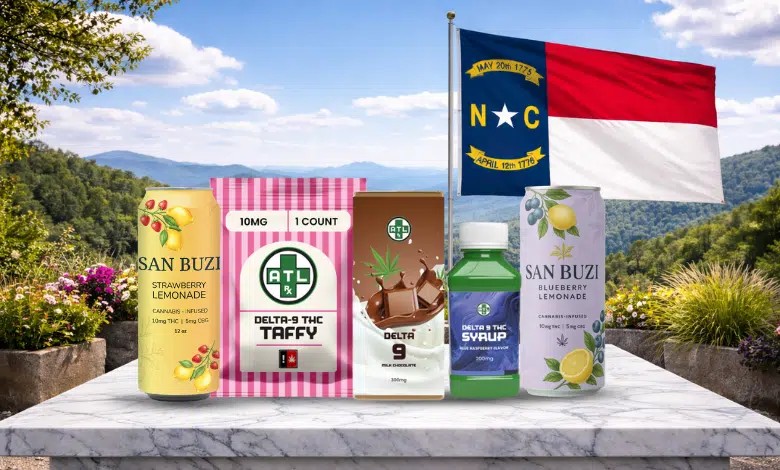
Delta 9 Legal Status in NC:
Yes, Delta 9 THC is legal in North Carolina, provided it is sourced from hemp and contains no more than 0.3% Delta 9 THC, as stipulated by the 2018 Farm Bill and Senate Bill 315. It is considered lawful. Nevertheless, any Delta 9 THC obtained from marijuana continues to be prohibited within the state. Delta 9 products derived from hemp must be purchased by adults 21 and older.
“Is Delta 9 legal in NC?” is one of the first questions North Carolina residents ask when they start seeing hemp products widely available online and in stores. You’re not the only one who has browsed a website and wondered, “Is Delta 9 THC legal in North Carolina?”
The short answer is that hemp-derived Delta 9 that does not exceed 0.3% Delta 9 THC on a dry-weight basis is allowed in North Carolina, but marijuana-derived Delta 9 is still off-limits. That legal distinction is everything. Read on for the complete picture, including what the law actually says, how North Carolina compares to neighboring states, drug testing considerations, and what to look for when buying Delta 9 products.
Table of contents:
There are many cannabinoids naturally occurring in cannabis plants, including delta-9-tetrahydrocannabinol, which is found both in hemp and marijuana varieties. According to federal law, lawful hemp contains 0.3% THC, while illegal marijuana has more than 0.3% THC.
Cannabis plants produce dozens of cannabinoids, but Delta 9 is the most well-known and the one most directly regulated by state and federal law. Unlike marijuana, hemp contains Delta 9, but at much lower concentrations, which is why compliant hemp-derived products are legal while marijuana-derived products are prohibited in North Carolina.
Yes, with an important distinction. The 2018 Farm Bill allows hemp-derived Delta 9 THC products that contain less than 0.3% Delta 9 THC on a dry-weight basis. Under state law, Delta 9 THC products derived from marijuana exceeding 0.3% remain illegal.
Accordingly, North Carolina has not passed specific state legislation that contradicts the federal hemp framework, enabling adults 21 and older to legally purchase, possess, and sell hemp-derived Delta 9 products. The North Carolina Department of Agriculture oversees hemp regulations to ensure that products sold here meet federal standards.
The key for consumers is always verifying the source and the lab results. A Certificate of Analysis (COA) showing Delta 9 below 0.3% by dry weight makes hemp-derived products legal in North Carolina.
The passage of the 2018 Farm Bill, also known as the Agriculture Improvement Act of 2018, established the nationwide legality of Delta 9 THC. As a result, hemp and its derivatives containing no more than 0.3% Delta 9 THC were officially removed from the federal government’s controlled substances list. This created a legal pathway for hemp-derived Delta 9 products to be grown, processed, and sold across most of the United States.
Additionally, the Farm Bill allowed states to submit hemp programs to the USDA for approval, allowing them to set their own policies on licensing, testing, and enforcement within the federal framework. The state of North Carolina established its own legislation at this time to clarify THC thresholds and regulate hemp products at the state level.
It is essential to understand how federal and state laws interact when assessing Delta 9’s legality in North Carolina.
The interactions between the two layers are outlined below:
Federal Law (2018 Farm Bill): According to federal law, hemp-derived products containing less than 0.3% Delta 9 THC are exempt from the Controlled Substances Act. Delta 9 derived from hemp must meet this standard in order to be legalized at the federal level.
North Carolina State Law: The state has generally adopted the federal hemp framework through Senate Bill 315 (2019) and Senate Bill 328 (2023). While some states have chosen to prohibit Delta 9 products entirely, irrespective of their hemp-derived origins, others have moved toward adopting more comprehensive cannabis legalization policies.
In some states, Delta 9 products are banned regardless of whether they are derived from hemp, while in others, cannabis is legalized. While hemp-derived products are allowed in North Carolina, Delta 9 products derived from marijuana are not. The federal government sets the ceiling; North Carolina has chosen not to impose stricter state-level restrictions.
It is also worth noting that federal law does not set age restrictions for hemp products — that is left to individual states and retailers. Delta 9 purchases in North Carolina are restricted to 21-year-olds through industry standards and state guidance, which all reputable retailers enforce.
Senate Bill 315, known as the “NC Farm Act,” was enacted in 2019. This legislation aligns North Carolina state law with the 2018 Farm Bill, legalizes industrial hemp in North Carolina, creates a regulatory framework for hemp, and clarifies that hemp products containing 0.3% or less Delta 9 THC are not marijuana under state law.
SB 315 established a regulated NC hemp program that includes licensing and clear legal definitions that distinguish legal hemp products from illegal cannabis. It is this legal basis that supports North Carolina Delta 9 products sold by compliant online hemp brands that follow proper testing and labeling standards.
The hemp industry in North Carolina was clarified by Senate Bill 328 in 2023. The following provisions are key:
SB 328 did not ban hemp-derived Delta 9 — it clarified and strengthened compliance requirements. As long as Delta 9 products meet federal hemp standards and proper age verification (21+) is enforced, they remain legal in North Carolina.
Neither medical marijuana nor recreational marijuana has been legalized in North Carolina. Delta 9 products derived from marijuana are still prohibited, despite the fact that Delta 9 products derived from hemp meet federal limits.
Under the state’s Epilepsy Alternative Treatment Act, certain hemp extracts with strict THC and CBD ratios are allowed for registered patients. Unlike many other states, this is a specialized medical program, not a general medical marijuana program. The use of marijuana for medical or recreational purposes remains illegal in North Carolina.
In North Carolina, hemp is classified as Cannabis sativa and its related derivatives, provided they contain no more than 0.3% Delta 9 THC measured on a dry-weight basis. Products above that threshold are classified as marijuana and remain controlled substances in the state.
Additionally, the law specifically excludes hemp products and hemp extracts from the marijuana definition as long as they stay below the legal Delta 9 threshold. North Carolina allows consumers to buy Delta 9 THC products if those products are made from hemp and verified by lab testing.
Yes. If the product is made from legal hemp and meets the 0.3% Delta 9 THC dry-weight limit, it can be shipped to North Carolina. Many shoppers actually prefer buying online because reputable brands clearly display third-party lab tests, detailed COAs, ingredient lists, and federal hemp compliance information on each product page — making it easier to verify legality before purchase.
When shopping online for Delta 9 in North Carolina, verify that the product is hemp-derived, fully labeled with cannabinoid content, backed by COAs confirming compliant Delta 9 levels, and sold by a retailer that enforces the 21+ age requirement. ATLRx uses U.S.-grown hemp, independent third-party lab testing, and transparent COA-based labeling for every Delta 9 product shipped to NC customers.
North Carolina’s legal Delta 9 options revolve exclusively around hemp-derived products containing 0.3% Delta 9 THC or less by dry weight. In practice, these are primarily compliant edibles, gummies, tinctures, syrups, and other hemp-based products sold by licensed, reputable brands.
What remains illegal: any marijuana-derived product, or any hemp product that exceeds the 0.3% Delta 9 THC threshold, regardless of where it was purchased. Public consumption of any cannabis product is also prohibited. If you are 21 or older and purchasing from a compliant, licensed retailer that provides COAs, you are operating within the law.
Not all Delta 9 products are created equal. Here is what to look for to ensure you are buying safe, legal, and properly formulated products in NC:
1. Valid Certificate of Analysis (COA): Every batch should be tested by an independent third-party lab. A COA must confirm that Delta 9 THC is less than 0.3% by dry weight. Pesticides, heavy metals, and residual solvents should not be present in the product.
2. Clear Labeling: Select products that clearly specify the amount of Delta 9 THC per serving and per package. The proper labeling of a product indicates a reputable, compliant brand.
3. Age Verification (21+): Any reputable retailer online or physical should verify that you are at least 21 years old before completing a Delta 9 purchase. This is both a legal requirement in North Carolina and an industry standard.
4. Hemp Source Transparency: Look for brands that use U.S.-grown hemp and are transparent about their sourcing. Domestically grown hemp is subject to the USDA’s hemp program oversight.
5. Avoid Unlicensed Retailers: Gas stations and convenience stores may carry hemp products, but quality control and proper testing are often far less rigorous than those of dedicated hemp retailers. Choose established brands that provide full COA documentation.
6. Dosing Guidance: Reputable products clearly list milligrams of Delta 9 THC per serving. Most compliant gummies contain between 5mg and 10mg of Delta 9 per piece. If you are new to Delta 9 products, starting with a lower serving and adjusting gradually is a common approach.
Yes, this is an important point that many consumers overlook. In standard drug testing, your body produces THC metabolites when it processes Delta 9 THC. Crucially, drug tests cannot distinguish between Delta 9 THC from hemp versus Delta 9 THC from marijuana. Only THC metabolites are detected in your system.
Delta 9 THC-containing hemp-derived products can lead to a positive drug test result. The detection window varies based on frequency of use, metabolism, body composition, and the type of test being administered, among other factors:
Pre-employment drug tests, workplace drug testing, or any program that requires a drug-free status requires you to avoid Delta 9 THC products regardless of their legal status. Compliance with the law does not protect you from a positive drug test result.
The information provided here is for general awareness only. Always consult with your employer, testing program, or a qualified professional if you have specific drug testing concerns.
North Carolina’s approach to Delta 9 legality falls broadly in line with most of its neighboring states — all of which allow hemp-derived Delta 9 products under the federal framework but there are meaningful differences when it comes to marijuana and broader cannabis policy:
| State | Hemp D9 Legal? | Recreational MJ? | Age Requirement |
| North Carolina | ✅ Yes (≤0.3% D9) | ❌ No | 21+ |
| Virginia | ✅ Yes | ✅ Yes | 21+ |
| South Carolina | ✅ Yes | ❌ No | 21+ |
| Tennessee | ✅ Yes | ❌ No | 21+ |
| Georgia | ✅ Yes | ❌ No | 21+ |
Virginia stands out among NC’s neighbors as having legalized recreational marijuana, meaning Virginia residents have access to both hemp-derived Delta 9 products and dispensary-sold marijuana-derived cannabis products. The other neighboring states — South Carolina, Tennessee, and Georgia — follow a similar framework to North Carolina, allowing hemp-derived Delta 9 but prohibiting recreational marijuana.
It is complicated for consumers to travel between states due to the patchwork of state laws. What is fully legal to purchase in North Carolina may be regulated differently just across the state line. Transporting Delta 9 products across state lines is generally not recommended, as you move from one jurisdiction to another with potentially different laws.
The structure of Delta 9 THC derived from hemp and marijuana is the same. The distinction is entirely legal, depending on the source plant material and the percentage of Delta 9 THC in the finished product.
Products derived from hemp plants must contain less than 0.3% Delta 9 THC by dry weight. Delta 9 products derived from marijuana are illegal under North Carolina law. A COA confirming the 0.3% limit is the key document that separates the two from a legal standpoint.
Both Delta 8 and Delta 9 are THC isomers found in cannabis, but they occur in different concentrations and are regulated differently in different states. As of now, both hemp-derived Delta 8 and compliant hemp-derived Delta 9 are permitted in North Carolina, while marijuana products are not.
Delta 8 may be preferred by some people; Delta 9 may be preferred by others. Individuals choose according to their personal preferences and how they structure their daily routine. When comparing the two, reviewing serving sizes, product type, and third-party COAs for each will give you the clearest picture of what you are purchasing.
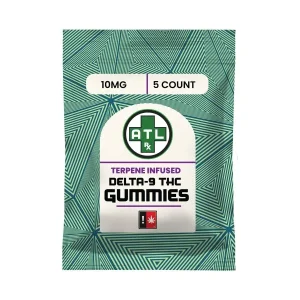
The Delta 9 THC gummies are among the most popular Delta 9 products in North Carolina. Delta 9 gummies provide a convenient way to determine how much Delta 9 you’re consuming, and compliant Delta 9 gummies are carefully formulated to maintain the 0.3% dry weight limit.
ATLRx Delta 9 gummies are produced using American-grown hemp, independently batch-tested by third-party labs, and labeled with complete cannabinoid breakdowns for full transparency. If you are looking for Delta 9 gummies in North Carolina, always verify that the retailer is 21+ compliant, provides COAs, and clearly states the milligrams of Delta 9 THC per serving on the label.
In full-spectrum CBD products, a range of cannabinoids are present, including trace amounts of Delta 9 THC that meet the legal 0.3% threshold. Providing the Delta 9 content stays below 0.3% by dry weight, and the product is hemp-derived, full-spectrum items are permitted in North Carolina for adults 21 and older.
AtLRx’s full-spectrum CBD products with Delta 9 THC are third-party tested, clearly labeled, and based on federally compliant hemp extracts. For each product, detailed COAs are available so you can review the complete cannabinoid profile before purchasing.
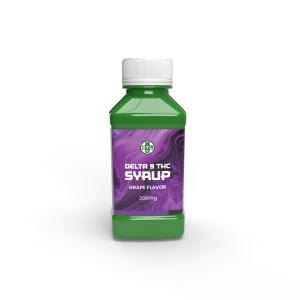
Yes, Delta 9 THC is legal in North Carolina if it comes from hemp and falls within the 0.3% Delta 9 THC dry-weight cap established by the 2018 Farm Bill and further reinforced by Senate Bill 315. Delta 9 derived from marijuana remains illegal, and the distinction between the source plant and THC concentration determines legality in the state.
Consumers over the age of 21 can legally purchase compliant hemp-derived Delta 9 products online or from licensed physical retailers in North Carolina. When shopping, prioritize brands that provide third-party COAs for every batch, use U.S.-grown hemp, enforce the 21+ age requirement, and maintain clear, transparent labeling.
Delta 9 consumption can affect drug test results regardless of whether it is hemp-derived and legally compliant. Take into account your personal circumstances, including any employment or program requirements, before incorporating Delta 9 products into your routine.
North Carolina’s hemp industry continues to develop, with improved product quality, clearer regulations, and better consumer education. ATLRx is committed to transparent, COA-backed Delta 9 products — from seed to shelf — so NC customers can shop with confidence in both quality and legal compliance.
This is not legal advice. Consult a qualified attorney in North Carolina if you have specific questions about cannabis or hemp law in your situation.
Yes. Hemp-derived Delta 9 THC products containing 0.3% Delta 9 THC or less are allowed under the 2018 Farm Bill and NC’s Senate Bill 315 by dry weight. Delta-9 derived from marijuana remains illegal.
Yes. Hemp-based Delta 9 gummies that contain no more than 0.3% Delta 9 THC by dry weight are legal in North Carolina for adults 21 and older, provided they are sold by a compliant, licensed retailer.
Yes. THC metabolites are detected by standard drug tests, but they cannot distinguish between marijuana-derived Delta 9 THC and hemp-derived Delta 9 THC. Positive results can be obtained even with compliant, legal hemp products. Consider avoiding all Delta 9 products if you are subject to drug testing.
To purchase hemp-derived Delta 9 products, you must be at least 21 years old in North Carolina. This is both an industry standard and a requirement under Senate Bill 328 (2023).
Yes. You can legally purchase hemp-derived Delta 9 products online and have them shipped to North Carolina, provided the product is hemp-derived, contains 0.3% Delta 9 THC or less by dry weight, and is sold by a retailer that verifies your age (21+) and provides COA documentation.
Not necessarily. Delta 9 THC can be found in both hemp and marijuana plants. The legal distinction lies in the source plant and the concentration: hemp-derived Delta 9 at 0.3% or less by dry weight is federally legal, while marijuana-derived Delta 9 (above that threshold) remains illegal in North Carolina.
While many people travel domestically with hemp-derived Delta 9 gummies, it is important to review airline policies and state laws before doing so. Flying across state lines or internationally adds additional legal considerations.
No. Recreational marijuana is not legal in North Carolina. Only hemp-derived Delta 9 products meeting the 0.3% THC limit are permitted under state and federal law.
Both hemp-derived Delta 8 and compliant hemp-derived Delta 9 are legal in North Carolina under the current federal and state framework. They are both THC isomers but differ in their chemical structure and in how people typically describe experiencing them. Both require COA verification to confirm legal compliance.
You can purchase compliant Delta 9 products from licensed hemp retailers, specialty hemp stores, and reputable online brands that ship to North Carolina. ATLRx offers a full range of hemp-derived Delta 9 products with transparent COA documentation and ships to NC customers. Always verify age requirements and COA availability before purchasing.
Browse ATLRx’s full range of hemp-derived Delta 9 products, all produced from U.S.-grown hemp, independently lab-tested, and backed by detailed COAs. Ships to North Carolina.
Disclaimers
The Statements on This Blog Are Not Intended to Diagnose, Treat, Cure, or Prevent Any Disease. The Food and Drug Administration Has Not Evaluated Any Statements Contained Within the Blog. Atlrx Does Not in Any Way Guarantee or Warrant the Accuracy, Completeness, or Usefulness of Any Message. The Information Contained Within This Blog Is for General Informational Purposes Only.
This content is for informational purposes only and does not constitute legal advice. Cannabis and hemp laws are complex and subject to change. Always consult current federal, state, and local laws before purchasing or consuming any Delta 9 THC products. When in doubt, consult with a qualified attorney familiar with cannabis law in North Carolina.

March 19, 2026
March 19, 2026
March 19, 2026
$6.99
$5.99
$39.99
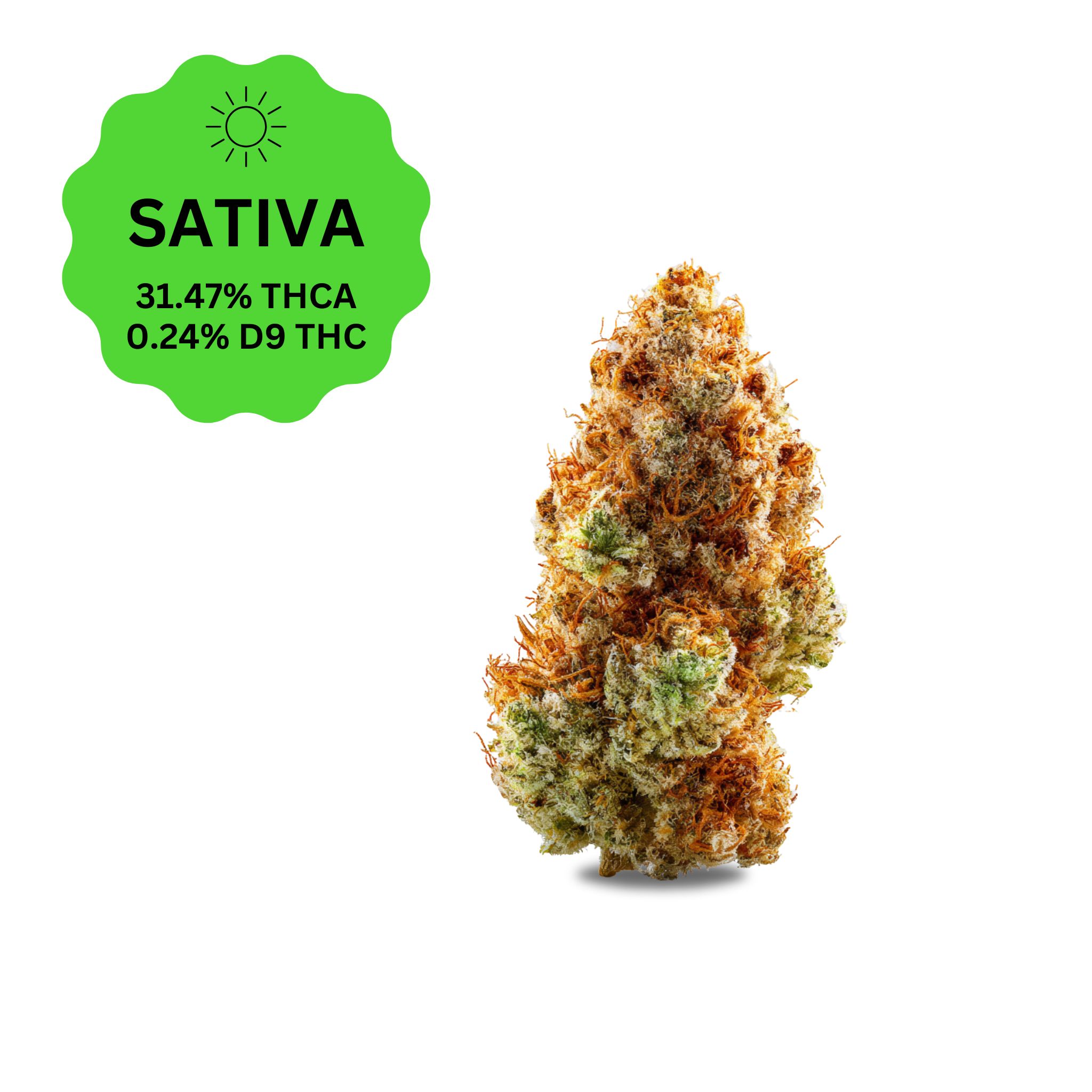
$39.99
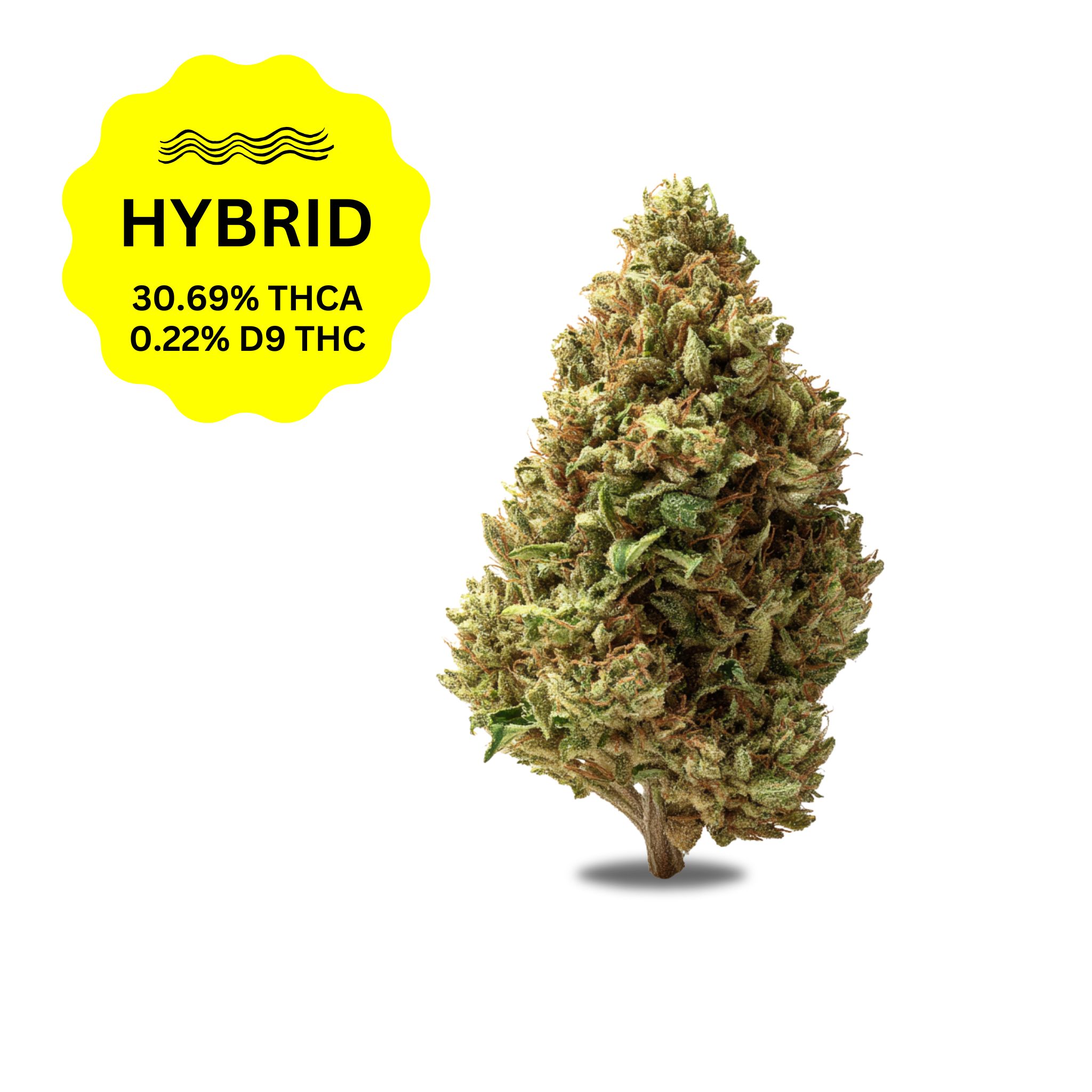
$34.99
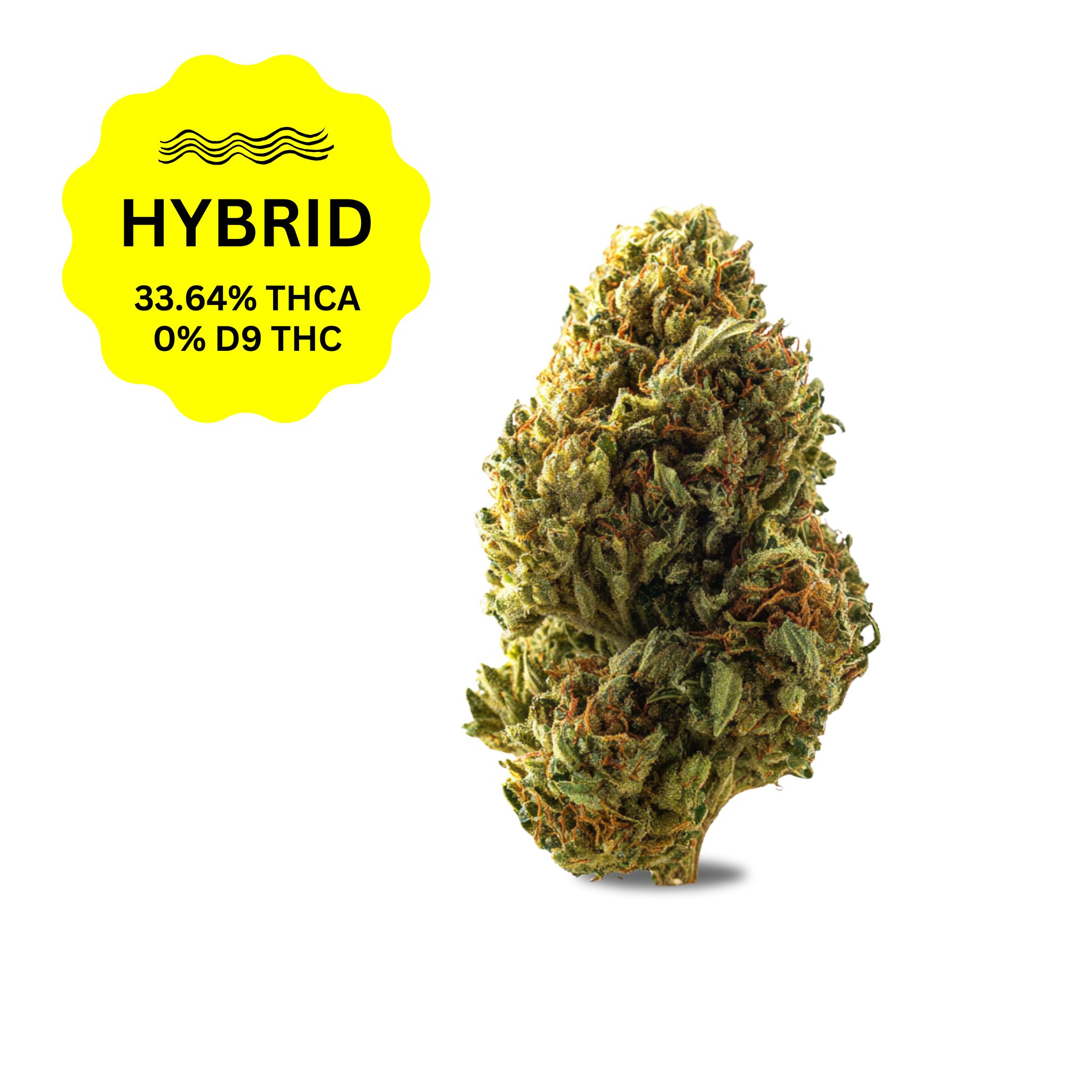
$39.99
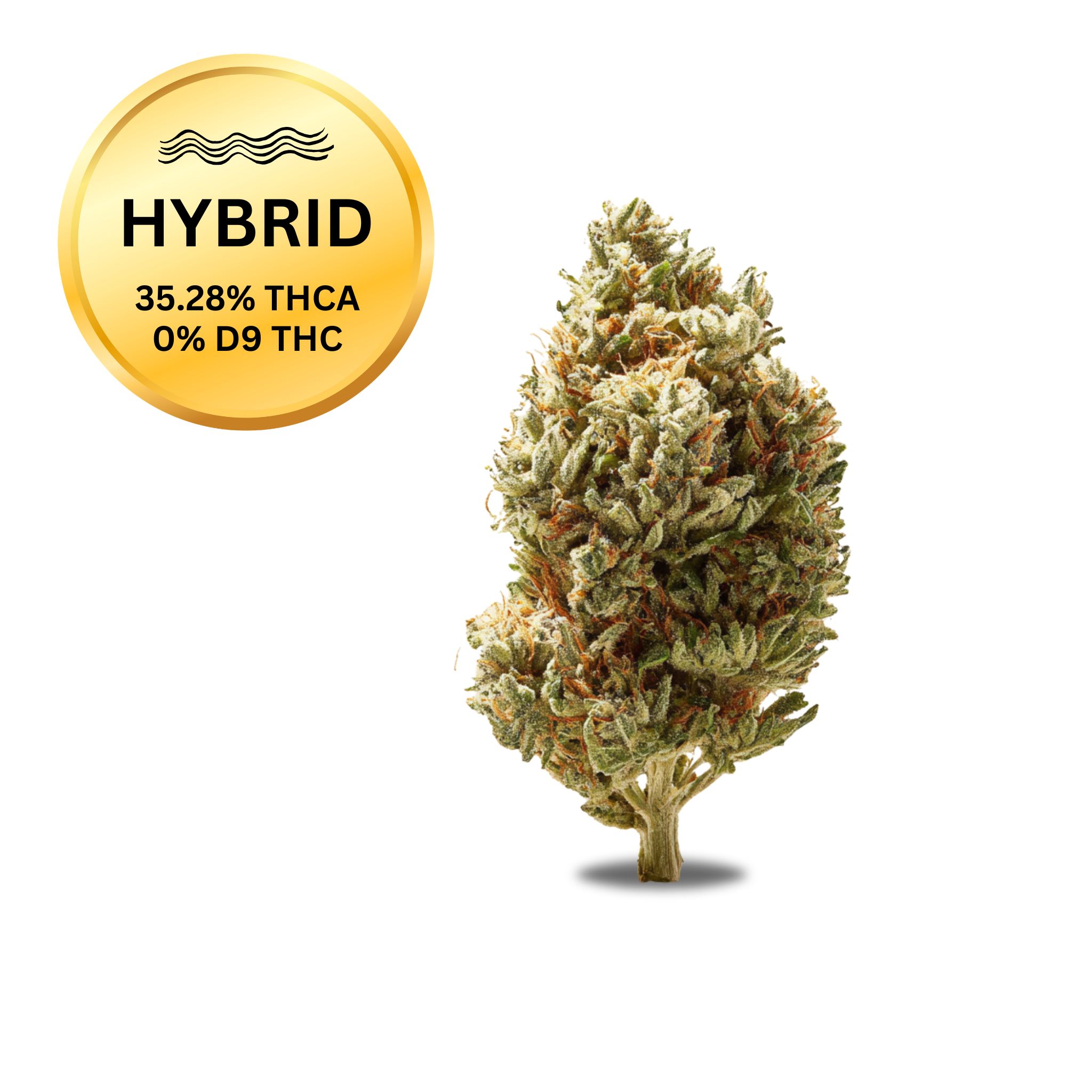
$49.99