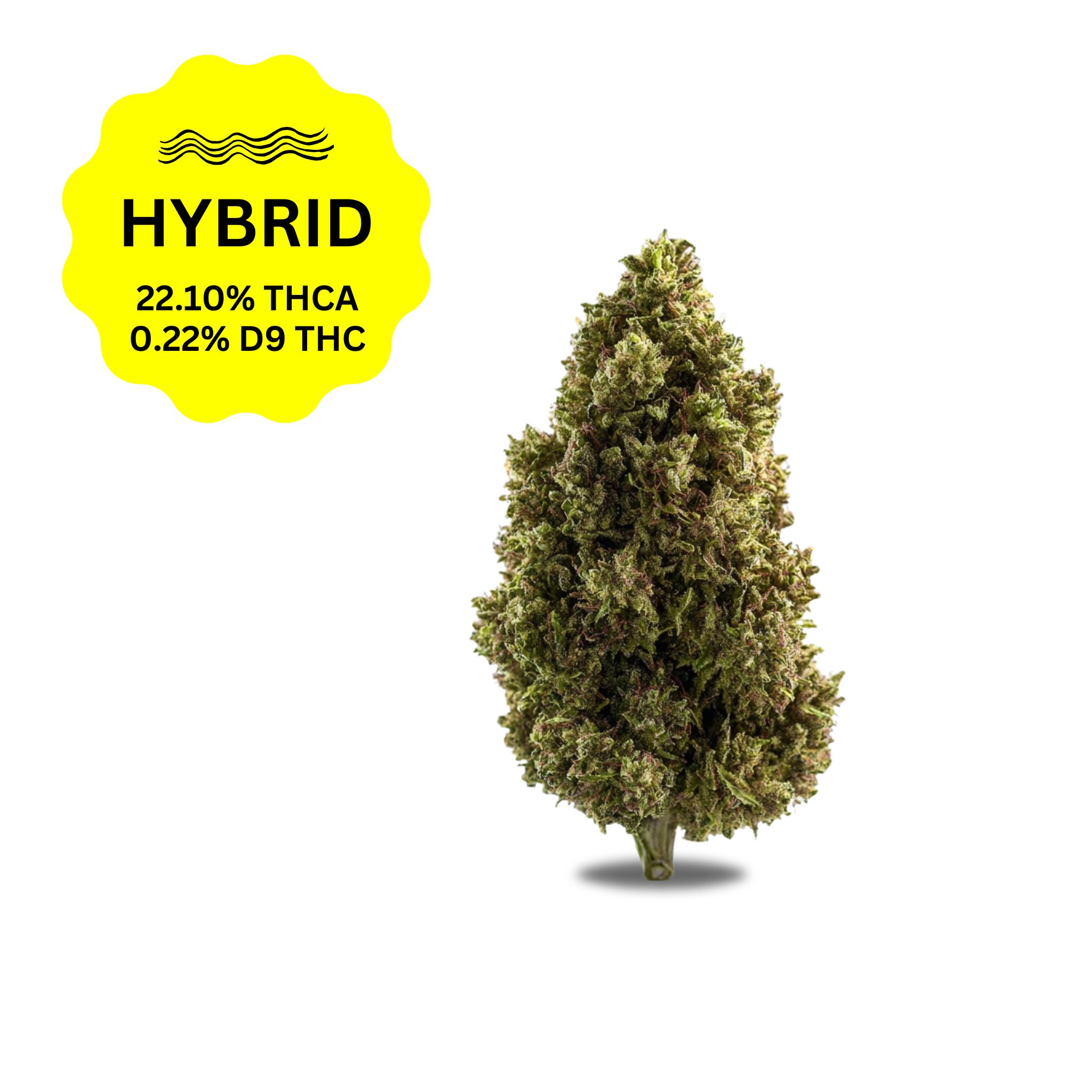


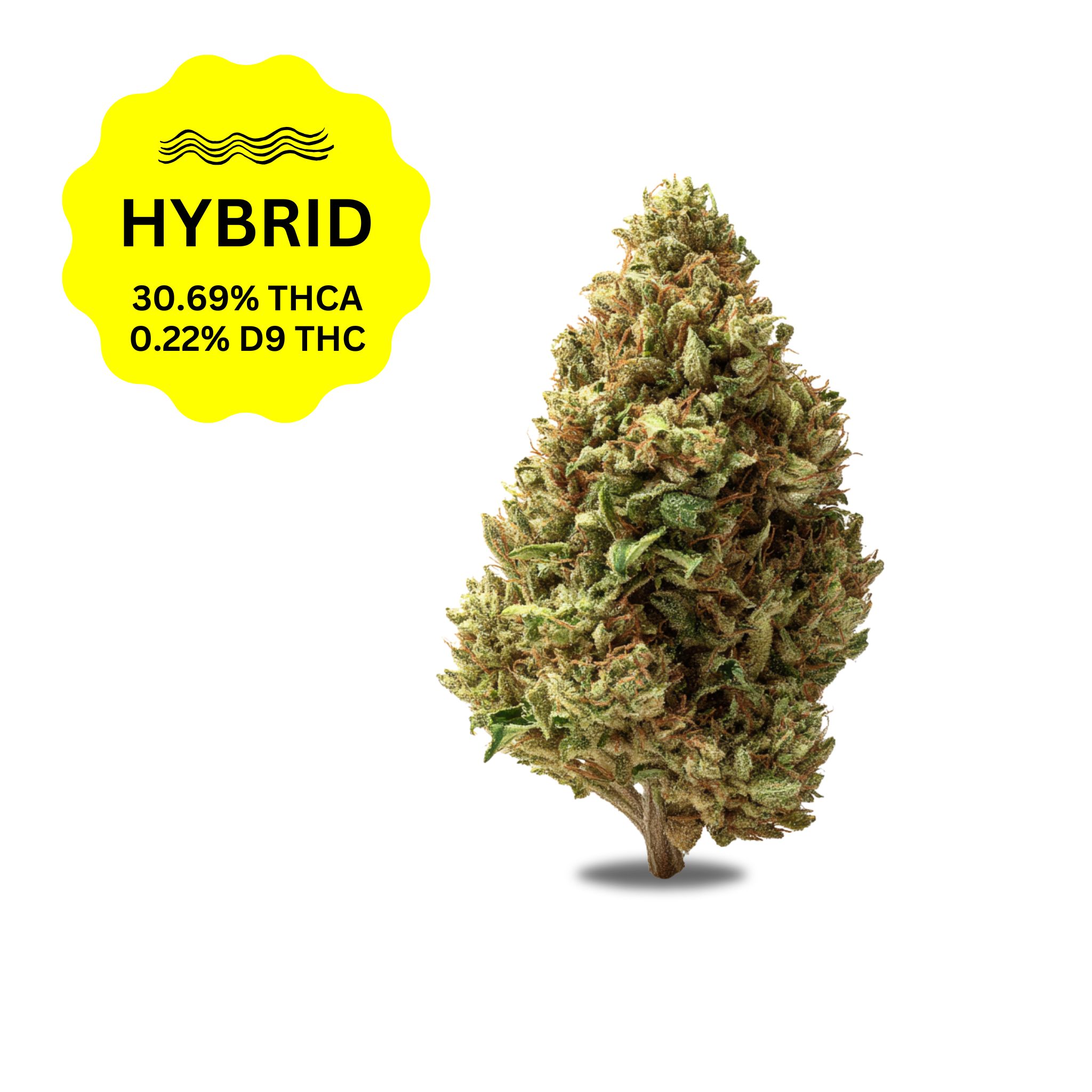
$34.99

ARE YOU 21 YEARS OF AGE OR OLDER?
REMEMBER ME
Seriously, by using this site you are confirming that you are of legal age (21+) to view and purchase these products. If you are you are not over 21. you are not authorized by us to use or view any of the pages of this site. Please review our terms and conditions at checkout for further stipulations.
FREE SHIPPING ON ALL ORDERS OVER $49 —— FREE EXPEDITED SHIPPING ON ALL ORDERS OVER $149 —— FREE SHIPPING ON ALL ORDERS OVER $49 —— FREE EXPEDITED SHIPPING ON ALL ORDERS OVER $149 —— FREE SHIPPING ON ALL ORDERS OVER $49 —— FREE EXPEDITED SHIPPING ON ALL ORDERS OVER $149 —— FREE SHIPPING ON ALL ORDERS OVER $49 —— FREE EXPEDITED SHIPPING ON ALL ORDERS OVER $149 ——
FREE SHIPPING ON ALL ORDERS OVER $49 —— FREE EXPEDITED SHIPPING ON ALL ORDERS OVER $149 —— FREE SHIPPING ON ALL ORDERS OVER $49 —— FREE EXPEDITED SHIPPING ON ALL ORDERS OVER $149 —— FREE SHIPPING ON ALL ORDERS OVER $49 —— FREE EXPEDITED SHIPPING ON ALL ORDERS OVER $149 —— FREE SHIPPING ON ALL ORDERS OVER $49 —— FREE EXPEDITED SHIPPING ON ALL ORDERS OVER $149 ——
 >
Blogs
>
CBD >
Is CBD Legal in Idaho? 2026 State Law Guide
>
Blogs
>
CBD >
Is CBD Legal in Idaho? 2026 State Law Guide
THE STATEMENTS ON THIS BLOG ARE NOT INTENDED TO DIAGNOSE, TREAT, CURE, OR PREVENT ANY DISEASE. THE FOOD AND DRUG ADMINISTRATION HAS NOT EVALUATED ANY STATEMENTS CONTAINED WITHIN THE BLOG. ATLRX DOES NOT IN ANY WAY GUARANTEE OR WARRANT THE ACCURACY, COMPLETENESS, OR USEFULNESS OF ANY MESSAGE. THE INFORMATION CONTAINED WITHIN THIS BLOG IS FOR GENERAL INFORMATIONAL PURPOSES ONLY.
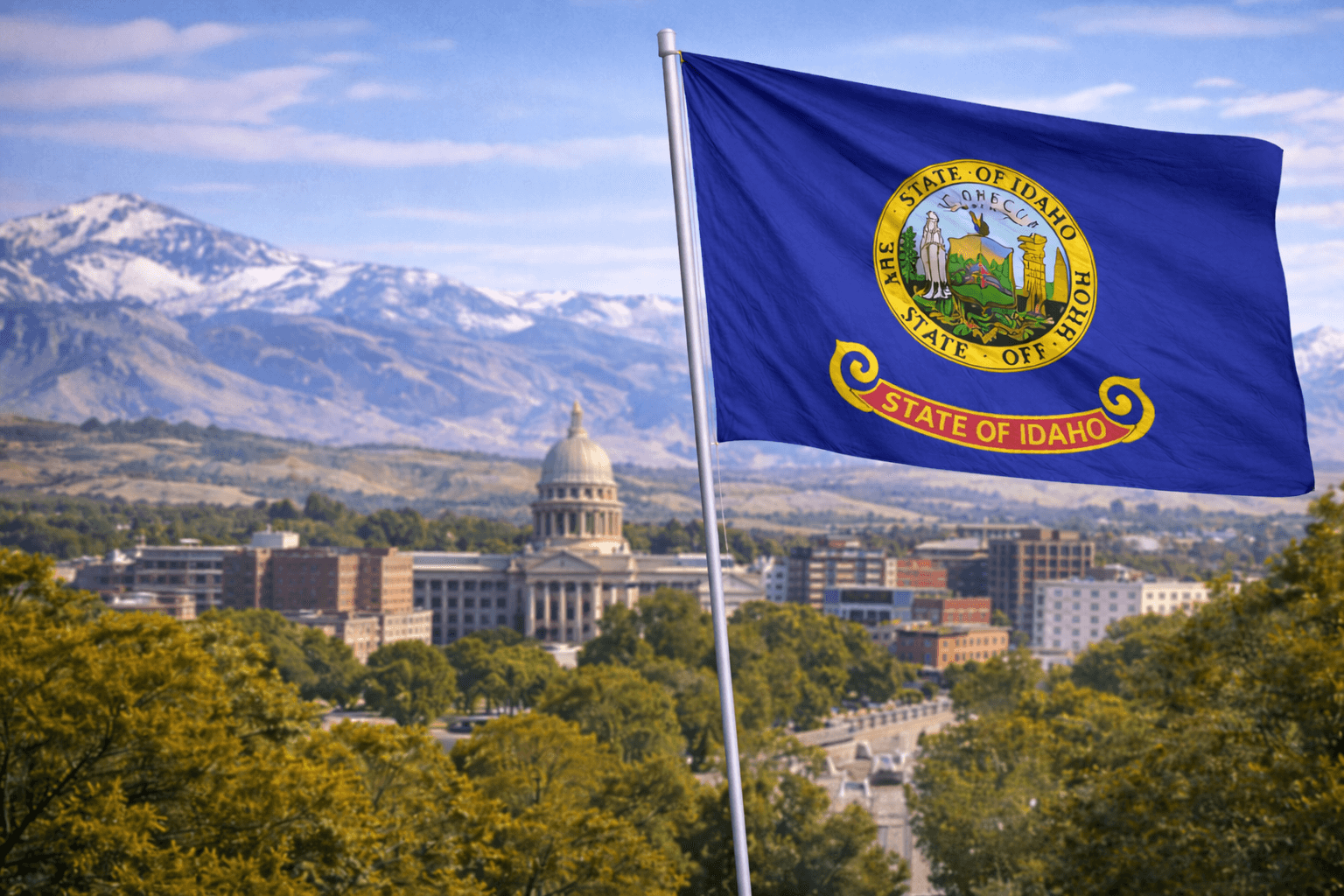
CBD Legal Status in Idaho:
Yes, CBD is legal in Idaho ONLY if it contains 0.0% detectable THC and is derived from non-flower, non-leaf parts of the hemp plant.
✔ CBD Isolate (0% THC) — Legal
✔ Verified THC-Free Broad-Spectrum — Legal (with COA confirmation)
✘ Full-Spectrum CBD (any THC) — Illegal under Idaho state law
✘ Delta-8 THC, Delta-10, HHC — Illegal in Idaho
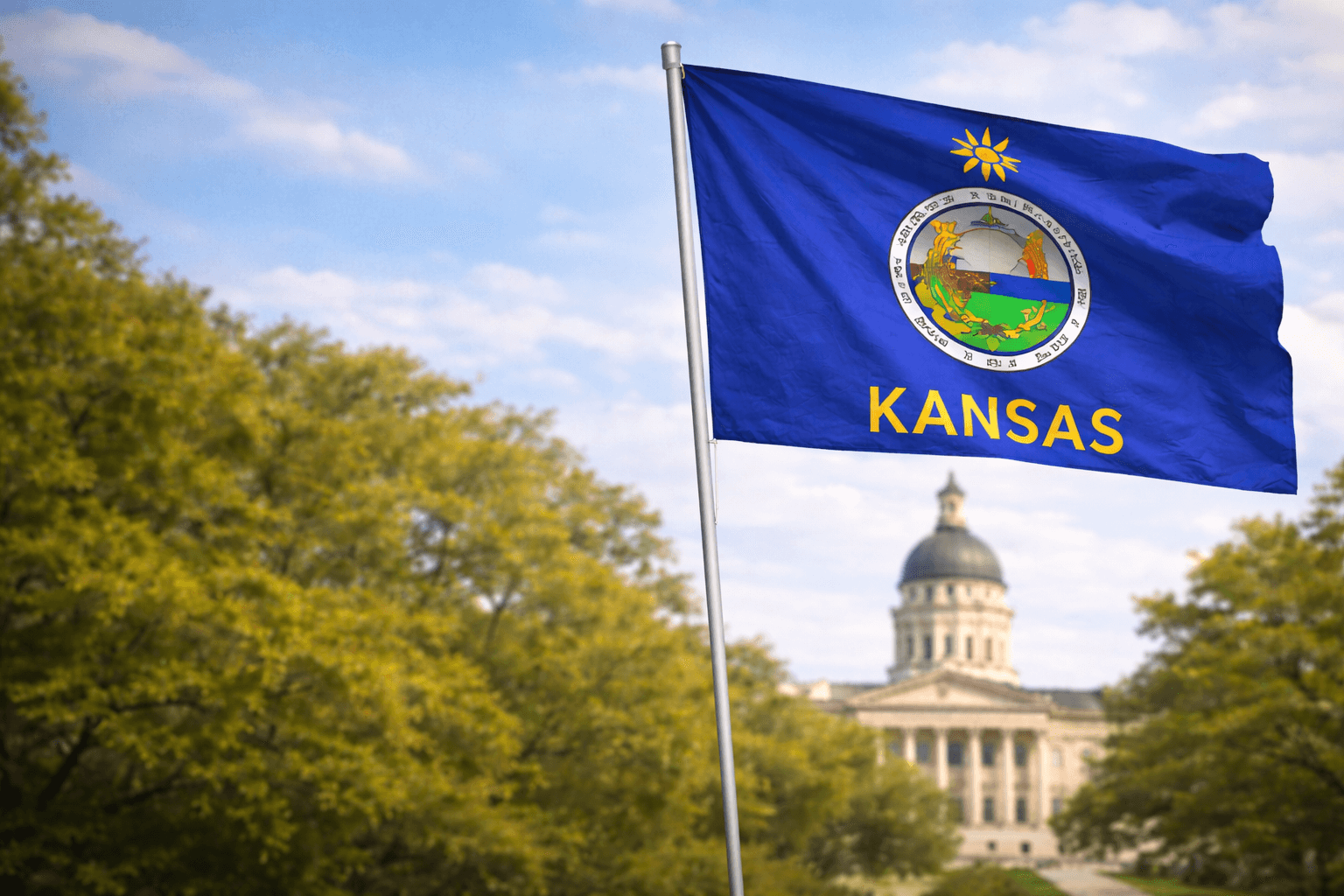
Idaho is one of only two states (along with Kansas) that require an absolute 0% THC in CBD products.
If you live in — or are traveling to — Idaho and you want to know whether you can legally purchase, carry, or use CBD products, this guide has everything you need. Idaho has one of the most restrictive stances on CBD in the entire United States, and understanding the specific rules can save you from serious legal risk.
The short answer: CBD is legal in Idaho only if it contains absolutely zero detectable THC and is derived from the non-flower, non-leaf parts of the hemp plant. Full-spectrum CBD, which is widely available and legal in 48 other states, is illegal to sell in Idaho retail stores.
This 2026 guide covers Idaho’s CBD laws in plain language, recent 2025–2026 legislative changes, what you can and cannot buy, where to buy compliant CBD, and how to protect yourself as a consumer or business in Idaho.
Table of contents:
Most U.S. states align with the federal standard established by the 2018 Farm Bill, which classifies hemp as legal Cannabis sativa containing no more than 0.3% THC by dry weight. Idaho is one of only two states, along with Kansas, that do not follow this federal standard for consumer-facing CBD products.
Under Idaho Code § 37-2701(t), any product containing a detectable amount of THC, regardless of how small, is classified as a controlled substance. This means:
The 2018 Farm Bill (Agricultural Improvement Act) federally legalized hemp and hemp-derived products containing less than 0.3% THC. It removed these products from the Controlled Substances Act and opened the door for the CBD industry to grow nationwide.
Idaho did not update its state statutes to match this federal policy. The Idaho Attorney General clarified in a 2015 report that CBD is only permissible under state law if it:
This conflict creates a complicated legal environment. Federal law says CBD with 0.3% THC is legal hemp. Idaho law says it is marijuana, a Schedule I controlled substance under state statutes, with penalties to match.
Important: The conflict between federal and Idaho state law means that while no Idaho resident has been prosecuted solely for owning compliant CBD, the legal risk under state law exists. Consumers and businesses should not rely on federal protection as a substitute for state compliance.
The table below summarizes how Idaho and federal law differ on key CBD and hemp questions:
| Factor | Federal Law (2018 Farm Bill) | Idaho State Law |
| Legal THC Level | Up to 0.3% THC by dry weight | 0.0% — Zero detectable THC |
| Full-Spectrum CBD | Legal | Illegal |
| CBD Isolate | Legal | Legal |
| Delta-8 THC | Legal if hemp-derived < 0.3% THC | Illegal |
| Hemp Cultivation | Legal (Farm Bill 2018) | Legal since HB 126 (2021) |
| Online CBD Purchases | Legal (federal jurisdiction) | Gray area — technically illegal if THC > 0% |
| Prescription CBD Drug | Epidiolex — FDA approved | Legal (removed from Schedule V in 2021) |
Always request a batch-specific, third-party Certificate of Analysis (COA) before purchasing any CBD product in Idaho. Do not rely on product packaging or marketing claims alone.
CBD oil is legal in Idaho under specific conditions. The product must be:
This rules out the majority of CBD oils available at mainstream retailers in other states. The popular full-spectrum CBD oils sold nationwide cannot be legally stocked by Idaho retailers. Compliant Idaho CBD oil products are typically either CBD isolate-based or verified THC-free broad-spectrum formulas.
No. Full-spectrum CBD is not legal in Idaho. Full-spectrum products contain the full range of cannabinoids naturally present in hemp, including trace amounts of THC, typically between 0.1% and 0.3%. Because Idaho classifies any product with detectable THC as a controlled substance, full-spectrum CBD cannot be legally sold in Idaho retail stores.
Idaho consumers who want a broader cannabinoid experience while staying within the law should look for broad-spectrum products that have been processed to remove all THC and are accompanied by batch-specific lab results showing 0.00% THC.
Idaho’s zero-THC standard applies not just to conventional CBD products; it also captures the wave of novel hemp-derived cannabinoids that have emerged in recent years.
Delta-8 THC is a hemp-derived cannabinoid created through a chemical conversion process from CBD. Despite being marketed as a ‘legal’ alternative in many states, Delta-8 is illegal in Idaho. Because Delta-8 is a THC isomer — meaning it is a form of THC — any product containing it violates Idaho’s zero-THC requirement.
Delta-10 THC, another hemp-derived cannabinoid, is similarly illegal in Idaho for the same reason: it is a THC isomer and falls under the state’s controlled substance classification.
HHC is a hydrogenated form of THC. While some producers argue it is technically distinct from THC, Idaho law’s broad definition of controlled substances, which covers all THC-related compounds, means HHC products carry significant legal risk in the state.
Synthetic or semi-synthetic cannabinoids derived from hemp are also illegal in Idaho. Any cannabinoid that is a THC analog, isomer, or derivative falls under Idaho’s controlled substance statutes. Consumers should avoid any product marketed as ‘hemp-derived THC’ of any kind while in Idaho.
Bottom line on novel cannabinoids: If a product label or marketing material mentions THC, in any form, any isomer, any derivative, do not purchase or possess it in Idaho.
You can buy CBD products in Idaho from the most reputable brand, like ATLRx. Because Idaho requires 0% THC, the number of physical CBD retailers operating in the state is significantly smaller than in neighboring states like Oregon or Washington. The types of stores most likely to carry compliant CBD products in Idaho include:
Convenience stores and gas stations, which commonly stock CBD in most other states, rarely carry it in Idaho. The compliance burden of sourcing and verifying 0% THC products has made it economically difficult for these retailers to participate in the CBD market.
When shopping in person, always ask for a current Certificate of Analysis (COA) before purchasing. A legitimate Idaho CBD retailer should be able to provide this on request.
Online purchasing is the most common way Idaho residents access hemp-derived CBD products. Because online sales are governed by federal law and interstate commerce regulations, not just Idaho state law, federal rules apply to the transaction. This means retailers shipping CBD with up to 0.3% THC are operating legally at the federal level.
Idaho’s state law technically prohibits possession of CBD containing any THC. However, as of February 2026, there are no reported cases of an Idaho consumer being prosecuted solely for receiving compliant CBD ordered from an out-of-state online retailer. The legal gray area exists, and consumers should be aware of the risk.

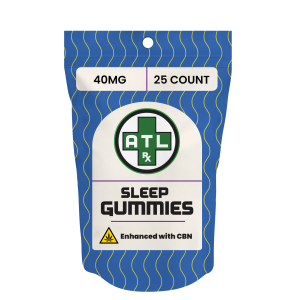
When purchasing CBD online as an Idaho resident, prioritize brands that offer:
At ATLRx, all products are backed by transparent, batch-specific lab testing. Browse our THC-Free CBD Isolate products here.
Idaho treats CBD products containing any detectable THC the same as marijuana under state law. Penalties are among the strictest in the country, and they became even harsher on January 1, 2026.
| Amount | Classification | Maximum Penalty | Min. Fine (2026) |
| Any amount (THC-containing CBD) | Misdemeanor (≤ 3 oz) | 1 year jail + $1,000 fine | $300 (NEW) |
| More than 3 oz | Felony | 5 years prison + $10,000 fine | $300+ |
| Any concentrate (any amount) | Felony | 3–15 years, depending on the amount | Varies |
NEW 2026: House Bill 7, signed into law in 2025, established a mandatory minimum $300 fine for simple cannabis possession (up to 3 ounces), effective January 1, 2026. This fine applies in addition to existing penalties and is mandatory — judges cannot waive it.
This is one of the most important sections for anyone visiting Idaho from another state. The legality of CBD products varies dramatically by state, and products that are perfectly legal where you live may be considered a controlled substance once you cross into Idaho.
Traveler’s Rule: When visiting Idaho, treat CBD the same way you’d treat any state-specific controlled substance. Convenience is not worth the legal risk.
| Idaho state law applies the moment you cross the state line — even if your CBD product is legal in your home state. Never bring full-spectrum CBD into Idaho, even if it is federally compliant at 0.3% THC. Travelers should carry only certified 0.0% THC products and keep their COA documentation with the products at all times.TSA follows federal law at airports, but Idaho law enforcement applies state law once you have landed or crossed state borders. Driving through Idaho with out-of-state legal CBD containing any THC risks a marijuana possession charge. |
Idaho was notably the last state in the U.S. to legalize hemp production. That changed in 2021 when Governor Brad Little signed House Bill 126, the Industrial Hemp Research and Development Act.
Under HB 126:
It is important to note that the legalization of hemp farming in Idaho did not change Idaho’s consumer-facing CBD laws. The 0% THC requirement for CBD products sold to consumers remains in effect regardless of HB 126.
| Idaho was the last U.S. state to legalize hemp farming — HB 126 (2021) finally made cultivation legal. Idaho hemp farmers need both a Producer License and, if handling/processing, a Handler License from the ISDA.License applications are submitted via the ISDA online portal between September 1 and December 31 each year. Hemp farming legalization did not change Idaho’s consumer CBD laws — the 0.0% THC requirement for retail products remains fully in force. |
Idaho recognizes one CBD-based product as fully legal: Epidiolex, an FDA-approved prescription medication containing purified cannabidiol derived from cannabis. It is prescribed for seizures associated with Lennox-Gastaut syndrome and Dravet syndrome, two severe, rare forms of epilepsy.
In February 2021, the Idaho Senate passed SB 1017, which descheduled Epidiolex from Schedule V of Idaho’s controlled substances list. The bill passed both chambers and was signed by Governor Brad Little.
For Epidiolex to be used legally in Idaho, it must be:
Epidiolex is the only exception to Idaho’s otherwise strict anti-cannabis policy, and it represents the state’s only legally recognized pathway for accessing a CBD-based pharmaceutical product.
| Epidiolex is the only CBD-based product that is fully legal in Idaho — it requires a prescription and is dispensed by licensed pharmacies only. Epidiolex was descheduled from Schedule V in Idaho in 2021 following the passage of SB 1017, signed by Governor Brad Little. Epidiolex must be prescribed by a licensed Idaho physician and used only by the named patient — it cannot be purchased over the counter. No over-the-counter CBD product has the same legal standing as Epidiolex in Idaho. |
Idaho’s political landscape around cannabis remains deeply conservative. However, several significant developments in 2025 and early 2026 are shaping the state’s cannabis policy trajectory.
Introduced by Representative Bruce Skaug and signed into law in early 2025, House Bill 7 establishes a mandatory minimum $300 fine for simple cannabis possession (any amount up to 3 ounces). This fine became effective on January 1, 2026, and applies in addition to existing misdemeanor penalties. The law represents a deliberate toughening of Idaho’s already strict possession enforcement.
In March 2025, the Idaho House and Senate passed House Joint Resolution 4 (HJR004) in lopsided votes. This resolution removes the ability of Idaho citizens to vote on cannabis policy reform via ballot initiatives. As of early 2026, this resolution is proceeding through the required steps to potentially become a constitutional amendment, which would permanently lock out direct democracy on cannabis issues in Idaho.
Despite the legislative barriers, advocacy groups, including the Natural Medicine Alliance of Idaho and Kind Idaho, are actively collecting signatures for a medical cannabis ballot initiative aimed at the November 2026 election. The initiative would require 70,725 signatures from at least 6% of registered voters across 18 of Idaho’s 35 legislative districts. All signatures must be collected by April 2026.
If the initiative qualifies and passes, it could eventually create a regulatory pathway that might broaden access to CBD and cannabis-derived products in Idaho — though legislative passage through the current Idaho Legislature remains unlikely without a successful ballot measure.
As of February 2026: No changes to Idaho’s CBD laws have been enacted. The state’s 0.0% THC requirement for legal CBD remains fully in effect. Monitor legislative developments through the Idaho Legislature’s official website and organizations like the Marijuana Policy Project (mpp.org/states/idaho).
| House Bill 7 (2025) introduced a mandatory minimum $300 fine for simple cannabis possession, effective January 1, 2026.HJR004 (2025) removed Idaho citizens’ ability to vote on cannabis policy reform via ballot initiatives — a major setback for reform advocates.A 2026 medical cannabis ballot initiative is actively collecting signatures (deadline: April 2026) for a November 2026 vote.As of February 2026, Idaho’s 0.0% THC requirement for legal CBD remains fully unchanged despite legislative activity. Idaho’s political climate makes near-term CBD law liberalization unlikely without a successful citizen ballot measure. |
Given Idaho’s strict 0% THC requirement, knowing how to evaluate a CBD product for compliance is essential. Follow these steps before making any CBD purchase in or for use in Idaho:
A COA is a lab report issued by a third-party testing laboratory confirming the cannabinoid content of a specific product batch. For Idaho compliance, the COA must show:
The lab that issued the COA should be:
COAs expire. A COA from two years ago does not reflect today’s product batch. The COA should correspond to the specific lot number or batch code on your product and should have been issued within the last 12 months.
Compare the batch or lot number printed on the product label to the batch/lot number on the COA. They must match exactly. A generic COA that does not reference a specific batch is not acceptable for Idaho compliance verification.
A comprehensive COA should include testing not just for cannabinoids but also for pesticides, heavy metals, residual solvents, and microbials. While Idaho law focuses on THC, responsible quality CBD products should meet these broader safety standards as well.
| Always request a batch-specific COA — not a generic certificate — that matches the exact lot number on the product you are purchasing. The COA must show THC at 0.00%, total THC at 0.00%, and no other THC isomers detected. Only accept COAs from ISO/IEC 17025 accredited laboratories that are independent from the brand.COAs should be no older than 12 months and should correspond to the specific product batch in hand. A full-panel COA covering cannabinoids, pesticides, heavy metals, solvents, and microbials is the gold standard for CBD product safety. |
Idaho’s CBD laws are the strictest in the country, and 2026 has brought no meaningful relaxation of those standards — in fact, new mandatory minimum fines make the legal landscape even riskier for non-compliant products.
For Idaho residents and visitors who want to use CBD products safely and legally:
At ATLRx, we believe in empowering consumers with accurate, up-to-date information. All of our CBD products come with transparent, batch-specific third-party lab testing so you can make informed decisions about what you purchase. If you have questions about product compliance or need help finding a product that meets Idaho’s requirements, our team is here to help.
Looking for THC-free CBD products that meet Idaho’s strict 0% THC requirement? Explore ATLRx’s CBD Isolate collection, third-party tested, clearly labeled, and made with transparency you can trust.
Yes, CBD is legal in Idaho only if it contains absolutely zero detectable THC (0.0%) and is derived from the legal, non-flower parts of the hemp plant. Full-spectrum CBD products are illegal in Idaho retail stores. CBD isolate and verified THC-free broad-spectrum products are the safest legal options.
Yes, CBD oil is legal in Idaho if it contains 0% THC and is derived from industrial hemp. Full-spectrum CBD oils — which contain trace THC — cannot be legally sold in Idaho stores. THC-free CBD isolate oils and verified broad-spectrum oils with zero THC are compliant.
No. Full-spectrum CBD is illegal in Idaho because it contains trace amounts of THC (typically 0.1%–0.3%). Idaho classifies any product with detectable THC as a controlled substance regardless of the amount.
Yes, you can buy CBD in Boise, but only products containing 0.0% THC. You can also buy CBD Products in Boise, Idaho, from one of the leading brands like ATLRx. Natural food stores, health food co-ops, and select specialty retailers in Boise carry CBD isolate and THC-free broad-spectrum products. Always request a Certificate of Analysis before purchasing.
Idaho does not set a statewide minimum age for CBD purchases. Age requirements are set by individual cities and retailers. In practice, most Idaho CBD sellers require customers to be at least 18, and many set the minimum at 21. Always verify local policies before purchasing.
No. Delta-8 THC is illegal in Idaho. Delta-8 is a THC isomer — a form of THC — and any product containing it violates Idaho’s zero-THC requirement for legal hemp products.
Online purchases of CBD are governed by federal law. Retailers shipping compliant hemp products are operating legally at the federal level. However, Idaho state law technically prohibits possession of CBD containing any THC. Ordering CBD isolate or verified 0.0% THC products online is the safest approach for Idaho residents.
No. As of February 2026, Idaho does not have a medical marijuana program. Cannabis is fully illegal in Idaho for both recreational and medical purposes. The only legal CBD-based medication is Epidiolex, which requires a prescription. A ballot initiative for medical cannabis is being pursued for the November 2026 election.
You can bring certified 0.0% THC CBD products into Idaho. Bringing full-spectrum CBD (with up to 0.3% THC, which is federally legal) into Idaho technically violates state law. Travelers should carry only verified zero-THC products and keep their COA documentation with them.
Possessing CBD with any detectable THC in Idaho is treated as marijuana possession. Penalties include: up to 1 year in jail and/or up to a $1,000 fine for amounts up to 3 ounces (plus a new $300 mandatory minimum fine effective January 1, 2026), and up to 5 years in prison and/or a $10,000 fine for more than 3 ounces.

March 1, 2026
March 1, 2026
March 1, 2026
March 1, 2026
March 1, 2026
$34.99
$39.99
$49.99

$44.99

$6.99
$49.99
$39.99
$29.99