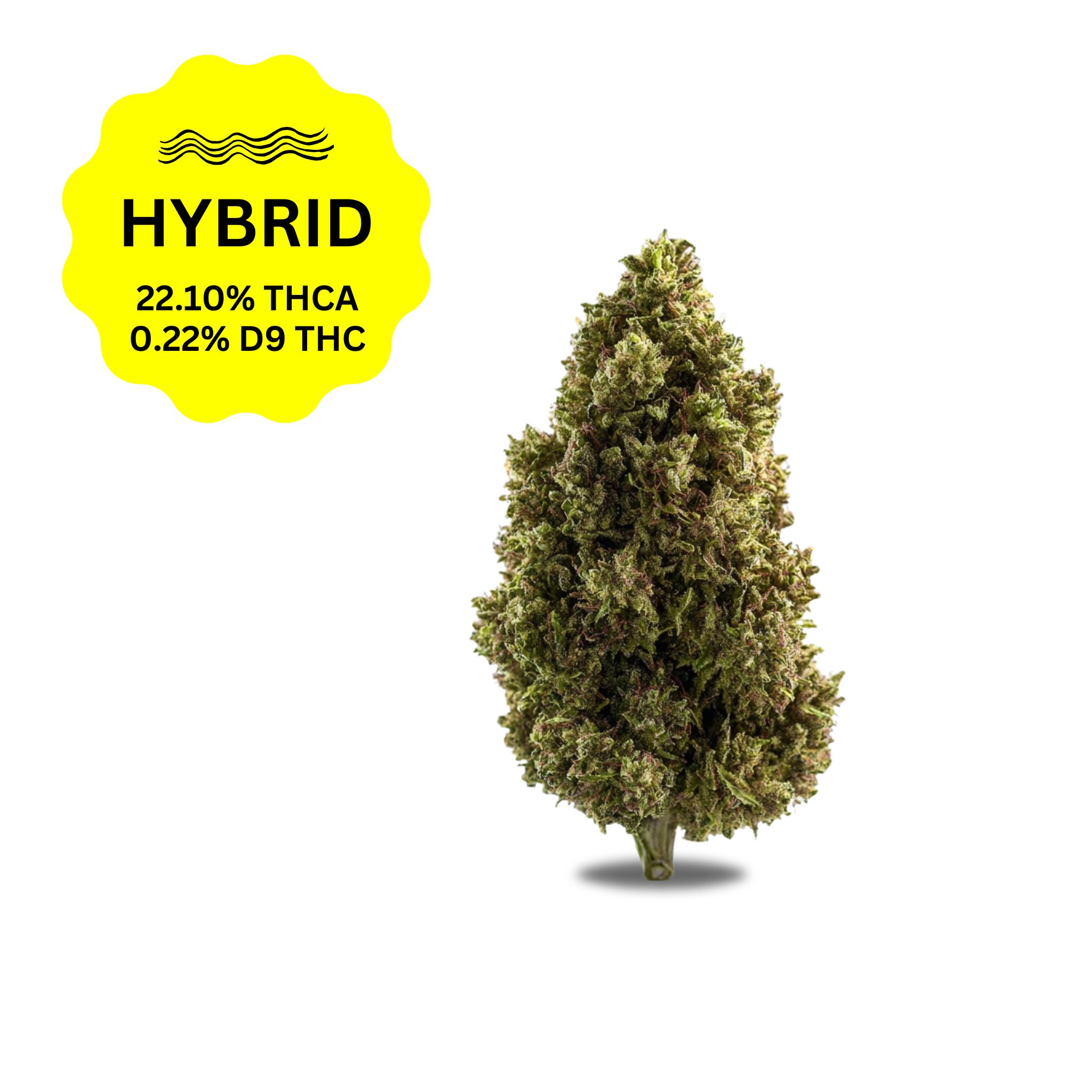


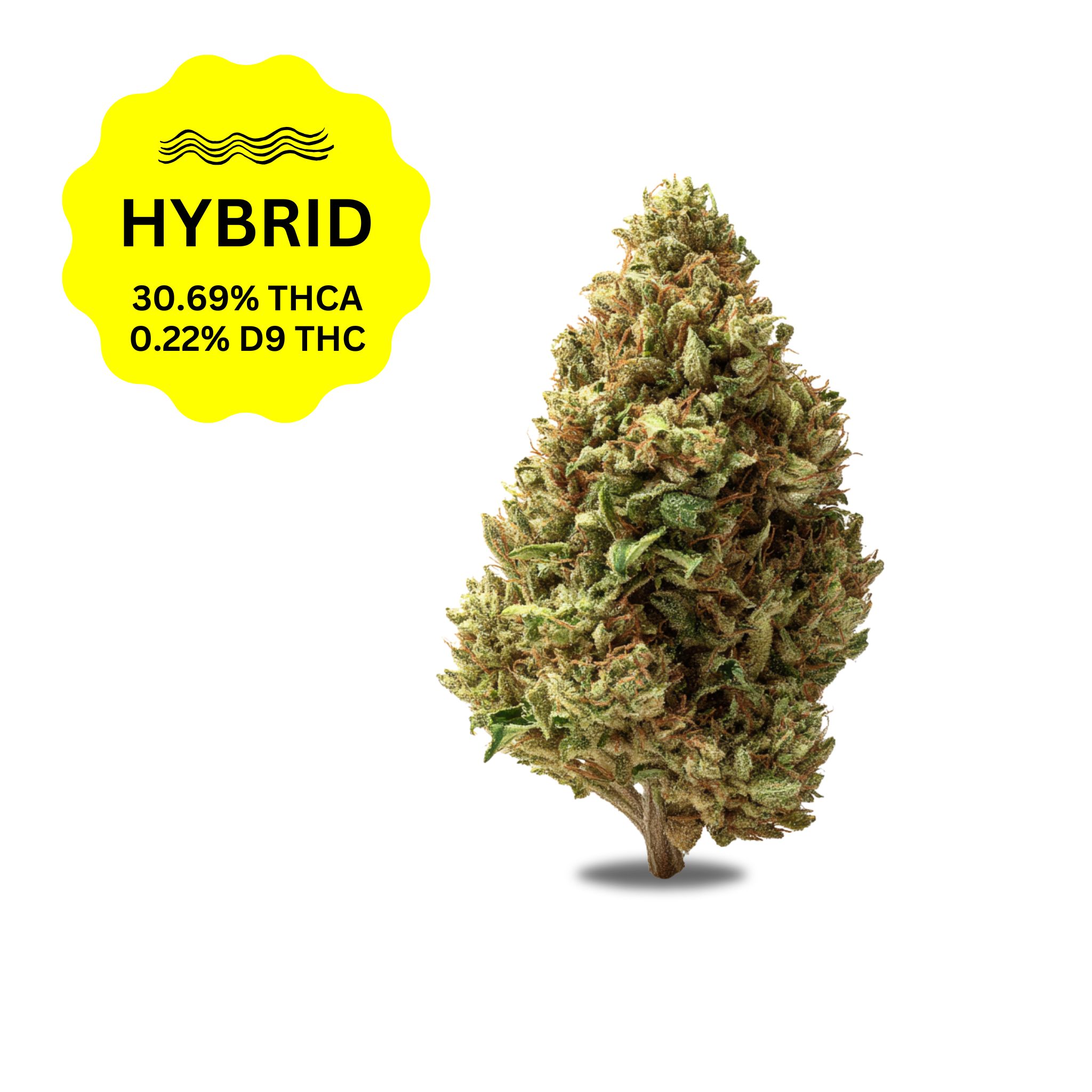
$34.99

ARE YOU 21 YEARS OF AGE OR OLDER?
REMEMBER ME
Seriously, by using this site you are confirming that you are of legal age (21+) to view and purchase these products. If you are you are not over 21. you are not authorized by us to use or view any of the pages of this site. Please review our terms and conditions at checkout for further stipulations.
FREE SHIPPING ON ALL ORDERS OVER $49 —— FREE EXPEDITED SHIPPING ON ALL ORDERS OVER $149 —— FREE SHIPPING ON ALL ORDERS OVER $49 —— FREE EXPEDITED SHIPPING ON ALL ORDERS OVER $149 —— FREE SHIPPING ON ALL ORDERS OVER $49 —— FREE EXPEDITED SHIPPING ON ALL ORDERS OVER $149 —— FREE SHIPPING ON ALL ORDERS OVER $49 —— FREE EXPEDITED SHIPPING ON ALL ORDERS OVER $149 ——
FREE SHIPPING ON ALL ORDERS OVER $49 —— FREE EXPEDITED SHIPPING ON ALL ORDERS OVER $149 —— FREE SHIPPING ON ALL ORDERS OVER $49 —— FREE EXPEDITED SHIPPING ON ALL ORDERS OVER $149 —— FREE SHIPPING ON ALL ORDERS OVER $49 —— FREE EXPEDITED SHIPPING ON ALL ORDERS OVER $149 —— FREE SHIPPING ON ALL ORDERS OVER $49 —— FREE EXPEDITED SHIPPING ON ALL ORDERS OVER $149 ——
 >
Blogs
>
THCA >
Is THCa Legal in Georgia? Complete 2026 Legal Guide
>
Blogs
>
THCA >
Is THCa Legal in Georgia? Complete 2026 Legal Guide
THE STATEMENTS ON THIS BLOG ARE NOT INTENDED TO DIAGNOSE, TREAT, CURE, OR PREVENT ANY DISEASE. THE FOOD AND DRUG ADMINISTRATION HAS NOT EVALUATED ANY STATEMENTS CONTAINED WITHIN THE BLOG. ATLRX DOES NOT IN ANY WAY GUARANTEE OR WARRANT THE ACCURACY, COMPLETENESS, OR USEFULNESS OF ANY MESSAGE. THE INFORMATION CONTAINED WITHIN THIS BLOG IS FOR GENERAL INFORMATIONAL PURPOSES ONLY.
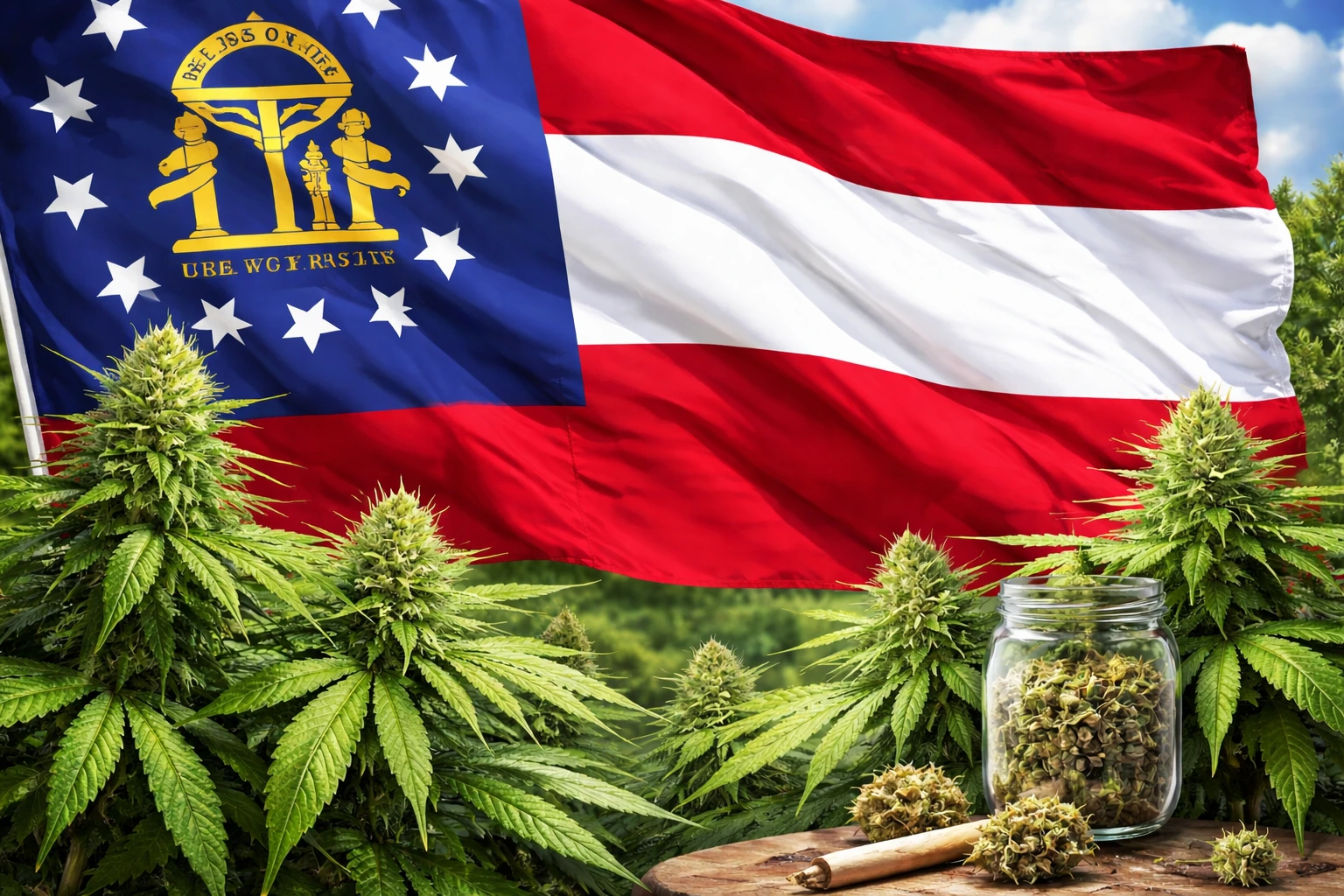
THCA Legal Status in Georgia:
Yes, THCa is legal in Georgia. THCa products are legal when derived from hemp containing less than 0.3% Delta-9 THC, as permitted under both the 2018 Farm Bill and Georgia House Bill 213 (2019).
If you’re a Georgia resident curious about THCa (tetrahydrocannabinolic acid), you’re likely wondering about its legal status in the Peach State. The short answer is yes—THCa is legal in Georgia when derived from hemp containing less than 0.3% Delta-9 THC. This legality stems from both federal law under the 2018 Farm Bill and Georgia’s own hemp legislation, House Bill 213, passed in 2019.
However, the legal landscape surrounding THCa and other hemp-derived cannabinoids can be confusing. In this comprehensive guide, we’ll break down everything you need to know about THCa’s legal status in Georgia, how it differs from marijuana, what products you can legally purchase, and important considerations for consumers.
Table of contents:
Where to Buy: Available from licensed online retailers, local hemp shops, and dispensaries throughout Georgia. Always verify products have Certificates of Analysis (COAs).
Before diving into the legal aspects, it’s essential to understand what THCa actually is and why its legal status differs from traditional marijuana.
THCa (tetrahydrocannabinolic acid) is a naturally occurring cannabinoid found in raw, unheated cannabis and hemp plants. It’s the acidic precursor to Delta-9 THC—the compound most commonly associated with cannabis’s psychoactive effects.
In its natural state, THCa contains an extra carboxyl group (COOH) in its molecular structure. This additional component is crucial because it means THCa does not produce intoxicating effects when consumed in its raw form. You could consume raw cannabis or hemp high in THCa and not experience the “high” typically associated with marijuana.
The transformation from THCa to Delta-9 THC occurs through a process called decarboxylation, which happens when THCa is exposed to heat. When you smoke, vape, or cook with cannabis or hemp, the heat removes the carboxyl group from THCa’s molecular structure, converting it into Delta-9 THC.
This conversion typically occurs at temperatures around 220°F (104°C) and above. The key factors include:
The legal distinction between THCa and Delta-9 THC is significant. Federal and Georgia state laws regulate Delta-9 THC content, not THCa content. This is why hemp-derived products can contain high levels of THCa while remaining legal—as long as the Delta-9 THC content stays below 0.3% by dry weight.
When you purchase THCa flower or products in Georgia, you’re buying hemp that contains minimal Delta-9 THC but substantial amounts of its non-intoxicating precursor, THCa. The product remains legal in its packaged, unheated form.
Understanding THCa’s legality in Georgia requires examining both federal and state legislation.
The Agricultural Improvement Act of 2018, commonly known as the Farm Bill, fundamentally changed how the United States regulates hemp. Before this legislation, all cannabis plants—regardless of their THC content—were classified as Schedule I controlled substances under federal law.
Key provisions of the 2018 Farm Bill:
Crucially, the Farm Bill measures only Delta-9 THC content, not THCa. This distinction is what makes high-THCa hemp flower legal at the federal level.
Following the federal Farm Bill, Georgia passed House Bill 213 in 2019, which aligned state law with federal hemp regulations.
What Georgia HB 213 established:
This legislation means that Georgia law recognizes the same distinction between hemp and marijuana as federal law. Hemp-derived THCa products meeting the federal definition fall outside Georgia’s marijuana regulations.
Because both federal law (2018 Farm Bill) and Georgia state law (HB 213) align in their treatment of hemp, THCa derived from compliant hemp is legal at both levels when:
This dual compliance creates a clear legal pathway for THCa products in Georgia.
While the 2018 Farm Bill remains the current federal framework for hemp legalization, there have been ongoing discussions about the next Farm Bill and potential changes to hemp regulations.
Current Status as of 2026:
The 2018 Farm Bill provisions remain in effect, establishing:
Key Points About Recent Developments:
Federal Level:
What Hasn’t Changed:
Georgia’s Position: Georgia’s House Bill 213 (2019) aligns with federal standards and has not been amended to restrict THCa or other hemp-derived cannabinoids. The Georgia Department of Agriculture continues to oversee the state’s hemp program without additional cannabinoid-specific restrictions beyond federal requirements.
Important Clarification:
Some states have enacted restrictions on specific hemp-derived cannabinoids (like Delta-8 THC or intoxicating hemp products), but Georgia has not imposed such restrictions on THCa. Georgia law continues to follow the federal framework, making hemp-derived THCa products legal as long as they meet the Delta-9 THC compliance threshold.
What This Means for Georgia Consumers:
While THCa is currently legal, the hemp regulatory landscape continues to evolve:
For the most current information:
Bottom Line: As of February 2026, no recent Farm Bill changes or federal regulatory updates have altered THCa’s legal status in Georgia. The 2018 Farm Bill framework remains in effect, and Georgia law continues to align with federal hemp standards.
Yes, THCa is legal in Georgia when it meets specific criteria.
THCa’s legal status in Georgia depends entirely on its source and Delta-9 THC content:
✅ Hemp-Derived: Must be extracted from or naturally present in hemp plants ✅ Compliant THC Levels: The product must contain less than 0.3% Delta-9 THC by dry weight ✅ Proper Documentation: Should have lab testing (Certificate of Analysis) confirming compliance ✅ All Forms: Includes flower, concentrates, edibles, tinctures, and other product formats
❌ Marijuana-Derived: THCa from marijuana plants (those exceeding 0.3% Delta-9 THC) remains illegal under Georgia law. ❌ Non-Compliant Products: Any product exceeding the 0.3% Delta-9 THC threshold is classified as marijuana. ❌ Synthetic THCa: While not common, synthetically produced THCa would not fall under hemp legalization provisions
Yes, THCa flower is legal in Georgia. THCa flower refers to the raw, dried buds of hemp plants that contain high levels of THCa but remain below the 0.3% Delta-9 THC threshold.
Important considerations about THCa flower:
Georgia law does not prohibit the possession or use of hemp flower, making THCa flower one of the most popular hemp-derived products in the state.
Georgia residents have access to a wide variety of THCa products, all legal under current hemp laws. Here’s what you can legally purchase and possess:
Raw, dried hemp buds containing high levels of THCa are available throughout Georgia. These products offer the full spectrum of cannabinoids and terpenes found in the hemp plant.
What to know:
Pre-rolled hemp cigarettes or joints containing THCa flower provide convenience for users.
What to know:
Concentrated forms of THCa offer higher potency than flower. ATLRx offers different types of THCA Concentrates:
What to know:
Vape cartridges and disposables containing THCa extracts are increasingly popular.
What to know:
While less common than CBD edibles, some manufacturers create THCa-infused food products.
What to know:
Liquid THCa extracts are taken sublingually (under the tongue).
What to know:
External-use products infused with THCa.
What to know:
While THCa is legal in Georgia, not all products on the market are compliant, properly tested, or safe. Here’s how to ensure you’re purchasing legal, quality THCa products:
Check for Certificates of Analysis (COAs): Every reputable THCa product should have third-party lab testing documentation readily available. A proper COA should include:
Confirm hemp-derived certification: Legitimate vendors should be able to verify their products are derived from legally grown hemp. Look for:
Verify Delta-9 THC compliance: The most critical legal requirement is that Delta-9 THC remains below 0.3%. Always review COAs before purchasing.
Online Retailers: Many Georgia residents purchase THCa products from online vendors who ship hemp products nationwide.
Advantages:
What to verify:
Local Hemp Shops and CBD Stores: Physical retail locations throughout Georgia sell THCa products.
Advantages:
What to verify:
Dispensaries: Some hemp dispensaries in Georgia specialize in cannabinoid products, including THCa.
Advantages:
Be cautious of vendors who:
While Georgia law doesn’t specify a minimum age for hemp product purchases, most reputable retailers require customers to be 21 years or older. Some may sell to those 18 and up. Always bring valid identification when purchasing THCa products.
While THCa is legal in Georgia, there are important practical and legal considerations to keep in mind:
Carry your Certificate of Analysis: Because THCa flower is visually identical to marijuana, law enforcement cannot distinguish between legal hemp and illegal cannabis in the field. If you’re carrying THCa flower:
No specific possession limits: Georgia’s hemp laws don’t establish possession limits for hemp-derived products. However, carrying large quantities without documentation could raise questions.
Georgia law prohibits smoking in many public places, regardless of what you’re smoking. While this doesn’t specifically target hemp:
Best practices:
Important: Do not drive under the influence of any intoxicating substance.
When THCa is heated (smoked or vaped), it converts to Delta-9 THC, which can impair driving ability. Georgia’s DUI laws apply to all impairing substances, not just alcohol or marijuana.
Key points:
If you use THCa products that involve heating:
THCa will likely cause positive drug tests.
Most workplace drug tests screen for THC metabolites. Because THCa converts to Delta-9 THC when heated (smoking, vaping) or even partially during digestion, using THCa products can result in positive drug tests.
Important considerations:
If you’re subject to drug testing:
THCa’s legal status in Georgia does not prevent employers from:
Georgia is an at-will employment state, meaning employers have broad discretion in establishing and enforcing workplace policies regarding substance use.
While THCa is legal in Georgia, laws vary significantly by state.
Before traveling with THCa:
States with stricter hemp regulations: Some states have banned certain hemp-derived cannabinoids or imposed additional restrictions beyond federal law. Always verify current laws before traveling.
Georgia doesn’t specifically address minimum age requirements for hemp products in HB 213. However:
Even though hemp-derived THCa is federally legal:
Legal status doesn’t prevent:
Always review your lease agreement and discuss with your landlord if you have questions.
Georgia residents have access to various hemp-derived cannabinoids. Here’s how THCa compares:
| Cannabinoid | Legal Status in Georgia | Source | Primary Characteristics | Psychoactive When Heated? |
| THCa | Legal (hemp-derived, <0.3% Delta-9 THC) | Raw hemp flower | Non-intoxicating in raw form; converts to Delta-9 THC when heated | Yes |
| CBD | Legal (hemp-derived) | Hemp flower and biomass | Non-intoxicating at any temperature | No |
| Delta-9 THC | Illegal (except <0.3% in hemp products) | Marijuana or compliant hemp | Intoxicating cannabinoid | Yes (already active) |
| Delta-8 THC | Legal (hemp-derived, regulatory gray area) | Converted from CBD | Mildly intoxicating | Yes (already active) |
| CBG | Legal (hemp-derived) | Hemp flower and biomass | Non-intoxicating | No |
| CBN | Legal (hemp-derived) | Oxidized THC or hemp extraction | Mildly sedating, minimally intoxicating | Minimal |
| HHC | Legal (hemp-derived, evolving regulations) | Hydrogenated THC | Intoxicating | Yes (already active) |
Compared to CBD:
Compared to Delta-8 THC:
Compared to Marijuana (Illegal in Georgia):
Compared to CBG and CBN:
Georgia’s hemp market continues to expand with new products and cannabinoids regularly entering the market. THCa has become particularly popular because:
However, the regulatory landscape remains dynamic. While THCa is currently legal, lawmakers periodically review hemp regulations. Staying informed about potential legislative changes is important for consumers.
THCa is legal in Georgia thanks to the alignment of federal and state hemp laws. The 2018 Farm Bill and Georgia’s House Bill 213 created a clear legal framework for hemp-derived cannabinoids, including THCa, as long as products contain less than 0.3% Delta-9 THC.
Georgia residents can legally purchase, possess, and use a wide variety of THCa products, from flower and pre-rolls to concentrates and edibles. However, responsible consumption requires understanding the legal nuances, verifying product compliance through third-party lab testing, and being aware of how THCa use may impact employment, drug testing, and other aspects of life.
Key takeaways for Georgia consumers:
As the hemp industry continues to evolve, staying informed about legal developments and maintaining awareness of product quality and compliance remain essential. Whether you’re exploring THCa for the first time or are an experienced user, understanding the legal landscape helps you make informed decisions while staying within the bounds of Georgia law.
Yes, THCa is legal in Georgia when derived from hemp containing less than 0.3% Delta-9 THC. Both the 2018 Farm Bill and Georgia’s House Bill 213 (2019) legalized hemp-derived cannabinoids, including THCa, as long as products meet federal compliance standards.
Yes, you can legally purchase THCa flower in Georgia. THCa flower is hemp that contains high levels of THCa but remains below the 0.3% Delta-9 THC threshold. It’s available from online retailers, local hemp shops, and dispensaries throughout the state.
Yes, THCa will likely cause a positive result on drug tests. When heated (smoked or vaped), THCa converts to Delta-9 THC, which is what drug tests detect. Even some raw THCa consumption may result in positive tests. Drug tests cannot distinguish between legal hemp-derived THC and illegal marijuana-derived THC.
No, THCa products are not the same as marijuana under Georgia law. The legal distinction depends on the source plant and Delta-9 THC content. THCa derived from hemp (cannabis with ≤0.3% Delta-9 THC) is legal, while marijuana (cannabis exceeding 0.3% Delta-9 THC) remains illegal in Georgia for recreational use.
When THCa is exposed to heat through smoking, vaping, or cooking, it undergoes decarboxylation—a chemical process that removes a carboxyl group from the molecule and converts it into Delta-9 THC. This is why smoking or vaping THCa flower can produce psychoactive effects similar to marijuana, even though the raw flower is non-intoxicating.
You can purchase THCa products from reputable online retailers that ship to Georgia, local hemp and CBD shops, and specialized hemp dispensaries. Always verify that vendors provide Certificates of Analysis (COAs) confirming products meet legal compliance standards (Delta-9 THC below 0.3%).
While Georgia’s hemp law doesn’t specify a minimum age, most reputable retailers require customers to be 21 years or older to purchase THCa products. Some retailers may sell to individuals 18 and older. Always bring valid identification when purchasing.
Yes, you can travel within Georgia with THCa products. However, laws vary by state, so research destination state regulations before crossing state lines. Keep products in original packaging with COAs available. Be aware that some states have stricter hemp regulations than Georgia.
Growing hemp in Georgia requires a license through the Georgia Department of Agriculture’s hemp program. Personal cultivation of hemp (including THCa-rich varieties) without proper licensing is not permitted. Licensed hemp farmers must follow strict regulations and testing requirements.
Verify that products come with third-party lab testing (Certificate of Analysis) showing Delta-9 THC levels below 0.3%, cannabinoid content, and contaminant screening. Purchase from reputable vendors with transparent sourcing, positive reviews, and clear documentation. Avoid products without proper testing or from questionable sources.
Yes, in most cases. Georgia is an at-will employment state, and employers can maintain drug-free workplace policies regardless of a substance’s legal status. Using THCa products can result in positive drug tests for THC, which may lead to employment consequences depending on your employer’s policies.
In its raw, unheated form, THCa is non-intoxicating and does not produce a “high.” However, when THCa is heated through smoking, vaping, or cooking, it converts to Delta-9 THC, which is intoxicating and can produce psychoactive effects similar to marijuana.
Delta-9 THC is legal in Georgia only when present in hemp-derived products at concentrations below 0.3% by dry weight. Marijuana containing higher concentrations of Delta-9 THC remains illegal for recreational use. Georgia has a limited medical cannabis program for qualifying patients, but it’s highly restricted.
THCa and CBD are both cannabinoids found in hemp, but they differ significantly. THCa converts to intoxicating Delta-9 THC when heated, while CBD remains non-intoxicating regardless of temperature. CBD is more widely researched and accepted, while THCa is gaining popularity for providing effects more similar to traditional cannabis.
This depends entirely on your specific probation or parole terms. Even though THCa is legal, many supervision agreements prohibit the use of any THC-containing products or substances that could cause positive drug tests. Always consult with your probation officer or attorney before using any hemp products while under supervision.
No, as of February 2026, the 2018 Farm Bill provisions remain in effect without changes to THCa’s legal status. The 0.3% Delta-9 THC threshold continues as the federal standard, and THCa remains legal when derived from compliant hemp. Georgia has not enacted additional restrictions on THCa beyond federal requirements. However, hemp regulations continue to evolve, so consumers should stay informed about potential legislative changes at both the federal and state levels.
Disclaimer: This article provides general information about THCa and hemp laws in Georgia as of February 2026. It is not legal advice. Laws and regulations are subject to change, and individual circumstances may vary. For specific legal questions, consult with a qualified attorney. This content does not make any claims about the health effects or therapeutic benefits of THCa or any other cannabinoid.

March 1, 2026
March 1, 2026
March 1, 2026
March 1, 2026
March 1, 2026
$34.99
$39.99
$49.99

$44.99

$6.99
$49.99
$39.99
$29.99