

$6.99

ARE YOU 21 YEARS OF AGE OR OLDER?
REMEMBER ME
Seriously, by using this site you are confirming that you are of legal age (21+) to view and purchase these products. If you are you are not over 21. you are not authorized by us to use or view any of the pages of this site. Please review our terms and conditions at checkout for further stipulations.
FREE SHIPPING ON ALL ORDERS OVER $49 —— FREE EXPEDITED SHIPPING ON ALL ORDERS OVER $149 —— FREE SHIPPING ON ALL ORDERS OVER $49 —— FREE EXPEDITED SHIPPING ON ALL ORDERS OVER $149 —— FREE SHIPPING ON ALL ORDERS OVER $49 —— FREE EXPEDITED SHIPPING ON ALL ORDERS OVER $149 —— FREE SHIPPING ON ALL ORDERS OVER $49 —— FREE EXPEDITED SHIPPING ON ALL ORDERS OVER $149 ——
FREE SHIPPING ON ALL ORDERS OVER $49 —— FREE EXPEDITED SHIPPING ON ALL ORDERS OVER $149 —— FREE SHIPPING ON ALL ORDERS OVER $49 —— FREE EXPEDITED SHIPPING ON ALL ORDERS OVER $149 —— FREE SHIPPING ON ALL ORDERS OVER $49 —— FREE EXPEDITED SHIPPING ON ALL ORDERS OVER $149 —— FREE SHIPPING ON ALL ORDERS OVER $49 —— FREE EXPEDITED SHIPPING ON ALL ORDERS OVER $149 ——
 >
Blogs
>
THCA >
Is THCA Legal in California? 2026 Law Updates & Guide
>
Blogs
>
THCA >
Is THCA Legal in California? 2026 Law Updates & Guide
THE STATEMENTS ON THIS BLOG ARE NOT INTENDED TO DIAGNOSE, TREAT, CURE, OR PREVENT ANY DISEASE. THE FOOD AND DRUG ADMINISTRATION HAS NOT EVALUATED ANY STATEMENTS CONTAINED WITHIN THE BLOG. ATLRX DOES NOT IN ANY WAY GUARANTEE OR WARRANT THE ACCURACY, COMPLETENESS, OR USEFULNESS OF ANY MESSAGE. THE INFORMATION CONTAINED WITHIN THIS BLOG IS FOR GENERAL INFORMATIONAL PURPOSES ONLY.
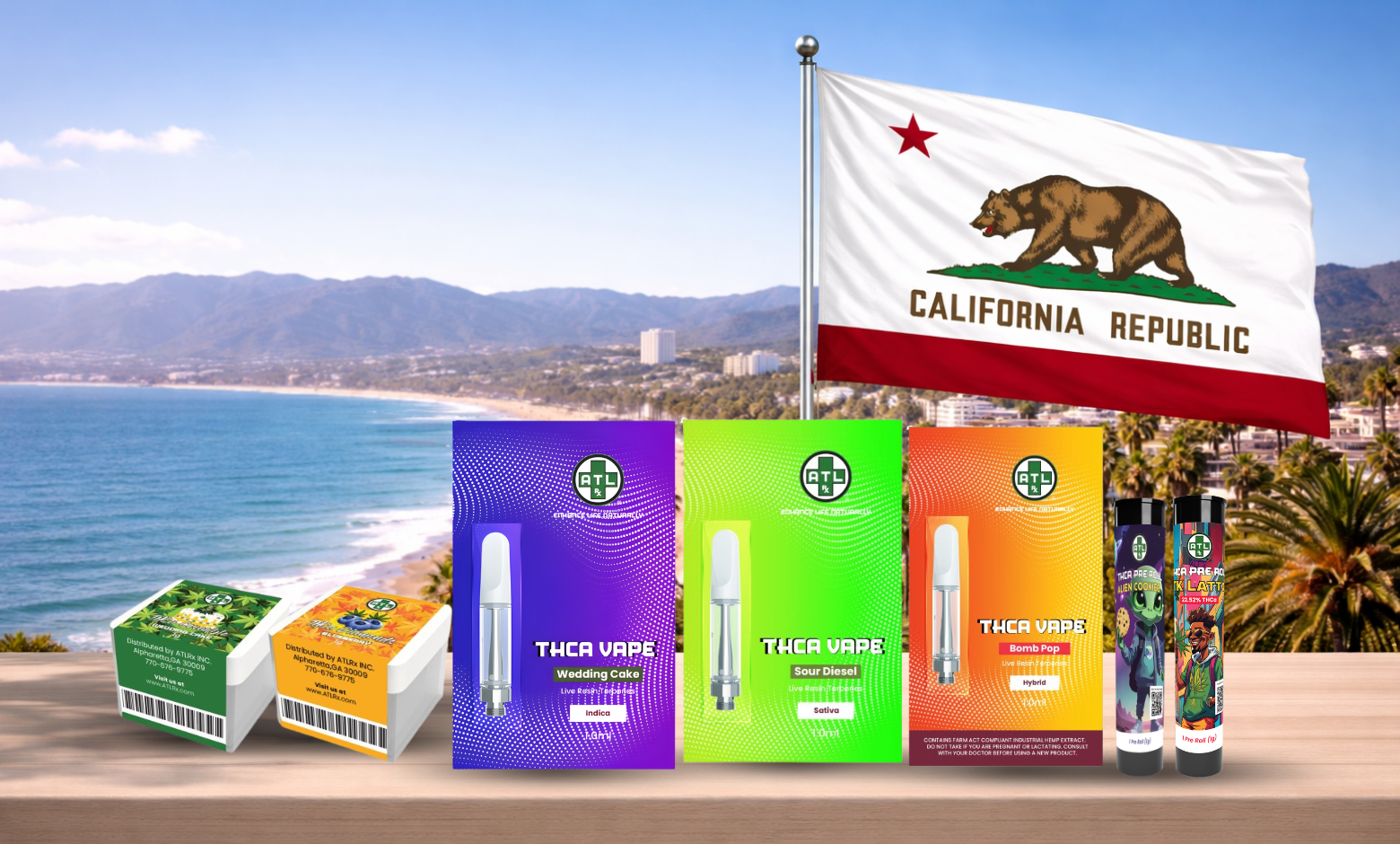
THCA Legal Status in California:
Yes, THCA is legal in Minnesota, but only through licensed cannabis dispensaries. As of January 1, 2026, California’s Assembly Bill 8 (AB 8) bans the sale of THCA flower and intoxicating hemp products outside the state’s licensed cannabis market. Hemp-derived THCA sold in smoke shops, gas stations, or via unlicensed online retailers is no longer compliant with California law. Separately, H.R. 5370 (P.L. 119-37) redefines hemp to include all THC (including THCA) and closes the federal loophole on November 12, 2026.
You’re not alone if you’re wondering if THCA is legal in California. The legal landscape for THCA in the Golden State shifted significantly starting January 1, 2026, and new federal rules are set to take effect later this year. Whether you are a longtime hemp consumer, a curious newcomer, or a California business owner, this guide breaks down everything you need to know about THCA’s current legal status, what changed, and what to expect in the months ahead.
Read the full guide below for a complete breakdown of AB 8, H.R. 5371, possession limits, drug testing, and where to buy legally in 2026.
Table of contents:
• THCA is legal in California only when purchased from a DCC-licensed cannabis dispensary.
• California AB 8 (effective January 1, 2026) bans smokable THCA flower and intoxicating hemp product sales outside the licensed cannabis market.
• Federal law H.R. 5371 (effective November 12, 2026) defines hemp to include total THC (including THCA), closing the federal loophole for high-THCA products.
• Smoke shops, gas stations, and unlicensed online hemp retailers cannot legally sell THCA products in California in 2026.
• Adults 21 and over may possess up to 28.5 grams of THCA flower purchased from a licensed dispensary.
• Consuming THCA through smoking or vaping will likely produce a positive drug test result.
• AB 8 reaches full implementation on January 1, 2028, when all intoxicating hemp products must be sold through licensed dispensaries.
• Businesses selling THCA outside the licensed system face fines, product seizure, license revocation, and potential criminal charges.
The chemical compound tetrahydrocannabinolic acid is known as THCA. Raw, freshly harvested cannabis and hemp plants contain this naturally occurring cannabinoid. Because unheated THCA is not psychoactive, it won’t produce the intoxicating “high” associated with cannabis use.
THCA undergoes a chemical reaction when exposed to heat, such as through smoking, vaping, or baking, called decarboxylation. The carboxyl group (COOH) is removed from the molecule, resulting in Delta-9 THC, the compound responsible for the cannabis high.
This chemistry has been at the center of a legal debate for years. Because THCA converts to THC only upon heating, hemp producers argued that high-THCA flower was technically legal under the 2018 Farm Bill, which limited only Delta-9 THC content to no more than 0.3% by dry weight. That argument held legal water for several years, but 2026 has changed the picture dramatically.
Understanding the difference between THCA and THC is essential before diving into legality.
Before 2026, because THCA itself was technically not Delta-9 THC, many hemp businesses sold high-THCA flower as a federally compliant hemp product. That loophole has now effectively been closed at both the state and federal levels.
The short answer is: THCA is legal in California in 2026 only when purchased from a licensed cannabis dispensary. Hemp-derived THCA products sold outside the licensed cannabis market, such as in smoke shops, gas stations, or online hemp stores, are no longer compliant with California law.
Here is what changed and why.
AB 8 was signed into law by Governor Gavin Newsom in September 2025, with Phase 1 taking effect on January 1, 2026. As a result of this legislation, hemp-derived intoxicating products are regulated in the state in a fundamentally different way.
Key provisions of AB 8 that affect THCA products include:
The implementation of AB 8 is phased out according to a schedule. Full implementation concludes on January 1, 2028, at which point all intoxicating hemp products sold in California will be subject to cannabis licensing requirements, METRC tracking, and the 15% excise tax applicable to licensed cannabis.
Alongside California’s AB 8, a significant federal change is on the horizon. Signed into law in November 2025 as part of the federal government’s Continuing Appropriations and Agriculture Appropriations package (H.R. 5371), new provisions that reshape the federal definition of hemp will take full effect on November 12, 2026.
Among these changes are:
In practical terms, this means that most high-THCA hemp flower products that currently exist in the market would not meet the new federal definition of hemp once these provisions take full effect in November 2026.
As of 2026, there is one clear answer: licensed cannabis dispensaries. California’s Department of Cannabis Control (DCC) operates a comprehensive licensing system for cannabis retailers. THCA products, along with Delta-8, Delta-10, HHC, and other intoxicating cannabinoids, may only be sold through DCC-licensed dispensaries that are compliant with all state regulations, including age verification (21+), product testing, proper labeling, and tax collection.
The following retail channels can no longer legally sell intoxicating THCA products in California:
For consumers, this means verifying that the seller holds a current DCC license before making any THCA purchase. You can verify a retailer’s legitimacy using the DCC’s license verification tool.
Online hemp retailers shipping THCA flower or high-potency THCA products to California addresses are operating outside the boundaries of California law in 2026. AB 8 Phase 1 and the upcoming state restrictions make it clear that intoxicating hemp products must pass through the licensed cannabis market.
SB 378, effective July 1, 2026, further tightens online oversight by requiring online platforms that host cannabis or hemp sales to verify seller licenses, warn consumers of unlicensed operators, and create public reporting systems for unlicensed advertisements.
Consumers should be cautious about purchasing THCA products from online hemp stores that ship to California. While enforcement for personal possession may vary, the sale itself is non-compliant under current state law.
One of the most common questions California consumers ask about THCA is whether it will cause a positive result on a drug test.
The straightforward answer is yes, if the THCA is consumed through smoking, vaping, or cooking. THCA converts to Delta-9 THC when heated. In standard drug tests, THC metabolites are screened for, not the THCA compound itself. Because your body processes the converted THC the same way it processes any other THC, a positive test result is highly likely after smoking or vaping THCA flower.
Key considerations for drug test-sensitive consumers:
For THCA products purchased from a licensed California dispensary, standard adult-use cannabis possession limits apply:
Possessing cannabis or THCA products on school grounds, in motor vehicles (while driving), in public places, or in federal jurisdictions remains illegal regardless of where the product was purchased.
For businesses, AB 8 creates a clear set of compliance requirements and significant risk for non-compliance:
Businesses should consult with a qualified California cannabis compliance attorney to ensure they are operating within the current regulatory framework.
For context, it helps to understand how the THCA market grew so rapidly before 2026.
According to the 2018 Farm Bill, hemp is defined as Cannabis sativa L. containing less than 0.3% Delta-9 THC. This definition focused exclusively on Delta-9 THC concentration, not on total THC or the presence of THCA. Because THCA is technically a different compound from Delta-9 THC in its raw state, hemp producers began cultivating high-THCA strains and selling them as federally legal hemp products, even though smoking that flower would produce the same psychoactive effects as conventional marijuana.
Critics, including California state legislators and federal policymakers, argued this created a loophole that undermined the original intent of the Farm Bill, bypassed the regulated cannabis market, endangered youth by making intoxicating products available in unregulated retail settings, and allowed untested products to reach consumers without proper safety oversight.
AB 8 and H.R. 5371 represent the combined state and federal response to close this gap.
The question of whether THCA is legal in California now has a much clearer answer than it did even twelve months ago. THCA is legal in California when accessed through the state’s licensed cannabis dispensary system. Outside of that system, intoxicating THCA products, including smokable flower and high-potency extracts, are not compliant with state law.
With AB 8 Phase 1 already in effect and full implementation arriving by 2028, and with the federal H.R. 5371 provisions taking effect in November 2026, California consumers and businesses should expect continued tightening of the regulatory framework around THCA and other hemp-derived cannabinoids.
If you have questions about THCA products that comply with California’s current regulations, ATLRx is here to help. Our team stays up to date on the latest compliance requirements so you can make informed purchasing decisions. Browse our selection of compliant hemp-derived products or reach out to our support team for personalized guidance.
No, in California, THCA flower can only be sold through a licensed dispensary. Smokable hemp, including THCA flower and pre-rolls, is banned from sale outside the licensed cannabis system under AB 8, which took effect January 1, 2026.
Yes, purchasing high-potency or intoxicating THCA products from unlicensed online hemp retailers and having them shipped to a California address is non-compliant with California law in 2026. SB 378, effective July 2026, adds additional accountability measures for online platforms facilitating such sales.
Yes, in most cases. Smoking or vaping THCA converts it into Delta-9 THC, which can be detected by standard drug tests. If you are subject to drug testing, speak to your employer or healthcare professional before using THCA products.
No, Raw, unheated THCA is not psychoactive and chemically distinct from Delta-9 THC. However, once heated, THCA converts to Delta-9 THC and produces the same effects as conventional marijuana. California law now regulates THCA based on its intoxicating potential once heated, not just its raw chemical form.
You can legally purchase THCA products from a DCC-licensed cannabis dispensary in California. You must be at least 21 years old for adult-use purchases or have a valid medical recommendation for medical purchases.
Businesses that sell intoxicating THCA products outside the licensed cannabis market face administrative fines, product seizure, license revocation, and potential criminal charges under California law. Repeat violations carry escalating penalties.
Disclaimer: This content is for educational and informational purposes only and does not constitute legal advice. Cannabis and hemp laws are subject to rapid change. Always verify current regulations with a licensed attorney before making purchasing or business decisions.

March 25, 2026
March 25, 2026
March 24, 2026
March 24, 2026
$6.99
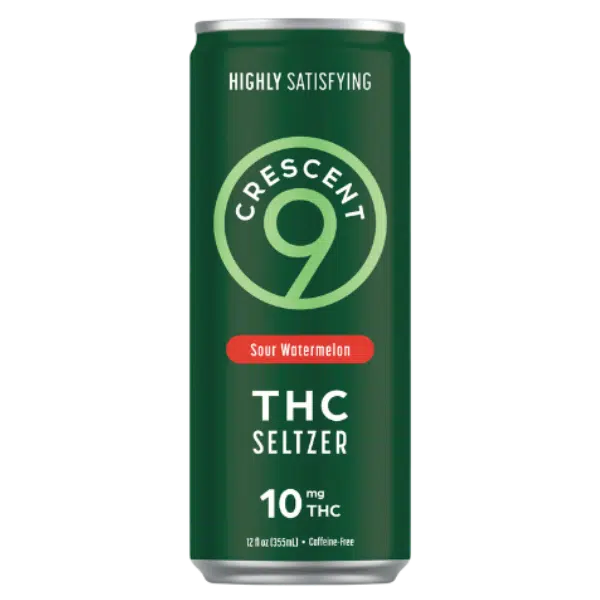
$5.99
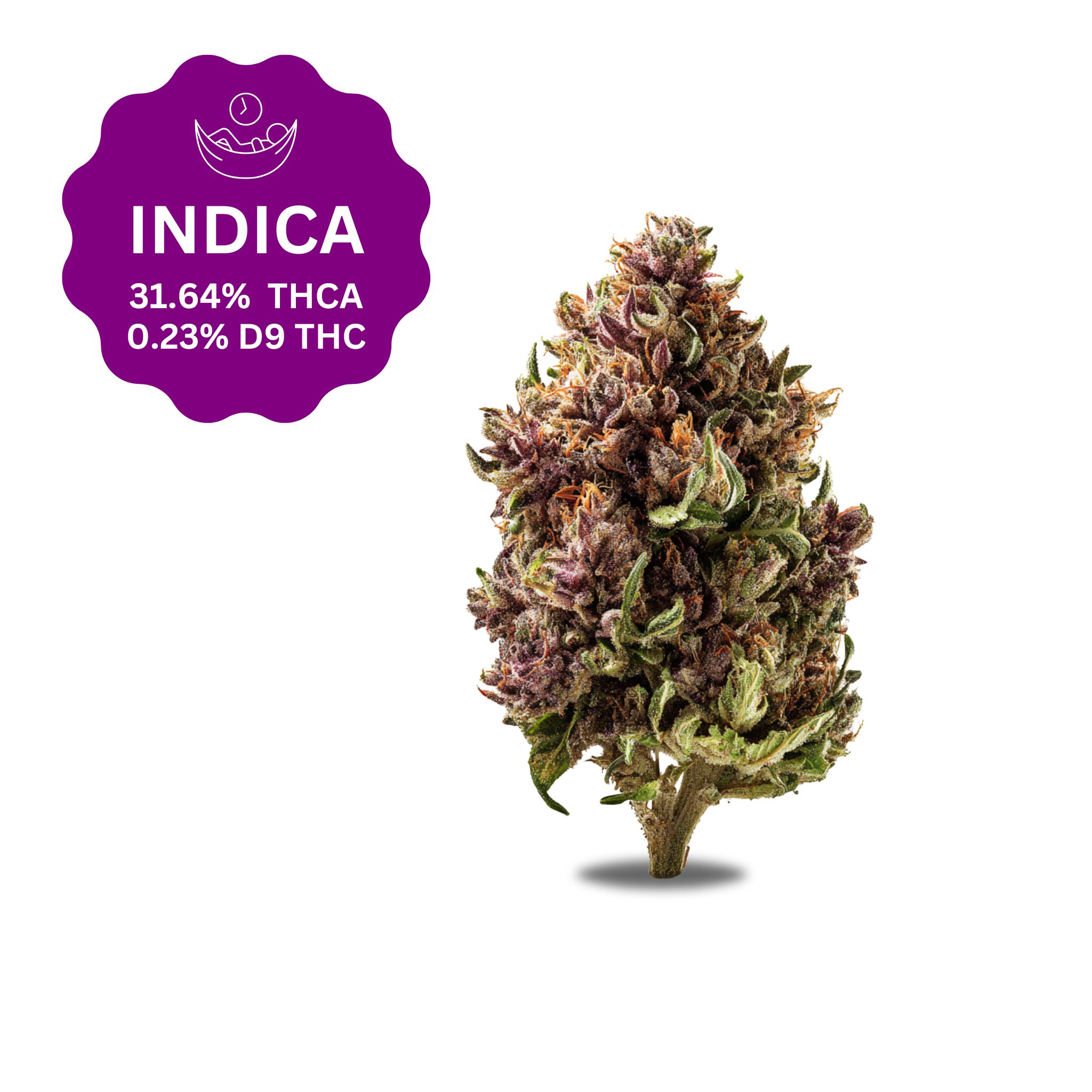
$39.99
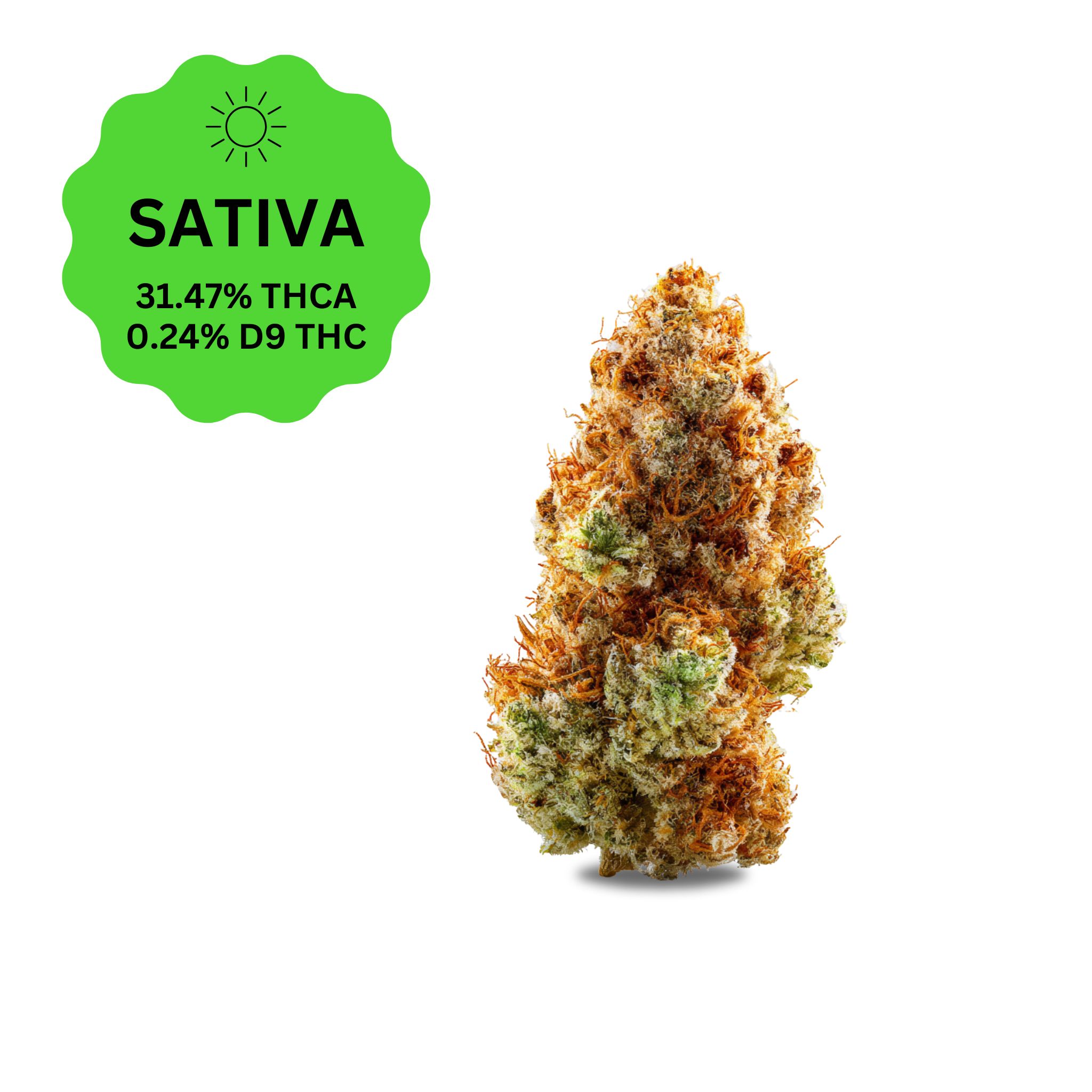
$39.99
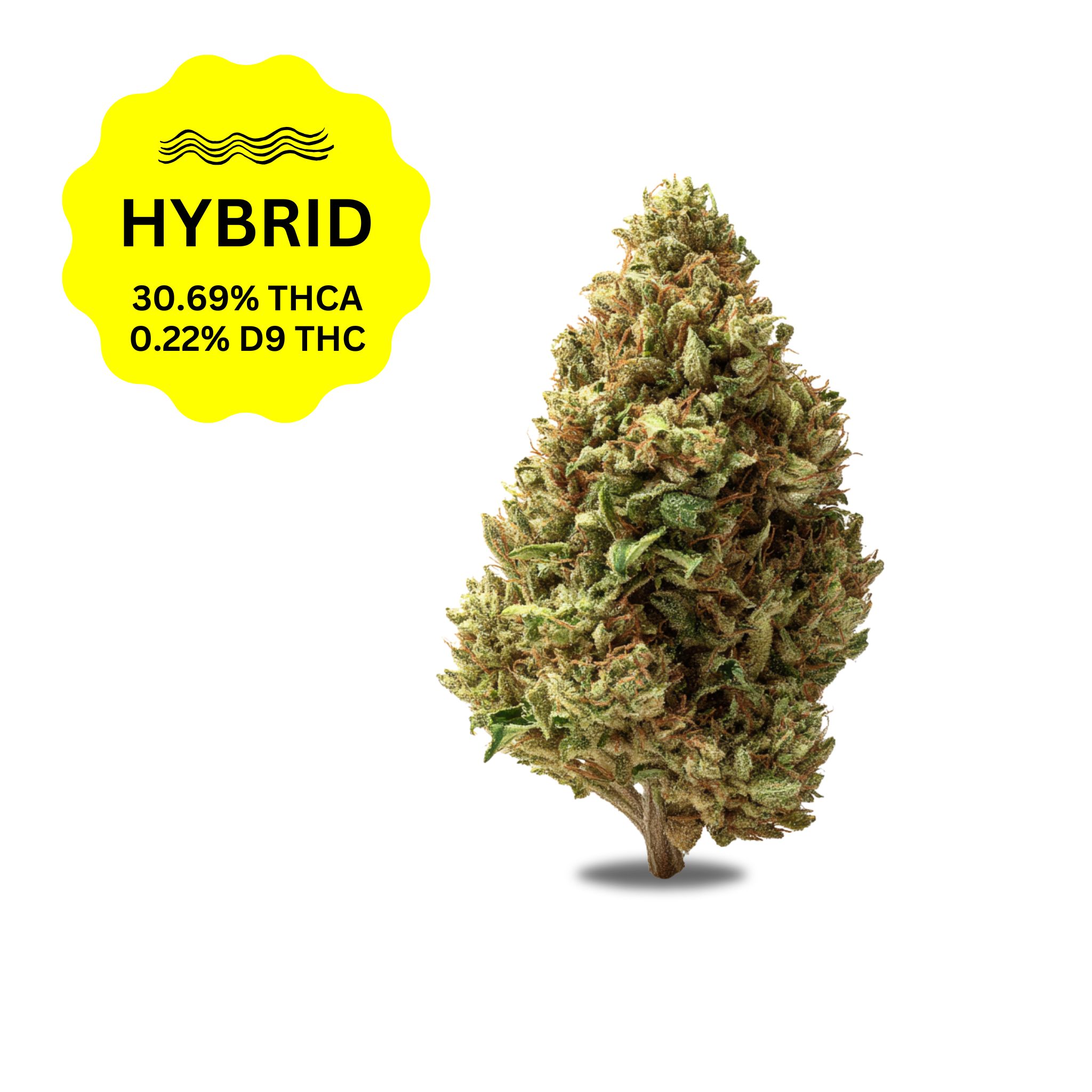
$34.99
$39.99
$49.99