Is CBD Legal in Massachusetts? Expert Guide 2026
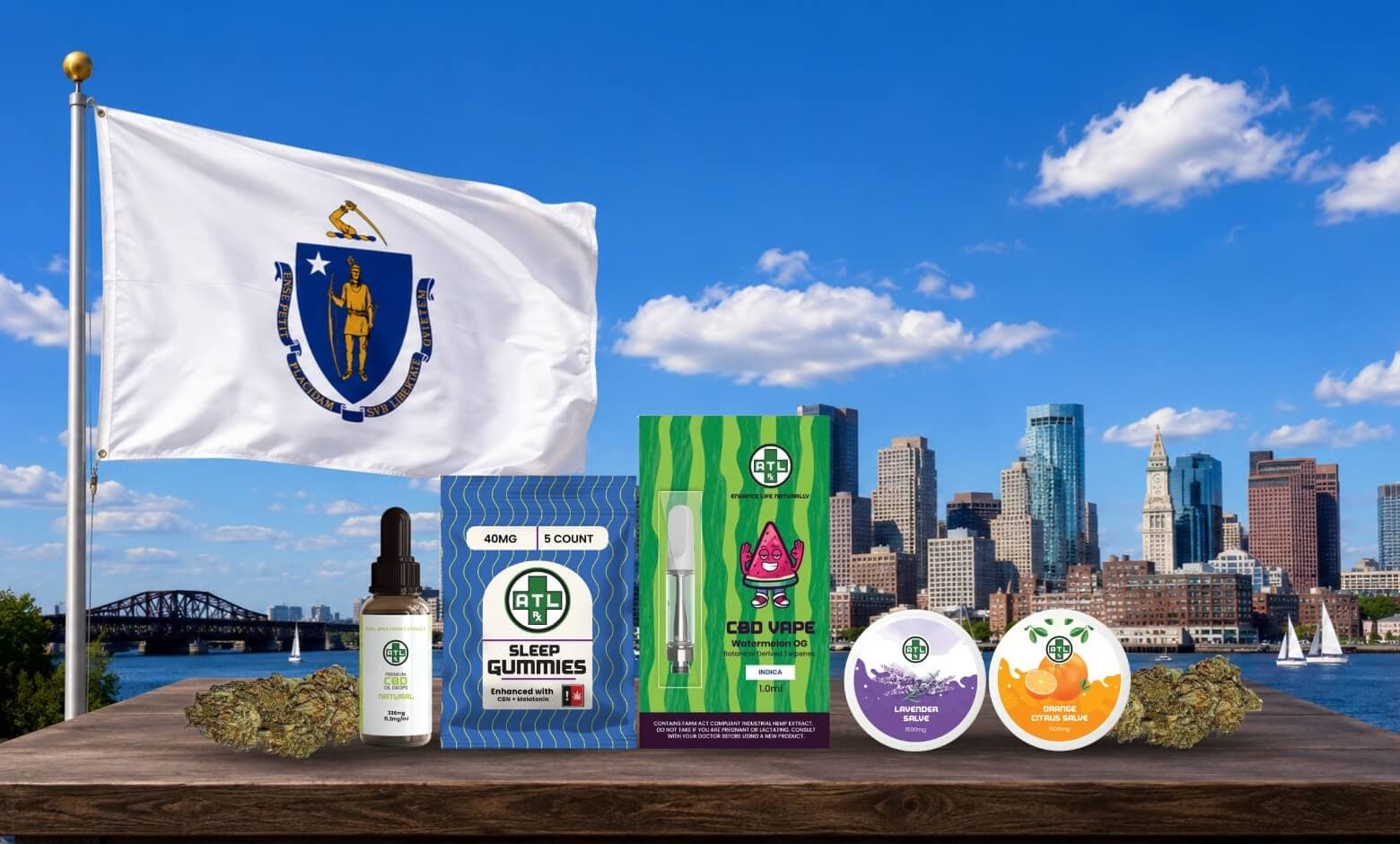
CBD Legal Status in Massachusetts:
Yes, Hemp-derived CBD with no more than 0.3% delta-9 THC on a dry-weight basis is legal to buy, possess, and use in Massachusetts, age 18 and older for hemp-derived CBD, and 21 and older for marijuana-derived CBD from a licensed dispensary. However, Massachusetts prohibits adding CBD to food, beverages, and dietary supplements sold in the state, and the federal definition of hemp is set to tighten on November 12, 2026.
If you live in the Bay State or are planning a visit and want to know, “Is CBD legal in Massachusetts?”, the short answer is yes. In 2026, hemp-derived CBD will be legal, but the rules have changed this year. Massachusetts has one of the most active cannabis markets in the country, and the state’s lawmakers updated the regulatory framework in April 2026 with the signing of H.5350. On top of that, a federal hemp redefinition takes effect on November 12, 2026, which will reshape what counts as legal hemp nationwide. This guide breaks down everything Massachusetts residents and visitors need to know about CBD legality, where to buy it, age limits, possession rules, and what is coming next.
Keep Browsing
Explore Our CBD Categories
Shop real CBD products and collections.
Key Takeaways
- 01In Massachusetts, hemp-derived CBD containing no more than 0.3% delta-9 THC is legal under the 2018 Farm Bill.
- 02Massachusetts state law allows the sale of hemp-derived CBD topicals, tinctures, and similar products, but bans CBD as an additive in food, beverages, and supplements.
- 03Adults 21 and older may legally buy marijuana-derived CBD from a Cannabis Control Commission (CCC) licensed dispensary.
- 04H.5350, signed by Governor Maura Healey on April 19, 2026, doubled the adult possession of cannabis from one ounce to two ounces.
- 05A new federal hemp definition based on “total THC” takes effect on November 12, 2026, and could change which products remain federally compliant.
- 06Massachusetts retailers generally require buyers to be 18 or older for hemp-derived CBD and 21 or older for marijuana-derived CBD from a licensed dispensary.
Federal CBD Law: The Foundation
Federal law sets the floor for CBD legality across the United States. The 2018 Farm Bill removed hemp from the Controlled Substances Act. Cannabis sativa L. is defined as hemp with a delta-9 THC concentration of not more than 0.3%. Under that definition, CBD derived from hemp has been federally legal since December 2018.
That foundation is changing. On November 12, 2025, the FY2026 Agriculture Appropriations Act (P.L. 119-37) was signed into law, which included Section 781 in Division B. The new law redefines hemp using total THC, including THCA, rather than only delta-9 THC. Hemp-derived cannabinoid products are also limited to 0.4 milligrams of total THC per container. On November 12, 2026, these federal changes will take effect.
What does that mean for shoppers in Massachusetts? Through the rest of 2026, hemp-derived CBD remains legal under the existing 2018 Farm Bill rules. After the November 12, 2026, effective date, many full-spectrum CBD products that contain trace THC may need to be reformulated to stay federally compliant. The American Hemp Protection Act (H.R. 6209) and the Hemp Planting Predictability Act (H.R. 7024) seek to repeal or delay the new rules. The White House issued Executive Order 14370 on December 18, 2025, directing federal agencies to expedite marijuana rescheduling, though it applies to marijuana rather than the Section 781 hemp definition. The situation remains fluid.
Massachusetts State CBD Law: How the Bay State Treats CBD
Massachusetts has its own framework for hemp and CBD that sits on top of federal law. There are two parallel tracks to understand: hemp-derived CBD and marijuana-derived CBD.
Hemp-Derived CBD in Massachusetts
The Massachusetts Department of Agricultural Resources (MDAR) oversees the Massachusetts Industrial Hemp Program. MDAR licenses hemp growers and processors, inspects facilities, and verifies that hemp tested in the state stays under the 0.3% delta-9 THC threshold. Under Massachusetts General Law Chapter 128, Sections 116 through 123, hemp is legally distinct from marijuana and falls under MDAR’s jurisdiction rather than the Cannabis Control Commission.
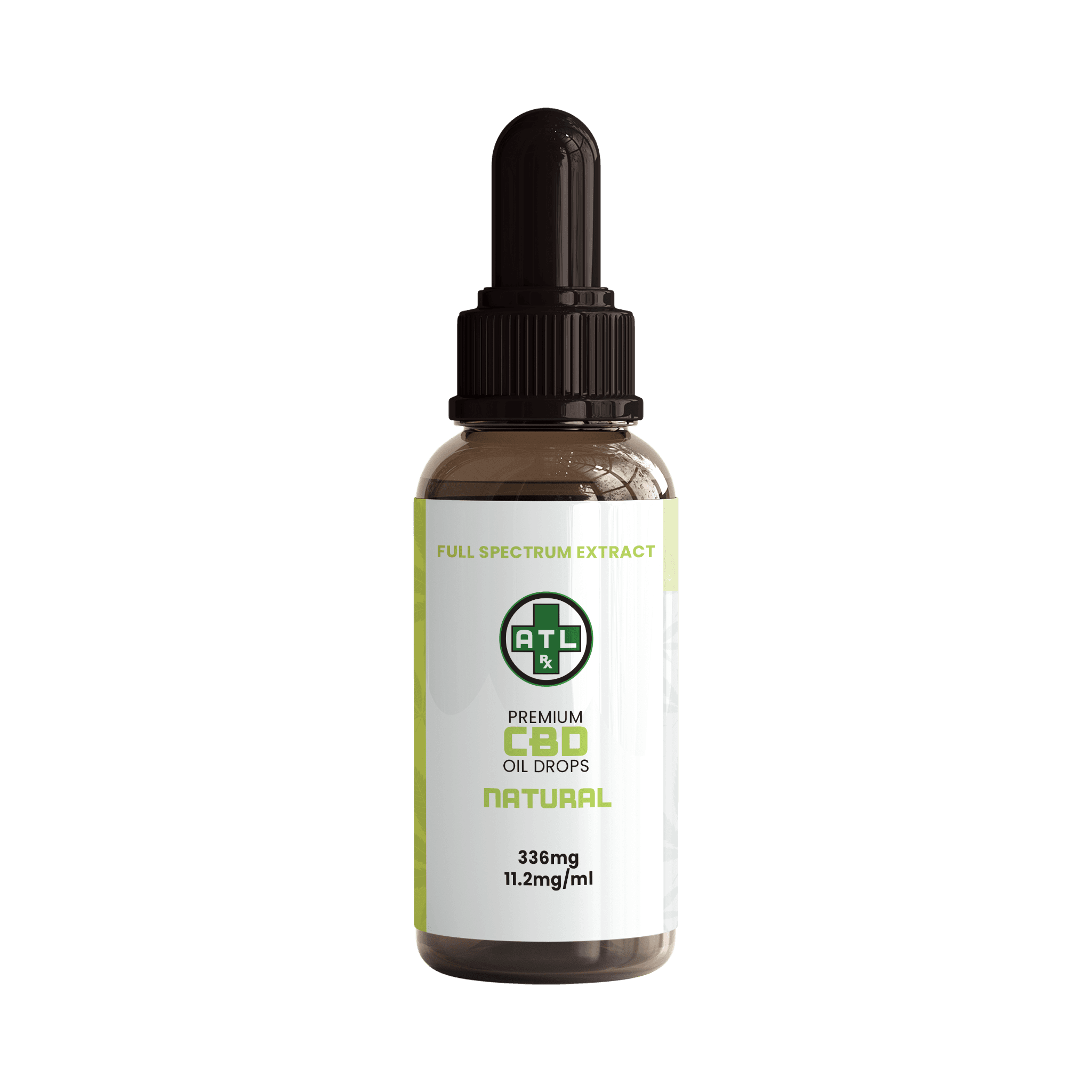
You can legally buy hemp-derived CBD oil, tinctures, topicals, and similar products in Massachusetts from licensed retailers and online sellers that ship to the state. ATLRx, for example, ships hemp-derived CBD products to all 50 states, including Massachusetts.
Marijuana-Derived CBD in Massachusetts
Massachusetts voters legalized medical marijuana in 2012 and adult-use recreational marijuana in 2016. Both programs allow access to cannabis products that contain more than 0.3% THC, including CBD oils that fall outside the federal hemp threshold. These products are regulated by the Cannabis Control Commission (CCC) and sold only at licensed dispensaries to adults 21 and older or to registered medical patients.
The May 2024 Joint Advisory on CBD in Food and Beverages
One of the most overlooked aspects of Massachusetts CBD law is this provision. In a joint notice issued May 29, 2024, the Department of Public Health (DPH) and MDAR, followed by an Alcoholic Beverages Control Commission advisory on May 30, 2024, declared it unlawful to manufacture and sell food, beverages, and non-alcoholic carbonated drinks containing hemp-derived CBD or THC in Massachusetts. The advisory remains in effect in 2026. CBD topicals, tinctures, and similar non-food products are still permitted under state guidance, but CBD-infused snacks, drinks, and seltzers cannot be legally produced or sold inside the Commonwealth.
What Changed in 2026: H.5350 Explained
An Act Modernizing the Commonwealth’s Cannabis Laws, H.5350, was signed by Governor Maura Healey on April 19, 2026. The bill passed both chambers unanimously and took effect immediately as emergency legislation, making the following changes:
- Doubled possession limits. In public, adults 21 and older can now possess up to two ounces of marijuana flower (up from one ounce). The 10-ounce home storage limit remains, but cannabis kept at home in amounts above two ounces (up from one ounce) must be secured with a lock.
- Doubled purchase limits. Consumers can buy up to two ounces of flower (or the equivalent in concentrate or edibles) per transaction at a licensed dispensary.
- Raised the retail license cap per owner from three to six.
- Restructured the Cannabis Control Commission from five to three members, all appointed by the Governor.
- Authorized new license types, including cafes for on-site consumption, event-based use, and research licenses.
- Raised the decriminalization threshold for those under 21 from two ounces to three ounces, treating possession in that range as a civil rather than criminal matter.
- Directed the CCC to study and recommend a regulatory framework for hemp-derived cannabinoids, acknowledging that the current rules have not kept pace with the market.
Additionally, the CCC issued an Administrative Order clarifying that two ounces of flower equal 10 grams of active THC in concentrates or 1,000 milligrams of active THC in edibles. H.5350 did not legalize the sale of hemp-derived CBD edibles or THC beverages in Massachusetts. A House version of the bill would have opened a regulated path for hemp THC seltzers, but the Senate stripped that section before passage.
Hemp-Derived vs. Marijuana-Derived CBD in Massachusetts
| Feature | Hemp-Derived CBD | Marijuana-Derived CBD |
| Source plant | Hemp (≤0.3% delta-9 THC) | Marijuana (>0.3% THC) |
| Federal status | Legal under the 2018 Farm Bill (rules change Nov. 12, 2026) | Schedule I, except FDA-approved marijuana drug products and state-licensed medical marijuana, which moved to Schedule III under the April 22, 2026, DOJ/DEA final order (effective April 28, 2026). Unlicensed adult-use marijuana and synthetic THC remain Schedule I. |
| Massachusetts regulator | MDAR (hemp program) | Cannabis Control Commission |
| Minimum age to purchase | 18 (typical retailer policy) | 21 (or registered medical patient) |
| Where to buy | Online retailers such as ATLRx and licensed retail shops | CCC-licensed dispensaries only |
| Permitted in food or drinks? | No (per May 2024 advisory) | Yes, in licensed dispensary edibles |
| Lab testing requirement | Third-party Certificate of Analysis (COA) | CCC-mandated testing |
Possession Limits for CBD in Massachusetts
For hemp-derived CBD, there are no statutory possession limits under the Hemp Farming Act of 2018 or the Massachusetts General Law. You can own as many tinctures, topicals, or other compliant hemp products as you wish for personal use.
For marijuana-derived CBD, the H.5350 limits apply: up to two ounces of flower (or its equivalent of 10 grams of active THC in concentrate or 1,000 milligrams of active THC in edibles) on your person, and up to 10 ounces stored at home. Any amount over two ounces kept at home must be secured with a lock.
Age Requirements for Buying CBD in Massachusetts
- Hemp-derived CBD: 18 years old or older at most retailers. Massachusetts does not set a single statewide statutory minimum age for hemp-derived CBD, and many retailers default to 18 (or 21 for smokable or vape products under tobacco-style rules).
- Marijuana-derived CBD: You must be at least 21 years old and have a valid government-issued ID. Registered medical patients may be younger with parental or guardian consent and a qualifying certification from two Massachusetts-licensed physicians.
It is possible for out-of-state visitors to use a passport or out-of-state identification card at a CCC-licensed adult-use dispensary. Massachusetts does not offer medical marijuana reciprocity, so out-of-state medical cards cannot be used at Massachusetts medical dispensaries.
Where to Buy CBD in Massachusetts
Massachusetts residents have several options for buying CBD legally:
- ATLRx is an online retailer that ships hemp-derived CBD oils, tinctures, and topicals to all 50 states, including Massachusetts. Shopping online with ATLRx gives you access to a full product range, batch-specific third-party lab reports, and home delivery.
- Licensed adult-use dispensaries for marijuana-derived CBD. The Cannabis Control Commission maintains an official licensee map.
- Medical marijuana dispensaries for patients registered in the Medical Use of Marijuana Program.
When you buy online or in store, look for products with a current Certificate of Analysis (COA) from an accredited, independent third-party laboratory. The COA confirms cannabinoid content, verifies the product is under the 0.3% THC threshold, and screens for pesticides, solvents, and heavy metals. ATLRx, for instance, provides a QR code linking to a lab panel from an accredited independent laboratory on every product.
Traveling With CBD in and Out of Massachusetts
You can carry compliant hemp-derived CBD across state lines because hemp is federally legal under the current Farm Bill. However, every state regulates CBD differently, so check the destination state’s rules before you travel.
Shop CBD
View all →
Marijuana-derived CBD is a different story. Even though Massachusetts has legalized adult-use cannabis, transporting it across state lines remains a federal offense, even into states where adult-use is also legal.
At airports, TSA allows hemp-derived products containing no more than 0.3% delta-9 THC in carry-on and checked luggage, but local rules still apply.
What About Driving With CBD?
Possession of legal hemp-derived CBD inside a vehicle in Massachusetts is permitted. Marijuana, including marijuana-derived CBD, must be kept in a closed container and stored in the trunk or a locked glove compartment, not in the passenger area, similar to open-container alcohol rules. Having open containers of marijuana in the passenger area can result in a civil fine of up to $500. Driving under the influence of THC remains illegal regardless of its source.
Massachusetts CBD Law Timeline
- 2012: Medical marijuana legalized via ballot initiative.
- 2016: Adult-use recreational marijuana legalized via ballot initiative.
- 2017: Chapter 55 of the Acts of 2017 separates hemp from the definition of marijuana under Massachusetts law.
- 2018: The 2018 Farm Bill legalizes hemp with up to 0.3% delta-9 THC.
- 2024 (May 29–30): Joint DPH and MDAR notice (May 29) and ABCC advisory (May 30) bar CBD and THC in food and beverages sold in Massachusetts.
- 2025 (November 12): Federal Section 781 enacted, redefining hemp by total THC effective November 12, 2026.
- 2026 (April 19): H.5350 signed, doubling possession limits and restructuring the CCC.
- 2026 (April 22): Acting Attorney General Todd Blanche signs a DOJ/DEA final order placing FDA-approved marijuana drug products and state-licensed medical marijuana into Schedule III, effective April 28, 2026. The DEA will hold an expedited administrative hearing on broader rescheduling beginning June 29, 2026.
- 2026 (November 12): New federal hemp definition takes effect (pending Congressional action to delay or amend).
Drug Testing and CBD in Massachusetts
Standard drug tests look for THC metabolites, not CBD. In rare cases, full-spectrum CBD products can contain trace amounts of THC up to the 0.3% federal limit, which may cause a positive test result. If this is a concern, you may prefer CBD products without THC, such as broad-spectrum CBD or CBD isolate. Employers in Massachusetts are free to set their own drug-testing policies since it is an at-will employment state.
What Massachusetts CBD Buyers Should Watch in 2026
Three regulatory developments will shape the second half of 2026 and beyond:
- The November 12, 2026, federal hemp redefinition. If Congress does not delay or revise Section 781, the legal hemp definition shifts from a delta-9-only THC measurement to a “total THC” measurement that includes THCA, while keeping the 0.3% dry-weight threshold, and finished products will be capped at 0.4 milligrams of total THC per container.
- The CCC’s hemp cannabinoid study. H.5350 directs the Cannabis Control Commission to study intoxicating hemp products and recommend a state framework. The report could shape future Massachusetts rules on hemp-derived edibles and beverages.
- The 2026 Farm Bill. The House Agriculture Committee advanced the Farm, Food, and National Security Act of 2026 in early 2026. The Senate version, expected later this year, may modify or override Section 781.
Final Word
CBD is legal in Massachusetts in 2026, but the rules differ based on whether your product is hemp-derived or marijuana-derived, where it is sold, and how it is formulated. Adults 18 and older can buy hemp-derived CBD oils, topicals, and tinctures from licensed retailers or compliant online stores. Marijuana-derived CBD products can also be purchased by adults 21 and older at CCC-licensed dispensaries. The biggest question heading into late 2026 is what the federal hemp redefinition under Section 781 will look like once it takes effect on November 12. Stay informed, buy from sellers that publish full lab reports, and verify the source and cannabinoid content of every product before you purchase.
Looking for compliant, lab-tested hemp-derived CBD? Explore ATLRx’s CBD Hemp Oil and CBD Topicals collections. Every ATLRx product ships with a QR-coded Certificate of Analysis from an accredited, independent third-party laboratory, so you can verify cannabinoid content and confirm the product is under the 0.3% delta-9 THC threshold before you buy.
Frequently Asked Questions
Is CBD Legal in Massachusetts in 2026?
+
Yes. Hemp-derived CBD with no more than 0.3% delta-9 THC is legal in Massachusetts under federal and state law. Marijuana-derived CBD is also legal through the state’s adult-use and medical cannabis programs for qualified buyers.
Do I Need a Prescription to Buy CBD in Massachusetts?
+
No. There is no need for a prescription to purchase hemp-derived CBD. Marijuana-derived products purchased through the Medical Use of Marijuana Program require a healthcare provider’s certification.
How Old Do I Have to Be to Buy CBD in Massachusetts?
+
Massachusetts does not set a single statewide minimum age for hemp-derived CBD, but most retailers require buyers to be at least 18 (and 21 for smokable or vape products). You must be at least 21 to buy marijuana-derived CBD from a licensed dispensary, unless you are a registered medical patient with the required certifications.
Can I Buy CBD-infused Gummies or Drinks in Massachusetts?
+
Under the May 2024 joint advisory from DPH, MDAR, and the ABCC, food and beverages with hemp-derived CBD or THC are not legal to manufacture or sell in Massachusetts. Marijuana-derived edibles remain available through CCC-licensed dispensaries.
Can I Order CBD Online and Have It Shipped to Massachusetts?
+
Yes. Federally compliant hemp-derived CBD topicals, tinctures, and similar products can be shipped to Massachusetts addresses. ATLRx ships compliant hemp-derived CBD to all 50 states.
Will CBD Show up on a Drug Test?
+
Most drug tests screen for THC, not CBD. It is possible to detect small amounts of THC in full-spectrum CBD, and, in rare cases, this can lead to a positive test result. In broad-spectrum CBD and CBD isolate products, THC is not present.
What Is Changing with the Hemp Law on November 12, 2026?
+
The federal definition of hemp will shift from a delta-9-only THC measurement to a “total THC” measurement that includes THCA, while keeping the 0.3% dry-weight threshold, and finished products will be capped at 0.4 milligrams of total THC per container. Several bills in Congress are aiming to delay or amend the change.
Is Delta-8 THC Legal in Massachusetts?
+
Massachusetts has historically restricted synthetically derived delta-8 THC. After November 12, 2026, the new federal definition will exclude synthetic cannabinoids from the hemp category, which will tighten the federal status of delta-8.
Can I Travel with CBD Across the State Lines of Massachusetts?
+
Federally compliant CBD derived from hemp may be transported across state lines. Marijuana-derived CBD cannot be taken across state lines, even into other legal states, because federal law still prohibits it.
Where Can I Find Lab Reports for the CBD I Buy?
+
Trusted retailers publish a Certificate of Analysis (COA) for every batch. Look for a QR code or a “Lab Results” link on the product page that opens an accredited independent laboratory report showing cannabinoid content and contaminant testing
Disclaimer: This article is provided for general informational purposes only and does not constitute legal or medical advice. CBD and cannabis laws change frequently. Consult a qualified attorney for legal questions and a licensed healthcare provider before using any cannabinoid product. The statements in this article have not been evaluated by the Food and Drug Administration. CBD products are not intended to diagnose, treat, cure, or prevent any disease. For the most current regulations, refer to the Massachusetts Cannabis Control Commission and the Massachusetts Department of Agricultural Resources.
Why Trust This Guide
- ATLRx has sold third-party lab-tested hemp products out of Georgia since 2019.
- Every real batch we sell is tested by an accredited outside lab, with the Certificate of Analysis published before you buy.
- We operate 3 real physical stores in Georgia — this isn't a drop-shipped storefront.
- Legal information is rechecked and updated as rules change, not published once and forgotten.
Don't Trust the Label. Check the Lab.
ATLRx publishes third-party Certificates of Analysis for real batches so you can verify cannabinoid content before you buy — not just take the package's word for it.
View Lab Results →Have Questions?
Visit an ATLRx store in Georgia and talk to our team.
Real Customers, Real Reviews
What Customers Are Saying
“Product was smooth and mellow. Quite nice!”
“Exactly what was promised excellent product”
“Really nice high”

Jen Hight
Cannabis Industry Expert & Compliance Specialist Jen Hight is a cannabis industry professional with extensive experience in hemp compliance, product development, and consumer education. With a background in regulatory affairs and a passion for helping consumers navigate the complex world of cannabinoids, Jen provides accurate, up-to-date information on hemp legality and best practices. Her work focuses on making cannabis knowledge accessible while ensuring readers understand both the opportunities and responsibilities that come with legal hemp products.
View all articles →Keep Learning
Is CBD Legal in Delaware? 2026 Law Updates & Guide
CBD Legal Status in Delaware: Yes, CBD is legal in Delaware. Under the federal 2018 Farm Bill and Delaware’s hemp program, hemp-derived CBD containing less than 0.3% delta-9 THC is legal to buy, possess, and use. Marijuana-derived (higher-THC) products are legal only through Delaware’s state-licensed dispensaries. ATLRx ships only hemp-derived Delta-9 (≤0.3% THC) and THCV […]
Jul 7, 2026 · 12 min read
Is CBD Legal in New Mexico? 2026 Legal Guide
CBD Legal Status in New Mexico: Yes. Hemp-derived CBD containing no more than 0.3% delta-9 THC on a dry-weight basis is legal in New Mexico for adults. Cannabis-derived CBD is also legal, but it can only be purchased from licensed dispensaries. New Mexico finalized a permanent hemp rule in January 2026, and a federal ban […]
Jul 3, 2026 · 14 min read
Is CBD Legal in New Jersey? The Complete 2026 Guide
CBD Legal Status in New Jersey: Yes. CBD derived from hemp that contains no more than 0.3% total THC is legal in New Jersey. The controlling development in 2026 is S4509 (P.L.2025, c.215), signed January 12, 2026. Key changes effective January 13, 2026, include a ban on online sales of any hemp-derived product and a […]
Jul 1, 2026 · 12 min read
Is CBD Legal in Montana? Complete 2026 Legal Guide
CBD Legal Status in Montana: Yes. CBD derived from hemp is legal in Montana. It is legal to purchase and possess hemp-derived CBD products in Montana, and they are sold widely across the state, provided they comply with both federal law and Montana’s hemp rules. Under Senate Bill 375 (effective May 2025), however, any consumable […]
Jun 30, 2026 · 16 min read
Stay Informed
New product releases, hemp law updates, and useful cannabinoid guides.