The post Best THCA Flower 2026 appeared first on ATLRx.
]]>- Always verify: a full-panel COA covering cannabinoids, terpenes, pesticides, heavy metals, microbials, and solvents, with a batch number.
- Typical indoor price: $10 to $18 per gram
- Sizes we carry: 1g through 28g, depending on the strain
- Legal note: the federal hemp definition changes on November 12, 2026
Explore Our Categories
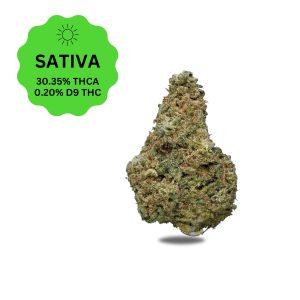
Table of contents:
- How a Batch Earns a Spot Here
- Strain by Strain
- How to Read a COA Before You Buy
- Indoor, Greenhouse, or Sun-Grown?
- What You Should Actually Pay
- How to Store Your Flowers
- Is THCA Flower Legal? What Changes in November 2026
- Conclusion
- Frequently Asked Questions About Best THCA Flower
How a Batch Earns a Spot Here
Before we carry anything, it goes through the same eight checks. If a batch misses any of them, you will not see it on this page.
- Full-panel COA. Cannabinoids and terpenes on the front end, and four contaminant screens behind them: pesticides, heavy metals, microbials, and residual solvents. A potency-only test tells you almost nothing, so we do not accept one. Results reflect a sample drawn from that batch.
- Grown indoors. Light, humidity, and airflow stay under our growers’ control from clone to cure. Indoor rooms cost more to run, and you can see where that money went the moment you open the jar.
- Trichome coverage. We look at bud structure under magnification. Frost should be dense and uneven, the way resin actually forms on a living plant.
- Terpene percentage. We want the number, not an adjective. Anyone can type “terpy” into a product description. Very few sellers will show you a terpene panel.
- Cure. Slow and never rushed to hit a ship date. A properly cured bud breaks apart with a little resistance. THCA Flower that went out too wet will mat in your grinder, and flower that went out too dry crumbles to powder.
- Burn. We test-burn before we list. Your flower should draw evenly and stay lit without a relight every thirty seconds.
- Value per gram. We price against grade, not against the cheapest listing on the internet. If we cannot justify what we are charging you against what is in the jar, we renegotiate with the farm, or we pass.
- Consistency. One good harvest is luck. We want to see the profile repeat before a strain becomes a staple in our rotation.
Strain by Strain
Orange Push Pop
Start here if you want something citrus-forward. You get orange peel and vanilla cream right off the grind, and the buds arrive chunky with a tight hand-trim. This is one of the brighter aromas in our lineup and one of the easier jars to keep on a desk.
Watermelon Runtz
Sweet fruit up front, gas on the finish. The buds come medium-sized and heavily frosted, and this one grinds beautifully with almost no stem. A good pick if you want something aromatic that still hits the numbers.
Guava Cookie
Tropical guava layered over sweet cookie dough, with a creamy citrus edge sitting underneath it. This is one of the brighter, more exotic noses on our shelf, and it does not smell like anything else in the lineup. Grinding pulls the citrus further forward than the sealed jar lets on. Available from 3.5g to 28g at $39.99 to $189.99, and the current batch tests at COA percent THCA.
High Octane
The name is the tasting note. Gasoline up front, with earth and spice underneath it. This is the heaviest fuel profile we carry, and it is not a subtle jar to open around other people. Worth knowing before you order: it starts at 7g rather than 3.5g, so the entry price runs higher than the rest of the lineup. Available from 7g to 28g at $89.99 to $279.99, and the current batch tests at the COA percent THCA.
Juicy Fruit
Tropical fruit and sweet citrus, with a soft finish that keeps it from turning sharp. The buds break up evenly and hold their aroma well once the jar has been opened a few times. If you want something fruit-forward without the fuel, this is the most approachable jar we stock. Available from 3.5g to 28g at $39.99 to $189.99, and the current batch tests at COA percent THCA.
Pipe Dream
Sweet tropical fruit and cream up front, with a light diesel finish on the back end. That combination is unusual, and it is the reason we keep this one in permanent rotation rather than treating it as a seasonal drop. It is also currently the highest-testing batch on our shelf, listed at over 36 percent THCA. Available from 3.5g to 28g at $49.99 to $279.99.
Gumbo
Sweet on the nose, folded into earthy funk over a creamy, gassy base. It is one of the more unusual profiles we carry, and it tends to be a jar people either come back for or pass on entirely. The buds run dense and hold together well through the grinder, with very little stem. Available from 3.5g to 28g at $49.99 to $279.99, and the current batch tests at COA percent THCA.
How to Read a COA Before You Buy
A certificate of analysis is the primary document showing what a lab found in a sample from that batch. Claims about the cost of flowers cost a seller nothing to make. A batch certificate is the only part of the pitch that somebody has to pay a lab for. Give one sixty seconds of your attention, and you will know more than most buyers on the market.
Here is what we look at, in order, and what you should look at too.
Cannabinoid panel. This shows THCA and delta-9 THC. Post-decarboxylation testing, which converts THCA to delta-9 THC before measurement, is the method USDA requires for regulatory hemp testing under 7 CFR Part 990. Ask whether your seller’s COA reports total THC on the same basis. Under today’s federal standard, the delta-9 THC figure has to come in at or below 0.3 percent, measured by dry weight.
Terpene panel. You want individual terpenes listed with a total percentage at the bottom. If the terpene panel is missing entirely, the seller paid for potency testing only, and you are buying aroma on faith.
Pesticides and heavy metals. Check the reported result and the reporting limit for each analyte. ND means non-detect. A panel that only shows a summary line without the underlying analytes is not telling you much.
Microbials and residual solvents. These screens for mold, yeast, and any processing chemicals left behind. On the flower, this matters more than most buyers realize.
Batch and lot number. This is the one nobody checks, and it is the one that matters most. Match the number on the certificate to the number on your jar. If they do not match, that certificate belongs to somebody else’s harvest and tells you nothing about what you are holding.
Lab name and date. You want a third-party lab, not the seller’s own bench, and you want a recent test date. A two-year-old certificate on a fresh listing is a question worth asking.
Indoor, Greenhouse, or Sun-Grown?
Where the flower is grown shapes what you get in the jar, and it is the single biggest driver of what you pay per gram.
| Grow method | Typical THCA | Terpene density | Price per gram | Who it suits |
|---|---|---|---|---|
| Full indoor | 24% to 33% | Highest | $10 to $18 | You want appearance, aroma, and trichome coverage |
| Light-dep greenhouse | 20% to 28% | Moderate to high | $6 to $11 | You want quality without the top-shelf price |
| Sun-grown outdoor | 15% to 24% | Moderate | $3 to $7 | You are buying volume |
| Smalls and popcorn | Matches parent batch | Matches parent batch | $2 to $6 | Same flower, smaller buds, lower cost |
Full indoor gives growers control over every variable, which is why it produces the tightest structure and the heaviest trichome coverage. It is also the most expensive flower to produce, and you pay for that.
Light-deprivation greenhouses use sunlight with controlled light cycles. A well-run greenhouse batch can rival indoor on aroma while costing you noticeably less per gram.
Sun-grown outdoors is the most economical and the most variable. Structure tends to be looser and terpene content lower, but a good outdoor harvest from a careful farm can surprise you.
Smalls come off the same plants as everything else in a harvest. What you get is an identical flower in a smaller bud size. You trade bag appeal for a better price, which is a smart trade if you were going to grind it anyway.
Here is the honest part, and it matters more than anything above. Indoor is not automatically better. A well-grown greenhouse batch beats a rushed indoor batch every single time. The cure and the certificate matter more than the room.
What You Should Actually Pay
Price is a signal, and once you know how to read it, it tells you most of what you need to know before you ever open a product page.
| Per gram | What it usually means |
|---|---|
| Under $3 | Bulk outdoor, smalls, or aging inventory |
| $3 to $6 | Sun-grown or greenhouse, loosely trimmed |
| $6 to $10 | Solid greenhouse or entry-level indoor |
| $10 to $14 | Standard indoor, hand-trimmed |
| $14 to $18 | Craft indoor, small batch, high terpene percentage |
| Over $18 | Exotic or limited-drop genetics |
Two things worth knowing. First, the price per gram almost always drops as you buy larger sizes, so comparing a 1g price against someone else’s ounce price will mislead you every time. Compare like for like. Second, price alone cannot tell you whether a batch was tested properly. Plenty of expensive flower ships with a potency-only COA.
Top-shelf numbers at bulk-outdoor prices? That is not a deal. That is a question.
How to Store Your Flowers
Keep your THCA flower sealed in glass, somewhere cool and dark, with a humidity pack rated between 58 and 62 percent. Handled that way, it holds aroma and appearance far longer than a flower left sitting in a plastic bag.
Three things break flowers down: heat, light, and air. Plastic brings a fourth problem of its own, since static electricity strips resin from the bud and leaves it clinging to the bag. If you bought a larger size, keep the bulk of it sealed and work out of a smaller jar. Cannabinoid and terpene content decline over time, regardless of how carefully you store them, so buy what you will actually use.
-
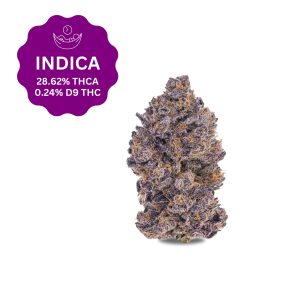
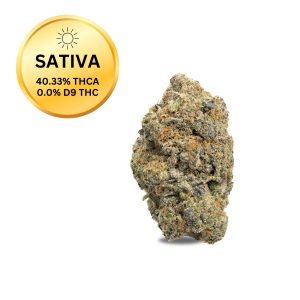 Granny Kandy THCa FlowerPrice range: $49.99 through $279.99
 -
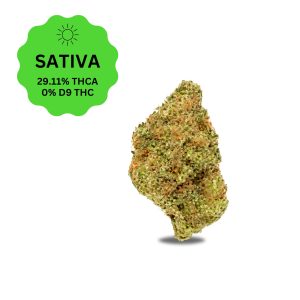
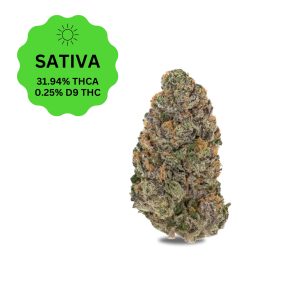 Guava Cookie THCa FlowerPrice range: $39.99 through $189.99
 -
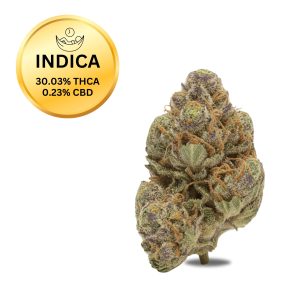
 Gumbo THCa FlowerPrice range: $49.99 through $279.99
Is THCA Flower Legal? What Changes in November 2026
Right now, hemp-derived THCA flower is federally treated as hemp when the plant material contains no more than 0.3 percent delta-9 THC by dry weight. That threshold comes from the 2018 Farm Bill and sits in the federal definition of hemp at 7 U.S.C. § 1639o.
That is changing. Congress rewrote the definition in Section 781 of Public Law 119-37. Beginning November 12, 2026, the same 0.3 percent ceiling applies to total THC with THCA counted in, and any finished product carrying more than 0.4 mg of combined total THC per container falls outside the hemp definition altogether. It was signed into law on November 12, 2025, and Congress wrote in a twelve-month runway before the new definition takes hold.
Pending legislation could still move that date, and the Congressional Research Service analysis walks through the scope and enforcement implications.
State law is separate, and it moves faster. Several states restrict or prohibit hemp-derived THCA regardless of federal status. Check our shipping policy for where we currently ship, and confirm your own state’s rules before you order. We cannot tell you whether a purchase is lawful where you are. You must be 21 or older to purchase.
Conclusion
Eight indoor batches. Eight certificates you can read before you spend a dollar. Not one figure on this page was written by a marketer.
Browse ATLRx’s full THCA flower collection, compare the numbers side by side, and pick the profile you want. If you want a specific batch certificate before you buy, ask us, and we will send it to you.
Frequently Asked Questions About Best THCA Flower
What Should I Look for When Buying THCA Flower Online?
When you buy THCA flower online, look for a full-panel certificate of analysis whose batch number matches the jar you receive. That certificate should cover cannabinoids, terpenes, pesticides, heavy metals, microbials, and solvents. A seller worth your money also states the cultivation method in writing and makes lab results easy to find.
How Is THCA Flower Potency Reported?
THCA flower potency is reported as a lab-verified THCA percentage on each batch’s certificate of analysis. The same genetics test differently between harvests, so read the current certificate rather than relying on the strain name or on a number you saw last season.
What Happens to THCA When It Is Heated?
Heating THCA sets off decarboxylation, the chemical reaction that turns it into delta-9 THC. THCA is an acidic cannabinoid, and the flower that stays raw never goes through that reaction.
Can I Still Order THCA Flower Online?
You can order THCA flower online today, but whether it is lawful depends on your state. A change to the federal hemp definition takes effect on November 12, 2026, and several states already restrict THCA regardless of federal status. Check your state’s rules and our shipping policy before you order.
Will THCA Show up on a Drug Test?
Yes, in all likelihood. Standard panels screen for THC metabolites, and detection windows run from a few days to several weeks, depending on how often you use. If you are subject to drug testing for any reason, do not use these products.
How Should I Store THCA Flower?
THCA flower keeps best in sealed glass, held somewhere cool and dark, with a humidity pack rated between 58 and 62 percent. Handled that way, it retains aroma and appearance far longer than a flower kept in plastic. Cannabinoid and terpene content decline over time regardless.
What Is the Shelf Life of THCA Flower?
THCA flower generally holds its aroma and appearance for six to twelve months when you store it in an airtight glass with a humidity pack. Heat, light, and air degrade it fastest. Potency and terpene content decline gradually, no matter how carefully it is stored.
Disclaimer: These statements have not been evaluated by the Food and Drug Administration. This product is not intended to diagnose, treat, cure, or prevent any disease. Must be 21 or older to purchase.
The post Best THCA Flower 2026 appeared first on ATLRx.
]]>The post Is THCA Flower Legal? Current Law Explained 2026 appeared first on ATLRx.
]]>| Question | Answer, as of August 20, 2026 |
|---|---|
| Legal under federal law right now? | Yes, if delta-9 THC is 0.3% or less by dry weight |
| Does that change? | Yes, on November 12, 2026 |
| Legal in all 50 states? | No. Seven states measure delta-9 alone; 43 do not |
| Can it be shipped to every state? | No. Several states restrict or prohibit delivery |
| What should you check first? | The lab report and your own state law |
That is the short version. The longer version matters because 2026 has been the most disruptive year for THCA flower since the 2018 Farm Bill passed.
Congress rewrote the federal definition of hemp in November 2025, and the new rules take effect this November. At the same time, state after state has changed how it measures THC. Texas banned THCA flower outright at the end of July.
Below, we walk through what the law says today, what changes on November 12, which states still allow it, and what to check on a lab report before you buy. Every legal claim on this page links to the statute behind it, so you can verify any of it yourself.
Explore Our Categories
Table of contents:
- What is THCA flower?
- Why THCA Flower Legality Changed in 2026
- What Federal Law Says Right Now
- What Changes on November 12, 2026
- Is THCA Flower Legal in Your State?
- Can You Go to Jail for Having THCA Flower?
- Will THCA Flower Show up on a Drug Test?
- Can You Travel with THCA Flower?
- How to Read a Lab Report Before You Buy
- Your 2026 timeline
- Buyer’s checklist for 2026
- The Bottom Line: Is THCA Flower Legal
- Frequently Asked Questions About THCA Flower is Legal
What is THCA flower?
THCA flower is cannabis grown and sold under the hemp rules, with most of its cannabinoid content sitting in the acid form, tetrahydrocannabinolic acid. In a living plant, almost all of the THC exists as this acidic precursor. It is not intoxicating in that state.
Applying heat converts THCA into delta-9 THC. That single fact is why the legal picture is complicated. The flower is tested one way and used another, and different governments have decided to measure it at different points.
Why THCA Flower Legality Changed in 2026
For seven years, this was a simple question. The 2018 Farm Bill defined hemp by one number: delta-9 THC at or below 0.3% by dry weight. THCA is a different molecule, so it was not counted.
You will often see Section 10114 of that bill cited as the reason you can order hemp online. That is a stretch. It bars states from blocking hemp from moving through their territory. It does not override a state’s own rules on selling, delivering, or possessing hemp inside its borders. That distinction is behind most of the confusion you will read online.
Two things broke the simple answer this year. Congress rewrote the federal definition, and a long list of states moved on their own.
What Federal Law Says Right Now
We work from the same test as every other compliant retailer. If the flower is grown from hemp and the lab report shows delta-9 THC at or below 0.3% by dry weight, it meets the federal definition of hemp. THCA content is not part of that calculation.
This is why you will see a high THCA percentage and a very low delta-9 number on the same lab report. Both are true at once, and under the current standard, only the second one decides federal status.
What Changes on November 12, 2026
On November 12, 2025, the President signed Public Law 119-37. Section 781 of that law replaces the federal hemp definition. Congress built in a twelve-month runway, so the new definition governs beginning November 12, 2026.
Three changes matter to you:
- Hemp will be defined by total THC, not delta-9 alone. The new text sets a limit of 0.3% total THC on a dry weight basis. It names delta-9 THC and THCA directly and sweeps in delta-8 THC and other similar cannabinoids designated by the Secretary of Health and Human Services.
- Finished products get a milligram cap. Final-form hemp cannabinoid products will be capped at 0.4 mg of total THC per container.
- Synthesized cannabinoids are out. Cannabinoids made through isomerization, or that the plant cannot produce naturally, fall outside the definition.
Labs already calculate a post-decarboxylation total using the standard conversion written into the USDA hemp rules:
Total THC = (THCA × 0.877) + Delta-9 THC
The 0.877 figure accounts for the weight THCA loses when heat converts it. Run it on a typical THCA flower report, and the result lands far above 0.3%. That is the whole point of the change, and it is why most current THCA flower will not meet the federal definition after November 12, 2026. The Congressional Research Service has published a plain-language summary if you want to read the analysis yourself.
A handful of bills in Congress would strike, delay, or replace Section 781. As of today, none have passed. We are planning around the law as written, and we will update this page as that changes.
Is THCA Flower Legal in Your State?
Meeting the federal standard is the starting point, not the finish line. States write their own definition of THC, and that one choice decides everything.
A small number of states measure only delta-9 THC. In those states, THCA flower meets the definition of hemp. Most states now measure total THC, which counts THCA. Because THCA flower typically tests between 15% and 25% THCA, it fails a total THC standard by a wide margin, and the state treats it as marijuana rather than hemp.
There is not much middle ground. As of August 20, 2026, seven states measure delta-9 alone:
| State | Note |
|---|---|
| Maine | Age-gated to 21+, no flower ban |
| Nebraska | A total THC bill failed in April 2026, but a January 2026 executive order directs agencies to draft rules |
| North Carolina | HB 328 is pending and timed to the federal change |
| Pennsylvania | SB 49 is pending |
| South Carolina | Enforcement activity has increased |
| Wisconsin | State law incorporates the federal definition |
| Illinois | Delta-9 only through November 11, 2026, then total THC, plus a smoking and vaping ban |
The other 43 states measure total THC, ban smokable or inhalable hemp, or route anything above 0.3% through licensed cannabis retailers only. That group includes Texas, Georgia, California, Florida, New York, Ohio, Michigan, Washington, and Minnesota.
We would rather tell you that plainly than publish a map suggesting more states are open than there really are.
One more thing about those seven states. Maine’s definition ends with “or as otherwise defined in federal law,” so it follows the federal standard automatically. Illinois has a hard date. Nebraska could move by rule without new legislation. The open column is not stable, and this is a snapshot dated August 20, 2026.
Is THCA Flower Legal in Texas?
No. In May 2026, the Texas Supreme Court reversed a 2021 injunction and let the Department of State Health Services classify non-delta-9 hemp THC as a Schedule I controlled substance. The ban took effect July 31, 2026. THCA flower can no longer be legally sold or possessed in Texas. The Texas State Law Library keeps a plain-language guide if you want the details.
Is THCA Flower Legal in California?
No. Assembly Bill 8 took effect January 1, 2026, and restricts inhalable hemp products. High-THCA flower is not available through California’s hemp channel. Cannabis flower in California is sold through state-licensed dispensaries, under a separate program with its own rules.
Can You Go to Jail for Having THCA Flower?
In some states, yes. This is the part most articles skip.
In Texas, possession of a banned hemp THC product is charged as a state jail felony, which carries 180 days to two years and a fine of up to $10,000. In Alabama, HB 445 makes smokable hemp a Class C felony. Several other states treat high-THCA flower as marijuana, which means the marijuana penalty schedule applies.
Passing the federal hemp test does nothing for you if your own state schedules the same product. The two determinations are made independently. Check your state before you order; it’s not a national guide.
Will THCA Flower Show up on a Drug Test?
Yes, most likely. Standard workplace panels do not screen for THCA Products at all. The target compound is THC-COOH, a metabolite that appears once delta-9 THC has entered the body.
Because heating THCA converts it to delta-9 THC, smoking or vaping THCA flower puts delta-9 THC into your system. A standard panel cannot tell whether that delta-9 came from hemp or from marijuana, and it does not try to. The result reads the same either way.
If you are subject to testing, treat THCA flower the way you would treat any THC product.
Can You Travel with THCA Flower?
Be careful, and check both ends of the trip. TSA states that its screening is focused on aviation security rather than drug enforcement, and that products containing no more than 0.3 percent THC on a dry weight basis are federally legal. TSA also states that if a prohibited substance is found, the matter is referred to law enforcement.
Two practical points. First, the federal threshold changes on November 12, 2026. Second, TSA referral means local law applies, and local law is where the THCA flower runs into trouble. Flying into one of the 43 closed states puts you under that state’s rules on arrival, whatever the federal standard says.
If you travel with it, carry the lab report.
-
 Black Truffle THCa Flower (Smalls)Price range: $34.99 through $89.99
 -
 Juicy Fruit THCa FlowerPrice range: $39.99 through $189.99
 -
 High Octane THCa FlowerPrice range: $89.99 through $279.99
How to Read a Lab Report Before You Buy
The certificate of analysis is the one piece of paper that tells you what is actually in the jar. Most people glance at it and move on. Here is how to read it properly.
- Check the lab. Look for ISO/IEC 17025 accreditation or a state license. That is the difference between an audited lab and a printout.
- Find the delta-9 line. It should read 0.3% or less by dry weight. This is the number that currently decides federal status.
- Find the total THC line. After November 12, 2026, this is the number that will matter. Start checking it now so nothing surprises you later.
- Read what else is in the report. Cannabinoid potency tells you what is in the flower. A fuller panel adds pesticide, heavy metal, and microbial screening. Know which one you are looking at.
- Check the date and the batch. A report from two harvests ago does not describe what is in your jar.
ATLRx publishes lab reports for our THCA flower on our Lab Results page. If a retailer cannot show you a report for what you are buying, that is your answer about that retailer.
Your 2026 timeline
| When | What happens |
|---|---|
| Already in effect | California AB 8 and Tennessee HB 1376 (Jan 1), Ohio SB 56 (Mar 20), New Jersey S4509 (Apr 13), Texas (Jul 31) |
| November 12, 2026 | Section 781 takes effect. The total THC standard and the 0.4 mg per-container cap begin nationwide |
| After that | Depends on whether Congress amends, delays, or replaces Section 781. Several bills are pending |
Buyer’s checklist for 2026
Before you order, run through these:
- Confirm your state’s status above, and then check your local rules
- Verify that the seller publishes a lab report you can open before checkout
- Confirm delta-9 THC reads 0.3% or less by dry weight, and note the total THC figure for November
- Confirm the lab is ISO/IEC 17025 accredited or state licensed
- Complete 21+ age verification. A seller who skips this is skipping other things as well
- Save a copy of the report with your order confirmation
The Bottom Line: Is THCA Flower Legal
Federally, yes, as long as the lab report supports it and you live in one of those seven states. On November 12, 2026, the federal standard changes, and most THCA flower will no longer meet it.
Between now and then, two things are worth doing. Read the report, and know where your own state stands. We will update this page as bills move and as states act.
Frequently Asked Questions About THCA Flower is Legal
Is THCA Flower Legal in All 50 States?
No. Only seven states still measure hemp by delta-9 THC alone, which is the standard THCA flower can meet. The remaining 43 either count total THC, prohibit smokable hemp, or confine sales to licensed cannabis retailers.
Is THCA Flower Legal to Ship to My State?
Only if your state is one of the seven that measure delta-9 THC alone: Maine, Nebraska, North Carolina, Pennsylvania, South Carolina, Wisconsin, and Illinois, in the other 43 states, state law treats high-THCA flower as marijuana. Check our shipping policy for the states we do not ship to.
What Changes on November 12, 2026?
Section 781 of Public Law 119-37 redefines hemp as 0.3% or less total THC. The statute names delta-9 THC and THCA directly and sweeps in delta-8 and similar cannabinoids designated by HHS. It also caps finished products at 0.4 mg total THC per container.
Is THCA Flower Legal in Texas?
No. As of July 31, 2026, THCA flower cannot be legally sold or possessed in Texas, following a May 2026 Texas Supreme Court ruling and DSHS scheduling. Possession is charged as a state jail felony.
Is THCA Flower Synthetic?
No. THCA occurs naturally in the hemp plant. Section 781 specifically targets synthesized cannabinoids, which are a separate category.
How Is THCA Flower Different from Dispensary Flower?
The difference is regulatory, not botanical. Both are the same species, and heat turns the THCA in either one into delta-9 THC. What separates them is the channel they are sold through: THCA flower moves under the federal hemp definition, dispensary flower under a state cannabis program.
The post Is THCA Flower Legal? Current Law Explained 2026 appeared first on ATLRx.
]]>The post Is THCA Legal? Complete State-by-State Guide 2026 appeared first on ATLRx.
]]>Below you’ll find the federal rules, what lands in November, where your own state sits today, what happens when you order online, and how to make sense of a lab report.
THCA is part of what we sell, so we’re not a neutral party here. Even so, we’d rather be straight with you about the deadline than take an order you can’t legally receive.
Explore Our Categories
Table of contents:
- THCA legal status at a glance
- How THCA is legal right now: the 0.3% delta-9 rule
- What changes on November 12, 2026
- THCA legal status by state, August 2026
- Is THCA legal in Texas?
- Is THCA legal in California?
- Can you buy THCA Online Legally?
- Traveling and flying with THCA
- How to read a COA before you buy
- Will THCA show up on a drug test?
- What to do before November 12, 2026
- Frequently Asked Questions about THCa are Legal
THCA legal status at a glance
| Question | Answer as of August 2026 |
|---|---|
| Federally legal right now? | Yes, if hemp-derived and reading at or below 0.3% delta-9 THC on dry weight |
| Governing law today | 2018 Farm Bill (Agriculture Improvement Act of 2018), written into 7 U.S.C. 1639o |
| What changes | The hemp test moves to total THC instead of delta-9 alone |
| The new law | Section 781, H.R. 5371, Public Law 119-37, signed November 12, 2025 |
| Effective date | November 12, 2026 |
| New product cap | 0.4 mg total THC in each container |
| Does state law override? | Your state can be stricter. It can’t rescue a product Washington has banned |
| Does ATLRx ship everywhere? | No. See our state table below |
How THCA is legal right now: the 0.3% delta-9 rule
THCA stands for tetrahydrocannabinolic acid. In living, unheated cannabis, THC sits mostly in this acidic form. Add heat, and a reaction called decarboxylation rewrites it into delta-9 THC. That’s why the same flower reads one way raw and another way once it’s been lit.
An entire THCA market grew inside a gap the 2018 Farm Bill left open. Under that law, a cannabis plant qualifies as hemp when its delta-9 THC reading stays at or below 0.3% of dry weight. Congress put that test into 7 U.S.C. 1639o. It says nothing at all about THCA products.
A flower can read 20% THCA alongside 0.2% delta-9 and still clear the current federal bar. Hemp, not marijuana. One measurement decision is holding the whole category up.
Two consequences fall out of that, and both land on you:
- What makes it legal is the test, not the plant. Screen for delta-9 alone, and the sample passes. Screen for total THC, and the same sample fails.
- Congress caught on. Section 781 is the response.
The Congressional Research Service has published plain-English briefs covering the old test and the new one. Go straight to those if you’d rather read the government’s own wording than ours.
What changes on November 12, 2026
Section 781 was enacted into law aboard H.R. 5371, the funding package enacted as Public Law 119-37 and signed on November 12, 2025. Lawmakers built in a twelve-month runway. It expires November 12, 2026.
Here’s what lands.
1. Hemp gets redefined by total THC
The replacement definition looks at total tetrahydrocannabinols rather than delta-9 by itself, and THCA is inside that total. Cross 0.3% total THC on dry weight, and the material stops qualifying as hemp.
The arithmetic, borrowed from the USDA’s own Domestic Hemp Production Program, runs like this:
Total THC = (THCA × 0.877) + Delta-9 THC
Try it against something ordinary. Take a flower reading 22% THCA and 0.2% delta-9:
(22 × 0.877) + 0.2 = 19.5% total THC
The bar is 0.3%. Very little of what’s on shelves today survives that math, and that’s the plain answer. It’s also why this one date outweighs anything happening in a single statehouse.
2. A 0.4 mg per container cap on finished products
Any finished cannabinoid product meant for people or animals picks up a ceiling of 0.4 mg total THC in each container. Container here means whatever wrapping actually touches the product: the jar, the bottle, the pouch, the cartridge.
3. Cannabinoids that the plant doesn’t make are excluded
If cannabis doesn’t produce a cannabinoid itself, or a lab assembles it outside the plant, it stops counting as hemp entirely. Anything in that bucket lands back under Schedule I of the Controlled Substances Act, which puts the DEA, rather than the USDA hemp program, in charge of it.
4. Congress is still moving on this
The Senate cleared a continuing resolution in August 2026 that would hold most of Section 781 back until December 11, 2026. As of the date stamped at the top of this page, the House hadn’t taken it up, and no signature had followed. Absent that, November 12, 2026, is still the operative law.
Other bills would move the date out by years, strike the hemp provisions altogether, or trade them for a federal licensing regime. Not one has made it through.
The White House has spoken up, too. The Office of Management and Budget wrote to Congress in June 2026, asking for either a real regulatory framework or a postponement. A letter doesn’t rewrite a statute, but it does tell you November isn’t locked down politically.
ATLRx’s position is straightforward. Build your plans around November 12, 2026. If relief shows up, treat it as found money.
THCA legal status by state, August 2026
Washington sets the minimum. Your state decides what actually reaches your porch.
We sort states into four buckets, because a flat legal-or-illegal list hides the thing you need. A state can welcome THCA inside a licensed dispensary while blocking every mail-order crossing its border. For a buyer, those are opposite answers.
| Tier | What it means for you |
|---|---|
| Open retail | Hemp-derived THCA tracks the federal standard. You can buy it and have it delivered |
| Restricted | Permitted, but fenced in: total-THC testing, potency or serving caps, licensing, age gates, or one format banned |
| Dispensary only | Sold through the state’s licensed cannabis system. Direct-to-consumer hemp shipments don’t get through |
| Prohibited | Treated as a controlled substance. Don’t place the order |
THCA legal status in all 50 states
| State | Tier | Notes | Do we ship? |
|---|---|---|---|
| Alabama | Restricted | HB 445 limits smokable products and direct shipment | Check at checkout |
| Alaska | Dispensary only | Licensed cannabis system only | Check at checkout |
| Arizona | Dispensary only | Licensed cannabis system only | Check at checkout |
| Arkansas | Prohibited | Intoxicating hemp restrictions in place, status contested in federal litigation | No |
| California | Restricted | AB 45 and follow-on rules restrict inhalable hemp | Check at checkout |
| Colorado | Dispensary only | Intoxicating hemp is a dispensary channel only | Check at checkout |
| Connecticut | Restricted | Potency caps route most products to licensed retail | Check at checkout |
| Delaware | Dispensary only | HB 1 restrictions | Check at checkout |
| Florida | Open retail | Tracks the federal hemp standard, age, and packaging rules that apply | Yes |
| Georgia | Restricted | SB 494 and state hemp rules apply | Check at checkout |
| Hawaii | Prohibited | Inhalable hemp cannabinoids are prohibited | No |
| Idaho | Prohibited | All THC is prohibited, including hemp-derived THCA | No |
| Illinois | Restricted | Ongoing rulemaking on intoxicating hemp | Check at checkout |
| Indiana | Restricted | Age and labeling rules apply | Check at checkout |
| Iowa | Prohibited | Consumable hemp THC limits effectively exclude THCA flower | No |
| Kansas | Restricted | THC limits interpreted strictly | Check at checkout |
| Kentucky | Restricted | 302 KAR 50:070 sets state limits | Check at checkout |
| Louisiana | Restricted | Inhalable hemp restricted | Check at checkout |
| Maine | Open retail | Tracks the federal hemp standard | Yes |
| Maryland | Dispensary only | Intoxicating hemp routed to licensed retail | Check at checkout |
| Massachusetts | Restricted | Regulator guidance limits hemp THC products | Check at checkout |
| Michigan | Restricted | Intoxicating hemp is regulated under state cannabis law | Check at checkout |
| Minnesota | Restricted | Low-dose THC framework, flower not permitted | No |
| Mississippi | Restricted | Smokable hemp restricted | Check at checkout |
| Missouri | Open retail | Tracks the federal hemp standard | Yes |
| Montana | Dispensary only | Licensed cannabis system only | Check at checkout |
| Nebraska | Restricted | Enforcement varies by county | Check at checkout |
| Nevada | Dispensary only | Licensed cannabis system only | Check at checkout |
| New Hampshire | Open retail | Tracks the federal hemp standard | Yes |
| New Jersey | Dispensary only | S4509 routes intoxicating hemp to licensed retail | Check at checkout |
| New Mexico | Restricted | State hemp rules apply | Check at checkout |
| New York | Restricted | Total-THC and potency caps | Check at checkout |
| North Carolina | Open retail | Tracks the federal hemp standard, age 21+ | Yes |
| North Dakota | Prohibited | Smokable hemp prohibited | No |
| Ohio | Restricted | SB 56 moved intoxicating hemp into licensed channels | Check at checkout |
| Oklahoma | Open retail | Tracks the federal hemp standard | Yes |
| Oregon | Dispensary only | Intoxicating hemp cannabinoids routed into the OLCC-licensed system | No |
| Pennsylvania | Open retail | Tracks the federal hemp standard | Yes |
| Rhode Island | Prohibited | THC above 0.3% total requires a medical program | No |
| South Carolina | Open retail | Tracks the federal hemp standard | Yes |
| South Dakota | Restricted | Enforcement varies, and smokable hemp is contested | Check at checkout |
| Tennessee | Restricted | Public Chapter 526 moved hemp to the Alcoholic Beverage Commission and restricts products at or above 0.3% total cannabinoids, including THCA. Core provisions January 1, 2026 | Check at checkout |
| Texas | Prohibited | Reinstated 2021 DSHS controlled-substance definitions, effective July 31, 2026, after Sky Marketing. Possession can bring a state jail felony charge | No |
| Utah | Restricted | THCA flower is not permitted in the state hemp program | Check at checkout |
| Vermont | Dispensary only | Licensed cannabis system only | Check at checkout |
| Virginia | Restricted | SB 903 total-THC and serving limits | Check at checkout |
| Washington | Restricted | Intoxicating hemp routed to licensed retail | Check at checkout |
| West Virginia | Restricted | State hemp rules apply | Check at checkout |
| Wisconsin | Open retail | Tracks the federal hemp standard | Yes |
| Wyoming | Restricted | Enforcement varies | Check at checkout |
Locate your state, then let checkout confirm it. Orders bound for states we can’t serve get stopped in the cart, and that blocklist follows our current compliance rules. Where this table and the cart disagree, believe the cart.
Is THCA legal in Texas?
No. Texas has prohibited THCA since July 31, 2026.
What happened is that Texas health regulators switched their 2021 scheduling language back on. Those definitions cover “tetrahydrocannabinols” and “marihuana extract,” and they’d been frozen by a court order since 2021 until the Texas Supreme Court lifted it in Texas DSHS v. Sky Marketing Corp., decided May 1, 2026.
In practice, hemp-derived intoxicating cannabinoids like THCA no longer register as lawful hemp anywhere in Texas. Holding one can bring a state jail felony charge. Please weigh that seriously if Texas is home.
There’s a second Texas rule, adopted by DSHS in March 2026, that would combine delta-9 and THCA into one test. Litigation over it is still running, and it isn’t the thing driving the ban.
We don’t ship THCA products to Texas.
Is THCA legal in California?
Only in a limited form. AB 45 lets California allow hemp-derived cannabinoids, but the state fences off inhalable products and layers extra requirements onto online sales. THCA flower and THCA vapes absorb most of that.
California also tightened ahead of the federal deadline, so anything written before 2026 is worth discarding. Confirm the current rule before ordering, and let our cart tell you where our California policy stands today.
Can you buy THCA Online Legally?
Yes, in states that permit it, from a seller who plays it straight.
Federal law currently allows hemp clearing the 0.3% delta-9 THC level to travel by mail. Three things narrow that in practice:
- Your state. Direct-to-consumer shipment of inhalable hemp is off-limits in some states, even where possession carries no penalty.
- The carrier. Shipping companies run their own hemp policies and paperwork requirements.
- The seller. Anyone operating responsibly stops restricted-state orders in the cart instead of shipping and hoping.
Three questions worth asking before you order anywhere:
- Does a current lab report exist for the specific batch going into your cart?
- Does the site stop restricted-state orders, or will it take any address you type?
- Is the testing lab independent and accredited, or is the paperwork in-house with no accreditation?
A site willing to send THCA flower into Idaho is telling you how it handles everything else.
-
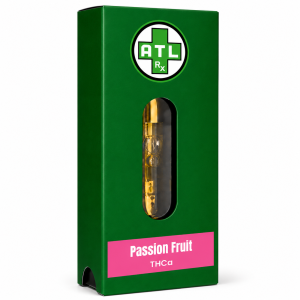 2g THCa Disposable Vape – Passion Fruit$54.99
 -
 2g THCa Disposable Vape – Cannahaze$54.99
 -
Guava Cookie THCa FlowerPrice range: $39.99 through $189.99
Traveling and flying with THCA
Hemp meeting the current federal definition is lawful, and airport screening exists to find security threats, not cannabinoids. None of that makes travel risk-free.
Three things worth knowing:
- Screeners hand suspected violations to local police. Local police enforce local law.
- You land in a state, not in federal airspace. Arriving somewhere that prohibits THCA is a state-law problem, no matter how you traveled.
- THCA flower looks and smells like marijuana. Roadside and airport encounters usually end with a field test reading delta-9, and untangling that takes time even when you’re clean.
Traveling with hemp? Bring the printed COA and keep the original labeled packaging. Paperwork won’t rewrite a statute, but it does answer the opening question in any encounter.
How to read a COA before you buy
The lab report is the most useful document in this whole category, and hardly anyone opens it. Work through it in this order.
1. Match the batch. Whatever batch or lot number sits on the report needs to appear on your package, too. Numbers that don’t line up mean the report describes something other than what you bought.
2. Check when it was run. Reports age. Anything past twelve months deserves a question.
3. Find total THC, not just delta-9. Hunt for a line reading “Total THC.” If only delta-9 appears, run the arithmetic yourself. That’s precisely the figure the federal standard adopts after November 12, 2026, so the skill pays for itself.
4. Confirm the lab is independent and accredited. ISO/IEC 17025 accreditation, and a lab the brand doesn’t own.
5. Check the full panel. Real testing covers potency plus pesticides, heavy metals, residual solvents, and microbials. Potency by itself is half a report.
Will THCA show up on a drug test?
Yes, it can. Workplace panels don’t hunt for THCA or delta-9 directly. What they screen for is THC-COOH, a byproduct left behind once your system breaks THC down, and THCA can leave it too.
Anyone facing workplace, probation, or athletic screening should handle THCA exactly like any other THC product. Being legal federally won’t shield you from a positive result or from company policy.
What to do before November 12, 2026
- Get comfortable with the total THC arithmetic. (THCA × 0.877) + delta-9. Once it’s second nature, any COA takes you ten seconds.
- Start with your own state. Several tightened ahead of Washington. Texas shut THCA down outright on July 31, 2026, and Tennessee is phasing in stricter rules.
- Track Congress. A short delay cleared the Senate and stalled in the House. Longer extensions, an outright repeal, and a full federal framework are all sitting in committee. Any one of them redraws the timeline.
- Buy where batch-matched COAs get published. Testing becomes the whole game after the switch. Sellers are casual about lab reports today, which won’t clear a stricter bar.
- Come back to this page. It gets reviewed at the start of each month, and the same day whenever the law shifts.
Frequently Asked Questions about THCa are Legal
Is THCA Legal in All 50 States?
No, and it isn’t close. Federal law permits THCA today, but states diverge sharply. Some prohibit it outright, some confine it to licensed dispensaries, and others allow it behind potency, testing, or format limits. Find your state in the table above, then let checkout confirm it.
Is THCA Legal Federally?
Yes, for now. Under the 2018 Farm Bill, hemp-derived THCA counts as legal hemp whenever the delta-9 reading stays at or below 0.3% of dry weight. Come November 12, 2026, Washington swaps that test for one built on total THC, which includes THCA, and very little of today’s flower clears it.
Will THCA Be Banned in 2026?
Effectively, yes. Section 781 never names THCA. What it does, starting November 12, 2026, is rewrite the hemp test around total THC, and total THC includes THCA. Finished products also pick up a ceiling of 0.4 mg total THC per container. Most of what’s on shelves today fails both. The Senate cleared a measure in August 2026, pushing most of this to December 11, 2026, but nobody has signed it.
Does THCA Get You High?
Yes, once it’s heated. Raw THCA isn’t intoxicating on its own. Applying heat and decarboxylation turns it into delta-9 THC, so lighting it, vaping it, or baking with it produces THC. Eating raw flowers doesn’t trigger the same conversion.
Is THCA Considered a Drug?
Not federally today, provided it came from hemp. Hemp-derived THCA, clearing the 0.3% delta-9 bar, sits outside the controlled substance schedules. Marijuana-derived THCA doesn’t. After November 12, 2026, anything above 0.3% total THC drops out of the hemp definition and gets handled as marijuana federally.
Is THCA Legal to Ship?
Yes, into states that permit it. Hemp, cleared of the current federal ban, can travel by mail. Some states still block direct-to-consumer shipment of inhalable hemp, and carriers layer their own policies on top. We stop restricted-state orders in the cart rather than shipping them.
Is THCA Legal in Tennessee?
Only inside strict limits, and generally not as a flower. Public Chapter 526 handed hemp oversight to the Alcoholic Beverage Commission and restricts anything reading 0.3% or higher in total cannabinoids, which captures THCA. Core provisions landed January 1, 2026, with more phasing in through the year. Check current state guidance first.
Where Is THCA Legal in 2026?
Nine states currently sit in our open-retail tier: Wisconsin, South Carolina, Pennsylvania, Oklahoma, North Carolina, New Hampshire, Missouri, Maine, and Florida. Most of the rest fence it in with total-THC testing, potency caps, format bans, or dispensary-only channels. Several prohibit it. The four-tier table above has your state.
The post Is THCA Legal? Complete State-by-State Guide 2026 appeared first on ATLRx.
]]>The post ATLRx vs. Zebra CBD: Which One Should You Actually Buy? appeared first on ATLRx.
]]>ATLRx is a store. Nine cannabinoid shelves, 233 listings, two Georgia storefronts with staff inside them, and free delivery on every order we can ship to your state, no minimum spend.
We’re leaning ATLRx. Obviously, but Zebra CBD does two things better than we do, and we’ll name both instead of pretending otherwise.
Explore Our Categories
CBD Hemp Oil
THC Drinks
THCA Disposables
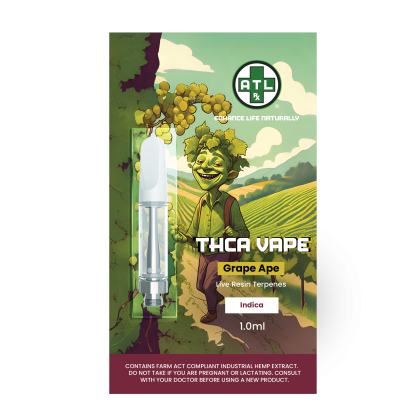
THCA Vape Carts
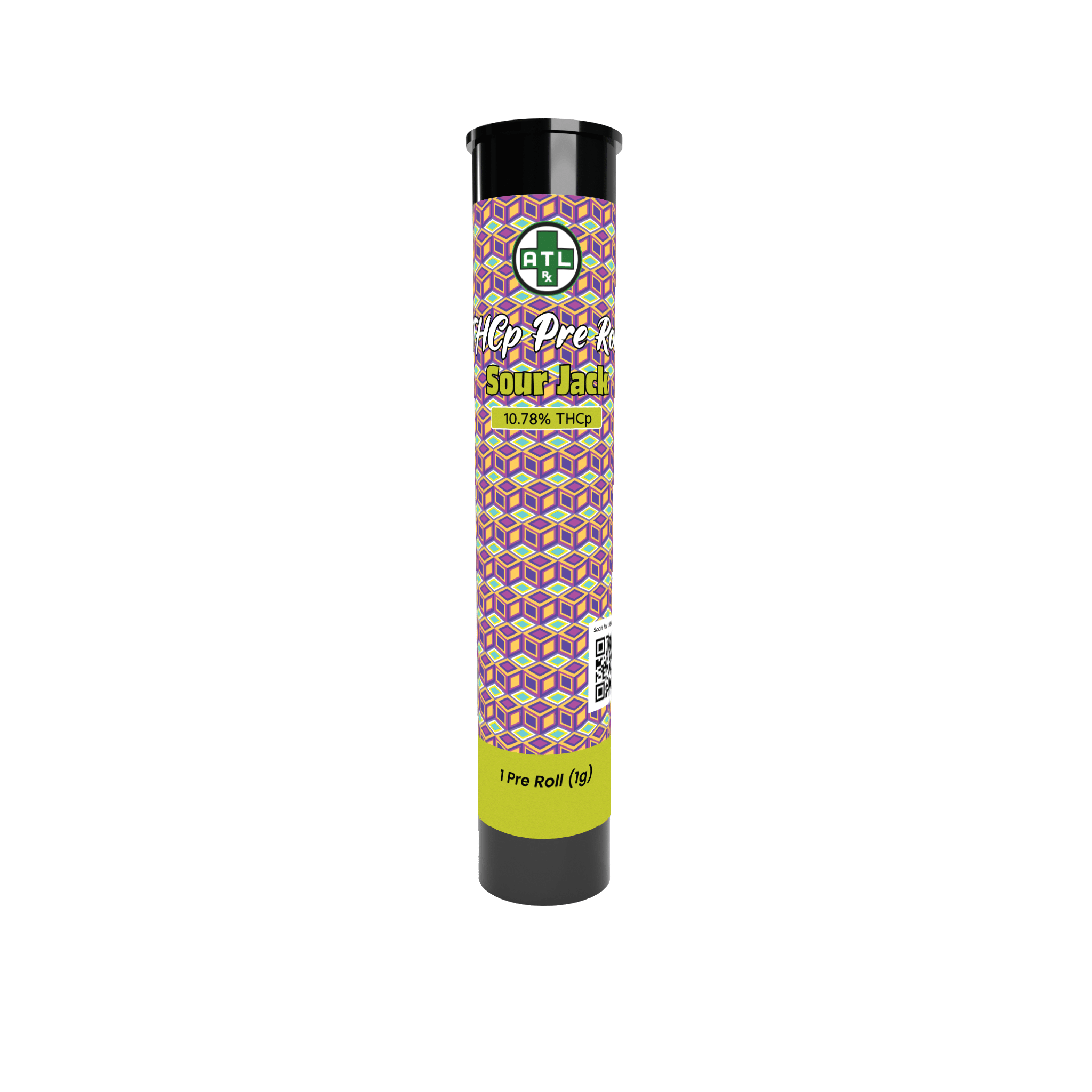
THCP Products
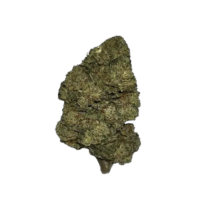
CBD Flower
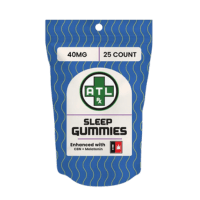
CBD Gummies
CBD Hemp Flower
CBD Pre Rolls
CBD Products
CBD Topicals
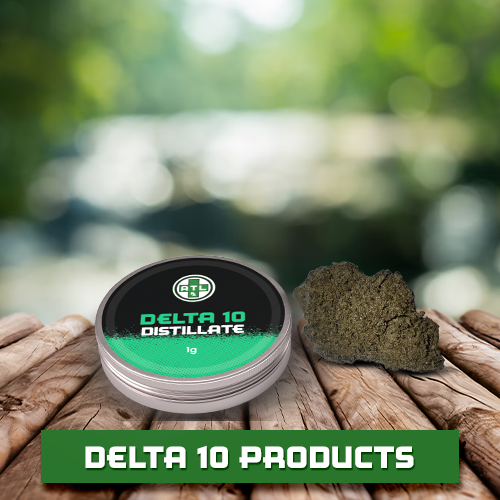
Delta 10 THC
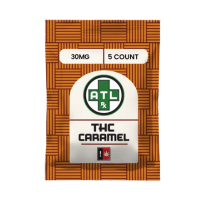
Delta 8 Caramels
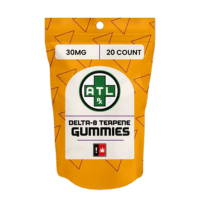
Delta 8 Gummies
Delta 8 THC
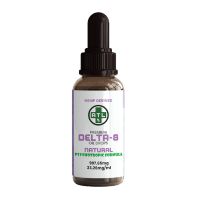
Delta 8 Tinctures
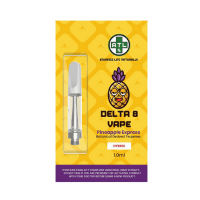
Delta 8 Vape
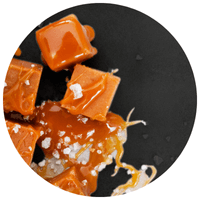
Delta 9 Caramels
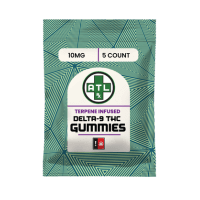
Delta 9 Gummies
Delta 9 THC
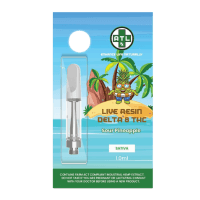
THC Carts
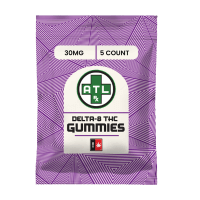
THC Gummies
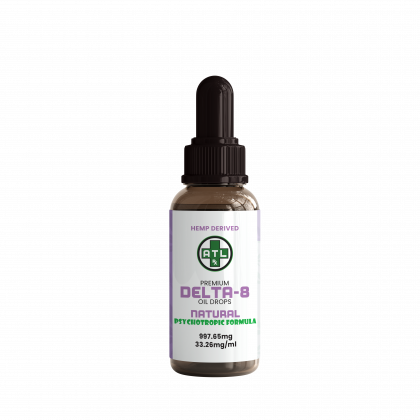
THC Tincture
THCa
THCa Concentrates
THCa Flower
THCv
THCv Gummies
Table of contents:
- Key Takeaways
- The Quick Version
- Round 1: Cannabinoids
- Round 2: Product Selection
- Round 3: Overall Service
- Can you talk to a human, or stand in front of one?
- What ATLRx Actually Does Better
- So, Who Wins?
- Frequently Asked Questions about ATLRx vs Zebra CBD
Key Takeaways
- Zebra CBD sells one cannabinoid as a standalone category: CBD. No product is offered as a standalone CBG, CBC, THC, Delta 8, or THCA item, and CBN appears only inside two formulas. Their full-spectrum items also carry THC, which their site describes as “less than 0.3%.”
- ATLRx lists nine cannabinoid shelves: THCA, THCP, Delta 8, Delta 9, Delta 10, THCV, and CBD, of which six had purchasable stock the day we checked. Plus a blends collection and fourteen hemp-derived drinks.
- The price floor is a canyon. From $4.99 for our cheapest in-stock cannabinoid product. $24.95 for the cheapest CBD product on Zebra’s site, with eleven of their fifteen starting at $49.95. These are package prices across different formats and sizes, not a per-milligram comparison.
- Delivery is free on every ATLRx order we can ship; no spending is required. Some cannabinoids can’t be shipped to some states. Ask Zebra CBD’s website where free shipping starts; you got four separate numbers back.
- Two things Zebra CBD offers that we don’t: a 90-day money-back guarantee that covers an empty container and a standing subscription discount.
Three categories, scored one at a time: what each brand sells, how much of it, and what happens after you order.
The Quick Version
| ATLRx | Zebra CBD | |
|---|---|---|
| Model | Retail-first, online + walk-in | Direct-to-consumer online; no stockists listed on their site |
| Started | January 2019, Georgia | Not published on their site — not a statement about how long they’ve operated |
| Cannabinoid shelves | 9 listed, 6 in stock that day | 1 (CBD), with CBN as an ingredient |
| Catalog | 233 published listings, 78 in stock | 15 in the shop grid, incl. 5 bundles |
| Entry price | From $4.99; drinks from $5.99 | $24.95 roll-on; 11 of 15 start at $49.95 |
| Delivery | Free on every shippable order, no minimum (state restrictions apply) | $70 on one page, $50 on another |
| Walk-in | 2 Georgia stores + a pickup point | No stockists listed |
| Standout | Range, format depth, price, physical access | 90-day guarantee, subscription discount |
Round 1: Cannabinoids
One brand sells a compound. The other sells a shelf of them.
There’s no ambiguity about what Zebra CBD is. It’s in the name, and the catalog follows through. CBD sits at the center of all fifteen listings. Zebra CBD describes all four of its gummies as full-spectrum, which they say carries “less than 0.3%” THC. We haven’t tested their products and take no position on their contents. CBN appears too, but only blended into two formulas. You can’t buy CBN by itself there, and nothing in the catalog is sold as a standalone CBG, THC, Delta 8, or THCA product.
A single category of cannabinoids is sold. That covers the entire board. To be clear about what this round is and isn’t, adding more cannabinoids to a menu does not imply that it is better or that any one of them performs better than another. We’re keeping track of what can be purchased.
Now open the ATLRx menu. Nine compounds, each with a shelf of its own: THCA, THCP, Delta 8, Delta 9, Delta 10, THCV, and CBD. Depth behind them varies: 113 entries under THCA, 36 under Delta 8, 20 under Delta 9. A blends collection sits alongside, and fourteen hemp-derived drinks follow that.
Want CBD specifically, the thing Zebra built its company on? ATLRx has a CBD collection, too. It’s one aisle out of nine instead of the entire store.
The part we’re not going to spin.
Shelves and stock are different things, and you’d figure this out in thirty seconds of clicking anyway.
Right now, our CBN shelf has nothing purchasable on it; the Delta 10 collection is sold out, down to a single vape cart sitting in a different aisle, and every CBG-branded product is unavailable. THCA flower moves in batches, too; most of those 103 flower listings sit sold out at any given moment, so check the live collection page before you build an order around one strain.
What’s actually cartable today: THCA, THCP, Delta 8, Delta 9, THCV, and CBD, plus blends and drinks. Against one. The gap survives the unflattering version.
And if you want CBD and only CBD, Zebra CBD’s catalog is built around exactly that. But the moment you want a different compound, a one-cannabinoid catalog means opening a new tab.
ATLRx, on the number of compounds you can buy as standalone products, a measure of range, not of quality, potency, accuracy, or results.
Round 2: Product Selection
Fifteen products, and the math gets thinner.
Break that down. Five are bundle combinations of items already counted elsewhere. Their dog line is three formulas, an oil, and two chews. What’s left for a human shopper is exactly a dozen distinct products: two oils, four gummies, two chewable tablets, a rub, a balm, a roll-on, and a gel.
Tight and deliberate. Also, if you’re browsing, it’s about four minutes of shopping.
ATLRx runs 233 published listings. Not a flex for its own sake, the point is what happens when you want something specific.
Formats: This is where it stops being a contest
Pick a single compound at ATLRx and count the shapes it comes in. THCA is sold loose as flower, as smalls, and rolled. It’s sold in a cartridge and in a two-gram disposable. It’s sold as badder, as crumble, and as diamonds. It’s sold as a raw isolate powder for formulators. That’s a difference in how you’d consume it, not a claim about outcomes.
Beyond the compound shelves, ATLRx stocks the categories a retailer only bothers with once it has watched enough people shop:
- Hemp-derived drinks — fourteen listed, opening at $5.99 for a single can and topping out at $24.99 for a four-pack
- Caramels, taffy, a syrup, and bars
- A five-count sampler pack, if you want more than one format in a single order
- Flower, concentrates, vapes, and isolate, across multiple compounds.
Zebra CBD’s formats: oil, gummy, tablet, topical. Four lanes, executed consistently. Today’s catalog has no flower, no vapes, no concentrates, no drinks, and no isolate.
The price gap isn’t subtle.
| ATLRx | Zebra CBD | |
|---|---|---|
| Cheapest cannabinoid product | From $4.99 | $24.95 roll-on |
| Where most products start | $14.99–$49.99 | 11 of 15 listings at $49.95 |
| Cheapest drink | $5.99 single can | Doesn’t sell drinks |
| Bundles | A five-count sampler | $79.95–$132.90 |
Fifty dollars is the standard ticket at Zebra CBD. That’s a considered purchase. At ATLRx, trying a format you haven’t bought before starts at about five bucks, delivered free, so a first order doesn’t require a fifty-dollar commitment. Price is the only thing being compared here; nothing on our shelf is offered as better-working than anything on theirs.
ATLRx, regarding the number of listings, the various forms each compound can take, and the most affordable method.
Round 3: Overall Service
Lab testing: how each brand publishes its certificates
Both companies publish certificates without an account or an email capture. Confirm that before you buy from anybody, but access isn’t the same as currency.
Zebra CBD built a better front door: you select your product from a dropdown, and it returns a certificate for it. That’s a cleaner way in than what we have, and we should build one. Their page says they screen for potency and, in their words, for heavy metals, microbes, and “unnatural pesticides, herbicides, and fungicides.” We’re reporting what they publish, not verifying it.
ATLRx publishes its Certificates of Analysis sorted by category, with test documents. Ours is a wall of links, no search, no per-product lookup, no test dates until you open the file. And for the record, we haven’t published a coverage rate either: we can’t currently tell you what share of our 233 listings has a certificate matching the exact run you’d receive. We’re fixing that.
So, their lookup is easier to use, and our archive is more current. Neither of those is a statement about the quality or safety of either company’s products; we’ve never tested a Zebra CBD product, and a page’s publishing date says nothing about whether a product was tested. Pages get updated. Check both before you buy.
Either way, three habits are worth building. Confirm that the certificate in front of you belongs to the item you’re holding. Find the date the sample was analyzed. And see whether the panel stopped at potency or carried on into contaminant screening.
Delivery: the clearest gap in the piece
Whatever your basket comes to, ATLRx covers the postage. The banner says “FREE USPS SHIPPING ON ALL ORDERS!”, and no qualifying spend hides behind it. A single $4.99 gummy and a $250 restock arrive on identical terms, provided it’s an order we’re permitted to send to your address. Some cannabinoids carry state restrictions, listed two paragraphs down.
Zebra CBD applies a threshold, and its pages state it four different ways. Their shipping policy page sets it at “all Subscription Orders & Orders $70+.” Their bundle-deals page, a single page manages three more: “we offer FREE U.S. shipping on all orders,” then “Free shipping on all domestic orders over $50—bundles included!” and then “any order of $50 or more and a small shipping charge of $6.95 is added to all orders under $50.” Four answers, two pages, same-day subscriptions do ship free, which is at least consistent.
Our own map has holes in it. Five states, Arkansas, Idaho, Minnesota, Rhode Island, and Oregon, sit outside the THCA delivery area, and the equivalent list for Delta 8 is longer still. Read those as decisions about where this company will ship, not as a verdict on what your own state permits. On their side, Zebra CBD stays domestic and divides its catalog into two, withholding one half from California shoppers. Statutes in this category are rewritten often and vary by jurisdiction, so confirm your own before you place an order.
Can you talk to a human, or stand in front of one?
Both companies publish a phone number. Zebra CBD lists 888-762-2699 and an email address, with a Tempe, Arizona, mailing address on their contact page. Their site lists no store locator and no retail stockist, so from their published information, the buying and support experience is remote.
ATLRx has two Georgia storefronts with people in them: 875 North Main Street, Suite 351, in Alpharetta, and 1101 Ponce De Leon Ave NE in Atlanta, which handles online-order pickup rather than walk-in browsing. One line, 1-855-420-8278, routes to all three.
Don’t underrate that. You can look at a flower in daylight, ask someone how badder, crumble, and diamonds differ in texture and labeled potency, and walk out holding the thing. Our staff describe products and read labels with you, they don’t tell you what a product will do for you, and they don’t give medical advice. The label still governs how you use whatever you buy.
ATLRx takes lab currency, delivery cost, and physical access. Zebra CBD takes the lookup interface and the guarantee outright; that’s the next section.
What ATLRx Actually Does Better
Beyond the three rounds, two things are worth noting.
1. A five-dollar entry price. Most of this category asks $40, $50, or $75 for a first purchase of something you haven’t bought before. Our lowest cannabinoid price starts at $4.99, and drinks at $5.99, delivered free with no minimum spend. Adults 21+.
2. Format preferences change; you don’t have to change stores. Nine presentations of THCA sit here already: THC drinks, caramels, taffy, bars, pre-rolls, vapes, and isolate across nine compounds, and whichever one you settle on has probably been on the shelf the whole time. As for longevity: this company began trading in January 2019 out of a Cumming, Georgia house with a staff of four, had a shop open in Alpharetta by that summer, and hasn’t moved since.
-
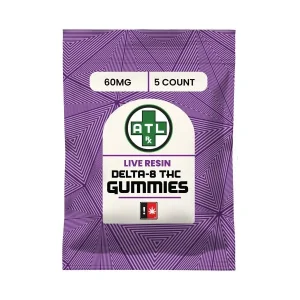 Delta 8 Live Resin Gummies 60mgPrice range: $24.99 through $79.99
 -
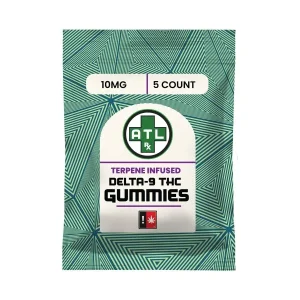 Delta 9 Terpene Infused Gummies 10 MGPrice range: $14.99 through $49.99
 -
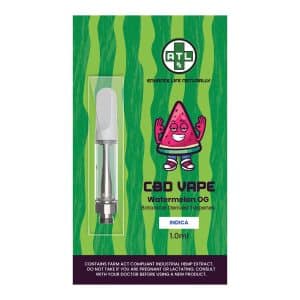 CBD Vape Cartridges$44.99
So, Who Wins?
On the things we measured, compounds sold as standalone categories, catalog size, format depth, entry price, delivery cost, lab-archive currency, and physical access to ATLRx.
Nine cannabinoid shelves against one, six of ours in stock the day we checked. 233 published listings against fifteen, 78 of ours in stock. Nine ways to take THCA alone. Prices from $4.99, drinks from $5.99, free delivery with no minimum on anything we can ship to you, and two Georgia storefronts you can drive to.
What we did not compare: product quality, potency accuracy, purity, ingredient sourcing, price per milligram, customer satisfaction, or safety. Nothing here says ATLRx products work better than Zebra CBD products. We make no comparative performance claim of any kind.
Zebra CBD may be the better fit if you’re only looking for CBD, a 90-day empty-container refund is what makes a first order feel financially low-risk, or you’ve already settled on a product and want a standing subscription discount. We can only compare what both companies publish; we haven’t tested their products, and we’re not vouching for them.
Put plainly: Zebra CBD assembled a compact CBD range and put a serious refund promise behind it. ATLRx assembled a shop. Already know your answer is CBD? Their narrower catalog may cover you entirely. Want to look around, weigh one compound or format against another, spend little on a first attempt, or pick the thing up before paying for it? That’s what we’re set up for.
Frequently Asked Questions about ATLRx vs Zebra CBD
Where Do These Two Brands Actually Diverge?
Zebra CBD sells CBD as its only standalone cannabinoid, with CBN blended into two formulas, across fifteen products in its shop grid. ATLRx lists nine cannabinoid shelves: THCA, THCP, Delta 8, Delta 9, Delta 10, THCV, CBD, plus blends and hemp-derived drinks.
Which One Is Cheaper to Try?
ATLRx, by a wide margin, though we’re ATLRx, so check the numbers yourself. Our cheapest in-stock cannabinoid product starts at $4.99 and drinks at $5.99, with free delivery and no minimum spend on anything we can ship to your state. Zebra CBD’s cheapest CBD product is a $24.95 roll-on, eleven of their fifteen listings start at $49.95, and their published free-shipping threshold is $70 on one page and $50 on another. These are package prices across different formats and sizes, not a per-milligram comparison.
Does Zebra CBD Sell Delta 8, Delta 9, or THCA?
No. Zebra CBD’s catalog is built entirely on CBD, and nothing is sold as a standalone Delta 8, Delta 9, THCA, THCP, THCV, or CBG product. Zebra CBD describes their full-spectrum items as carrying “less than 0.3%” THC, which is a formulation detail rather than a separate product line; we haven’t tested their products and take no position on their contents or on what’s lawful where you live. ATLRx carries all of those compounds on its own shelves.
Which Brand Has Better Lab Results?
Written by ATLRx, which is one of the two brands being judged here. Zebra CBD has a better way to find them; you select your product from a dropdown, and it returns a certificate. Test documents pass through without a per-product lookup and without a published coverage rate, and ATLRx publishes its certificates sorted by category without requiring a login. We have never tested a Zebra CBD product, so neither observation speaks to the safety or quality of either company’s goods. Either way, open the file, look at its analysis date, and satisfy yourself that it belongs to the item that arrived.
Does ATLRx Have a Money-back Guarantee like Zebra CBD?
No, Zebra CBD is unquestionably superior in this situation. They are offering a 90-day full refund of the purchase price for each person’s first purchase, even if the container is empty. Shipping charges are not included. Ours gives you 30 days, refunds up to $100 after shipping, charges a 25% restocking fee on non-defective items, and won’t accept opened packages. Instead, postage is zero on any basket, regardless of what it contains, where we compete.
Can I Shop Either Brand in Person?
ATLRx has two Georgia storefronts: 875 North Main Street, Suite 351 in Alpharetta, and 1101 Ponce De Leon Ave NE in Atlanta, which handle online-order pickup rather than walk-in browsing. All three are reachable at 1-855-420-8278. Zebra CBD sells online, publishing a phone number, an email address, and a Tempe, Arizona mailing address, with no store locator or retail stockist listed.
Is ATLRx or Zebra CBD Better for a First-time Buyer?
ATLRx is answering, and ATLRx is one of the two brands in question. That turns on what a first order is meant to achieve. ATLRx makes it cheap: from $4.99 for our lowest-priced in-stock cannabinoid product, free delivery on anything we can ship to your state, every price printed on the page, and staff you can question face-to-face in two Georgia stores. Zebra CBD makes it low-risk in a different way, with a 90-day full-refund guarantee on a first purchase.
First time with hemp? Read the packaging before you buy and stick to what the manufacturer prints there, without going over the stated serving. Don’t get behind the wheel or near machinery afterward. Buyers must be 21 or older. Avoid these altogether while pregnant or breastfeeding, and speak to your doctor first if you take prescription medicine or are managing any medical condition. These statements have not been evaluated by the Food and Drug Administration. These products are not intended to diagnose, treat, cure, or prevent any disease.
The post ATLRx vs. Zebra CBD: Which One Should You Actually Buy? appeared first on ATLRx.
]]>The post ATLRx vs. Area 52: Comparison of Cannabinoid Brands appeared first on ATLRx.
]]>After that, they stop looking alike.
Area 52 is a small-batch, sci-fi-branded gummy house with a tight lineup and a serious guarantee behind it. ATLRx is a Georgia retail operation with nine cannabinoid shelves, north of 200 products, two stores you can physically walk into, and delivery that costs nothing regardless of basket size.
We’re leaning ATLRx here, obviously. But we’re not going to pretend Area 52 has nothing going for it, because they do, and we’ll name it.
Explore Our Categories
Table of contents:
- Key Takeaways
- The Quick Version
- What ATLRx Actually Does Better
- So, Who Wins?
- Frequently Asked Questions
Key Takeaways
- Multiple separate cannabinoid shelves at ATLRx, each holding stock you can order today: THCA and THCP, the delta trio of 8, 9, and 10, THCV, plus CBD. A blends collection and sixteen hemp-derived drinks sit alongside them.
- Area 52’s whole storefront comes to 19 items. Nine of the nineteen carried an out-of-stock tag on August 14, 2026, including both vapes and batteries among them.
- Area 52 promotes compounds it openly admits it doesn’t stock. Straight from their Delta-10 page: “Currently, Area 52 does not offer delta-10 THC products.” From Delta-11: “No, Area 52 does not currently sell delta-11 THC products.” Four products show on their THCV page. Zero contains THCV.
- The entry-price gap is enormous. Six dollars gets you into the ATLRx catalog. Getting into Area 52 meant $75 for the cheapest gummy in stock that day, marked down from $79.
- ATLRx delivery is free at any spend. Area 52 posts two different qualifying thresholds — $99 in the cart drawer, “over $110” on the banner scrolling across the site.
- One of these brands has a door you can open. Atlanta and Alpharetta storefronts, a pickup depot.
- Two things Area 52 does better: a 90-day money-back guarantee and a 30% subscription discount. We don’t match either, and pretending otherwise would be insulting.
Cannabinoids. Product selection. Service. Three rounds. Let’s go.
The Quick Version
| ATLRx | Area 52 | |
|---|---|---|
| Model | Retail-first, online + walk-in | Online-only DTC |
| Started | January 2019, Cumming, Georgia | In 2019, founded by a biochemist |
| Cannabinoid shelves holding stock | 9, plus a blends collection | Roughly 4–5 as standalone products |
| Total catalog | 227 products | 19 products; 9 out of stock on August 14, 2026 |
| Entry price | Drinks from $5.99, Delta 9 gummies from $14.99 | Cheapest in-stock gummy $75 |
| Delivery | Free on any spend | Qualifies at $99 (banner says $110) |
| Walk-in | Atlanta + Alpharetta, GA; Dawsonville pickup | None |
| Standout | Range, price, physical access | 90-day guarantee, 30% subscription |
Round 1: Cannabinoids
Nobody warns you about this when you start buying hemp online: a compound having its own page on a website tells you nothing about whether you can buy it there.
Walk the ATLRx menu, and you’ll find many compounds with actual inventory behind them. THCA alone carries 113 listings. Delta 8 runs to 36, Delta 9 to 20. THCP, THCV, Delta 10, and CBD fill out the rest, each with its own shelf. Take THCV at ATLRx, that’s a gummy for $14.99, and an isolate for $49.99. Not an article about THCV. Three things that fit in a cart.
Now the thin end of our own shelf, because you’d find it anyway: Delta 10 is down to one purchasable item as we write this, and CBN exists here as an isolate rather than a finished format. Thin isn’t the same as absent, and that gap is precisely what this round is about.
Ten compounds get advertised on Area 52’s About page: Delta-8, Delta-9, Delta-10, Delta-11, THCA, THCV, HHC, CBD, CBN, and CBG. Looks great in a list.
Their Delta-10 FAQ: “Currently, Area 52 does not offer delta-10 THC products.” Their Delta-11 FAQ: “No, Area 52 does not currently sell delta-11 THC products.” Follow the HHC link sitting on their own About page, and you land on a 404 — that page doesn’t exist. Their THCV article, meanwhile, puts four products on screen: Delta-8 Gummies, Full Spectrum UFO Gummies, and a pair of CBD-based blends. THCV content across all four: none.
Depth vs. breadth
In fairness, Area 52 is playing a formulation game. Rather than lining up single compounds on a shelf, they build a small number of blends and stack cannabinoids inside each one. That’s a genuine philosophy — a single founder, an in-house lab backed by outside verification, tight control end to end.
Formulation happens at ATLRx, too; the blends collection exists for exactly that. What separates them is that ATLRx runs blends alongside the single-compound shelves rather than in place of them.
ATLRx, on how many compounds you can buy as finished, standalone products.
Nineteen items against a full catalog
Here’s the count we took of Area 52’s complete inventory on August 14, 2026: 19 products, spread over two pages. Gummies and tinctures, THCA flower and pre-rolls, Delta 8 pre-rolls, mushroom gummies, a pair of vapes, honey, and a battery.
The Delta-8 cartridge, the Delta-8 disposable, the battery, CBD Oil, THCA flower, Delta 8 honey, two of the three items called “tincture,” and a gummy. Arrive that day wanting to vape, and you’d have left with nothing.
No smugness from us on stock, though craft flower moves in batches, and ATLRx wrestles with the same thing. Plenty of our THCA flower listings sit unavailable at any given moment. Look at the live collection before you build an order around one particular strain. Applies to them; applies to us.
The difference is bench depth. THCA flower at ATLRx runs 103 listings by itself, so one strain going dark leaves dozens of neighbors. One of nineteen going dark takes 5% of an entire store with it.
Formats: this is where it gets lopsided
Look at what THCA becomes at ATLRx. One compound, nine live formats. Smoke it as a flower, as smalls, or rolled. Vape it from a cart or a 2-gram disposable. Dab it as badder, crumble or diamonds. Or take it as an isolated powder and go your own way. “Do they stock it?” stops being the question. “Which version do I want?” replaces it.
Then come the shelves that only exist when a company spends its days watching people actually shop:
- Hemp-derived drinks — sixteen of them, a $5.99 single can at one end, a $109.99 case at the other
- Caramels, taffy, syrups, capsules, bars
- Sampler packs, for anyone not ready to commit to a full bag
Area 52 stocks honey, which is a genuinely cool thing to sell. It carried an out-of-stock tag when we looked on August 14, 2026.
The price gap is not subtle.
| ATLRx | Area 52 | |
|---|---|---|
| Cheapest gummy available that day | $14.99 | $75 (from $79) |
| Tinctures | Several sizes, several compounds | $109–$159 |
| Lowest-priced item in the catalog | $5.99 (single can) | $69 (THCA pre-rolls, from $79) |
Area 52 would argue that’s exactly the intent — small batches, multi-stage extraction, in-house testing with third-party validation on top. Perfectly defensible.
Sixty-nine to seventy-five dollars just to learn whether a brand suits you is still a lot to ask. Six bucks at ATLRx, delivered free, tells you the same thing.
Round 2: ATLRx on catalog size, format depth, and entry price.
Lab testing: both publish, neither hides it
Certificates of analysis sit in the open at both companies — no account, no email capture. Good. That’s table stakes, and worth confirming before you buy from anybody.
The ATLRx lab page holds upwards of 240 certificates sorted by category, spanning THCA flower, carts and concentrates, Delta 8, Delta 9, THCP, THC drinks, CBD, and topicals, with testing dates stretching from 2024 into July 2026.
Area 52 keeps theirs in a public Dropbox folder linked from the footer, no login required, and their About page describes screening every batch for heavy metals, 200-plus pesticides and herbicides, residual solvents, microbial contaminants, and mycotoxins, with independent labs verifying in-house results. That’s a detailed panel on paper. We didn’t confirm it ourselves, and you shouldn’t take our word either — go read the certificates.
Score it a draw and do the same thing with either brand: pull up the document. The batch code printed on it needs to match the one on the package in your hand. Check when the sample was tested. Confirm the screen went beyond potency into contaminants. A company saying it tests and a company showing you the paperwork are two different things.
Delivery: no contest
Shipping is on ATLRx, whatever you spend. No qualifying threshold appears anywhere on the site. Order a $5.99 can or a $250 haul — the delivery line reads zero either way.
Area 52 gates it, and can’t settle on where. “Spend $99 more to get FREE Shipping,” says the cart drawer. “FREE PRIORITY SHIPPING ON ORDERS OVER 110$,” says the marquee scrolling across the site. Same site, same day, two numbers. Whichever applies, somebody sampling the brand with a single item pays to have it delivered — precisely when they’re least certain about the whole thing.
State-level limits apply on both sides. Five states currently sit outside the ATLRx THCA map — Arkansas, Idaho, Minnesota, Rhode Island, and Oregon — and fourteen are excluded for Delta 8. Area 52 blocks states as well, offering an email address if you believe you’ve been blocked in error. Treat all of that as the company’s delivery policy and nothing more; it isn’t a ruling on what your own state permits. Legislatures revise these rules constantly, so check your address before you order.
Round 3: ATLRx on delivery cost and physical access. Lab transparency and phone support are draws.
What ATLRx Actually Does Better
Four things, and “we stock more” isn’t one of them. Three rounds already covered that.
1. Being wrong costs you six dollars. Most brands in this category want $40, $60, $75 riding on a guess about a product you’ve never touched. The floor here is a $5.99 can with delivery included and no threshold to clear. Buy one. Hate it? You’re out less than a sandwich. That isn’t a promotional gimmick; it’s what falls out of building a catalog around single-item retail instead of a minimum viable basket. Learning what suits you gets a lot easier when failing is cheap.
2. You never have to register to find anything out. Every figure you’d want before deciding is just sitting there in the open — what it costs, what the lab found. There’s no account to create, no email box to fill, no “request pricing” form parked in your way. In a category where the paperwork carries half the value, charging people for an email address to read it has always struck us as backward.
3. Your tastes can move without you switching brands. The seltzer somebody starts with isn’t necessarily where they land six months on. THCA alone runs nine formats here. Stack drinks, caramels, taffy, syrups, capsules, bars, pre-rolls, and isolate across nine compounds, and whatever you drift toward is probably already sitting on a shelf. Nobody’s second purchase should require opening a new tab.
4. Somebody signed a lease. ATLRx started in January 2019 out of a house in Cumming, Georgia, staffed by four people. Seven years on, that’s two storefronts, a pickup depot, and phone lines ringing at specific desks inside specific buildings. Plenty of operations in this space launch and fold within a year, taking the lab archive with them — along with your order history and anybody left to answer the phone. Sticking around isn’t a product feature. It’s what determines whether the other features are still there when you go looking next year.
-
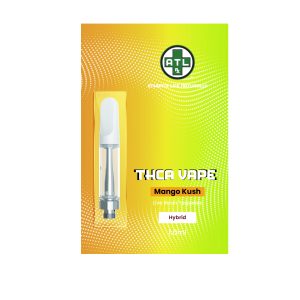 Mango Kush THCa Vape Carts$39.99
 -
Delta 9 Terpene Infused Gummies 10 MGPrice range: $14.99 through $49.99
-
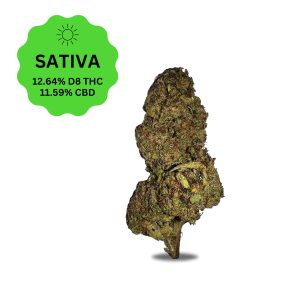 Delta 8 THC Flower$149.99
So, Who Wins?
Measured across four things — compounds with stock behind them, catalog size, entry price, and delivery cost ATLRx.
Nine buyable compounds. 227 products facing 19. Nine ways to take THCA alone. Drinks opening at $5.99, gummies at $14.99. Nothing to spend before delivery goes free. Staffed counters in two Georgia towns, a pickup depot, and a phone line belonging to a company that opened its doors in January 2019.
Area 52 is your pick if the 90-day guarantee is what gets you over the line on a first order, you’re reordering the same thing every month and want that 30% rate, or you specifically want a small-batch operation with one formulator’s fingerprints on every product.
The fair summary: Area 52 built a tight, premium, heavily guaranteed lineup. ATLRx built a store. Locked into one product on repeat? Their model earns its keep. Want to browse, compare formats, start cheap, or hold the thing before buying it? Come see us.
Frequently Asked Questions
Which Brand Has More Cannabinoid Options, ATLRx or Area 52?
ATLRx, comfortably. Multiple compounds occupy their own shelves in the ATLRx menu: THCA, THCP, Delta 8, Delta 9, Delta 10, THCV, and CBD, with a blends collection beside them. Area 52’s About page advertised ten compounds when we looked on August 14, 2026, but the storefront held 19 items total, and their own Delta-10 and Delta-11 pages confirm those two aren’t currently sold. Adults 21+.
Is ATLRx or Area 52 Better for a First-time Buyer?
ATLRx tends to be the gentler landing. Drinks open at $5.99 and Delta 9 gummies at $14.99; delivery is free, whatever you spend, every price is printed on the product page, and the Atlanta and Alpharetta shops let you question a human before committing. New to hemp? Follow the serving size on the label, wait the time the label tells you to wait before taking any more, and stay out of the driver’s seat afterward. Adults 21+ only. Skip these entirely if you’re pregnant or breastfeeding. On prescription meds, or managing a health condition? Check with your physician first. These statements have not been evaluated by the Food and Drug Administration.
Which One Has Better Delivery?
Free on everything at ATLRx, with no qualifying spend. Area 52 showed a $99 threshold in its cart drawer and “over $110” on its sitewide banner. Both companies restrict certain states. Read those restrictions as delivery policy rather than a statement about legality at your address — the rules vary by state and change often, so verify your own before ordering. Adults 21+.
Do Both Brands Publish Third-party Lab Results?
Both do, and neither locks them behind a login. The ATLRx lab page carries upwards of 240 certificates sorted by category, with testing dates running from 2024 through July 2026. Area 52 links a public folder from its footer and describes screening for heavy metals, pesticides, residual solvents, microbials, and mycotoxins. Whichever you buy from, open the document and check its batch code against your package. Adults 21+.
Does Area 52 Offer Anything ATLRx Doesn’t?
Two things, both real. A no-questions-asked 90-day money-back guarantee, and a 30% subscription discount applying to every in-stock item. ATLRx matches neither. What ATLRx does instead is drop the delivery cost to zero on every order, regardless of size, which is what makes a small first purchase cheap. Adults 21+.
Can I Shop Either Brand in Person?
ATLRx only. Storefronts operate in Atlanta and Alpharetta, Georgia, a Dawsonville site handles online order pickup, and 1-855-420-8278 reaches support. Area 52 sells online exclusively — the address on their contact page is marked “Mailing Address Only.” Adults 21+.
Why Is Area 52 More Expensive?
They position themselves as small-batch premium, pointing to multi-stage extraction, in-house testing, and third-party validation. On August 14, 2026, their cheapest available gummy was $75 against a $79 list, with tinctures spanning $109 to $159. ATLRx prices for retail volume — drinks from $5.99, Delta 9 gummies from $14.99. Neither company hides pricing; every product page shows it without a login. Adults 21+.
Disclaimer: Adults 21 and over only. These products may cause impairment. Do not drive or operate machinery after use, and do not use if pregnant or nursing. If you take prescription medication or have a medical condition, talk to your doctor before use. These products may cause you to fail a drug test. These statements have not been evaluated by the Food and Drug Administration. These products are not intended to diagnose, treat, cure, or prevent any disease. Rules governing these products differ from one state to the next and are amended frequently; verify what applies at your address before ordering. Keep out of reach of children and pets.
The post ATLRx vs. Area 52: Comparison of Cannabinoid Brands appeared first on ATLRx.
]]>The post ATLRx vs. The Hemp Collect: An Overview of Cannabinoid Brands appeared first on ATLRx.
]]>If you’re shopping as a person rather than a production line, ATLRx covers more ground. But The Hemp Collect wins real points too, and we’re going to be specific about where.
Explore Our Categories
Table of contents:
- Key Takeaways
- Round 1: Cannabinoids
- Round 2: Product Selection
- Round 3: Overall Service
- What ATLRx Does Really Well
- Frequently Asked Questions about ATLRx vs. The Hemp Collect
Key Takeaways
- ATLRx carries multiple cannabinoid categories. THCA, Delta 8, Delta 9, Delta 10, THCP, THCV, CBD, plus a Cannabinoid Blends collection. The Hemp Collect offers five products you can shop directly, with CBG and CBN sold as isolates.
- Every ATLRx order ships free, with no minimum spend. The Hemp Collect ships free once your basket passes $75, so small orders carry a delivery cost.
- ATLRx is the only one of the two you can visit in person. Retail stores in Atlanta and Alpharetta, Georgia, plus a Dawsonville outlet for online order pickup. The Hemp Collect lists no retail locations.
- ATLRx offers more formats per cannabinoid. THCA alone comes in nine forms: flower, smalls, pre-rolls, vape carts, 2-gram disposables, badder, crumble, diamonds, and isolate powder.
The Quick Version
| ATLRx | The Hemp Collect | |
|---|---|---|
| What it is | Retail-first, with wholesale and white-label programs | Wholesale-first, with a consumer storefront |
| Started | January 2019, Georgia | Team led by Von Dellinger and Joel Thompson |
| Walk-in | Retail in Atlanta + Alpharetta; pickup outlet | No retail locations listed |
| Cannabinoids | 9 categories + a Blends collection | THCA, Delta 8, Delta 9, CBD, THCP; CBG/CBN as isolate |
| Shipping | Free on all orders, no minimum | Free on $75+ |
| Lab results | 343 public COAs + ~190 per-strain report pages | Public COA page with test dates listed inline |
| Standout | Breadth and walk-in access | Live rosin, solventless, loyalty program |
Round 1: Cannabinoids
Who has the broader menu?
ATLRx organizes its shop with multiple cannabinoids, THCA, Delta 8, Delta 9, Delta 10, THCP, THCV, CBD, plus a dedicated Cannabinoid Blends collection in the same menu.
The Hemp Collect’s ingredient menu lists seven entries, but three of them, Liquid Diamonds, Live Resin, and Live Rosin, are extraction formats, not cannabinoids. The actual cannabinoids there are THCA, Delta 8, Delta 9, and CBD, with THCP in its own collection (three pre-rolls at $7 each) and CBG and CBN available as isolate. They also formulate with CBN and CBC inside finished edibles.
ATLRx offers multiple cannabinoids as browsable, finished-product categories. The Hemp Collect offers five you can shop directly, plus a couple more as isolates or as ingredients inside a blend.
Delta 10 and THCV in particular have no counterpart on The Hemp Collect’s shelf, and CBG and CBN exist there mainly as isolate powder rather than something you’d order and use.
Where each one goes deep
The Hemp Collect goes deep on the extraction method. Live resin, liquid diamonds, and live rosin each get their own top-level category, and live rosin is solventless, a genuine specialty ATLRx doesn’t match.
ATLRx goes deep on compound variety and finished formulation. Nine cannabinoid categories, a Blends collection with a multi-cannabinoid gummy and “Quad Oil” disposables, plus a mushroom-products line sitting entirely outside the cannabinoid conversation.
Different kinds of depth. If you want the widest range of cannabinoids in ready-to-use form, ATLRx has more doors to walk through.
Round 2: Product Selection
Finished products vs. raw materials
The Hemp Collect runs two storefronts. The consumer site sells finished goods, flowers, pre-rolls, vapes, edibles, beverages, tinctures, and salve. The wholesale portal is where the business really lives: bulk Delta 8 raw distillate by the kilo, bulk CBG and CBD isolate by the kilo, THCA flower by the pound.
ATLRx is built the other way around. Everything on the shelf is packaged, dosed, and labeled for one person: pre-rolls, gummies, carts, tinctures with a dropper marked in milligrams, flower, caramels, taffy, seltzers, syrups, capsules, concentrates, and a CBD salve. ATLRx does run wholesale and white-label programs, so bulk buyers aren’t shut out, but the catalog is designed for someone buying one thing.
Formats per cannabinoid
This is where ATLRx pulls clearly ahead.
Take THCA. On ATLRx, that’s flower, smalls, pre-rolls, vape carts, 2-gram disposables, badder, crumble, diamonds, and isolate powder — nine distinct formats of a single cannabinoid. The question stops being “do they have it” and becomes “how do I want to use it.”
Then there’s the retail-brain stuff that only exists when a brand is watching actual shoppers: ATLRx’s hemp-derived drinks collection runs 16 products from $5.99 to $109.99, sodas, seltzers, lemonades, and canned hemp-derived THC beverages, by the single or the case. Plus caramels, taffy, and syrups. Wholesale catalogs don’t stock taffy, because you can’t move taffy by the pallet.
Round 3: Overall Service
Both brands publish public COAs with no login. ATLRx’s lab results page carries 343 “View Certificate” links organized by category, plus roughly 190 per-strain lab-report pages, so you can pull documentation for one specific strain, which is genuinely useful.
ATLRx takes that transparency a step further by making lab results easy to access. Every product includes a published Certificate of Analysis (COA) from an independent, ISO-accredited, DEA-certified laboratory. A QR code on the packaging links directly to the corresponding lab report, so you can quickly review potency, purity, pesticide testing, heavy metals, and residual solvent results for that specific batch. You can also view the COA on the product page before placing your order, giving you clear access to important product information both before and after purchase.
Tip either way: open the certificate. Match the batch number to your package, check the test date, and make sure the panel covers pesticides, heavy metals, residual solvents, and microbials, not just cannabinoid content.
Shipping
Clean win, and the numbers are simple.
ATLRx ships every order free, and no minimum spend appears anywhere on the site. A single $14.99 cart ships for the same price as a $250 order: nothing.
The Hemp Collect’s banner reads “Ships free, fast, discreet $75+.” Above that line, you’re fine. Below it, shipping is a cost you carry, which stings most on a small first order, exactly when you’re testing a brand out.
Both restrict shipping by state. ATLRx currently does not ship THCA to Arkansas, Idaho, Minnesota, Rhode Island, or Oregon, with a longer list for Delta 8. Those are shipping-policy limits, not a statement of what is legal where you live. Rules differ from one state to the next and get amended frequently, so check what applies at your own address before ordering.
Pricing and rewards
Both brands list retail prices openly, no gotcha on either side. ATLRx vapes run $14.99 to $59.99, all on the page.
The Hemp Collect adds two things ATLRx doesn’t match: a free THC Rewards loyalty program earning points on every dollar, and Subscribe & Save at 10% off with skip-and-cancel flexibility. If you reorder the same product on a schedule, that’s a standing discount worth real money.
Their bulk side does gate pricing, wholesale tiles read “Pricing is available for approved accounts,” so you apply and log in to see numbers. Worth noting ATLRx’s wholesale program works similarly, through an inquiry form.
Walk-in access and support
Only one of these brands has a front door.
ATLRx runs retail stores in Atlanta (1101 Ponce De Leon Ave NE) and Alpharetta (875 North Main Street), with an outlet for online order pickup. You can look at the flower in person, ask about formats, lab results, and how a product is packaged and dosed, and walk out with it. For anyone new to hemp, ten minutes with someone who handles this inventory daily is a useful place to start.
The Hemp Collect lists no retail locations, completely normal for a wholesale-first operation.
ATLRx also publishes a support line, 1-855-420-8278, with extensions routed to each location, staffed Monday through Friday. The Hemp Collect publishes a support number and email with weekday PST hours.
Round 3: split. The Hemp Collect takes lab result transparency and rewards. ATLRx takes shipping, walk-in access, and in-person support.
What ATLRx Does Really Well
Four things, and each one shows up at a different point in the buying process.
1. One catalog instead of three. Multiple cannabinoid categories, a Blends collection, a mushroom line, and nine separate forms of THCA on their own. Most hemp shoppers end up bouncing between sites because one place has the flower and another has the tincture. That’s the problem breadth actually solves, not bragging rights, just fewer carts.
2. Nothing sits behind a login. Prices are printed on each product page, and the entire lab results library opens without an account, an email address, or a form. You can read the paperwork before you spend anything, which is how it should work in a category where the paperwork is the product.
3. Lab reports down to the individual strain. Beyond the 343 certificates on the main results page, ATLRx keeps roughly 190 separate strain-level report pages. If you want documentation for one specific strain rather than a category folder, it exists as its own page — something almost nobody in hemp bothers to build.
4. A front door, a phone number, and a start date. Two Georgia stores you can walk into, a Dawsonville pickup outlet, and a support line at 1-855-420-8278 with extensions routed to each location. ATLRx has been trading since January 2019. In a category where brands appear and vanish inside a season, a lease and a landline are worth something.
And if you eventually need volume, ATLRx runs wholesale and white-label programs — so growing past a personal order doesn’t mean starting over somewhere else.
Ready to see the range? Explore the full ATLRx cannabinoid lineup.
-
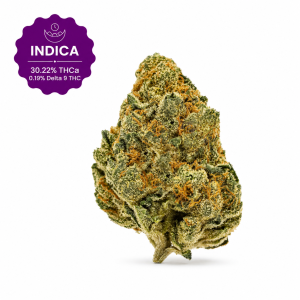 Watermelon Runtz THCa FlowerPrice range: $39.99 through $189.99
 -
Delta 8 Live Resin Gummies 60mgPrice range: $24.99 through $79.99
-
CBD Vape Cartridges$44.99
Frequently Asked Questions about ATLRx vs. The Hemp Collect
Is ATLRx or the Hemp Collect Better for First-time Buyers?
Most people new to hemp will get on better with ATLRx. Every order ships free with no minimum spend, prices sit on each product page, and its Atlanta and Alpharetta stores let you ask a person before you buy. If you are new to hemp products, start with the smallest amount on the label, wait for the full onset before taking more, and do not drive after use. Adults 21+ only.
Do Both Brands Publish Third-party Lab Results?
Yes, and both are public with no login. ATLRx publishes 343 certificates organized by category, plus roughly 190 per-strain lab-report pages.
Which Brand Has Better Shipping?
Every ATLRx order ships free, with no minimum spend anywhere on the site. The Hemp Collection ships free once an order passes $75. Both maintain state-by-state shipping restrictions. Those lists reflect each company’s shipping policy rather than what is legal where you live. Rules differ from one state to the next and get amended frequently, so check your own address before ordering.
Can I Shop Either Brand in Person?
ATLRx has retail stores in Atlanta and Alpharetta, Georgia, plus a Dawsonville outlet for online order pickup. The Hemp Collect lists no retail locations.
Which One Should I Use for Bulk or Wholesale Orders?
ATLRx also runs wholesale and white-label programs. Both require an approved account or inquiry form to see bulk pricing.
Disclaimer: Adults 21 and over only. These products may cause impairment. Do not drive or operate machinery after use, and do not use if pregnant or nursing. If you take prescription medication or have a medical condition, talk to your doctor before use. These products may cause you to fail a drug test. These statements have not been evaluated by the Food and Drug Administration. These products are not intended to diagnose, treat, cure, or prevent any disease. Rules governing these products differ from one state to the next and are amended frequently; verify what applies at your address before ordering. Keep out of reach of children and pets.
The post ATLRx vs. The Hemp Collect: An Overview of Cannabinoid Brands appeared first on ATLRx.
]]>The post Where to Buy Delta 9 in Texas? appeared first on ATLRx.
]]>Yes. Hemp-derived Delta 9 is legal to buy in Texas in August 2026. To qualify, a product has to come from hemp and test at 0.3% or less total THC on a dry weight basis. Texas has computed that figure as (0.877 x THCA) + Delta 9 since March 31, 2026, which is why the familiar “0.3% Delta 9” shorthand no longer describes the whole test. Gummies, edibles, beverages, and syrups all remain on the market. Buyers have to be 21 or older and show a government-issued ID. Four other cannabinoids, delta-8, delta-10, and THCP, lost their legal status when a DSHS scheduling change landed on July 31, 2026. Hemp vape products were removed earlier, under Senate Bill 2024, in September 2025. Recreational marijuana remains illegal.
If you have been searching for where to buy Delta 9 in Texas, you probably noticed the shelves look different from what they did last year. Stores that used to carry a wall of delta-8 carts now stock a much shorter list. That is not your imagination. Texas rewrote the rules twice in eighteen months, and most published guides never caught up.
We wrote this guide to fix that. Below you will find what is actually legal in Texas right now, where you can buy it, how to check a product before you pay, and what changes on the federal side later this year. We sell hemp-derived Delta 9 and ship to Texas, so we have a stake in this. We also have a strong reason to get the details right, because getting them wrong costs our customers money and puts them at risk.
Looking for the full legal breakdown instead? This page covers where and how to buy. Our companion guide, Is Delta 9 Legal in Texas?, walks through the statutes, the case history, and the enforcement details in depth.
Explore Our Categories
Table of contents:
- Key Takeaways
- Texas Delta 9 Status at a Glance
- How Texas Got Here: A Two-Year Timeline
- What “Legal Delta 9” Actually Means in Texas
- Where to Buy Delta 9 in Texas: Your Four Real Options
- What to Check Before You Buy Anything
- Delta 9 Options That Still Work in Texas
- Serving Sizes and How Products Are Portioned
- Age Rules, ID Checks, and Where You Can Use Them
- What Changes Under the New Federal Hemp Law
- Where to Buy Delta 9 in Texas: The Bottom Line
- Frequently Asked Questions about Where to Buy Delta 9 in Texas
Key Takeaways
- Hemp-derived Delta 9 at 0.3% or less total THC by dry weight is still legal to buy, own, and ship in Texas.
- Four other cannabinoids, delta-8, delta-10, and THCP, moved onto the Texas controlled substances schedule at the end of July 2026.
- Vape products of every cannabinoid type came off Texas shelves a year earlier, under Senate Bill 2024.
- You have to be 21 or older, and sellers must check a government-issued ID.
- Edibles and beverages are the categories that remain legal in Texas right now, and online ordering gives you the clearest paper trail.
- A federal change under H.R. 5371 is scheduled for November 12, 2026, though a Senate stopgap advanced on August 3, 2026, would push most of it to December 11, 2026. Either way, it will reshape what ships nationwide.
Texas Delta 9 Status at a Glance
Here is the current picture in one place. Use this before you shop, not after.
| Product type | Status in Texas (August 2026) | The rule that controls it | Effective |
|---|---|---|---|
| Hemp Delta 9 gummies and edibles | Legal at 0.3% or less total THC by dry weight | Texas HB 1325, DSHS total THC rule | 2019, revised March 31, 2026 |
| Hemp Delta 9 syrups and liquids | Legal at 0.3% or less total THC by dry weight | Texas HB 1325, DSHS total THC rule | 2019, revised March 31, 2026 |
| Hemp Delta 9 beverages | Legal at 0.3% or less total THC by dry weight | Texas HB 1325, DSHS total THC rule | 2019, revised March 31, 2026 |
| CBD, CBG, and CBN | Unaffected, still sold | Health and Safety Code Ch. 443 | 2019 |
| Delta-8 THC | Scheduled, no longer sellable | DSHS schedule update | July 31, 2026 |
| Delta-10 THC | Scheduled, no longer sellable | DSHS schedule update | July 31, 2026 |
| THCP | Scheduled, no longer sellable | DSHS schedule update | July 31, 2026 |
| Hemp vapes, carts, disposables | Banned, Class A misdemeanor to sell | Senate Bill 2024 (89R) | Sept. 1, 2025 |
| THCA flower and smokable hemp | Restricted, contested in court | DSHS total THC rule | March 31, 2026 |
| Marijuana-derived Delta 9 | No recreational market exists | Health and Safety Code Ch. 481 | Ongoing |
The short version: if you want Delta 9 in Texas, you want an edible or a liquid, and you want a lab report showing it tested at or below 0.3% total THC.
How Texas Got Here: A Two-Year Timeline
Shopping safely does not require a law degree, but it helps to understand why the shelves changed. Every milestone below is sourced at the foot of this page.
| Date | What happened |
|---|---|
| June 2019 | Texas passes HB 1325, legalizing hemp and consumable hemp products at 0.3% Delta 9 or less. |
| June 2025 | Governor Abbott vetoes Senate Bill 3, which would have banned nearly all hemp THC in Texas. |
| Sept. 1, 2025 | Senate Bill 2024 kicks in, turning the retail sale of cannabinoid vapes into a Class A misdemeanor. |
| Sept. 10, 2025 | Governor Abbott issues Executive Order GA-56, directing state agencies to restrict hemp sales to adults 21 and older. |
| Sept. 23, 2025 | TABC adopts emergency rules for licensed retailers, with enforcement beginning October 1, 2025. |
| Early Oct. 2025 | DSHS emergency rules require 21+ ID verification at the point of sale. |
| March 31, 2026 | DSHS begins measuring compliance on a “total THC” basis, folding THCA into the 0.3% ceiling. |
| May 1, 2026 | In DSHS v. Sky Marketing Corp., the Texas Supreme Court dissolved the 2021 injunction that had blocked DSHS from classifying delta-8 as a controlled substance. |
| June 5, 2026 | The Fifteenth Court of Appeals turns down the hemp industry’s bid to reinstate its injunction. |
| July 31, 2026 | Delta-8, delta-10, and THCP officially become controlled substances in Texas. |
| Nov. 12, 2026 | Federal changes under H.R. 5371 are scheduled to take effect, narrowing the definition of hemp nationwide. A Senate stopgap advanced on August 3, 2026, would delay most of this to December 11, 2026. |
Notice what survived all of that. Hemp-derived Delta 9 at or below 0.3% total THC by dry weight is still standing. It is the one lane that stayed open through every round.
What “Legal Delta 9” Actually Means in Texas
This is where most people go wrong, so it is worth taking it slowly. Two separate questions matter here: which cannabinoids count, and what the percentage is measured against.
Which cannabinoids count: total THC, not Delta 9 by itself. Texas rules adopted on March 31, 2026, set the compliance figure at total THC = (0.877 x THCA) + Delta 9, with a 0.3% dry weight ceiling. Because heat turns THCA into Delta 9, roughly 88 percent of any THCA present is folded into the calculation. Any guide still telling you to check the Delta 9 line alone was written before this rule existed.
What it is measured against: total weight, not a milligram ceiling. The percentage is a ratio between the THC present and the entire dry weight of the product.
This is the reason a 10 mg gummy passes. Take a gummy of roughly 4 grams: 12 mg puts it exactly on the 0.3% line, and a heavier item can carry more while staying under the percentage. One caveat worth knowing: the standard is measured on a dry weight basis, and a gummy is typically 15% to 20% moisture, so the real allowance on a 4-gram gummy is closer to 10 mg than 12 mg. This is also why the federal change later this year matters so much. It adds an absolute milligram cap per container, and at that point, extra product weight stops buying headroom.
Two things follow from that:
- Milligrams alone tell you nothing about legality. A 10 mg gummy is not automatically legal, and a 5 mg gummy is not automatically compliant. Total product weight is what determines the percentage.
- Only the lab report settles it. A Certificate of Analysis carries the tested concentration. Packaging copy carries whatever the brand wants it to.
The total THC math bites hardest on raw flower and concentrates, where THCA runs high. Finished edibles rarely carry meaningful THCA, which is why gummies came through the rule change intact and smokable hemp did not.
Where to Buy Delta 9 in Texas: Your Four Real Options
You have four practical paths, and after July 31, they are no longer equal. ATLRx is an online seller, so the fourth one is ours. The other three are still real options, and below we say plainly where each of them works and where it does not.
1. Licensed Hemp Shops and Smoke Shops
Texas still has thousands of registered consumable hemp retailers. Many are still open and still stocking edibles.
What you should know: registration fees jumped sharply in 2026, from $155 per location to $5,000 per year for retailers, plus the state’s online processing fee. A number of smaller shops closed or narrowed their inventory. Some are still selling through old stock that is no longer compliant.
How to shop these safely: ask to see the DSHS registration, then ask for the COA on the specific batch you are holding. If the shop cannot produce either one, walk out. If you see delta-8 or THCP still on the shelf, treat that store as a red flag, because it tells you they have not updated since July.
2. Grocery, Liquor, and Convenience Stores
Hemp beverages and some lower-milligram edibles show up at gas stations, grocery chains, and liquor stores across Texas. TABC-licensed locations now have to verify that you are 21 or older.
What you should know: selection is thin, turnover is slow, and batch documentation is rarely posted. You are usually paying convenience-store markup for a product you cannot verify on the spot.
Use this when: you want one drink tonight, and you are comfortable with limited information. If you want a beverage with a published lab report behind it, order online instead.
3. Local Delivery Services
A handful of Texas operators run same-day or next-day delivery in Austin, Dallas, and Houston. They check ID at the door.
What you should know: coverage is patchy outside the big metros, minimums are common, and quality control varies widely between operators. Delivery is a distribution method, not a quality signal.
4. Buying Online and Shipping to Texas
This is where most Texans are landing in 2026, and it is what we would recommend for the majority of buyers.
Hemp-derived Delta 9 that meets the compliance standard can be shipped to Texas addresses through USPS and through UPS under its hemp enrollment program. You order, you verify your age, and it arrives at your door.
Why this works better right now:
- You can read the lab report before you spend a dollar. Every batch, every cannabinoid, every contaminant panel.
- Inventory moves faster. Online sellers turn stock, so you are less likely to get a product manufactured under the old rules.
- Pricing is often better. You are not paying a storefront’s margin on top of the distributor’s.
- You end up with a paper trail. An order confirmation, a batch number, and a lab report you can open on your phone.
-
 Delta 9 Bars$54.99
 -
Delta 9 Terpene Infused Gummies 10 MGPrice range: $14.99 through $49.99
-
 Delta 9 THC CaraGummyPrice range: $4.99 through $69.99
What to Check Before You Buy Anything
We would rather you buy from a competitor who does this correctly than from anyone who does not. Here is the checklist we use ourselves.
Read the Certificate of Analysis
A COA is an independent lab’s report on one specific production batch, and no other document in this category tells you as much. Reading one is simpler than it looks.
- Start with the batch number. It should be identical on the package and on the report. A mismatch means you are looking at paperwork for something else.
- Check the date. Reports older than about a year are stale. Look for something recent.
- Find the total THC line, not just Delta 9. Texas compliance is (0.877 x THCA) + Delta 9, capped at 0.3% by dry weight. A report that shows a low Delta 9 number but a high THCA number is not compliant here. If the lab reports both separately, do the math.
- Scan the full cannabinoid panel. If you see delta-8, delta-10, or THCP listed at meaningful levels, that product is a problem in Texas as of July 31, 2026.
- Look for the safety panels. A complete report covers pesticides, heavy metals, residual solvents, microbials, and mycotoxins. Some panels are conditional, such as residual solvents on solvent-extracted products, but missing panels are missing information.
- Confirm the lab is independent. The report should carry an outside lab’s name, license, and contact details, not just the brand’s logo.
Read the Label
The package should tell you the serving size in milligrams, the number of servings, the total contents, the batch or lot number, the manufacturer, and a scannable QR code that resolves to the lab report. Texas labeling rules also apply to registered consumable hemp goods. Anything vague or hand-applied is worth skipping.
Delta 9 Options That Still Work in Texas
Since edibles and liquids are the surviving categories, here is how the formats compare. Each of these is sold as a compliant hemp product with a published lab report you can read before you order, and none of them belong in the vape category that Texas banned.
Our own catalog of hemp-derived Delta 9 THC Products is built around exactly these formats, because they are the ones that hold up under the current rules.
Gummies
Gummies are the default choice for a reason. Portioning is simple, flavor is consistent, and the milligram count is printed on the package.
Our Delta 9 THC Gummies come in 10 mg pieces across three terpene profiles: Mango, Pineapple Express, and Watermelon. Terpene profiles describe aroma and flavor, not effect. Pack sizes run from 5 to 20 count, with pricing from $14.99 to $49.99. Each piece is 10 mg and can be split if you want a smaller serving.
Best for: anyone buying for the first time, anyone who wants a portion that never varies, and travel within the state.
Caramels
Caramels are softer than gummies and easier to break into halves or quarters, which gives you finer control over serving size.
Our Delta 9 THC Caramels come in 10 mg pieces and sell from single caramels at $4.99 up to bulk bags at $69.99. Buying one piece to try before committing to a bag is a genuinely useful option, and not many brands offer it.
Best for: people who want to fine-tune portions, and anyone testing a format before buying volume.
Taffy
Taffy sits between a gummy and a caramel in texture. It chews longer, and the pieces are easy to divide.
Our Delta 9 Taffagummy runs 10 mg per piece with the same $4.99 to $69.99 range, so you can buy a single piece before committing to a bulk bag.
Best for: buyers who find gummies too firm or caramels too soft.
Beverages
Seltzers and sodas are the fastest-growing hemp format in Texas, and they are already portioned by the can.
We ship compliant Delta 9 beverages to Texas with age verification at checkout. The lineup runs from single cans around $5.99 up to cases, and includes seltzers, a live resin seltzer, and lemonade and soda options. Our Texas THC drinks page lists what ships to the state.
Best for: buyers who want a single-serving format, and anyone who prefers a drink to an edible.
Syrup
Liquids let you pour your own serving instead of accepting a fixed piece count. That is the main advantage.
Our Delta 9 THC Syrup comes in 2 oz, 4 oz, and 8 oz bottles, priced from $29.99 to $94.99. Milligram totals differ by bottle size, so check the label and the lab report for the size you are buying. You measure your own serving, which means you are not locked to 10 mg increments.
Best for: buyers who want to measure their own serving size, and anyone who prefers a longer-lasting bottle to a fixed piece count.
Chocolate Bars
A bar gives you one item instead of a bag of pieces, and the segments are already portioned for you.
Our Delta 9 bars are 300 mg per bar at $54.99, scored into 16 pieces, in Milk, Dark, and Cookies and Cream.
Best for: buyers who want a single item rather than a multi-piece pack.
Sampler Packs
If you are not sure which format suits you, a sampler is cheaper than buying three full packs.
Our Edible Explorer Pack is a five-count sampler at $84.99.
Best for: first-time buyers deciding between formats.
Serving Sizes and How Products Are Portioned
A compliant product states its contents on the package, so the label is worth reading at the point of purchase rather than at home. The table below compares how each format divides up, which really comes down to how much say you want over portion size.
| Format | How is it portioned | Milligrams stated on the label |
|---|---|---|
| Gummies | Fixed pieces can be split | 10 mg per piece |
| Caramels | Soft pieces, easy to divide | 10 mg per piece |
| Taffy | Soft pieces, easy to divide | 10 mg per piece |
| Syrup | Measured by the user | Varies by bottle size; check the label |
| Chocolate bars | Scored into 16 pieces | 300 mg per bar |
Follow the serving size printed on the label of the specific product you bought, and do not exceed it. Serving preferences differ from person to person, so buy a small pack or a single piece before you commit to a bulk size.
Follow the serving size printed on the label of the specific product you bought, and do not exceed it. Serving preferences differ from person to person, so buy a small pack or a single piece before you commit to a bulk size.
Please read before use. These are intoxicating products for adults 21 and older. Do not exceed the serving size on the label. Do not combine with alcohol. Do not drive or operate machinery after use. Keep out of reach of children and pets. If you have a medical condition, are pregnant or nursing, or take prescription medication, talk to your doctor before using any hemp product.
Age Rules, ID Checks, and Where You Can Use Them
Executive Order GA-56 and the DSHS emergency rules that followed set a clear floor. Anyone under 21 cannot buy consumable hemp products in Texas, and sellers must verify a valid government-issued ID showing the buyer is 21 or older. DSHS and TABC both enforce this, and penalties for retailers include license revocation.
A few other practical points:
- There is no statewide right to consume hemp THC in public. TABC rules bar consumption at licensed retailers, and since June 22, 2026, licensees cannot allow hemp consumption anywhere alcohol consumption is prohibited. Local ordinances and smoking laws apply on top of that. Keep using private.
- Driving under the influence of Delta 9 is impaired driving under Texas law, the same as alcohol.
- Keep products in their original, labeled packaging when you transport them.
- Delta 9 registers on routine THC screening. The molecule is identical whether it started in hemp or in marijuana, and no urine test can tell the two apart. If you are subject to testing at work, this is the single most important thing on this page for you. Our guide on whether Delta 9 shows up on a drug test covers detection windows in detail.
- Employers in Texas may set their own policies regardless of state legality.
What Changes Under the New Federal Hemp Law
This is the part almost no other guide covers properly, and it matters more than anything happening at the state level.
Public Law 119-37, better known as H.R. 5371, was signed on November 12, 2025. Its hemp language sits at Section 781 and was drafted to take effect twelve months afterward. Three changes to the federal hemp definition matter here.
- The measurement moves to total THC. Rather than reading Delta 9 in isolation, the revised definition tallies total tetrahydrocannabinols, THCA included, against the same 0.3% dry weight threshold.
- It adds a per-container cap. Finished products are limited to 0.4 milligrams per container, counting total THC plus other cannabinoids that have similar effects, combined. A container means the innermost package enclosing the product as sold.
- It excludes synthetics. Cannabinoids that are synthetically manufactured, or that cannabis cannot produce naturally, fall outside the hemp definition entirely.
That 0.4 mg per container figure is the headline. Most 10 mg edibles sold today would not meet it. The FDA is responsible for implementation, including publishing lists of covered cannabinoids and defining what counts as a container. Those lists were due by February 10, 2026, and had not been published as of this writing, which the Congressional Research Service publicly noted in May 2026.
That date is not locked in. A stopgap measure circulated in the Senate on August 2, 2026, would push most of these restrictions back to December 11, and senators moved it forward on an 89 to 4 vote the following day. Synthetics would lose hemp status in November regardless. The House has not taken it up, and no signature has happened, so treat none of it as settled. Separate bills in play would delay the provision further or strike it altogether.
What we would do with that information: treat the current market as a defined window rather than a permanent state. Note that the active court challenges are against state-level bans, including a federal suit filed against Texas officials in early August 2026. We have not seen a challenge to the federal provision itself. If there is a product you rely on, it is reasonable to plan ahead rather than assume nothing will change. We will update this guide by October 1, 2026, with whatever the picture looks like then.
Where to Buy Delta 9 in Texas: The Bottom Line
You still have good options in Texas, but the list is shorter and more specific than it was a year ago.
Buy edibles and liquids, not vapes. Buy Delta 9, not Delta-8 or THCP. Buy from a seller who publishes batch-level lab reports you can read before you check out. Verify the batch number, confirm the total THC reading is 0.3% or less, and keep the product in its original packaging.
A good shop is still a good option, provided you ask the right questions at the counter. For most buyers, though, ordering online wins on inventory age, range, documentation you can actually check, and price.
If you want to start there, our Delta 9 collection ships to Texas with third-party lab results published for every batch.
Frequently Asked Questions about Where to Buy Delta 9 in Texas
Is Delta 9 Still Being Sold in Texas?
Yes. Hemp-derived Delta 9 at 0.3% or less total THC by dry weight is still sold in Texas stores and shipped to Texas addresses. The July 31, 2026, rule change removed delta-8, delta-10, and THCP from the market. It did not touch compliant hemp Delta 9.
Is Delta 9 Still Legal in Texas after July 31, 2026?
Yes, if it is hemp-derived and tests at 0.3% or less total THC by dry weight, calculated as (0.877 x THCA) + Delta 9. The rule change targeted other THC isomers, not Delta 9.
Where Is Delta 9 Legal to Buy in Texas?
Registered consumable hemp retailers, TABC-licensed stores carrying hemp beverages, licensed delivery services in the major metros, and online sellers that ship compliant hemp products to Texas addresses. All of them must verify you are 21 or older.
Can I Buy Just Delta 9 Without Other Cannabinoids?
Yes. Many products are formulated with Delta 9 as the only cannabinoid. Check the cannabinoid panel on the COA to confirm what is actually in the batch.
Can I Still Buy Delta-8 in Texas?
No. Delta-8 became a controlled substance in Texas on July 31, 2026, after the Texas Supreme Court dissolved the 2021 injunction that had blocked DSHS from scheduling it. Stores still selling it are out of compliance.
Can I Buy Delta 9 Online and Have It Shipped to My Texas Address?
Yes. USPS carries compliant hemp Delta 9, and UPS will too under its hemp enrollment program. FedEx bars THC products outright, so rule it out. Expect an age gate before you can pay.
How Old Do I Have to Be?
You must be 21 years or older. Sellers must check a valid government-issued ID under Executive Order GA-56 and the DSHS and TABC rules that follow.
Do I Need a Medical Card?
No. Hemp-derived Delta 9 is sold to adults 21 and older as a consumer product. Texas separately operates a Compassionate Use Program, which is an unrelated medical program with different products and its own eligibility rules.
Will Delta 9 Show up on a Drug Test?
Yes. Routine screening picks up Delta 9 metabolites, and the assay has no way to identify which plant they came from. Anyone tested at work should plan around that.
How Do I Know a Product Is Actually Compliant?
Three checks. The batch number on the package has to match the one on the Certificate of Analysis. The total THC figure has to read 0.3% or lower on a dry weight basis. And nothing on the cannabinoid panel should be a scheduled substance in Texas.
What Happens on November 12, 2026?
That is the scheduled switch-on date for the H.R. 5371 hemp language: a total THC measurement plus a hard ceiling of 0.4 milligrams per container on finished goods. Very little of what sits on shelves today would clear it. A Senate stopgap moved forward on August 3, 2026, that would push most of the change to December 11, though it has not become law, so this is worth rechecking.
Can I Drive with Delta 9 in My Car in Texas?
You can transport it, and we suggest keeping it sealed and labeled with the COA accessible. Driving while impaired is a separate offense, and Texas treats it seriously.
Disclaimer: These statements have not been evaluated by the Food and Drug Administration. These products are not intended to diagnose, treat, cure, or prevent any disease for adults 21 and older only. Delta 9 THC is intoxicating and will show up on a standard THC drug test.
The post Where to Buy Delta 9 in Texas? appeared first on ATLRx.
]]>The post Where to Buy Delta 9 in Oklahoma? appeared first on ATLRx.
]]>Yes. Delta 9 THC derived from hemp is legal in Oklahoma starting in 2026 for adults 21 and older. It must be made from hemp, not marijuana, and contain less than 0.3% Delta-9 THC by dry weight. Medical marijuana does not require a card. You can buy it online or in stores across the state, with no per-package milligram cap under current state law.
If you have been wondering where to buy Delta 9 in Oklahoma, the simple answer is that you have more legal, compliant options than ever, and the easiest one is to order online from a transparent brand like us at ATLRx. In this guide, we walk you through the law as it stands in 2026, the two big rule changes you need to know about, the product types you can choose from, and exactly how to spot a trustworthy seller before you spend a dollar.
Oklahoma’s hemp rules are friendly to buyers right now. They are also changing. A Hemp Clarification Letter was issued by the Oklahoma Department of Agriculture, Food and Forestry (ODAFF) in January 2026, and Section 781 changes take effect on November 12, 2026. We will explain both in plain terms so you know what to look for today and what is coming next.
Explore Our Categories
Table of contents:
- Key Takeaways
- What Is Delta 9 THC?
- Is Delta 9 Legal in Oklahoma? The Full Answer
- Oklahoma’s Laws Making Delta 9 Legal
- 2026 Updates: What Changed and What Is Coming
- Hemp-Derived Delta 9 vs. Marijuana-Derived Delta 9
- Delta 9 vs. Delta 8 in Oklahoma
- Where to Buy Delta 9 in Oklahoma
- Where Not to Buy Delta 9 in Oklahoma
- Types of Delta 9 Products You Can Buy
- Featured Delta 9 Products We Ship to Oklahoma
- How to Choose a Compliant Delta 9 Product
- Cities We Ship To in Oklahoma
- Age Rules and General Guidelines
- Delta 9 and Drug Testing
- Traveling With Delta 9 In and Around Oklahoma
- Frequently Asked Questions about Where to Buy Delta 9 in Oklahoma
Key Takeaways
- It is legal in Oklahoma for adults 21 and older to consume hemp-derived Delta-9 THC if it contains 0.3% or less Delta-9 THC by dry weight.
- It is not necessary to have a medical marijuana card to buy hemp-derived Delta 9. It is possible to shop online or in-store if you are 21 or older.
- In Oklahoma, the legal framework is based on two pillars: the federal 2018 Farm Bill and Oklahoma Senate Bill 868 (2019), reinforced by SB 1033 (2021).
- Delta 9 derived from hemp and Delta 9 derived from marijuana are not the same in the eyes of the law. Marijuana-derived products are limited to registered OMMA medical patients.
- Ensure that the Certificate of Analysis (COA) is in order before you buy. The COA should show that Total THC is below 0.3% by dry weight, not just Delta-9 THC on its own.
- Two 2026 changes matter: the ODAFF Hemp Clarification Letter from January 2026 and the federal Section 781 rule that takes effect on November 12, 2026.
- It is possible for Delta 9 THC to cause a positive drug test. Standard tests cannot tell hemp-derived THC apart from marijuana-derived THC.
- Delta 9 products are shipped directly to Oklahoma City, Tulsa, Norman, Broken Arrow, Edmond, and the rest of the state.
What Is Delta 9 THC?
Cannabis contains Delta-9 THC, the plant’s primary psychoactive compound. It is one of more than 100 cannabinoids in the plant. Hemp and marijuana both contain Delta 9 THC, but in very different amounts.
In marijuana, Delta 9 can make up anywhere from 15% to 30% of the plant or more. In hemp, it appears at much lower levels, below the legal limit of 0.3% by dry weight established by the 2018 Farm Bill. That single difference between hemp and marijuana is the legal foundation for hemp-derived Delta 9 across the country, Oklahoma included.
This part confuses a lot of new buyers. How can a hemp product contain so little THC and still be labeled with a milligram amount? The answer is total product weight. Makers calculate the full weight of a gummy, caramel, or bottle of syrup so that the Delta 9 stays at or below 0.3% of that weight. That math is how a single 10mg Delta 9 gummy can stay legal while still carrying a clearly labeled milligram amount per serving. The percentage stays compliant while the milligram amount per serving stays clearly labeled.
So when you shop Delta 9 THC Products from a compliant brand, you are getting a hemp-derived item that follows the law and carries a clearly labeled milligram amount per serving.
Is Delta 9 Legal in Oklahoma? The Full Answer
We answered the headline question up top, but you deserve the full picture, because the details are where buyers get tripped up.
Hemp-derived Delta 9 is legal in Oklahoma when a product checks four boxes:
- Delta 9 is made from hemp, not marijuana.
- Delta-9 THC is less than 0.3% by dry weight.
- The hemp is grown by a licensed producer under the 2018 Farm Bill framework.
- The Certificate of Analysis (COA) is issued by an independent lab.
When all four are true, the product is legal to buy, own, and use in Oklahoma. No medical card needed. No special permit. Just proof of age and a compliant product.
What stays illegal is recreational marijuana. Oklahoma voters rejected State Question 820 in March 2023, so adult-use cannabis is not legal here. Marijuana-derived Delta 9 is available only to patients enrolled in the state medical program through the Oklahoma Medical Marijuana Authority (OMMA). The line between “hemp-derived” and “marijuana-derived” is the whole ballgame, and we will return to it below.
Oklahoma’s Laws Making Delta 9 Legal
A few laws stack together to create the green light for hemp Delta 9 in the Sooner State.
Here is the short version of each.
The 2018 Farm Bill
It all started with the Agricultural Improvement Act of 2018, also known as the 2018 Farm Bill. Hemp was defined as cannabis containing less than 0.3% Delta-9 THC by dry weight and was removed from the federal controlled substances list. That move made hemp-derived cannabinoids, including compliant Delta 9, legal at the federal level. The bill also let each state set up its own hemp program, which Oklahoma did.
Oklahoma Senate Bill 868 (2019)
Governor Kevin Stitt signed SB 868 in April 2019, shortly after the Farm Bill passed. The law set up Oklahoma’s state hemp program under ODAFF, created licensing rules for hemp growers and processors, and legalized industrial hemp and its derivatives in the state.
Oklahoma Senate Bill 1033 (2021)
Governor Stitt signed SB 1033 in 2021. The state explicitly excluded Delta-8 and Delta-10 THC from its definition of marijuana. The practical effect is broader still: hemp derivatives that stay under 0.3% Delta-9 THC are treated as legal hemp in Oklahoma, which reinforced the legal standing of hemp Delta-9 products.
Oklahoma’s Industrial Hemp Rules
In ODAFF Admin Code 35, Subchapter 24, industrial hemp is defined as Cannabis sativa L. or any part of it containing less than three-tenths of one percent (0.3%) Delta-9 THC. Products that meet that definition are not treated as controlled substances under Oklahoma law.
Put together, these laws give Oklahoma one of the more buyer-friendly hemp frameworks in the country. There is no state milligram cap per piece or per package under current law, which is part of why so many national brands ship here.
2026 Updates: What Changed and What Is Coming
Most people miss this part of older guides. The 2025 versions of these articles do not mention either of the developments below, and both directly affect what you should buy and when.
ODAFF January 2026 Hemp Clarification Letter
Oklahoma’s Total THC compliance standard for hemp-derived products is established in ODAFF Admin Code 35, Subchapter 24, and ODAFF has signaled increasingly active review of products on shelves heading into 2026. The formula regulators use is:
Total THC = Delta-9 THC + (0.877 × THCA)
It is not a brand-new rule. ODAFF Admin Code 35, Subchapter 24 has been its home since 2019. What the 2026 letter does is make enforcement expectations clear and signal that regulators are actively reviewing products on shelves. The takeaway for you is direct: make sure a product’s COA shows Total THC at or below 0.3% by dry weight, not just the Delta-9 number on its own. A product can pass on Delta-9 alone and still fail on Total THC if it carries a lot of THCA.
Section 781 and the November 12, 2026, Federal Change
On November 12, 2025, the President signed the Consolidated Appropriations Act of 2026 (Public Law 119-37) into law. Tucked inside was Section 781, which rewrites the federal definition of hemp. Because the change takes effect 365 days after enactment, the compliance date lands one year later, on November 12, 2026. Three changes stand out for Oklahoma buyers:
- A broader THC measurement. This is stricter than the current state formula. Where Oklahoma’s existing standard counts Total THC as Delta-9 + (0.877 × THCA), the new federal standard is defined as total THC, including THCA and delta-8, with additional THC-class cannabinoids to be identified in forthcoming FDA guidance. A product that passes today’s Delta-9 + THCA math can still fail the federal definition after November 12, 2026.
- A container cap. Finished hemp-derived products would be limited to 0.4 milligrams of total THC per container. For comparison, a standard 10mg Delta 9 gummy sits well above that cap.
- Pending legislation. A number of bills, including the Hemp Planting Predictability Act, the American Hemp Protection Act, and the Cannabinoid Safety and Regulation Act, aim to delay or repeal Section 781. As of mid-2026, none have passed.
What does this mean in practice? Today, your favorite 10mg gummy is legal and widely sold. If Section 781 takes effect as written on November 12, 2026, the math changes dramatically, and most current hemp THC products would no longer meet the federal definition. Nothing is settled yet, so the smart move is to stay informed and buy from a brand that tracks these developments and keeps its lineup compliant. We monitor every update and keep our Oklahoma-bound products aligned with the standards in force.
Hemp-Derived Delta 9 vs. Marijuana-Derived Delta 9
| Hemp-Derived Delta 9 | Marijuana-Derived Delta 9 | |
| Source | Hemp plant (0.3% THC or less) | Marijuana plant (high THC) |
| Legal Status in Oklahoma | Legal for adults 21+ | Medical patients only (OMMA card) |
| Medical Card Required? | No | Yes |
| Where to Buy | Online, hemp shops, and some stores | Licensed OMMA dispensaries only |
| Online Ordering | Yes, ships to Oklahoma | No, in-person only |
| Recreational Use | Legal (hemp-derived) | Illegal in Oklahoma |
The simple rule: if it is hemp-derived and compliant, you can buy it at 21 without a card. If it is marijuana-derived, it stays inside the OMMA medical system.
Delta 9 vs. Delta 8 in Oklahoma
Delta 9 and Delta 8 are both legal hemp-derived cannabinoids in Oklahoma, but they suit different buyers. One important caveat: the federal Section 781 change taking effect November 12, 2026, specifically excludes cannabinoids “synthesized or manufactured outside the cannabis plant.” Because Delta-8 is typically made by converting CBD, it is directly targeted by that provision and may lose its federal hemp status on that date, even though it remains legal in Oklahoma right now. Here is a quick comparison of where the two stand today.
| Feature | Delta 9 THC | Delta 8 THC |
| Natural Occurrence | Abundant in cannabis | Trace amounts; usually made from CBD |
| Legal in Oklahoma? | Yes (hemp-derived, 0.3% or less) | Yes, today (hemp-derived); federal status changes Nov 12, 2026 |
| Molecular Structure | Double bond on the 9th carbon | Double bond on the 8th carbon |
| Common Forms | Gummies, caramels, syrups | Gummies, vapes, tinctures, and flower |
| Drug Test Risk | Yes | Yes |
If you are new to hemp THC, many people start with a lower amount of either one and adjust from there. Delta 9 is the more traditional, widely chosen option.
Where to Buy Delta 9 in Oklahoma
Let’s get to the heart of it. You have three main paths: order online, shop at a hemp or CBD specialty store, or grab something at a vape shop or convenience store. These options are not equal. Here’s how they compare, and why online wins for most buyers.
Order Online From ATLRx: The Most Reliable Option
Ordering directly from us online is the most convenient, transparent, and dependable way to buy Delta 9 in Oklahoma. When you shop with us, you get:
- A third-party Certificate of Analysis is tied to every batch, linked right on the product page.
- A wide range of formats, from Delta 9 THC Gummies to caramels and syrups.
- Discreet, secure packaging with fast delivery to any Oklahoma address.
- A clear Farm Bill compliance promise, with every product testing under 0.3% Delta-9 THC.
- Responsive support if you have questions about your order or a product.
Because we move inventory quickly, the product that lands on your doorstep is fresh and recently tested. You are not getting something that sat on a shelf for a year. You order, we verify your age at checkout, and your package ships.
Hemp and CBD Specialty Stores
Dedicated hemp and CBD shops are a solid in-person option. Staff usually know their products, and reputable stores keep COAs on hand. Make sure you see the Certificate of Analysis before you buy. If a store cannot produce one, walk away.
Vape Shops
Some vape stores carry hemp Delta 9, but their focus is usually on nicotine and vaping gear. Their hemp standards vary widely. If you shop here, stick to brands you already recognize and trust, and confirm the COA.
Buying Delta 9 In-Store: A Quick Note on Quality
In-store buying works, but the freshness factor matters. Online sellers like us turn over stock fast, so quality stays high. Products at non-specialized retailers can sit for months, which affects quality. Buying straight from a brand’s website gives you confidence that the item is genuine, current, and freshly tested.
-
Delta 9 Terpene Infused Gummies 10 MGPrice range: $14.99 through $49.99
-
 Delta 9 SyrupPrice range: $29.99 through $94.99
 -
Delta 9 THC CaraGummyPrice range: $4.99 through $69.99
Where Not to Buy Delta 9 in Oklahoma
Just as important as where to buy is where to avoid.
Gas Stations and Random Convenience Stores
These spots are not known for careful sourcing. Hemp products here can be low quality, poorly tested, or, in some cases, not what the label claims. The price might look fine, but the risk to quality is not worth it.
Unlicensed Sellers and Social Media
Never buy Delta 9 from a stranger online, through social media, or on classifieds and resale sites. Companies that sell hemp goods in Oklahoma must be properly registered. Buying outside that system is both unsafe and not worth the gamble. COAs are not provided, accountability is not provided, and there is no way to verify what you are getting.
Types of Delta 9 Products You Can Buy
Thanks to Oklahoma’s hemp-friendly rules, you have a full menu of compliant Delta 9 formats to choose from. Here are the ATLRx options.
- Gummies. Pre-dosed, easy to use, and available in a variety of flavors. Each piece contains 10mg of hemp-derived Delta 9.
- Caramels. A soft, chewy edible option. Our Delta 9 THC Caramels are precisely dosed so you always know what you are taking.
- Syrups. A liquid format you can mix into a drink. Our Delta 9 THC Syrup is Farm Bill-compliant and precision-dosed for flexible servings.
- Taffy and chews. Fun, portable, and pre-measured. Our Delta 9 Taffagummy blends the chew of taffy with a gummy texture for an easy, tasty serving.
Every product in our Delta 9 line is made from premium American hemp, third-party tested, and compliant with current federal and Oklahoma standards. Our Certificates of Analysis can be viewed on the ATLRx COA page before adding to the cart.
Featured Delta 9 Products We Ship to Oklahoma
Here are a few customer favorites you can order today, each with a batch-specific COA linked on its product page.
| Product | Strength | Price | Rating |
| Delta 9 Terpene Infused Gummies | 10mg per piece | $14.99 – $49.99 | 4.54 / 5 (35 reviews) |
| Delta 9 Syrup (Grape) | 200mg per bottle | $29.99 – $94.99 | 4.60 / 5 (5 reviews) |
| Delta 9 THC CaraGummy (Caramel) | 10mg per piece | $4.99 – $69.99 | 4.75 / 5 (8 reviews) |
Every item above is sourced from premium American hemp, third-party tested for potency and purity, and shipped discreetly to your Oklahoma address. Browse the full Delta 9 collection to see flavors, strengths, and bundle options.
How to Choose a Compliant Delta 9 Product
With enforcement signals becoming stronger in 2026, buying from a compliant source matters more than it used to. Check this list before buying Delta 9 products in Oklahoma.
- Check the COA for Total THC, not just Delta-9. The Certificate of Analysis today should show Total THC (Delta-9 + 0.877 × THCA) at or below 0.3% by dry weight. Note that the federal standard taking effect November 12, 2026, is broader and also counts additional THC isomers, so a fuller cannabinoid profile matters going forward.
- Confirm the COA is current and batch-specific. A six-month-old report for a different batch tells you nothing about the item in your hand.
- Check the hemp source. The label should clearly state that the cannabinoids come from federally compliant hemp.
- Look for clear labeling. A full cannabinoid profile, batch number, and manufacturer details should all be present.
- Pick a seller with a track record. Choose brands known for compliance, transparent lab testing, and easy-to-reach support.
- Verify age checks. The retailer should enforce the 21+ requirement at checkout.
It’s easy with us. There is a link on every product page to the relevant Certificate of Analysis. Our Delta 9 is tested by independent labs for potency, pesticides, heavy metals, and residual solvents. You know exactly what you’re getting before you order.
Cities We Ship To in Oklahoma
We ship Delta 9 products to every major city and town across the state, including:
Oklahoma City, Tulsa, Norman, Broken Arrow, Edmond, Lawton, Stillwater, Moore, Muskogee, Yukon, Bartlesville, Enid, Ponca City, McAlester, Shawnee, Owasso, Bixby, Midwest City, Del City, and the rest of Oklahoma.
Wherever you are in the Sooner State, your order ships discreetly and arrives quickly.
Age Rules and General Guidelines
You must be 21 or older to buy hemp-derived Delta 9 THC in Oklahoma, whether online or in a store. Every time you check out, we enforce that rule. Here are a few more rules to keep in mind:
- Operating a vehicle while impaired is illegal in Oklahoma, regardless of a product’s legal status.
- In the case of hemp-derived Delta 9, there is no explicit statewide possession limit, but it is wise to keep your product’s original packaging and Certificate of Analysis with you.
- Recreational marijuana is still illegal in Oklahoma. Hemp-derived Delta 9 and marijuana-derived THC are treated differently under state law.
- OMMA-registered patients can buy marijuana-derived Delta 9 from licensed dispensaries under separate medical rules.
Delta 9 and Drug Testing
Your body processes hemp-derived Delta 9 the same way it processes marijuana-derived Delta 9. Drug tests screen for THC metabolites, and they cannot tell the two sources apart. Therefore, Delta 9 products can cause a positive result.
Detection windows vary based on how often you use, how much, your metabolism, and the test type:
- Urine: A positive test may be detected for 3 to 7 days for occasional users. Frequent users may test positive for up to 30 days.
- Blood: Usually detectable for 36 to 48 hours.
- Hair: Detectable for up to 90 days.
- Saliva: Can be detected for 24 to 48 hours.
If you face drug testing for work or any other reason, do not use Delta 9 THC products. We make no claims about clearing THC from your system.
Traveling With Delta 9 In and Around Oklahoma
Generally, traveling within Oklahoma with hemp-derived Delta 9 is fine. Keep a copy of the COA and the original packaging in case anyone asks. Being able to show that your product is hemp-derived and compliant is the best way to avoid being confused with illegal marijuana.
Crossing into a neighboring state is a different story, since hemp laws vary and can shift fast. Here is a general snapshot. Always verify before you travel.
| Neighboring State | General Status (2026) |
| Texas | Hemp-derived Delta 9 has been sold widely, but Texas has seen active litigation and shifting enforcement around consumable hemp THC. Status is unsettled — verify current rules before traveling. |
| Arkansas | Hemp-derived products are generally permitted at the 0.3% threshold. Review current guidance. |
| Missouri | Hemp-derived Delta 9 is generally legal under state hemp law. Confirm current rules. |
| Kansas | Hemp is permitted but tightly restricted. Some readings allow only 0% Delta-9 CBD products. Verify first. |
| Colorado | Operates a separate, regulated cannabis system. Review Colorado rules before entering with hemp. |
| New Mexico | Hemp-derived Delta 9 products are generally permitted. Verify current regulations. |
As of 2026, hemp-derived Delta 9 is legal for adults 21 and older to buy, own, and use in Oklahoma, with no medical card required.
Just keep the 2026 picture in mind. ODAFF has sharpened its enforcement guidance, and the federal Section 781 change is set for November 12, 2026. Buying from brands with current, batch-specific Certificates of Analysis is the safest approach and discloses every cannabinoid in the product.
ATLRx’s full Delta 9 line is sourced from premium American hemp, third-party tested to current standards, and Oklahoma law-compliant. You can order with confidence from Oklahoma City, Tulsa, Broken Arrow, or anywhere else.
Frequently Asked Questions about Where to Buy Delta 9 in Oklahoma
Is Delta 9 Legal in Oklahoma in 2026?
Yes. The 2018 Farm Bill and Oklahoma’s SB 868 and SB 1033 make hemp-derived Delta-9 THC products with 0.3% or less Delta-9 THC legal. Delta 9 derived from marijuana remains restricted to medical marijuana patients.
Do I Need a Medical Marijuana Card to Buy Delta 9 in Oklahoma?
No. A card is not required for hemp-derived Delta 9 in Oklahoma. You can buy it online or in a store without one if you are 21 or older.
Can I Order Delta 9 Online and Have It Shipped to Oklahoma?
Yes. Hemp-derived Delta 9 is shipped directly to Oklahoma addresses. All products are Farm Bill compliant, third-party lab tested, and delivered discreetly.
What Is the THC Limit for Legal Hemp Products in Oklahoma?
A hemp-derived product cannot contain more than 0.3% Total THC by dry weight under current Oklahoma law, as outlined in the ODAFF Hemp Clarification Letter dated January 2026. Total THC is calculated as Delta-9 THC + (0.877 × THCA).
What Changed in Oklahoma Hemp Law in 2026?
Two things. In January 2026, ODAFF issued a Hemp Clarification Letter that reinforced the Total THC standard. Additionally, federal Section 781 takes effect November 12, 2026, revising the hemp definition and capping finished products at 0.4 milligrams of total THC per container. A standard 10mg gummy would not meet that cap if the rule takes effect as written. Several bills aim to delay or repeal Section 781, but none have passed as of mid-2026.
Will Delta 9 THC Show up on a Drug Test?
Yes. A positive drug test can be caused by Delta 9 THC. THC metabolites cannot distinguish hemp-derived THC from marijuana-derived THC. Delta 9 products should not be used if you are subject to testing.
What Is the Difference Between Hemp-derived and Marijuana-derived Delta 9?
Delta 9 THC is present in both. The source and concentration make the difference. Delta-9 derived from hemp is legal under federal and Oklahoma law if the plant contains less than 0.3% Delta-9 THC. In Oklahoma, Delta-9 derived from marijuana is only available to registered medical patients.
Is Recreational Marijuana Legal in Oklahoma?
No. State Question 820 was defeated by Oklahoma voters in March 2023. The state runs a medical marijuana program only through OMMA. As of mid-2026, no recreational measure has passed.
Do I Need to Carry My COA When Traveling in Oklahoma with Delta 9?
It is highly recommended. There is no legal requirement to carry a COA, but having it with your original packaging gives you verifiable proof of hemp compliance if law enforcement asks.
Disclaimer: The Food and Drug Administration has not evaluated the statements in this article. ATLRx products are not intended to diagnose, treat, cure, or prevent any disease. This article is for general informational purposes only and is not legal advice. Hemp and cannabis laws change. Always verify current federal and state rules before buying or using any hemp-derived product.
The post Where to Buy Delta 9 in Oklahoma? appeared first on ATLRx.
]]>The post Where to Buy Delta 9 in Iowa? appeared first on ATLRx.
]]>Yes, hemp-derived Delta 9 is legal in Iowa in 2026, but only if it follows the state’s rules. Consumable hemp products cannot contain more than 4 mg of total THC per serving and 10 mg of total THC per container. The product also has to come from legal hemp, be sold to adults 21 and older, and be ingestible, not inhalable. Delta-9 derived from marijuana is still illegal in Iowa. Smokable and vapeable hemp products are banned across the state. If a product stays inside those limits and comes from a registered seller, you can buy it and use it legally.
If you have been searching for where to buy Delta 9 in Iowa, you are in the right place, and the short version is simple: you can buy hemp-derived Delta 9 online from a trusted, lab-tested brand like us at ATLRx and have it shipped straight to your door, as long as the product fits Iowa’s strict rules. Below, we walk you through exactly what those rules are, what to look for, and how to shop with confidence.
Ready to browse? Shop ATLRx Delta 9 products and check the lab results for every item before you buy.
That’s what most people are looking for. Now let’s break down what it all means, so you know exactly what to buy and where.
Explore Our Categories
Table of contents:
- Key Takeaways
- What Is Delta 9 THC?
- Is Delta 9 Legal in Iowa? The Complete Guide
- Where to Buy Delta 9 in Iowa
- What Delta 9 Products Can You Buy in Iowa?
- How Iowa Calculates Total THC
- How to Shop Smart for Delta 9 in Iowa
- Tips for Storing and Enjoying Your Delta 9
- Why Buy Delta 9 From ATLRx
- Ready to Buy Delta 9 in Iowa?
- Frequently Asked Questions about Where to Buy Delta 9 in Iowa
Key Takeaways
- Delta 9 derived from hemp is legal in Iowa if it meets the state’s total THC limits.
- There is a maximum of 4 mg of total THC per serving and 10 mg per container under HF 2605.
- Iowa counts total THC, including THCA, so a product can pass the federal 0.3% test and still be illegal here.
- Only ingestible products are allowed. Smokable and inhalable hemp is banned statewide.
- Consumable hemp products containing THC require a minimum age of 21.
- Buying online from a lab-tested brand lets you verify the THC numbers and COA before you order.
- A federal total THC change takes effect November 12, 2026, and it includes a much lower per-container THC cap than Iowa’s current limits, so the hemp market — including in Iowa — is expected to shift significantly.
What Is Delta 9 THC?
It is one of the most well-known compounds in the cannabis plant. It is the cannabinoid most people picture when they think of “THC.” It shows up in large amounts in marijuana and in much smaller amounts in hemp.
Here is the key point for you as a shopper in Iowa. The Delta 9 we sell is hemp-derived. That means it is pulled from legal hemp plants, not from marijuana. Thanks to federal hemp rules, hemp-derived Delta 9 has been treated differently from marijuana-derived Delta 9 for years. That difference is what makes products like ours available to you online.
When Delta 9 comes from hemp and stays within the legal limits, it can be sold and shipped in a way that marijuana products cannot. That is why you see Delta 9 gummies, Delta 9 caramels, and other edibles for sale online, while a marijuana dispensary is not an option in Iowa.
It helps to think of it this way. The plant your Delta 9 comes from, and the amount of THC in the finished product, are the two things that decide whether you can legally buy it. Marijuana has too much THC and falls outside the hemp rules. Hemp, on the other hand, naturally contains only small amounts, and careful brands turn that into measured, compliant products. So when you shop with us, the Delta 9 you get starts as legal hemp and is tested every step of the way. That is the whole reason these products can reach you at all.
Is Delta 9 Legal in Iowa? The Complete Guide
We gave you the quick answer above. Now, here is the detail, because in Iowa, the details matter more than they do almost anywhere else.
How Iowa Got Here
Iowa first authorized hemp production with the Iowa Hemp Act in 2019, following the federal 2018 Farm Bill, and then legalized the sale of consumable hemp products in 2020. According to the 2018 Farm Bill, hemp has no more than 0.3% Delta 9 THC by dry weight. For a few years, that 0.3% number was the main thing buyers and sellers paid attention to.
Things tightened up in Iowa. House File 2605 (HF 2605) was signed into law by Governor Kim Reynolds on May 17, 2024. It took full effect on July 1, 2024. This law rewrote the rules for consumable hemp in the state, and it is the reason Iowa now has one of the strictest hemp frameworks in the country.
What HF 2605 Actually Says
HF 2605 sets clear, hard limits on how much THC consumable hemp products can contain. Here is what you need to know:
- 4 mg of total THC per serving, maximum.
- 10 mg of total THC per container, maximum.
- The limits apply to total THC, not just Delta 9. Also included are other forms of THC and THCA, calculated according to Iowa’s official formula.
- Products that go over these limits are treated as controlled substances under Iowa law, even if they would pass the federal 0.3% test.
- Buying hemp-based consumables containing THC requires you to be 21 or older.
- It is mandatory for every business selling these products in Iowa to register before selling them. Retailers register with the Iowa Department of Inspections and Appeals (DIA), while manufacturers register with the Iowa Department of Health and Human Services (HHS).
This is a big deal. A Delta 9 gummy that is perfectly legal in another state might be illegal in Iowa simply because it has 25 mg of THC instead of fitting the 10 mg per container cap. So the brand you choose, and the specific product you choose, really matter.
Inhalable Products Are Banned
Iowa does not allow smokable or inhalable hemp products at all. Under Iowa Code Section 204.14A, hemp flower, pre-rolls, vapes, and other inhalable formats are off the table statewide. We do not ship those products into Iowa, and you should be cautious of any seller who offers to.
If you want hemp-derived Delta 9 in Iowa, you are looking at ingestible products: gummies, caramels, taffy, syrup, and similar edibles that meet the milligram caps.
What About Delta 8 and Other Cannabinoids?
This trips a lot of people up. Iowa’s rules effectively restrict Delta 8 THC and similar cannabinoids. Because the state counts total THC and applies the same tight caps, most Delta 8 products on the market exceed Iowa’s limits. Iowa also takes a hard line on lab-made or chemically converted cannabinoids. If a cannabinoid was not made naturally by the hemp plant, the state generally treats it as prohibited.
The takeaway for you: in Iowa, your safest and most reliable path is hemp-derived Delta 9 in a compliant, ingestible form, bought from a seller who clearly publishes lab results.
A Federal Change Is Coming in November 2026
There is something that many older guides don’t tell you, since they were written for the 2024 or 2025 rules. There is a federal change on the horizon, and it affects every hemp shopper in Iowa.
On November 12, 2025, a new federal law was signed that includes a section often called Section 781 (part of H.R. 5371). The law goes into effect on November 12, 2026. It is the most significant change to hemp law since the 2018 Farm Bill.
There are two things that change. First, the federal definition of hemp shifts from a “Delta 9 only” standard to a total THC standard that explicitly includes THCA. Second — and this is the part that matters most — the law sets a strict federal cap of roughly 0.4 mg of total THC per container on finished consumable hemp products. That is far lower than Iowa’s current 10 mg per container limit.
What this means in plain terms: while Iowa already counts total THC the way the federal government is about to, Iowa’s milligram caps are much higher than the new federal ceiling. Industry and legal analysts expect the federal change to make the large majority of hemp-derived THC products non-compliant once it takes effect, and many could revert to controlled-substance status at the federal level. This is an evolving situation, with several bills in Congress that could change, delay, or replace Section 781 before the deadline. We are tracking it closely. Rather than assume today’s products will be unaffected, we are watching how the rules develop and how Iowa responds, so we can keep our offerings aligned with whatever standard is actually in force.
Where to Buy Delta 9 in Iowa
Now to the main question. For Iowa shoppers, buying online from a trusted, lab-tested brand is the clearest and most reliable path — and it is the one we recommend.
Buy Online From a Trusted Brand
This is the path most Iowa shoppers prefer, and for good reason. When you buy online from an established brand like us, you get:
- A clear product menu with the THC amount listed up front.
- Published third-party lab results, so you can verify what is actually in each product.
- Discreet packaging delivered to your home.
- A support team you can actually reach with questions.
Buying online removes the guesswork. You are not standing in a shop hoping the person behind the counter knows Iowa’s rules. You can read the label, check the lab report, and confirm the product fits the 4 mg per serving and 10 mg per container limits before you ever add it to your cart.
We ship to states where our products are permitted, and we package every order discreetly. For Iowa, that means ingestible, compliant Delta 9 options, never inhalables.
Shop with confidence: Browse our Delta 9 edibles and open the lab results for any product to confirm it fits Iowa’s caps.
What to Watch Out For Elsewhere
You may come across Delta products in local hemp and CBD shops, or in vape and smoke shops. The challenge is consistency. Quality and compliance vary widely, and some stores stock products that were made for looser states and never updated for Iowa’s caps. A gummy that is legal in a neighboring state can easily hold more THC than Iowa allows. Many vape and smoke shops also focus on inhalable products, which are banned in Iowa outright.
Wherever you shop, hold every product to the same standard: 21+, ingestible, within Iowa’s THC limits, and backed by a lab report you can actually read. If a seller cannot answer those questions or produce the paperwork, that is your signal to walk away. Shopping online with us removes that uncertainty — you get the lab results, the exact milligram counts, and the product details laid out in front of you, with no rush and no guessing.
-
Delta 9 Terpene Infused Gummies 10 MGPrice range: $14.99 through $49.99
-
 Delta 9 TaffagummyPrice range: $4.99 through $69.99
 -
Delta 9 THC CaraGummyPrice range: $4.99 through $69.99
What Delta 9 Products Can You Buy in Iowa?
Let’s talk about the actual products. As long as a product is ingestible and fits Iowa’s total THC caps, it is fair game. Here is a look at the kinds of Delta 9 THC products we are known for, and how each one fits into your routine.
Delta 9 Gummies
Gummies are the most popular way people enjoy Delta 9, and it is easy to see why. They taste great, they travel well, and the dose is measured for you. Our Delta 9 THC Gummies are crafted for adults who want a simple, consistent edible experience.
A few things make gummies a smart starting point. The serving size is printed right on the package, so you always know how much you’re taking. They are easy to split or space out over time. In addition, they don’t need to be measured or mixed because they are pre-dosed. The easiest way to get started with Delta 9 is usually with gummies.
When you are buying gummies for use in Iowa, check the label closely. You need the total THC per serving and per container to meet the state’s caps. We make those numbers easy to find, and our lab reports back them up.
Delta 9 Caramels
If you have a sweet tooth, our Delta 9 THC Caramels are worth trying. Each caramel delivers a smooth, precisely dosed Delta 9 experience wrapped in a rich, classic candy you already love.
Caramels are a great choice when you want something a little more indulgent than a standard gummy. They are soft, satisfying, and easy to enjoy slowly. Like all of our edibles, the dosing is measured, so you stay in control. And because they are ingestible, they fit the kind of product Iowa allows, as long as you confirm the THC amounts match the state’s limits.
We offer caramels in different count options, which makes it easy to start small and build up only if and when you choose to.
Delta 9 Taffy
For a chewy, nostalgic option, our Delta 9 Taffagummy brings together the fun of taffy with a measured Delta 9 dose. It is a playful, flavorful way to enjoy your routine without anything complicated.
Taffy is one of those formats that just feels good to reach for. It is portable, it lasts a while as you chew, and it carries flavor really well. With everything else, the dose is set for you, so there is no second-guessing. Just confirm the product’s THC numbers fit Iowa’s rules before you order, and you are set.
Delta 9 Syrup
If you like flexibility, our Delta 9 THC Syrup gives you a liquid option that fits right into your day. Syrup is versatile because you control how you use it. You can keep your serving simple and consistent, and it blends easily into a relaxed evening routine.
Syrup is ideal for people who don’t want a chewable edible. It is smooth, it is easy to portion, and it offers a more customizable feel. Just like our other products, our syrup is made with quality ingredients and backed by third-party testing. And because it is ingestible, it lines up with the kind of Delta 9 product Iowa permits, within the milligram limits.
A quick note on syrups and Iowa’s caps: liquids make it especially important to read the label. Ensure that the total THC per serving and per container meets your state’s rules. We publish those numbers clearly so there is no mystery.
Choosing the Right Format for You
There is no single “best” product. It comes down to what you enjoy and how you like to fit Delta 9 into your life. Gummies and caramels are easy, pre-measured, and beginner-friendly. Taffy adds a fun, chewy twist. Syrup gives you flexibility. Whatever you choose, the rules for Iowa stay the same: ingestible, compliant, lab-tested, and bought from a seller you trust.
How Iowa Calculates Total THC
One thing that confuses a lot of shoppers is the phrase “total THC.” In some states, only Delta 9 counts toward the legal limit. In Iowa, that is not the case. The state uses a total THC calculation, which adds together Delta 9 and the THC that comes from THCA when the product is heated. This is why a product can pass the federal 0.3% Delta 9 test and still be illegal in Iowa.
Here is a simple side-by-side to make the difference clear:
| What’s being measured | Federal 2018 Farm Bill (old standard) | Iowa under HF 2605 |
| THC counted | Delta 9 only | Total THC, including THCA |
| Per-serving limit | No specific cap | 4 mg total THC |
| Per-container limit | No specific cap | 10 mg total THC |
| Inhalable hemp | Not addressed | Banned statewide |
| Minimum age | Not set federally | 21 and older |
For you as a shopper, this means one simple thing: look at the total THC number, not just the Delta 9 number. A good brand lists total THC clearly. If a label only mentions Delta 9 and stays quiet about total THC, that is a gap worth questioning. We list the numbers you need so you can match them against Iowa’s 4 mg per serving and 10 mg per container caps without doing any math yourself.
This total THC approach is also why Iowa is partly aligned with the federal change coming in November 2026: the rest of the country is moving toward the kind of total THC measurement Iowa already uses. The key difference is that the federal law also sets a much lower per-container THC cap (about 0.4 mg) than Iowa’s 10 mg limit, so the market is still expected to shift. Either way, if you learn how to read a label for total THC now, you are building a habit that will serve you well going forward.
How to Shop Smart for Delta 9 in Iowa
Buying Delta 9 in Iowa is not hard once you know what to look for. Here’s a simple checklist you can use every time.
1. Confirm It Is Hemp-Derived
You want hemp-derived Delta 9, not marijuana-derived. Hemp-derived Delta 9 is what is legal to buy and ship under the right conditions. A trustworthy brand will state this clearly. We do.
2. Check the Total THC Numbers
This is the single most important step in Iowa. Look for the total THC per serving and total THC per container. In Iowa, these are capped at 4 mg per serving and 10 mg per container. If a product does not list these numbers, or if it lists amounts higher than the caps, it is not the right choice for Iowa.
3. Make Sure It Is Ingestible
Iowa bans inhalable hemp products. Stick to edibles and other ingestible formats like gummies, caramels, taffy, and syrup. Skip anything you smoke or vape.
4. Read the Lab Report
Reputable brands publish third-party lab results, often called a Certificate of Analysis or COA. This document confirms what is actually in the product. It should match the label. A seller who cannot provide a lab report is a red flag. We make our lab results available so you can check before you buy.
5. Confirm You Are 21 or Older
Iowa requires you to be 21 or older to buy consumable hemp products that contain THC. A responsible seller will verify your age. This protects you and keeps the whole market accountable.
6. Choose a Brand That Knows the Rules
Laws change, and Iowa’s are stricter than most. Pick a brand that keeps up with state and federal updates. With the federal total THC change arriving in November 2026, this matters more than ever. When your seller stays current, you do not have to.
Tips for Storing and Enjoying Your Delta 9
Once you have bought your Delta 9, a little care goes a long way. These tips are not legal rules. They are simply practical ways to get the most out of your products.
If you are new, start low and go slow. It takes time for edibles to set in. With gummies, caramels, taffy, and syrup, give your serving plenty of time before deciding whether you want more. Patience makes for a better experience.
Store your products in a cool, dry place, away from heat and direct sunlight. Edibles hold up best when they are kept out of warm spots. Keep them in their original packaging so the label and dose information stay with the product.
Make sure everything is sealed and out of reach of children and pets. These are adult products, and responsible storage matters. A high shelf or a locked drawer is a good choice.
Finally, hang on to your purchase details and lab report. If you ever have a question about what you bought, having that information handy makes it easy to get answers from us.
Why Buy Delta 9 From ATLRx
We have spent years building a brand that adults can rely on. Here are some reasons why so many shoppers choose us as their trusted source.
Quality You Can Verify
Our Delta 9 products are crafted from high-quality, American-grown hemp. Every product goes through rigorous third-party testing for quality, purity, and consistency. We also test our edibles ourselves, from gummies to syrup, because we hold them to a high standard before they ever reach you. Our lab results are published, so you can verify everything for yourself.
A Real Commitment to Compliance
We take the rules seriously. We pay attention to state laws like Iowa’s HF 2605 and to federal changes like the one arriving in November 2026. That means we work to keep our offerings aligned with the current rules, so you can shop with confidence instead of worrying about the fine print.
A Product Lineup Built for Real Life
From gummies and caramels to taffy and syrup, we give you a variety of ways to enjoy Delta 9. Different formats suit different people and different moments. We want you to find the one that fits your taste and your routine, not just settle for whatever is on a shelf.
Service That Actually Helps
If you have any questions, our customer service team is here to help. In case you are unsure whether a product fits your needs, please reach out. We would rather help you find the right product than sell you the wrong one. We also offer fast, discreet shipping, because your privacy and your time both matter.
Real Reviews From Real People
As a result, we have built a loyal community of customers who return time and time again. Our products earn strong reviews because we focus on quality, taste, and consistency. Choosing us means joining a community that values doing things the right way.
Ready to Buy Delta 9 in Iowa?
You now know exactly where to buy Delta 9 in Iowa and how to do it the smart way. Choose hemp-derived, ingestible products that meet Iowa’s 4 mg per serving and 10 mg per container caps. Always check the lab report. Always confirm you are 21 or older. Select a brand that follows the rules so you don’t have to.
Browse our Delta 9 gummies, caramels, taffy, and syrup, check the lab results for yourself, and find the option that fits your taste and your routine. When you are ready, we are here to help you shop with confidence and get your order on its way, discreetly and quickly, to your door.
Ready to shop: Shop ATLRx Delta 9 products now and find your favorite compliant format today.
Frequently Asked Questions about Where to Buy Delta 9 in Iowa
Is Delta 9 Legal in Iowa?
Yes, Delta 9 derived from hemp is legal in Iowa when it follows the state’s rules. Specifically, it must not contain more than 4 mg of total THC per serving and 10 mg per container, come from legal hemp, be ingestible rather than inhalable, and be sold to adults over 21. Delta 9 derived from marijuana remains illegal.
Can I Buy Delta 9 Online in Iowa?
Yes. You can buy ingestible, compliant hemp-derived Delta 9 online and have it shipped to Iowa. This is often the easiest way to shop because you can read the label and check the lab report before you order. We ship compliant ingestible products and package every order discreetly. We do not ship inhalable products to Iowa.
How Much THC Can a Delta 9 Product Have in Iowa?
In Iowa, consumable hemp products cannot contain more than 4 mg of total THC per serving and 10 mg of total THC per container. In addition to Delta 9, these limits apply to total THC, including THCA. Before buying, make sure you check these numbers on the label.
Do I Need to Be 21 to Buy Delta 9 in Iowa?
Yes. You must be 21 or older to purchase consumable hemp products containing THC. A responsible seller will verify your age at checkout.
Are Delta 9 Gummies, Caramels, Taffy, and Syrup All Allowed in Iowa?
These ingestible formats are allowed as long as they fit Iowa’s total THC caps and come from legal hemp. The format itself is fine. What matters is the milligram count and that the product is ingestible, not inhalable. Always confirm the THC per serving and per container.
Can I Buy Delta 9 Flower or Vapes in Iowa?
No. The state of Iowa bans smokable and inhalable hemp products, including flower, pre-rolls, and vapes. Stick to ingestible products like edibles and syrup.
What Is Changing with Federal Hemp Law in November 2026?
Section 781 of H.R. 5371, a federal appropriations law, takes effect on November 12, 2026. It shifts the federal definition of hemp from Delta 9 to a total THC standard that includes THCA, and sets a strict federal cap of about 0.4 mg total THC per container, well below Iowa’s limit of 10 mg. Although Iowa already counts total THC, its cap is higher than the new federal cap, so hemp THC products are expected to be affected. The change is being closely monitored.
How Do I Know a Delta 9 Product Is High Quality?
Look for hemp-derived sourcing, clear THC labeling, and a third-party lab report you can read. The lab report should match the label. Brands that publish their results and back them up are the ones worth trusting. We make our lab results easy to find.
Disclaimer: The Food and Drug Administration has not evaluated these statements. These products are not intended to diagnose, treat, cure, or prevent any disease. Hemp laws change. Always check the current state and local rules, and confirm a product’s compliance before purchasing. You must be 21 or older to purchase.
The post Where to Buy Delta 9 in Iowa? appeared first on ATLRx.
]]>The post ATLRx vs. Exhale Wellness: Which Hemp Brand Should You Actually Trust? appeared first on ATLRx.
]]>We put them side by side and broke them down across the stuff that actually matters: cannabinoid lineup, product selection, and overall service. Both brands are legit, and we’ll hand out credit where it’s earned. Exhale has some genuine strengths worth knowing about. But by the end of this, we think you’ll see why ATLRx keeps edging ahead.
Let’s dig in.
The statements on this page have not been evaluated by the Food and Drug Administration. These products are not intended to diagnose, treat, cure, or prevent any disease.
Explore Our Categories
Table of contents:
- First, Meet the Contenders
- Lab Testing & Transparency
- Shipping & Availability
- Guidance & Expertise
- Two Genuine Wins for Exhale Wellness
- So, Who Wins?
First, Meet the Contenders
ATLRx is an Atlanta-based hemp company that’s been grinding in this space for about eight years, which, in hemp years, basically makes them elders. They run physical stores in Atlanta, Alpharetta, and Dawsonville, Georgia, and they ship nationwide depending on what’s legal in your state. Their whole identity is built around transparency and range: if it’s a hemp-derived cannabinoid, odds are they carry it, in more formats than you’d expect.
Exhale Wellness is an online-focused brand out of Charlotte, North Carolina, that made its name early in the Delta 8 boom and has since expanded into a broad lineup. They lean hard into clean, plant-based formulations, ISO-accredited third-party lab testing, and a slick, polished shopping experience, plus a massive pile of positive customer reviews.
Both are Farm Bill compliant, meaning their products come from hemp with less than 0.3% Delta-9 THC by dry weight. Both third-party labs test everything. So on the surface, it’s a fair fight. The difference is in the details, and that’s where it gets interesting.
Round 1: Cannabinoid Selection
Both of these brands bring a real cannabinoid spread to the table, so let’s give credit up front.
Exhale Wellness carries a genuinely strong roster: CBD, Delta-8, Delta-9, Delta-10, HHC, THCA, THCH, and THCP. They also branch out beyond classic hemp cannabinoids into other plant-based categories like Amanita mushroom gummies, blue lotus, and kratom, which is honestly a cool move if you’re into exploring the wider world of botanicals. Their multi-cannabinoid blends (think Delta 9 stacked with HHC, THCP, THCH, or CBN) are a highlight, aimed at experienced users who want more complex formulations.
That’s a legit lineup, and it’s worth acknowledging.
But here’s where ATLRx holds its ground and then some.
ATLRx carries Delta 8, Delta 9, Delta 10, THCA, THCV, THCP, CBD, CBG, CBN, and specialty cannabinoid blends. Where they really separate themselves is the minor cannabinoid depth — you’ll find standalone options and isolates for cannabinoids like CBG, CBN, THCV, and more, which a lot of brands skip entirely. If you like being able to actually single out a specific compound instead of only getting it buried inside a blend, ATLRx gives you that control.
The verdict: This one’s close, and Exhale genuinely competes — especially with its botanical extras like mushrooms and blue lotus. But ATLRx’s depth in individual minor cannabinoids (CBG, CBN, THCV isolates and more) gives it the edge for shoppers who want to fine-tune exactly what they’re getting.
Round 2: Product Selection & Format Variety
Cannabinoid types are one thing. What are the actual formats you can get them in? That’s where shopping personalities really show.
Exhale Wellness has a clean, well-organized catalog that covers a lot of ground: gummies, oils and tinctures, capsules, vape carts, disposables, flower, and pre-rolls. Their THCA flower game specifically is a standout; they carry a deep menu of named strains, and their flower has picked up genuine praise in buyer’s guides. If flower and gummies are your main thing, they’ve built a really solid experience around exactly that.
But if you want the widest possible spread of formats, ATLRx is playing a bigger game. Their catalog stretches across:
- Gummies — from 10mg Delta 9 terpene-infused options to 60mg Delta 8 live resin gummies and beyond
- Flower — THCA, Delta 8, and CBD, across a rotating strain menu
- Vapes & carts — THCA, Delta 8, Delta 10, and THCP blends, all 510-thread compatible
- Concentrates — diamonds, badder, crumble, shatter, and isolate
- Tinctures — Delta 8, CBD, and HHC formulations
- Pre-rolls, topicals, caramels, taffy, syrups, and THC drinks — including their own in-house hemp beverage line
That last stretch is the real differentiator. Concentrates in multiple textures, topicals, syrups, and a full beverage lineup are formats a gummy-and-flower-focused brand just doesn’t touch. It means you can mix and match across edibles, inhalables, drinkables, and smoke-free options all from one brand. And because ATLRx updates inventory regularly to reflect the best genetics and formulations available, you’re not stuck rotating through the same handful of products forever.
The verdict: Exhale’s flower selection is genuinely excellent, and their core catalog is dialed in. But ATLRx’s sheer format range, concentrates, topicals, syrups, and its own beverages on top of the usual means you’ll basically never outgrow the store.
Round 3: Overall Service & Shopping Experience
A brand can stock every cannabinoid on earth, but if the buying experience is a pain, who cares?
Here’s how these two treat you as a customer.
Lab Testing & Transparency
Both brands’ third-party test, which is the baseline in 2026. Exhale Wellness uses ISO-accredited independent labs and publishes a Certificate of Analysis (COA) for every product, viewable on the product page and in a central lab-results hub. That’s a genuinely transparent, well-run setup — full credit.
ATLRx matches that and adds a layer of everyday convenience. Every product ships with a published COA from an independent, DEA-certified third-party lab, and here’s the part we love: there’s a QR code right on the packaging. Scan it, and you instantly pull up potency, purity, pesticide screening, heavy metals, and residual solvent data for that exact batch, no digging through the site required. You can also view every COA online before you buy. That’s transparency you can actually use, standing in your kitchen.
Shipping & Availability
Here’s a real, concrete difference. Exhale Wellness offers free shipping on orders over $80, which is solid, but there’s a threshold.
ATLRx ships free on every single order, no minimum, no “spend $80 to unlock it.” Whether you’re grabbing one item or stocking up, shipping’s on them. On top of that, ATLRx has those three physical Georgia stores, so local shoppers can walk in, talk to a real person, and get hands-on help. That online-plus-in-person combo is something a purely online brand simply can’t offer.
Guidance & Expertise
Both brands allocate resources here, making a fair comparison worthwhile. Exhale offers a sleek, guided experience with a product-finder quiz, category browsing, and live human support, providing a welcoming entry point for new users.
ATLRx comes at it from a different angle: trained staff who can help both first-time CBD buyers and seasoned THCA fans, available in person at the stores or online. When you’re staring down a lineup with a dozen cannabinoids and even more formats, having actual humans face-to-face if you want makes a real difference. Their deep library of blogs, buyer’s guides, and product breakdowns means you’re never shopping blind, either.
-
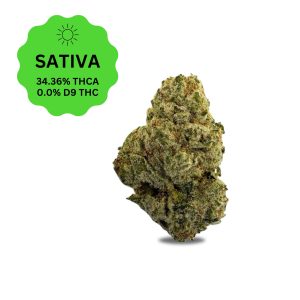 Orange Push Pop THCa FlowerPrice range: $39.99 through $189.99
 -
CBD Vape Cartridges$44.99
-
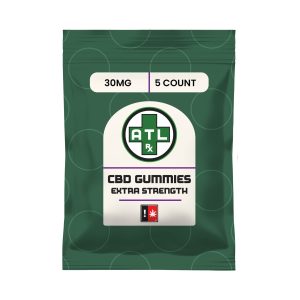 Full Spectrum CBD Gummies 30mgPrice range: $7.99 through $34.99
Two Genuine Wins for Exhale Wellness
We promised credit where it’s due, and we mean it. First, Exhale’s social proof is seriously impressive; they’ve racked up tens of thousands of verified five-star reviews and served hundreds of thousands of customers. That kind of track record earns real trust, and it’s fair to say they’ve built a loyal following.
Second, their guided shopping experience is genuinely well done. Between the product-finder quiz, organized category browsing, an EX-Club rewards program, and subscribe-and-save options, they make it easy for a total beginner to find a starting point without feeling overwhelmed. Those are smart, customer-first features worth calling out.
The verdict: Both brands take service seriously, and Exhale’s review-based and guided shopping flow is a real strength. But between free shipping on every order (no minimum), scan-and-see QR-code lab results, physical stores, and trained in-person guidance, ATLRx just gives you more ways to shop with confidence.
So, Who Wins?
Let’s keep it real, both of these brands are doing a lot right. They’re both compliant, both transparent, both lab-testing everything they sell. If Exhale Wellness’s flower selection, huge review base, and guided shopping experience line up with exactly what you want, you’ll be in good hands.
But what if you want a brand that can genuinely be your one-stop shop? ATLRx takes it.
Here’s why it lands in ATLRx’s favor:
- Deep minor-cannabinoid range: Delta 8, Delta 9, Delta 10, THCA, THCV, THCP, CBD, CBG, CBN, and blends, with standalone options most brands skip
- A huge format catalog: gummies, flower, vapes, concentrates, tinctures, topicals, syrups, and its own THC beverages
- Instant transparency: QR-code COAs right on the package, plus full lab results online
- Free shipping on every order: no minimums, ever (vs. Exhale’s $80 threshold)
- Real-world presence: three Georgia stores and trained staff for hands-on help
- Eight years of experience: a track record that’s tough to fake
Exhale Wellness is a strong brand with a genuinely loyal following and a polished experience. But ATLRx gives you the range, the transparency, and the support to actually find what works for you, whether you’re brand new to hemp or you already know your way around a terpene profile.
Ready to see what the range is all about? Explore the full ATLRx cannabinoid lineup and find your fit.
Disclaimer: Must be 21 or older to purchase. Hemp-derived cannabinoid legality varies by state. Check your local laws before ordering. The statements on this page have not been evaluated by the Food and Drug Administration. These products are not intended to diagnose, treat, cure, or prevent any disease.
The post ATLRx vs. Exhale Wellness: Which Hemp Brand Should You Actually Trust? appeared first on ATLRx.
]]>